Hong Kong Customs alerts public to unsafe wireless laser pen with false trade description
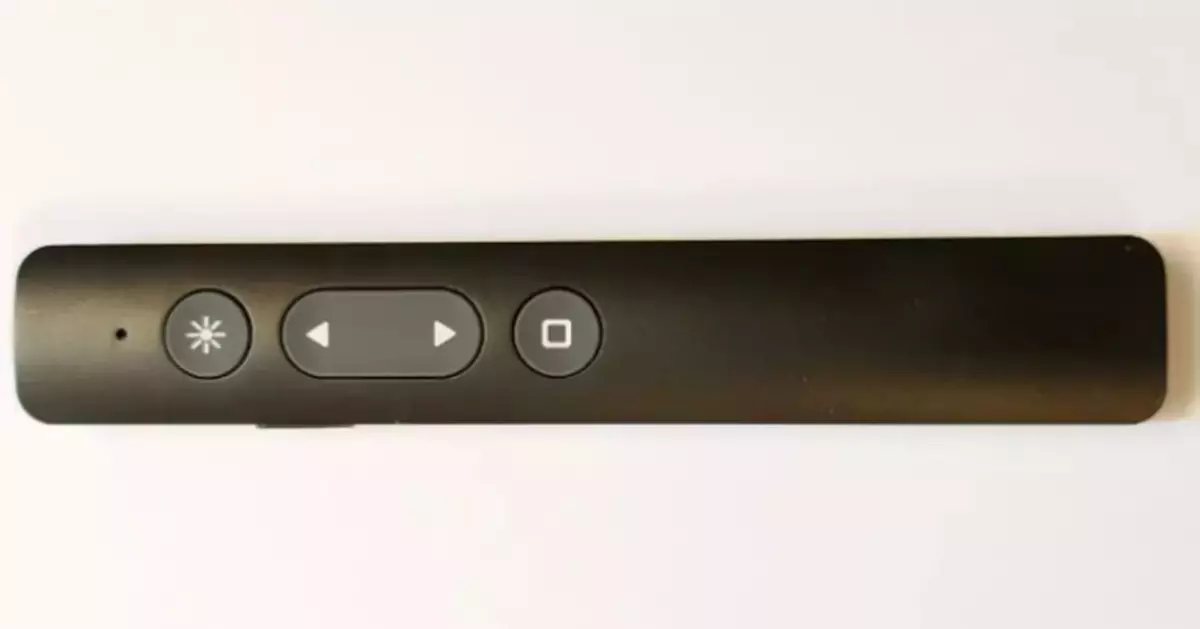
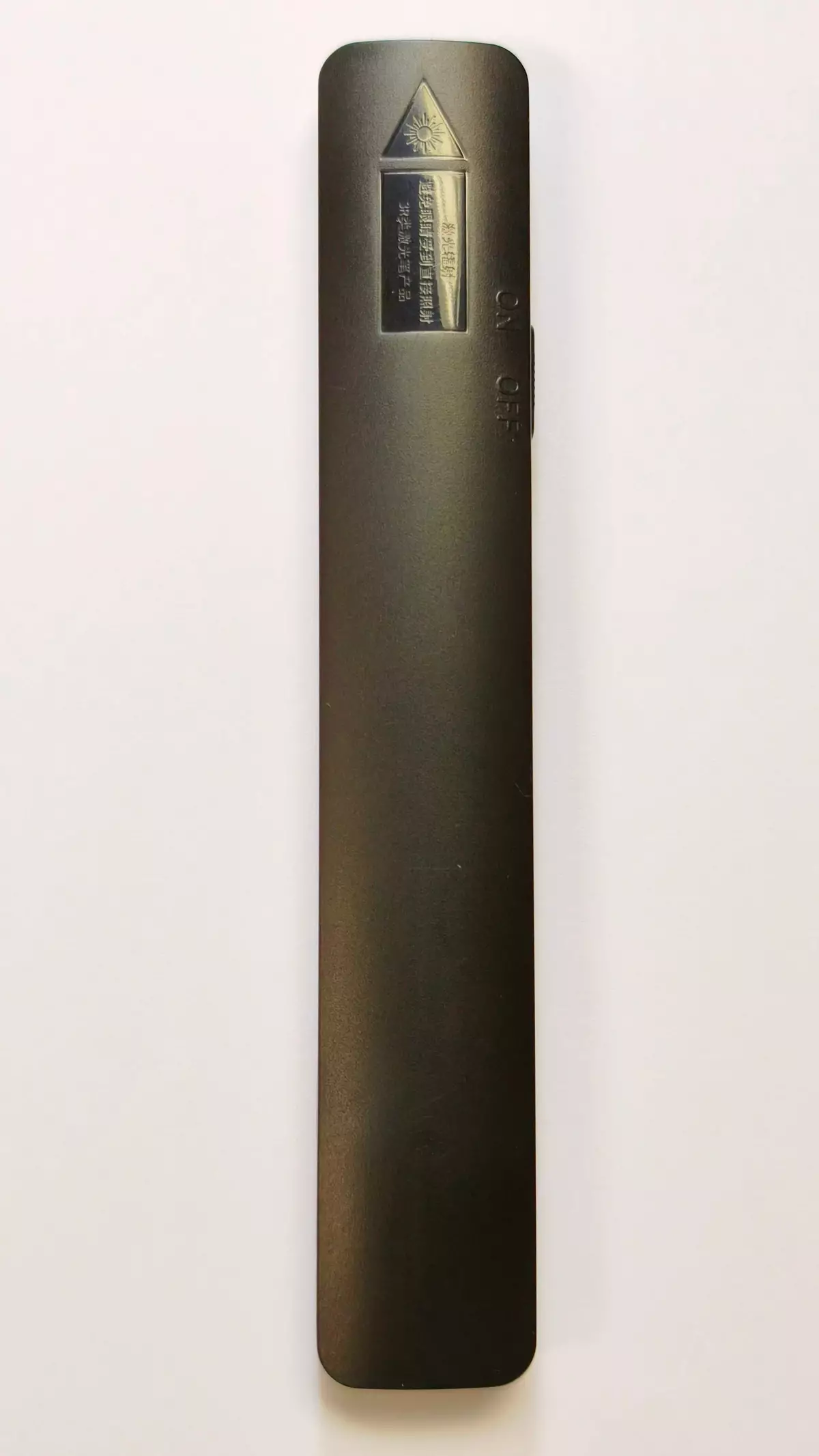
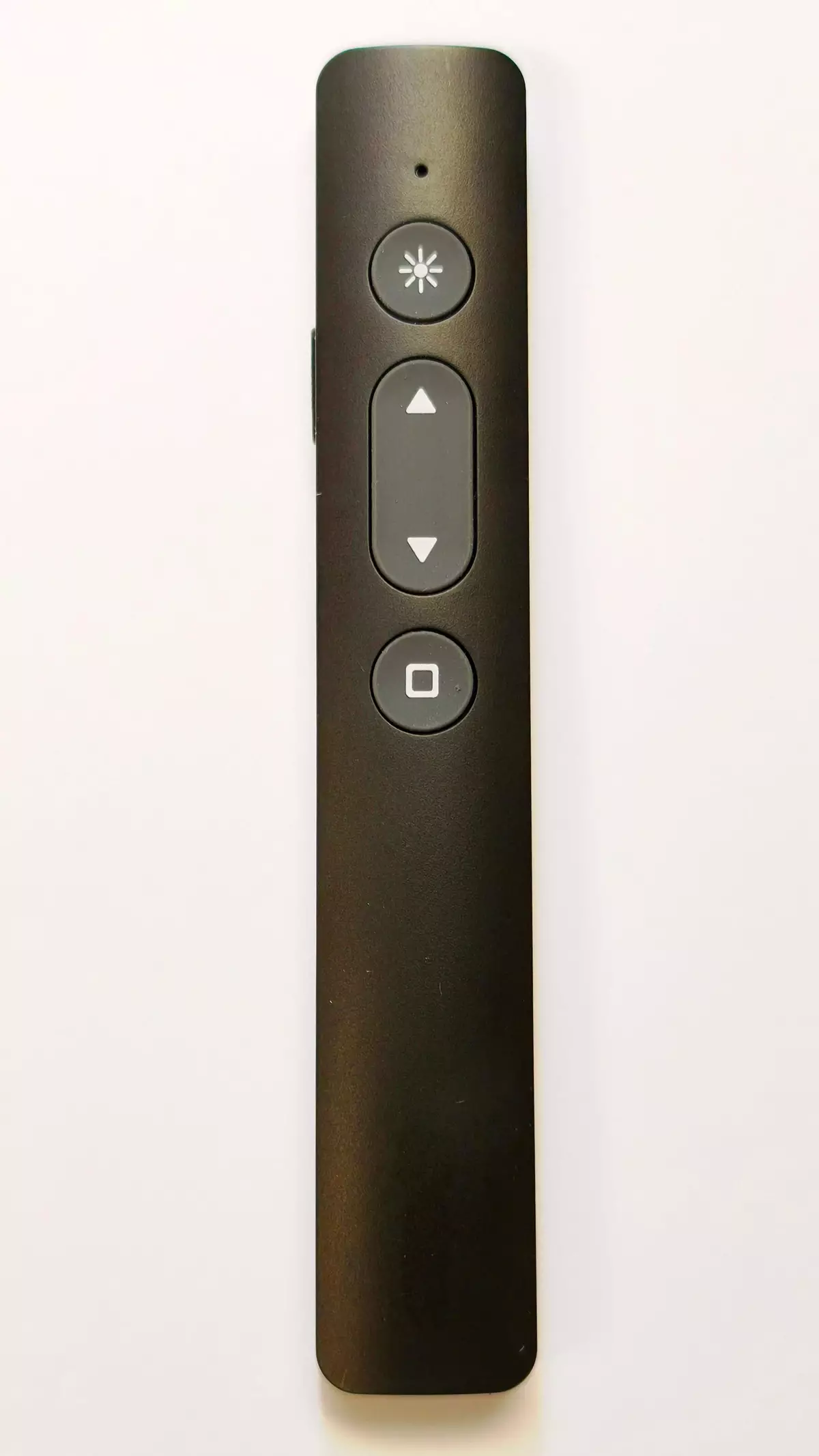
Hong Kong Customs today (December 8) alerted members of the public to the potential risk of injury posed by a model of wireless laser pen and advised them to stop using the product for safety's sake.
Customs officers recently conducted spot checks and test-purchased several models of wireless laser pens for safety testing. Testing results revealed that one of the models had a temperature measurement result of 78.4 degrees Celsius on its reachable shell, which was 35 per cent higher than the allowable limit (i.e. 58°C) in the case of a short circuit in the battery. The product concerned thus failed to comply with relevant international product safety standards and was suspected to be in contravention of the Consumer Goods Safety Ordinance (CGSO).
In addition, the wireless laser pen had a "3R laser pen product category" affixed. However, the testing results revealed that the product concerned belonged to a stronger laser output power level category, namely 3B. In this regard, the relevant retailer and importer was suspected of violating the Trade Descriptions Ordinance (TDO).
Customs officers subsequently conducted operations and searched the retailer and importer involved in the case. A total of three wireless laser pens of the model concerned were seized. Prohibition notices were also served on the retailer and importer, prohibiting the continued sale of the unsafe wireless laser pen.
Customs officers have conducted spot checks and inspections in various districts and have not found any sales of the wireless laser pen concerned so far. An investigation is ongoing.
Customs reminds members of the public to observe the following safety tips when purchasing and using wireless laser pens:
Purchase wireless laser pens manufactured by well-reputed brands and equipped with short circuit protection devices, including protection devices against overcharging, overcurrent and battery temperature protection;
Charge wireless laser pens in an environment with good ventilation so as not to obstruct heat dissipation from the batteries and to minimise the risk of a short circuit. Devices being charged should not be placed near inflammable articles such as clothes;
Avoid prolonged charging and unplug the wireless laser penafter it is fully charged; and
The beam emitted by laser pens may damage the eyes and skin, and under no circumstances should the light spot emitted by the laser pen be pointed at the eyes.
Customs is committed to the protection of consumer interests and regularly conducts spot checks and safety tests on consumer goods to ensure that they are reasonably safe for use by consumers.
Customs also reminds traders to comply with the statutory requirements of the CGSO to protect the safety of consumers. Under the CGSO, it is an offence to supply, manufacture or import into Hong Kong consumer goods unless the goods comply with the general safety requirements for consumer goods. The maximum penalty upon conviction is a fine of $100,000 and imprisonment for one year for a first conviction, and $500,000 and imprisonment for two years for subsequent convictions.
Under the TDO, any person who supplies goods with a false trade description in the course of trade or business, or who is in possession of any goods for sale with a false trade description, commits a criminal offence. The maximum penalty upon conviction is a fine of $500,000 and imprisonment for five years.
Members of the public may report any suspected violations of the abovementioned ordinances to Customs' 24-hour hotline 182 8080 or its dedicated crime-reporting email account (crimereport@customs.gov.hk) or online form (eform.cefs.gov.hk/form/ced002).
Hong Kong Customs alerts public to unsafe wireless laser pen with false trade description Source: HKSAR Government Press Releases
DH announces latest situation of Legionnaires' disease cases
The Centre for Health Protection (CHP) of the Department of Health today (December 8) reported the latest number of Legionnaires' disease (LD) cases, and reminded the public of the importance of using and maintaining properly designed man-made water systems, adding that susceptible groups should strictly observe relevant precautions.
From November 30 to December 6, the CHP recorded four community-acquired and one imported LD cases. All five patients had underlying illnesses.
Community-acquired cases
-------------------------------
- a 69-year-old male patient living in Eastern District;
- a 45-year-old female patient living in Eastern District;
- a 90-year-old male patient living in Kowloon City District; and
- a 73-year-old male patient living in Kwun Tong District.
Imported case
----------------
- a 77-year-old male patient who travelled to the Chinese Mainland during the incubation period.
The CHP is conducting epidemiological investigations to identify potential sources of infection and high-risk exposure. Initial investigations revealed that these are sporadic cases. No epidemiological linkages have been established between these five cases and other confirmed cases previously recorded in Hong Kong.
As of December 6, 156 LD cases had been recorded this year. In 2024 and 2023, there were 135 and 121 LD cases respectively.
Men, people aged over 50, smokers, alcoholics and persons with weakened immunity are more susceptible to LD. Some situations may also increase the risk of infection, including poor maintenance of water systems; living in areas with old water systems, cooling towers or fountains; using electric water heaters, whirlpools and spas or hot water spring spas; and recent stays in hotels or vessels.
Legionellae are found in various environmental settings and grow well in warm water (20 to 45 degrees Celsius). They can be found in aqueous environments such as water tanks, hot and cold water systems, cooling towers, whirlpools and spas, water fountains and home apparatus that support breathing. People may become infected when they breathe in contaminated droplets (aerosols) and mist generated by artificial water systems, or when handling garden soil, compost and potting mixes.
Immunocompromised persons should:
- Use sterile or boiled water for drinking, tooth brushing and mouth rinsing;
- Avoid using humidifiers, or other mist- or aerosol-generating devices; and
- If using humidifiers, or other mist- or aerosol-generating devices, fill the water tank with only sterile or cooled freshly boiled water, and not water directly from the tap. Also, clean and maintain humidifiers/devices regularly according to manufacturers' instructions. Never leave stagnant water in a humidifier/device. Empty the water tank, wipe all surfaces dry, and change the water daily.
The public should observe the health advice below:
- Observe personal hygiene;
- Do not smoke and avoid alcohol consumption;
- Strainers in water taps and shower heads should be inspected, cleaned, descaled and disinfected regularly or at a frequency recommended by the manufacturer;
- If a fresh-water plumbing system is properly maintained, it is not necessary to install domestic water filters. Use of water filters is not encouraged as clogging occurs easily, which can promote growth of micro-organisms. In case water filters are used, the pore size should be 0.2 micrometres (µm) and the filter needs to be changed periodically according to the manufacturer's recommendations;
- Drain and clean water tanks of buildings at least quarterly;
- Drain or purge for at least one minute infrequently used water outlets (e.g. water taps, shower heads and hot water outlets) and stagnant points of the pipework weekly or before use;
- Seek and follow doctors' professional advice regarding the use and maintenance of home respiratory devices and use only sterile water (not distilled or tap water) to clean and fill the reservoir. Clean and maintain the device regularly according to the manufacturer's instructions. After cleaning/disinfection, rinse the device with sterile water, cooled freshly boiled water or water filtered with 0.2 µm filters. Never leave stagnant water in the device. Empty the water tank, keep all surfaces dry, and change the water daily; and
- When handling garden soil, compost and potting mixes:
- Wear gloves and a face mask;
- Water gardens and compost gently using low pressure;
- Open composted potting mixes slowly and make sure the opening is directed away from the face;
- Wet the soil to reduce dust when potting plants; and
- Avoid working in poorly ventilated places such as enclosed greenhouses.
The public may visit the CHP's LD page, the Code of Practice for Prevention of LD and the Housekeeping Guidelines for Cold and Hot Water Systems for Building Management of the Prevention of LD Committee, and the CHP's risk-based strategy for prevention and control of LD.
Source: AI-found images