Skip to Content Facebook Feature Image

Indigenous artifacts returned by the Vatican are now at a Canadian museum

News

Indigenous artifacts returned by the Vatican are now at a Canadian museum
News

News

Indigenous artifacts returned by the Vatican are now at a Canadian museum

2025-12-10 03:50 Last Updated At:04:02

OTTAWA, Ontario (AP) — A selection of Inuit artifacts returned by the Vatican is now at the Canadian Museum of History, after First Nations, Inuit and Métis leaders for years called for the repatriation of Indigenous items.

Pope Leo XIV gave the artifacts — including a traditional Inuit kayak — and supporting documentation to the Canadian Conference of Catholic Bishops, which said it would return the items to Indigenous communities “as soon as possible.”

More Images
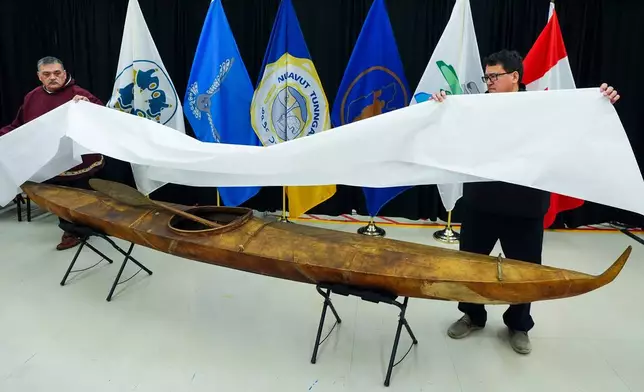
Darrel Nasogaluak, Elder and Chair of Tuktoyaktuk Community Corp., left, and Duane Smith, Chair and CEO of the Inuvialuit Regional Corp., unveil a traditionally built Inuvialuit kayak at the Canadian Museum of History in Gatineau, Que., on Tuesday, Dec. 9, 2025. (Sean Kilpatrick /The Canadian Press via AP)
Darrel Nasogaluak, Elder and Chair of Tuktoyaktuk Community Corp., left, and Duane Smith, Chair and CEO of the Inuvialuit Regional Corp., unveil a traditionally built Inuvialuit kayak at the Canadian Museum of History in Gatineau, Que., on Tuesday, Dec. 9, 2025. (Sean Kilpatrick /The Canadian Press via AP)
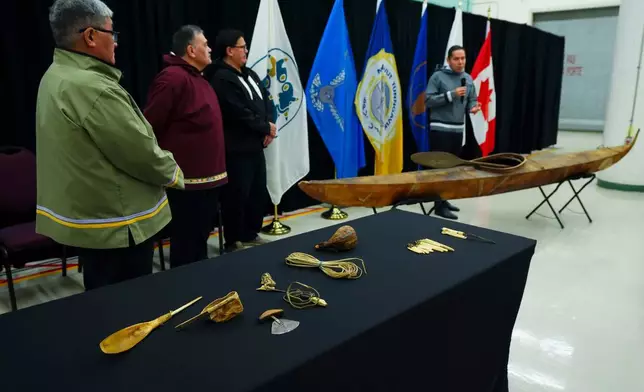
A selection of Inuit items are unveiled at the Canadian Museum of History in Gatineau, Que., on Tuesday, Dec. 9, 2025. (Sean Kilpatrick /The Canadian Press via AP)
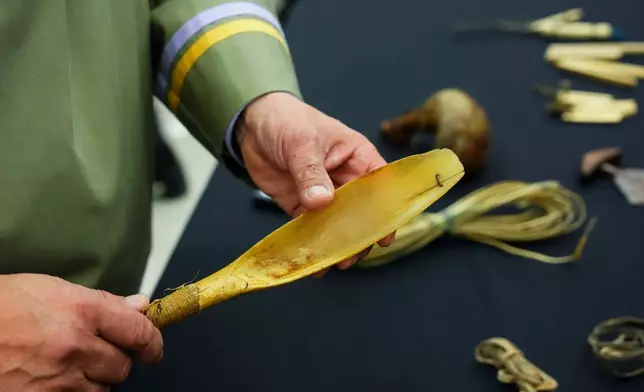
A selection of Inuit items are unveiled at the Canadian Museum of History in Gatineau, Que., on Tuesday, Dec. 9, 2025. (Sean Kilpatrick /The Canadian Press via AP)
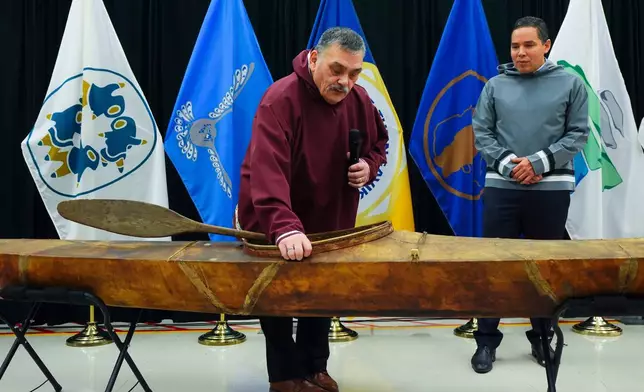
Paul Irngaut, Acting President of Nunavut Tunngavik Inc., left to right, Darrel Nasogaluak, Elder and Chair of Tuktoyaktuk Community Corp., Duane Smith, Chair and CEO of the Inuvialuit Regional Corp., and Natan Obed, President of Inuit Tapiriit Kanatami unveil a traditionally built Inuvialuit kayak and a selection of Inuit items at the Canadian Museum of History in Gatineau, Que., on Tuesday, Dec. 9, 2025. (Sean Kilpatrick /The Canadian Press via AP)
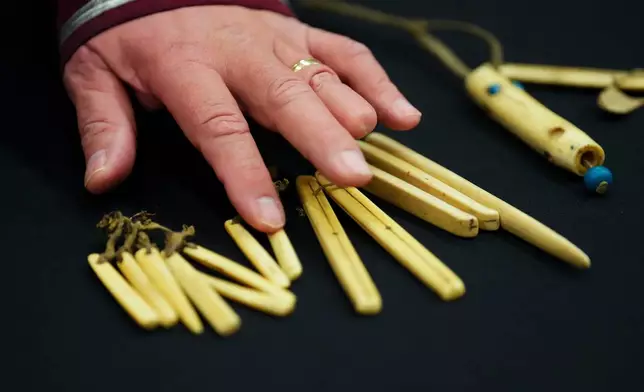
Paul Irngaut, Acting President of Nunavut Tunngavik Inc., left to right, Darrel Nasogaluak, Elder and Chair of Tuktoyaktuk Community Corp., Duane Smith, Chair and CEO of the Inuvialuit Regional Corp., and Natan Obed, President of Inuit Tapiriit Kanatami unveil a traditionally built Inuvialuit kayak and a selection of Inuit items at the Canadian Museum of History in Gatineau, Que., on Tuesday, Dec. 9, 2025. (Sean Kilpatrick /The Canadian Press via AP)
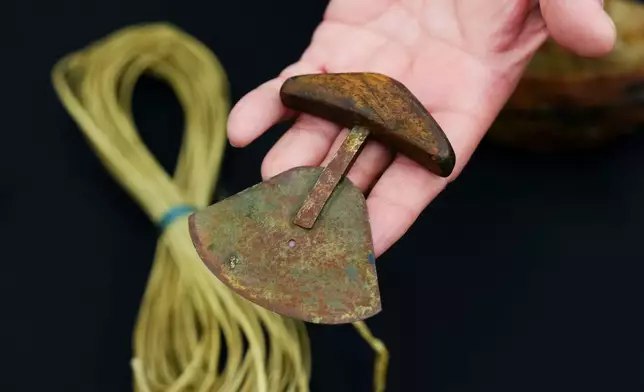
A selection of Inuit items are unveiled at the Canadian Museum of History in Gatineau, Que., on Tuesday, Dec. 9, 2025. (Sean Kilpatrick /The Canadian Press via AP)
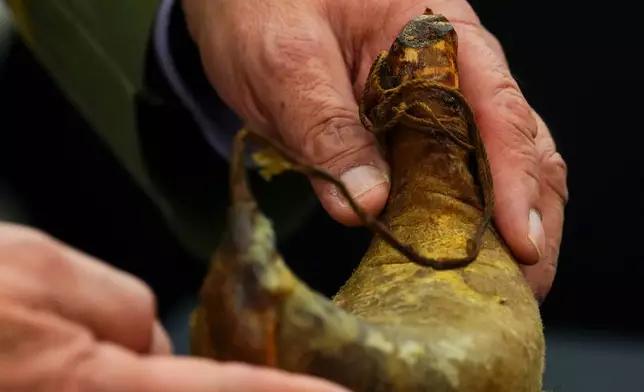
A selection of Inuit items are unveiled at the Canadian Museum of History in Gatineau, Que., on Tuesday, Dec. 9, 2025. (Sean Kilpatrick /The Canadian Press via AP)
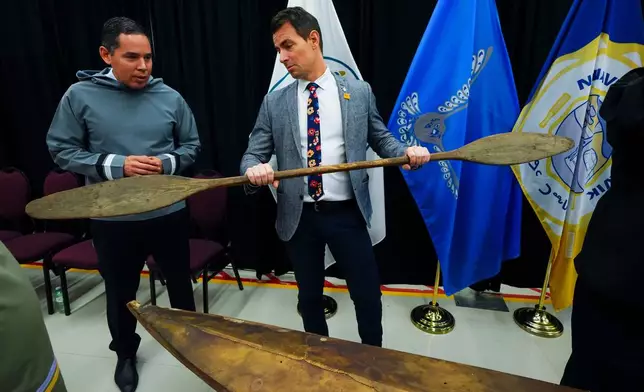
Darrel Nasogaluak, Elder and Chair of Tuktoyaktuk Community Corp., middle, answers questions with Natan Obed, President of Inuit Tapiriit Kanatami, as a selection of Inuit items, including a traditionally built Inuvialuit kayak, are unveiled at the Canadian Museum of History in Gatineau, Que., on Tuesday, Dec. 9, 2025. (Sean Kilpatrick /The Canadian Press via AP)
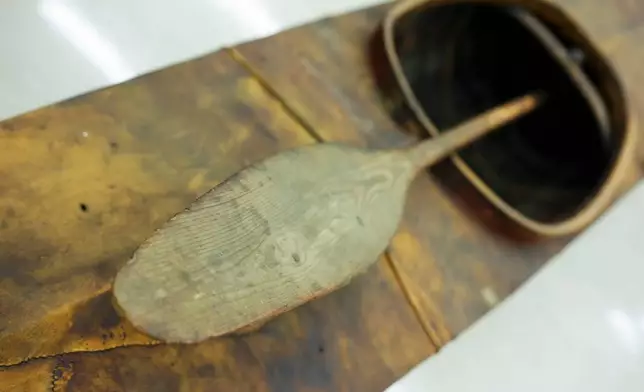
Darrel Nasogaluak, Elder and Chair of Tuktoyaktuk Community Corp., middle, answers questions with Natan Obed, President of Inuit Tapiriit Kanatami, as a selection of Inuit items, including a traditionally built Inuvialuit kayak, are unveiled at the Canadian Museum of History in Gatineau, Que., on Tuesday, Dec. 9, 2025. (Sean Kilpatrick /The Canadian Press via AP)
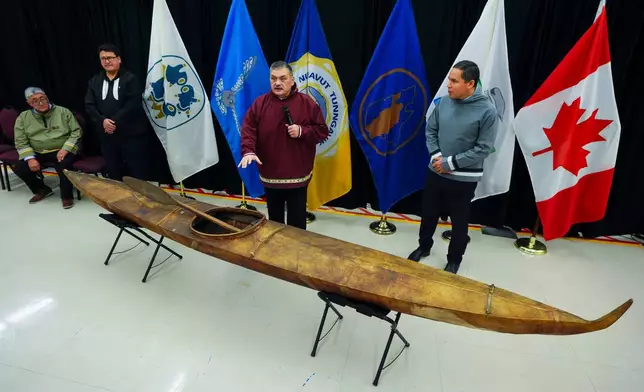
A selection of Inuit items are unveiled at the Canadian Museum of History in Gatineau, Que., on Tuesday, Dec. 9, 2025. (Sean Kilpatrick /The Canadian Press via AP)
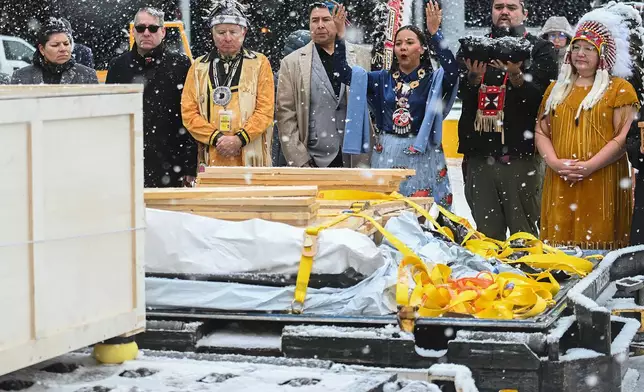
A selection of Inuit items are unveiled at the Canadian Museum of History in Gatineau, Que., on Tuesday, Dec. 9, 2025. (Sean Kilpatrick /The Canadian Press via AP)

A selection of Inuit items are unveiled at the Canadian Museum of History in Gatineau, Que., on Tuesday, Dec. 9, 2025. (Sean Kilpatrick /The Canadian Press via AP)

A selection of Inuit items are unveiled at the Canadian Museum of History in Gatineau, Que., on Tuesday, Dec. 9, 2025. (Sean Kilpatrick /The Canadian Press via AP)

A selection of Inuit items are unveiled at the Canadian Museum of History in Gatineau, Que., on Tuesday, Dec. 9, 2025. (Sean Kilpatrick /The Canadian Press via AP)

A selection of Inuit items are unveiled at the Canadian Museum of History in Gatineau, Que., on Tuesday, Dec. 9, 2025. (Sean Kilpatrick /The Canadian Press via AP)

Natan Obed, President of Inuit Tapiriit Kanatami, left, stands with Adam van Koeverden, Secretary of State (Sport) and gold medal Olympic kayaker, as a selection of Inuit items, including a traditionally built Inuvialuit kayak and paddle, are unveiled at the Canadian Museum of History in Gatineau, Que., on Tuesday, Dec. 9, 2025. (Sean Kilpatrick /The Canadian Press via AP)

Natan Obed, President of Inuit Tapiriit Kanatami, left, stands with Adam van Koeverden, Secretary of State (Sport) and gold medal Olympic kayaker, as a selection of Inuit items, including a traditionally built Inuvialuit kayak and paddle, are unveiled at the Canadian Museum of History in Gatineau, Que., on Tuesday, Dec. 9, 2025. (Sean Kilpatrick /The Canadian Press via AP)

A selection of Inuit items are unveiled at the Canadian Museum of History in Gatineau, Que., on Tuesday, Dec. 9, 2025. (Sean Kilpatrick /The Canadian Press via AP)

A selection of Inuit items are unveiled at the Canadian Museum of History in Gatineau, Que., on Tuesday, Dec. 9, 2025. (Sean Kilpatrick /The Canadian Press via AP)

Paul Irngaut, Acting President of Nunavut Tunngavik Inc., left to right, Duane Smith, Chair and CEO of the Inuvialuit Regional Corp., Darrel Nasogaluak, Elder and Chair of Tuktoyaktuk Community Corp., and Natan Obed, President of Inuit Tapiriit Kanatami answer questions after the unveiling of a traditionally built Inuvialuit kayak and a selection of Inuit items at the Canadian Museum of History in Gatineau, Que., on Tuesday, Dec. 9, 2025. (Sean Kilpatrick /The Canadian Press via AP)

Paul Irngaut, Acting President of Nunavut Tunngavik Inc., left to right, Duane Smith, Chair and CEO of the Inuvialuit Regional Corp., Darrel Nasogaluak, Elder and Chair of Tuktoyaktuk Community Corp., and Natan Obed, President of Inuit Tapiriit Kanatami answer questions after the unveiling of a traditionally built Inuvialuit kayak and a selection of Inuit items at the Canadian Museum of History in Gatineau, Que., on Tuesday, Dec. 9, 2025. (Sean Kilpatrick /The Canadian Press via AP)

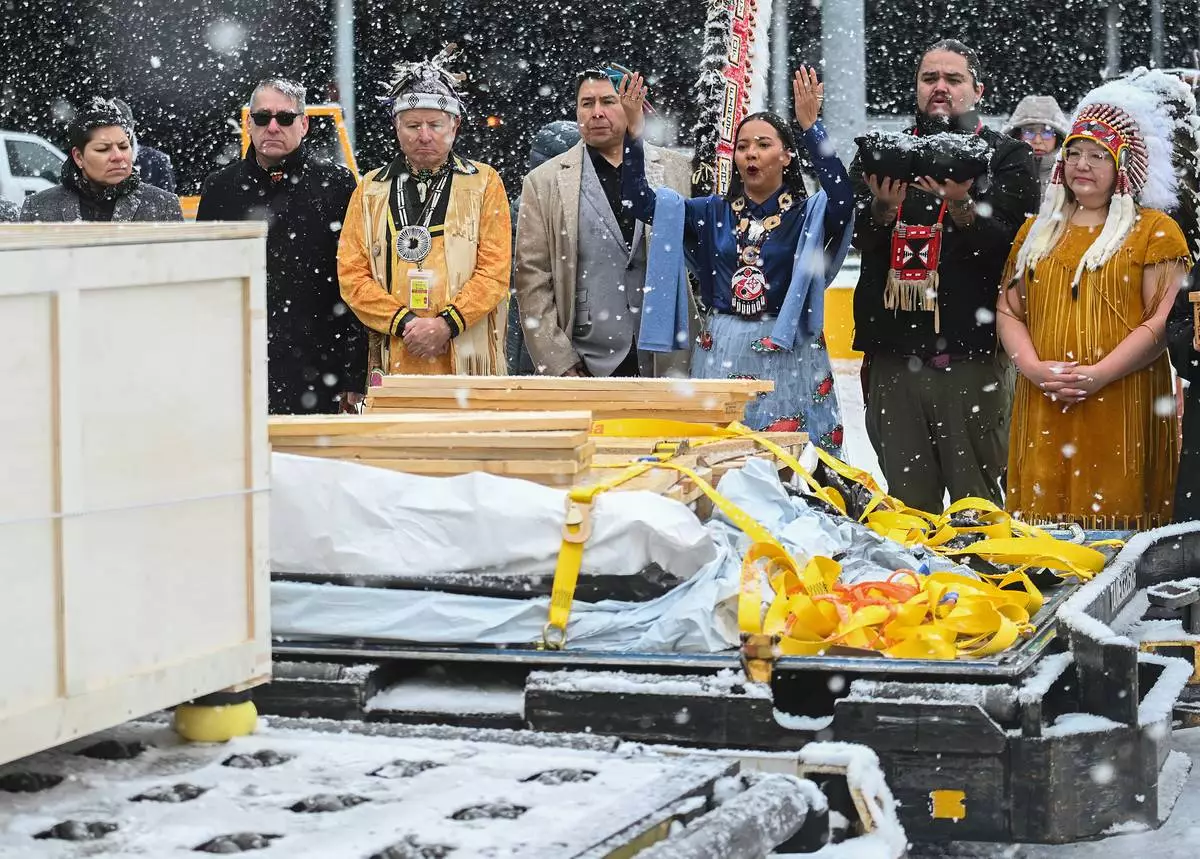
Assembly of First Nations National Chief Cindy Woodhouse Nepinak, right, along with representatives from various First Nations receive a kayak and other indigenous artifacts at Trudeau Airport in Montreal, Saturday, Dec. 6, 2025, after they were returned by the Vatican. (Graham Hughes /The Canadian Press via AP)
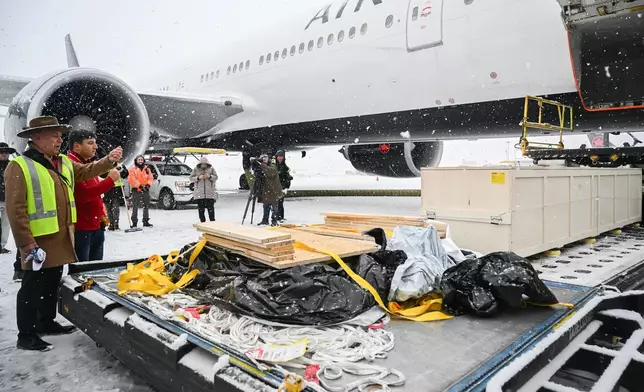
Assembly of First Nations National Chief Cindy Woodhouse Nepinak, right, along with representatives from various First Nations receive a kayak and other indigenous artifacts at Trudeau Airport in Montreal, Saturday, Dec. 6, 2025, after they were returned by the Vatican. (Graham Hughes /The Canadian Press via AP)
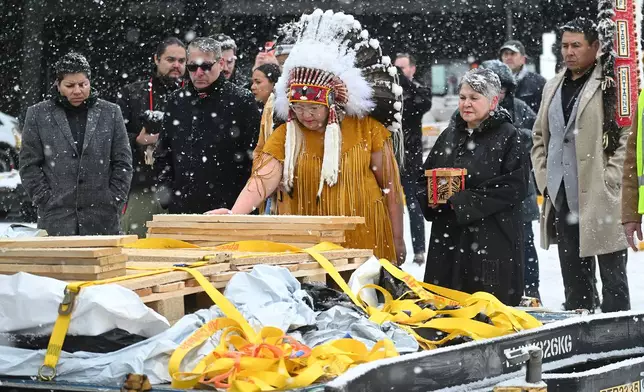
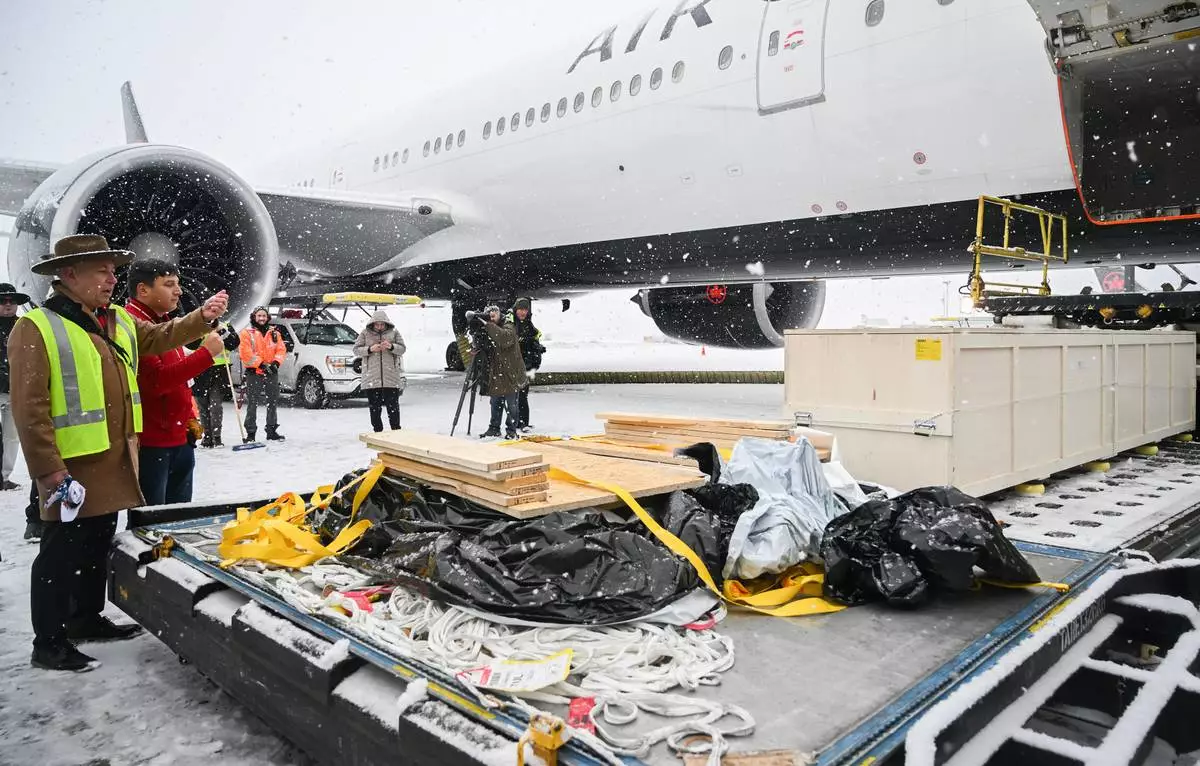
Representatives from various First Nations look on as a kayak and other indigenous artifacts arrive at Trudeau Airport in Montreal, Saturday, Dec. 6, 2025, after they were returned by the Vatican. (Graham Hughes /The Canadian Press via AP)
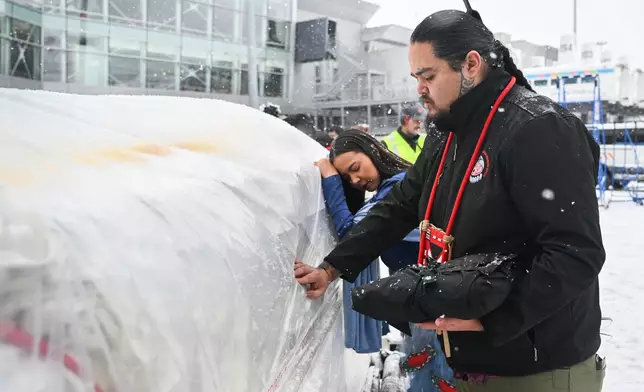
Representatives from various First Nations look on as a kayak and other indigenous artifacts arrive at Trudeau Airport in Montreal, Saturday, Dec. 6, 2025, after they were returned by the Vatican. (Graham Hughes /The Canadian Press via AP)

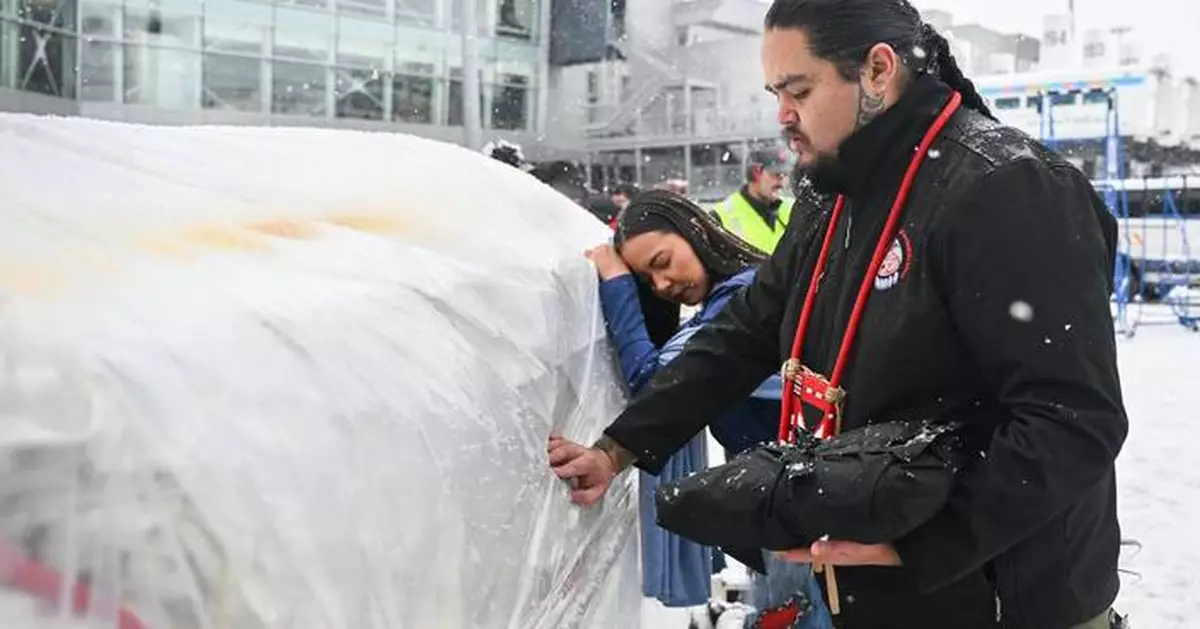
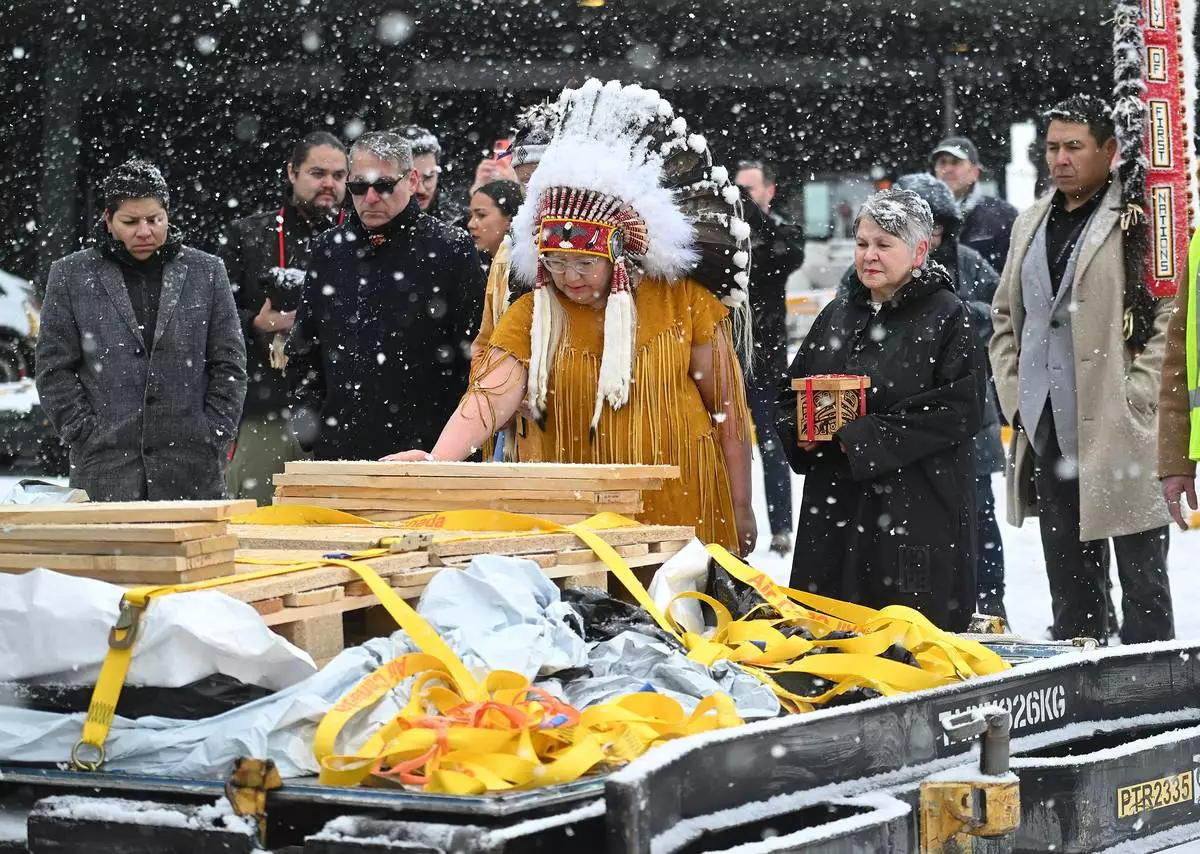
Assembly of First Nations National Chief Cindy Woodhouse Nepinak places her hand on indigenous and cultural artifacts at Trudeau Airport in Montreal, Saturday, Dec. 6, 2025, after they were returned by the Vatican. (Graham Hughes /The Canadian Press via AP)

Assembly of First Nations National Chief Cindy Woodhouse Nepinak places her hand on indigenous and cultural artifacts at Trudeau Airport in Montreal, Saturday, Dec. 6, 2025, after they were returned by the Vatican. (Graham Hughes /The Canadian Press via AP)

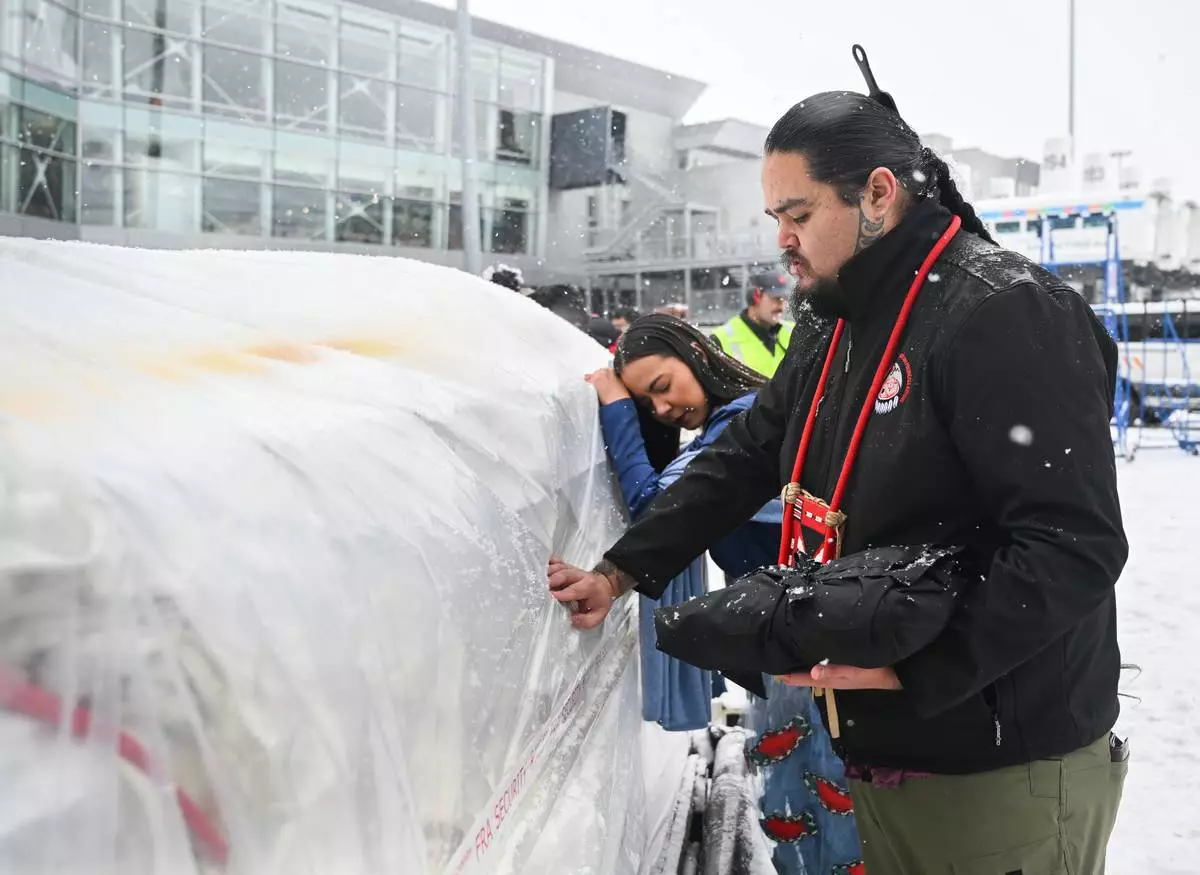
Katisha Paul of the Lil'wat and Tsartlip Nations, left, and Peyal Laceese of the Tsilhqot'in nation touch a crate containing indigenous artifacts and cultural items at Trudeau Airport in Montreal, Saturday, Dec. 6, 2025, after they were returned by the Vatican. (Graham Hughes /The Canadian Press via AP)

Katisha Paul of the Lil'wat and Tsartlip Nations, left, and Peyal Laceese of the Tsilhqot'in nation touch a crate containing indigenous artifacts and cultural items at Trudeau Airport in Montreal, Saturday, Dec. 6, 2025, after they were returned by the Vatican. (Graham Hughes /The Canadian Press via AP)

The items — 62 in all — ultimately will be returned to their communities as part of the Catholic Church’s reckoning with its role in helping suppress Indigenous culture in the Americas.

First Nations, Inuit and Métis leaders welcomed the dozens of artifacts at Montreal’s airport on Saturday and Inuit leaders showed some of the returned items to a small group of Indigenous representatives and journalists Tuesday.

The Inuit kayak, elegantly hand-built from driftwood, sealskin and sinew, was one of the artifacts earmarked for repatriation.

Inuit Tapiriit Kanatami President Natan Obed said it’s not known how the kayak, an essential item to the life of the community and likely used for beluga hunting, ended up in the Vatican.

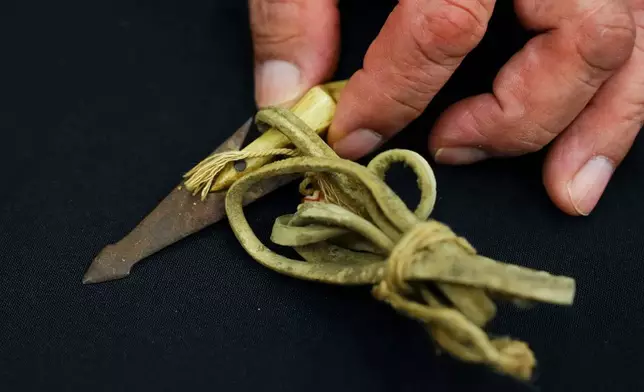
Along with the kayak, the items on display Tuesday included a handful of smaller Inuit items, including a soup ladle, needle casings and an ulu knife.

Obed said the items will not be on public display anytime soon as a group of Inuit advisers works to trace each artifact back to its community of origin. The artifacts will be kept for now at the Canadian Museum of History in a secure facility with temperature controls.

For a century, the items were part of the Vatican Museums' ethnographic collection, known today as the Anima Mundi museum. The collection has been a source of controversy for the Vatican amid the broader debate over the restitution of cultural goods taken from Indigenous peoples during colonial periods.

Most of the items in the Vatican collection were sent to Rome by Catholic missionaries for a 1925 exhibition in the Vatican gardens. The Vatican insists the items were “gifts” to Pope Pius XI, who wanted to celebrate the church’s global reach, its missionaries and the lives of the Indigenous peoples they evangelized.

But historians, Indigenous groups and experts have long questioned whether the items could really have been offered freely, given the power imbalances at play in Catholic missions at the time.

During the display on Tuesday, Inuit leaders demonstrated for journalists how the items were made and how they would have been used. Onlookers were allowed to touch the objects as Paul Irngaut, acting president of Nunavut Tunngavik Inc., explained their cultural significance.

“I’m sure that there were some people who are curators who might have been quite aghast at us touching the item, lifting it up, handling the paddle,” Obed said, adding that returning the artifacts is "part of reconciliation."
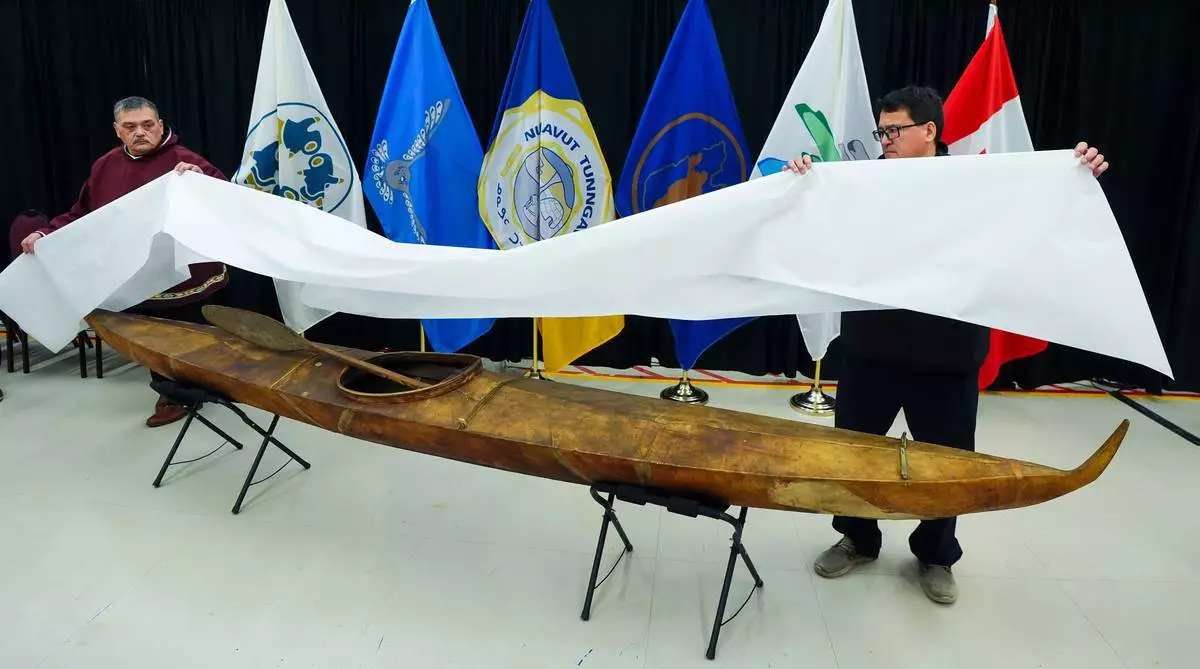
Darrel Nasogaluak, Elder and Chair of Tuktoyaktuk Community Corp., left, and Duane Smith, Chair and CEO of the Inuvialuit Regional Corp., unveil a traditionally built Inuvialuit kayak at the Canadian Museum of History in Gatineau, Que., on Tuesday, Dec. 9, 2025. (Sean Kilpatrick /The Canadian Press via AP)
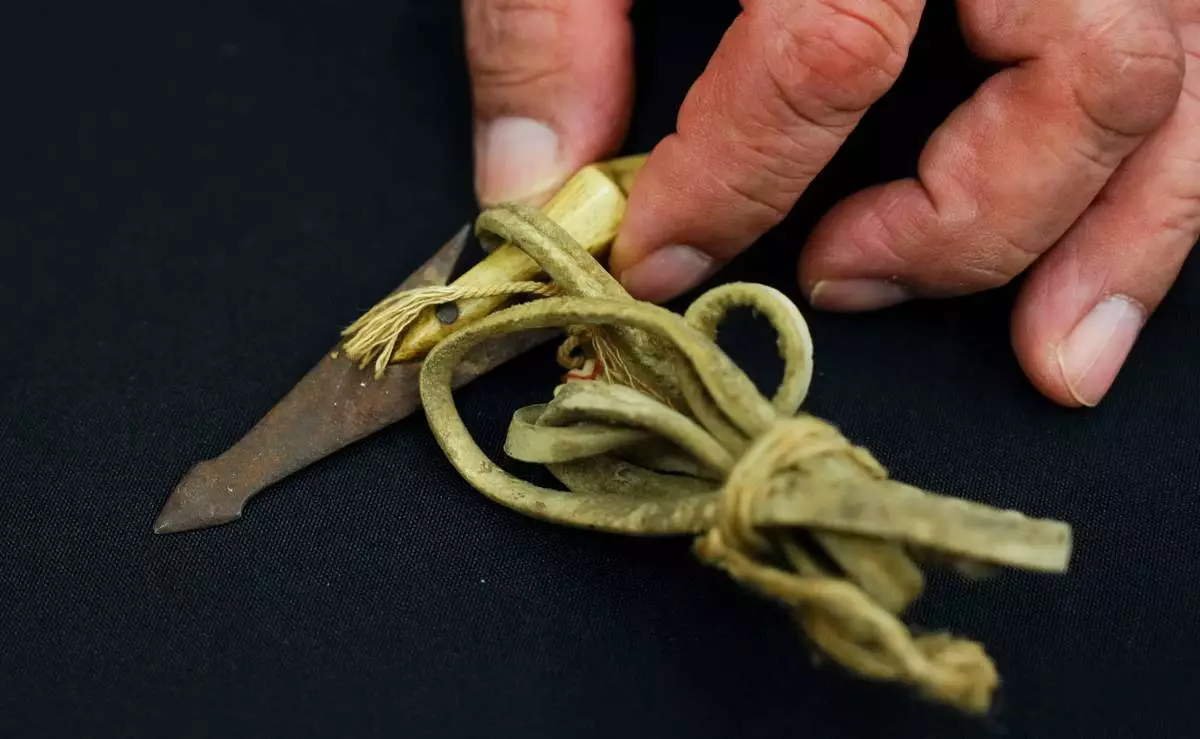
Darrel Nasogaluak, Elder and Chair of Tuktoyaktuk Community Corp., left, and Duane Smith, Chair and CEO of the Inuvialuit Regional Corp., unveil a traditionally built Inuvialuit kayak at the Canadian Museum of History in Gatineau, Que., on Tuesday, Dec. 9, 2025. (Sean Kilpatrick /The Canadian Press via AP)
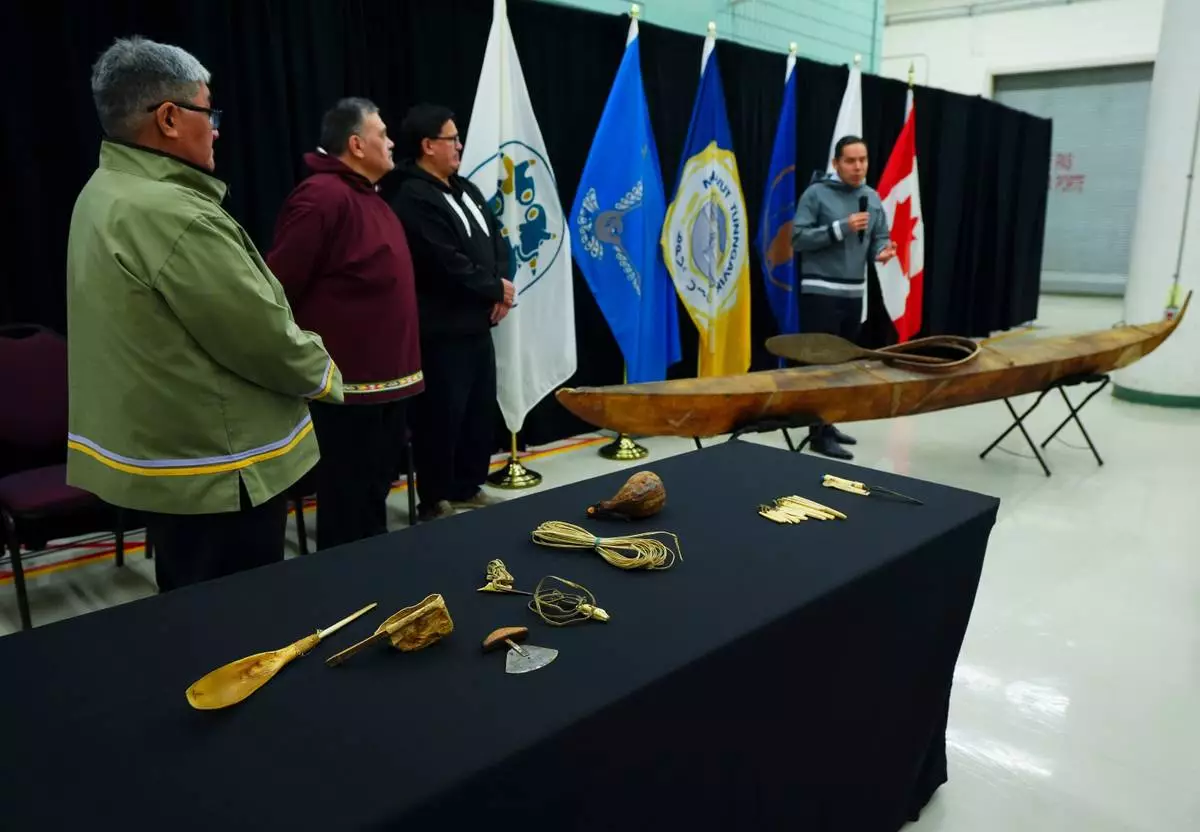
A selection of Inuit items are unveiled at the Canadian Museum of History in Gatineau, Que., on Tuesday, Dec. 9, 2025. (Sean Kilpatrick /The Canadian Press via AP)
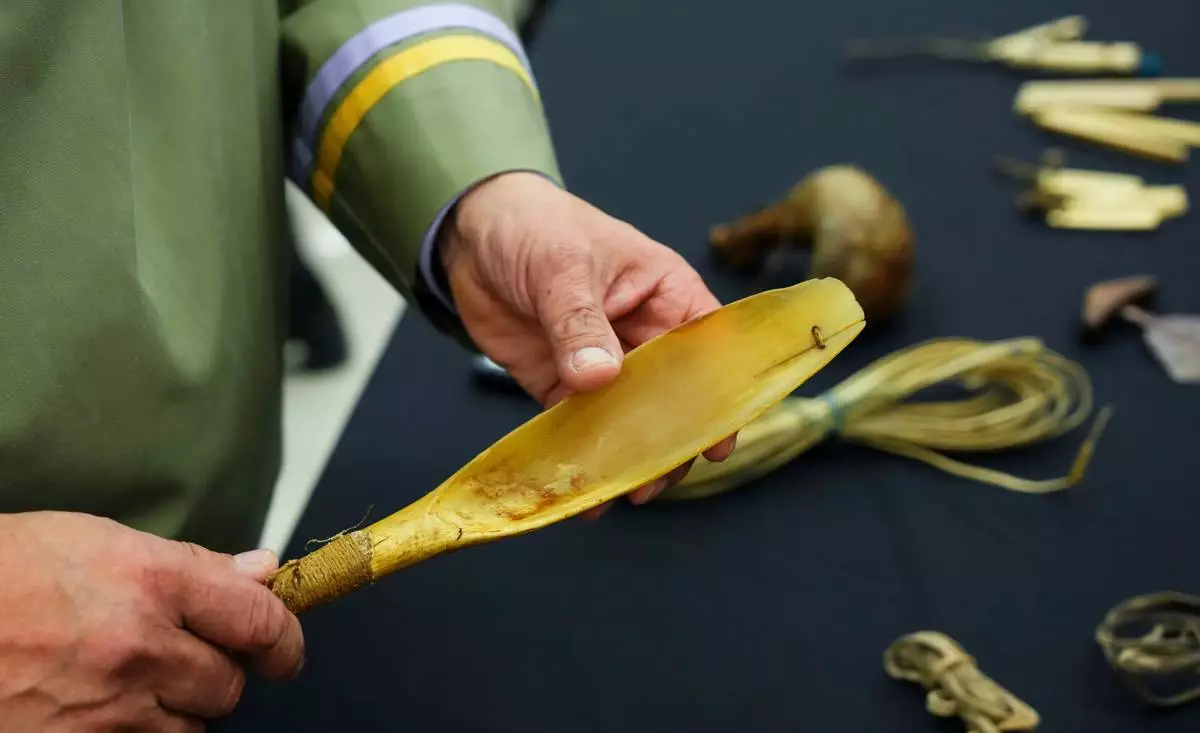
A selection of Inuit items are unveiled at the Canadian Museum of History in Gatineau, Que., on Tuesday, Dec. 9, 2025. (Sean Kilpatrick /The Canadian Press via AP)
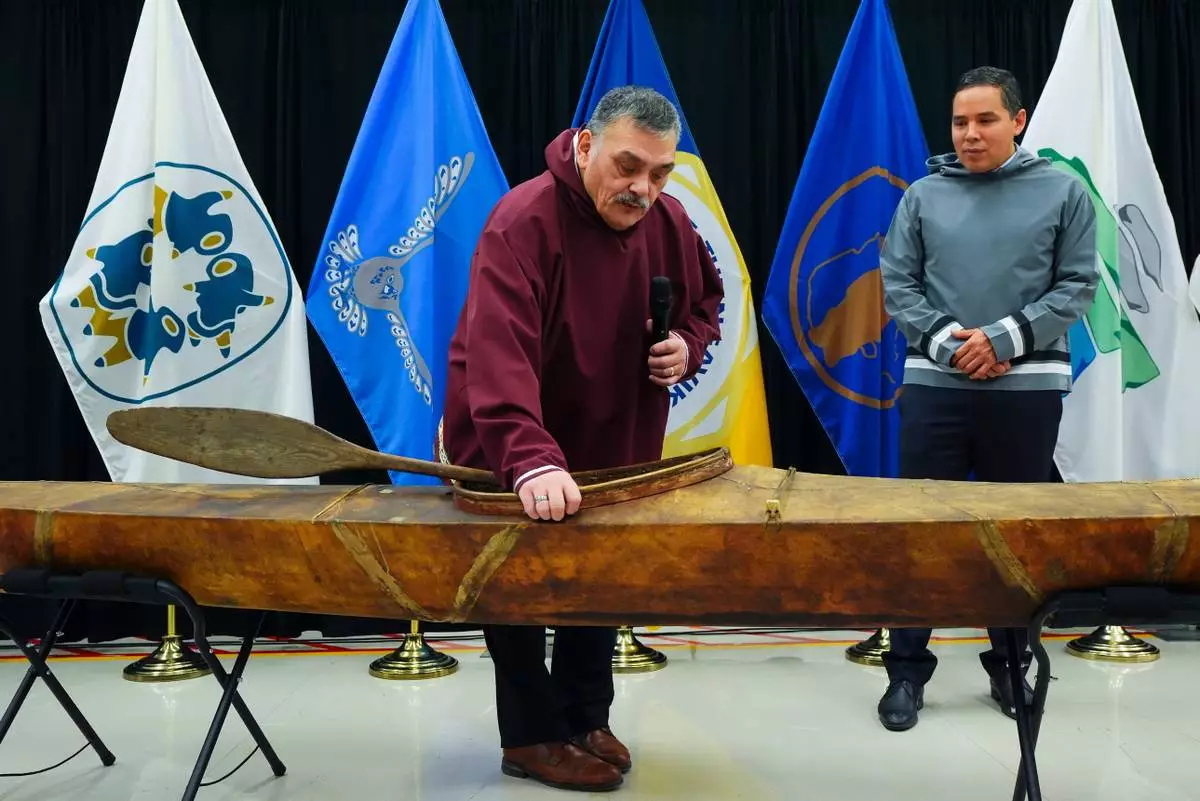
Paul Irngaut, Acting President of Nunavut Tunngavik Inc., left to right, Darrel Nasogaluak, Elder and Chair of Tuktoyaktuk Community Corp., Duane Smith, Chair and CEO of the Inuvialuit Regional Corp., and Natan Obed, President of Inuit Tapiriit Kanatami unveil a traditionally built Inuvialuit kayak and a selection of Inuit items at the Canadian Museum of History in Gatineau, Que., on Tuesday, Dec. 9, 2025. (Sean Kilpatrick /The Canadian Press via AP)
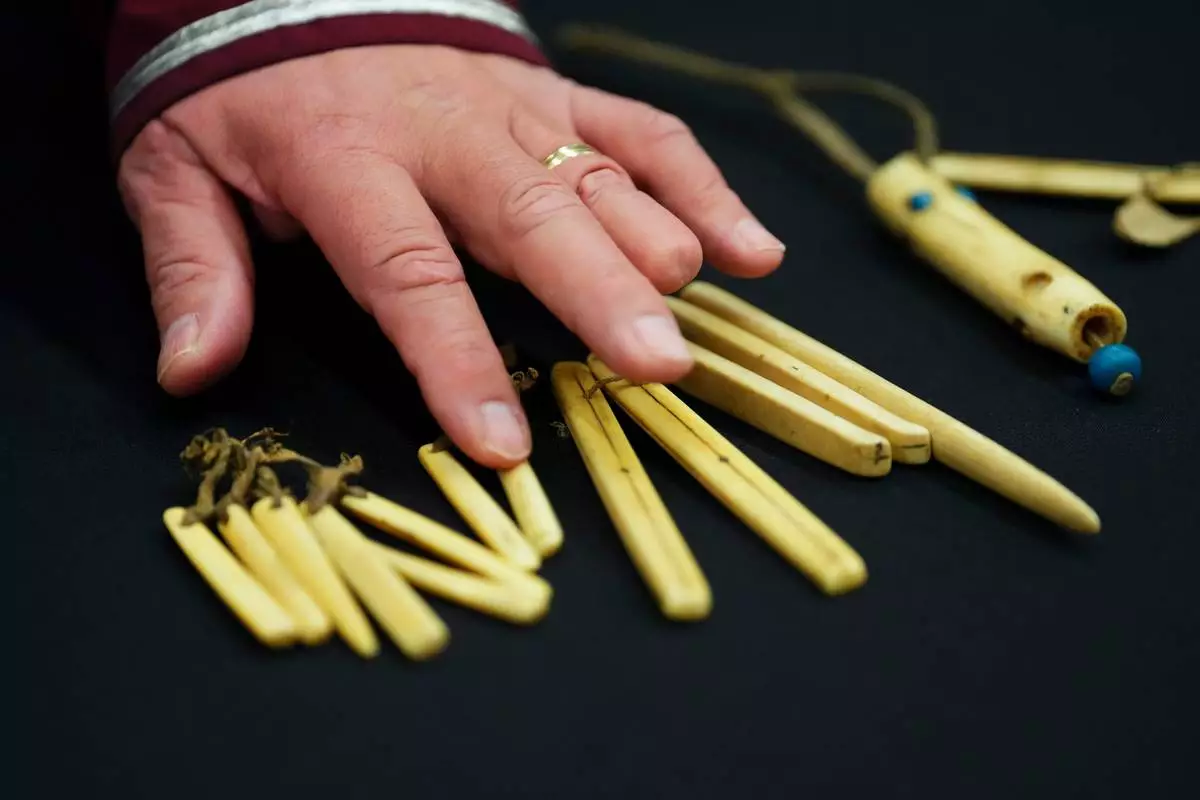
Paul Irngaut, Acting President of Nunavut Tunngavik Inc., left to right, Darrel Nasogaluak, Elder and Chair of Tuktoyaktuk Community Corp., Duane Smith, Chair and CEO of the Inuvialuit Regional Corp., and Natan Obed, President of Inuit Tapiriit Kanatami unveil a traditionally built Inuvialuit kayak and a selection of Inuit items at the Canadian Museum of History in Gatineau, Que., on Tuesday, Dec. 9, 2025. (Sean Kilpatrick /The Canadian Press via AP)
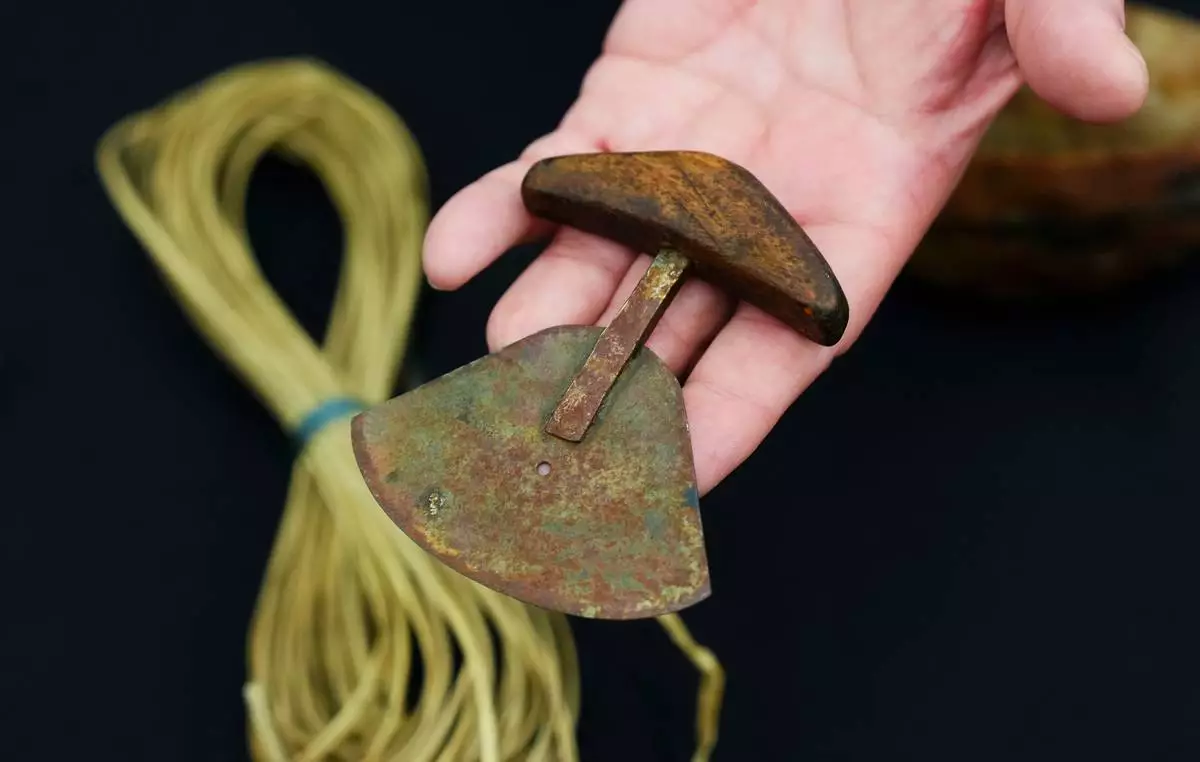
A selection of Inuit items are unveiled at the Canadian Museum of History in Gatineau, Que., on Tuesday, Dec. 9, 2025. (Sean Kilpatrick /The Canadian Press via AP)
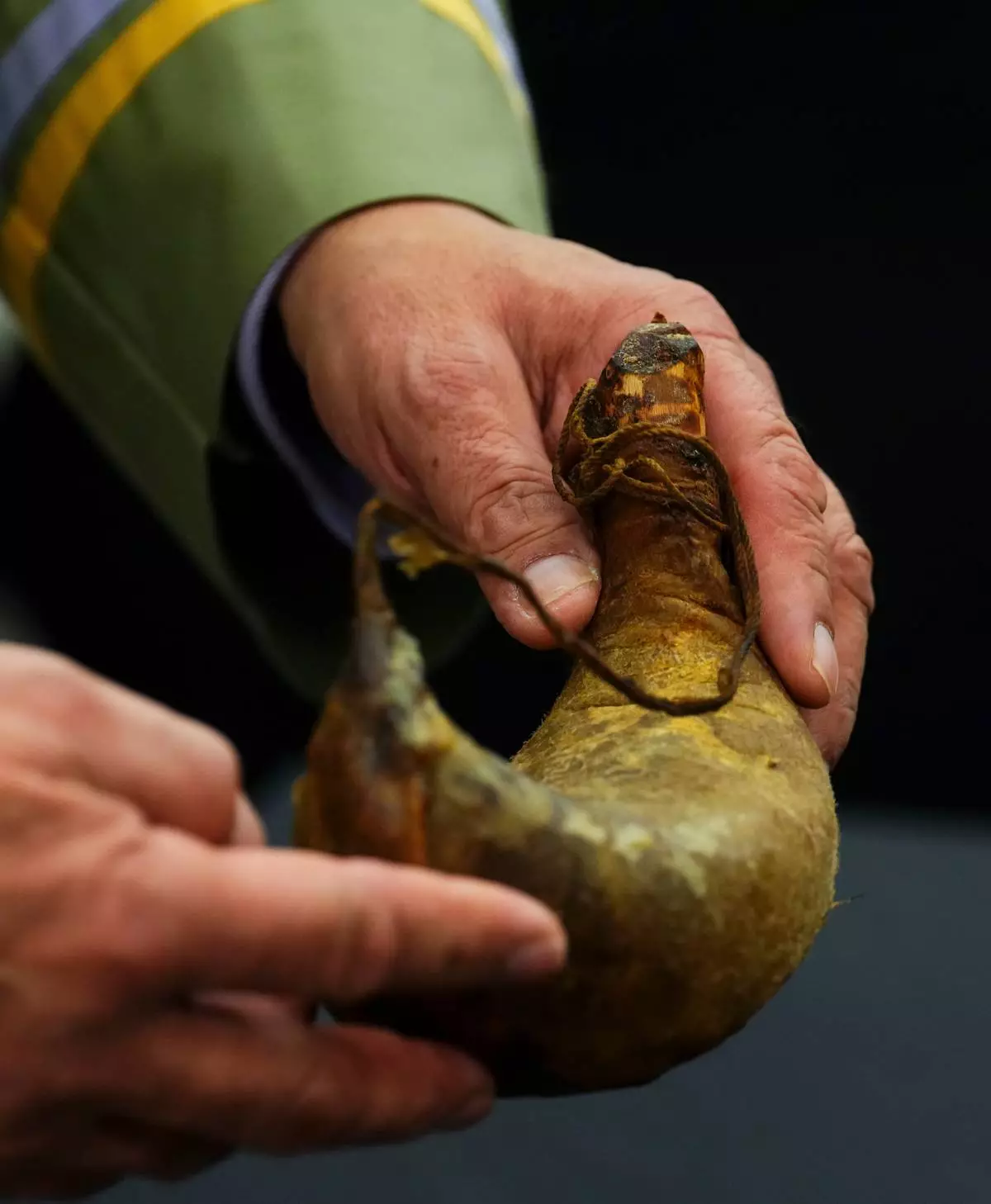
A selection of Inuit items are unveiled at the Canadian Museum of History in Gatineau, Que., on Tuesday, Dec. 9, 2025. (Sean Kilpatrick /The Canadian Press via AP)
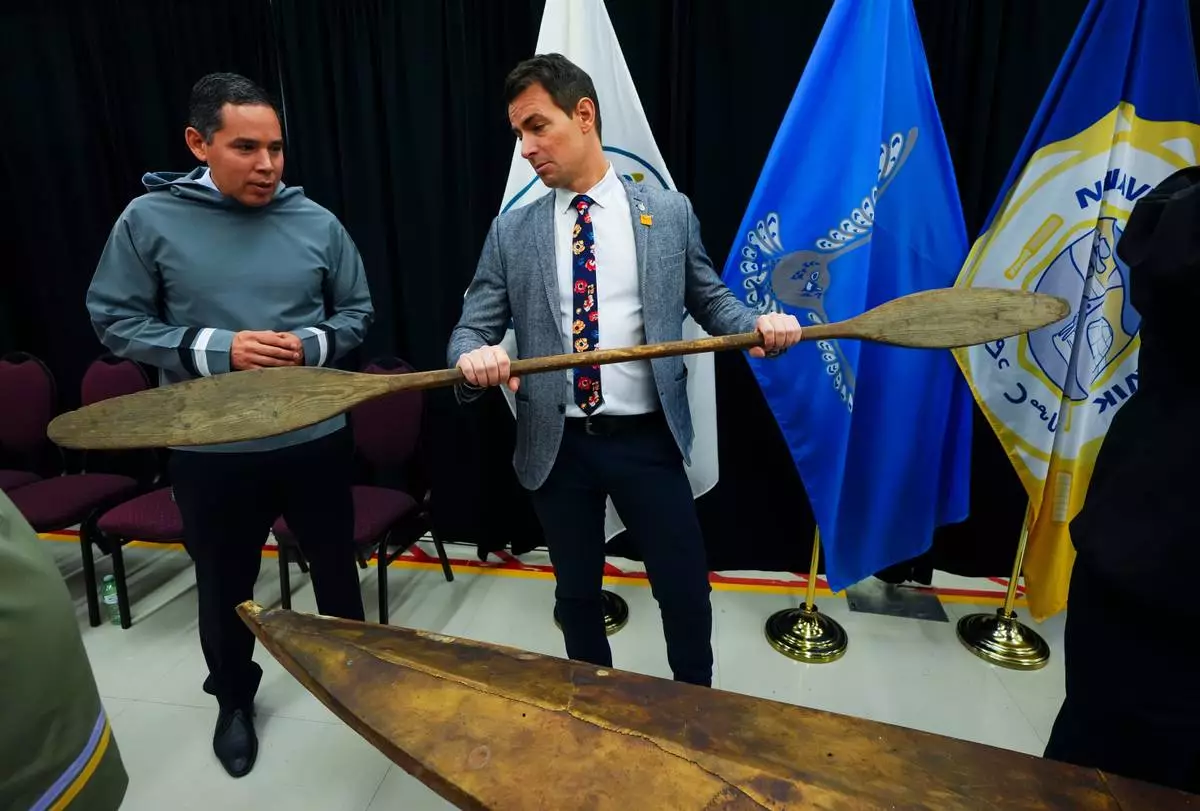
Darrel Nasogaluak, Elder and Chair of Tuktoyaktuk Community Corp., middle, answers questions with Natan Obed, President of Inuit Tapiriit Kanatami, as a selection of Inuit items, including a traditionally built Inuvialuit kayak, are unveiled at the Canadian Museum of History in Gatineau, Que., on Tuesday, Dec. 9, 2025. (Sean Kilpatrick /The Canadian Press via AP)
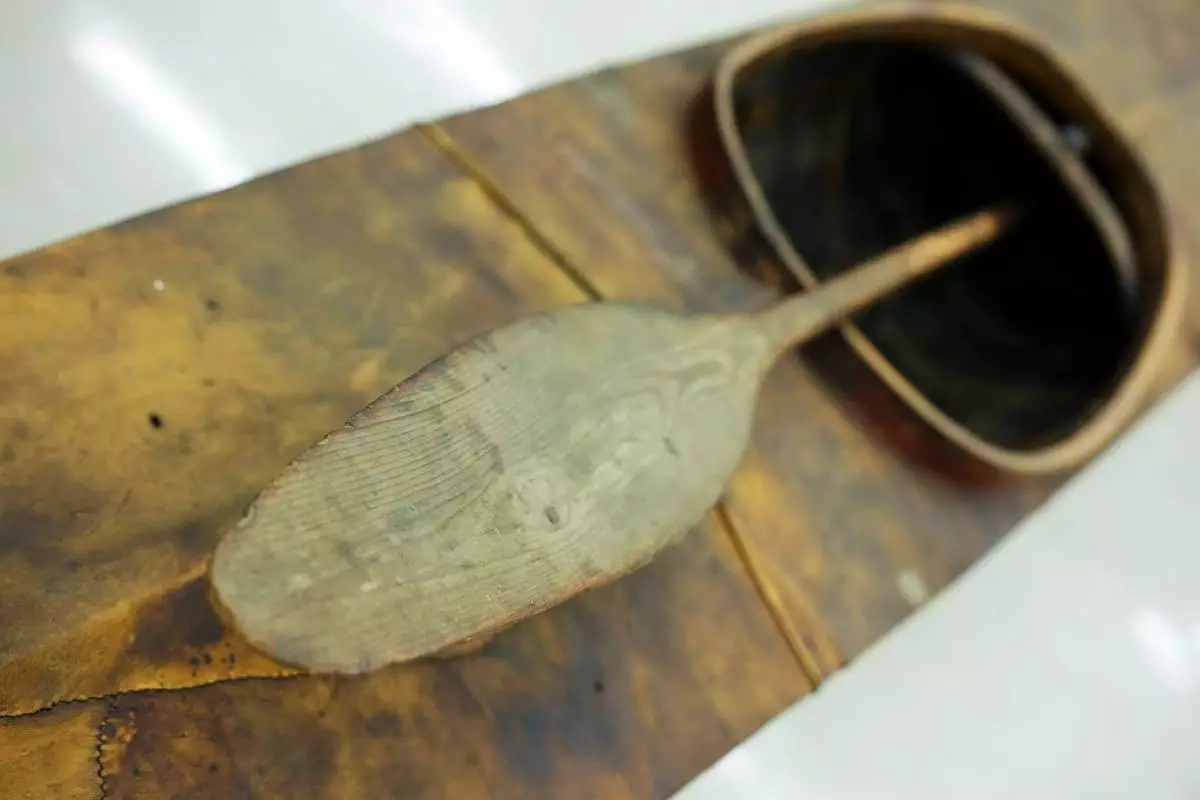
Darrel Nasogaluak, Elder and Chair of Tuktoyaktuk Community Corp., middle, answers questions with Natan Obed, President of Inuit Tapiriit Kanatami, as a selection of Inuit items, including a traditionally built Inuvialuit kayak, are unveiled at the Canadian Museum of History in Gatineau, Que., on Tuesday, Dec. 9, 2025. (Sean Kilpatrick /The Canadian Press via AP)
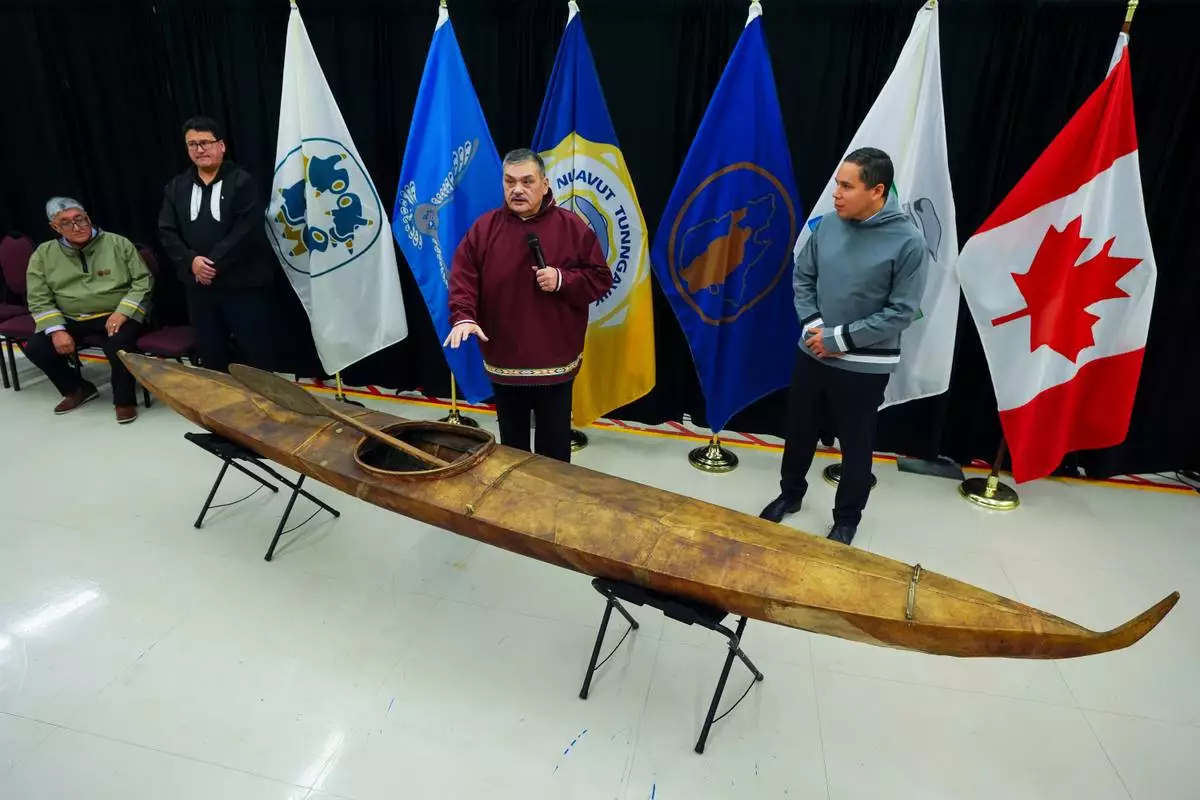
A selection of Inuit items are unveiled at the Canadian Museum of History in Gatineau, Que., on Tuesday, Dec. 9, 2025. (Sean Kilpatrick /The Canadian Press via AP)
A selection of Inuit items are unveiled at the Canadian Museum of History in Gatineau, Que., on Tuesday, Dec. 9, 2025. (Sean Kilpatrick /The Canadian Press via AP)

A selection of Inuit items are unveiled at the Canadian Museum of History in Gatineau, Que., on Tuesday, Dec. 9, 2025. (Sean Kilpatrick /The Canadian Press via AP)

A selection of Inuit items are unveiled at the Canadian Museum of History in Gatineau, Que., on Tuesday, Dec. 9, 2025. (Sean Kilpatrick /The Canadian Press via AP)

A selection of Inuit items are unveiled at the Canadian Museum of History in Gatineau, Que., on Tuesday, Dec. 9, 2025. (Sean Kilpatrick /The Canadian Press via AP)

A selection of Inuit items are unveiled at the Canadian Museum of History in Gatineau, Que., on Tuesday, Dec. 9, 2025. (Sean Kilpatrick /The Canadian Press via AP)

Natan Obed, President of Inuit Tapiriit Kanatami, left, stands with Adam van Koeverden, Secretary of State (Sport) and gold medal Olympic kayaker, as a selection of Inuit items, including a traditionally built Inuvialuit kayak and paddle, are unveiled at the Canadian Museum of History in Gatineau, Que., on Tuesday, Dec. 9, 2025. (Sean Kilpatrick /The Canadian Press via AP)

Natan Obed, President of Inuit Tapiriit Kanatami, left, stands with Adam van Koeverden, Secretary of State (Sport) and gold medal Olympic kayaker, as a selection of Inuit items, including a traditionally built Inuvialuit kayak and paddle, are unveiled at the Canadian Museum of History in Gatineau, Que., on Tuesday, Dec. 9, 2025. (Sean Kilpatrick /The Canadian Press via AP)

A selection of Inuit items are unveiled at the Canadian Museum of History in Gatineau, Que., on Tuesday, Dec. 9, 2025. (Sean Kilpatrick /The Canadian Press via AP)

A selection of Inuit items are unveiled at the Canadian Museum of History in Gatineau, Que., on Tuesday, Dec. 9, 2025. (Sean Kilpatrick /The Canadian Press via AP)

Paul Irngaut, Acting President of Nunavut Tunngavik Inc., left to right, Duane Smith, Chair and CEO of the Inuvialuit Regional Corp., Darrel Nasogaluak, Elder and Chair of Tuktoyaktuk Community Corp., and Natan Obed, President of Inuit Tapiriit Kanatami answer questions after the unveiling of a traditionally built Inuvialuit kayak and a selection of Inuit items at the Canadian Museum of History in Gatineau, Que., on Tuesday, Dec. 9, 2025. (Sean Kilpatrick /The Canadian Press via AP)

Paul Irngaut, Acting President of Nunavut Tunngavik Inc., left to right, Duane Smith, Chair and CEO of the Inuvialuit Regional Corp., Darrel Nasogaluak, Elder and Chair of Tuktoyaktuk Community Corp., and Natan Obed, President of Inuit Tapiriit Kanatami answer questions after the unveiling of a traditionally built Inuvialuit kayak and a selection of Inuit items at the Canadian Museum of History in Gatineau, Que., on Tuesday, Dec. 9, 2025. (Sean Kilpatrick /The Canadian Press via AP)

Assembly of First Nations National Chief Cindy Woodhouse Nepinak, right, along with representatives from various First Nations receive a kayak and other indigenous artifacts at Trudeau Airport in Montreal, Saturday, Dec. 6, 2025, after they were returned by the Vatican. (Graham Hughes /The Canadian Press via AP)
Assembly of First Nations National Chief Cindy Woodhouse Nepinak, right, along with representatives from various First Nations receive a kayak and other indigenous artifacts at Trudeau Airport in Montreal, Saturday, Dec. 6, 2025, after they were returned by the Vatican. (Graham Hughes /The Canadian Press via AP)
Representatives from various First Nations look on as a kayak and other indigenous artifacts arrive at Trudeau Airport in Montreal, Saturday, Dec. 6, 2025, after they were returned by the Vatican. (Graham Hughes /The Canadian Press via AP)
Representatives from various First Nations look on as a kayak and other indigenous artifacts arrive at Trudeau Airport in Montreal, Saturday, Dec. 6, 2025, after they were returned by the Vatican. (Graham Hughes /The Canadian Press via AP)
Assembly of First Nations National Chief Cindy Woodhouse Nepinak places her hand on indigenous and cultural artifacts at Trudeau Airport in Montreal, Saturday, Dec. 6, 2025, after they were returned by the Vatican. (Graham Hughes /The Canadian Press via AP)
Assembly of First Nations National Chief Cindy Woodhouse Nepinak places her hand on indigenous and cultural artifacts at Trudeau Airport in Montreal, Saturday, Dec. 6, 2025, after they were returned by the Vatican. (Graham Hughes /The Canadian Press via AP)
Katisha Paul of the Lil'wat and Tsartlip Nations, left, and Peyal Laceese of the Tsilhqot'in nation touch a crate containing indigenous artifacts and cultural items at Trudeau Airport in Montreal, Saturday, Dec. 6, 2025, after they were returned by the Vatican. (Graham Hughes /The Canadian Press via AP)
Katisha Paul of the Lil'wat and Tsartlip Nations, left, and Peyal Laceese of the Tsilhqot'in nation touch a crate containing indigenous artifacts and cultural items at Trudeau Airport in Montreal, Saturday, Dec. 6, 2025, after they were returned by the Vatican. (Graham Hughes /The Canadian Press via AP)
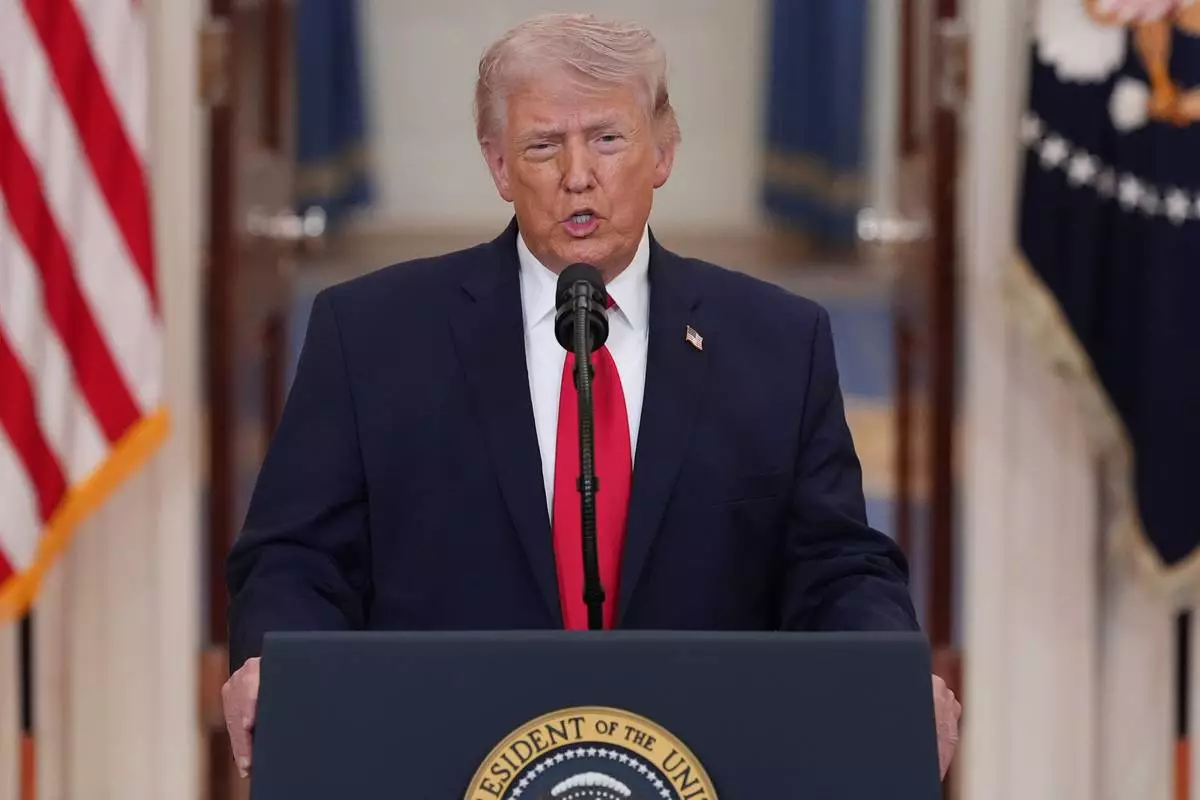
DUBAI, United Arab Emirates (AP) — Iran responded to U.S. President Donald Trump’s address to Americans on the war with new missile attacks targeting Israel and the Gulf Arab states Thursday, underlining Tehran’s insistence that it rejected Washington’s outreach for a ceasefire while maintaining its grip on the Strait of Hormuz.

Britain planned to hold a call Thursday with nearly three dozen countries about how to reopen the strait, through which 20% of all oil and natural gas traded passes in peacetime. The 35 countries, including all G7 industrialized democracies except the U.S., as well as the United Arab Emirates and Bahrain, signed a declaration last month demanding Iran stop blocking the strait. The call will discuss “diplomatic and political measures” that could restore shipping once the fighting is over.

Washington has insisted that Iran allow ships to freely transit the strait, but Trump this week has said it is not up to the U.S. to force it, and in his address encouraged countries that receive oil through Hormuz to “build some delayed courage” and go “take it.”

In his address, Trump said the U.S. would hit Iran “extremely hard over the next two to three weeks,” while also insisting American “core strategic objectives are nearing completion.”

Iran's military said defiantly on Thursday that its armament facilities are hidden and will never be reached by Israeli or American attacks.

“The centers you think you have targeted are insignificant,” said Lt. Col. Ebrahim Zolfaghari, a spokesman for the Iranian military’s Khatam Al-Anbiya Central Headquarters.

Just before Trump began his nearly 20-minute address on Wednesday, explosions were heard in Dubai as air defenses worked to intercept an Iranian missile barrage. Less than a half hour after the president was done, Israel said its military was working to intercept incoming missiles.

Sirens sounded in Bahrain, home to the U.S. Navy's 5th Fleet, immediately after the speech.

Following a joint statement in March condemning Iranian attacks on unarmed commercial vessels that called upon Iran to “cease immediately its threats, laying of mines, drone and missile attacks and other attempts to block the strait,” the 35 signatories were to hold a virtual meeting Thursday hosted by British Foreign Secretary Yvette Cooper.

Though the oil and gas that typically transits the Strait of Hormuz primarily is sold to Asian nations, Japan and South Korea were the only two countries from the region that were joining.

“Trump’s message was that the United States can sustain its own economic and energy ecosystem, while countries dependent on regional exports will either have to buy from the United States or manage the Strait themselves,” the New York-based Soufan Center think tank wrote after the address.

“While Trump explicitly thanked U.S. allies in the Persian Gulf for their cooperation and allyship, an expedited U.S. withdrawal without securing the strait will leave many of these countries, whose economies are dependent on energy exports, in the lurch.”

No country appears willing to try and open the strait by force while the war is raging. British Prime Minister Keir Starmer said the group “will assess all viable diplomatic and political measures we can take to restore freedom of navigation, guarantee the safety of trapped ships and seafarers and to resume the movement of vital commodities.”

Bahrain, which now holds the presidency of the United Nations Security Council, has been working to get the world body to address the crisis as well.

Though Iran has allowed a trickle of ships through the strait, it remains largely closed. Iran has also been repeatedly attacking Gulf Arab energy infrastructure, sending oil prices skyrocketing and giving rise to broader economic problems worldwide.

Following Trump's speech, Brent crude, the international standard, rose again and was at $108 in early spot trading, up nearly 50% from Feb. 28 when Israel and the U.S. started the war with their attacks on Iran.

The rising energy prices and stock market jitters have been putting increasing domestic pressure on Trump, who used his address to offer a defense of the war while also suggesting it was close to winding down.

He acknowledged American service members who had been killed and said: “We are going to finish the job, and we’re going to finish it very fast. We’re getting very close.”

The U.S. has presented Iran with a 15-point plan for a ceasefire, but Trump didn’t say anything about the diplomatic efforts or bring up his April 6 deadline for Iran to reopen the Strait of Hormuz or face severe retaliation from the U.S.

More than 1,900 people have been killed in Iran during the war, while 19 have been reported dead in Israel. More than two dozen people have died in Gulf states and the occupied West Bank, while 13 U.S. service members have been killed.

More than 1,200 people have been killed in Lebanon and more than 1 million displaced, according to authorities. Ten Israeli soldiers have also died there.

Weissert reported from Washington and Rising reported from Bangkok.

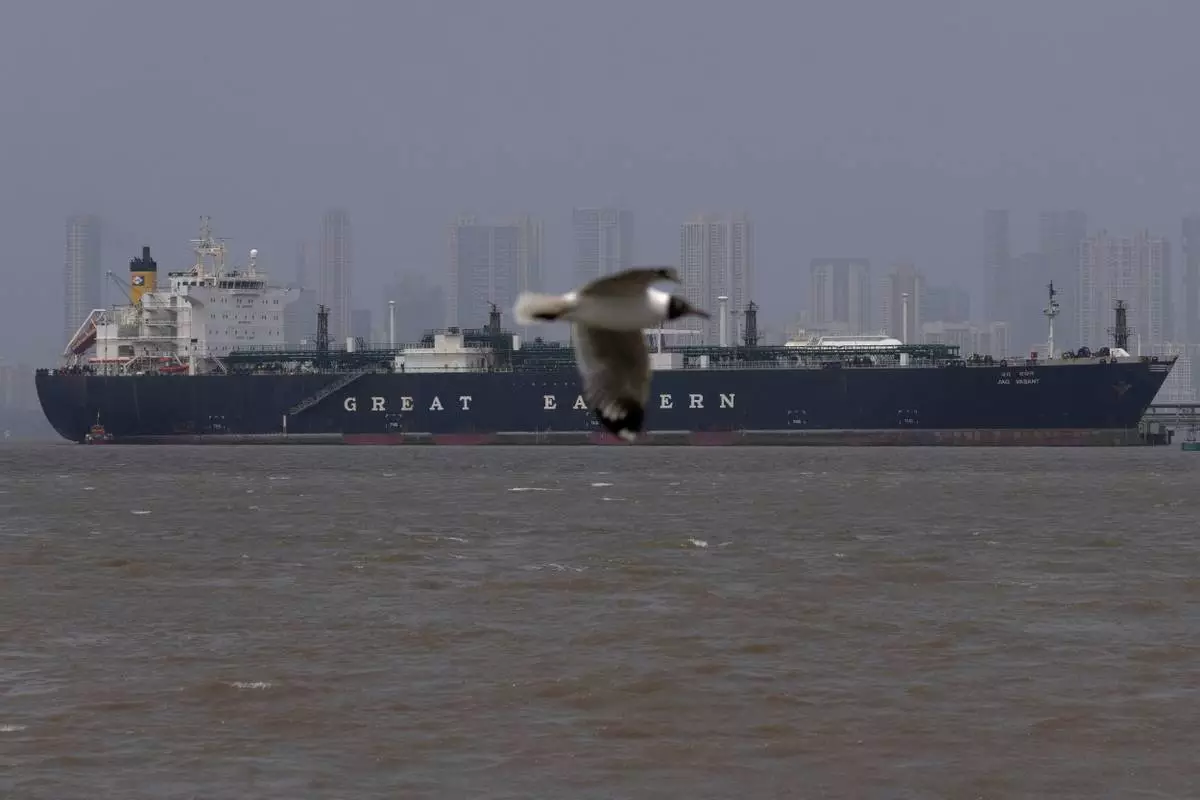
The Indian flagged LPG carrier Jag Vasant transporting liquefied petroleum gas, is seen at the Mumbai Port in Mumbai, India, after it arrived clearing the Strait of Hormuz, Wednesday, April 1, 2026. (AP Photo/Rafiq Maqbool)

The Indian flagged LPG carrier Jag Vasant transporting liquefied petroleum gas, is seen at the Mumbai Port in Mumbai, India, after it arrived clearing the Strait of Hormuz, Wednesday, April 1, 2026. (AP Photo/Rafiq Maqbool)

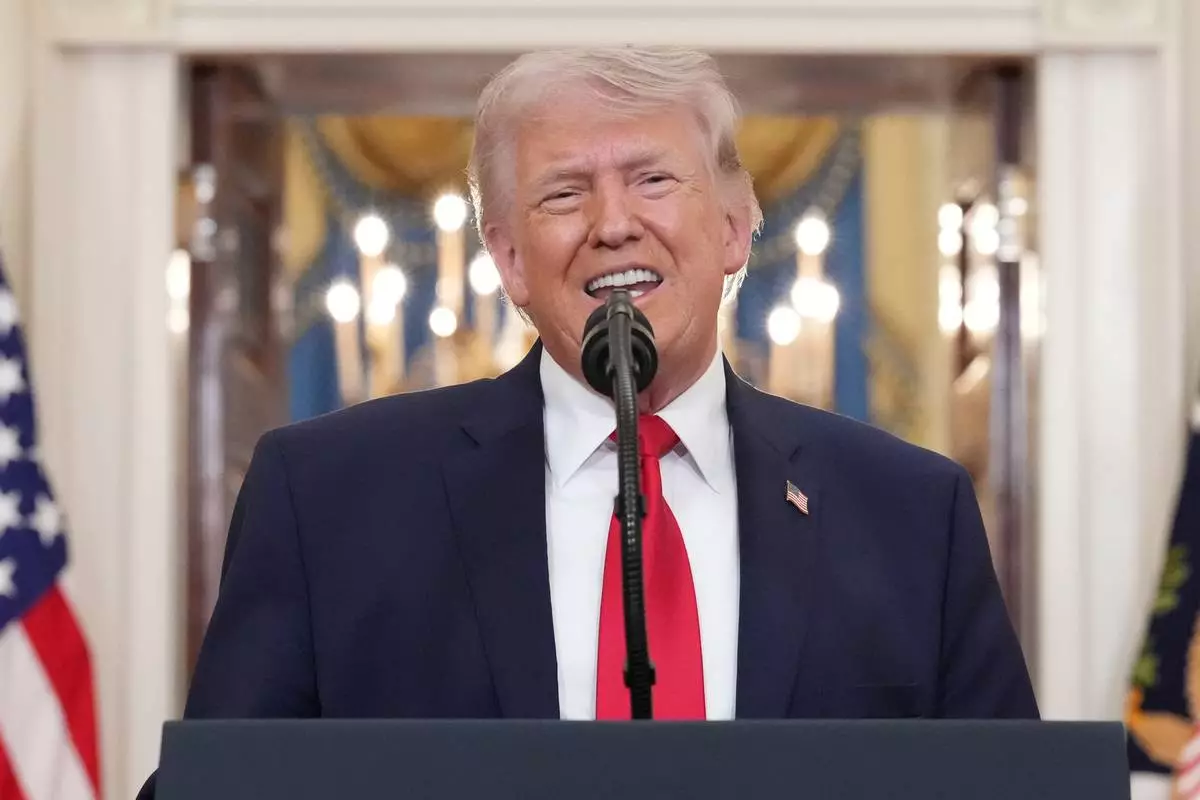
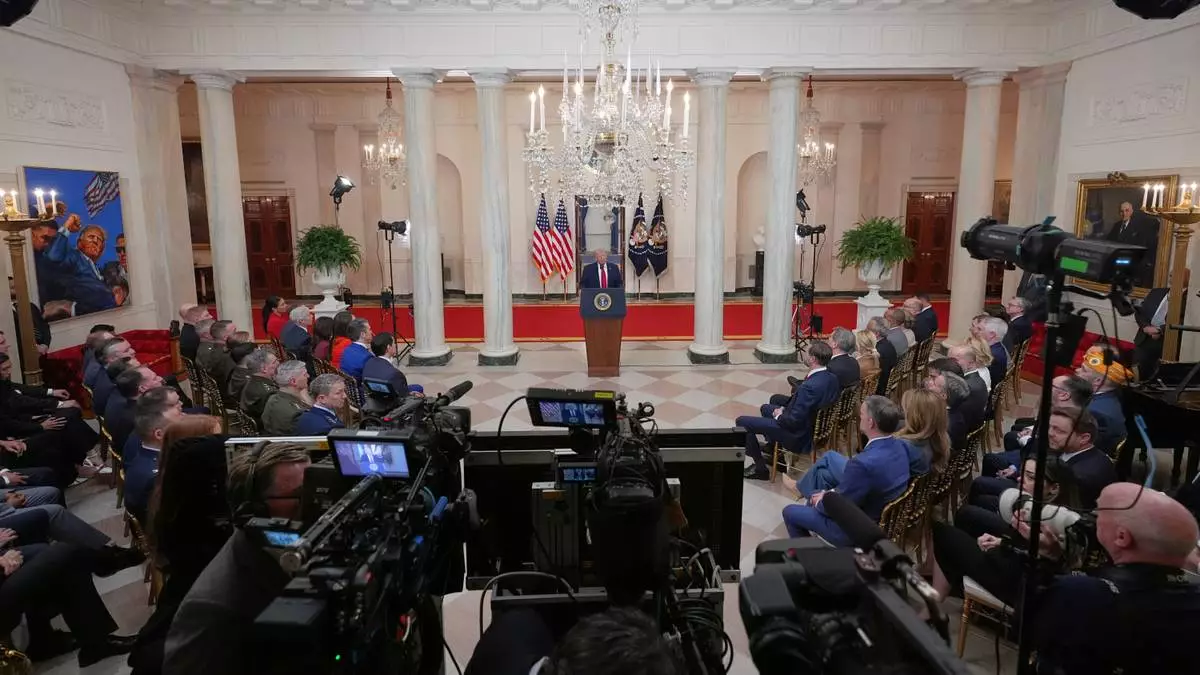
President Donald Trump speaks about the Iran war from the Cross Hall of the White House on Wednesday, April 1, 2026, in Washington. (AP Photo/Alex Brandon, Pool)

President Donald Trump speaks about the Iran war from the Cross Hall of the White House on Wednesday, April 1, 2026, in Washington. (AP Photo/Alex Brandon, Pool)

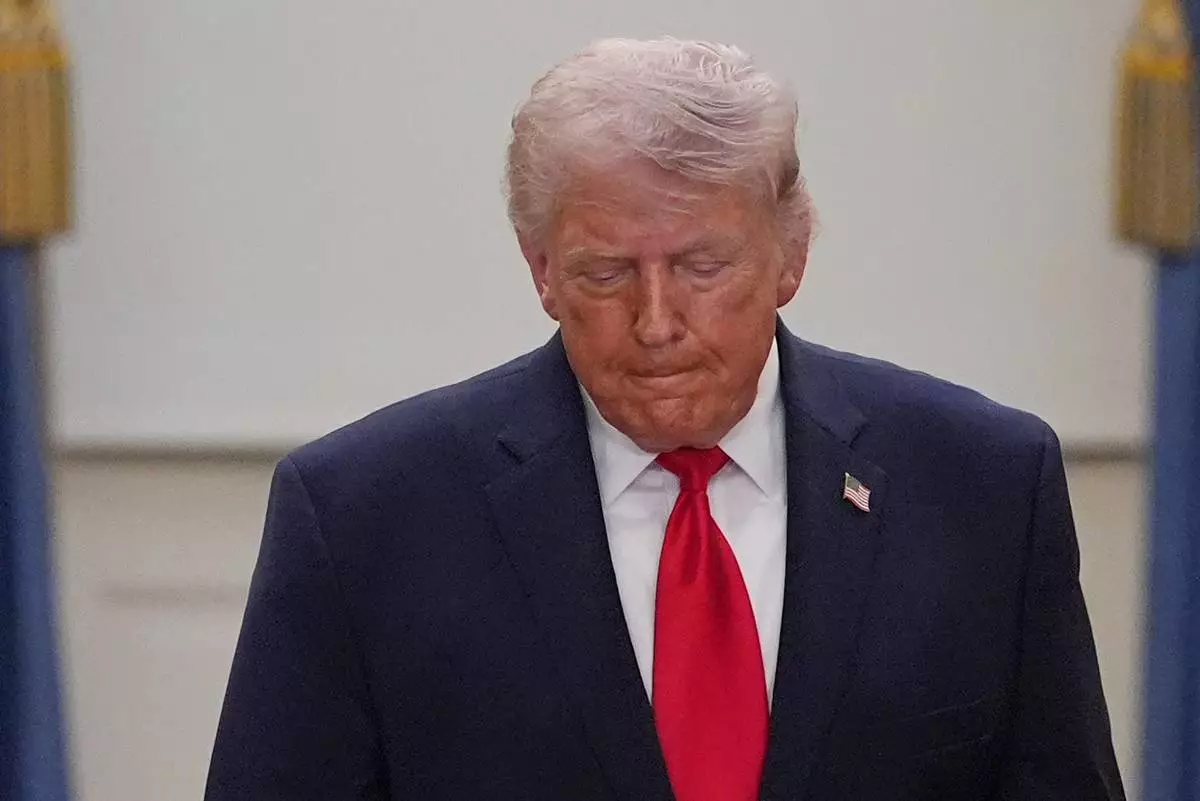
President Donald Trump walks from the Blue Room to speak about the Iran war from the Cross Hall of the White House on Wednesday, April 1, 2026, in Washington. (AP Photo/Alex Brandon, Pool)

President Donald Trump walks from the Blue Room to speak about the Iran war from the Cross Hall of the White House on Wednesday, April 1, 2026, in Washington. (AP Photo/Alex Brandon, Pool)

President Donald Trump speaks about the Iran war from the Cross Hall of the White House on Wednesday, April 1, 2026, in Washington. (AP Photo/Alex Brandon, Pool)

President Donald Trump speaks about the Iran war from the Cross Hall of the White House on Wednesday, April 1, 2026, in Washington. (AP Photo/Alex Brandon, Pool)

President Donald Trump speaks about the Iran war from the Cross Hall of the White House on Wednesday, April 1, 2026, in Washington. (AP Photo/Alex Brandon, Pool)

President Donald Trump speaks about the Iran war from the Cross Hall of the White House on Wednesday, April 1, 2026, in Washington. (AP Photo/Alex Brandon, Pool)

Recommended Articles