Skip to Content Facebook Feature Image

New Government Chinese Medicines Testing Institute Opens, Enhancing Quality and Development of Chinese Medicine in Hong Kong.

HK

New Government Chinese Medicines Testing Institute Opens, Enhancing Quality and Development of Chinese Medicine in Hong Kong.
HK

HK

New Government Chinese Medicines Testing Institute Opens, Enhancing Quality and Development of Chinese Medicine in Hong Kong.

2025-12-10 17:05 Last Updated At:17:18

DH's Government Chinese Medicines Testing Institute opens its permanent premises, offering free guided tours of Chinese Medicines Herbarium and medicinal plant garden starting tomorrow

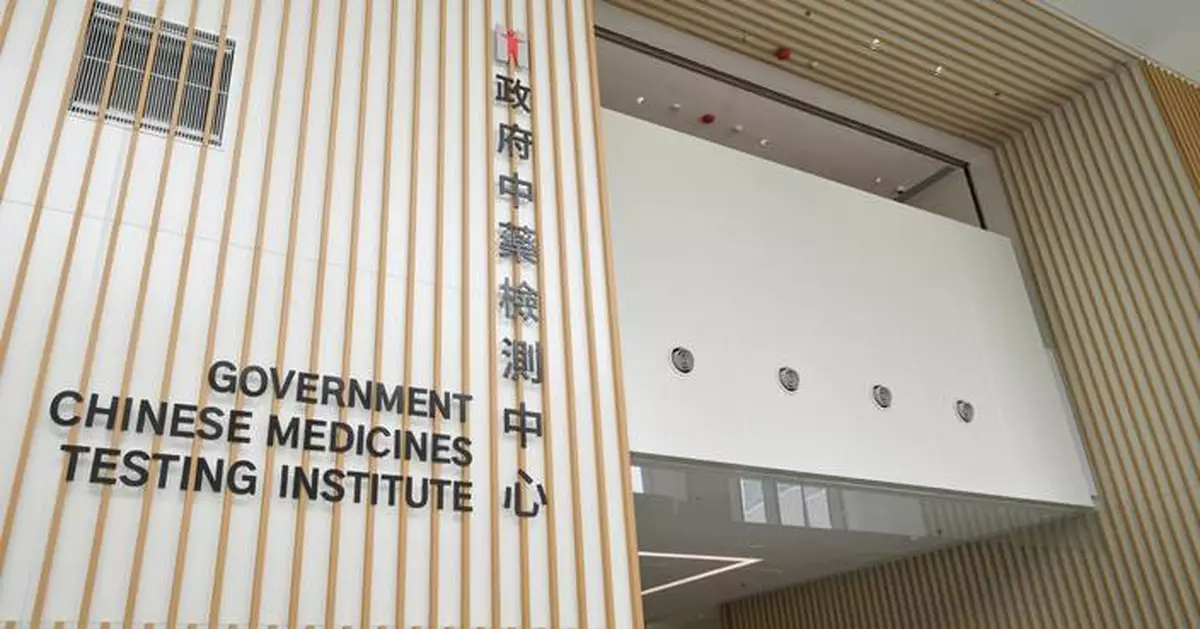
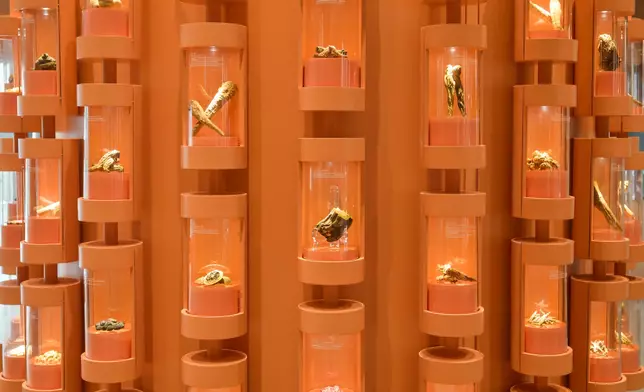
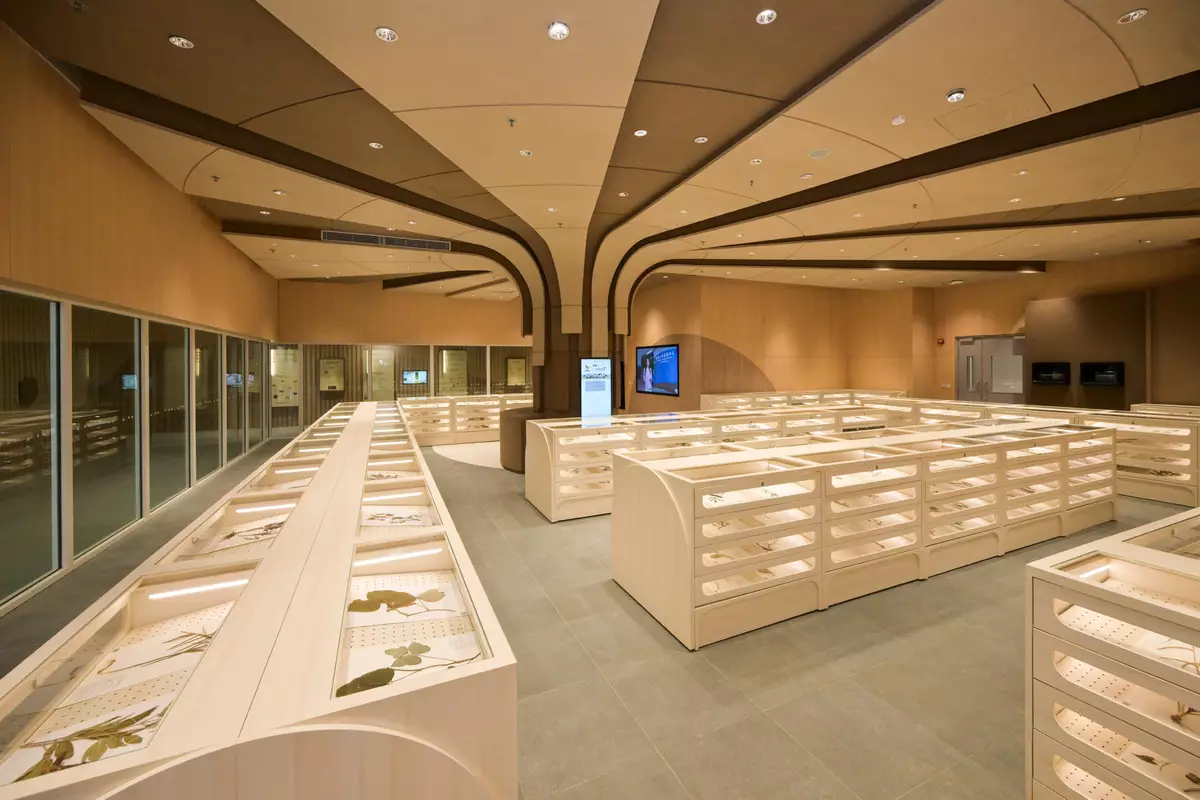
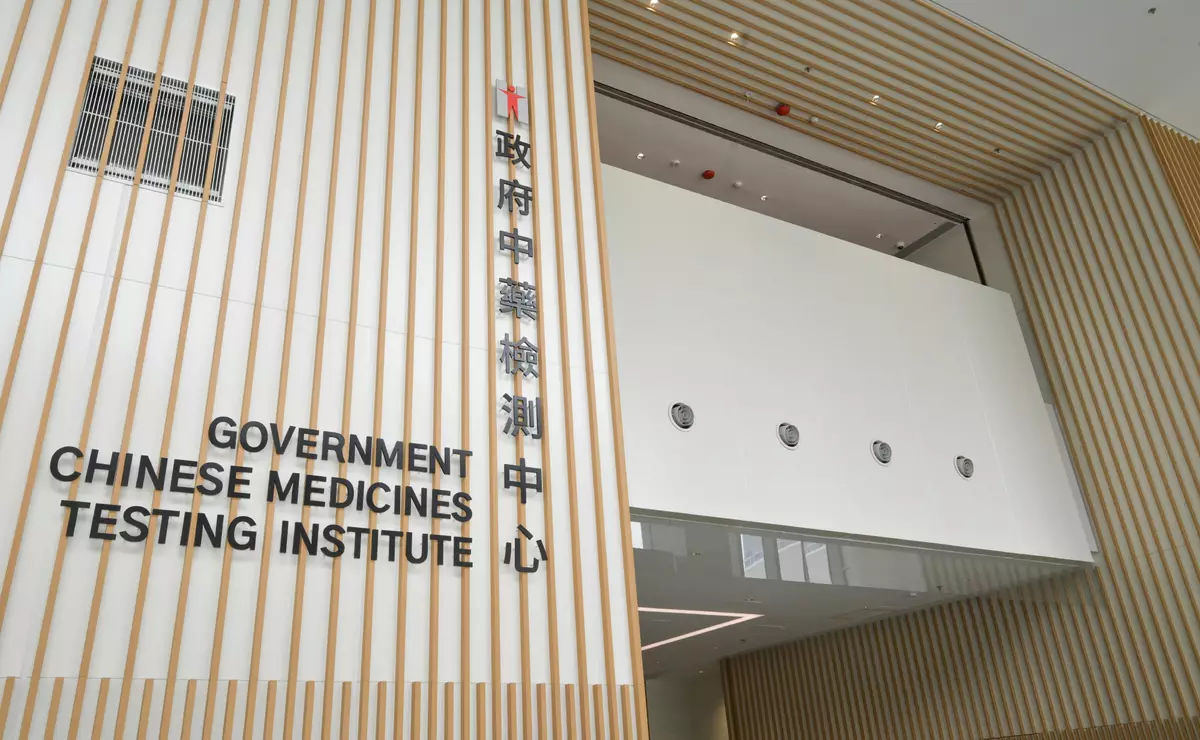
​The permanent premises of the Government Chinese Medicines Testing Institute (GCMTI) under the Department of Health (DH) will commence phased operations tomorrow (December 11). Equipped with advanced technology and equipment, the new premises will enhance the ability to develop Chinese medicines (CM) testing methods and standard development capabilities, supporting the comprehensive and high-quality development of Chinese medicine in Hong Kong. The Chinese Medicines Herbarium, which opens in the first phase, showcases approximately 3 500 CM specimens, including a number of precious specimens gifted to Hong Kong by the national authorities. Together with the outdoor medicinal plant garden, the Shennong Herbal Garden, these facilities will be available for group reservations for free guided tours starting tomorrow.

More Images
DH's Government Chinese Medicines Testing Institute opens its permanent premises, offering free guided tours of Chinese Medicines Herbarium and medicinal plant garden starting tomorrow  Source: HKSAR Government Press Releases

DH's Government Chinese Medicines Testing Institute opens its permanent premises, offering free guided tours of Chinese Medicines Herbarium and medicinal plant garden starting tomorrow Source: HKSAR Government Press Releases
DH's Government Chinese Medicines Testing Institute opens its permanent premises, offering free guided tours of Chinese Medicines Herbarium and medicinal plant garden starting tomorrow  Source: HKSAR Government Press Releases

DH's Government Chinese Medicines Testing Institute opens its permanent premises, offering free guided tours of Chinese Medicines Herbarium and medicinal plant garden starting tomorrow Source: HKSAR Government Press Releases
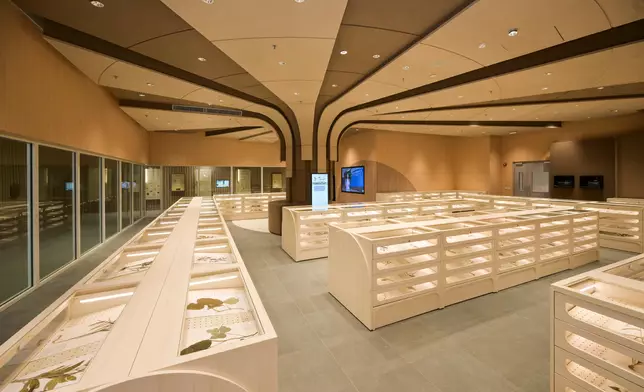
DH's Government Chinese Medicines Testing Institute opens its permanent premises, offering free guided tours of Chinese Medicines Herbarium and medicinal plant garden starting tomorrow  Source: HKSAR Government Press Releases

DH's Government Chinese Medicines Testing Institute opens its permanent premises, offering free guided tours of Chinese Medicines Herbarium and medicinal plant garden starting tomorrow Source: HKSAR Government Press Releases
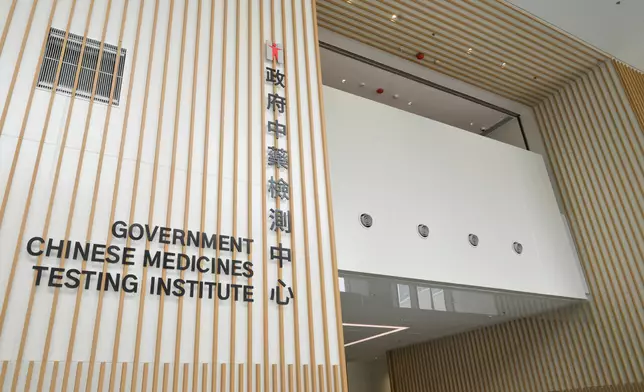
DH's Government Chinese Medicines Testing Institute opens its permanent premises, offering free guided tours of Chinese Medicines Herbarium and medicinal plant garden starting tomorrow  Source: HKSAR Government Press Releases

DH's Government Chinese Medicines Testing Institute opens its permanent premises, offering free guided tours of Chinese Medicines Herbarium and medicinal plant garden starting tomorrow Source: HKSAR Government Press Releases

The Director of Health, Dr Ronald Lam, said, "Established in 2017, the GCMTI under the DH is dedicated to establishing internationally recognised reference standards for CM and their testing methods. Through technology transfer, the GCMTI shares its achievements to assist the industry in adopting advanced technologies to enhance CM product quality and strengthen quality control in production. The opening of the permanent premises will allow for more efficient use of resources. This will further promote the enhancement of CM quality in Hong Kong, strengthen local and international co-operation and exchange, and promote high-quality development of Chinese medicine to go global."

The permanent premises of the GCMTI are located at 3 Pak Shing Kok Road in Tseung Kwan O, adjacent to The Chinese Medicine Hospital of Hong Kong, representing two flagship institutions for the development of Chinese medicine in Hong Kong. The new building features the following four key components:

1. State-of-the-art laboratories

Equipped with four specialties of advanced laboratories and over 3 300 pieces of laboratory equipment and information technology equipment, the laboratories will utilise cutting-edge technology to support the development of innovative, faster, more accurate, and highly versatile testing methods for CM.

2. International Collaboration and Training Centre

Featuring multidisciplinary training and technology transfer laboratories, the new premises are designed to strengthen exchange and collaboration with relevant Mainland and international organisations in the field of CM testing technologies. It also serves as a training base for DH to support its role as the World Health Organization Collaborating Centre for Traditional Medicine.

3. Chinese Medicines Herbarium and Laboratories (CMHL)

The CMHL will exhibit about 3 500 specimens. Among them are over 300 representative and precious specimens from various regions, gifted by the National Medical Products Administration. These include giant wild Astragali Radix and Cistanches Herba. Through the systematic display of these specimens, visitors will be able to understand the complete lifecycle of CM, from source plants and Chinese medicinal materials to decoction pieces ready for clinical applications and proprietary Chinese medicines (pCm), thereby enhancing public knowledge of and interest in CM. The CMHL has a special design that allows visitors to observe the work inside the laboratories. Schools and groups interested in visiting may make reservations via email at gcmti@dh.gov.hk starting from tomorrow.

4. Shennong Herbal Garden

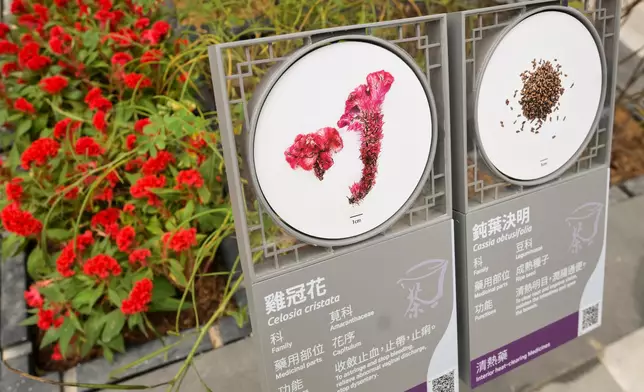
Covering approximately 700 square metres, this medicinal plant garden showcases around 180 species of medicinal plants, with a storyline on Lingnan region's "Local Herbal Tea" and "Seasonal Soup". It aims to promote Chinese medicine culture and knowledge while actively advocating healthy lifestyles. Currently, the Shennong Herbal Garden is only open for school and group reservations (same reservation method as above), with public access to be announced later.

One of the GCMTI's key accomplishments is the implementation of the Hong Kong Chinese Materia Medica Standards, covering reference standards for over 340 Chinese Materia Medica (CMM) to date. Supported by the GCMTI's Advisory Committee, the GCMTI has also completed dozens of thematic projects that utilise cutting-edge technologies, including the development of versatile testing methods for chemical markers in pCm, micro-morphological identifications of CM, and the establishment of a three-dimensional (3D) image database for traceable medicinal materials through photogrammetry. The phased commissioning of the new building's facilities marks a comprehensive upgrade of the DH in CM testing, standard setting and technology transfer.

Dr Lam added, "With the new premises, our multidisciplinary team of experts will continue to actively promote the inheritance and innovative development of Chinese medicine, deepening its integration into the national development strategy in Chinese medicine and fostering the comprehensive, high-quality development of Chinese medicine in Hong Kong. This new facility will not only serve as a hub for CM testing and standard setting but will also bear the important responsibility of disseminating Chinese medicine culture. Through the CM specimens, the Shennong Herbal Garden and professional guided tours, we will bridge the gap between the public and Chinese medicine."

Specimens of the GCMTI and its global-first 3D CMM images can be viewed at the Digital Herbarium for Chinese Medicines (www.cmherbarium.gov.hk).
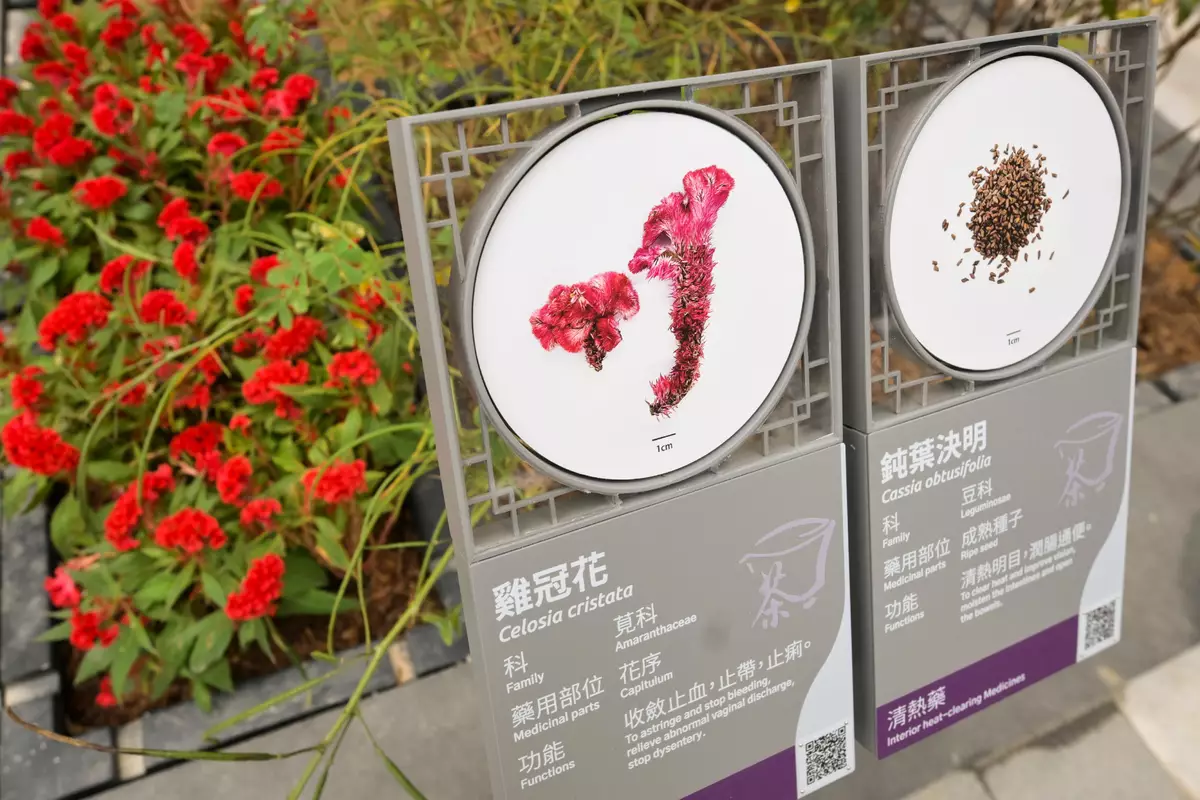
DH's Government Chinese Medicines Testing Institute opens its permanent premises, offering free guided tours of Chinese Medicines Herbarium and medicinal plant garden starting tomorrow  Source: HKSAR Government Press Releases

DH's Government Chinese Medicines Testing Institute opens its permanent premises, offering free guided tours of Chinese Medicines Herbarium and medicinal plant garden starting tomorrow Source: HKSAR Government Press Releases
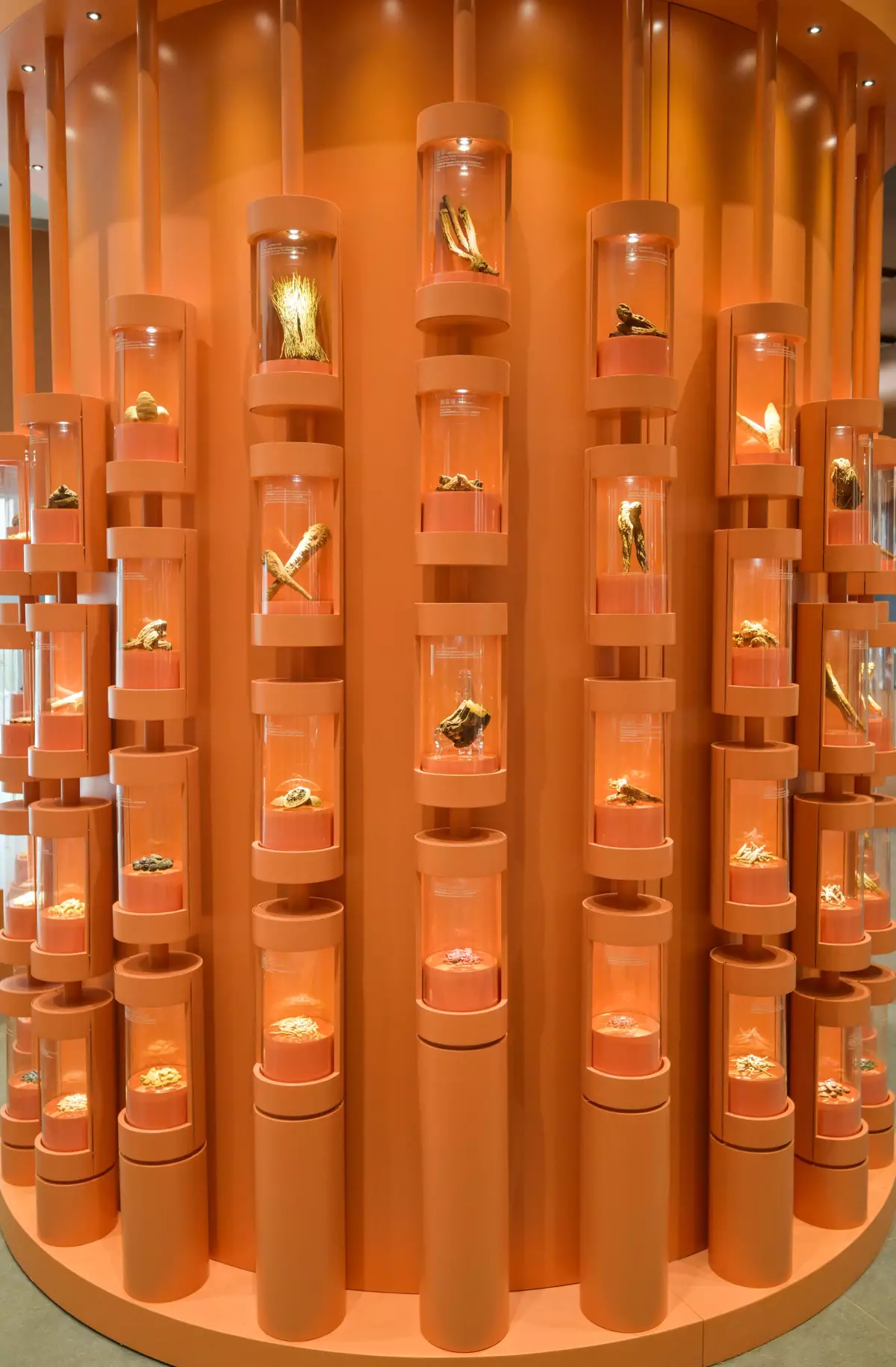
DH's Government Chinese Medicines Testing Institute opens its permanent premises, offering free guided tours of Chinese Medicines Herbarium and medicinal plant garden starting tomorrow  Source: HKSAR Government Press Releases

DH's Government Chinese Medicines Testing Institute opens its permanent premises, offering free guided tours of Chinese Medicines Herbarium and medicinal plant garden starting tomorrow Source: HKSAR Government Press Releases
DH's Government Chinese Medicines Testing Institute opens its permanent premises, offering free guided tours of Chinese Medicines Herbarium and medicinal plant garden starting tomorrow  Source: HKSAR Government Press Releases

DH's Government Chinese Medicines Testing Institute opens its permanent premises, offering free guided tours of Chinese Medicines Herbarium and medicinal plant garden starting tomorrow Source: HKSAR Government Press Releases
DH's Government Chinese Medicines Testing Institute opens its permanent premises, offering free guided tours of Chinese Medicines Herbarium and medicinal plant garden starting tomorrow  Source: HKSAR Government Press Releases

DH's Government Chinese Medicines Testing Institute opens its permanent premises, offering free guided tours of Chinese Medicines Herbarium and medicinal plant garden starting tomorrow Source: HKSAR Government Press Releases

Monthly gravidtrap index for Aedes albopictus mosquitoes in November remains at low level

The Food and Environmental Hygiene Department (FEHD) today (December 10) announced that the monthly gravidtrap index (MGI) for Aedes albopictus mosquitoes in November was 0.9 per cent, lower than the 2.2 per cent recorded in October. This reflects the continued efforts by relevant government departments to intensify mosquito prevention and elimination operations, resulting in the improvement of the overall mosquito infestation situation this month. In addition, the FEHD has strengthened the dissemination of information on the gravidtrap index for Aedes albopictus mosquitoes so that more citizens can quickly grasp the mosquito infestation situation. The department will continue its mosquito control work to further reduce the risk of transmission of chikungunya fever (CF) and dengue fever (DF).

In November, all 64 survey areas recorded an area gravidtrap index (AGI) lower than the alert level of 20 per cent. The decreases in the MGI and the AGI are attributable to the continuous and intensified mosquito prevention and elimination operations by various government departments and stakeholders, and may also have been affected by factors such as weather. The monthly rainfall was 7.0 millimetres in November, showing a substantial decrease from the 31.2mm in October and 528.7mm in September. Overall, the MGI for Aedes albopictus mosquitoes in November was 0.9 per cent, at Level 1 (indicating the distribution of Aedes albopictus mosquitoes in the survey areas was not extensive). Relevant departments and stakeholders will persistently intensify mosquito prevention and elimination operations.

Moreover, the monthly density index for Aedes albopictus in November was 1.1, which represented that an average of 1.1 Aedes albopictus adults were found in the Aedes-positive gravidtraps, indicating that the number of adult Aedes albopictus was not abundant in the survey areas. Although the index remains at a low level, the breeding and activity of mosquitoes will not stop in winter. The FEHD will continue to monitor the mosquito infestation in all districts, and will conduct prompt and effective mosquito prevention and control work.

The FEHD currently makes regular announcements on gravidtrap indexes for Aedes albopictus on its webpage. To allow more citizens to quickly grasp the mosquito infestation situation, the FEHD has strengthened information dissemination by promptly announcing the latest gravidtrap indexes through press releases and social media.

In addition, to further reduce the risk of transmission of CF, the FEHD has extended the intensified mosquito control work, which was originally activated when the AGI reaches 20 per cent, to cover areas with the AGI falling between 10 and 20 per cent. Specifically, the FEHD will conduct detailed risk assessments in the areas concerned to identify locations with higher mosquito infestation risks and, in collaboration with relevant departments and stakeholders, conduct intensive and targeted mosquito control work. The FEHD will also notify nearby housing estates, advising property management agents and residents to stay vigilant and work together to take mosquito prevention and elimination measures.

To reduce the risk of transmission of CF and DF, the FEHD continues to step up mosquito prevention and control measures across all districts and conduct vector investigations and targeted mosquito control operations within a 250-metre radius of the residence of patients and the places patients had visited during the infectious period, including removing mosquito breeding grounds, applying larvicides to stagnant water that cannot be cleared, and carrying out ultra-low volume fogging operations in adult mosquito habitats such as densely wooded areas, dark and secluded places, and abandoned structures to eliminate adult mosquitoes.

The FEHD has continuously conducted a three-phase Anti-mosquito Campaign this year. The third phase of the territory-wide campaign was concluded on October 24. During the period, the district offices of the FEHD targeted areas that had drawn particular concern, such as public markets, cooked food centres, hawker bazaars, single-block buildings, streets and back lanes, common parts of buildings, village houses, construction sites, vacant sites and road works sites, to remove accumulated water and carry out mosquito prevention and control work. To further enhance the effectiveness of mosquito control, the FEHD and relevant government departments have carried out the second phase of the All-out Anti-mosquito Operations since May 7. In addition to continuing the work of the first phase, including eliminating potential mosquito breeding grounds, the FEHD urges private property management companies to attend to their premises as soon as possible to minimise mosquito breeding places and to begin eradicating adult mosquitoes by means of regular ultra-low volume fogging operations.

The FEHD appeals to members of the public to continue to stay alert and work together to carry out mosquito prevention and control measures early, including inspecting their homes and surroundings to remove potential breeding grounds, changing water in vases and scrubbing their inner surfaces, removing water in saucers under potted plants at least once a week, properly disposing of containers such as soft drink cans and lunch boxes. The FEHD also advises members of the public and estate management bodies to keep drains free of blockage and level all defective ground surfaces to prevent the accumulation of water. They should also scrub all drains and surface sewers with an alkaline detergent at least once a week to remove any mosquito eggs.

Aedes albopictus is a kind of mosquito that can transmit DF and CF. DF is commonly found in tropical and subtropical regions of the world, and has become endemic in many countries in Southeast Asia. In 2024, the World Health Organization (WHO) recorded over 14 million cases, which was a record number. Furthermore, according to the WHO, CF cases have been recorded in more than 110 countries/regions. Many countries worldwide experienced CF outbreaks this year, and as of September, over 440 000 cases had been reported in 40 countries/regions worldwide. The DF and CF activities in neighbouring areas have remained high. Members of the public should stay vigilant and continue to carry out effective mosquito prevention and control measures.

Source: AI-found images

Source: AI-found images

Recommended Articles