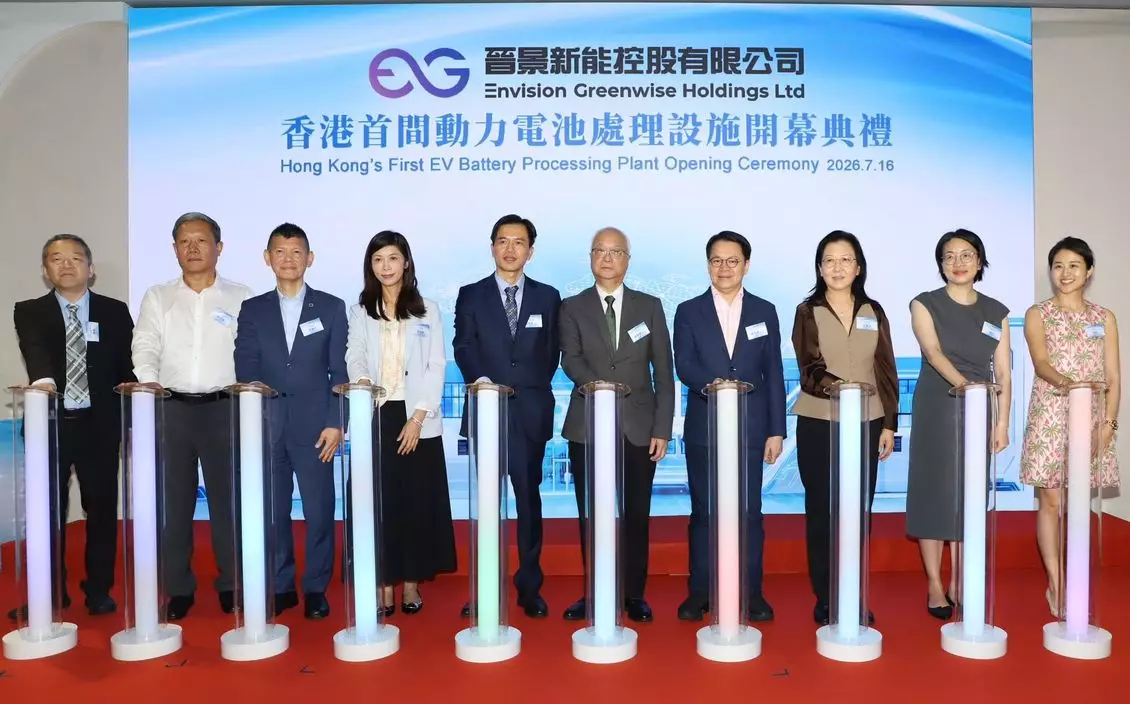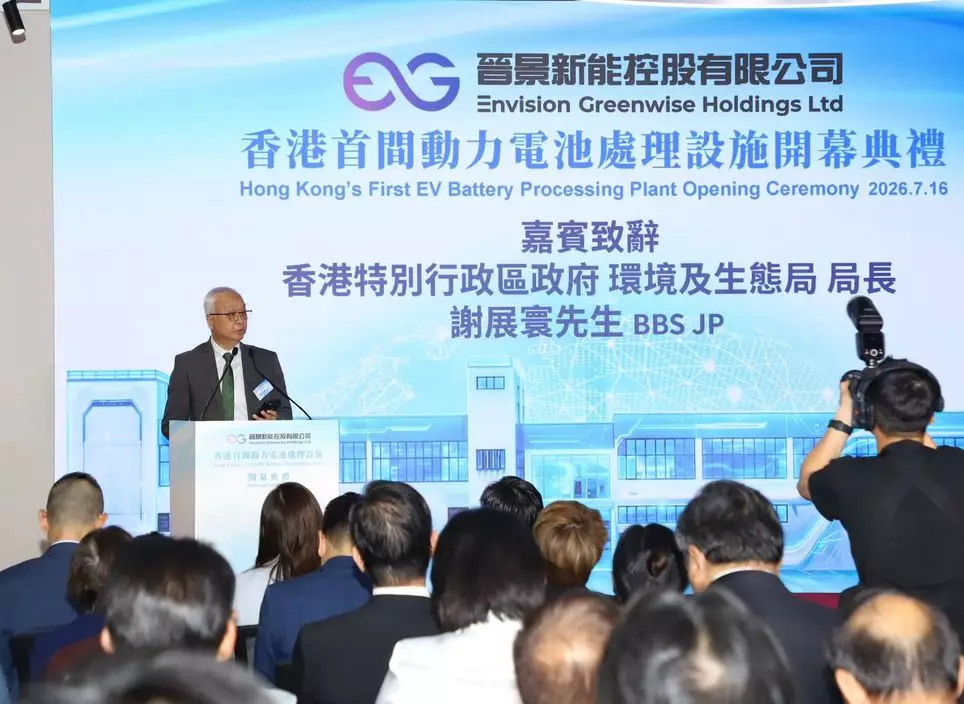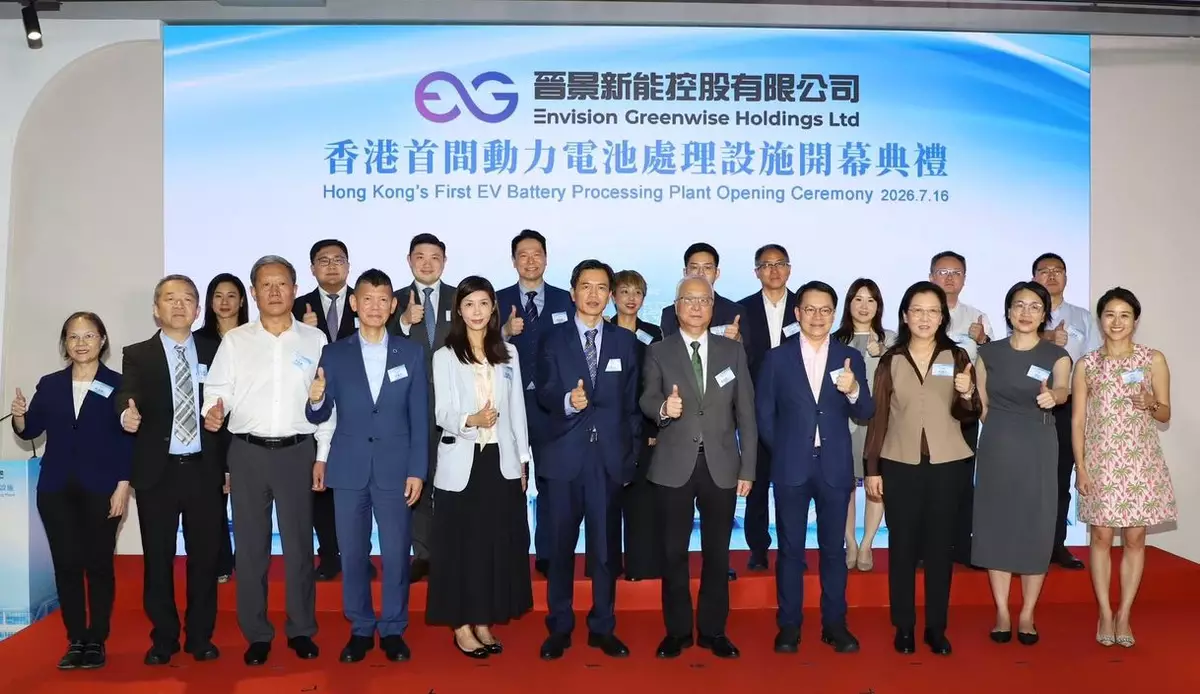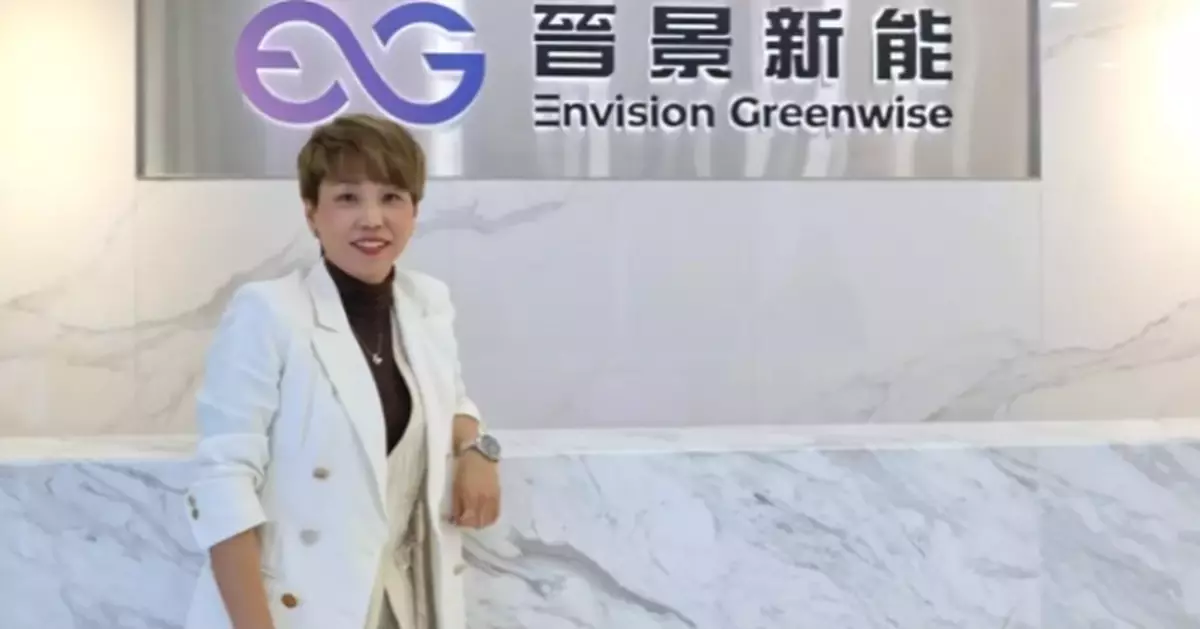
When most people's memory of the recycling industry still lingers on the scene of workers manually sorting waste materials, Hong Kong's first EV battery processing plant has started a new chapter for the industry. Ms. Kwok Ho Yee, the Chief Operating Officer and Executive Director of Envision Greenwise Holdings Limited (“Envision Greenwise”, 01783.HK) pointed out at the interview with Bastille Post that the processing plant will convert spent batteries into "urban minerals" through "echelon utilization" and "black mass recycling" technologies, allowing the value of the circular economy to be realized in Hong Kong.
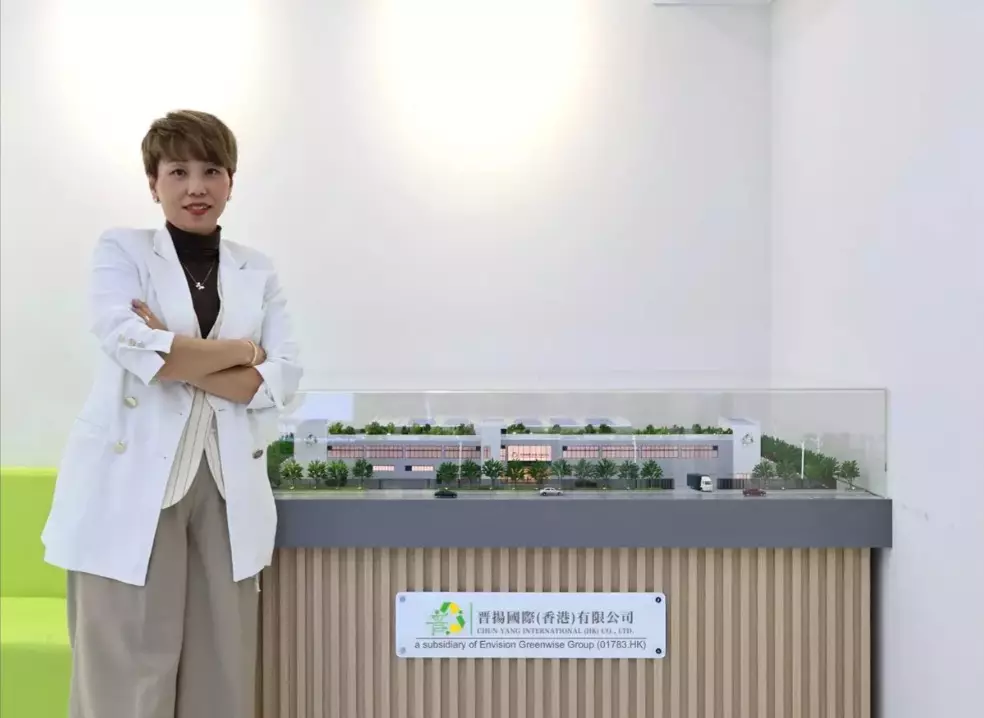
Ms. Kwok Ho Yee, the Chief Operating Officer and Executive Director of Envision Greenwise Holdings Limited, Photo by Bastille Post
Precise Detection Determines the Rebirth of Batteries
Click to Gallery
Ms. Kwok Ho Yee, the Chief Operating Officer and Executive Director of Envision Greenwise Holdings Limited, Photo by Bastille Post
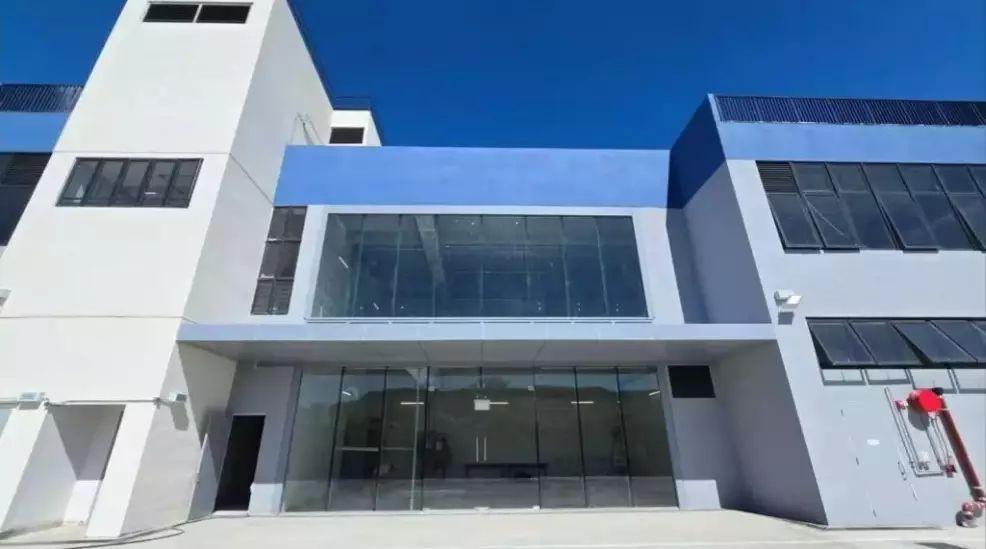
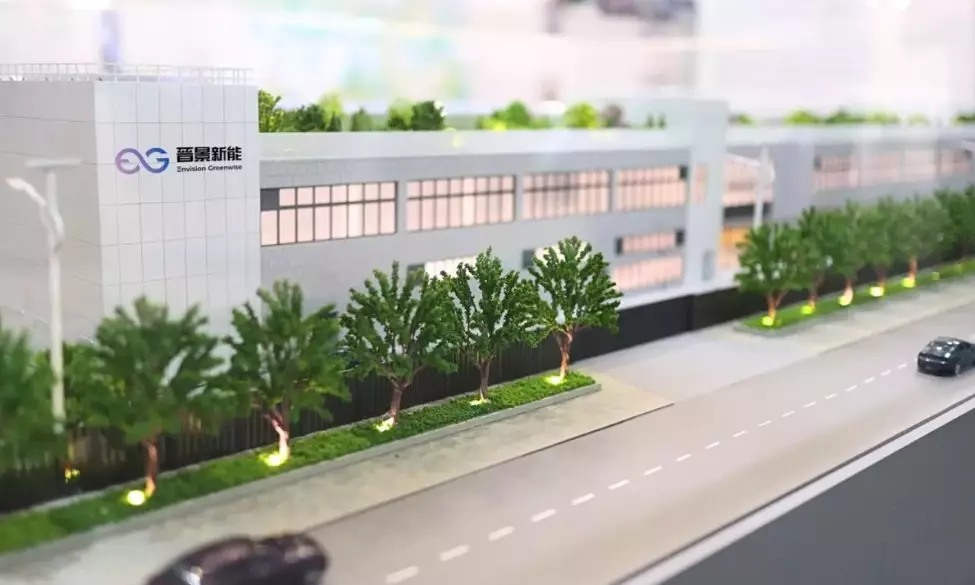
The first EV battery processing plant in Hong Kong is expected to be officially put into use in the Eco-Park in Tuen Mun in the first half of 2026. It will be invested, constructed and operated by the subsidiary company of Envision Greenwise. Photo offered by Envision Greenwise
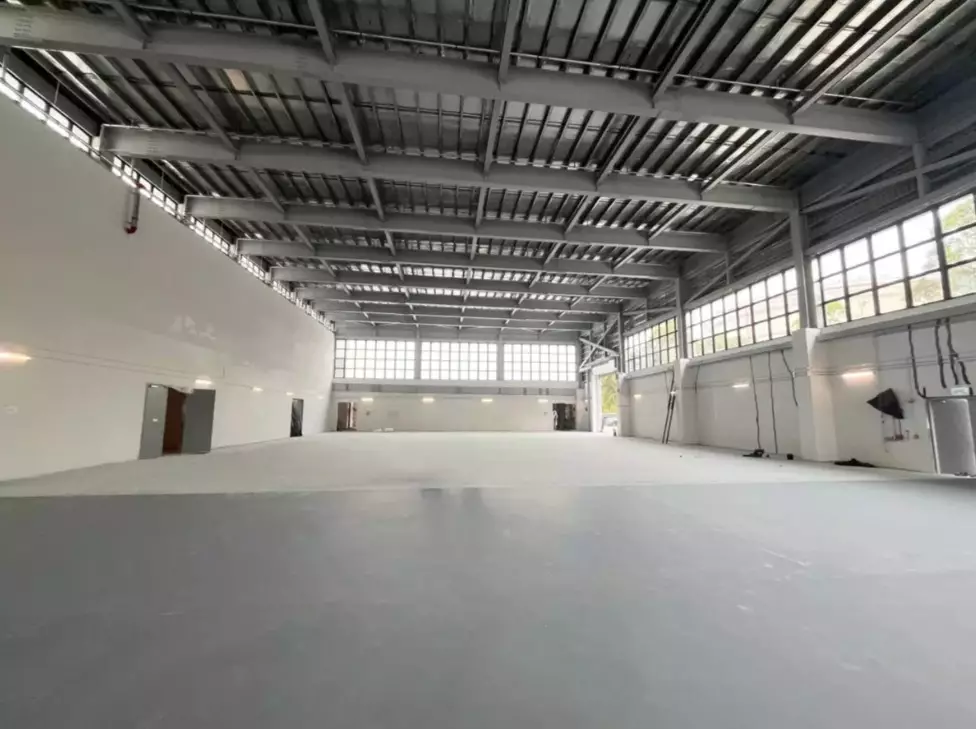
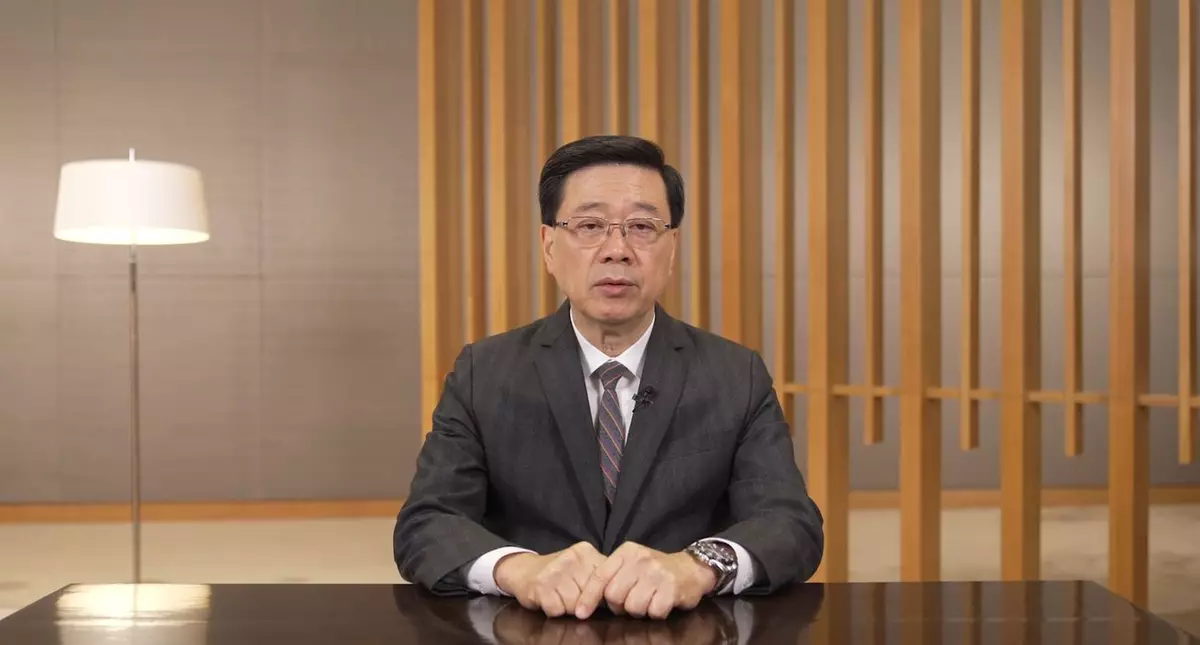
The construction of the EV battery recycling facility has been mentioned in the 2025 Policy Address, reflecting the government's stress on the new energy industry as an important development direction. Photo offered by Envision Greenwise

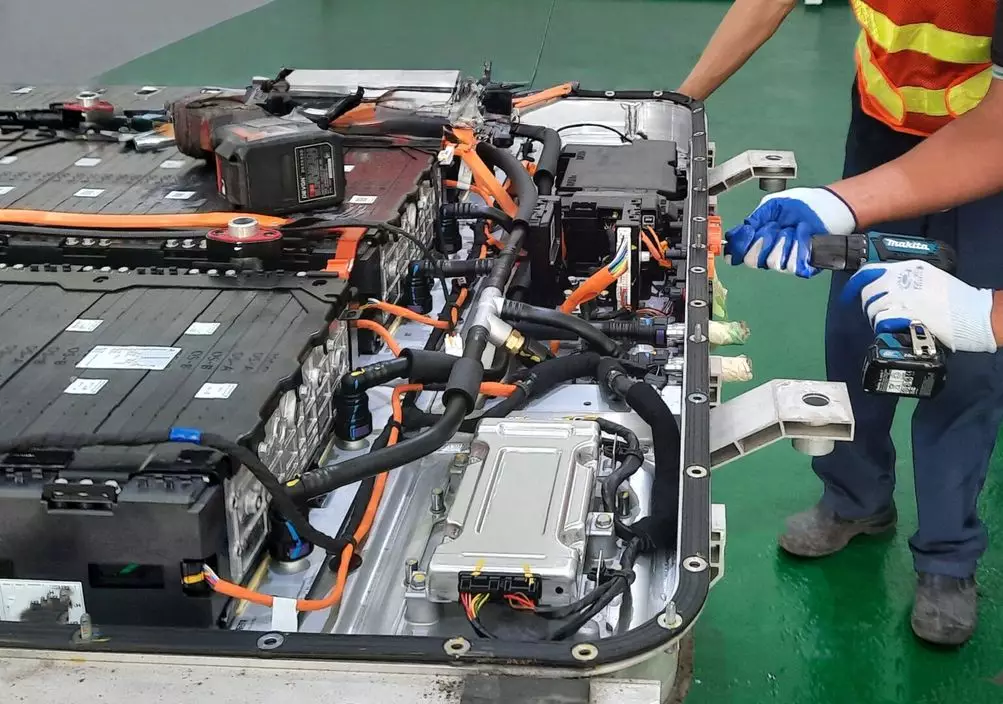
Black mass is an intermediate material required for the conversion from used batteries into new ones. Photo source: reference image
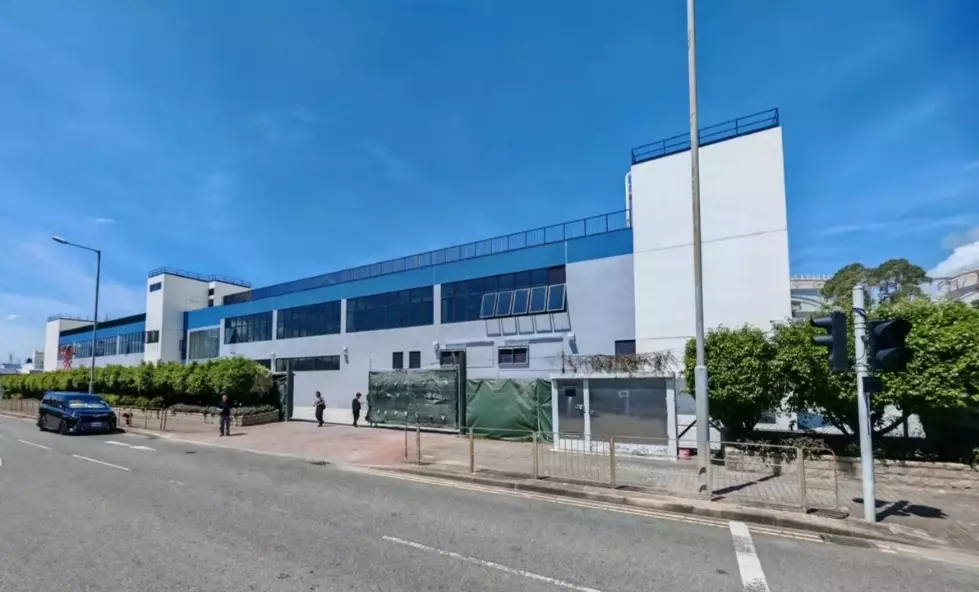
The processing plant will become a regional hub for developing new energy, facilitating the marketization of the locally produced products. Photo offered by Envision Greenwise
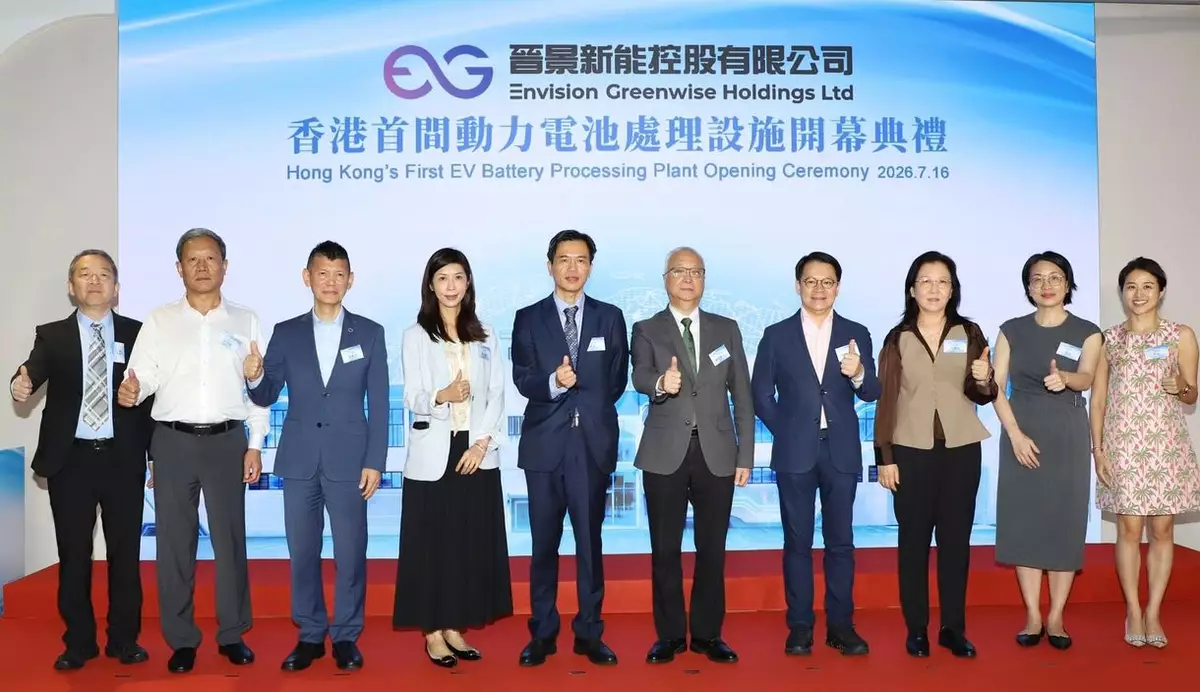
The group "Envision Greenwise", Photo offered by Envision Greenwise
According to Ms. Kwok, after the batteries are transported to the processing plant, a comprehensive assessment of their state of charge (SOC) and state of health (SOH) will be conducted first. If the batteries still have good performance, they will be sent for the "echelon utilization" - after a series of redesign and adjustment, the batteries can be recycled for energy storage systems and backup power supplies, etc., to extend their product longevity. If the batteries' conditions cannot meet the requirements of reusing, they will be sent to the automated recycling production line and extract key material "black mass" through processes such as crushing and sorting.
The first EV battery processing plant in Hong Kong is expected to be officially put into use in the Eco-Park in Tuen Mun in the first half of 2026. It will be invested, constructed and operated by the subsidiary company of Envision Greenwise. Photo offered by Envision Greenwise
SOH is not the Only Criterion for Judgment
Whether a battery is suitable for "echelon utilization" does not solely depend on its state of health. Instead, multiple factors need to be considered at the same time, including the battery's type, specification, physical condition, size, and actual usage time, etc. Ms. Kwok explained that since batteries of different brands and models would vary in structural design and durability, and the car owners' habits of charging and discharging would also directly affect the degree of battery degradation, even if the battery is not in an ideal state of health, once its characteristics can meet the requirements of specific usage scenarios, it can still be recycled via "echelon utilization" to extend the product longevity.
The construction of the EV battery recycling facility has been mentioned in the 2025 Policy Address, reflecting the government's stress on the new energy industry as an important development direction. Photo offered by Envision Greenwise
Black Mass Far Exceeds Natural Minerals
Black mass is the "essence" of used batteries, with a concentrate of strategic metals such as lithium, cobalt, and nickel, etc. Since these metals would not change their physical properties during the usage of batteries, high-purity raw materials can be directly extracted from the used batteries and recycled for the manufacture of new batteries, realizing a closed-loop recycling of resources.
Black mass is an intermediate material required for the conversion from used batteries into new ones. Photo source: reference image
Compared with traditional ore mining, the extraction and reuse of black mass from used batteries is more environmentally friendly and efficient. Ms. Kwok explained that mining natural ores requires processing a large amount of ore to merely obtain a small amount of metal. Moreover, the process will also bring about the harms of high energy consumption and carbon emissions. In comparison, the recycling of black mass can achieve the goal of "producing as many raw materials as possible if there are enough batteries" instead.
As more and more battery factories around the world are required to utilize a certain proportion of recycled materials, black mass has become a key resource for promoting the circular economy, which helps to reduce reliance on limited minerals and lower environmental load at the same time.
Black Mass will be Delivered Directly
Ms. Kwok stated that the group has established stable cooperative relationships with leading battery and energy storage system manufacturers in the industry, such as Brunp Recycling, Gotion High-tech, JinkoSolar, and Huayou Cobalt, etc. The cooperative enterprises all set up production lines in the Greater Bay Area, and even across China and overseas, which ensures that the black mass recycled and processed in Hong Kong can be directly delivered to downstream producers through the most efficient route to achieve a rapid loop of resource utilization.
Insufficient Land Resources and Shortage of Talents Pose Challenges
The EV battery processing plant started its construction in June of 2024, and its building was completed in October this year, with a construction period of approximately one year. Nevertheless, tracing back to the project development process, the plant once faced the challenge of site selection. Ms. Kwok said that due to the scarce industrial land resources in Hong Kong and the need for the plant to be built far from residential areas, etc., it was extremely difficult for the group to find suitable sites at the beginning. Luckily, with the energetic support of the government, the group was finally approved to obtain about 100,000 square feet of land at EcoPark in Tuen Mun. As for the long-term development of the battery recycling industry, Ms. Kwok emphasized that land resources are still the core restricting factor. Moreover, she also mentioned that the talent pool of local professionals in the new energy industry is insufficient, requiring industry-academia collaboration and the introduction of international experts to fill the gap of talents in need.
The processing plant will become a regional hub for developing new energy, facilitating the marketization of the locally produced products. Photo offered by Envision Greenwise
Why Hong Kong?
Though Envision Greenwise has established over 70 sites in Europe and America, it still chooses Hong Kong as a key node for the layout of its integrated development of global battery processing. As for the underlying reason, it's based on Hong Kong's unique advantage - its diverse and flexible handling capabilities. Ms. Kwok pointed out that, unlike the Mainland's mode of scale-up processing a single type of battery, the Hong Kong market has accumulated numerous domestic and foreign electric vehicle brands, leading to the flexible ability of the local production line to deal with batteries of different shapes, states, and types. Such experience not only helps to build Hong Kong into a hub of battery recycling, but also an important geographical node that can connect the markets of the Chinese mainland, Europe, America, and Southeast Asia, to foster synergy for the group and provide significant support for global battery processing and recycling.
The group "Envision Greenwise", Photo offered by Envision Greenwise
Let the Value of the Circular Economy be Realized in Hong Kong
The establishment of the processing plant marks a new stage for the new energy industry in Hong Kong to possess local processing capability. Ms. Kwok pointed out that the previous reliance on overseas disposal of used batteries has been reversed, driving the development of the local new energy economy and related industrial chains, and manifesting significant environmental and economic benefits.
Compared with cross-boundary processing, each ton of battery processed in Hong Kong can reduce the emission of approximately 1.44 tons of carbon dioxide equivalent. If advanced technologies can be introduced, carbon emissions can be further reduced by 30%. As for the consideration of cost-effectiveness, the localized processing can save a series of costs such as international transportation, insurance, and overseas licenses. Ms. Kwok emphasized, "Only by processing resource materials in Hong Kong, can the value of the circular economy be truly realized."