Arrangements for registered Chinese medicine practitioners referring patients to services provided by allied health professionals take effect
The following is issued on behalf of the Chinese Medicine Council of Hong Kong:
The Supplementary Medical Professions (Amendment) Ordinance 2025 took effect on July 25, 2025. It renamed the Supplementary Medical Professions Ordinance (Cap. 359 of the Laws of Hong Kong) as the Allied Health Professions Ordinance and made various amendments to the Ordinance, including providing the legal basis for specified allied health professionals to accept referrals from registered Chinese medicine practitioners (RCMPs). To implement the specific arrangements of such referrals, the Chinese Medicine Practitioners Board (CMP Board) of the Chinese Medicine Council of Hong Kong promulgated today (December 11) the Guidelines for Registered Chinese Medicine Practitioners Referring Patients for Diagnostic Imaging and Laboratory Tests (Referral Guidelines) and revised the Code of Professional Conduct for Registered Chinese Medicine Practitioners in Hong Kong (RCMP Code of Conduct). Through establishing clear professional competency requirements and referral principles, the Referral Guidelines and revised RCMP Code of Conduct ensure that RCMPs possess the necessary professional knowledge and skills when making referrals, thereby safeguarding patient safety, further promoting interprofessional collaboration in an orderly manner and enhancing healthcare quality.
RCMPs' referral of patients for diagnostic imaging and laboratory tests
------------------------------------------------------------------------------
The Chinese medicine sector has been exploring how Chinese medicine practitioners can directly utilise modern diagnostic methods to assist in making more accurate diagnoses to serve the practical needs of the Chinese medicine profession while aligning with the best medical interests of patients. For this purpose, the CMP Board established the Medical Referral Working Group in December 2023 to conduct a study on the professional standards required, establish reference standards and guidelines, and propose amendments to the RCMP Code of Conduct. After extensive consultation with various stakeholders (including RCMPs and relevant medical professions and organisations), the CMP Board and its Medical Referral Working Group promulgated today the Referral Guidelines and revised the RCMP Code of Conduct to provide clearer guidance for RCMPs in making such referrals.
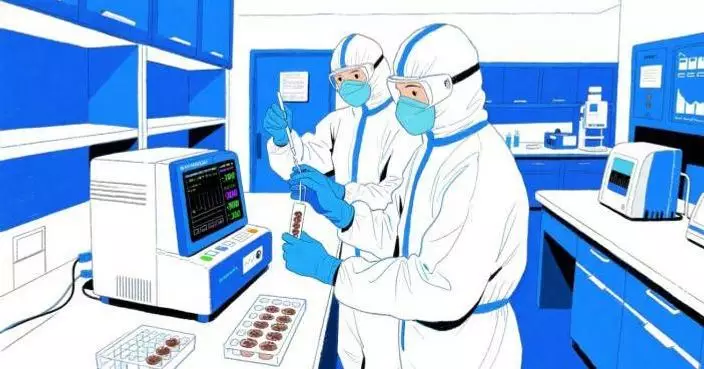
The Referral Guidelines set out the basic principles, professional responsibilities, and the necessary knowledge and skills required for RCMPs to refer patients for diagnostic imaging and laboratory tests. RCMPs arranging such referrals must ensure they have met the requirements on professional knowledge and competencies outlined in the Referral Guidelines and followed the practice rules stipulated in the Referral Guidelines when making and managing such referrals.
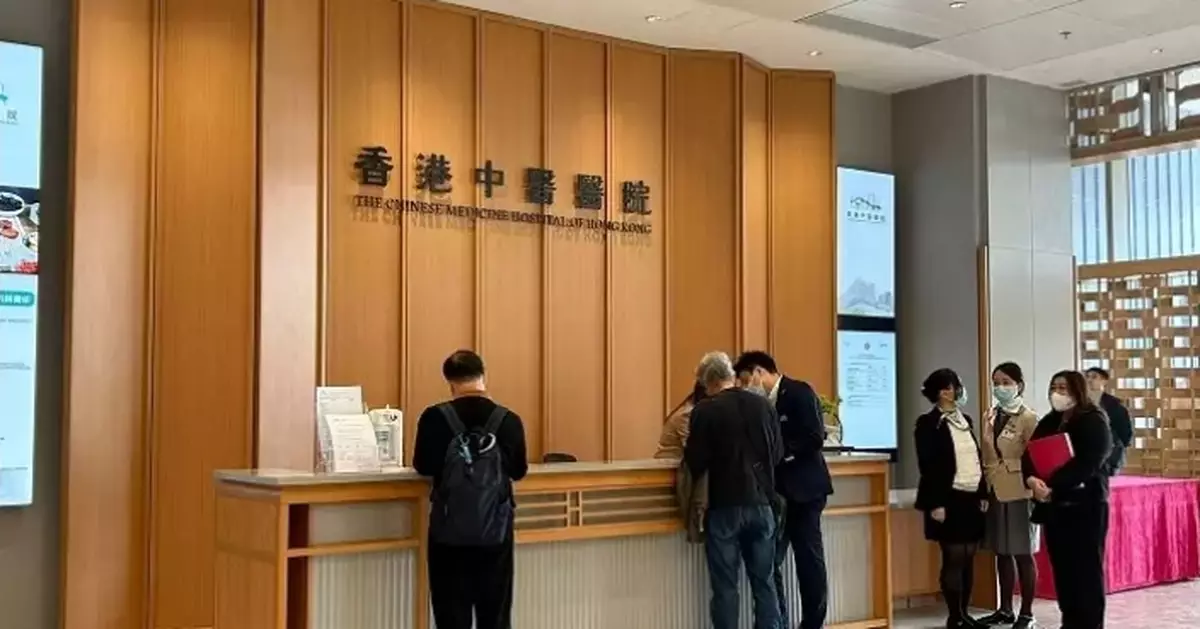
To safeguard patient safety and best interests, a step-by-step approach will be adopted for implementing the Referral Guidelines. Currently, the Referral Guidelines only apply to referrals for plain X-rays, while the Chinese Medicine Hospital of Hong Kong (CMHHK) will serve as a pilot site, in which RCMPs, when working as members of an attending clinical care team, may refer patients of the hospital to radiographers and/or medical laboratory technologists within the hospital's clinical care team for other test items in accordance with the hospital's internal clinical guidelines. The CMP Board expects that the experience obtained through this pilot arrangement at the CMHHK will facilitate future interprofessional discussions to progressively include other commonly used diagnostic imaging and laboratory test items into the Referral Guidelines.
RCMPs' referral of patients for physiotherapist and occupational therapist services
-------------------------------------------------------------------------------------------
In addition, the Ordinance allows physiotherapists and occupational therapists to accept referrals from RCMPs. To this end, the CMP Board is consulting the RCMP and other relevant medical professional sectors on the draft Guidelines for Registered Chinese Medicine Practitioners Referring Patients for Services Provided by Healthcare Professionals, with a view to providing more specific guidance on the basic principles, professional responsibilities, and required professional knowledge and skills involved in such referrals to promote interprofessional collaboration in the long term.
To support the above development, the CMP Board has been closely communicating with the Supplementary Medical Professions Council (SMP Council) and noted that the SMP Council has endorsed the codes of practice for radiographers, medical laboratory technologists, physiotherapists and occupational therapists, enabling them to accept RCMPs' referral for allied health services, with the revisions also taking effect today (December 11). The CMP Board and the SMP Council will continue to strengthen collaboration on matters relating to RCMPs' referral for allied health services with a view to promoting the development of interprofessional collaboration.
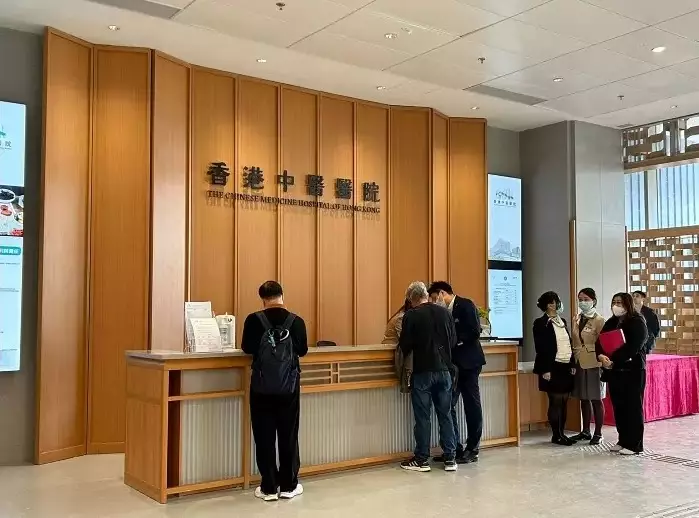
Photo by Bastille Post