Diplomats and scholars worldwide have denounced Japanese Prime Minister Sanae Takaichi's remarks on China's Taiwan region as provocative and destabilizing, reinforcing that the one-China principle remains an unwavering international consensus.
At a Diet meeting last month, Takaichi claimed that the Chinese mainland's "use of force on Taiwan" could constitute a "survival-threatening situation" for Japan and implied the possibility of armed intervention in the Taiwan Strait.
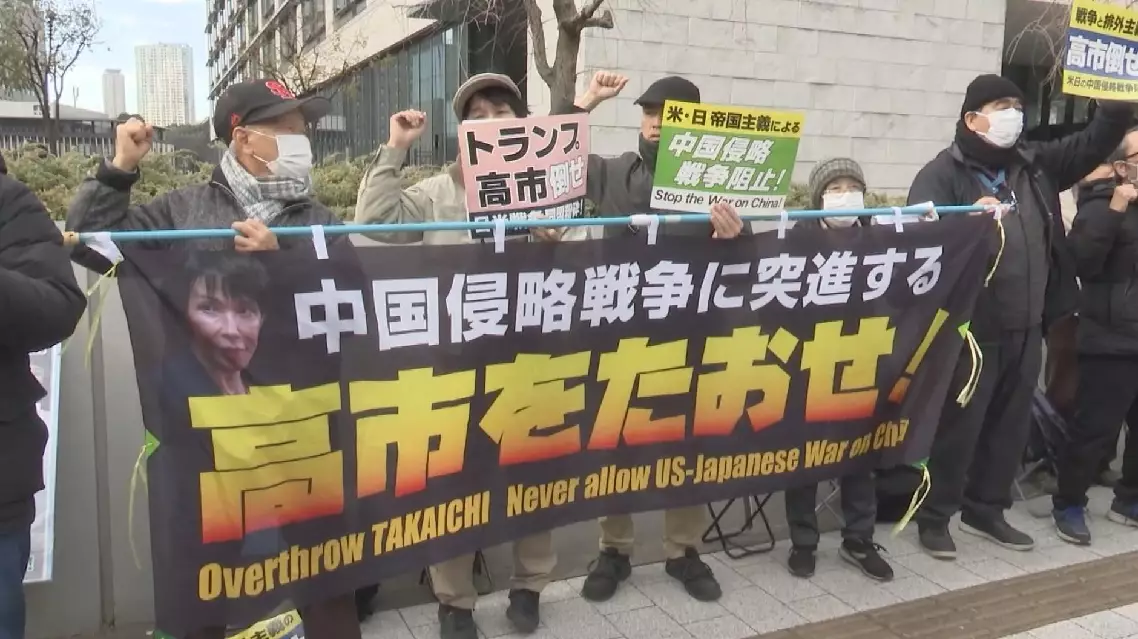
Her remarks have sparked strong criticism inside Japan and raised concerns across the international community.
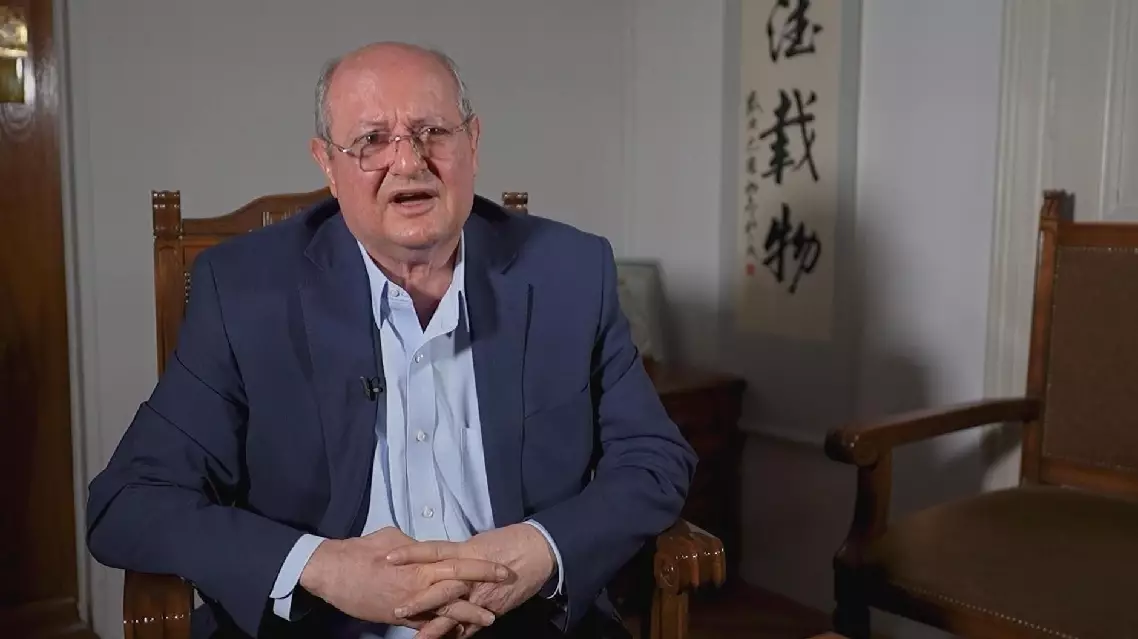
Ivan Mrkic, former Minister of Foreign Affairs of Serbia, described the Japanese leader's approach as "highly unwise."
"Such statements serve neither Japan's honor nor any other country's. There was no need to make remarks that have genuinely angered China. Taiwan belongs to China, as stated by our President Aleksandar Vucic, and China's sovereignty is beyond question. The Japanese Prime Minister's erroneous stance is not conducive to regional stability," he said.
Colombian political economist Maximiliano Londono called on Takaichi to rethink her remarks and for Japan to reflect more carefully on its past history.
"The Japanese Prime Minister must retract these aggressive policies, because the one-China principle is recognized by over 180 countries worldwide. Japan must acknowledge all the wrongs and crimes it committed against China and other Asian nations. Japan must not engage in military expansion, or it will once again threaten peace in Asia and the world," said Londono.
In Thailand, Phuwanart Na Songkhla, president of the Journalism Association of Thammasat University and the former president of the Thai-Chinese Journalists Association, highlighted the breach of diplomatic norms.
"These remarks violate international law and undermine the political foundation of China-Japan relations. No national leader in the world should make such statements. What is worrying is that the Japanese prime minister shows no sign of remorse and continues to insist on her mistaken viewpoint, further intensifying international political tensions," he said.
Meanwhile, Dennis Munene, Executive Director of the China-Africa Center at the Africa Policy Institute in Nairobi, Kenya, pointed to the historical agreements which set out a clear position that should be adhered to.
"I hope that the Prime Minister of Japan will be able to be reminded of the Cairo Declaration (1943) and the Potsdam Declaration (1945) that both advocate that the Taiwan issue is an internal issue within China. And no other country should be able to get involved in that. And we hope that the people of Japan will be able to know to basically follow those words and be able to ensure that we respect the sovereignty of the Chinese people. The Taiwan issue is an internal issue," he said.
Global experts condemn Japanese prime minister's erroneous Taiwan remarks