Fire Services Department and Hospital Authority to launch Pre-hospital Stroke Diversion Scheme
The following is issued on behalf of the Hospital Authority:
The Fire Services Department(FSD)and the Hospital Authority (HA) announced today (December 12) that the Pre-hospital Stroke Diversion Scheme (Primary Diversion Scheme) will be launched starting from 8.30am on December 15 in the New Territories East Cluster (NTEC) and the New Territories West Cluster (NTWC) of the HA.
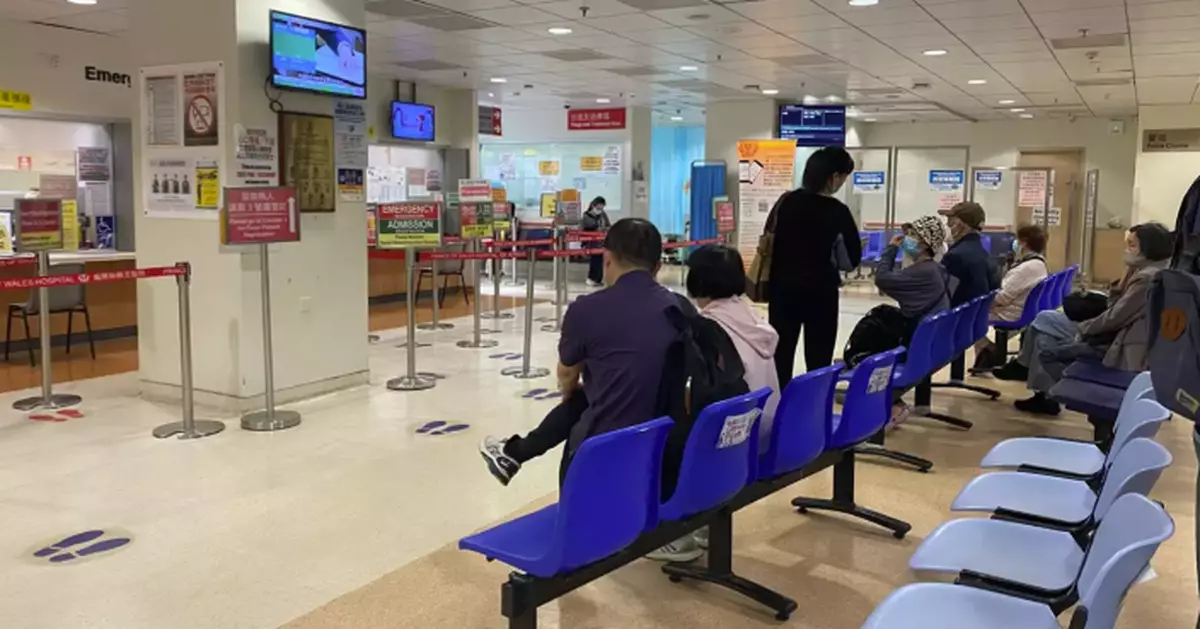
Since 2021, the HA and the FSD have collaborated to implement the Pre-hospital Stroke Notification mechanism on a territory-wide basis. The FSD's ambulance personnel will perform a pre-hospital stroke assessment before patients arrive at the hospital, utilising standardised medical evaluations to determine if the patient exhibits suspected acute stroke symptoms. In case a patient is assessed as requiring notification, the ambulance personnel will immediately call the Accident and Emergency Department (AED) of the public hospital concerned, enabling the hospital's stroke team to make advance arrangements for examination and treatment.
In line with the objectives set out by the Chief Executive in the 2025 Policy Address on strengthening the emergency stroke service network and further optimising service workflows to improve patients' survival rate and functional recovery, the FSD and the HA will strengthen collaboration and initiate to implement the Primary Diversion Scheme in the NTEC and the NTWC. Under the scheme, patients preliminarily assessed by ambulance personnel as having suspected large vessel occlusion (LVO) will be directly conveyed to designated HA hospitals within the service catchment areas for early treatment. Specifically, patients from Sha Tin, Tai Po and North districts will be taken to Prince of Wales Hospital (PWH) in the NTEC, while those from Tuen Mun and Yuen Long districts will be sent directly to Tuen Mun Hospital (TMH) in the NTWC. By triaging patients promptly at the pre-hospital stage and conveying them directly to designated hospitals capable of providing appropriate treatment services, the scheme can avoid the need for inter-hospital transfers and repeated assessments, further shortening the overall time for treatment, gaining more "golden time" for patients and reducing their risk of brain damage and long-term disability.
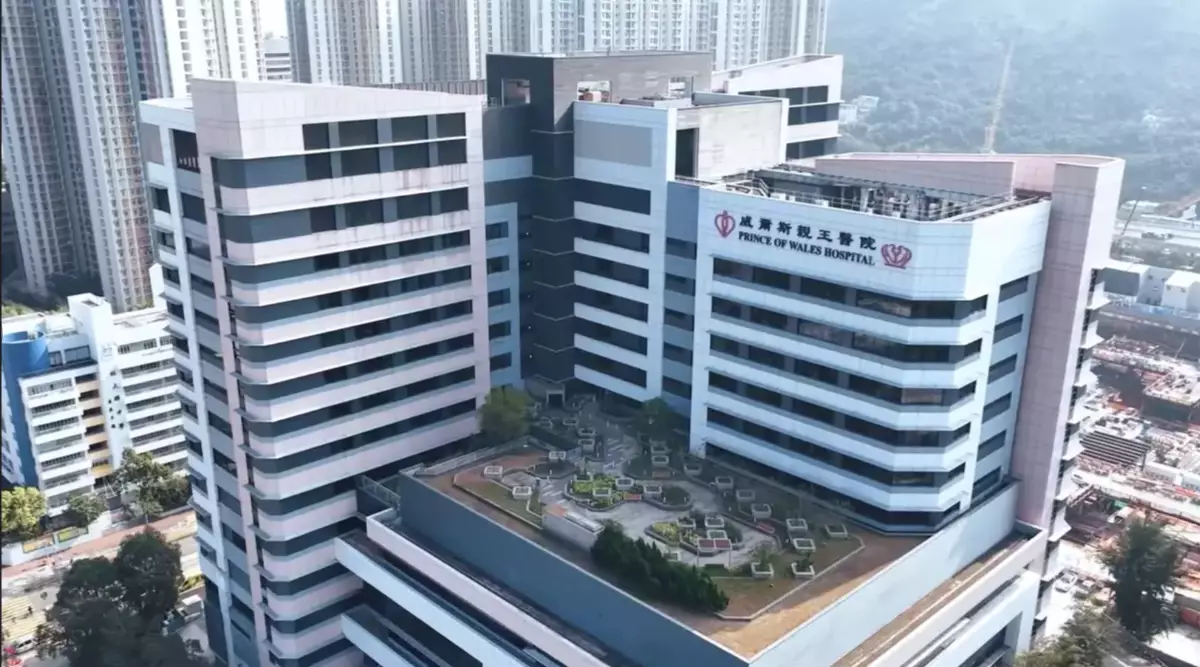
The Prince of Wales Hospital, Photo source: YT of PWH
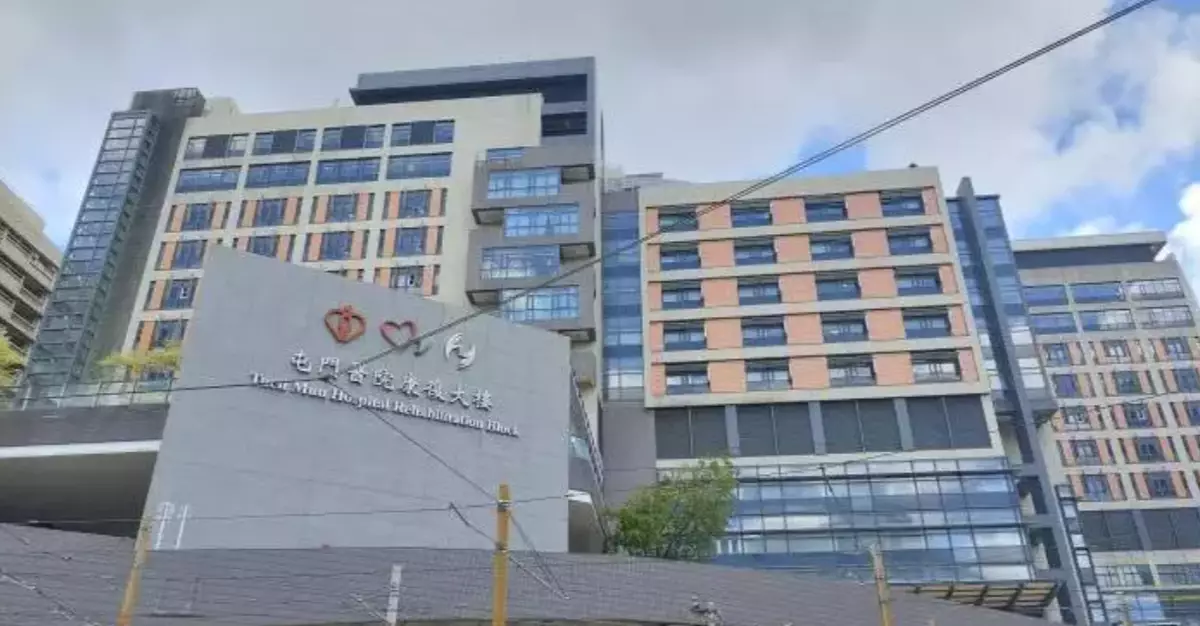
The Tuen Mun Hospital, Photo source: reference image
Suspected LVO patients will receive immediate examinations and diagnosis upon arrival at the public hospital AED. If LVO is confirmed, the stroke team will provide suitable treatments based on the patient's clinical condition, which may include intravenous thrombolysis (IVT) to dissolve blood clots. If clinically appropriate, patients may also receive intra-arterial thrombectomy (IAT) surgery to restore blood flow to the brain as quickly as possible. Currently, PWH and TMH offer both IVT and IAT along with related support services. By directing suspected LVO patients to these two designated hospitals, healthcare staff can promptly arrange necessary examinations and procedures, thereby reducing the duration of cerebral ischemia and improving treatment outcomes. For stroke patients in other Clusters, the FSD's ambulance personnel will continue to swiftly convey patients to the public hospital AED for treatment in accordance with the established Pre-hospital Stroke Notification mechanism.
The HA spokesperson reminded the public that all public hospital AEDs are capable of providing appropriate treatment for stroke patients. If individuals suspect themselves or someone nearby are suffering from stroke, they should promptly attend the nearest AED, where healthcare staff will arrange necessary assessments and examinations. Members of the public calling the FSD's ambulance service for assistance are also advised to co-operate with the professional assessments and judgments conducted by the ambulance personnel, who will convey patients to a suitable hospital for further diagnosis.
To ensure the smooth implementation of the Primary Diversion Scheme, the HA and the FSD have conducted multiple drills in advance. Both parties will closely monitor the progress of the Scheme and review its effectiveness to continuously enhance the efficiency of stroke patient management and actively consider extending the Scheme to other Clusters in an orderly manner.
Strokes can be generally classified into two types, namely hemorrhagic stroke and ischemic stroke. Treatment approaches differ for patients with each type. For ischemic strokes, all public hospital AEDs currently offer 24-hour IVT services. Since March of this year, PWH, TMH, Princess Margaret Hospital, Queen Elizabeth Hospital, Kwong Wah Hospital, Queen Mary Hospital, and Pamela Youde Nethersole Eastern Hospital have also been providing 24-hour IAT services, supporting stroke patients across Hong Kong through a comprehensive service network.
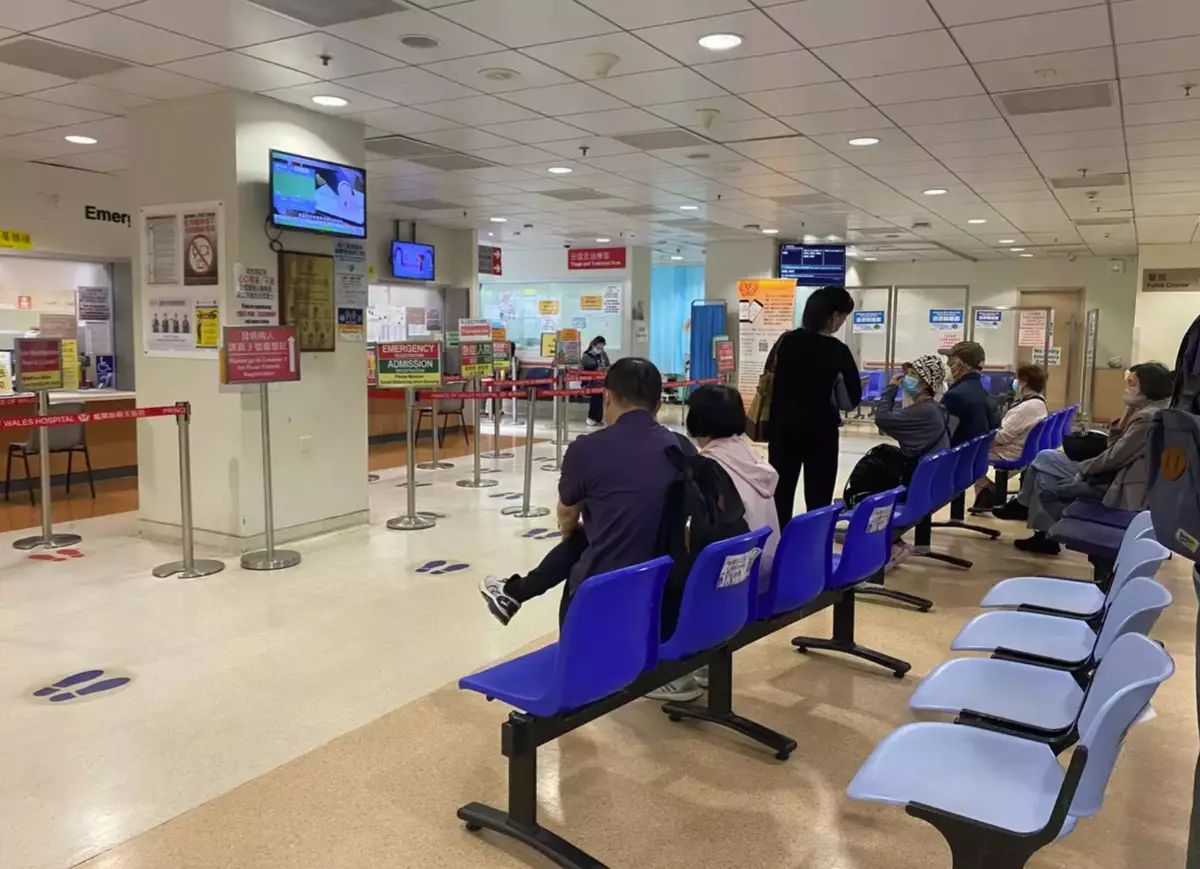
Photo by Bastille Post

22 persons arrested during anti-illegal worker operations
The Immigration Department (ImmD) mounted a series of territory-wide anti-illegal worker operations codenamed "Twilight" and joint operations with the Hong Kong Police Force codenamed "Champion" from March 27 to yesterday (April 1). During the anti-illegal worker operations, investigators raided multiple target locations including restaurants, industrial buildings and flats under renovation, etc. Twenty suspected illegal workers and two suspected employers were arrested. The arrested suspected illegal workers comprised 15 men and five women, aged 25 to 57. Among them, one man and one woman were holding recognisance forms which prohibit them from taking any employment. Two men, aged 36 and 60, were suspected of employing the illegal workers and were also arrested. An investigation into the suspected employers is ongoing, and the possibility of further arrests is not ruled out.
An ImmD spokesman said, "Any person who contravenes a condition of stay in force in respect of him or her shall be guilty of an offence. Also, visitors are not allowed to take employment in Hong Kong, whether paid or unpaid, without the permission of the Director of Immigration. Offenders are liable to prosecution and upon conviction face a maximum fine of $50,000 and up to two years' imprisonment. Aiders and abettors are also liable to prosecution and penalties."
The spokesman warned, "As stipulated in section 38AA of the Immigration Ordinance, an illegal immigrant, a person who is the subject of a removal order or a deportation order, an overstayer or a person who was refused permission to land is prohibited from taking any employment, whether paid or unpaid, or establishing or joining any business. Offenders are liable upon conviction to a maximum fine of $50,000 and up to three years' imprisonment. As stipulated in section 20(1)(a) of the Immigration Ordinance, the Chief Executive may make a deportation order against an immigrant, prohibiting the immigrant from being in Hong Kong at any time thereafter if the immigrant has been found guilty in Hong Kong of an offence punishable by imprisonment for not less than two years."
The spokesman stressed that it is a serious offence to employ people who are not lawfully employable. Under the Immigration Ordinance, the maximum penalty for an employer employing a person who is not lawfully employable, i.e. an illegal immigrant, a person who is the subject of a removal order or a deportation order, an overstayer or a person who was refused permission to land, has been significantly increased from a fine of $350,000 and three years' imprisonment to a fine of $500,000 and 10 years' imprisonment to reflect the gravity of such offences. The director, manager, secretary, partner, etc, of the company concerned may also bear criminal liability. The High Court has laid down sentencing guidelines that the employer of an illegal worker should be given an immediate custodial sentence.
According to the court sentencing, employers must take all practicable steps to determine whether a person is lawfully employable prior to employment. Apart from inspecting a prospective employee's identity card, the employer has the explicit duty to make enquiries regarding the person and ensure that the answers would not cast any reasonable doubt concerning the lawful employability of the person. The court will not accept failure to do so as a defence in proceedings. It is also an offence if an employer fails to inspect the job seeker's valid travel document if the job seeker does not have a Hong Kong permanent identity card. Offenders are liable upon conviction to a maximum fine of $150,000 and to imprisonment for one year. In that connection, the spokesman would like to remind all employers not to defy the law by employing illegal workers. The ImmD will continue to take resolute enforcement action to combat such offences.
Under the existing mechanism, the ImmD will, as a standard procedure, conduct an initial screening of vulnerable persons, including illegal workers, illegal immigrants, sex workers and foreign domestic helpers, who are arrested during any operation with a view to ascertaining whether they are trafficking in persons (TIP) and/or forced labour victims. When any TIP and/or forced labour indicator is revealed in the initial screening, the ImmD officers will conduct a full debriefing and identification by using a standardised checklist to ascertain the presence of TIP and/or forced labour elements. Identified TIP and/or forced labour victims will be provided with various forms of support and assistance, including urgent intervention, medical services, counselling, shelter or temporary accommodation and other supporting services. The ImmD calls on TIP and/or forced labour victims to report crimes to the relevant departments immediately.
For reporting illegal employment activities, please call the dedicated hotline 185 185, fax at 2824 1166, emailanti_crime@immd.gov.hk, or submit the "Online Reporting of Immigration Offences" form atwww.immd.gov.hk.
22 persons arrested during anti-illegal worker operations Source: HKSAR Government Press Releases