Pest Control Steering Committee provides updates on latest progress of interdepartmental mosquito control and prevention work against chikungunya fever at Tsing Yi Nature Trails
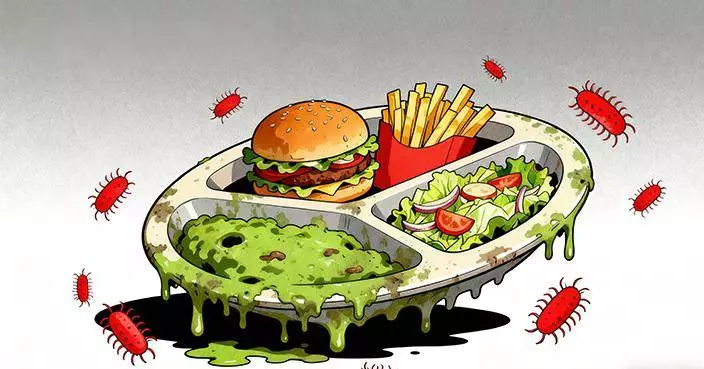
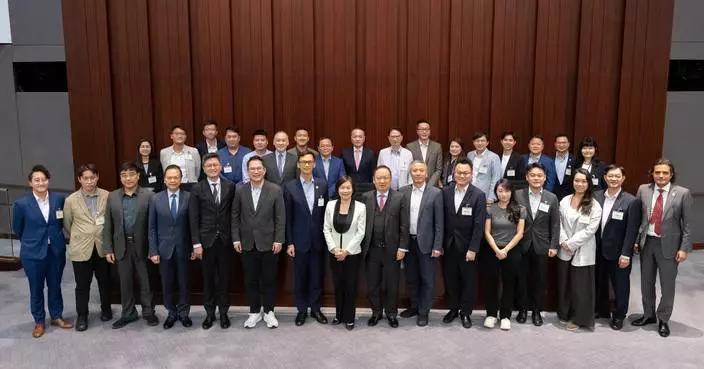
The interdepartmental Pest Control Steering Committee (PCSC) provided updates today (December 12) on interdepartmental mosquito control and prevention work progress against chikungunya fever (CF) at Tsing Yi Nature Trails.
Click to Gallery
Pest Control Steering Committee provides updates on latest progress of interdepartmental mosquito control and prevention work against chikungunya fever at Tsing Yi Nature Trails Source: HKSAR Government Press Releases
Pest Control Steering Committee provides updates on latest progress of interdepartmental mosquito control and prevention work against chikungunya fever at Tsing Yi Nature Trails Source: HKSAR Government Press Releases
Pest Control Steering Committee provides updates on latest progress of interdepartmental mosquito control and prevention work against chikungunya fever at Tsing Yi Nature Trails Source: HKSAR Government Press Releases
Pest Control Steering Committee provides updates on latest progress of interdepartmental mosquito control and prevention work against chikungunya fever at Tsing Yi Nature Trails Source: HKSAR Government Press Releases
Pest Control Steering Committee provides updates on latest progress of interdepartmental mosquito control and prevention work against chikungunya fever at Tsing Yi Nature Trails Source: HKSAR Government Press Releases
PCSC members, including the Centre for Health Protection (CHP) of the Department of Health, the Food and Environmental Hygiene Department (FEHD), and various bureaux and departments, have been working closely in mosquito prevention and control. In 2025, the PCSC held a number of meetings to monitor the mosquito infestation situation, and provide steer to interdepartmental anti-mosquito actions:
(1) At the meeting on March 14, the PCSC discussed the follow-up actions of various departments in response to the anti-mosquito work plan for 2025 that was discussed at the previous meeting at the end of last year;
(2) At the meeting on July 23, the PCSC examined the latest mosquito infestation situation and anti-mosquito measures taken by various departments and discussed measures to prevent CF, particularly in response to a significant increase in CF cases in neighboring areas and some overseas countries. Given the frequent travel of Hong Kong residents to various places, there was a potential risk of local transmission. The PCSC also urged departments to promptly initiate a new round of mosquito prevention and control actions to clear potential breeding grounds after Typhoon Wipha that hit Hong Kong, and thereafter continue to proactively implement mosquito control measures;
In addition, on August 1, the Chairperson of the PCSC, along with the representatives from the CHP and the FEHD, met with trade representatives to discuss the latest situation regarding CF and the situation overseas, as well as Hong Kong's risk assessment, border control, emergency preparedness, and public education work. The meeting also urged the trade representatives to step up anti-mosquito work at venues under their purview;
Furthermore, between July 24 and August 12, the Secretary for Environment and Ecology and the Under Secretary for Environment and Ecology conducted inspections in various districts respectively to assess the relevant response work against CF;
(3) On October 27, following the first local CF case, the PCSC convened a special meeting, urging relevant departments to strengthen mosquito control efforts in areas under their purviews. The District Offices of the FEHD also held interdepartmental meetings at the district level to undergo risk assessment and conduct targeted measures;
Besides, on October 27, the Secretary for Environment and Ecology visited Fung Tak Estate, where the first local CF case was reported, to inspect the mosquito control work;
(4) The FEHD has consistently acted upon notifications from the CHP of CF and other mosquito-borne diseases by immediately informing relevant departments of their follow-up to the taken. Upon receiving notifications on November 13 of a case involving for the first time a patient who had visited Tsing Yi Nature Trails and reported mosquito bites, the FEHD promptly initiated response measures at the trail and simultaneously informed relevant departments for their follow-up actions to be taken;
On November 24, in response to several imported CF cases reportedly being bitten by mosquitoes while hiking along the Tsing Yi Nature Trails before symptoms onset, the Under Secretary for Environment and Ecology visited the vicinity of Tsing Yi Nature Trails to learn about the progress of the response work carried out by the FEHD and other relevant departments since November 13;
At the meeting on November 28, the PCSC reviewed the latest situation regarding CF and the corresponding response efforts, particularly on Tsing Yi Nature Trails:
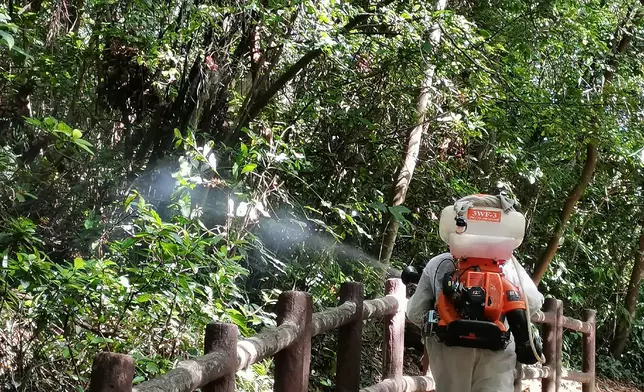
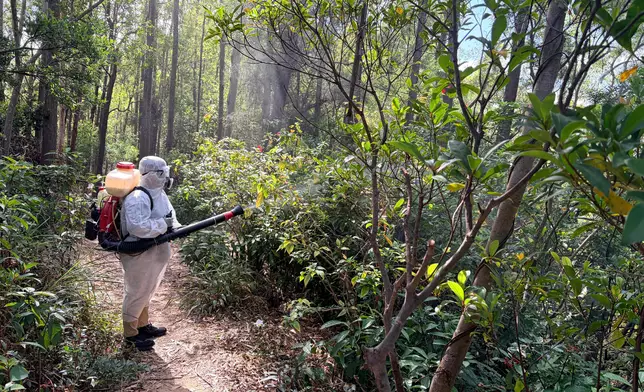
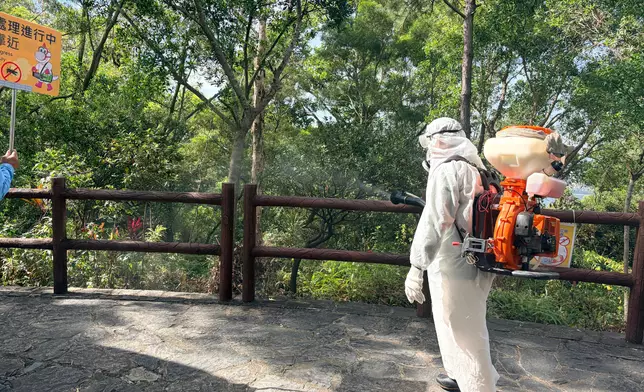
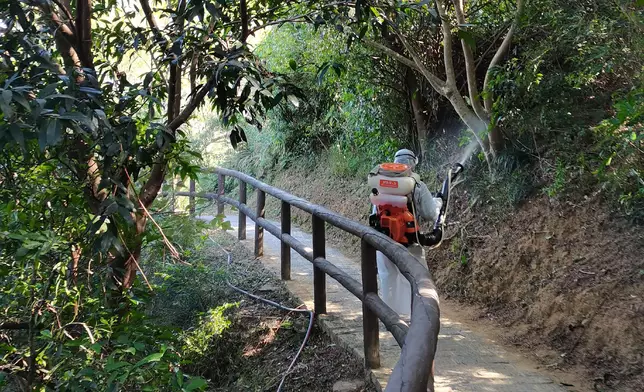
(a) The progress of the FEHD's operations to eliminate adult mosquitoes and remove mosquito breeding sites, including the use of large ultra-low volume foggers and trial of robotic dogs to enhance effectiveness. The FEHD also installed new mosquito trapping devices, cleared discarded containers and garbage that could lead to stagnant water, and applied larvicidal oil or larvicides in areas with stagnant water that could not be immediately cleared. Pamphlets were distributed to hikers in the area to raise awareness about mosquito infestations; and
(b) The progress made by the Kwai Tsing District Office, the Tsuen Wan and Kwai Tsing District Lands Offices, the Drainage Services Department (DSD) and the Civil Engineering and Development Department (CEDD) in strengthening their actions along the Tsing Yi Nature Trails.
On the same day, the District Environmental Hygiene Superintendent (Kwai Tsing) of the FEHD held a meeting of the inter-departmental task forces to discuss the latest developments related to the situation and to co-ordinate relevant departments and stakeholders to strengthen mosquito prevention and control measures in venues and areas under their purview;
On November 28, the CHP determined, based on epidemiological investigation and genome analysis results, that two cases in which the patients visited Tsing Yi Nature Trails, should be classified as locally cases;
(5) In response to the announcement of another local case on December 1 who had visited the Tsing Yi Nature Trails, the Committee Chairperson sent an email to the members on December 2 to inform them of the update and asked them to report on the progress of the follow-up work as requested by FEHD in mid-December. On December 4, the CHP, based on epidemiological investigation and genome analysis results, announced another local case who had also visited the Tsing Yi Nature Trails. On December 6, the CHP announced the determination of another case which had visited the Tsing Yi Nature Trails. Having conductedinspections, the FEHD informed individual departments on December 10 of the outstanding follow-up work. On the same day (December 10), the CHP announced another local case who had also visited the Tsing Yi Nature Trails.
In the meeting, planned to be held in the later half of December, apart from the anti-mosquito work plan for 2026 originally put on the agenda, the PCSC will also examine the progress of follow-up work by various departments in detail.
The FEHD has been conducting regular monitoring of vectors for dengue fever and CF, and has been carrying out comprehensive mosquito control measures across Hong Kong to reduce the risk of transmission of mosquito-borne diseases. The FEHD has set up Aedes albopictus mosquito traps in 64 monitoring areas and all port areas across Hong Kong to monitor the distribution and density of Aedes albopictus in various districts, and to carry out targeted mosquito control work. In addition, the FEHD conducts regular inspections to understand the mosquito situation in various districts and to take early action to control mosquito problems. The mosquito control efforts of the FEHD and relevant departments will not slacken under the cooler weather, and the territory-wide mosquito control campaign is still on-going. The work of various departments is co-ordinated through the PCSC to enhance effectiveness.
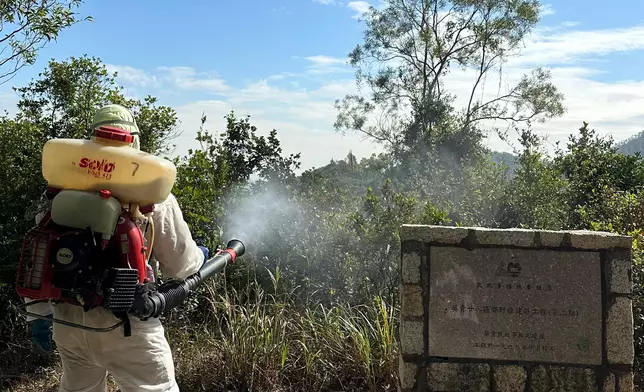
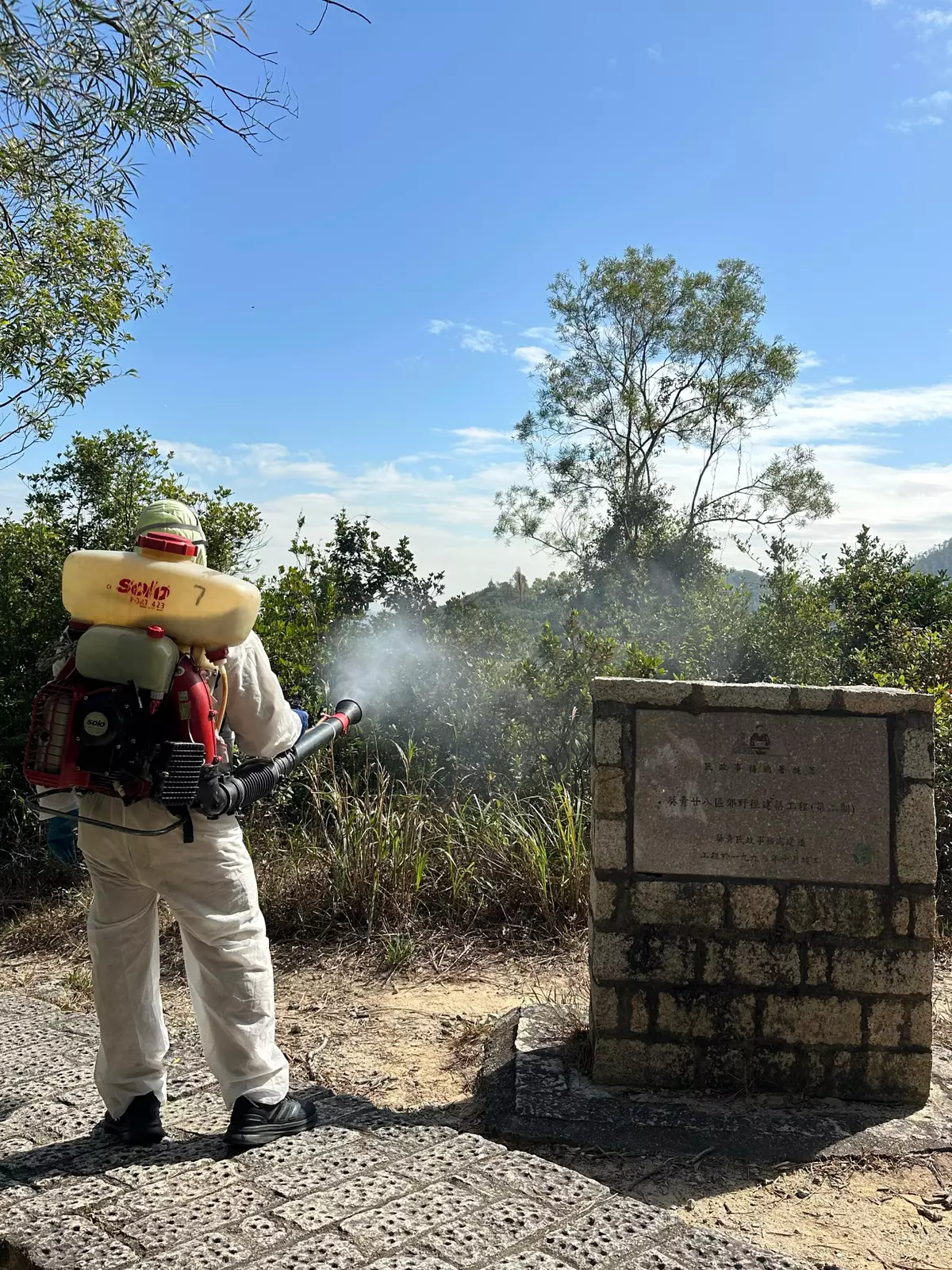
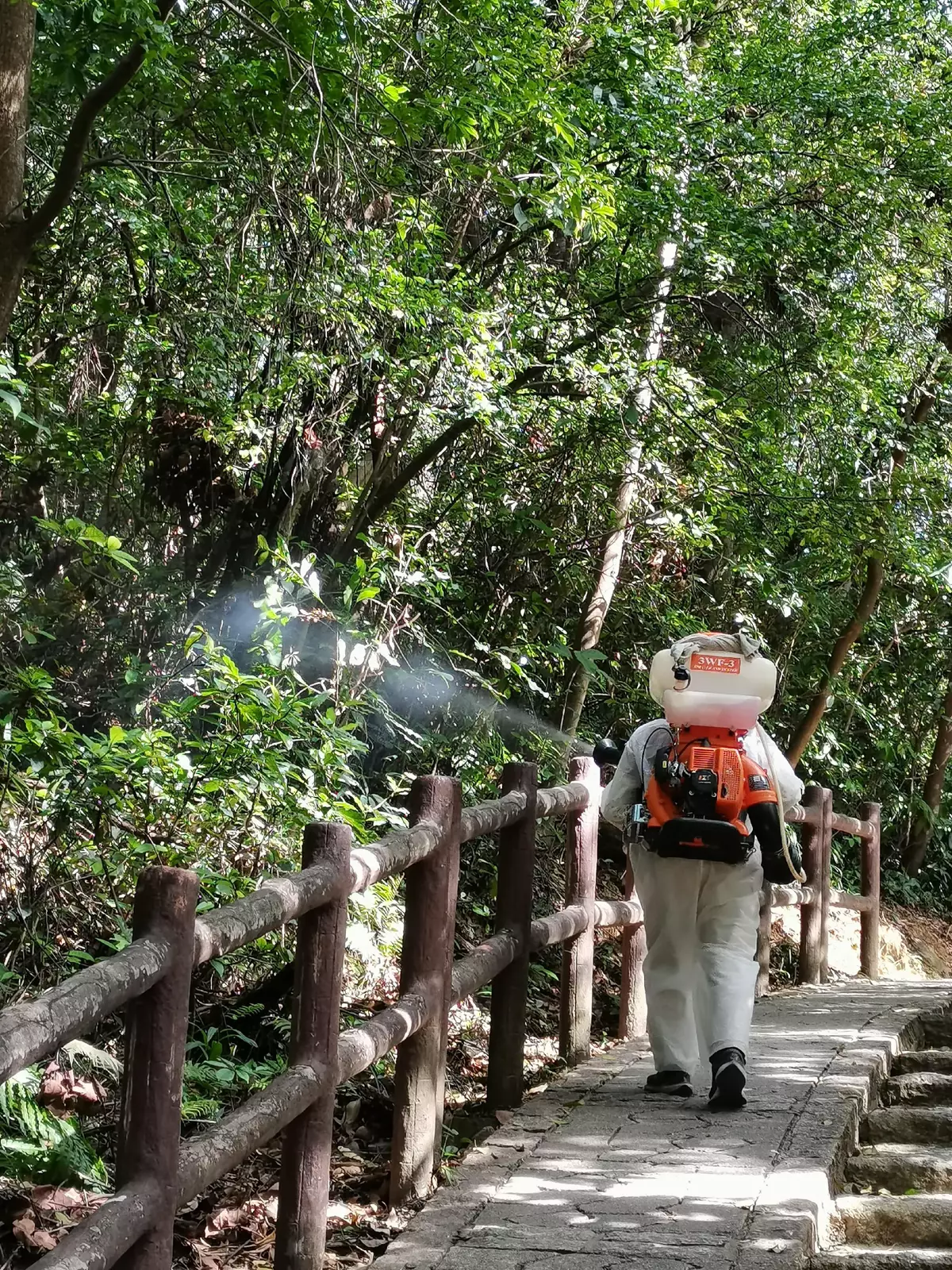
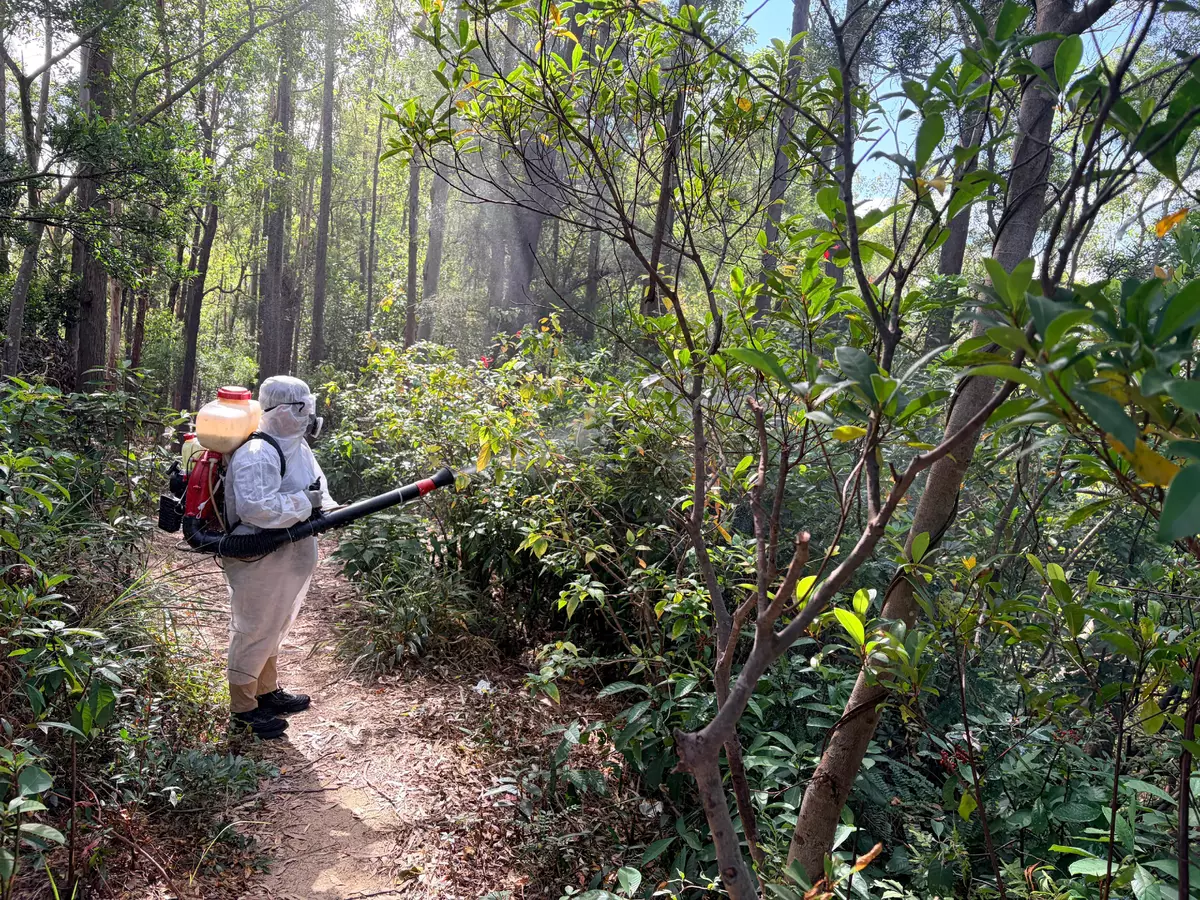
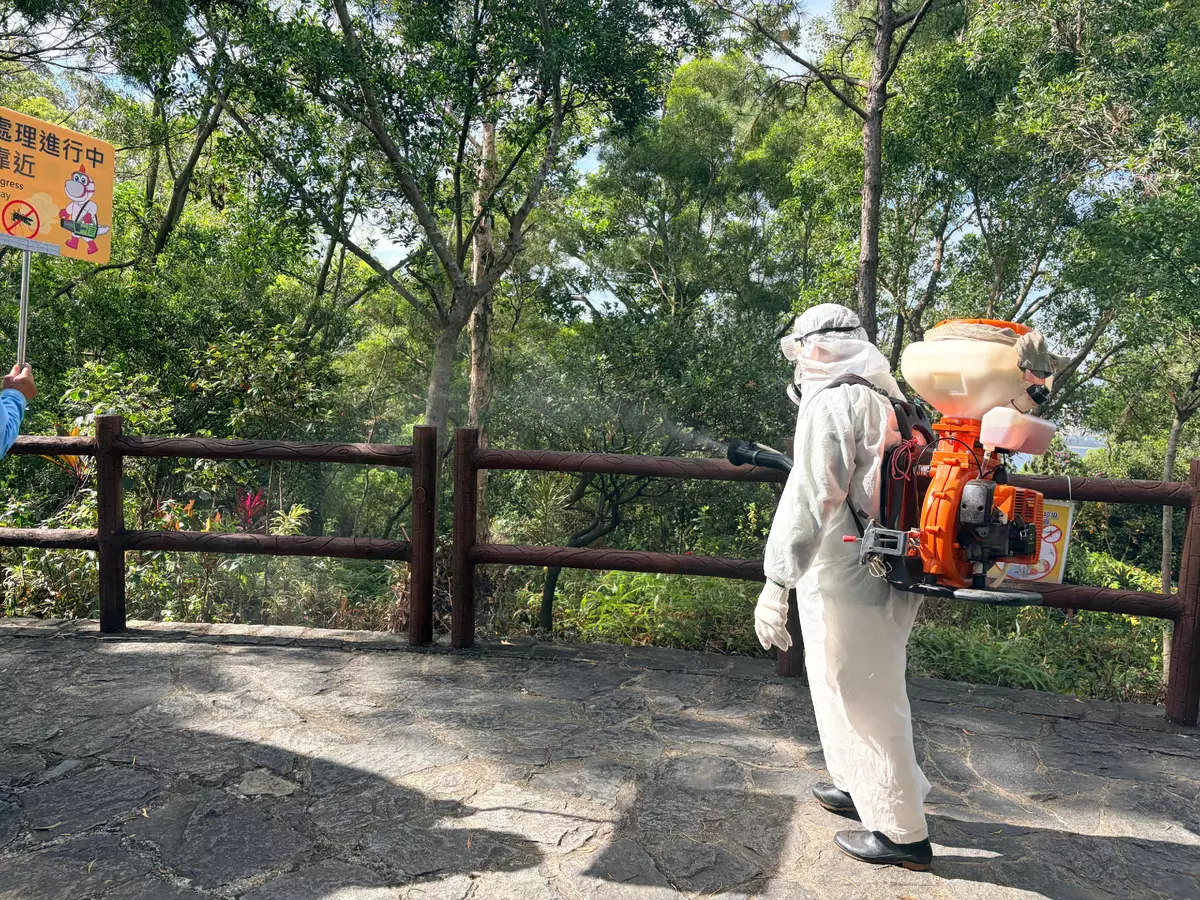
In response to the CF cases, the FEHD has adopted various methods to eliminate vector mosquitoes. These include intensive fogging treatments using ultra-low volume sprayers, which significantly reduce the adult mosquito population in the shortest possible time. Additionally, efforts are made to target the larval stage of mosquitoes by eliminating breeding grounds and applying larvicides, thereby reducing the chance of vertical transmission of the virus in vector mosquitoes (i.e. transmission to the next generation). Furthermore, the FEHD will set up mosquito traps in relevant locations to assess the effectiveness of mosquito control measures. Given that the typical lifespan of a female mosquito is about one month, the related mosquito control efforts will continue for more than a month to eradicate virus-carrying female mosquitoes. Adjustments or extensions will be made based on the latest developments and assessment results of the cases.
The Tsing Yi Nature Trails are situated in a countryside environment and cover a vast area, with the hiking trails stretching approximately 7 000 metres. Compared with urban settings, mosquito control work there faces greater challenges. Along both sides of the trails, various natural breeding grounds for vectors, including puddles on soil surfaces and fallen leaves, increase the risk of mosquito breeding.
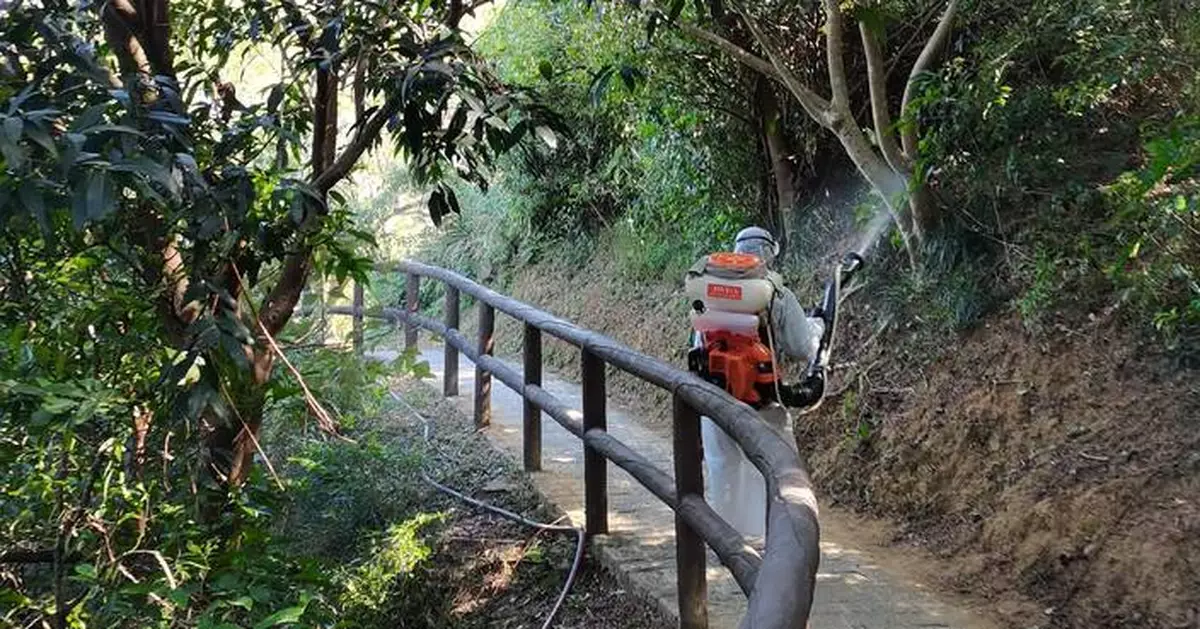
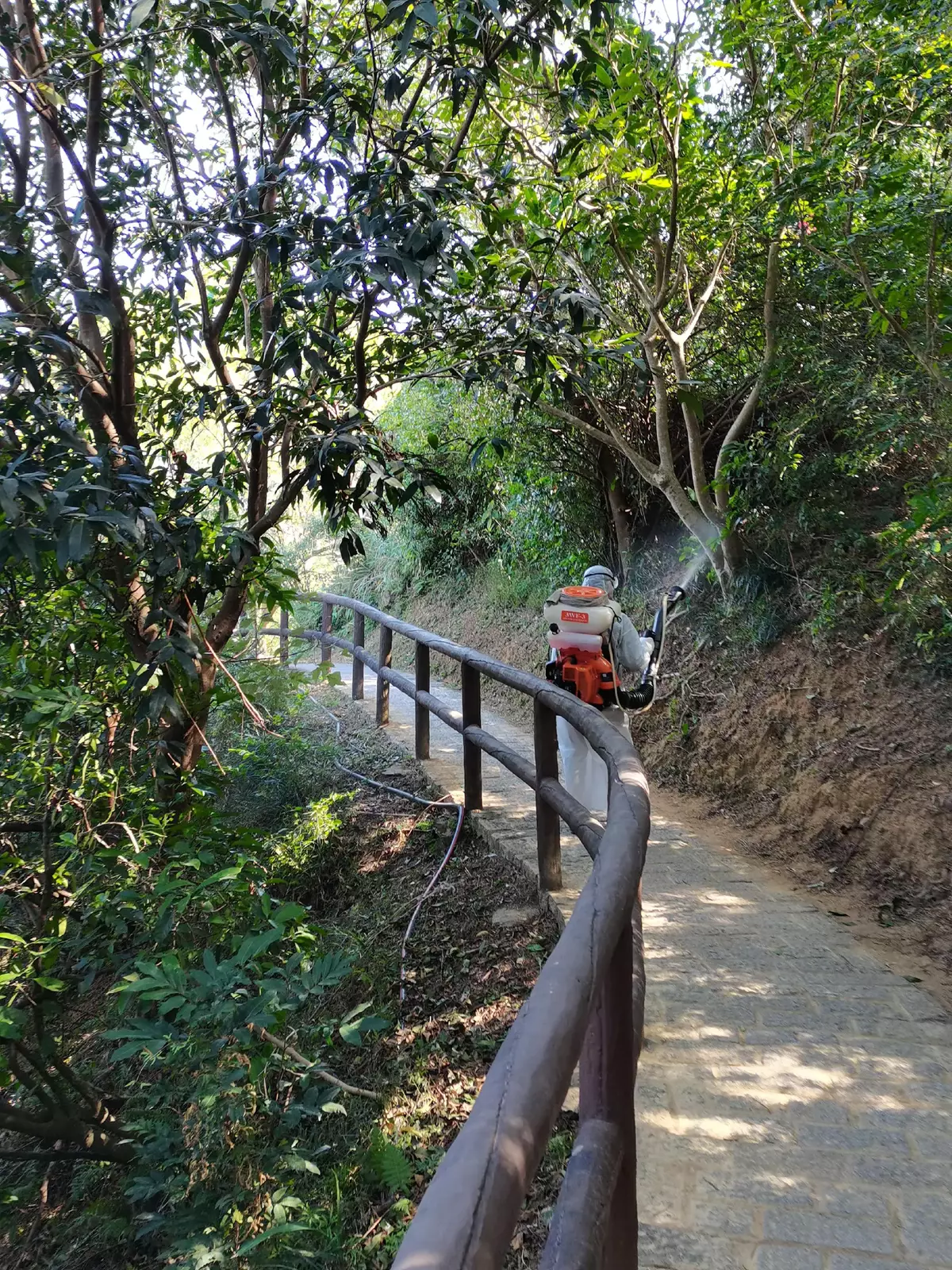
Currently, tools such as large ultra-low volume foggers and robot dogs have been deployed by the FEHD to conduct 49 fogging operations to kill adult mosquitoes along the hiking trails, covering the entire trails and the perimeter. The FEHD has also eliminated about 1 800 potential mosquito breeding sites, applied larvicide oil or larvicides at around 240 areas with stagnant water that cannot be removed immediately, and installed 29 new mosquito trapping devices. The department is also actively exploring the use of stairlifts and drones to assist in fogging operations.
Furthermore, the department has set up 40 temporary mosquito traps at the trail to monitor the effectiveness of the measures and the mosquito situation, and collect adult mosquitoes for vector surveys.
In addition, pamphlets have been distributed to hikers in the area, urging the public to be vigilant against mosquito infestations and take personal protective measures. The FEHD also visited nearby schools and childcare facilities to provide information and assistance on mosquito prevention and control.
The FEHD has stepped up inspections of construction sites and residential premises near the trails, instituted two prosecutions against parties responsible for violations related to mosquito breeding, and issued eight statutory notices requiring the elimination of stagnant water.
The Kwai Tsing District Office (K&TDO), responsible for the maintenance of the Tsing Yi Nature Trails, has instructed its contractor to enhance mosquito prevention and control measures, including grass cutting, clearing blockages in drainage, conducting fogging operations, and application of larvicide oil or larvicides. In addition, the K&TDO has displayed posters at the entrances, pavilions and sitting-out areas along the trails to remind visitors and hikers to use insect repellents and take protective measures. K&TDO also continuously disseminates information on mosquito prevention to residents in the district through the local networks of the District Council Members, Area Committees and Care Teams.
The DSD has conducted multiple drainage cleaning operations in the vicinity of the Tsing Yi Nature Trails, removing silt and debris from drainage facilities to ensure smooth drainage and prevent stagnant water and mosquito breeding.
The District Lands Office of Tsuen Wan and Kwai Tsing has progressively removed illegal cultivations, structures, metal canopies, and bamboo sticks on relevant government land.
The CEDD has requested contractors and site supervisory staff to arrange site inspections, including its surrounding areas, to ensure that the mosquito prevention measures taken are as effective as possible. Mosquito prevention and control measures include conducting regular inspections, removing stagnant water, applying larvicidal oil, and setting up mosquito traps on-site with regular checks and replacement of baits.
The PCSC emphasised that it will continue to closely monitor the mosquito situation in Hong Kong and, as always, convene meetings in a timely manner before the rainy season and when necessary to discuss and follow up on inter-departmental mosquito control efforts.
Pest Control Steering Committee provides updates on latest progress of interdepartmental mosquito control and prevention work against chikungunya fever at Tsing Yi Nature Trails Source: HKSAR Government Press Releases
Pest Control Steering Committee provides updates on latest progress of interdepartmental mosquito control and prevention work against chikungunya fever at Tsing Yi Nature Trails Source: HKSAR Government Press Releases
Pest Control Steering Committee provides updates on latest progress of interdepartmental mosquito control and prevention work against chikungunya fever at Tsing Yi Nature Trails Source: HKSAR Government Press Releases
Pest Control Steering Committee provides updates on latest progress of interdepartmental mosquito control and prevention work against chikungunya fever at Tsing Yi Nature Trails Source: HKSAR Government Press Releases
Pest Control Steering Committee provides updates on latest progress of interdepartmental mosquito control and prevention work against chikungunya fever at Tsing Yi Nature Trails Source: HKSAR Government Press Releases