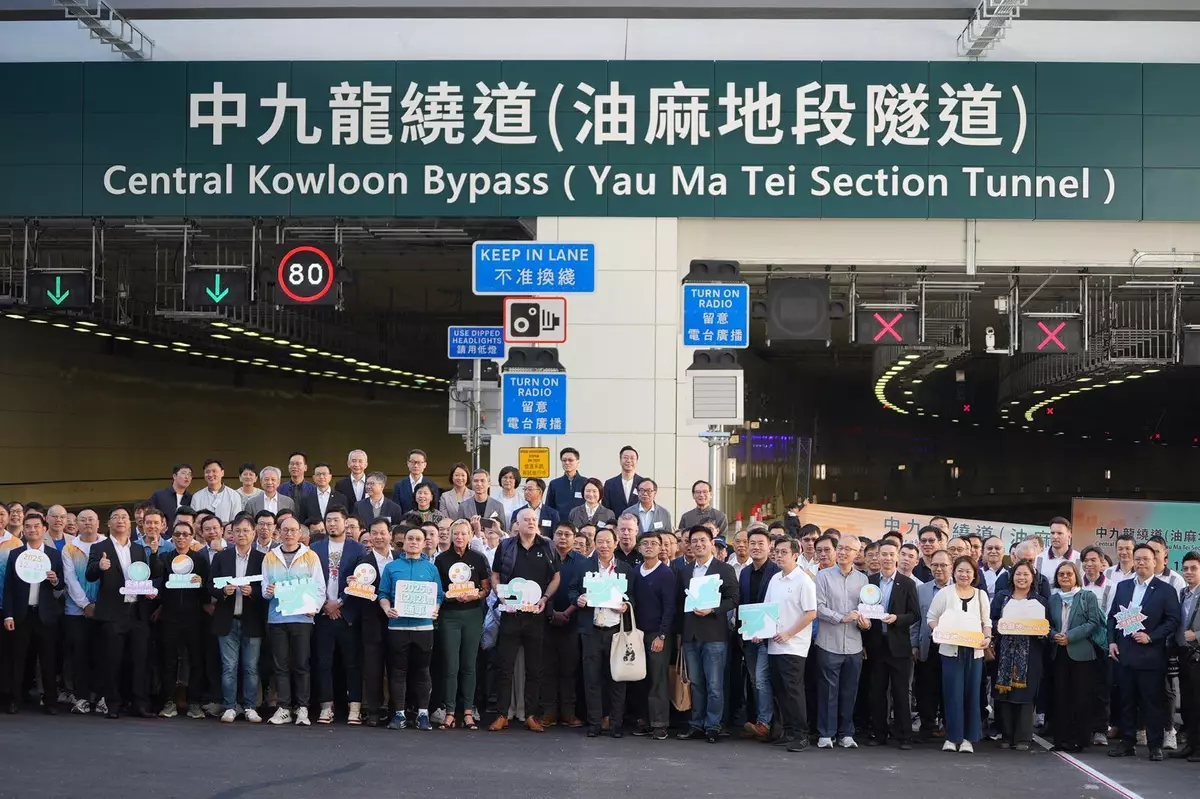
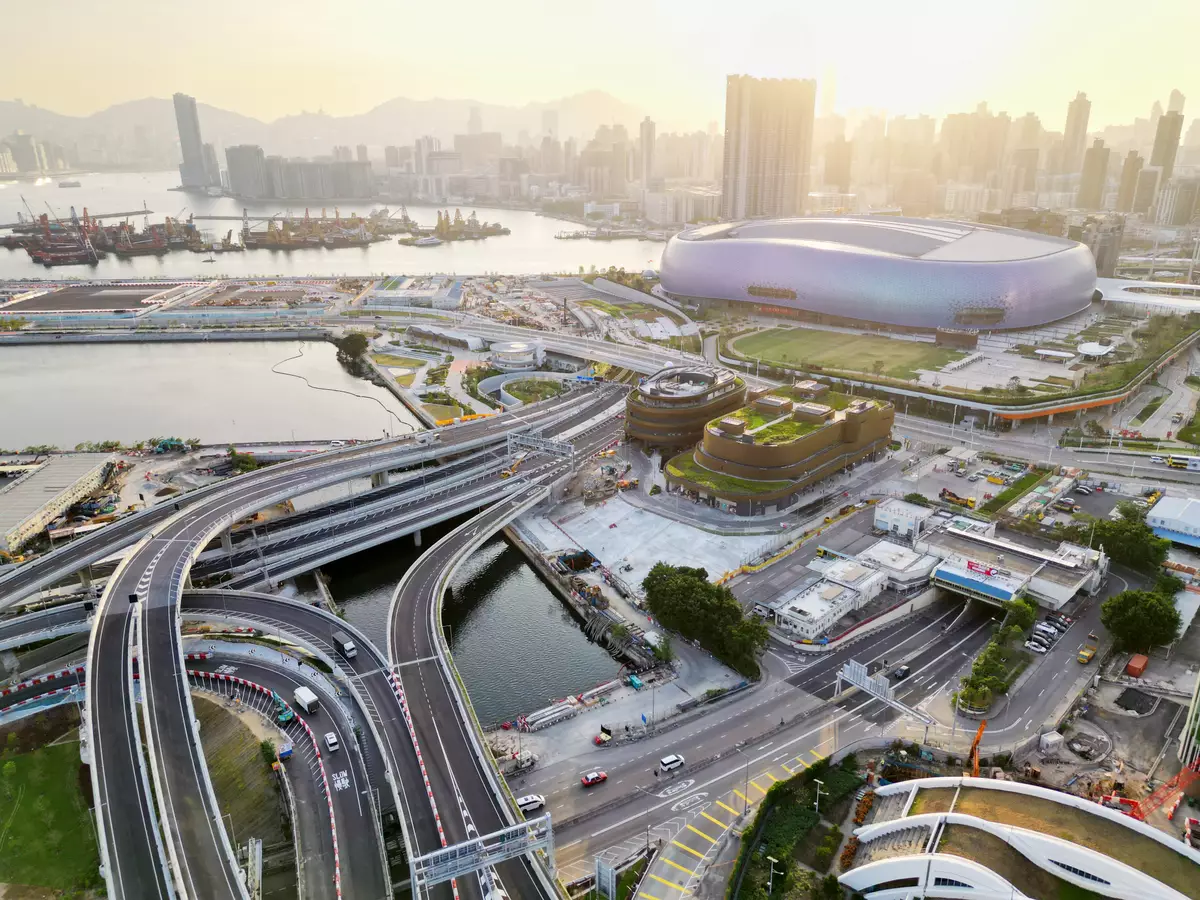
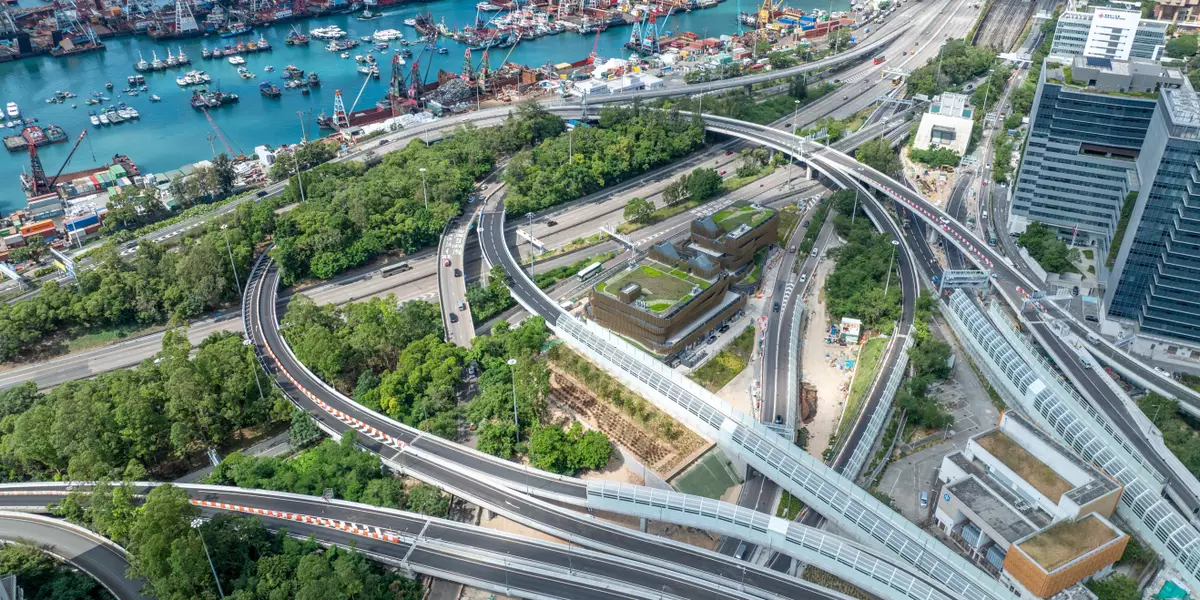
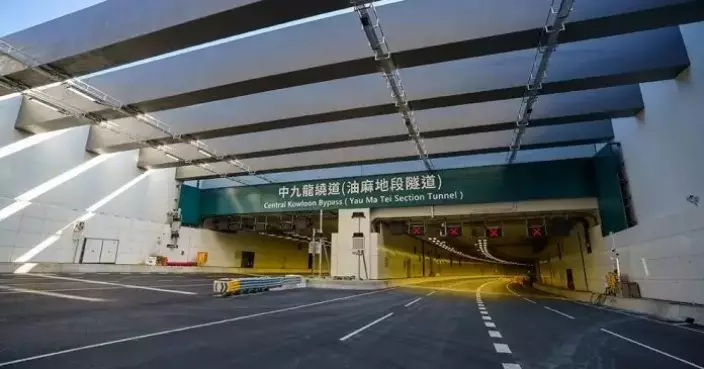
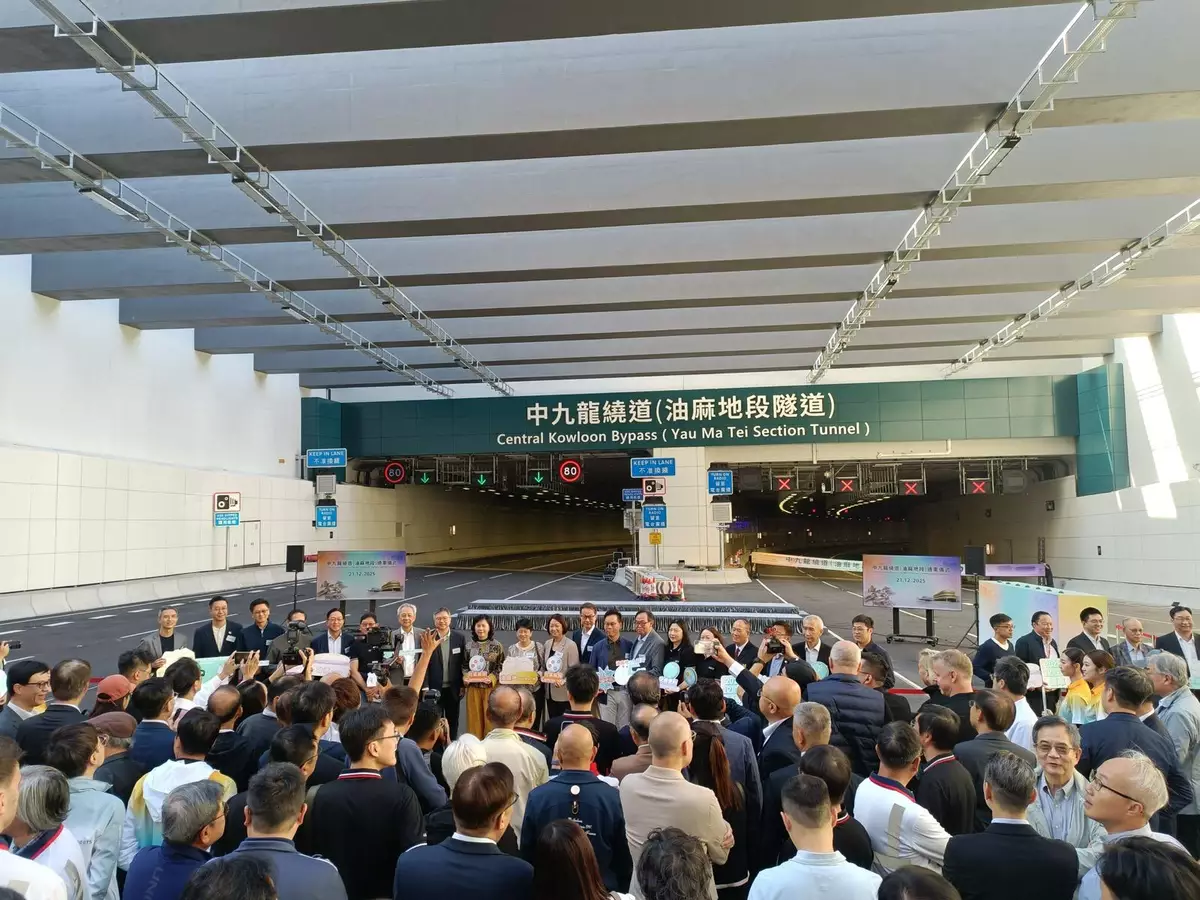
The Central Kowloon Bypass (Yau Ma Tei Section) is set to open on December 21, slashing the journey time from Yau Ma Tei to Kowloon Bay from approximately 30 minutes during peak hours to around five minutes.
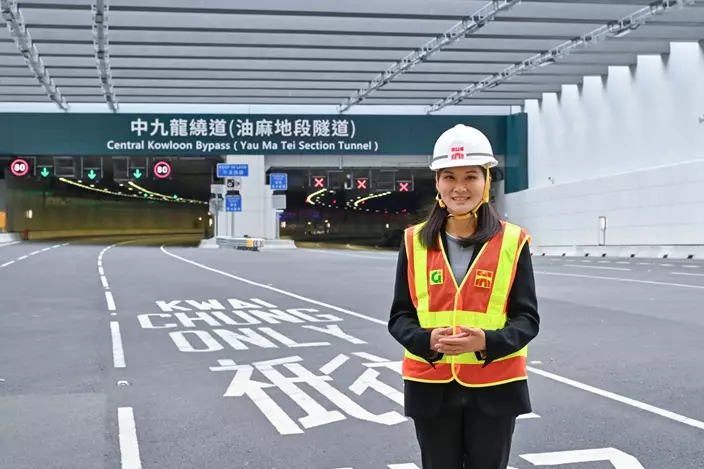
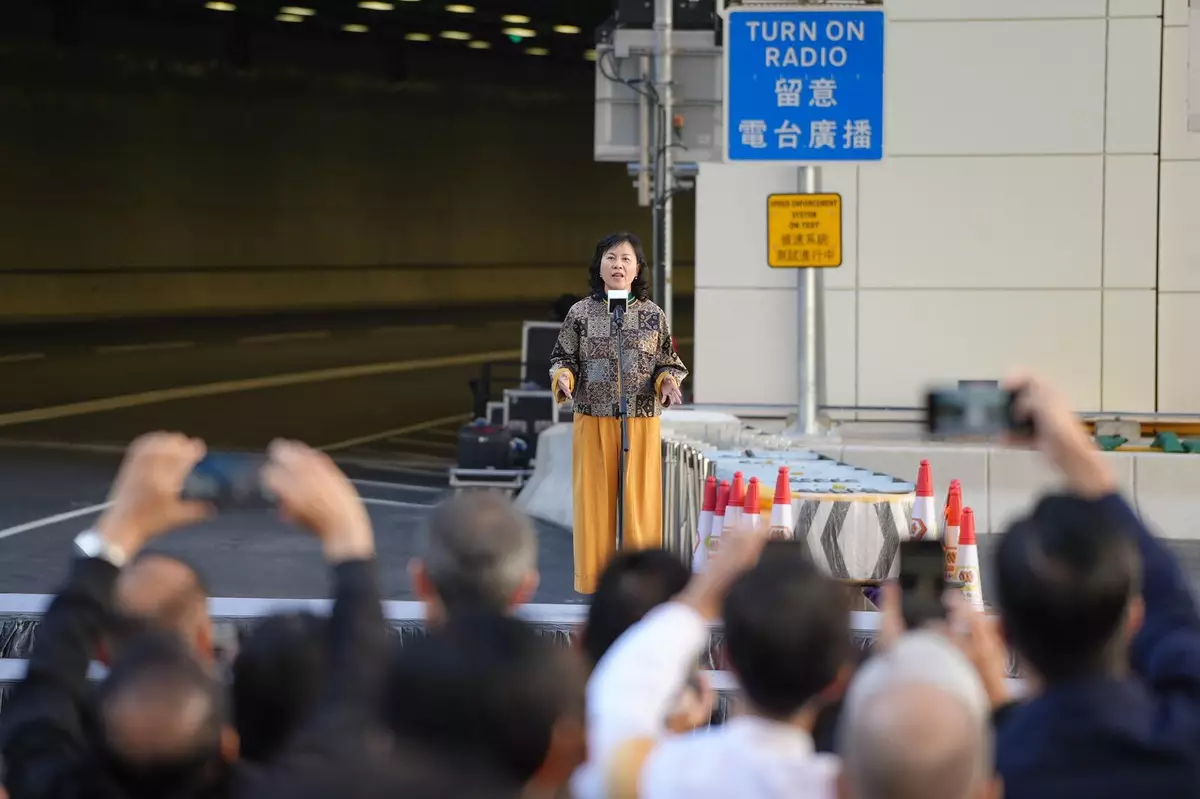
Smart solutions: Highways Department Senior Engineer (Central Kowloon Route) Yanis Poon explains that the Smart Site Management Hub allows site activity to be monitored in real-time via cameras, Internet of Things sensors, water level sensors and other instruments. Image source www.news.gov.hk
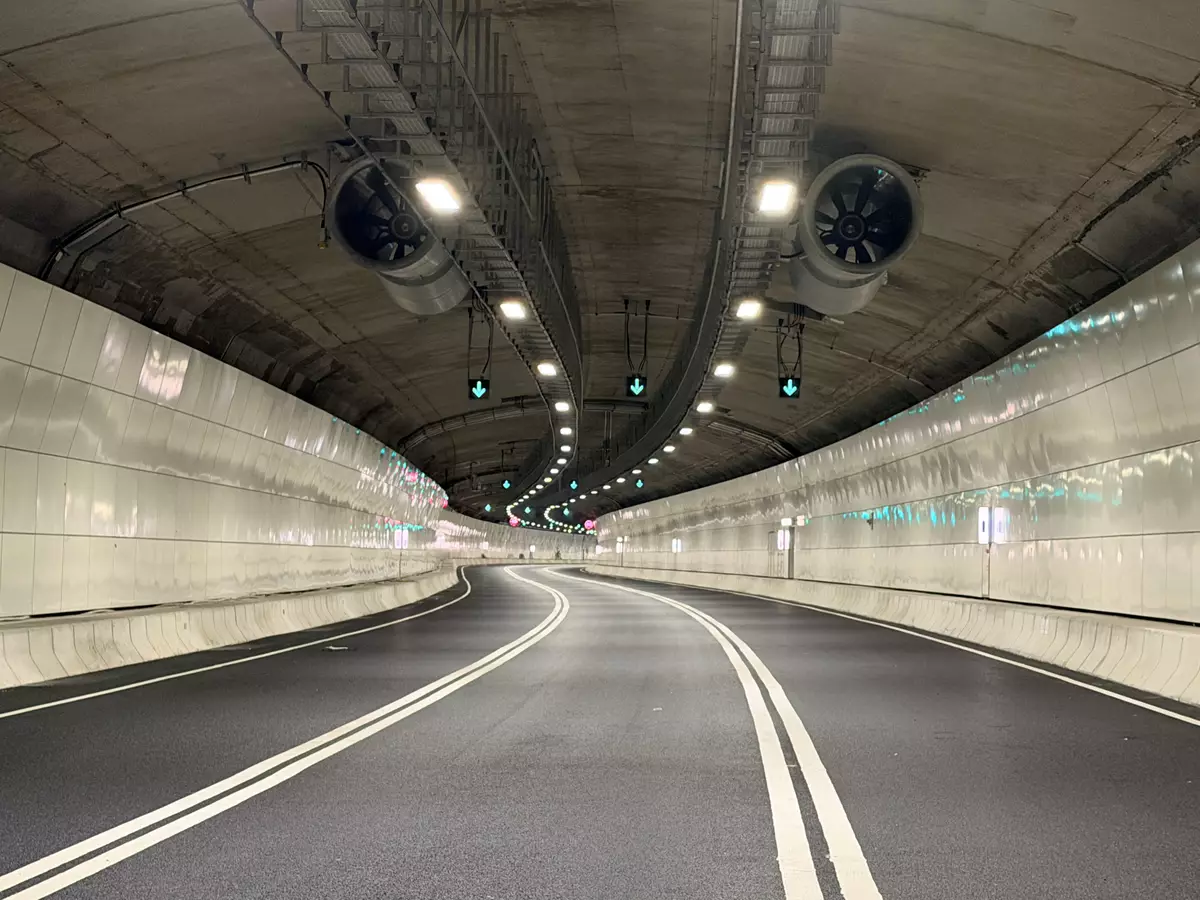
The section spans 4.7km, including 3.9km of three-lane, two-way tunnel, and will connect the Kai Tak Development Area and Kowloon Bay in East Kowloon to the Yau Ma Tei Interchange in West Kowloon.
Highways Department Senior Engineer (Central Kowloon Route) Yanis Poon described the new road as an important corridor that will enhance the overall transportation network across the whole of Kowloon.
While many vehicular tunnels cross mountains and seas, the Central Kowloon Bypass (Yau Ma Tei Section) is an underground tunnel that passes through Central Kowloon, one of Hong Kong’s most densely populated urban areas. The project therefore demanded meticulous route planning and the ability to surmount numerous challenges.
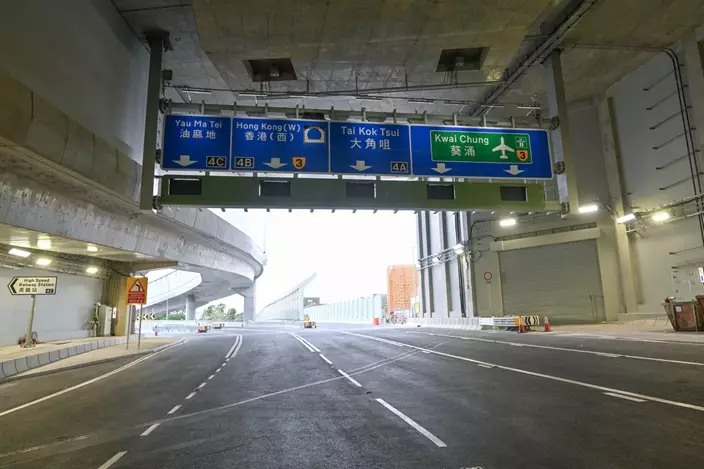
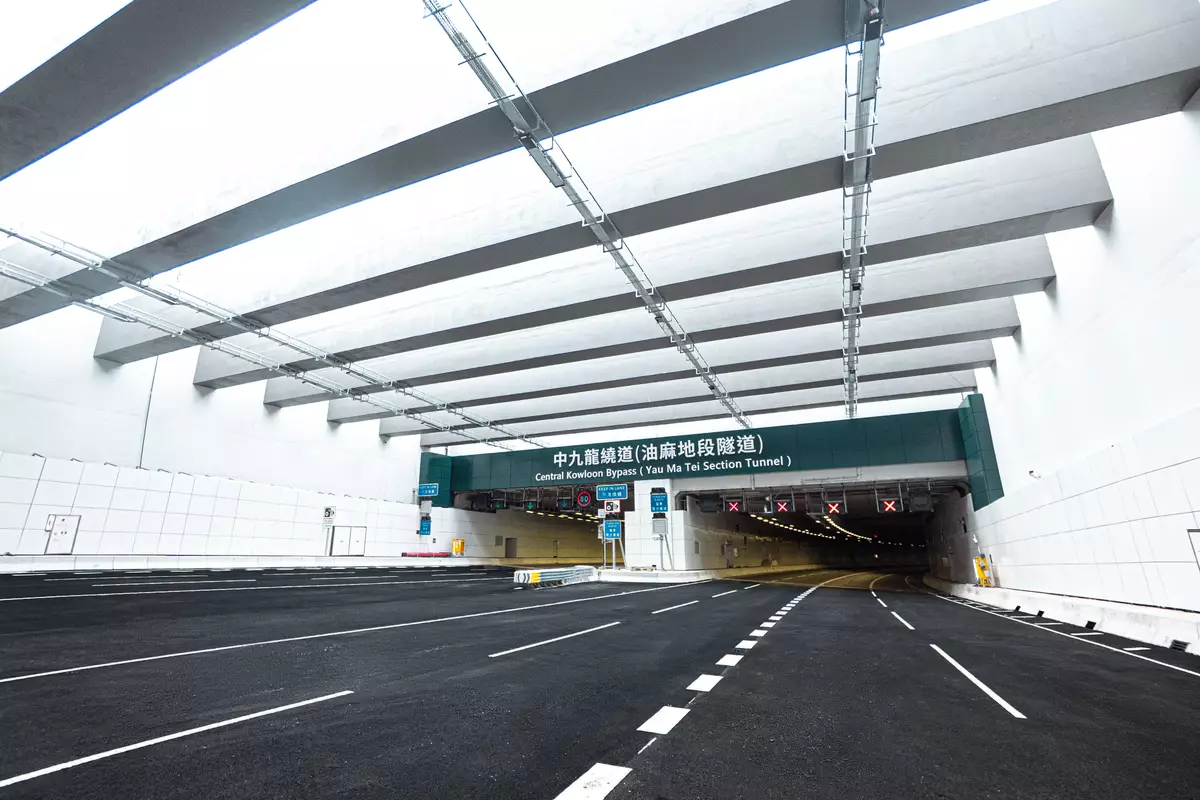
Onward journeys: The western portal of the Central Kowloon Bypass (Yau Ma Tei Section) connects to the Yau Ma Tei Interchange, providing access to Kwai Chung, Tai Kok Tsui, Hong Kong Island West, Yau Ma Tei and Tsim Sha Tsui. Image source www.news.gov.hk
Engineering ingenuity
Construction of a 370-metre-long underwater tunnel connecting Ma Tau Kok and Kai Tak involved adopting a temporary reclamation construction method – and the restoration of the original seabed post-construction demonstrates the Government’s commitment to minimising environmental impacts.
Meanwhile, the tunnel between Ma Tau Kok and Yau Ma Tei, measuring 2.8km, was constructed using the drill-and-blast method, with some 2,400 blasts being executed. It was essential during these works to ensure that the approximately 240 buildings above and near the tunnel, including Queen Elizabeth Hospital, remained unaffected.
Ms Poon stated: “We have strictly controlled the timing of tunnel blasting. For instance, near the hospital area, blasting was limited to specific 15-minute intervals each day to ensure the medical equipment was not affected.”
She added: “As the tunnel passes extremely close to the MTR lines, with a minimum distance of only 3m, we switched to the drill-and-break method at the intersection point to ensure railway operations were unaffected.”
Another challenge came with the construction of a 400-metre-long tunnel under Kansu Street in Yau Ma Tei, the route of which overlapped with the existing Gascoigne Road Flyover. The project team had to relocate the flyover and demolish the Yau Ma Tei Car Park Building to construct the tunnel while maintaining the traffic flow during the entire construction period.
“To address this complex task, the team executed demolition and relocation in phases to maintain road user safety throughout construction,” Ms Poon explained.
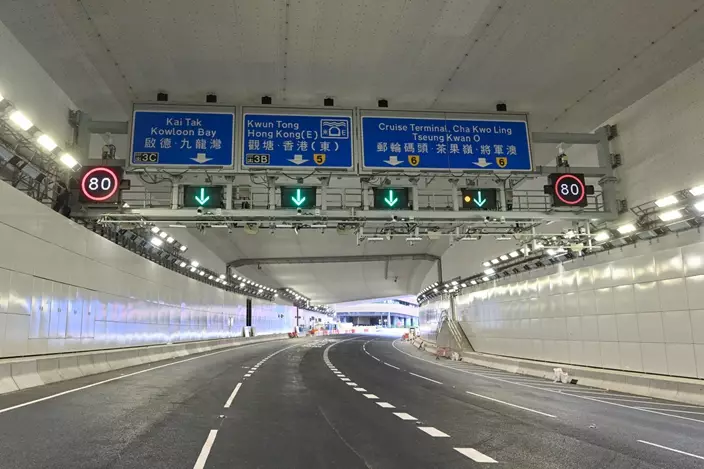
Greater convenience: The eastern portal of the Central Kowloon Bypass (Yau Ma Tei Section) connects to the Kai Tak Interchange, allowing motorists to travel to and from Kai Tak, Kowloon Bay, Kwun Tong, Hong Kong Island East, Kai Tak Cruise Terminal and Tseung Kwan O. Image source www.news.gov.hk
Smart solutions
Given the project's scale, the Highways Department leveraged a range of innovative technology to enhance safety and efficiency. This includes implementing a Smart Site Management Hub (SSMH) that allows site activity to be monitored via cameras, Internet of Things sensors, water level sensors and other instruments. This platform enables project personnel to access real-time information.
“During Black Rainstorm warnings or when Typhoon Signal No. 10 was issued this year, we utilised the SSMH to monitor site conditions,” Ms Poon said. “Fortunately, we did not observe any flooding in our tunnel during these adverse weather events. It is a good opportunity to prove that our flood control system is effective.”
The department also deployed a Smart Over-Height Vehicle Detection System, which utilises detection cameras, light detection and ranging technology, and artificial intelligence. It identifies and stops vehicles that are over-height in order to prevent collisions with bridges under construction.
Chinese medicine sector fully supports residents affected by Tai Po Wang Fuk Court fire by providing free Chinese medicine consultation services
The Health Bureau (HHB) announced today (December 14) that free Chinese medicine (CM) consultation services will be provided to residents affected by the fire at Wang Fuk Court in Tai Po starting tomorrow (December 15). In addition, various CM services will also be deployed to fully address their medical needs.
Free Chinese medicine consultation services
To ensure the affected residents receive more comprehensive medical support, free CM consultation services will be launched starting tomorrow. Under the co-ordination of the Primary Healthcare Commission (PHC Commission) and the Chinese Medicine Unit of the HHB, 150 CM practitioners have participated in the free CM consultation services, covering more than 170 service points. Starting from tomorrow until February 28, 2026, all residents of the eight blocks at Wang Fuk Court (including foreign domestic helpers) can receive up to three free CM consultation services, including the provision of medication and related treatments based on their clinical needs, through the arrangement of the District Health Centres/ District Health Centre Expresses (collectively referred to as DHCs) across all 18 districts in Hong Kong. The scope of free CM consultation services covers health conditions that may arise after the fire, such as emotional changes, insomnia, palpitations; coughing, wheezing, dry throat, and itchy throat; physical weakness, fatigue, loss of appetite, dyspepsia; as well as pain and musculoskeletal injuries.
Affected residents with medical needs can call the hotlines or visit any DHC in person to seek assistance, regardless of their current place of residence. Those who are registered DHC members may also contact their respective DHC directly. The hotlines have been posted on the websites of the PHC Commission and the DHCs. Case managers of the DHCs will pair them with CM practitioners participating in the free CM consultation scheme based on their individual situation and preferences.
The Chinese Medicine Hospital of Hong Kong
All residents of the eight blocks at Wang Fuk Court (including foreign domestic helpers), and all individuals injured in the fire and admitted to public hospitals under the Hospital Authority (HA) can receive full fee waivers at the Chinese Medicine Hospital of Hong Kong (CMHHK) until December 31, 2026. The waivers cover all government-subsidised services of CMHHK, including General Clinic, Specialised Clinic, Allied Health Services, day-patient services, as well as special Western medicine diagnostic procedures and medications (discharge medication collection). Relevant individuals can identify themselves to CMHHK and provide basic personal information (including name, identity card number and residential address) during consultations to facilitate the arrangement.
Chinese Medicine Clinics cum Training and Research Centres located in 18 districts
Following the fire, the Chinese Medicine Clinics cum Training and Research Centres (CMCTRs) under the HA promptly provide support in Sha Tin District, Tai Po District, and North District through enhancing CM services, arranging rescheduling of appointments, and re-dispensing of Chinese medicines.
Starting from December 2, the 18 CMCTRs have been fully supporting all residents of the eight blocks at Wang Fuk Court (including foreign domestic helpers). They are eligible for full medical fee waivers until December 31 2026, covering government-subsidised CM outpatient services, including general consultation, acupuncture and bone-setting/tui-na. Relevant individuals can call the CMCTRs during their service hours or make an appointment via the "18 CM Clinics" mobile application. They shall identify themselves to the CMCTRs and provide basic personal information (including name, identity card number and residential address) upon registration to proceed with the arrangement. The CMCTRs will provide priority booking for the affected residents. In addition, the Integrated Chinese-Western Medicine Services under the HA's public hospitals/ambulatory care centres/out-patient clinics (currently available for six selected disease areas) will also waive service fees for relevant individuals.
Information about the 18 CMCTRs can be found on the HACMK website.
The HHB expresses gratitude to the CM sector and non-governmental organisations for their dedication to providing various CM support to the affected residents. The Government will continue to co-ordinate various medical services to support the physical and mental health needs of the residents.
Source: AI-found images