Government announces updates on follow-up work on Tai Po fire
The three task forces set up by the Government for the fire at Wang Fuk Court in Tai Po - the Task Force on Investigation and Regulation, the Task Force on Emergency Support and Fund-Raising, and the Task Force on Emergency Accommodation Arrangements - are making full efforts to follow up on the support, relief, and investigation work related to the incident. Details are as follows:
Financial and welfare support
---------------------------------
For the Support Fund for Wang Fuk Court in Tai Po, established by the Government, donations received are about $3.4 billion as of noon today (December 14). With the start-up capital of $300 million from the Government, the fund's total has now reached around $3.7 billion. The fund will be used to assist residents in rebuilding their homes and providing long-term and sustained support.
Medical support
--------------------
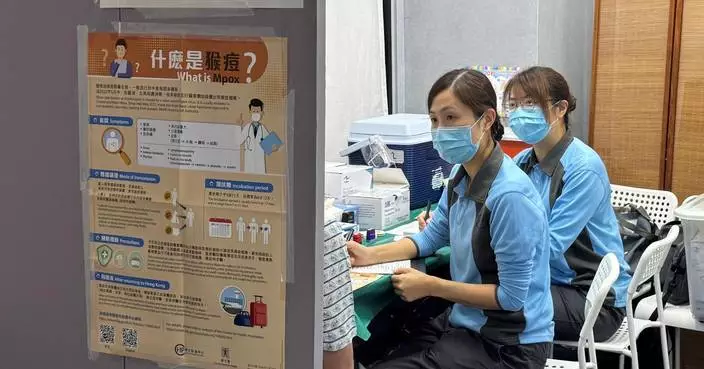
To ensure the affected residents receive more comprehensive medical support, the Health Bureau (HHB) will launch freeChinese medicine (CM)consultation service starting tomorrow(December 15). Under the co-ordination of the Primary Healthcare Commission (PHC Commission) and the Chinese Medicine Unit of the HHB, 150 CM practitioners have participated in the free CM consultation services, covering more than 170 service points. Starting from tomorrow until February 28, 2026, all residents of the eight blocks at Wang Fuk Court (including foreign domestic helpers) can receive up to three free CM consultation services, including the provision of medication and related treatments based on their clinical needs, through the arrangement of the District Health Centres/ District Health Centre Expresses (collectively referred to as DHCs) across all 18 districts in Hong Kong. The scope of free CM consultation services covers health conditions that may arise after the fire, such as emotional changes, insomnia, palpitations; coughing, wheezing, dry throat, and itchy throat; physical weakness, fatigue, loss of appetite, dyspepsia; as well as pain and musculoskeletal injuries.
Meanwhile, PHC Commission has earlier announced the establishment of a free family doctor service scheme to support the affected residents. Serving as hubs, the DHCs across all 18 districts in Hong Kong have arranged case managers to follow up on the primary healthcare needs of the affected residents comprehensively. Based on the situations of individual cases and the preferences of affected residents, case managers will pair them with private sector family doctors participating in the scheme or the Hospital Authority's Family Medicine Out-patient Services.
Accommodation support
---------------------------
As of this morning, a total of 1 390 residents have been accommodated, through the co-ordination of the Home and Youth Affairs Bureau, in youth hostels, camps, or hotel rooms. Another 3 235 residents are currently living in transitional housing units provided by the Housing Bureau or units from the Hong Kong Housing Society (HKHS).
Currently, there is still an abundant supply of more than 1 000 units that can provide affected residents with longer term accommodation. The transitional housing and HKHS projects in different districts can altogether provide around 400 units at the moment. Besides, Po Tin Interim Housing in Tuen Mun and Runway 1331 at Kai Tak can provide an immediate supply of around 800 units.
In consideration of the extremely urgent situation of the residents affected by the fire incident, a special arrangement of a full rent exemption has been made earlier by the Housing Bureau to provide accommodation support to those affected residents moving into transitional housing or HKHS projects. In other words, if needed, the affected residents can stay for a longer period of time. The Government will continue to support the affected residents in terms of accommodation, and the residents in need do not have to worry about the relevant rental expenses or the duration of stay.
In addition, staff from the operating organisations of transitional housing and HKHS, as well as volunteers have been working around the clock to furnish the units with essential supplies, striving to meet the needs of the residents. Taking Kai Fook Kui in Kai Tak as an example, each unit is equipped, upon move-in, with furniture and appliances such as bed frames, mattresses, cooking stoves and water heaters. Furthermore, thoughtful members of the community have donated toys and musical instruments for children and elderly in need, bringing them warmth and care.
Relief supplies and donations
---------------------------------
The supplies donation online platform, established by the Government and the information technology sector, continues to operate, facilitating the registration of supplies donations from organisations and the public. The Government has so far received over 1 800 registrations, of which approximately 30 per cent were submitted by organisations, whereas the others were contributed by the public. The various registered donation items include food and beverages, clothing, daily necessities, bedding, and electrical appliances. The Government is actively assessing residents' actual needs through the relevant policy bureau, government departments, and service organisations for the matching of donated supplies in order to distribute appropriate items in phases to places in need. So far, about 23 000 donation items covering various categories have been distributed to different places. The matching and distribution of supplies will continue.
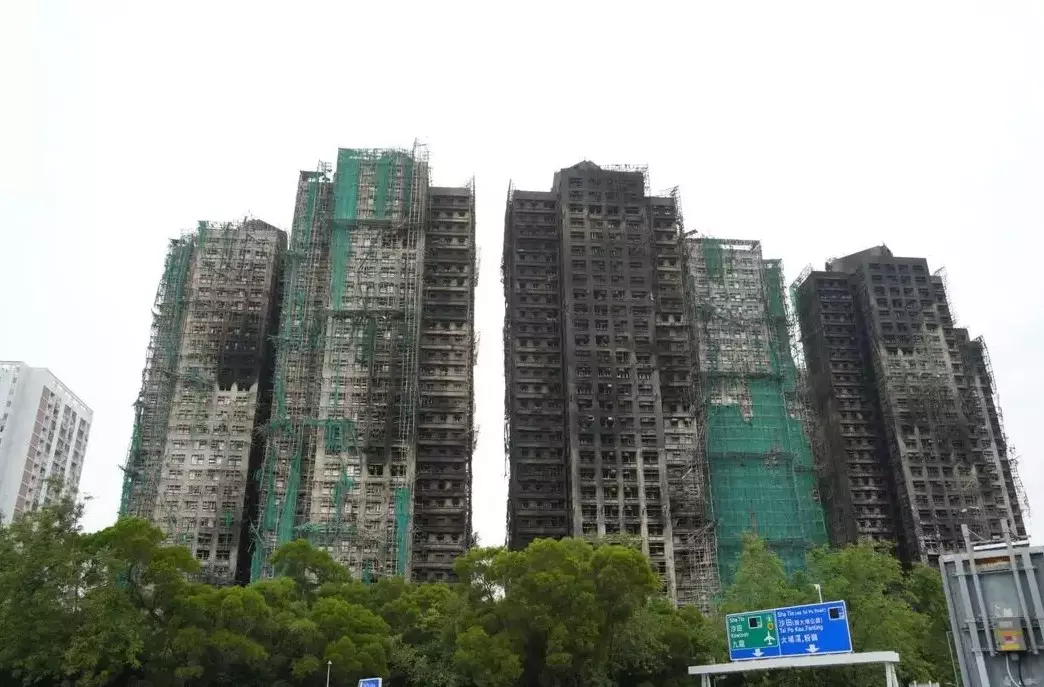
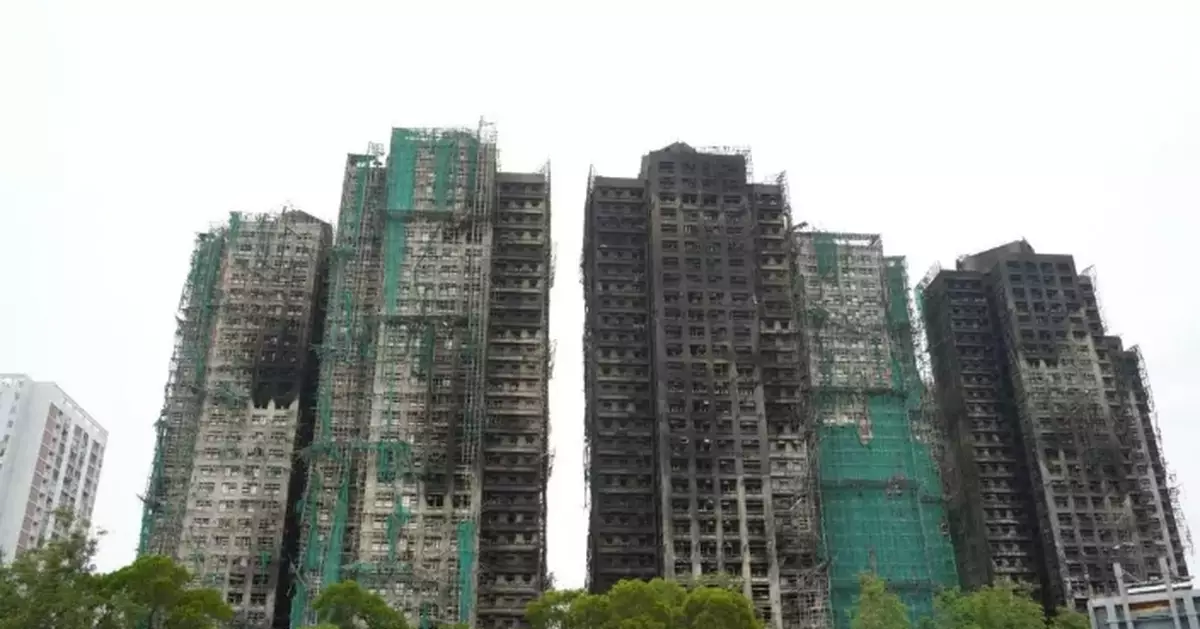
Wang Fuk Court in Tai Po, Photo by Bastille Post