Skip to Content Facebook Feature Image

Abrego Garcia is still hoping to find justice after his wrongful deportation, his lawyer says

News

Abrego Garcia is still hoping to find justice after his wrongful deportation, his lawyer says
News

News

Abrego Garcia is still hoping to find justice after his wrongful deportation, his lawyer says

2025-12-16 08:07 Last Updated At:08:11

FAIRFAX, Virginia (AP) — Kilmar Abrego Garcia wasn't an activist and he didn't choose to become locked in to what has become one of the most contentious immigration issues of the Trump administration, his lawyer told The Associated Press on Monday.

But as he experiences some of the few days he's had with his family since being sent erroneously to an El Salvador prison in March, his lawyer said he's still hoping for a just resolution to his case.

More Images
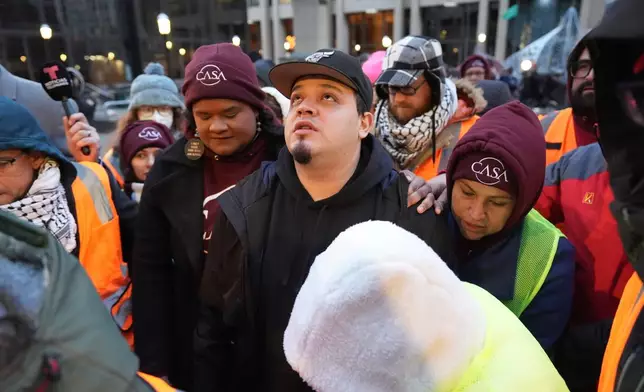
Kilmar Abrego Garcia waits to enter the building for a mandatory check at the Immigration and Customs Enforcement office in Baltimore, Friday, Dec. 12, 2025, after he was released from detention on Thursday under a judge's order. (AP Photo/Stephanie Scarbrough)
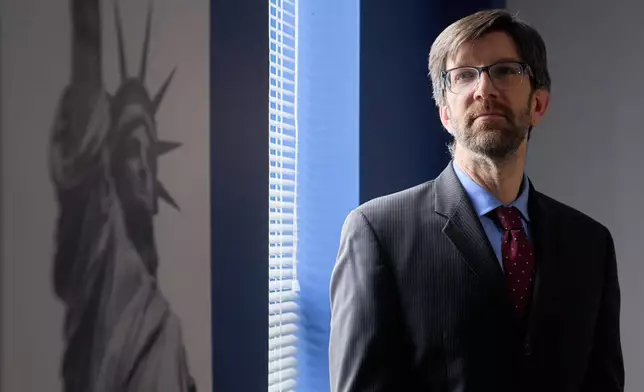
Kilmar Abrego Garcia waits to enter the building for a mandatory check at the Immigration and Customs Enforcement office in Baltimore, Friday, Dec. 12, 2025, after he was released from detention on Thursday under a judge's order. (AP Photo/Stephanie Scarbrough)

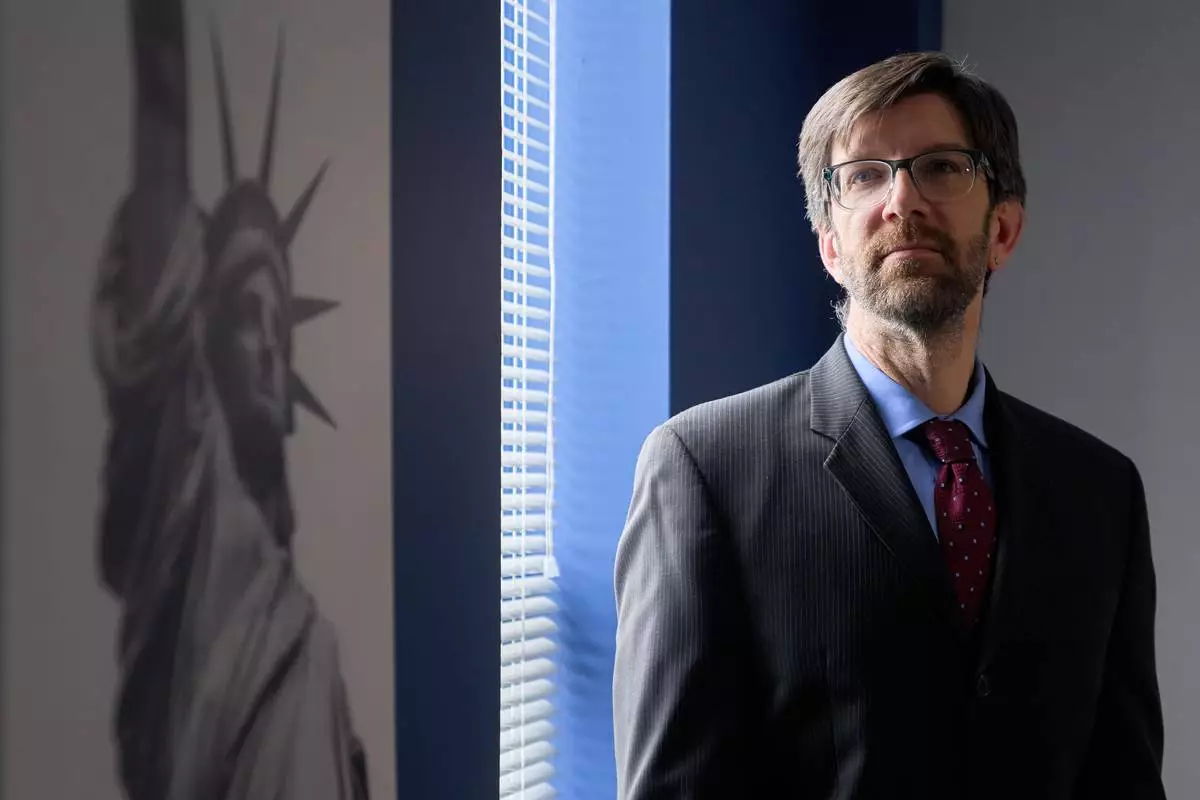
Simon Sandoval-Moshenberg, a lawyer on Kilmar Abrego Garcia's legal team who specializes in federal immigration cases, poses for a portrait in Fairfax, Va., Monday, Dec. 15, 2025. (AP Photo/Jacquelyn Martin)

Simon Sandoval-Moshenberg, a lawyer on Kilmar Abrego Garcia's legal team who specializes in federal immigration cases, poses for a portrait in Fairfax, Va., Monday, Dec. 15, 2025. (AP Photo/Jacquelyn Martin)

Simon Sandoval-Moshenberg, a lawyer on Kilmar Abrego Garcia's legal team who specializes in federal immigration cases, is interviewed in Fairfax, Va., Monday, Dec. 15, 2025. (AP Photo/Jacquelyn Martin)
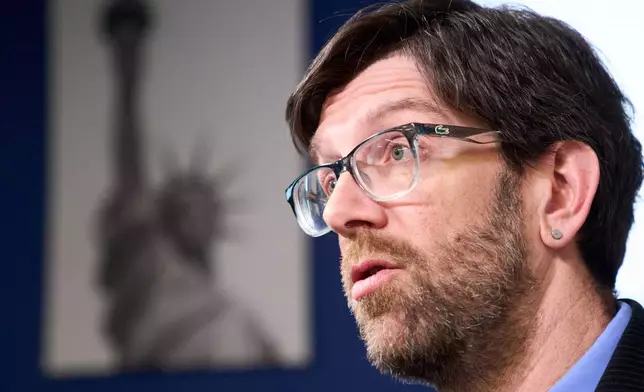
Simon Sandoval-Moshenberg, a lawyer on Kilmar Abrego Garcia's legal team who specializes in federal immigration cases, is interviewed in Fairfax, Va., Monday, Dec. 15, 2025. (AP Photo/Jacquelyn Martin)
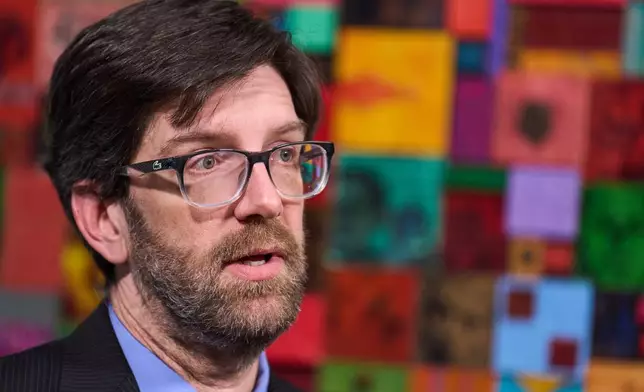
Simon Sandoval-Moshenberg, a lawyer on Kilmar Abrego Garcia's legal team who specializes in federal immigration cases, is interviewed in Fairfax, Va., Monday, Dec. 15, 2025. (AP Photo/Jacquelyn Martin)

Simon Sandoval-Moshenberg, a lawyer on Kilmar Abrego Garcia's legal team who specializes in federal immigration cases, is interviewed in Fairfax, Va., Monday, Dec. 15, 2025. (AP Photo/Jacquelyn Martin)

Simon Sandoval-Moshenberg, a lawyer on Kilmar Abrego Garcia's legal team who specializes in federal immigration cases, is interviewed in Fairfax, Va., Monday, Dec. 15, 2025. (AP Photo/Jacquelyn Martin)

Simon Sandoval-Moshenberg, a lawyer on Kilmar Abrego Garcia's legal team who specializes in federal immigration cases, is interviewed in Fairfax, Va., Monday, Dec. 15, 2025. (AP Photo/Jacquelyn Martin)

“He’s been through a lot, and he’s still fighting,” said his lawyer Simon Sandoval-Moshenberg during an interview with AP following Abrego Garcia's court-ordered release from detention last week. “What it is he can fight for is circumscribed by the law and by the great power of the United States government, but he’s still fighting.”

Abrego Garcia's mistaken deportation to El Salvador helped galvanize opposition to President Donald Trump’s immigration policies. He was held in a notoriously brutal prison there despite having no criminal record.

U.S. officials claimed Abrego Garcia was an MS-13 gang member, an allegation he denies and which he wasn’t charged for. He was later charged with human smuggling, accusations his lawyers have called preposterous and vindictive.

The Trump administration fought efforts to return him to the U.S. but eventually complied. Since then, his case has been a twisted turn of legal filings and wranglings that has seen Abrego Garcia, a Salvadoran national, released from detention once since March — and that time just for a weekend — while the government has pursued smuggling charges against him and announced plans to deport him to a series of African countries.

Then last week, a federal district court judge in Maryland ordered him to be released and barred the government for now from detaining him again until a hearing can be held in his case, possibly as early as this week, said Sandoval-Moshenberg.

The Department of Homeland Security criticized the judge’s decision to release him last week and vowed to appeal, calling the ruling “naked judicial activism” by a judge appointed during the Obama administration. On Monday, Homeland Security declined to comment for this story, citing restrictions on public comments put in place by a judge in Tennessee.

Sandoval-Moshenberg said Abrego Garcia has a number of paths forward. He said he thought that his client had a strong case for asylum. His original asylum claim in 2019 was rejected because he applied after the one-year deadline. But Sandoval-Moshenberg argued the government essentially reset the clock by removing him to El Salvador and then bringing him back.

And after the alleged abuse Sandoval-Moshenberg said Abrego Garcia suffered in El Salvador this year, he thought he would have a “rock solid” asylum case. But, citing the twists and turns of his case and how he's become a symbol for the administration's pursuit of immigrants, he's concerned about his chances of getting a fair trial in immigration court.

“I think they’ve already shown that they’re willing to stack the deck," said Sandoval-Moshenberg.

Abrego Garcia could also apply for a green card since he's married to an American citizen. But that would require getting a waiver from the government, said Sandoval-Moshenberg, and the lawyer is doubtful one would be granted.

Or he could continue to seek removal to Costa Rica, said Sandoval-Moshenberg, a country that has offered to allow him to enter as a refugee and live and work legally. And he wouldn't be returned to El Salvador, the attorney said.

But he also believes the government would continue to fight that option.

“They’re focused on beating him. They’re focused on punishing him. They’re focusing on making him miserable. I guess Costa Rica isn’t miserable enough,” he said.

Sandoval-Moshenberg said he spent some time with Abrego Garcia and his family over the weekend talking through the government's next steps and what Abrego Garcia might want for his future.

“There’s so many different ways it could go. And so much of it depends on just how dirty the government’s willing to play,” he said.

Sandoval-Moshenberg said that he thought that if the government was willing to remove him to Costa Rica, his client would accept it although he stressed that the decision was up to him.

He said that Abrego Garcia and his legal team wouldn't consider that justice — that to him would mean staying with his family in the U.S. But Sandoval-Moshenberg said that given everything he's faced and the “fact that they’re apparently willing to use infinite prosecutorial resources against him, deportation to Costa Rica is an acceptable outcome for him.”

Sandoval-Moshenberg also stressed that there is one place that Abrego Garcia does not want to go.

“His number one priority is not to end up back in CECOT,” said Sandoval-Moshenberg, referring to the prison in El Salvador where his client was held. Sandoval-Moshenberg said Abrego Garcia had been tortured there, claims authorities in El Salvador have denied and that the AP could not independently verify.

“His number one priority is avoiding getting sent back to that prison.”

Sandoval-Moshenberg said he has no idea why the government seems to have chosen Abrego Garcia’s case to fight tooth and nail.

“This isn’t a case where he’s an activist, like an immigrants rights activist, or he’s been, you know, persecuted by the government for his pro-Palestinian speech or something like that,” the attorney said. “He’s a random guy.”

The whole process of deportation, imprisonment and return has "just been this really sort of bizarre, out of world experience for him,” Sandoval-Moshenberg said.

The judge temporarily barred the Trump administration from detaining Abrego Garcia last Friday until the next court hearing.

While no date has been set for that, it could happen as early as later this week, Sandoval-Moshenberg said, noting the whiplash of the case has been a struggle for Abrego Garcia and his family.

“The ground underneath his feet, it’s just earthquake after earthquake,” he said.

Loller reported from Nashville, Tennessee.
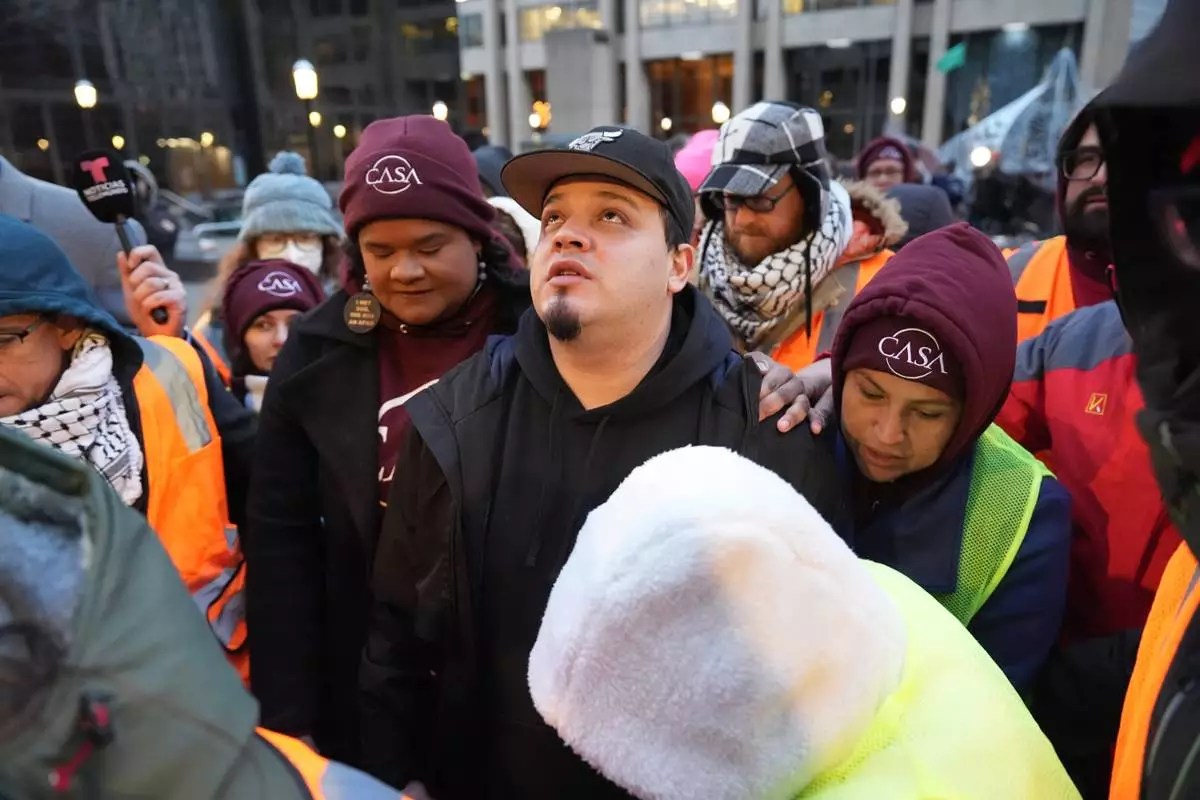
Kilmar Abrego Garcia waits to enter the building for a mandatory check at the Immigration and Customs Enforcement office in Baltimore, Friday, Dec. 12, 2025, after he was released from detention on Thursday under a judge's order. (AP Photo/Stephanie Scarbrough)
Kilmar Abrego Garcia waits to enter the building for a mandatory check at the Immigration and Customs Enforcement office in Baltimore, Friday, Dec. 12, 2025, after he was released from detention on Thursday under a judge's order. (AP Photo/Stephanie Scarbrough)

Simon Sandoval-Moshenberg, a lawyer on Kilmar Abrego Garcia's legal team who specializes in federal immigration cases, poses for a portrait in Fairfax, Va., Monday, Dec. 15, 2025. (AP Photo/Jacquelyn Martin)

Simon Sandoval-Moshenberg, a lawyer on Kilmar Abrego Garcia's legal team who specializes in federal immigration cases, poses for a portrait in Fairfax, Va., Monday, Dec. 15, 2025. (AP Photo/Jacquelyn Martin)

Simon Sandoval-Moshenberg, a lawyer on Kilmar Abrego Garcia's legal team who specializes in federal immigration cases, is interviewed in Fairfax, Va., Monday, Dec. 15, 2025. (AP Photo/Jacquelyn Martin)

Simon Sandoval-Moshenberg, a lawyer on Kilmar Abrego Garcia's legal team who specializes in federal immigration cases, is interviewed in Fairfax, Va., Monday, Dec. 15, 2025. (AP Photo/Jacquelyn Martin)

Simon Sandoval-Moshenberg, a lawyer on Kilmar Abrego Garcia's legal team who specializes in federal immigration cases, is interviewed in Fairfax, Va., Monday, Dec. 15, 2025. (AP Photo/Jacquelyn Martin)
Simon Sandoval-Moshenberg, a lawyer on Kilmar Abrego Garcia's legal team who specializes in federal immigration cases, is interviewed in Fairfax, Va., Monday, Dec. 15, 2025. (AP Photo/Jacquelyn Martin)
Simon Sandoval-Moshenberg, a lawyer on Kilmar Abrego Garcia's legal team who specializes in federal immigration cases, is interviewed in Fairfax, Va., Monday, Dec. 15, 2025. (AP Photo/Jacquelyn Martin)

Simon Sandoval-Moshenberg, a lawyer on Kilmar Abrego Garcia's legal team who specializes in federal immigration cases, is interviewed in Fairfax, Va., Monday, Dec. 15, 2025. (AP Photo/Jacquelyn Martin)

BOSTON (AP) — Brian Walshe was found guilty Monday of first-degree murder in the grisly death of his wife, whom he was accused of killing and dismembering nearly three years ago while he awaited sentencing in an art fraud case relating to the sale of two fake Andy Warhol paintings.

Ana Walshe, a real estate agent who immigrated from Serbia, was last seen early Jan. 1, 2023, after a New Year’s Eve dinner at the couple’s home.

There was no reaction in the courtroom or from Walshe as the verdict was read. Walshe, who faces life in state prison without parole, is scheduled to be sentenced Wednesday. He was handcuffed and shackled before being led out of the courtroom. Last month, Walshe plead guilty to lesser charges of misleading police and illegally disposing of her body.

“It’s not about winning or losing. It’s about getting the right answer and this was the right answer,” Norfolk County District Attorney Michael Morrissey told reporters outside court. “We don’t look at cases as wins or losses. We look at getting justice for someone, so let's not lose sight of that fact.”

Morrissey said his office had heard from Ana Walshe's sister, who told them “justice had been served.”

Prosecutors leaned heavily on digital evidence in presenting their case against Brian Walshe, including online searches such as as “dismemberment and best ways to dispose of a body,” “how long before a body starts to smell” and “hacksaw best tool to dismember” that were found on devices connected to him.

Investigators also found searches on a Macbook that included “how long for someone missing to inherit,” “how long missing to be dead,” and “can you throw away body parts,” prosecutors told the jury.

An article titled “is it possible to clean DNA off a knife,” a search for “best way to dispose of body parts after murder” as well as websites and searches about “cleaning blood with ammonia, bleach and hydrogen peroxide” were also highlighted during trial.

Surveillance video also showed a man resembling Walshe throwing what appeared to be heavy trash bags into a dumpster not far from their home. A subsequent search of a trash processing facility near his mother’s home uncovered bags containing a hatchet, hammer, sheers, hacksaw, towels and a protective Tyvek suit, cleaning agents, a Prada purse, boots like the ones Ana Walshe was last seen wearing and a COVID-19 vaccination card with her name.

Prosecutors told the jury that the Massachusetts State Crime Laboratory examined some of the items for DNA and found Ana and Brian Walshe’s DNA on the Tyvek suit and Ana Walshe’s DNA on the hatchet, hacksaw and other items.

There were several possible motives for the killing that were floated by prosecutors.

It could have been financial. An insurance executive testified that Brian Walshe was the sole beneficiary of Ana Walshe's $1 million life insurance policy.

But prosecutors also portrayed a marriage that was falling apart, with Brian Walshe confined at home in Massachusetts awaiting sentencing on the art fraud case while Ana Walshe worked in Washington, D.C., and commuted back home.

Also the year before she died, his wife had started an affair, details of which were shared in court by her boyfriend William Fastow. Brian Walshe's attorney denied knowing about the affair.

In his opening, Walshe’s attorney, Larry Tipton, argued this was not a case of murder but what he called the “sudden unexplained death” of Ana Walshe. He portrayed a couple who loved each other and were planning for the future before Ana Walshe died after celebrating New Year’s Eve with her husband and a friend.

The couple, who have three young children now in state custody, lived in the affluent coastal community of Cohasset, about 15 miles (24 kilometers) southeast of Boston.

The expectation was that the defense would put up a case proving that theory and raising doubts about the investigation.

The defense considered calling several forensic DNA experts as well as Michael Proctor, who was fired from the Massachusetts State Police after he came under fire for his role in investigating the Karen Read case. There was also speculation that Walshe would take the stand.

But in the end, Walshe's defense team rested without calling any witnesses.

When initially questioned by investigators, Walshe said his wife had been called to Washington, D.C., on New Year’s Day for a work emergency. But witnesses testified there was no evidence Ana Walshe took a ride service to the airport or boarded a flight. Walshe didn’t contact her employer until Jan. 4.

Walshe later admitted that he dismembered her body and disposed of it in dumpster, saying he did so only after panicking when he found his wife had died in bed.

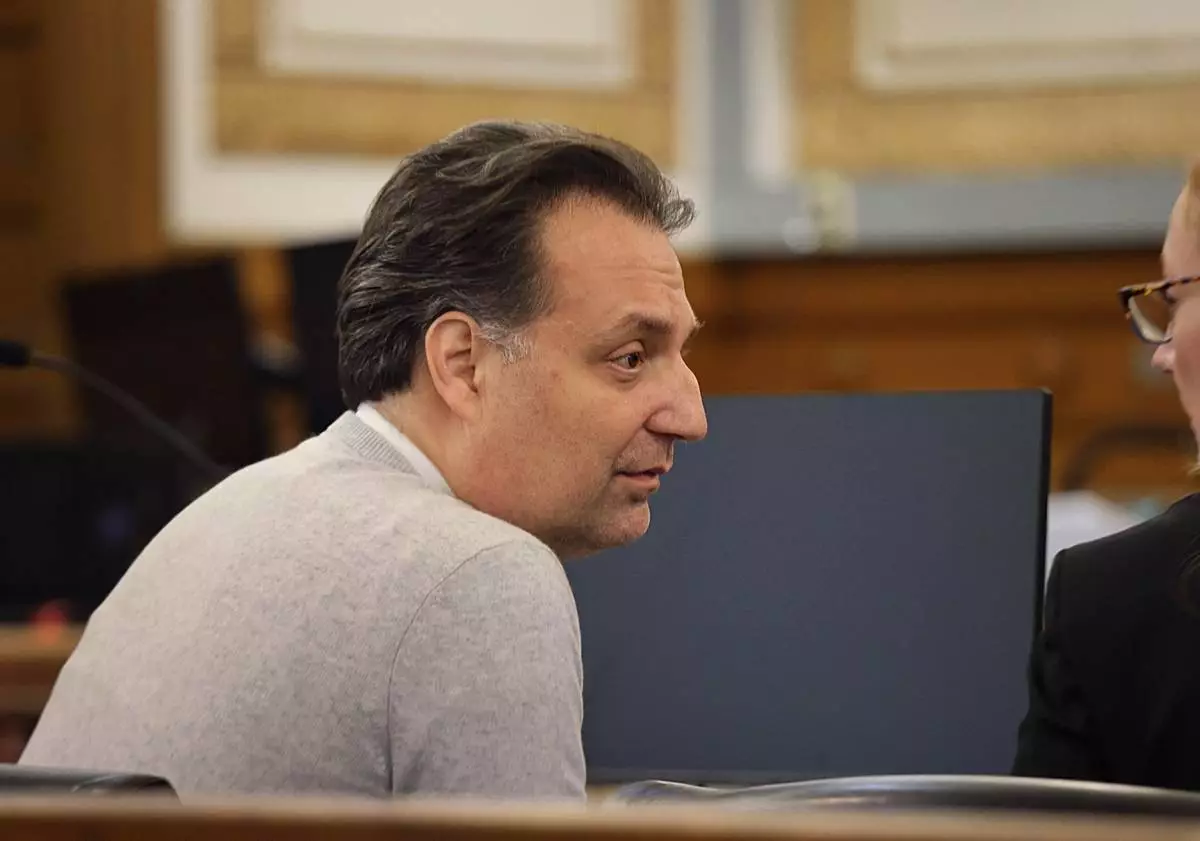
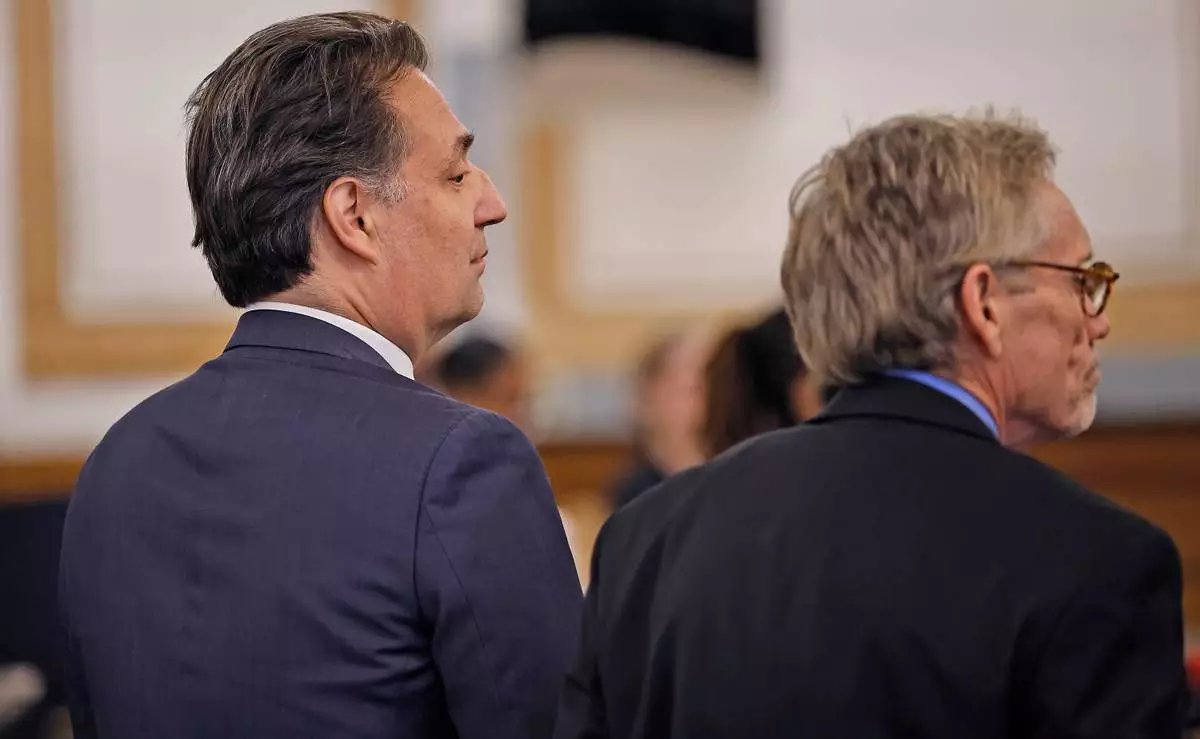
Brian Walshe, left, and lawyer Larry Tipton listen as the jury is polled about their guilty verdict of the first degree murder of his wife Ana in 2023 by a Norfolk Superior Court jury in Dedham, Mass., on Monday Dec. 15, 2025. (Greg Derr/The Patriot Ledger via AP, Pool)

Brian Walshe, left, and lawyer Larry Tipton listen as the jury is polled about their guilty verdict of the first degree murder of his wife Ana in 2023 by a Norfolk Superior Court jury in Dedham, Mass., on Monday Dec. 15, 2025. (Greg Derr/The Patriot Ledger via AP, Pool)

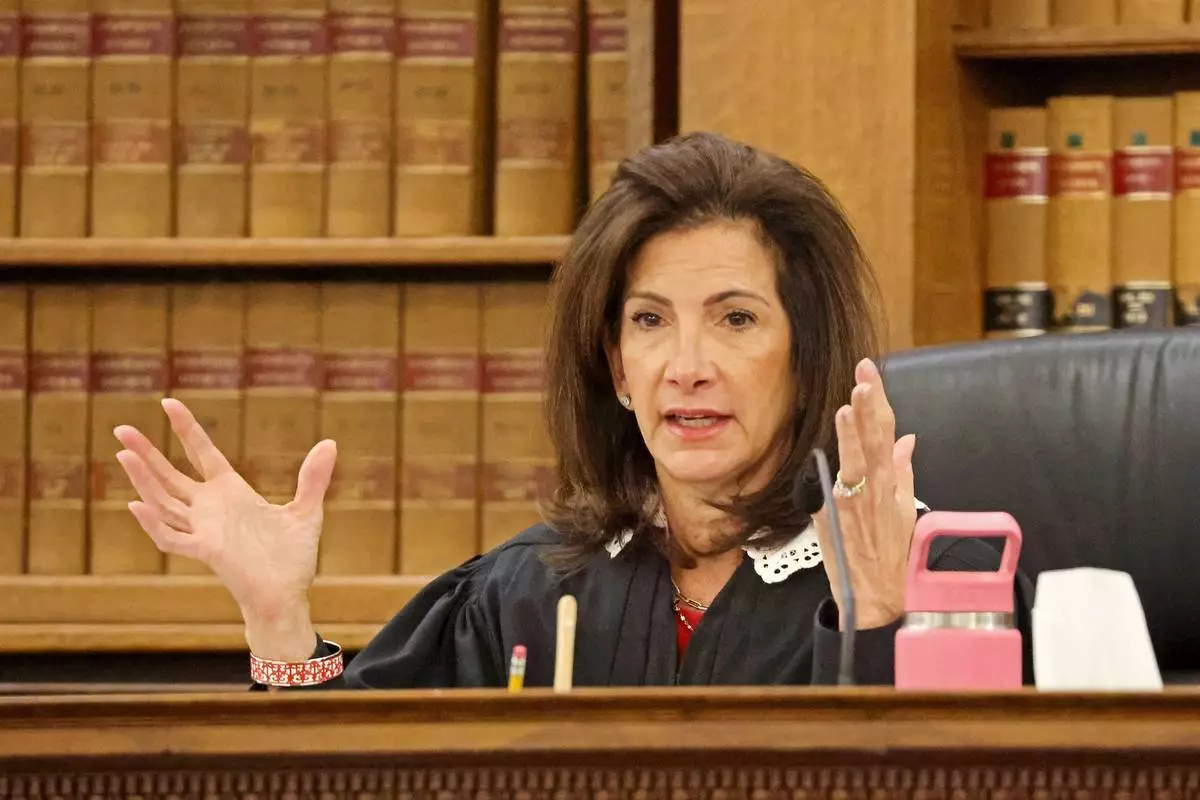
Judge Diane Freniere gives instructions to the lawyers during Brian Walshe's murder trial, Friday, Dec. 12, 2025, in Dedham, Mass. (Stuart Cahill/The Boston Herald via AP, Pool)

Judge Diane Freniere gives instructions to the lawyers during Brian Walshe's murder trial, Friday, Dec. 12, 2025, in Dedham, Mass. (Stuart Cahill/The Boston Herald via AP, Pool)

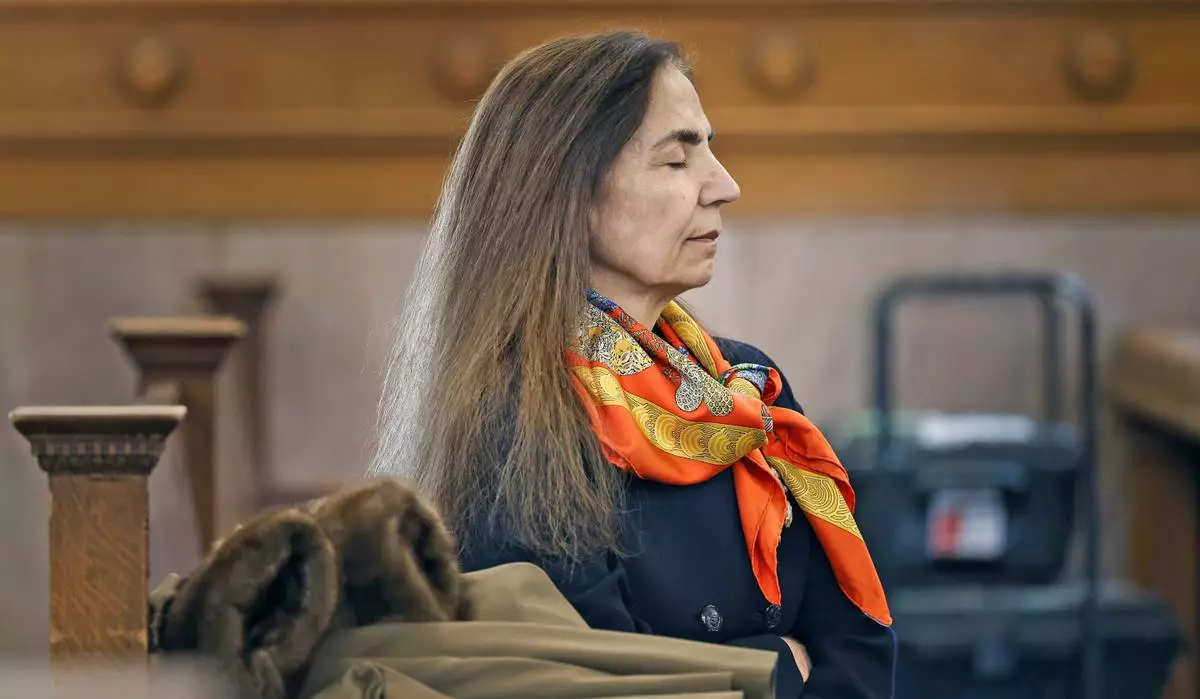
Brian Walshe's mother Diane sits in court as the jury starts their second day of deliberations in Dedham, Mass., on Monday, Dec. 15, 2025. (Greg Derr/The Patriot Ledger via AP, Pool)

Brian Walshe's mother Diane sits in court as the jury starts their second day of deliberations in Dedham, Mass., on Monday, Dec. 15, 2025. (Greg Derr/The Patriot Ledger via AP, Pool)

Brian Walshe, left, is escorted out of court after being found guilty of the first degree murder of his wife Ana in 2023 by a Norfolk Superior Court jury in Dedham, Mass., on Monday, Dec. 15, 2025. (Greg Derr/The Patriot Ledger via AP, Pool)

Brian Walshe, left, is escorted out of court after being found guilty of the first degree murder of his wife Ana in 2023 by a Norfolk Superior Court jury in Dedham, Mass., on Monday, Dec. 15, 2025. (Greg Derr/The Patriot Ledger via AP, Pool)

Brian Walshe looks at the jury while seated with his attorney Kelli Porges in Norfolk Superior Court on Monday, Dec. 15, 2025 in Dedham, Mass. (Greg Derr/The Patriot Ledger via AP, Pool)

Brian Walshe looks at the jury while seated with his attorney Kelli Porges in Norfolk Superior Court on Monday, Dec. 15, 2025 in Dedham, Mass. (Greg Derr/The Patriot Ledger via AP, Pool)

Brian Walshe, facing a first-degree murder charge for allegedly killing his wife Ana Walshe, speaks with his lawyer during testimony in his trial, Tuesday, Dec. 9, 2025, in Dedham, Mass. (Suzanne Kreiter/The Boston Globe via AP, File)

Brian Walshe, facing a first-degree murder charge for allegedly killing his wife Ana Walshe, speaks with his lawyer during testimony in his trial, Tuesday, Dec. 9, 2025, in Dedham, Mass. (Suzanne Kreiter/The Boston Globe via AP, File)

Recommended Articles