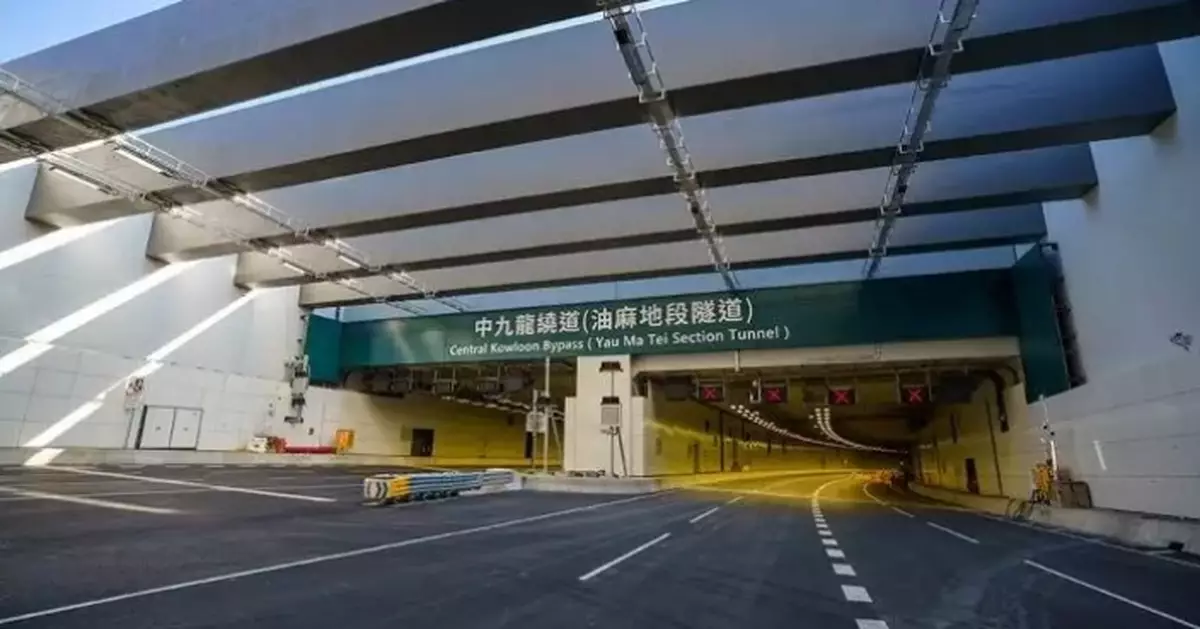
The Central Kowloon Bypass (Yau Ma Tei Section) is set to open at 10 a.m. on December 21, slashing the journey time from Yau Ma Tei to Kowloon Bay from approximately 30 minutes during peak hours to around five minutes. During the opening period, there will be no charge for the Yau Ma Tei Section. After the Kowloon Bay section is fully operational next year, a charge of 8 HKD will be imposed.
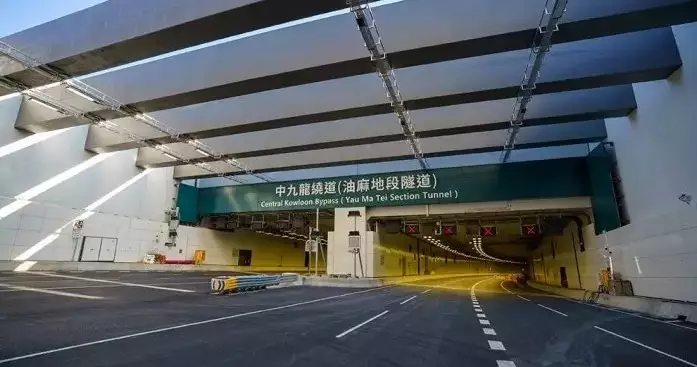
The Central Kowloon Bypass (Yau Ma Tei Section), Photo source: Transport and Logistics Bureau
The Transport Department said that eight bus routes will pass through the bypass from next Monday. Among them, 3 are newly launched by KMB, including Route 33X, running between Tsuen Wan West and Yau Tong; Route 252S, running between Handsome Court in Tuen Mun and Kwun Tong Ferry Pier; Route A28X, running between Tseung Kwan O and the airport.
Meanwhile, 5 existing bus routes will be rerouted to pass the Yau Ma Tei section, including 258X, 259S, 259X, 268P and 269S, covering the peak hour routes from Tuen Mun, Yuen Long and Tin Shui Wai to Kwun Tong Ferry Pier.
The authorities plan to launch two new bus routes running from Tsing Yi to Yau Tong and Tseung Kwan O at the second stage, and redesign the 2 current bus routes to pass the bypass, which is going to be implemented after the introduction to the relevant district councils by the Transport Department in the next quarter. The bus company will notify passengers of the new route arrangements through various channels.
The Transport Department, Photo by Bastille Post
Moreover, the Transport Department expects that after the start of the bypass's operation, the traffic requirements of Kai Fuk Road will increase. In order to promote the smooth operation of transportation, the authorities have carried out a number of road improvement works and notified the transport and logistics industries in advance, some of which have already been implemented. Urging drivers to reserve time for the adaptation to the new arrangements, the Transport Department will also add traffic signs to ensure the smoothness of routes.
BANGKOK (AP) — A train crashed into a public bus on Saturday in Thailand’s capital, Bangkok, killing at least eight people.
Thai news reported the crash happened in the late afternoon near an airport railway station in the central area. The city’s emergency services, Erawan Medical Center, said at least eight people were killed and more than 20 others were injured.
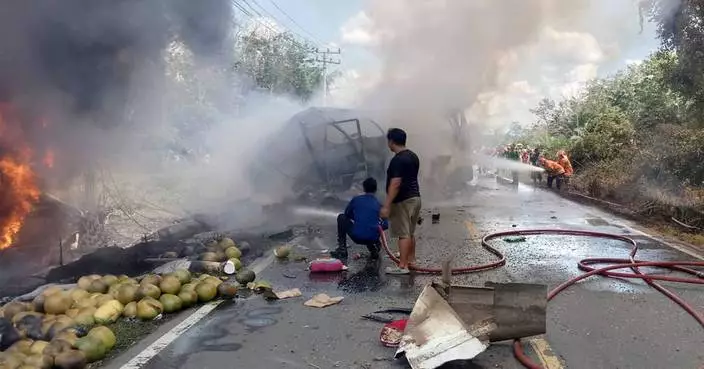
Footage of the moment of the crash shared on social media showed a line of vehicles had stopped at a railway crossing when a cargo train struck an orange bus. The impact also dragged several nearby vehicles along the tracks before the bus was engulfed in flames. Several motorcycles and their riders were also seen being thrown onto the road after the collision.
Later videos showed a group of rescuers entering the charred bus after the flames were brought under control.
Deputy Transport Minister Siripong Angkasakulkiat told reporters at the crash site that all the bodies were found on the bus. He said it was still unclear how many people were on board.
When asked about reports that the bus had stopped on the railway tracks and that the barriers, used to keep motorists away from the tracks when the trains are passing, may not have lowered properly, Siripong said the matter still needs to be investigated.
Kittipong Raksa said he parked his car near the train tracks when he heard the signal indicating the train was about to pass.
“I heard a thud and then another. I heard something hitting my car," said Kittipong. "Then I saw the train pass, dragging the bus with it.” He said after the collision, he found someone caught under his car, with a broken leg.
Kittipong said he did not see the barriers being lowered.
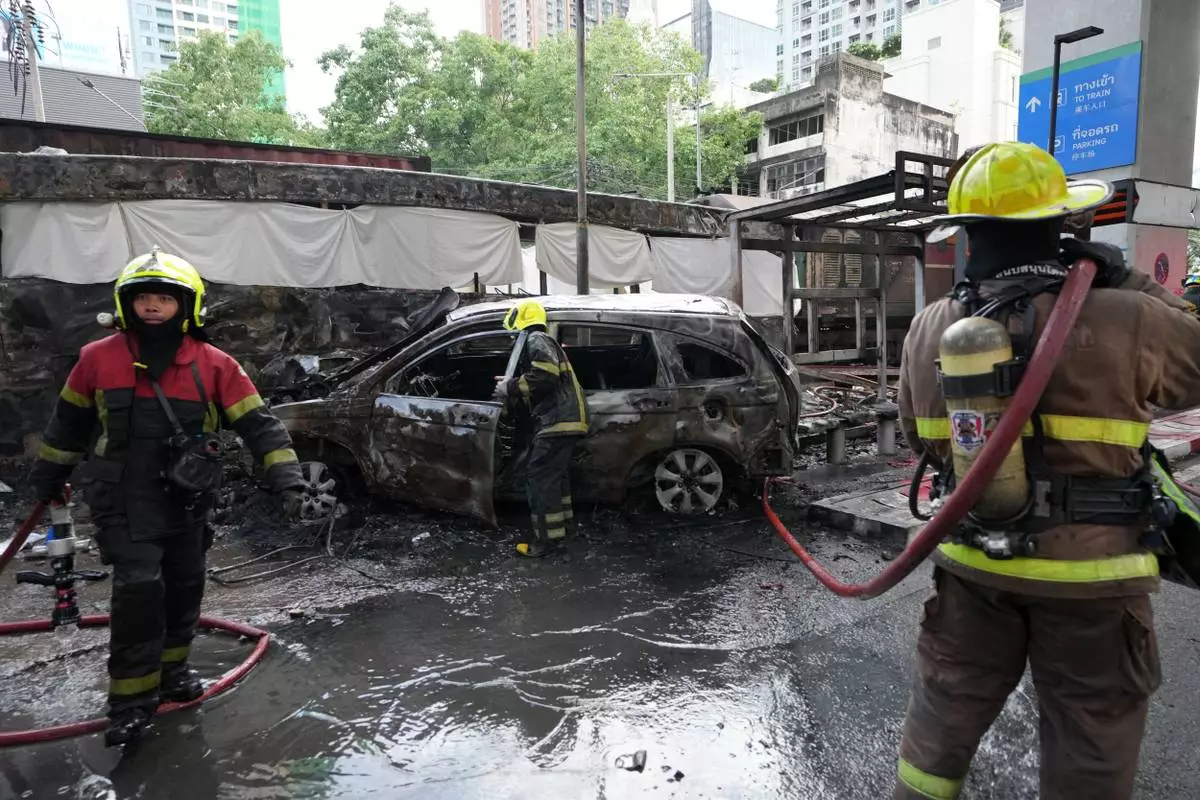
Rescuers work at a train crash site near an airport rail link station in Bangkok, Thailand, Saturday, May 16, 2026. (AP Photo/Sakchai Lalit)
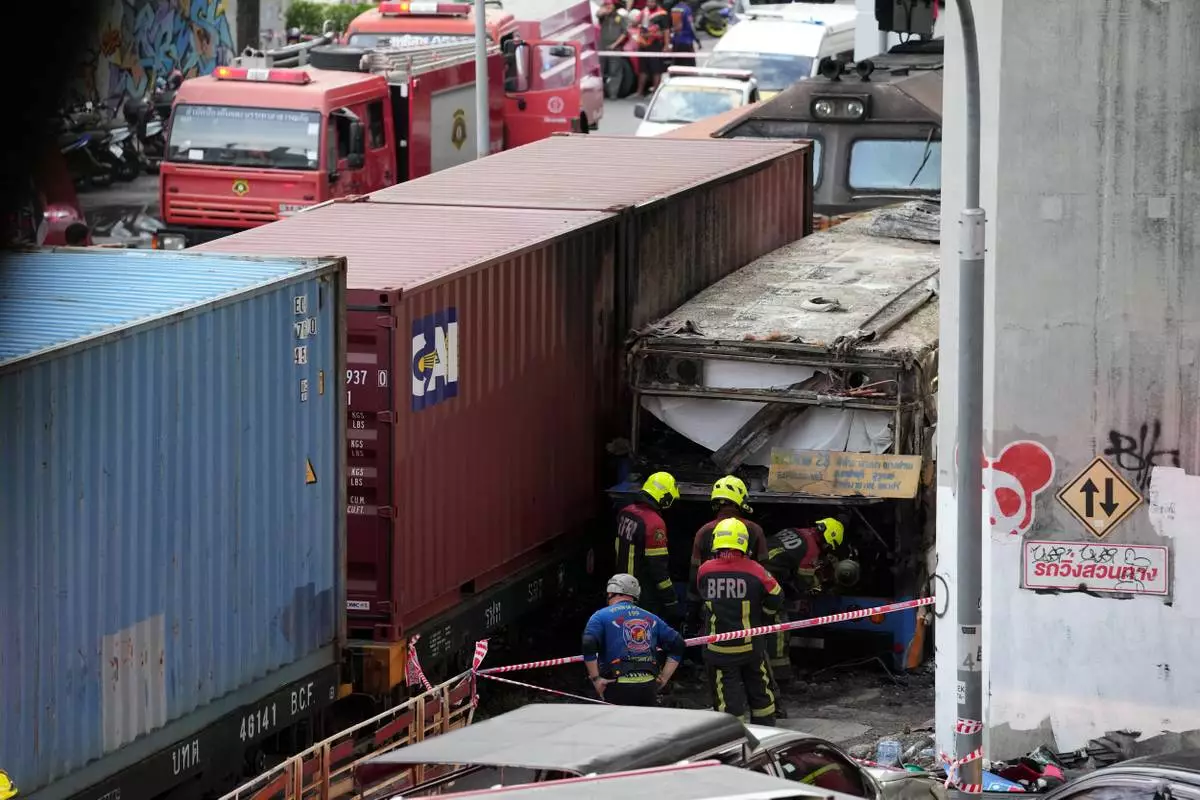
First responders work at a train crash site near an airport rail link station in Bangkok, Thailand, Saturday, May 16, 2026. (AP Photo/Sakchai Lalit)
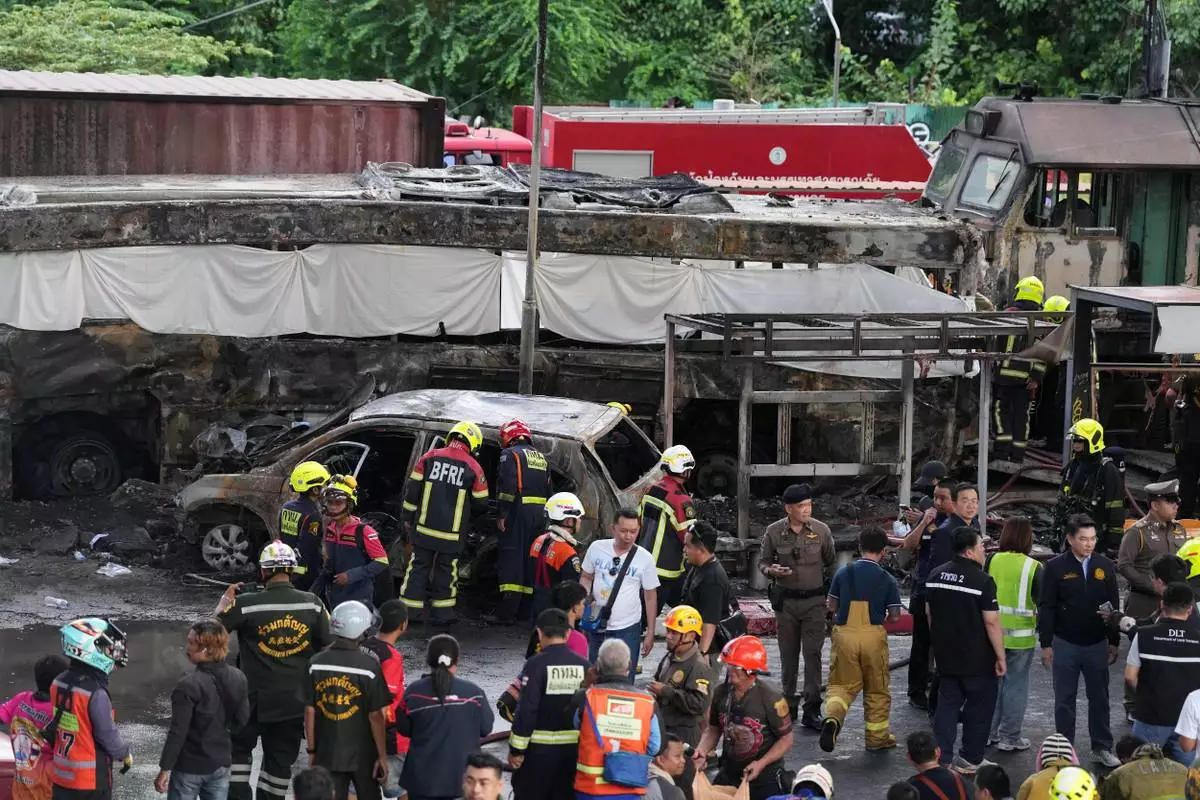
First responders work at a train crash site near an airport rail link station in Bangkok, Thailand, Saturday, May 16, 2026. (AP Photo/Sakchai Lalit)
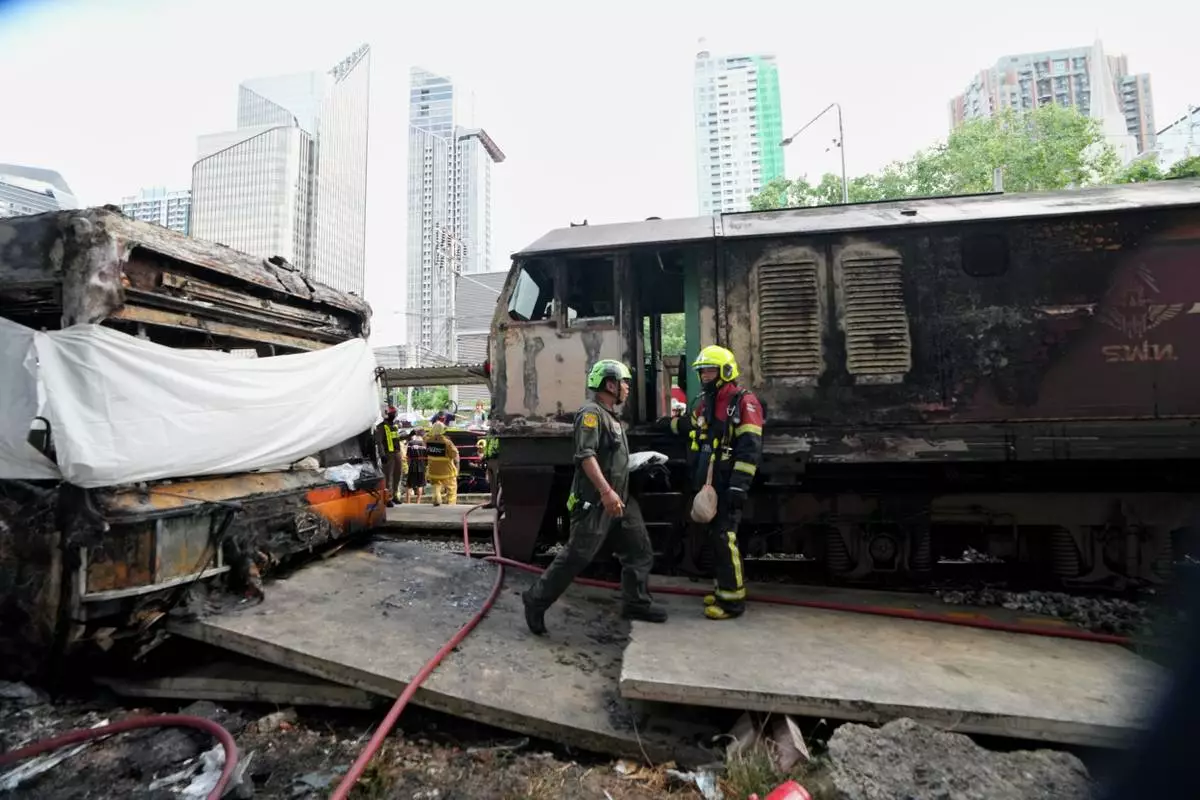
Rescuers work at a train crash site near an airport rail link station in Bangkok, Thailand, Saturday, May 16, 2026. (AP Photo/Sakchai Lalit)
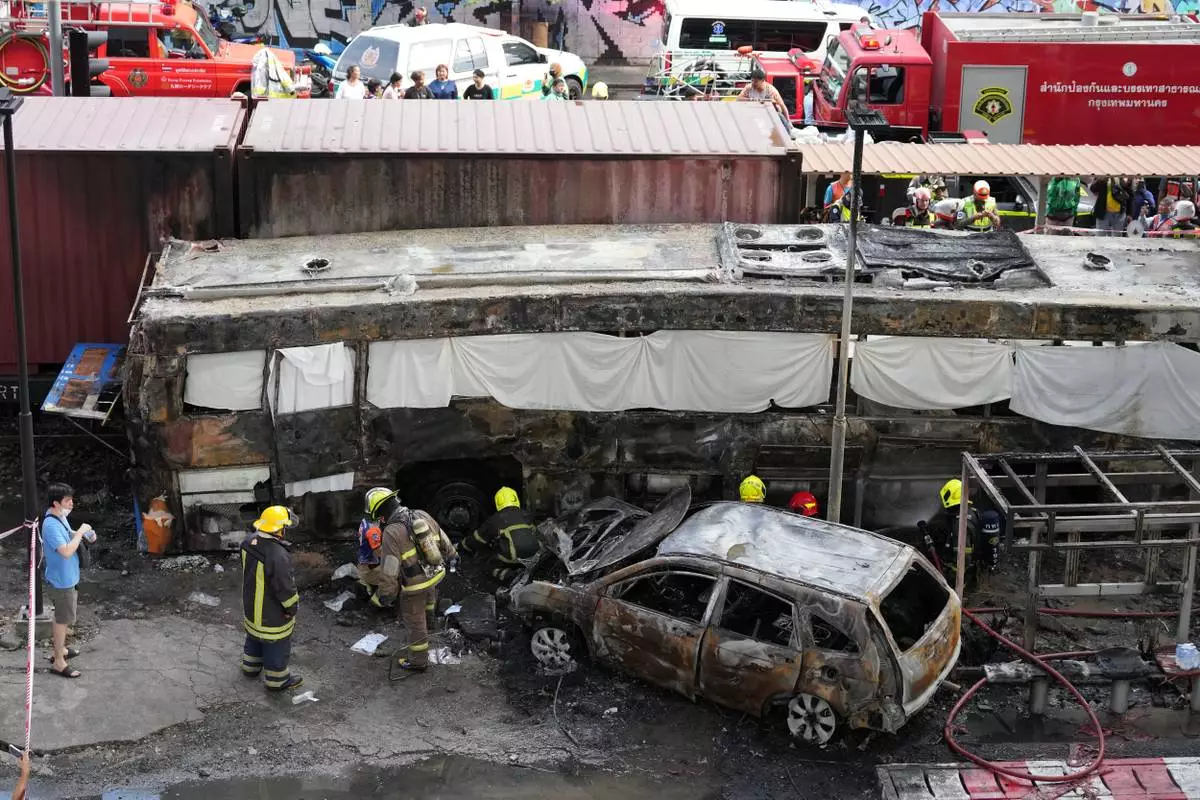
Rescuers work at a train crash site near an airport rail link station in Bangkok, Thailand, Saturday, May 16, 2026. (AP Photo/Sakchai Lalit)
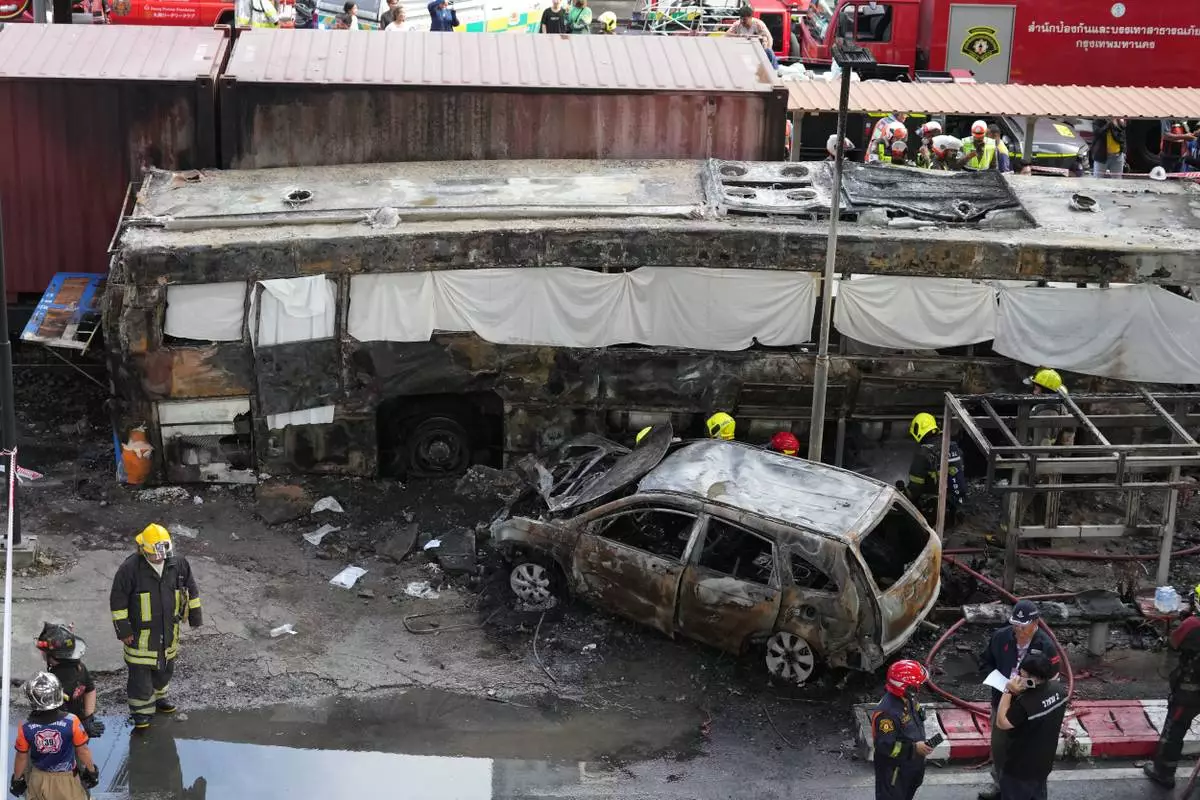
Rescuers work at a train crash site near Makkasan station in Bangkok, Thailand, Saturday, May 16, 2026. (AP Photo/Sakchai Lalit)
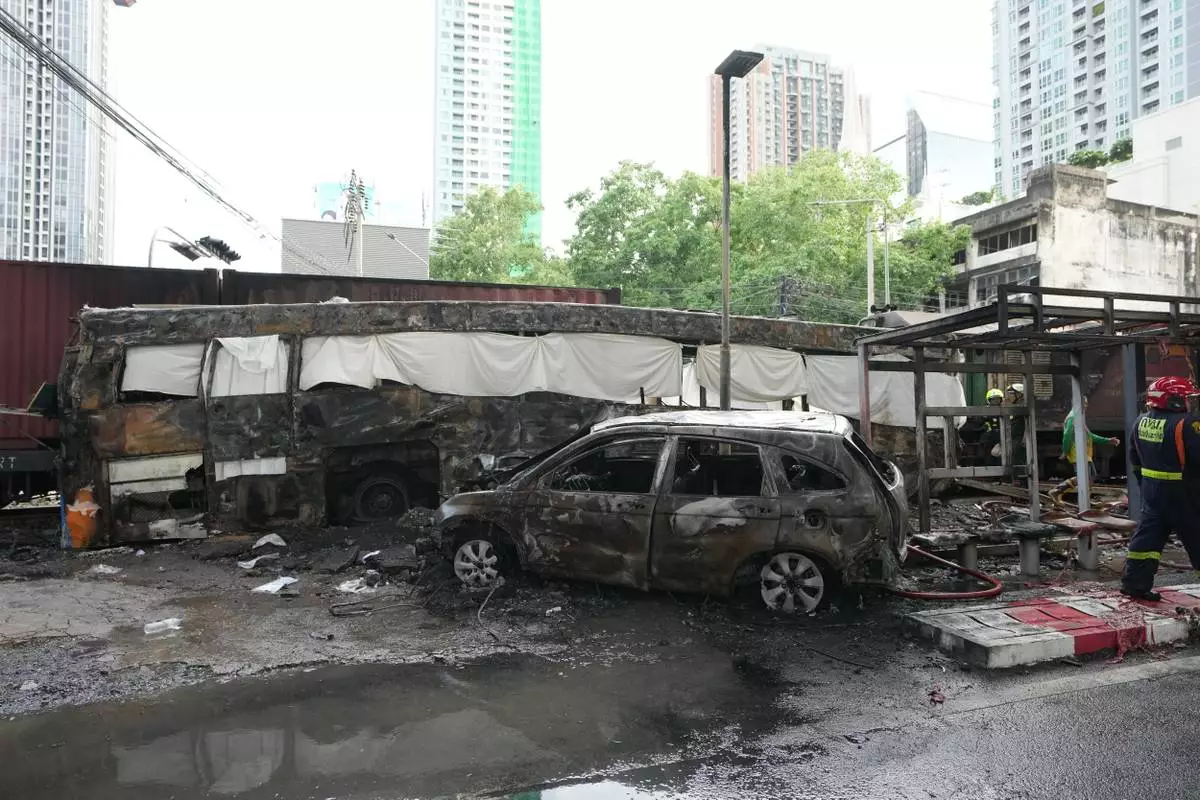
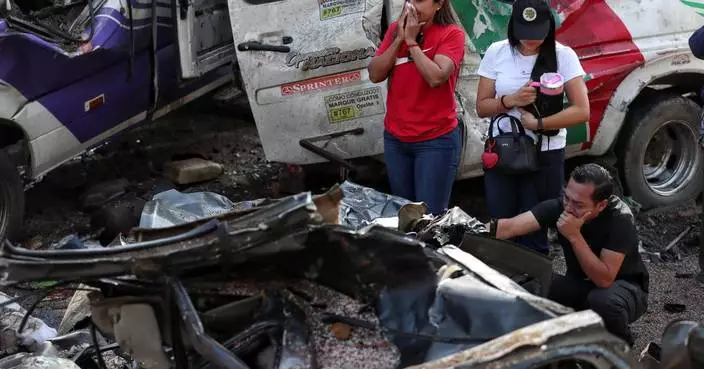
Damaged vehicles are seen at a train crash site near Makkasan station in Bangkok, Thailand, Saturday, May 16, 2026. (AP Photo/Sakchai Lalit)