UN Secretary-General Antonio Guterres had called for restraint and the immediate de-escalation of the tensions in the Caribbean, a UN spokesperson said Wednesday.
In response to media queries about the latest U.S. moves against Venezuela, Farhan Haq, deputy spokesperson for the UN chief, told reporters at a daily briefing that Guterres was following the current situation very closely and was engaging with relevant parties.
"What the secretary-general is focused on is avoiding any further escalation. The secretary-general calls for restraint and for the immediate de-escalation of the situation. He calls on all stakeholders to honor their obligations under international law, including the UN Charter and any other applicable legal framework to safeguard peace in the region. And of course, as always, he believes that any difference must be resolved by peaceful means," said Haq.
If Venezuela brings the issue to the United Nations, much of that will probably be an issue to consider for the members of the Security Council, said the spokesperson.
Haq added that, at this stage, it is critical to continue diplomatic engagement and pursue a peaceful way forward through dialogue.
During a phone call with Guterres on Wednesday, Venezuelan President Nicolas Maduro denounced the escalating threats from the United States against Venezuela and their serious impact on regional peace, according to a statement released by Venezuela's Foreign Affairs Ministry.
Also on Wednesday, Venezuelan Defense Minister Vladimir Padrino Lopez issued a statement, condemning the aggressive actions of the United States.
Lopez said that multilateral institutions must take actions to address the U.S. reckless bellicose attitude, which endangers not only Venezuela but also the entire Latin America and the Caribbean, as well as global energy stability.
He also said that the hostile actions of the U.S. government aim to seize Venezuela's national wealth through force, and the escalating attacks against Venezuela by the United States are motivated by oil resources.
On Tuesday, U.S. President Donald Trump said that he had ordered a total blockade of all sanctioned oil tankers traveling to and from Venezuela, escalating a months-long pressure campaign against Maduro.
In response, Venezuela denounced the U.S. move, calling it a violation of international law and vowing to raise the issue before the United Nations.
For almost four months, the United States has maintained a significant military presence in the Caribbean, much of it off Venezuela's coast, purportedly to combat drug trafficking, a claim Venezuela has denounced as a thinly veiled attempt to enforce a government change in Caracas.
In recent weeks, Trump has repeatedly said that the U.S. military would begin land strikes targeting drug traffickers in the Caribbean "very soon," further escalating tensions between the United States and Venezuela.
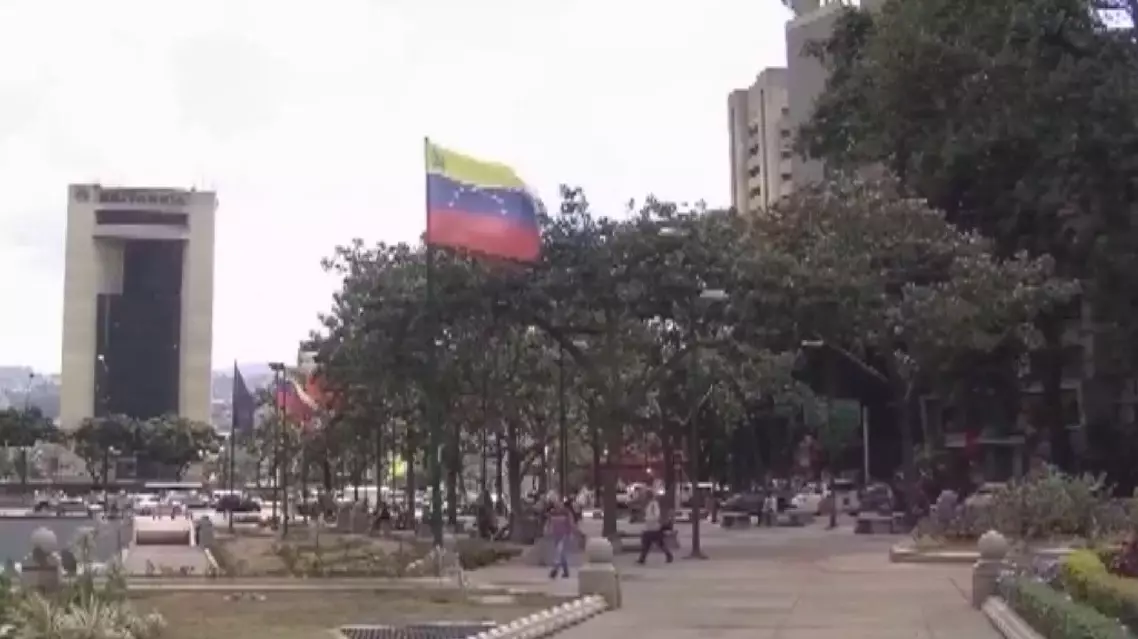
UN chief calls for restraint, immediate de-escalation of tensions in Caribbean