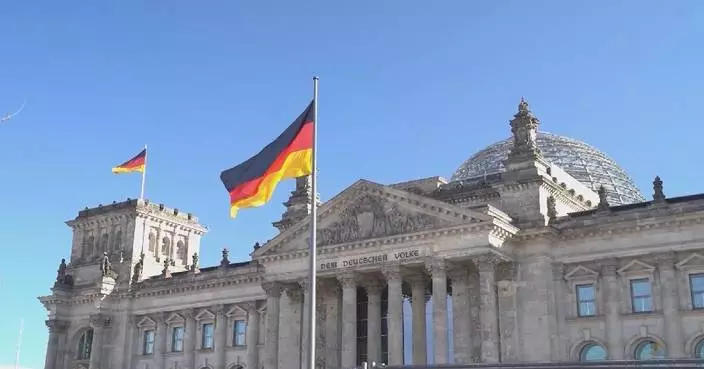
The European Parliament on Wednesday approved a legislation to ban spot-market imports of Russian liquefied natural gas (LNG) once the regulation enters into force in early 2026, while imports of Russian pipeline gas will be phased out by September 30, 2027.
The legislation, which has already been agreed by the Council of the European Union, was adopted with 500 votes in favor, 120 against and 32 abstentions. It now requires formal endorsement by the Council before publication in the EU's Official Journal.
The vote further paves the way for tighter restrictions on Russian oil. During negotiations with the Danish presidency of the Council, members of the European Parliament (MEPs) pushed to ban all imports of Russian oil and secured a commitment from the European Commission to present related legislation in early 2026, with an effective ban expected to take effect as soon as possible and no later than late 2027.
Ville Niinisto, lead MEP for the European Parliament's Committee on Industry, Research and Energy, said the key priorities were to accelerate the timeline for banning pipeline gas as much as possible, prohibit long-term LNG contracts one year earlier than foreseen, and prevent circumvention of the new rules.
Leonid Mikhelson, CEO of Russia's second-largest gas producer Novatek, has warned that excluding Russian LNG from the global gas balance will drive up the gas price.
As of October, Russia accounted for 12 percent of EU gas imports, down from 45 percent before the Ukraine crisis erupted in early 2022.
Lower piped gas supplies, together with higher gas consumption and stronger storage injection requirements, are expected to increase Europe's LNG imports by more than 20 percent in 2025 year over year to reach a new record, while LNG prices are expected to remain persistently high, according to the International Energy Agency's Gas 2025 report released on Nov 27.
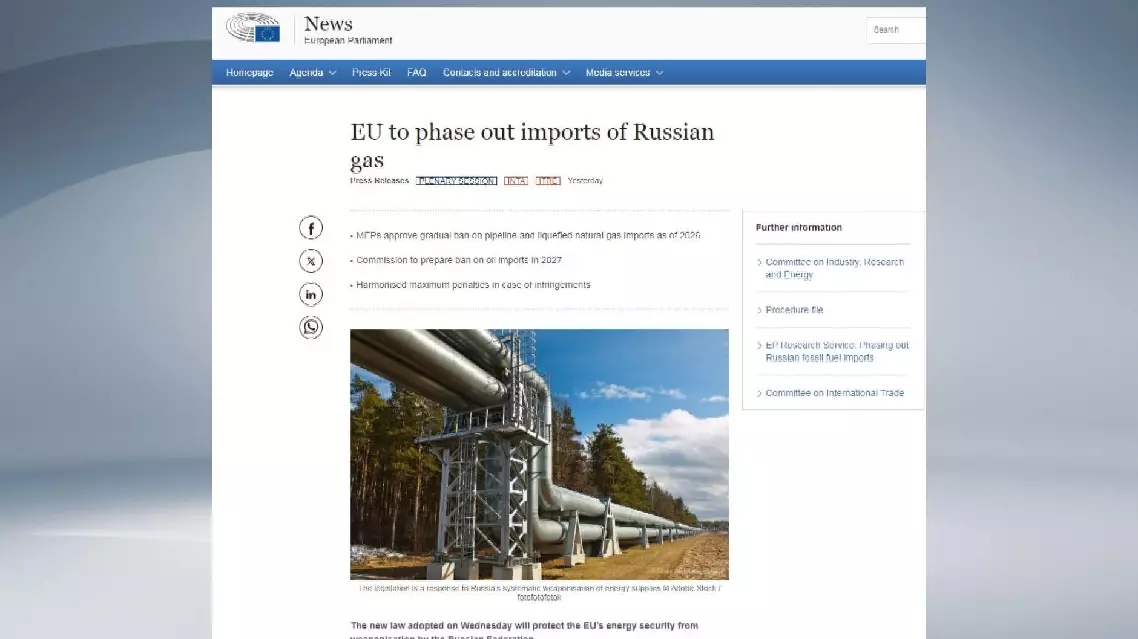
EU to phase out Russian gas imports
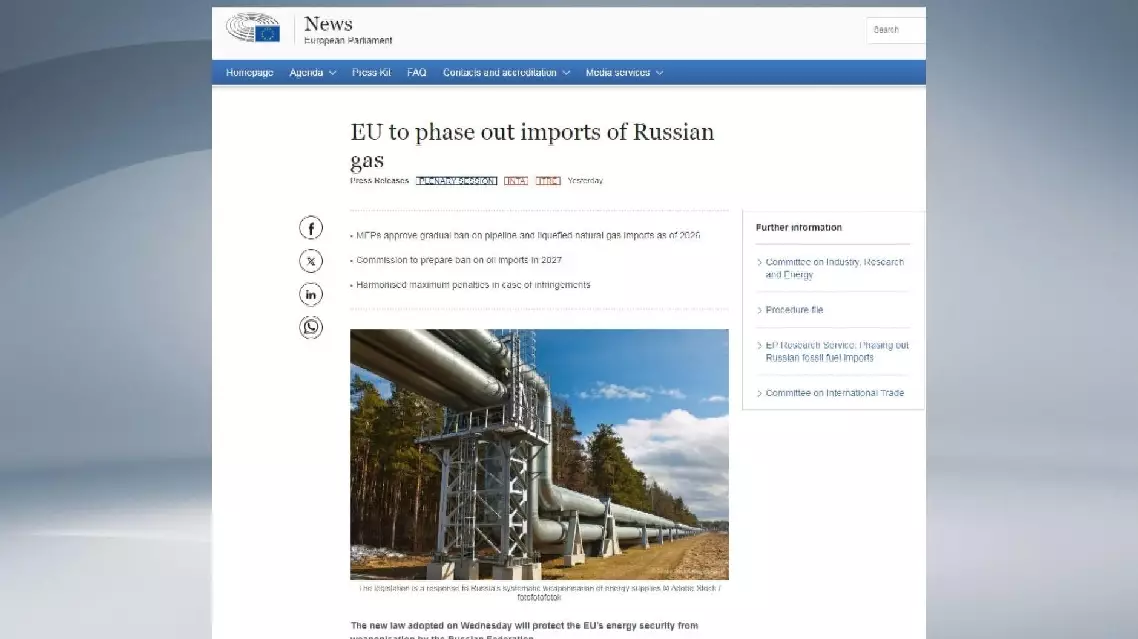
EU to phase out Russian gas imports
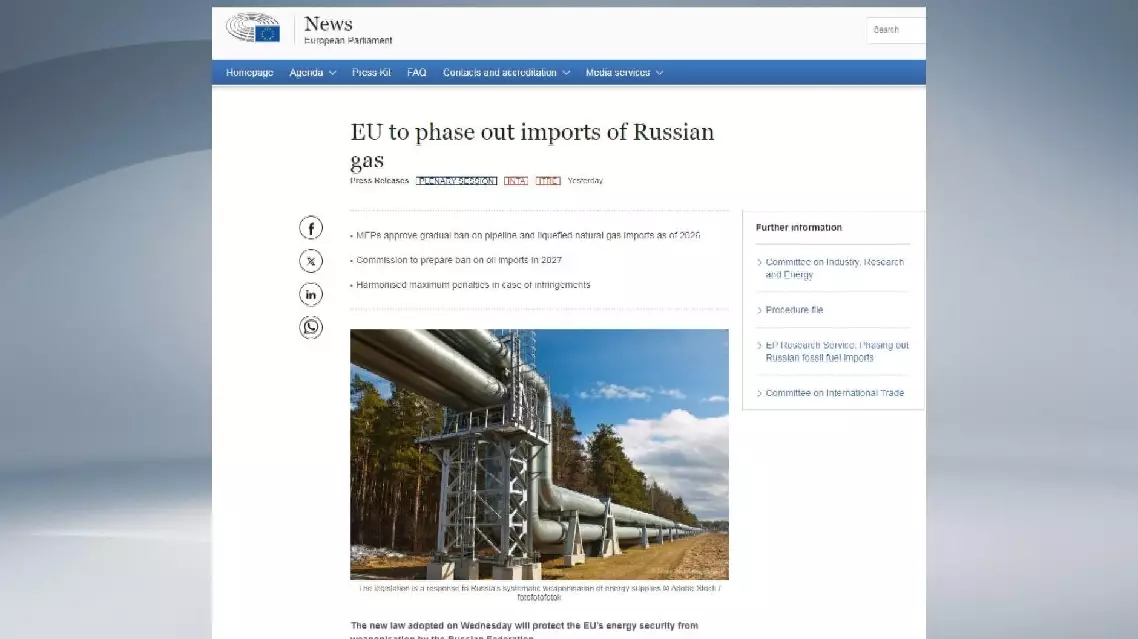
EU to phase out Russian gas imports