KATHMANDU, Nepal (AP) — In Nepal, the unseen eye has changed Tibetan life.
The cameras are not just machines perched on the thick bundles of wires that twist through narrow lanes of Kathmandu in Nepal. They are a presence, an unseen watcher that Tibetans have learned to fear.
Click to Gallery
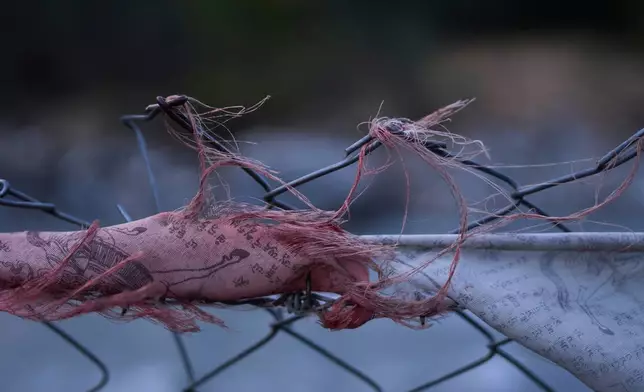
Torn Buddhist prayer flags are seen stuck on barbed wire that surrounds the Tibetan camp territory in Mustang, Nepal, April 19, 2025. (AP Photo/Niranjan Shrestha)
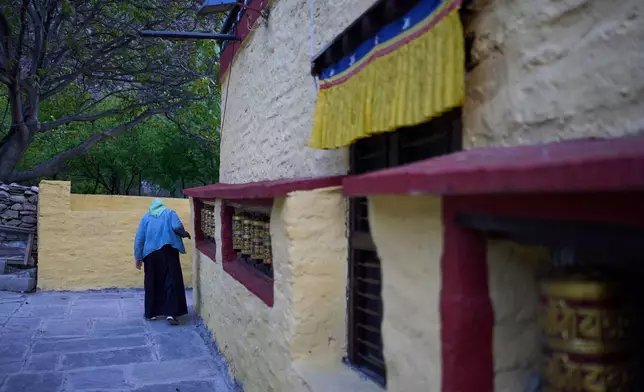
An elderly Tibetan exile walks near a monastery inside a Tibetan refugee camp in Mustang, Nepal, April 19, 2025. (AP Photo/Niranjan Shrestha)
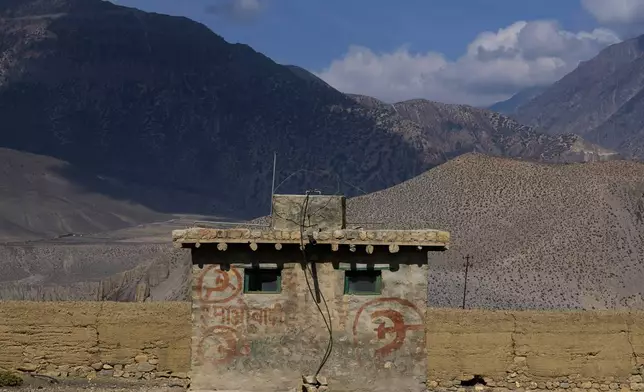
Communist graffiti is seen on the wall of a small building along a highway in Mustang district, Nepal, April 17, 2025. (AP Photo/Niranjan Shrestha)
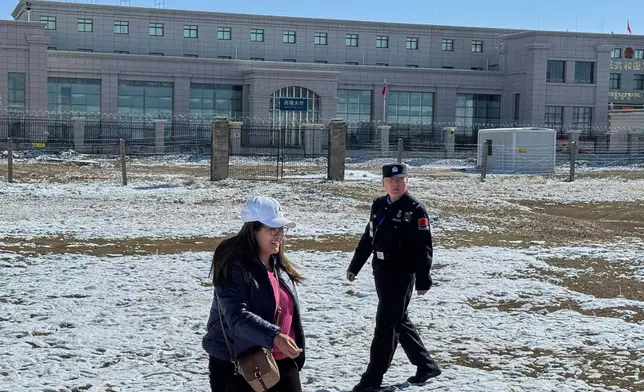
A Chinese police officer patrols near a Nepali tourist posing for a photograph at the Korola border between Nepal and China in Mustang district, Nepal, April 18, 2025. (AP Photo/Niranjan Shrestha)
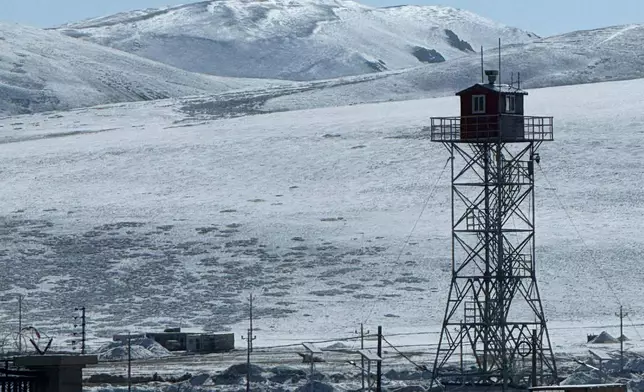
A watchtower with a CCTV camera is seen at the Korola border between Nepal and China in Mustang district, Nepal, Friday, April 18, 2025. (AP Photo/Niranjan Shrestha)
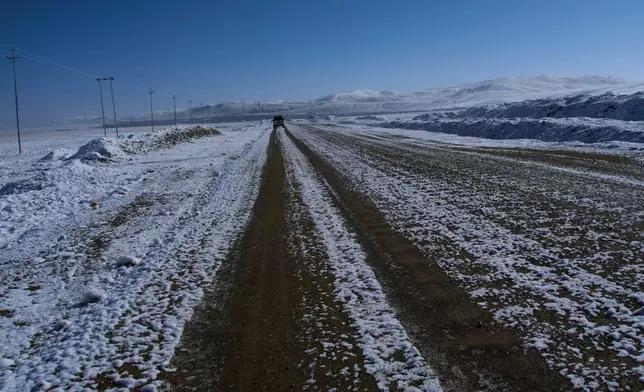
A vehicle carrying domestic tourists is seen approaching the Korola border crossing with China, in Mustang district, Nepal, April 18, 2025. (AP Photo/Niranjan Shrestha)
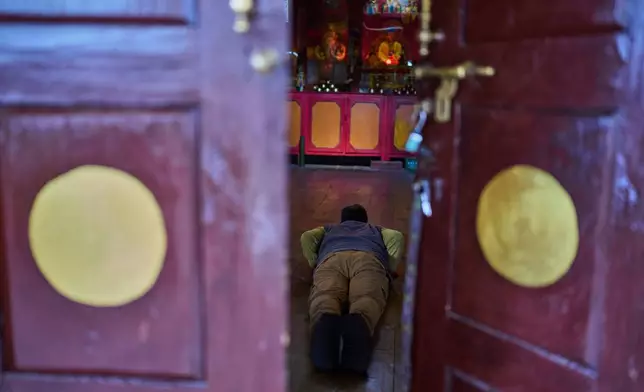
A Tibetan exile offers a prayer, seen through the door of a monastery, at a Tibetan refugee camp in Mustang, Saturday, April 19, 2025. (AP Photo/Niranjan Shrestha)
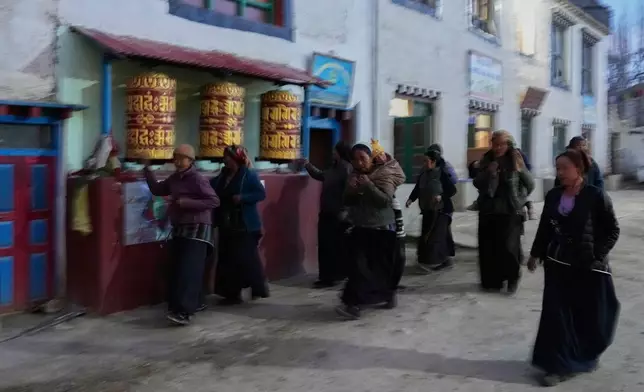
Nepalese Buddhist women walk back to their homes after an evening walk through monasteries in Lo Manthang village, Mustang, Nepal, April 18, 2025. (AP Photo/Niranjan Shrestha)
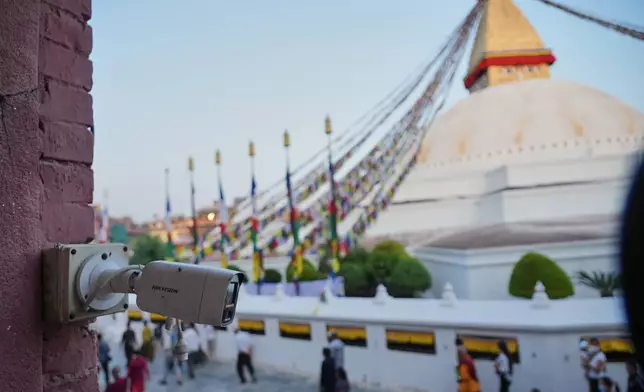
A Hikvision camera monitors crowds circling the Boudhanath, a holy Tibetan Buddhist stupa in Kathmandu, Nepal, April 20, 2025.(AP Photo/Dake Kang)

A surveillance camera in China is seen atop a hill in the background, as a Buddhist monk stands at a monastery, in the ancient ethnic Tibetan city of Mustang, Nepal, April 18, 2025. (AP Photo/Niranjan Shrestha)
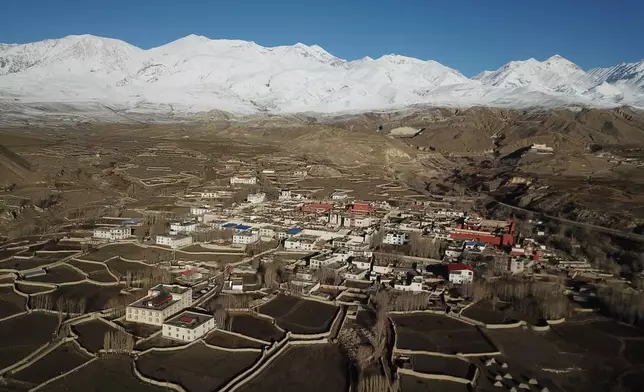
The ancient Tibetan Buddhist walled city of Lo Manthang sits at the feet of the Himalayan mountains in Nepal near the Chinese border, April 18, 2020. (AP Photo/Dake Kang)
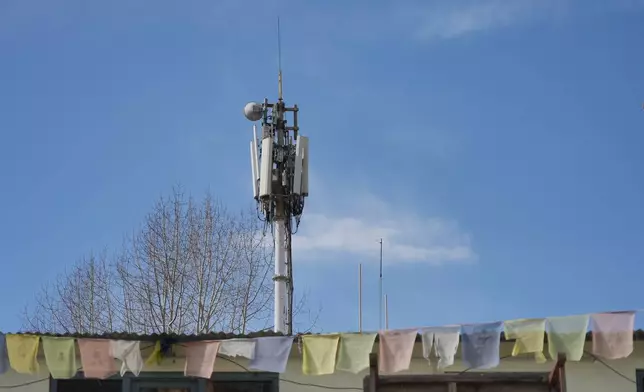
A Nepal Telecom cell tower wired with Chinese equipment stands near Sree Muktinath temple in the remote Himalayan town of Ranipauwa, Nepal, April 16, 2025. (AP Photo/Dake Kang)
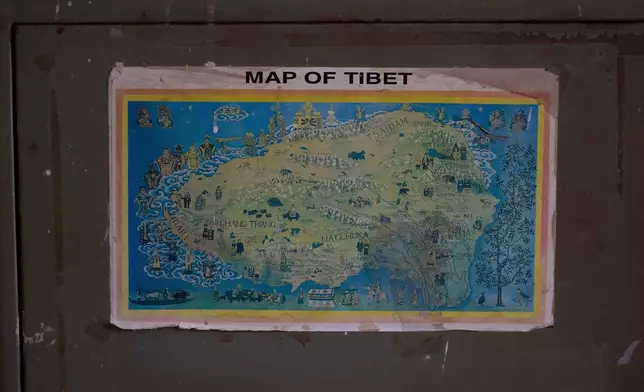
A map of Tibet hangs on the steel wardrobe at a camp in Kathmandu, Nepal, April 15, 2025. (AP Photo/Niranjan Shrestha)
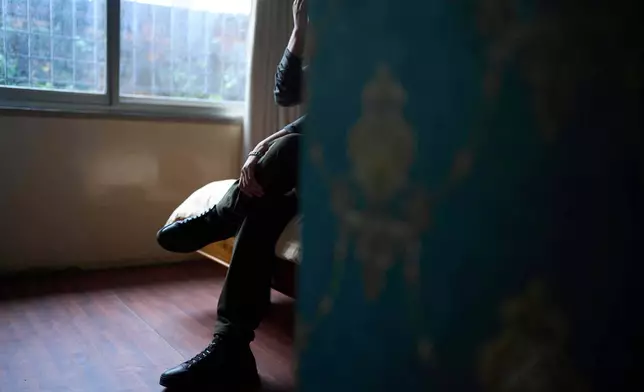
A Tibetan living in exile shares his story during an interview in Kathmandu, Nepal, April 14, 2025. (AP Photo/Niranjan Shrestha)
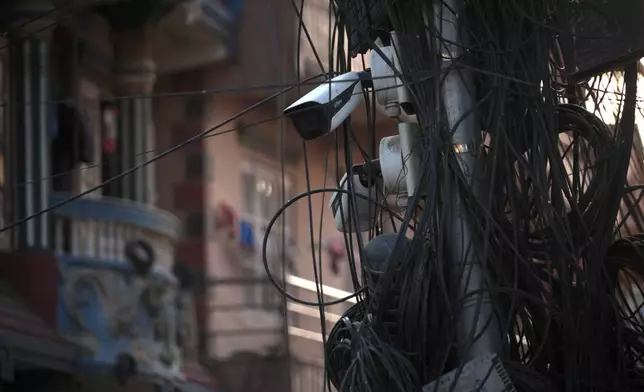
Dahua surveillance cameras monitor the streets of Kathmandu, Nepal, April 22, 2025. (AP Photo/Dake Kang)

A photo of Tibetan spiritual leader the Dalai Lama is kept alongside various national currencies, including Chinese currency, at a monastery in Mustang, Nepal, April 17, 2025. (AP Photo/Niranjan Shrestha)

A Tibetan living in exile gets emotional as he shares his story during an interview in Kathmandu, Nepal, April 14, 2025. (AP Photo/Niranjan Shrestha)
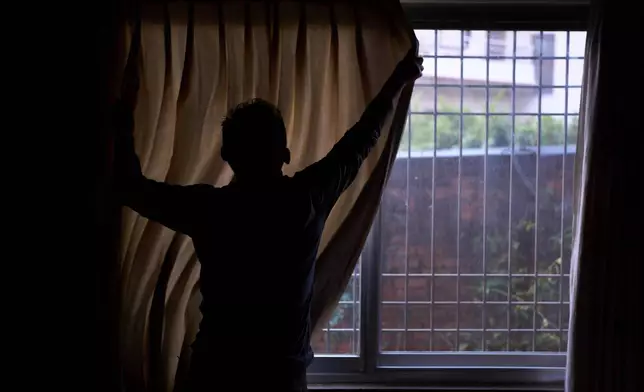
A Tibetan living in exile pulls the curtain before he gives an interview in Kathmandu, Nepal, April 14, 2025. (AP Photo/Niranjan Shrestha)
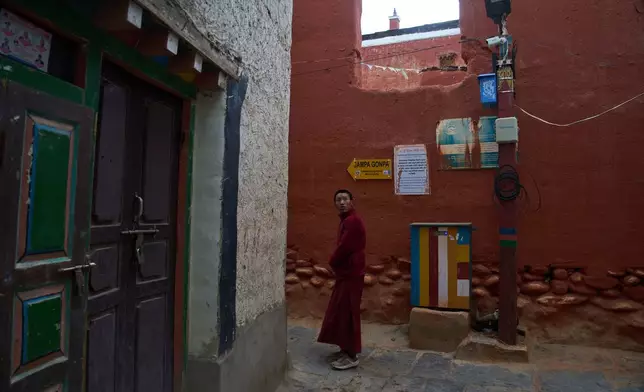
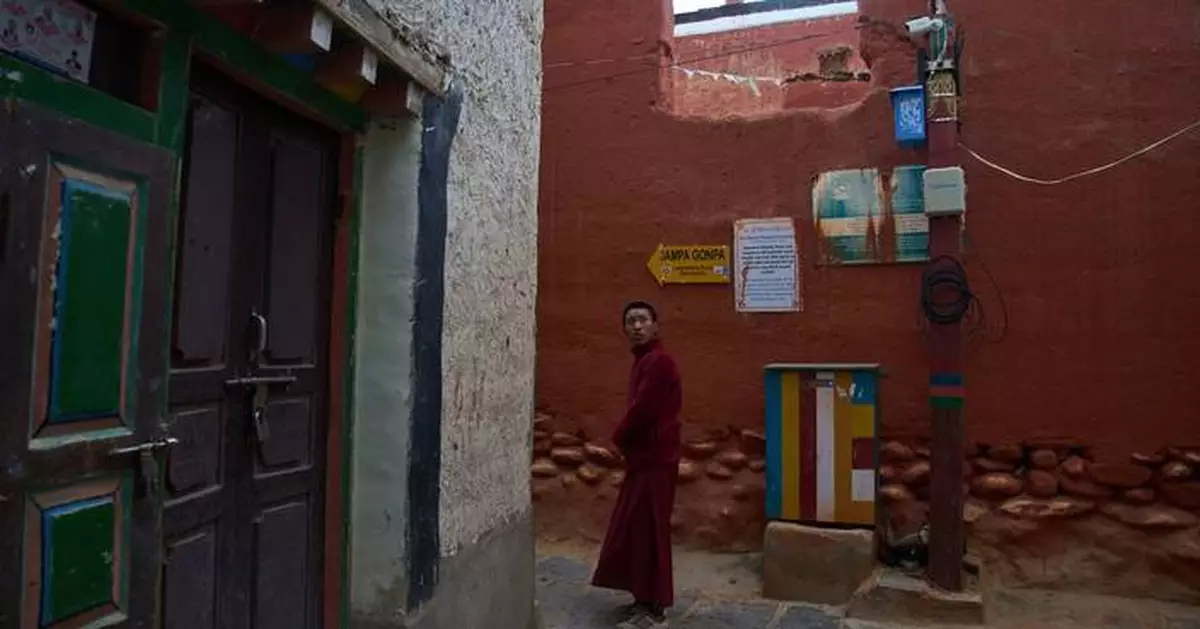
A Buddhist monk walks in an alley as a CCTV camera mounted on a pole watches over the area in the ancient ethnic Tibetan city of Mustang, Nepal, April 18, 2025. (AP Photo/Niranjan Shrestha)
In the city's refugee settlements, once a haven for the community, every lens is a warning. Men draw their curtains before speaking. Prayer rooms remain locked, their devotions muted behind wood and cloth. The flags that once fluttered freely now cling in tatters to barbed wire.
Nepal is one of at least 150 countries where Chinese companies now sell surveillance tools. These systems that have become central to Beijing’s global push by offering cash-strapped governments, like the Himalayan kingdom, a cheap but intrusive form of policing that uses cameras, algorithms, and data as a force multiplier for control, an Associated Press investigation found.
In Nepal, the technology is also used to watch and deter pro-independence activities from Tibetans.
Near Nepal's border with Tibet, the road is choked with snow, winding past villages where locals say Chinese officials have pressured them to remove photographs of the Dalai Lama. In Lo Manthang, long a sanctuary for those trying to slip across the mountains, a towering surveillance installation on the Chinese side now overlooks the mountain paths below.
The message is unmistakable: The Himalayas no longer offer cover.
—
This is a documentary photo story curated by AP photo editors.
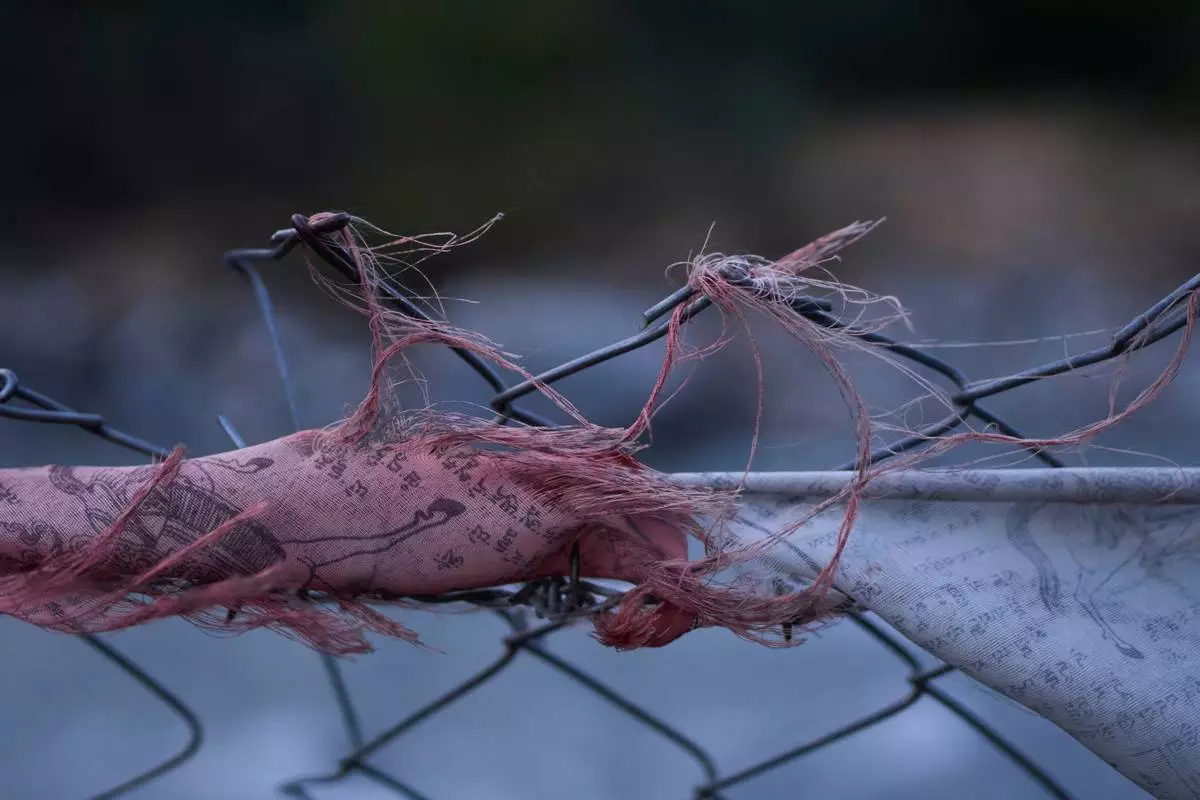
Torn Buddhist prayer flags are seen stuck on barbed wire that surrounds the Tibetan camp territory in Mustang, Nepal, April 19, 2025. (AP Photo/Niranjan Shrestha)
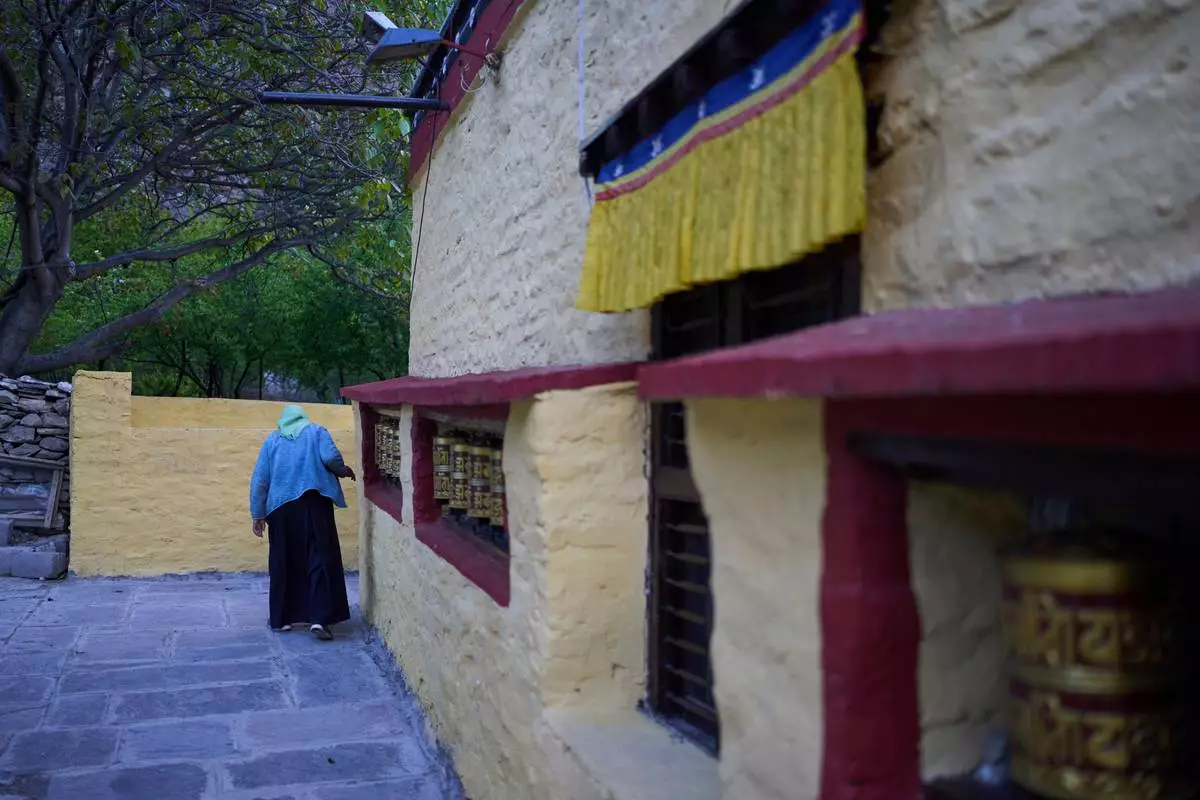
An elderly Tibetan exile walks near a monastery inside a Tibetan refugee camp in Mustang, Nepal, April 19, 2025. (AP Photo/Niranjan Shrestha)
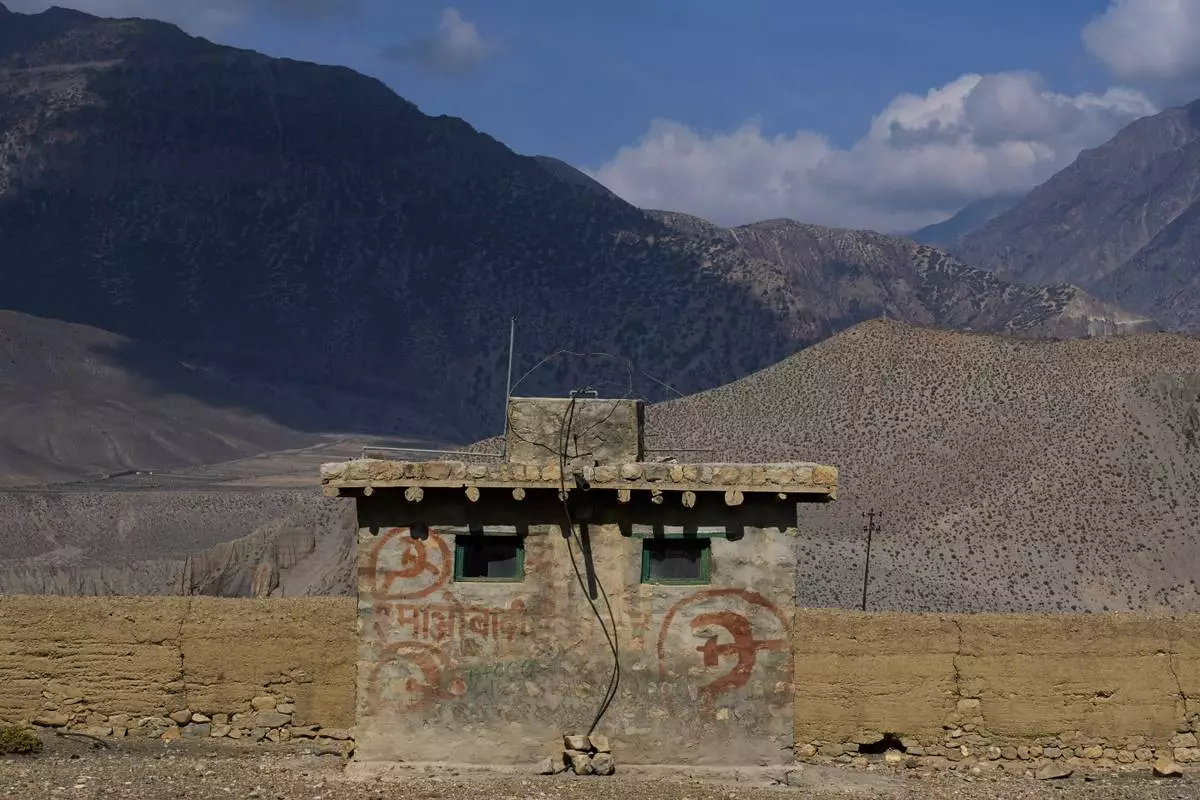
Communist graffiti is seen on the wall of a small building along a highway in Mustang district, Nepal, April 17, 2025. (AP Photo/Niranjan Shrestha)
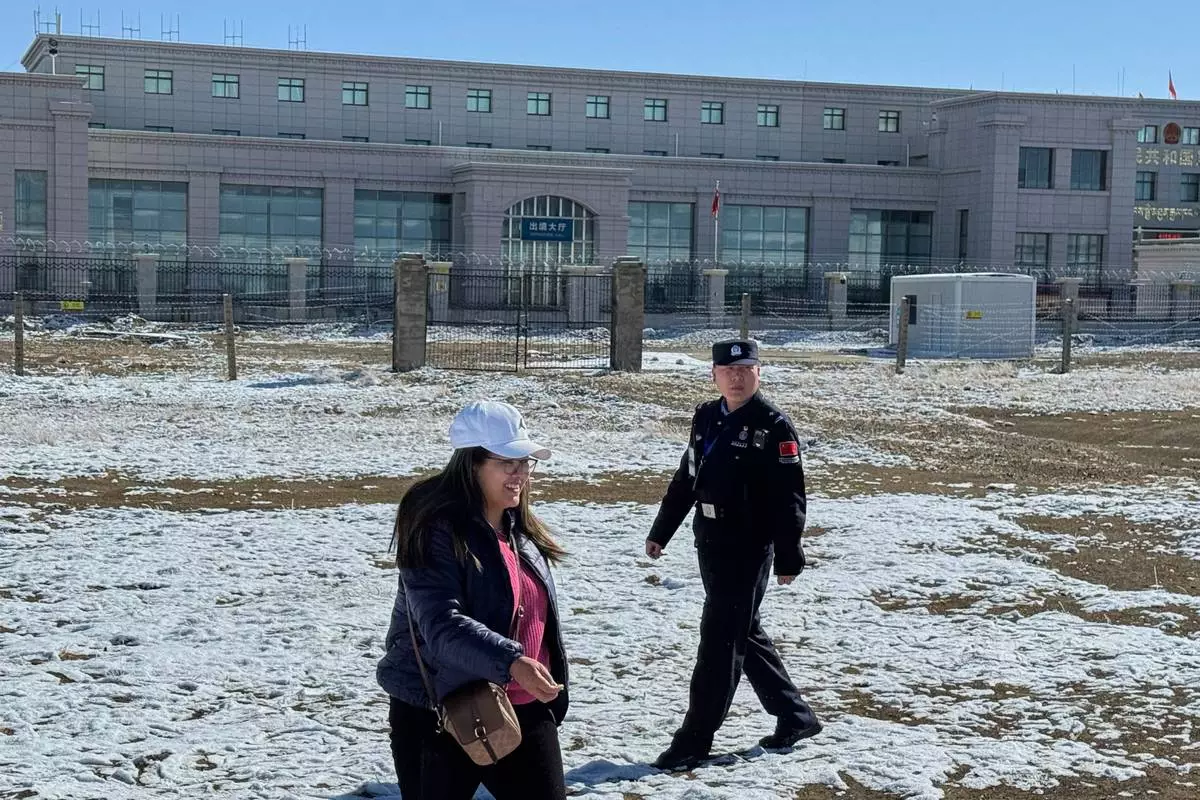
A Chinese police officer patrols near a Nepali tourist posing for a photograph at the Korola border between Nepal and China in Mustang district, Nepal, April 18, 2025. (AP Photo/Niranjan Shrestha)
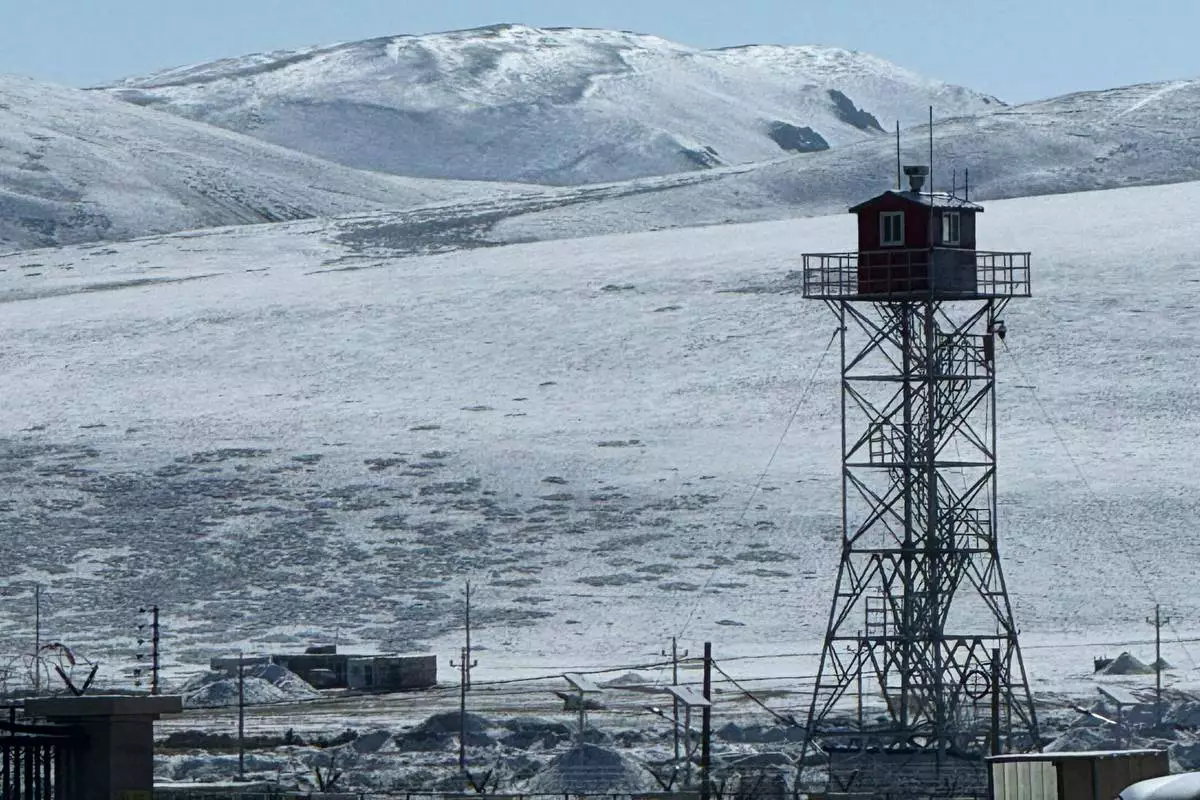
A watchtower with a CCTV camera is seen at the Korola border between Nepal and China in Mustang district, Nepal, Friday, April 18, 2025. (AP Photo/Niranjan Shrestha)
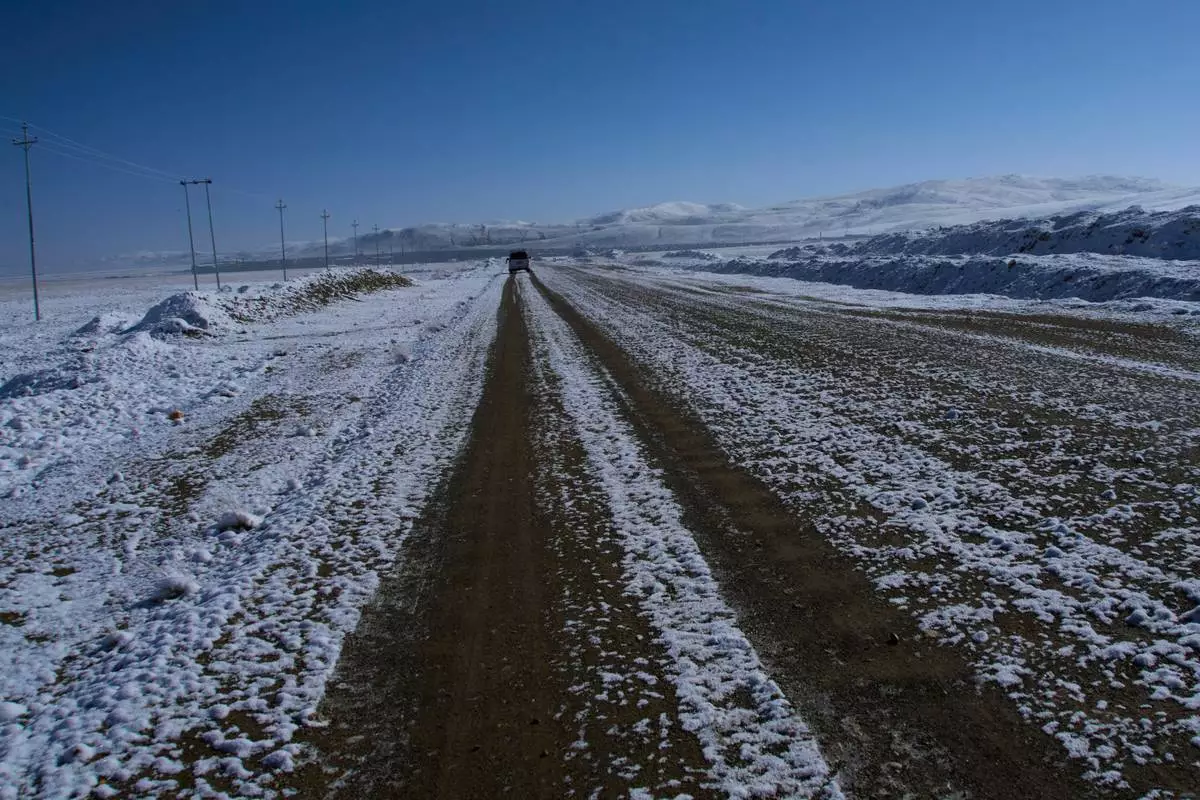
A vehicle carrying domestic tourists is seen approaching the Korola border crossing with China, in Mustang district, Nepal, April 18, 2025. (AP Photo/Niranjan Shrestha)
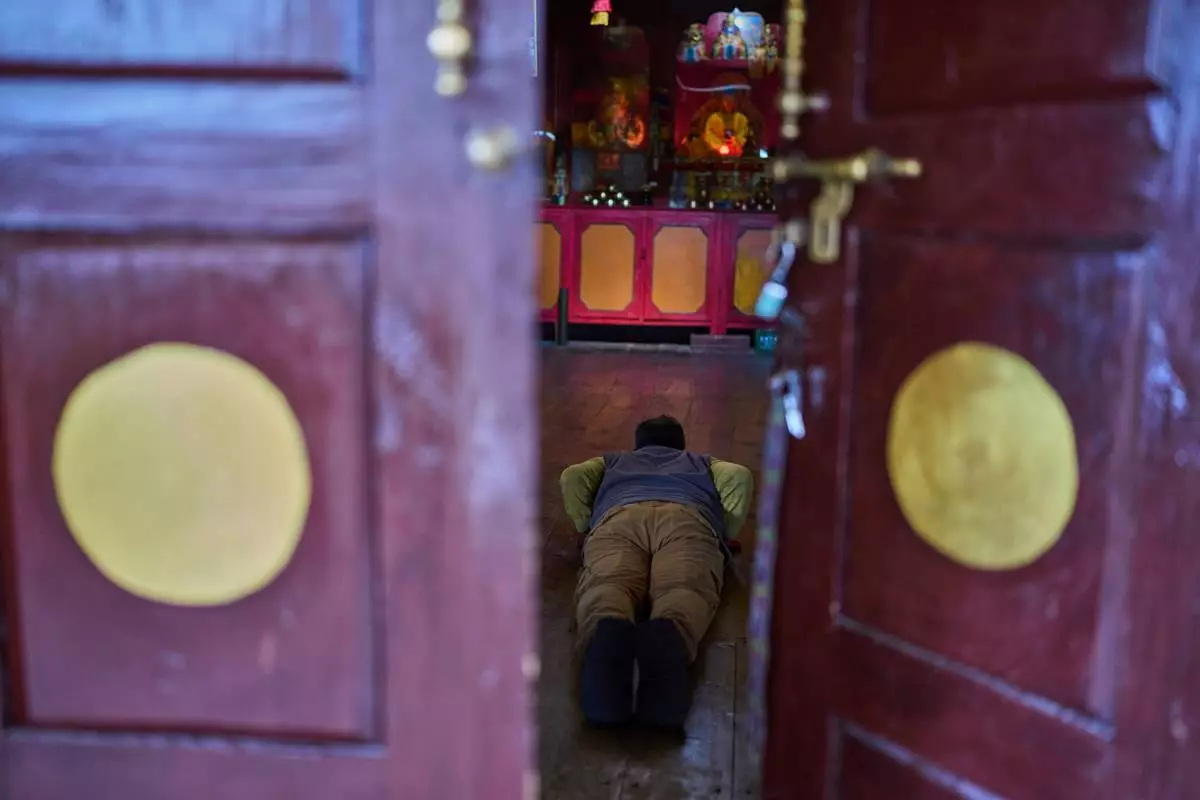
A Tibetan exile offers a prayer, seen through the door of a monastery, at a Tibetan refugee camp in Mustang, Saturday, April 19, 2025. (AP Photo/Niranjan Shrestha)
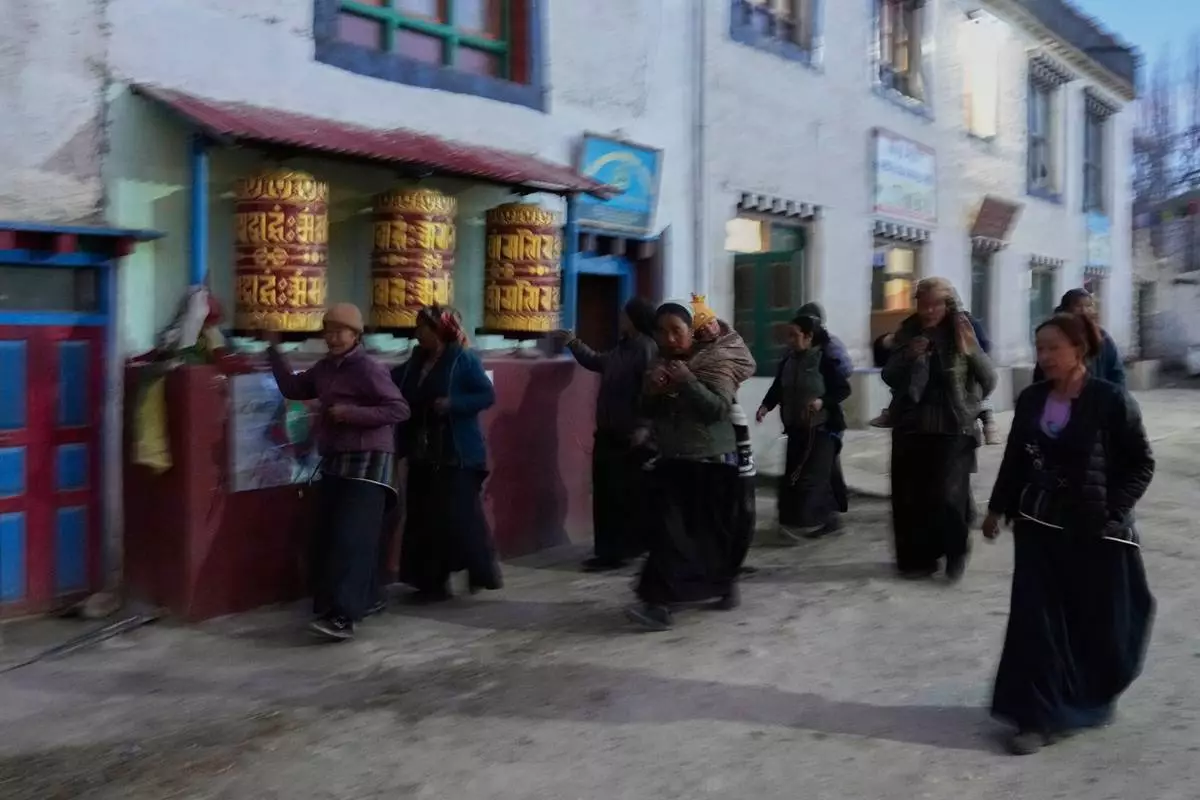
Nepalese Buddhist women walk back to their homes after an evening walk through monasteries in Lo Manthang village, Mustang, Nepal, April 18, 2025. (AP Photo/Niranjan Shrestha)
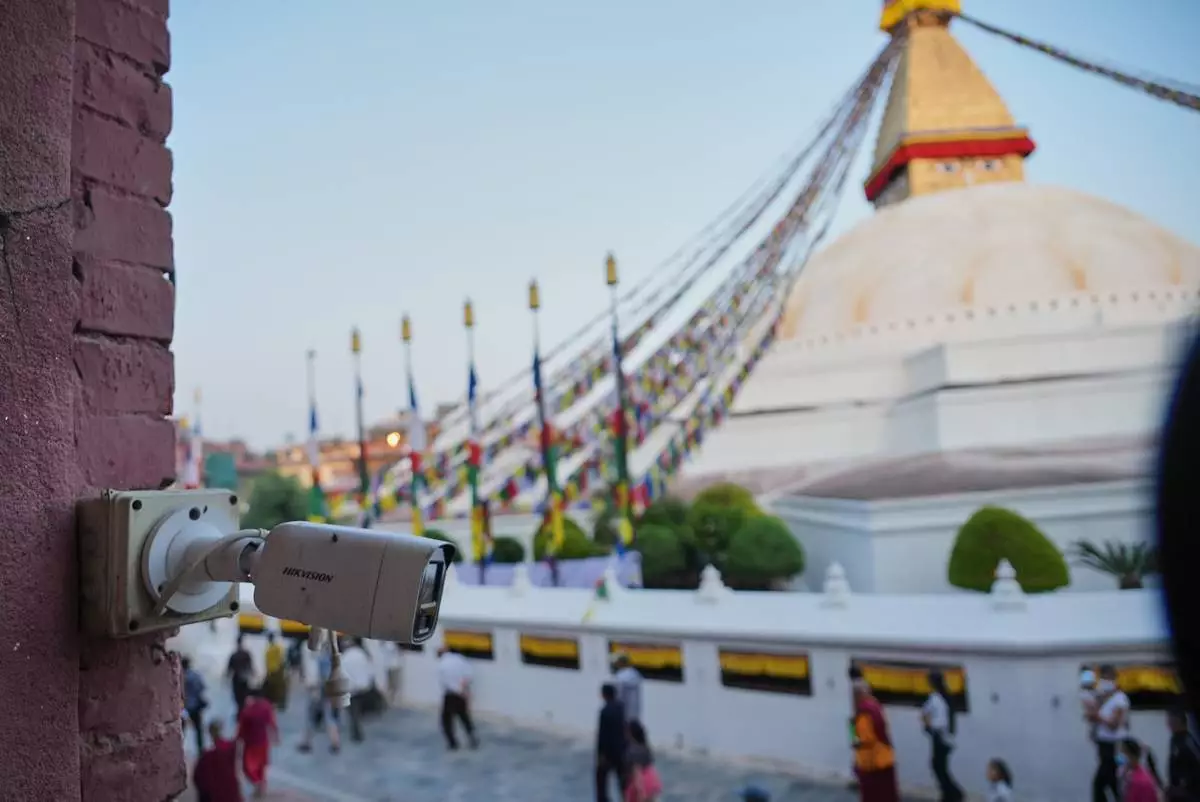
A Hikvision camera monitors crowds circling the Boudhanath, a holy Tibetan Buddhist stupa in Kathmandu, Nepal, April 20, 2025.(AP Photo/Dake Kang)
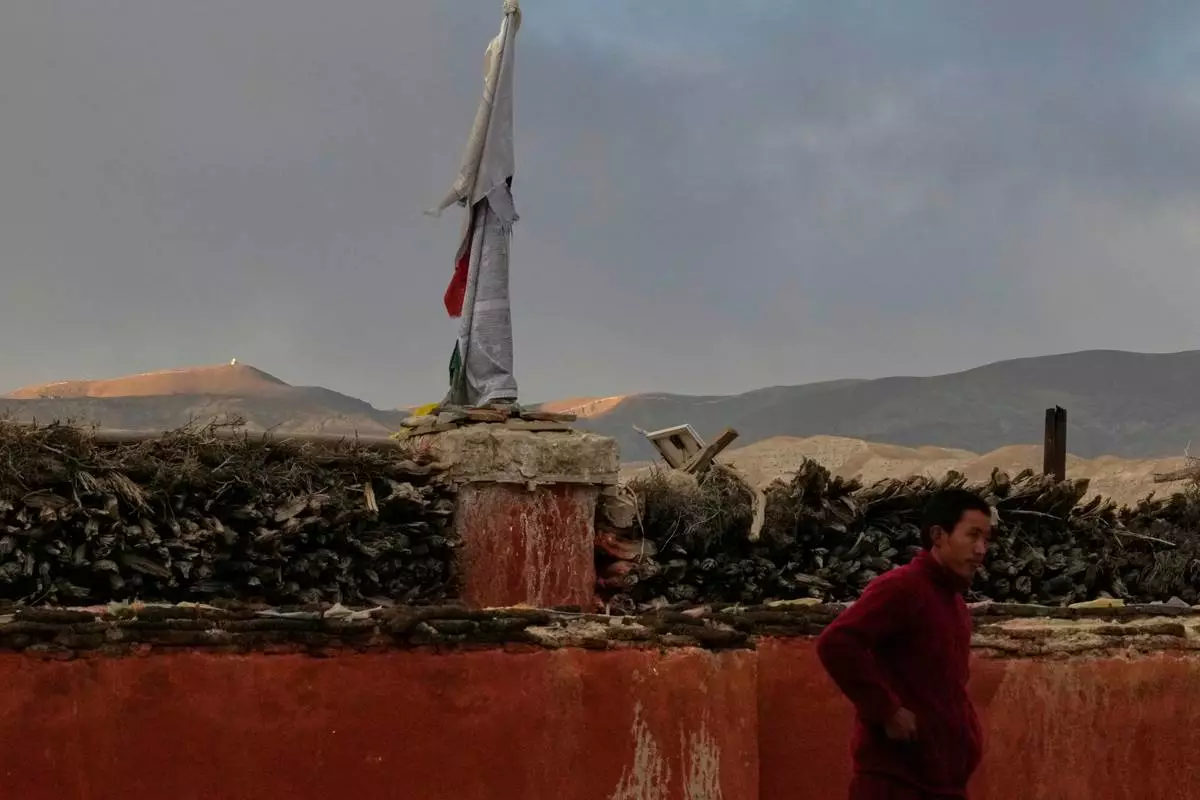
A surveillance camera in China is seen atop a hill in the background, as a Buddhist monk stands at a monastery, in the ancient ethnic Tibetan city of Mustang, Nepal, April 18, 2025. (AP Photo/Niranjan Shrestha)
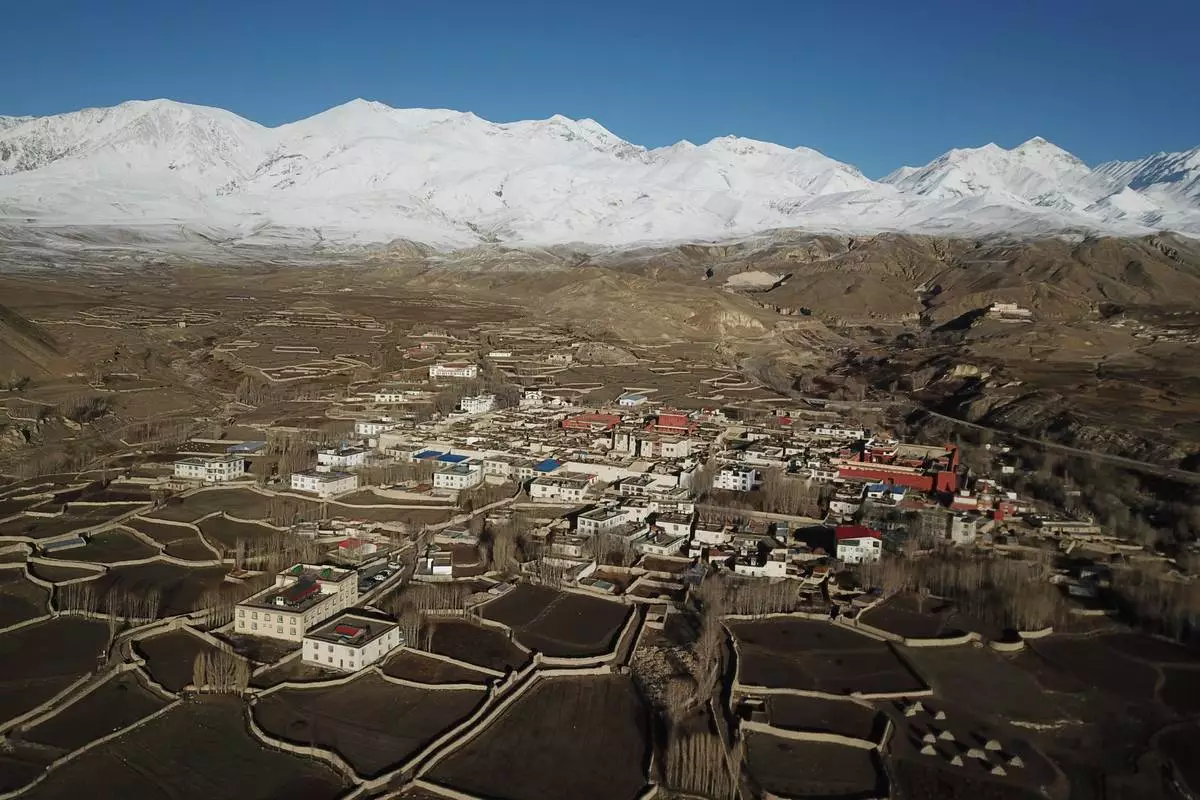
The ancient Tibetan Buddhist walled city of Lo Manthang sits at the feet of the Himalayan mountains in Nepal near the Chinese border, April 18, 2020. (AP Photo/Dake Kang)
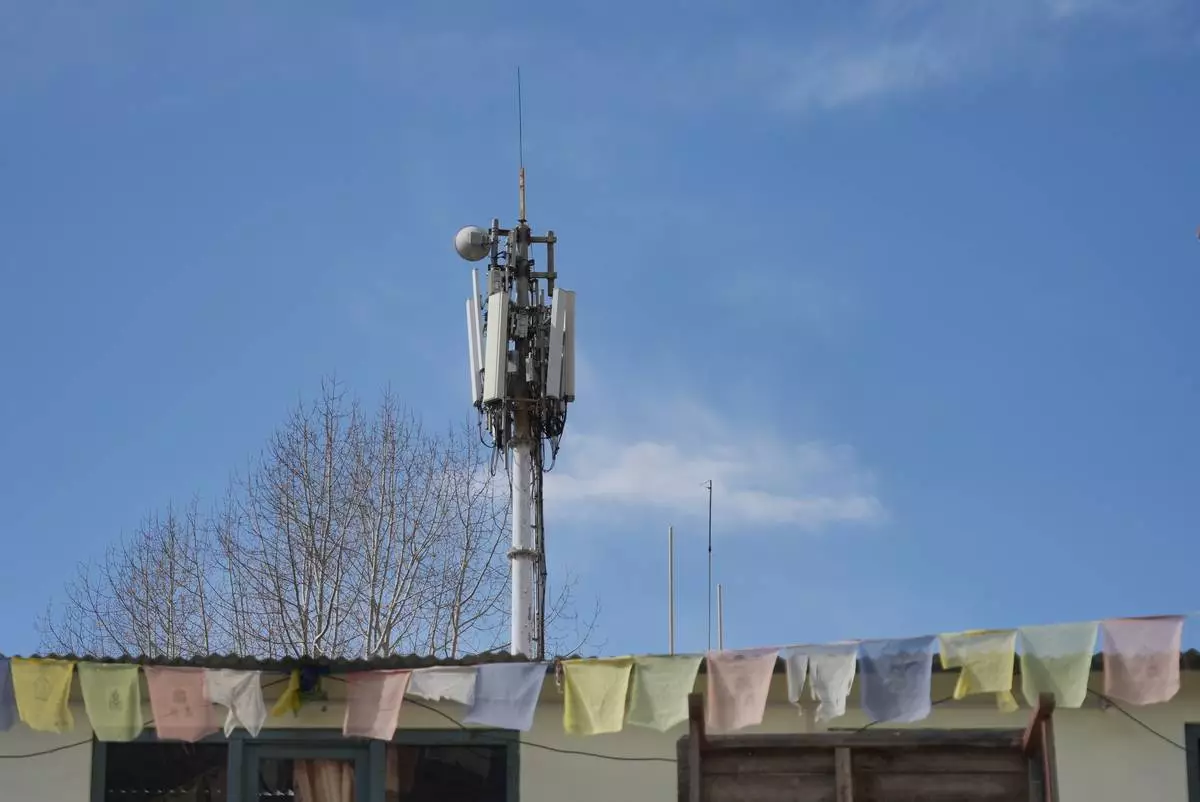
A Nepal Telecom cell tower wired with Chinese equipment stands near Sree Muktinath temple in the remote Himalayan town of Ranipauwa, Nepal, April 16, 2025. (AP Photo/Dake Kang)
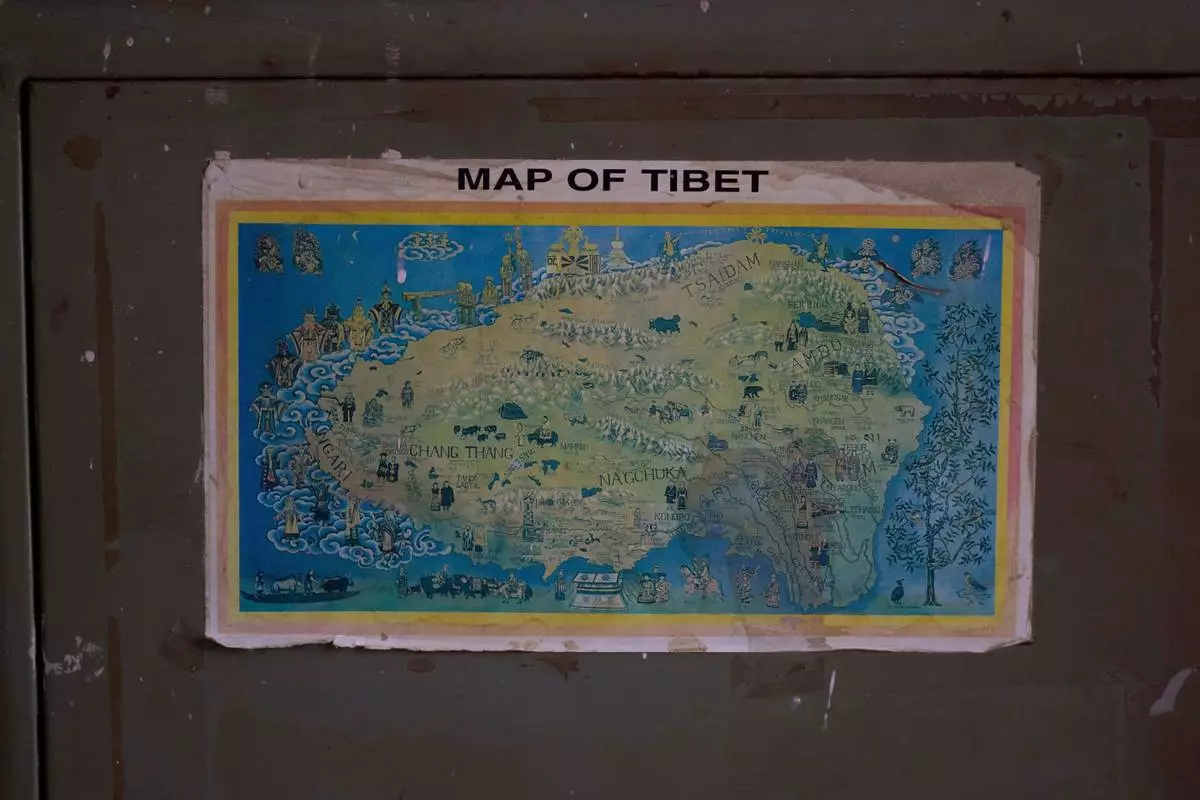
A map of Tibet hangs on the steel wardrobe at a camp in Kathmandu, Nepal, April 15, 2025. (AP Photo/Niranjan Shrestha)

A Tibetan living in exile shares his story during an interview in Kathmandu, Nepal, April 14, 2025. (AP Photo/Niranjan Shrestha)
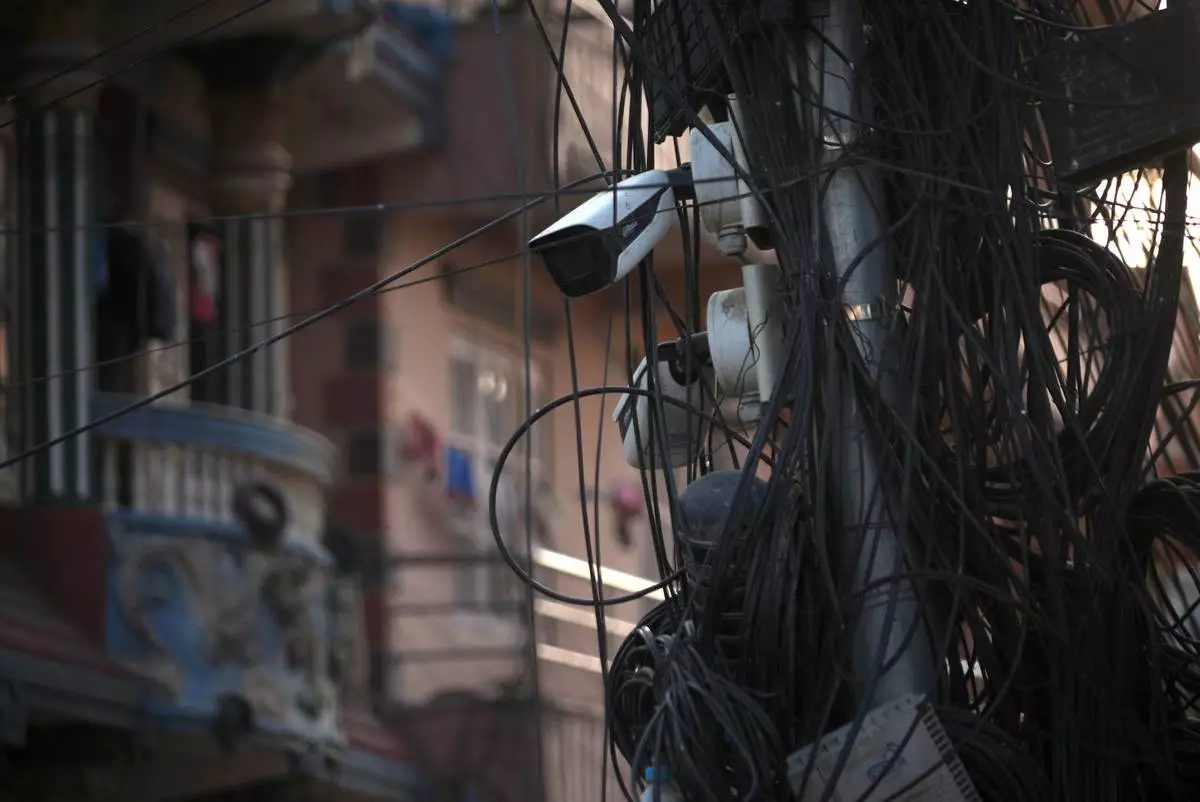
Dahua surveillance cameras monitor the streets of Kathmandu, Nepal, April 22, 2025. (AP Photo/Dake Kang)
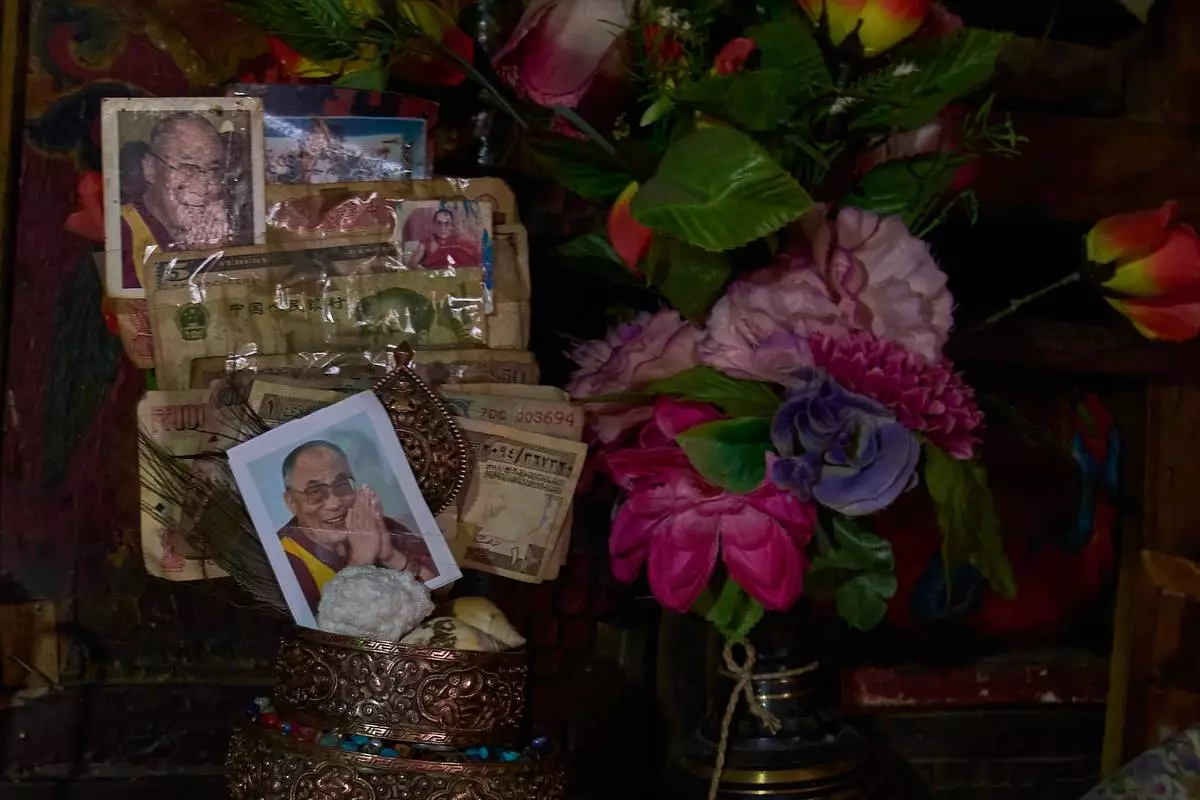
A photo of Tibetan spiritual leader the Dalai Lama is kept alongside various national currencies, including Chinese currency, at a monastery in Mustang, Nepal, April 17, 2025. (AP Photo/Niranjan Shrestha)
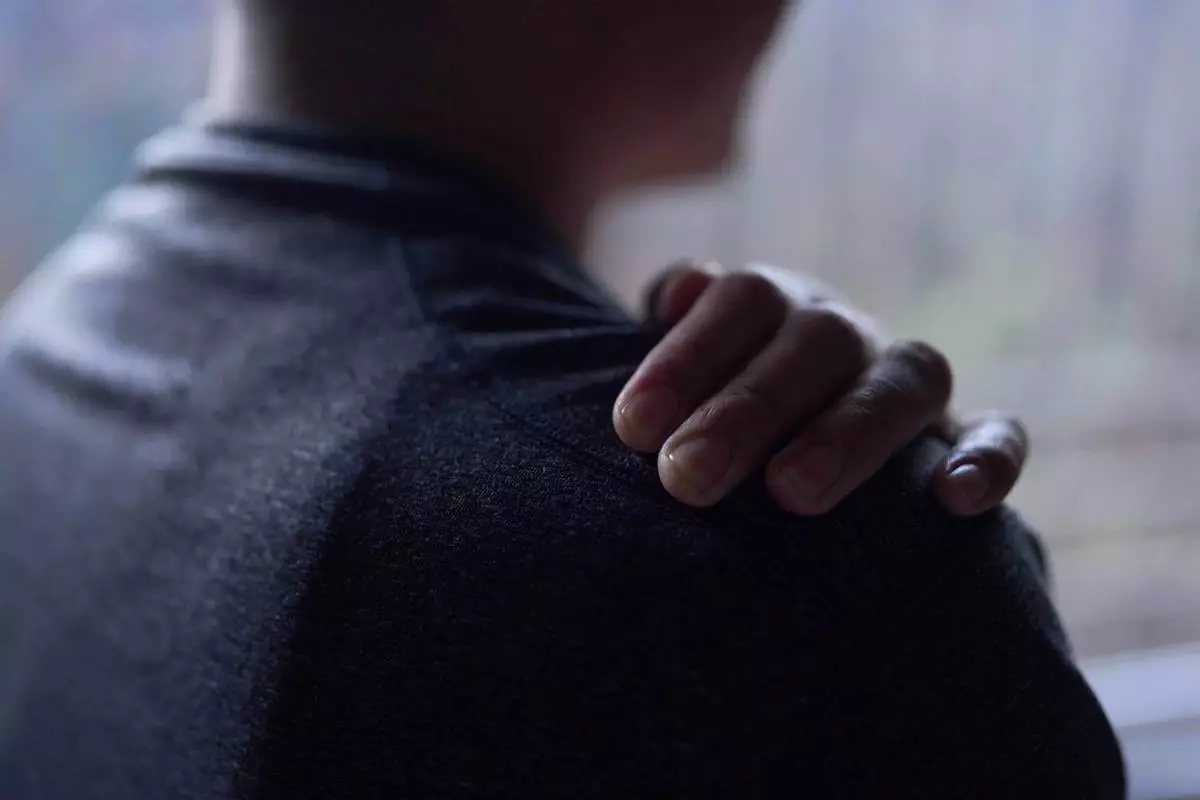
A Tibetan living in exile gets emotional as he shares his story during an interview in Kathmandu, Nepal, April 14, 2025. (AP Photo/Niranjan Shrestha)
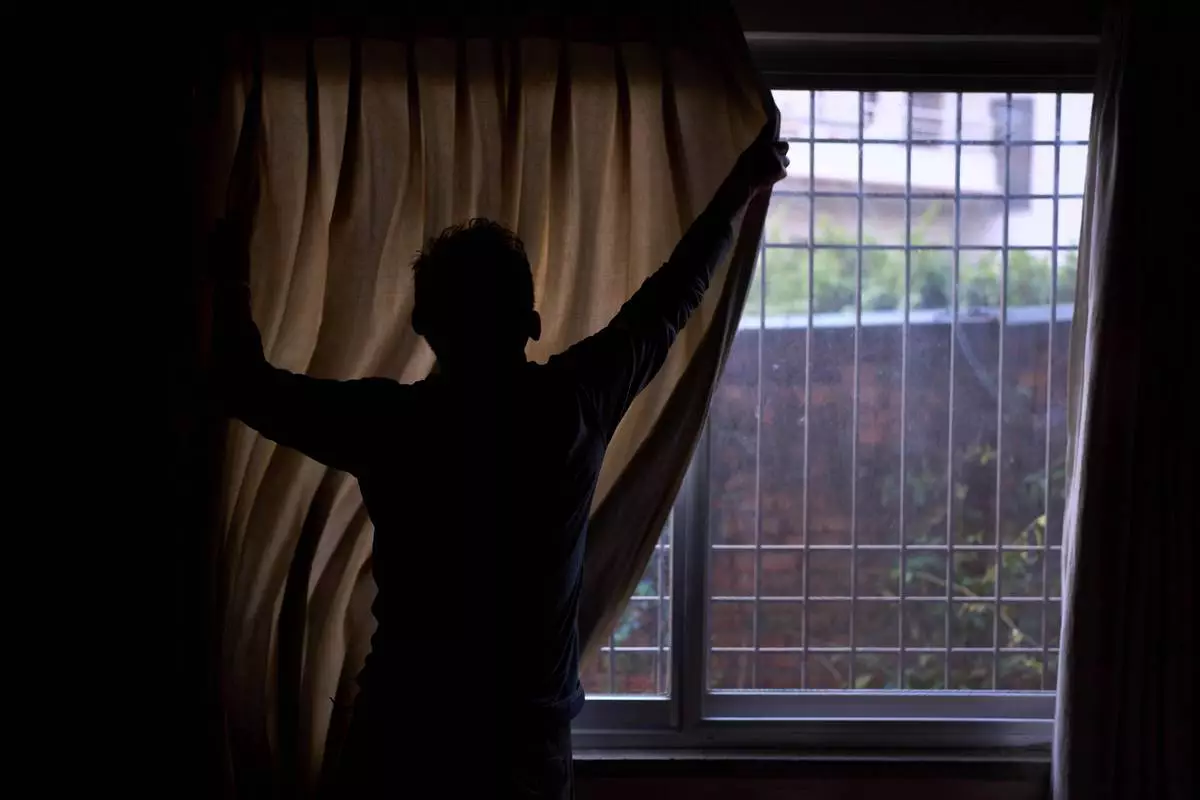
A Tibetan living in exile pulls the curtain before he gives an interview in Kathmandu, Nepal, April 14, 2025. (AP Photo/Niranjan Shrestha)
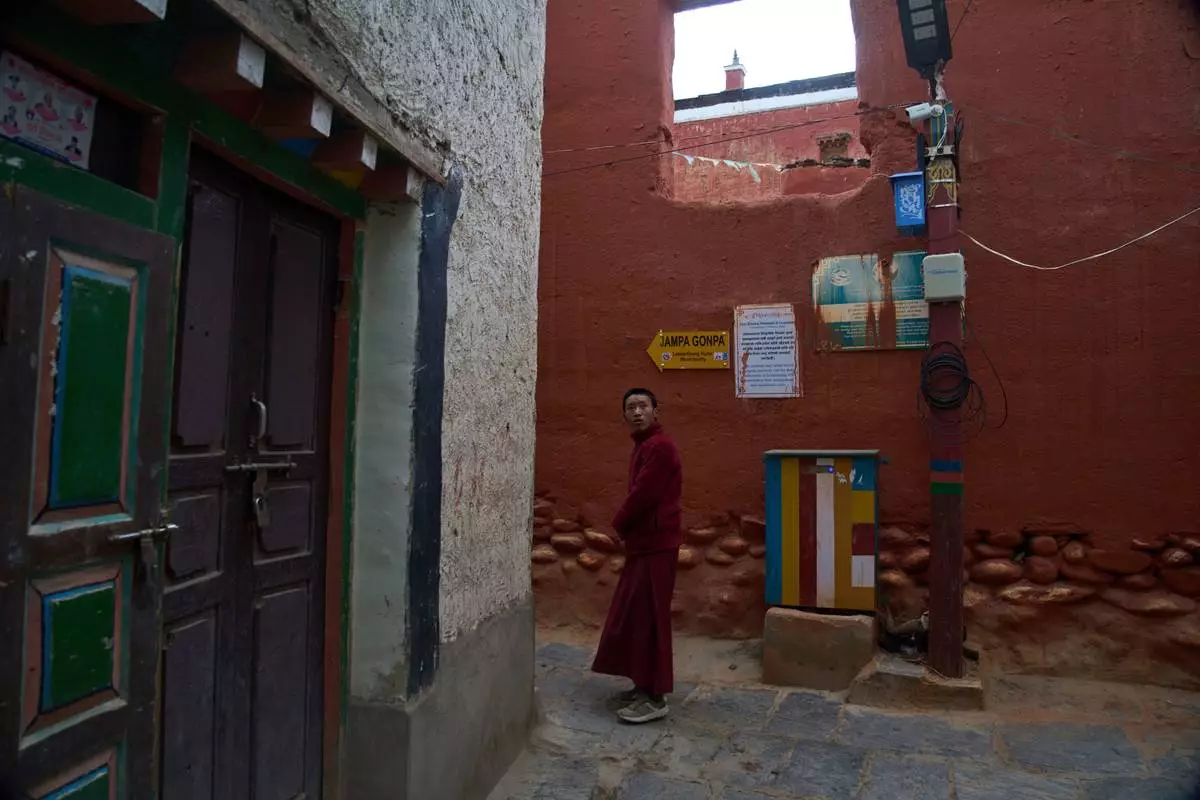
A Buddhist monk walks in an alley as a CCTV camera mounted on a pole watches over the area in the ancient ethnic Tibetan city of Mustang, Nepal, April 18, 2025. (AP Photo/Niranjan Shrestha)