Hong Kong Customs seizes suspected smuggled of Cattle Gallstones worth about $13.78 million
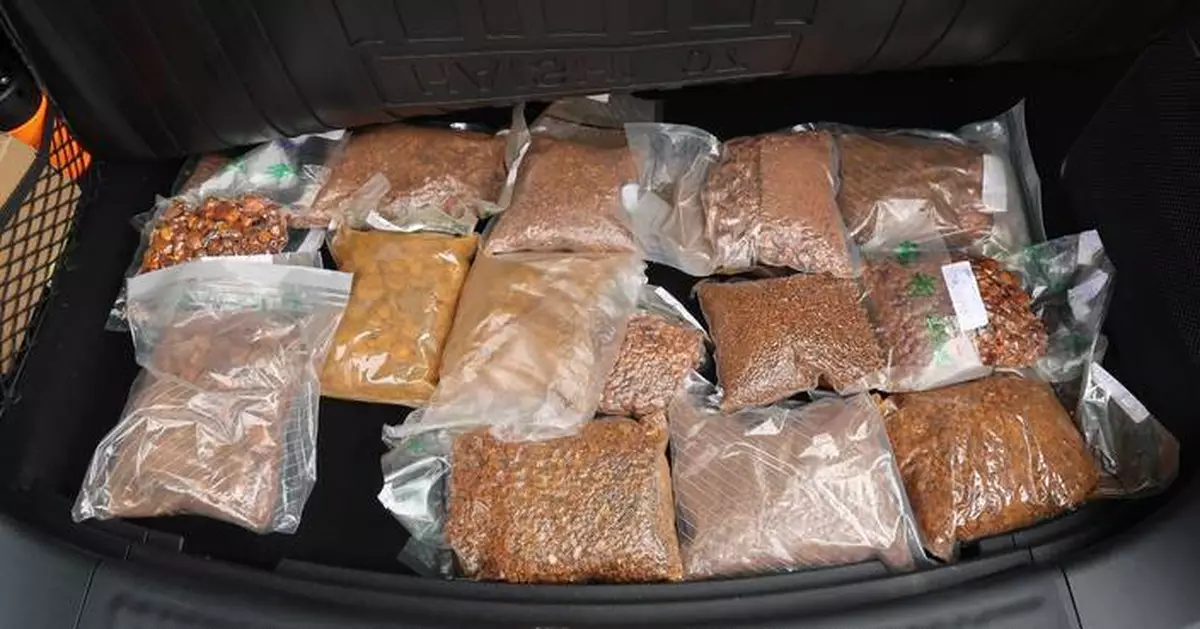
Hong Kong Customs today (December 20) detected a suspected smuggling case involving a private car at the Heung Yuen Wai Boundary Control Point and seized 12 kilograms suspected smuggled Cattle Gallstones with a total estimated market value of about $13.78 million.
Customs today intercepted an outgoing private car at the control point. The suspected smuggled items were seized from the rear trunk of the private car. The male driver, aged 47, was subsequently arrested.
An investigation is ongoing.
Customs will continue to combat cross-boundary smuggling activities with firm enforcement action based on risk assessment and intelligence analysis.
Smuggling is a serious offence. Under the Import and Export Ordinance, any person found guilty of importing or exporting unmanifested cargo is liable to a maximum fine of $2 million and imprisonment for seven years upon conviction.
Members of the public may report any suspected smuggling activities to Customs' 24-hour hotline 182 8080 or its dedicated crime-reporting email account (crimereport@customs.gov.hk) or online form (eform.cefs.gov.hk/form/ced002).
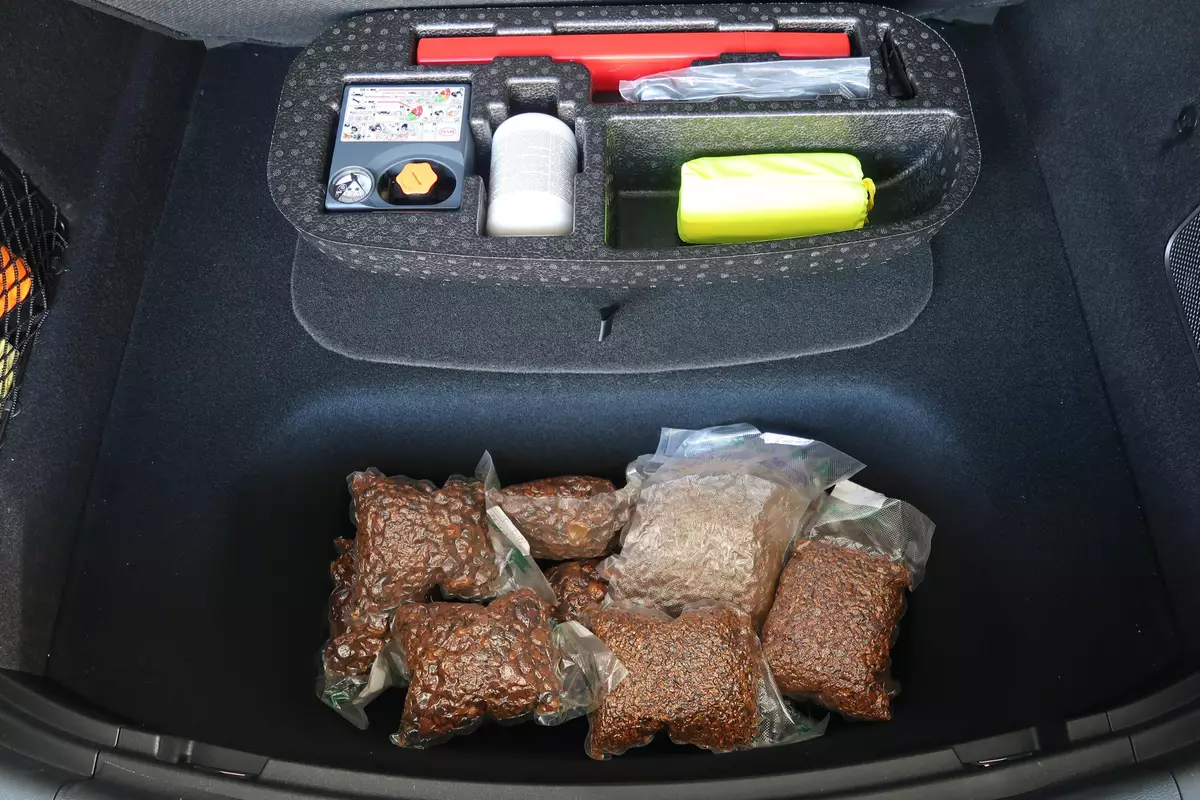
Hong Kong Customs seizes suspected smuggled of Cattle Gallstones worth about $13.78 million Source: HKSAR Government Press Releases
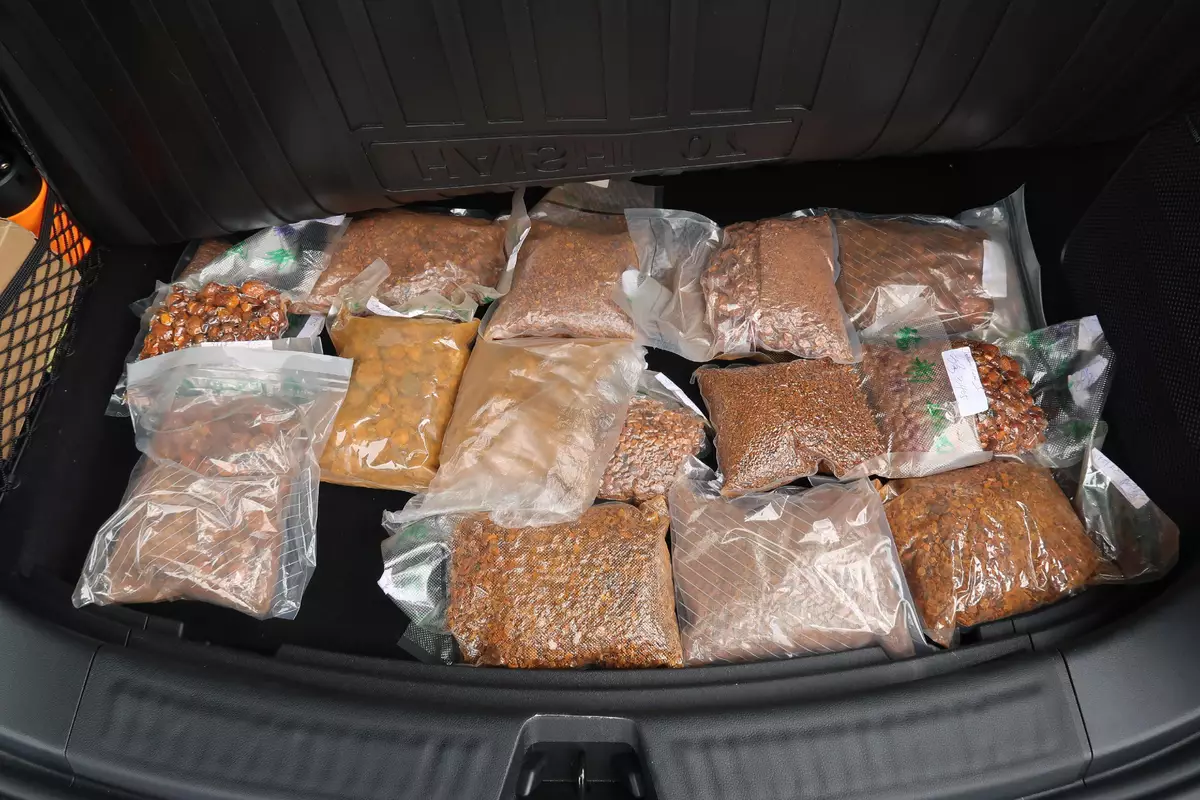
Hong Kong Customs seizes suspected smuggled of Cattle Gallstones worth about $13.78 million Source: HKSAR Government Press Releases
CHP investigates case of invasive meningococcal infection
The Centre for Health Protection (CHP) of the Department of Health today (December 20) is investigating a case of invasive meningococcal infection, and reminds the public to maintain good personal and environmental hygiene at all times to minimise the risk of contracting this serious disease.
The case involves a 30-year-old male with good past health. He presented with a fever, malaise and vomiting on December 18. He attended the Accident and Emergency Department of Yan Chai Hospital yesterday (December 19) and was admitted for treatment. The patient subsequently developed confusion and loss of speech. He is now in a stable condition. His cerebrospinal fluid specimen tested positive for Neisseria meningitidis upon laboratory testing. The clinical diagnosis was meningitis.
An initial investigation revealed that the patient had no travel history during the incubation period. His household contact has remained asymptomatic so far. The CHP will distribute preventive drugs to his close contacts and will continue the investigation.
Meningococcal infection is a statutory notifiable disease. Including this case, the CHP has recorded 11 cases this year.
Meningococcal infection is caused by a bacterium known as meningococcus. It is mainly transmitted by direct contact with respiratory secretions, including droplets from the nose and throat, of infected persons. Severe illness may result when the bacteria invade the bloodstream (meningococcaemia) or the membranes that envelop the brain and spinal cord (meningococcal meningitis). Meningococcaemia is characterised by a sudden onset of fever, an intense headache, purpura, shock and even death in severe cases. Meningococcal meningitis is characterised by high fever, severe headache, stiff neck followed by drowsiness, vomiting, fear of bright light, or rash; it can cause brain damage or even death.
To prevent meningococcal infection, members of the public are advised to take the following measures:
 Wash hands with liquid soap and water properly, especially when they are soiled by respiratory secretions, e.g. after sneezing, and clean hands with alcohol-based handrub when they are not visibly soiled;
Cover the nose and mouth when sneezing or coughing, hold the saliva with a tissue, dispose of nasal and mouth discharge in a lidded rubbish bin, and wash hands immediately;
Avoid crowded places;
Avoid close contact with patients who have a fever or severe headache;
Consult doctors about meningococcal vaccination before travelling to high-risk areas; and
Seek medical advice if you become ill after returning from high-risk areas, and discuss your recent travel history with your doctor.
Wash hands with liquid soap and water properly, especially when they are soiled by respiratory secretions, e.g. after sneezing, and clean hands with alcohol-based handrub when they are not visibly soiled;
Cover the nose and mouth when sneezing or coughing, hold the saliva with a tissue, dispose of nasal and mouth discharge in a lidded rubbish bin, and wash hands immediately;
Avoid crowded places;
Avoid close contact with patients who have a fever or severe headache;
Consult doctors about meningococcal vaccination before travelling to high-risk areas; and
Seek medical advice if you become ill after returning from high-risk areas, and discuss your recent travel history with your doctor.
The public may visit the CHP's website for more information on meningococcal infection.
Source: AI-found images