A Chinese team won the Battle of Robots at the Games of the Future 2025, which kicked off Thursday in Abu Dhabi, United Arab Emirates (UAE).
As one of the 11 robot competition projects, the Battle of Robots has attracted 16 teams from countries including the United States, Russia, Belarus and India.
Click to Gallery
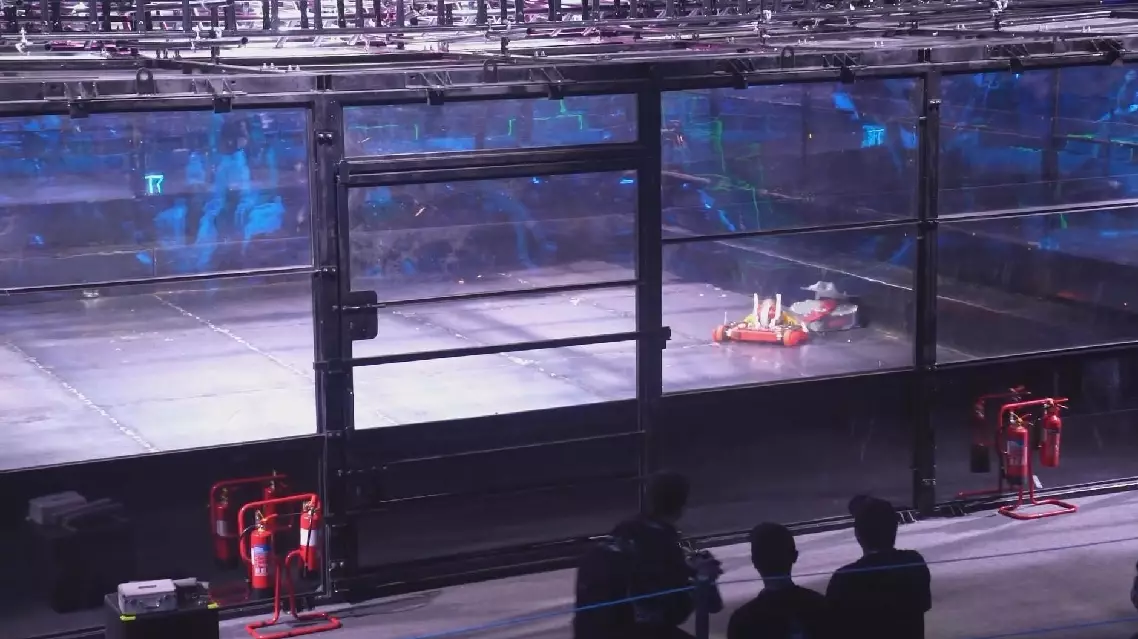
Chinese team wins Battle of Robots at Games of the Future 2025
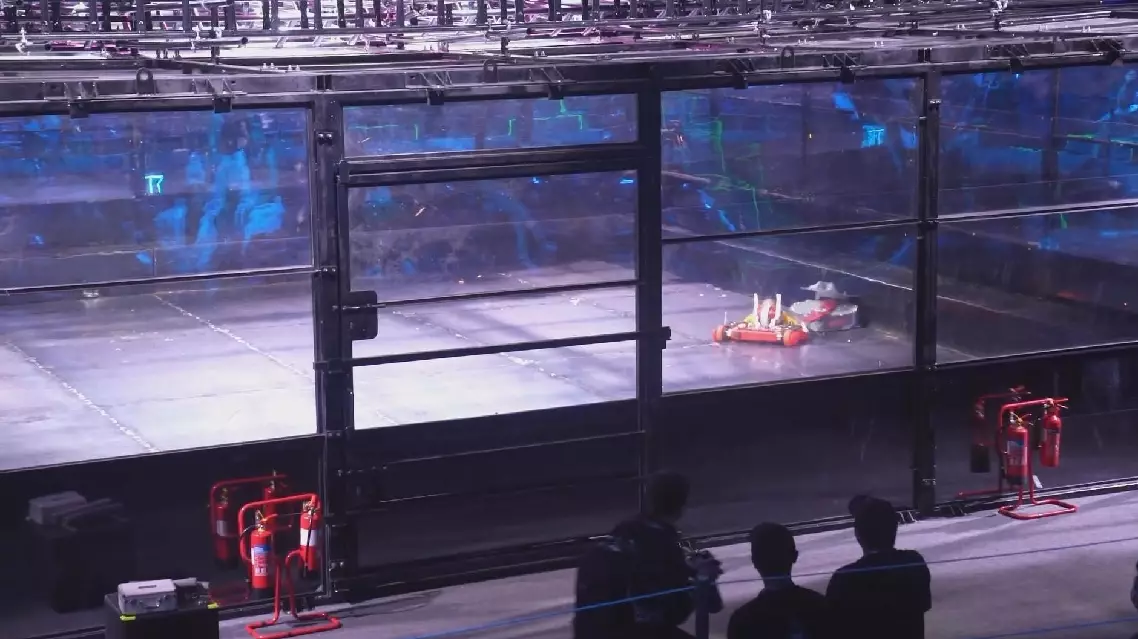
Chinese team wins Battle of Robots at Games of the Future 2025
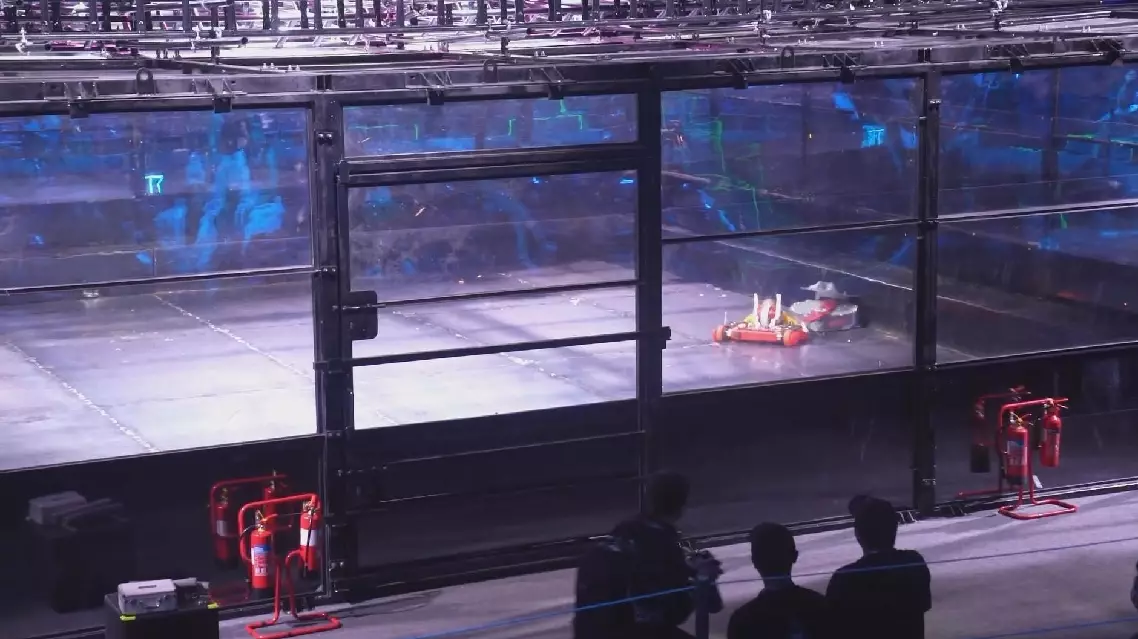
Chinese team wins Battle of Robots at Games of the Future 2025
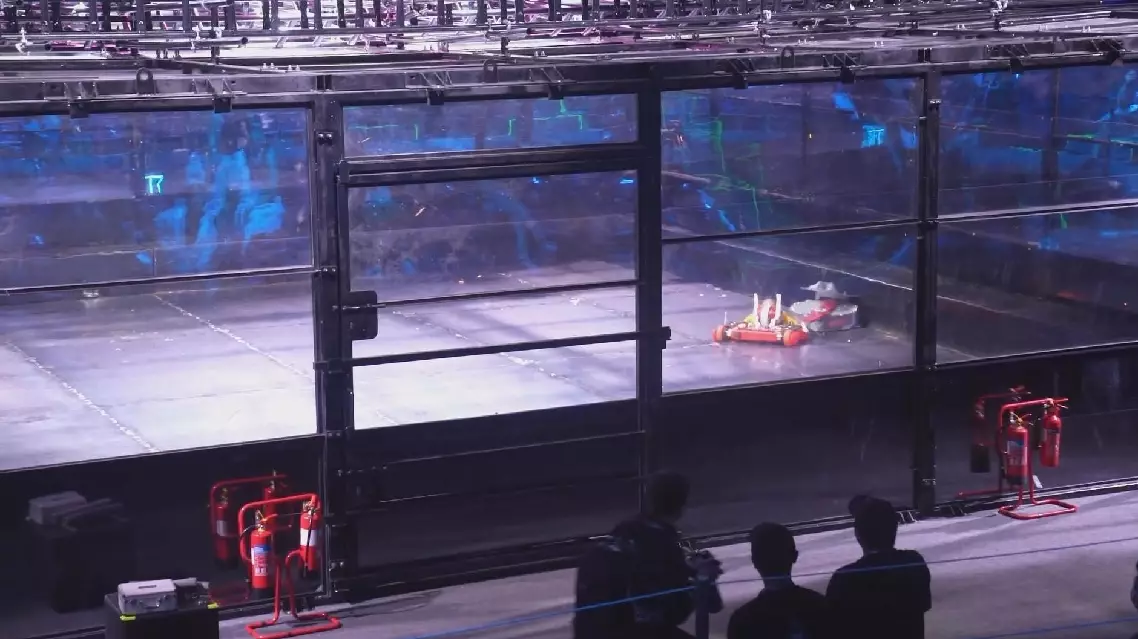
Chinese team wins Battle of Robots at Games of the Future 2025
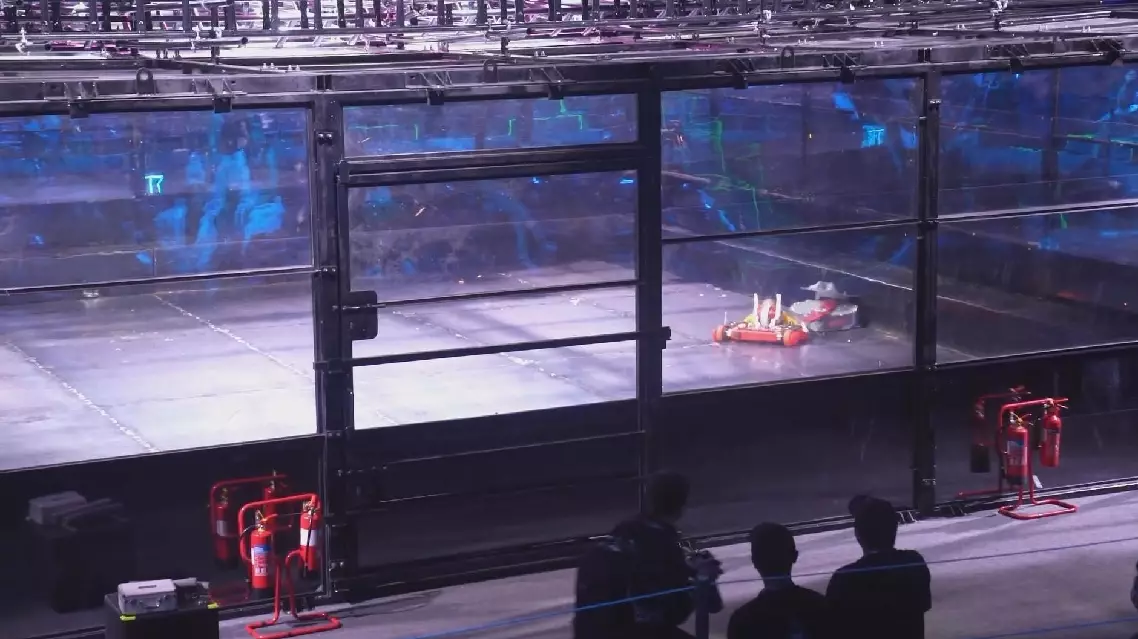
Chinese team wins Battle of Robots at Games of the Future 2025
To win in the fierce competition and prevent likely flaws in the robots, Qi Wenjie, the team leader, said that they made updates to the robots to contain current surges, a problem that could occur frequently and cause severe damage to the robots during competition .
"In combat, robots often encounter serious locked-rotor that can cause a sudden increase in current within the motors, leading to damage. It is a very common problem in competition. To deal with the issue, we worked with our supplier to develop an algorithm that can promptly curb the sudden current surge. When the robot suffers locked-rotor or overload, the algorithm will help prevent the entire circuit system from operating abnormally," said Qi.
The team also used a modular design to ensure a quick restoration for their robot.
"As the working environment for the robot is extremely harsh, it is very likely to cause damage during the confrontation. Therefore, by making the internal units modular, we can greatly increase the speed we replace the internal parts," said Qi.
Chinese team wins Battle of Robots at Games of the Future 2025
Chinese team wins Battle of Robots at Games of the Future 2025
Chinese team wins Battle of Robots at Games of the Future 2025
Chinese team wins Battle of Robots at Games of the Future 2025
Chinese team wins Battle of Robots at Games of the Future 2025