SHENZHEN, China--(BUSINESS WIRE)--Dec 22, 2025--
VOOPOO, a leading innovator in vaping technology, achieved significant breakthroughs in 2025 by launching a series of innovative and popular products. VOOPOO’s efforts have been recognized with multiple industry awards, including the Digital & Electronic Devices - Platinum Winner at the Muse Design Awards, as well as high honors from leading vaping media such as Vaping Post, Versed Vaper, iGeekphone, and Vapouround. None of this would have been possible without the steadfast support of our global community of fans and consumers.
This press release features multimedia. View the full release here: https://www.businesswire.com/news/home/20251219593256/en/
To express the heartfelt gratitude and ring in the festive season, VOOPOO is launching an enchanting giveaway! From December 18, 2025, to January 8, 2026, VOOPOO invites all users to embark on a “ VOOPOO’s Christmas Tree Magic: 100% Gifts Falling! ” digital treasure hunt, with guaranteed gifts for every participant.
The campaign centers on a hidden blessing concealed across VOOPOO’s official Instagram:
The prize pool features premium products and exclusive vouchers, including:
1. $200 & $100 Vouchers
The $200 & $100 vouchers are no-threshold coupons that can be used directly when shopping at VOOPOO Shop.
2. Christmas Gift Box featuringDRAG X3.
DRAG X3 features external 18650 / 21700 single battery, achieving vaping endurance beyond expectations. Capacitive unlock sensor and a 1.66” smart touchscreen deliver both security and instant interaction, while the PnP X platform and new integrated cartridges deliver refined flavor across MTL to DTL styles. Recognized for its outstanding design and performance, DRAG X3 was awarded the Digital & Electronic Devices – Gold Winner at the Muse Design Awards. It has also been acclaimed by the media outlet iGeekphone as the “TOP LARGE SCREEN POD MOD VAPE in 2025.”
3. iCOSM Gift Box featuringARGUS G3.
ARGUS G3 is VOOPOO’s 2025 flagship pod device, featuring the revolutionary iCOSM 2.0 system. Its breakthrough cartridge ensures 30-day leak-proof cleanliness, consistent flavor, and up to 100mL endurance. With a 1500mAh battery and lightweight 65g design, it delivers powerful, elegant performance in a compact form. ARGUS G3 stands out as an award-winning pod system, having received the Digital & Electronic Devices – Gold Winner at the Muse Design Awards and being honored as the “TOP BEST POD SYSTEM in 2025” by iGeekphone.
Beyond the above-mentioned prizes, the prize pool is further enriched with a selection of acclaimed products, including the award-winning DRAG S3, the high-performance VRIZZ 2, the popular VOOPOO VINCI S. As a bonus, 50% OFF vouchers are offered as a guaranteed reward to everyone who joins.
VOOPOO’s festive hunt merges holiday magic with cutting-edge innovation, offering a chance to experience their award-winning technology. Don’t miss out—follow @voopoo.global and start your hunt!
Disclaimer:
Warning: This product may be used with e-liquid products containing nicotine, which is a highly addictive substance.
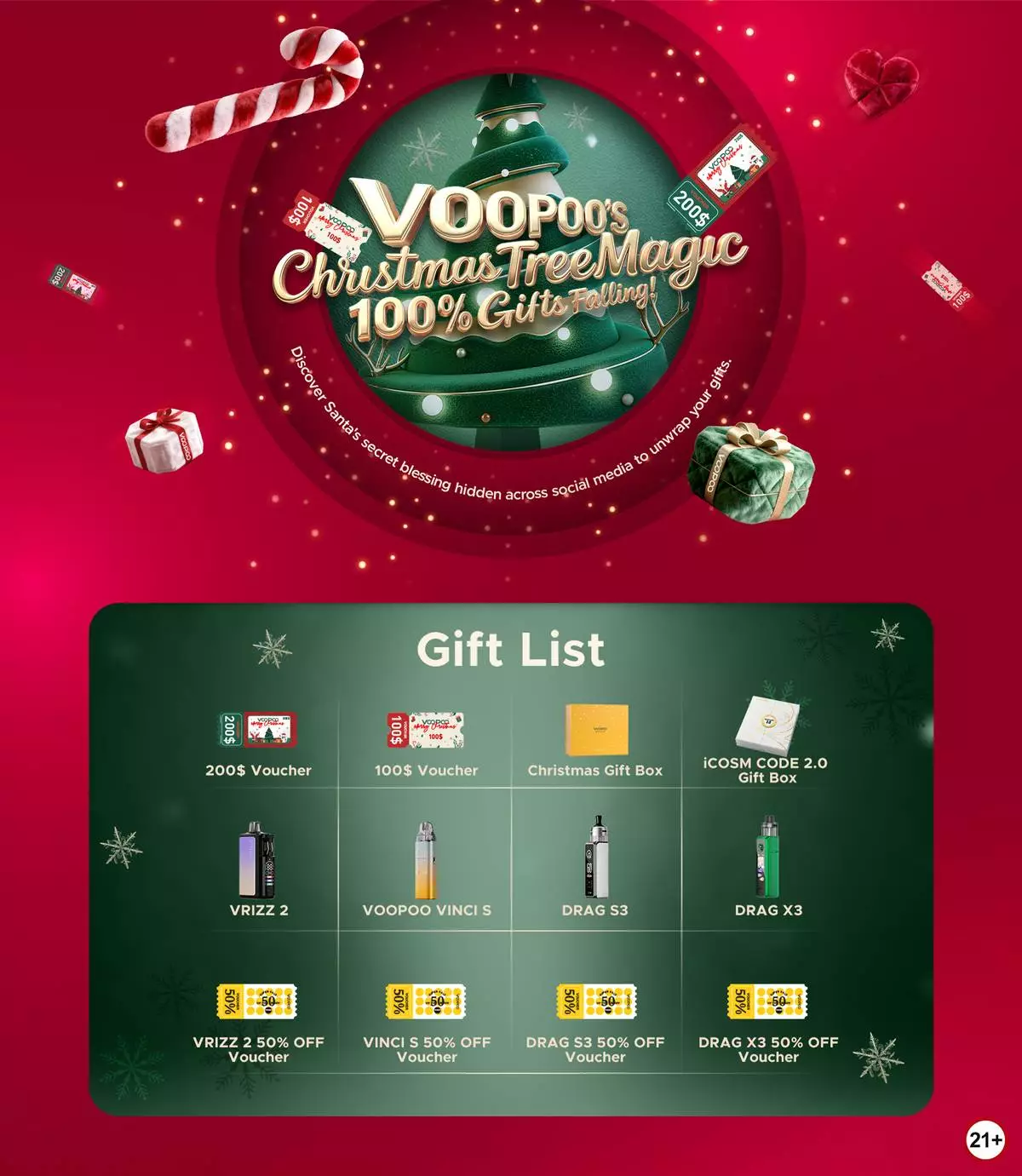
VOOPOO's 2025 Christmas Campaign
DUBAI, United Arab Emirates (AP) — Iran responded to U.S. President Donald Trump’s address to Americans on the war with new missile attacks targeting Israel and the Gulf Arab states Thursday, underlining Tehran’s insistence that it rejected Washington’s outreach for a ceasefire while maintaining its grip on the Strait of Hormuz.
Britain planned to hold a call Thursday with nearly three dozen countries about how to reopen the strait, through which 20% of all oil and natural gas traded passes in peacetime. The 35 countries, including all G7 industrialized democracies except the U.S., as well as the United Arab Emirates and Bahrain, signed a declaration last month demanding Iran stop blocking the strait. The call will discuss “diplomatic and political measures” that could restore shipping once the fighting is over.
Washington has insisted that Iran allow ships to freely transit the strait, but Trump this week has said it is not up to the U.S. to force it, and in his address encouraged countries that receive oil through Hormuz to “build some delayed courage” and go “take it.”
In his address, Trump said the U.S. would hit Iran “extremely hard over the next two to three weeks,” while also insisting American “core strategic objectives are nearing completion.”
Iran's military said defiantly on Thursday that its armament facilities are hidden and will never be reached by Israeli or American attacks.
“The centers you think you have targeted are insignificant,” said Lt. Col. Ebrahim Zolfaghari, a spokesman for the Iranian military’s Khatam Al-Anbiya Central Headquarters.
Just before Trump began his nearly 20-minute address on Wednesday, explosions were heard in Dubai as air defenses worked to intercept an Iranian missile barrage. Less than a half hour after the president was done, Israel said its military was working to intercept incoming missiles.
Sirens sounded in Bahrain, home to the U.S. Navy's 5th Fleet, immediately after the speech.
Following a joint statement in March condemning Iranian attacks on unarmed commercial vessels that called upon Iran to “cease immediately its threats, laying of mines, drone and missile attacks and other attempts to block the strait,” the 35 signatories were to hold a virtual meeting Thursday hosted by British Foreign Secretary Yvette Cooper.
Though the oil and gas that typically transits the Strait of Hormuz primarily is sold to Asian nations, Japan and South Korea were the only two countries from the region that were joining.
“Trump’s message was that the United States can sustain its own economic and energy ecosystem, while countries dependent on regional exports will either have to buy from the United States or manage the Strait themselves,” the New York-based Soufan Center think tank wrote after the address.
“While Trump explicitly thanked U.S. allies in the Persian Gulf for their cooperation and allyship, an expedited U.S. withdrawal without securing the strait will leave many of these countries, whose economies are dependent on energy exports, in the lurch.”
No country appears willing to try and open the strait by force while the war is raging. British Prime Minister Keir Starmer said the group “will assess all viable diplomatic and political measures we can take to restore freedom of navigation, guarantee the safety of trapped ships and seafarers and to resume the movement of vital commodities.”
Bahrain, which now holds the presidency of the United Nations Security Council, has been working to get the world body to address the crisis as well.
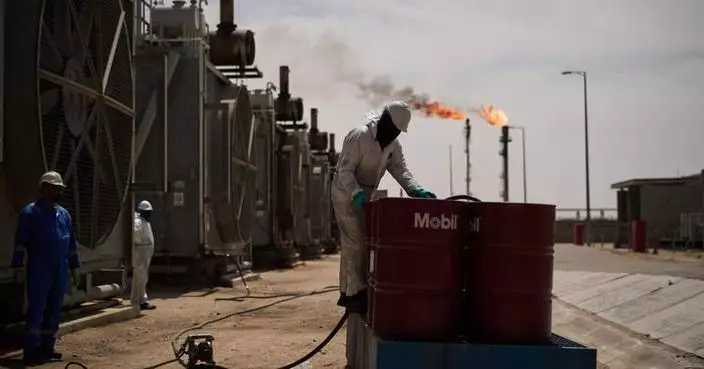
Though Iran has allowed a trickle of ships through the strait, it remains largely closed. Iran has also been repeatedly attacking Gulf Arab energy infrastructure, sending oil prices skyrocketing and giving rise to broader economic problems worldwide.
Following Trump's speech, Brent crude, the international standard, rose again and was at $108 in early spot trading, up nearly 50% from Feb. 28 when Israel and the U.S. started the war with their attacks on Iran.
The rising energy prices and stock market jitters have been putting increasing domestic pressure on Trump, who used his address to offer a defense of the war while also suggesting it was close to winding down.
He acknowledged American service members who had been killed and said: “We are going to finish the job, and we’re going to finish it very fast. We’re getting very close.”
The U.S. has presented Iran with a 15-point plan for a ceasefire, but Trump didn’t say anything about the diplomatic efforts or bring up his April 6 deadline for Iran to reopen the Strait of Hormuz or face severe retaliation from the U.S.
More than 1,900 people have been killed in Iran during the war, while 19 have been reported dead in Israel. More than two dozen people have died in Gulf states and the occupied West Bank, while 13 U.S. service members have been killed.
More than 1,200 people have been killed in Lebanon and more than 1 million displaced, according to authorities. Ten Israeli soldiers have also died there.
Weissert reported from Washington and Rising reported from Bangkok.
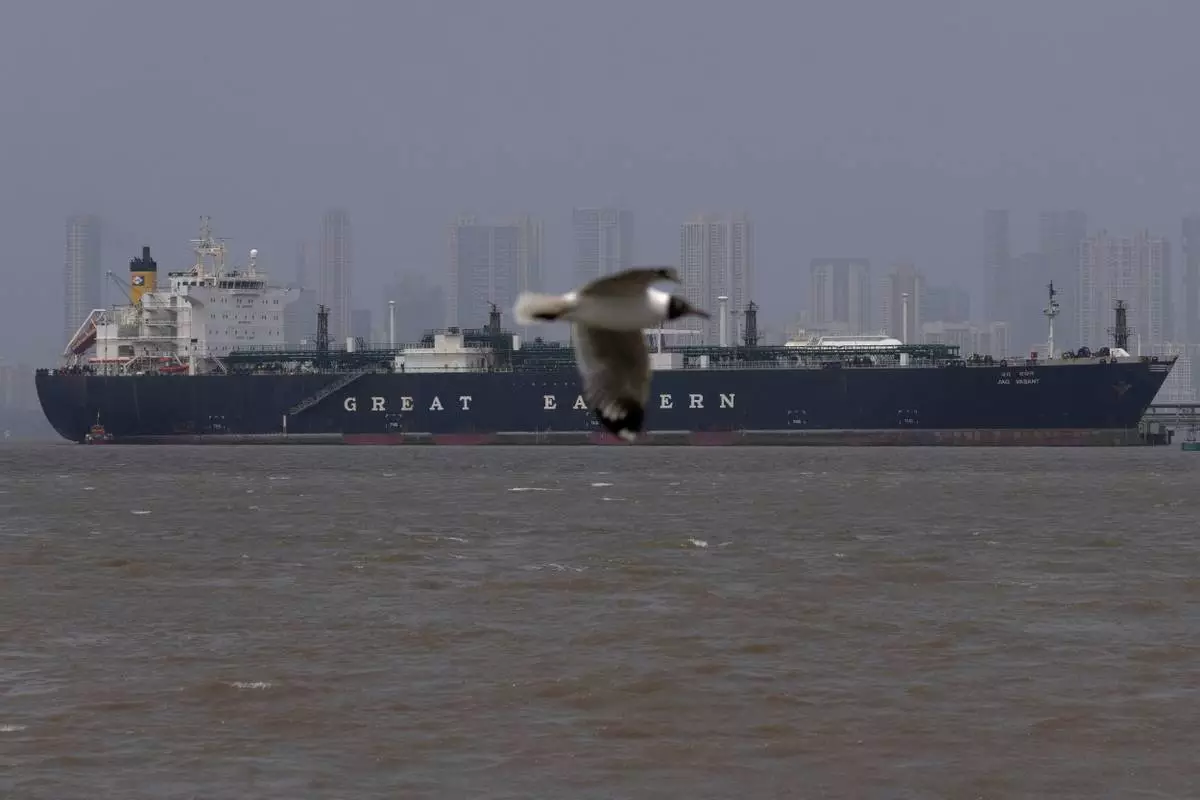
The Indian flagged LPG carrier Jag Vasant transporting liquefied petroleum gas, is seen at the Mumbai Port in Mumbai, India, after it arrived clearing the Strait of Hormuz, Wednesday, April 1, 2026. (AP Photo/Rafiq Maqbool)
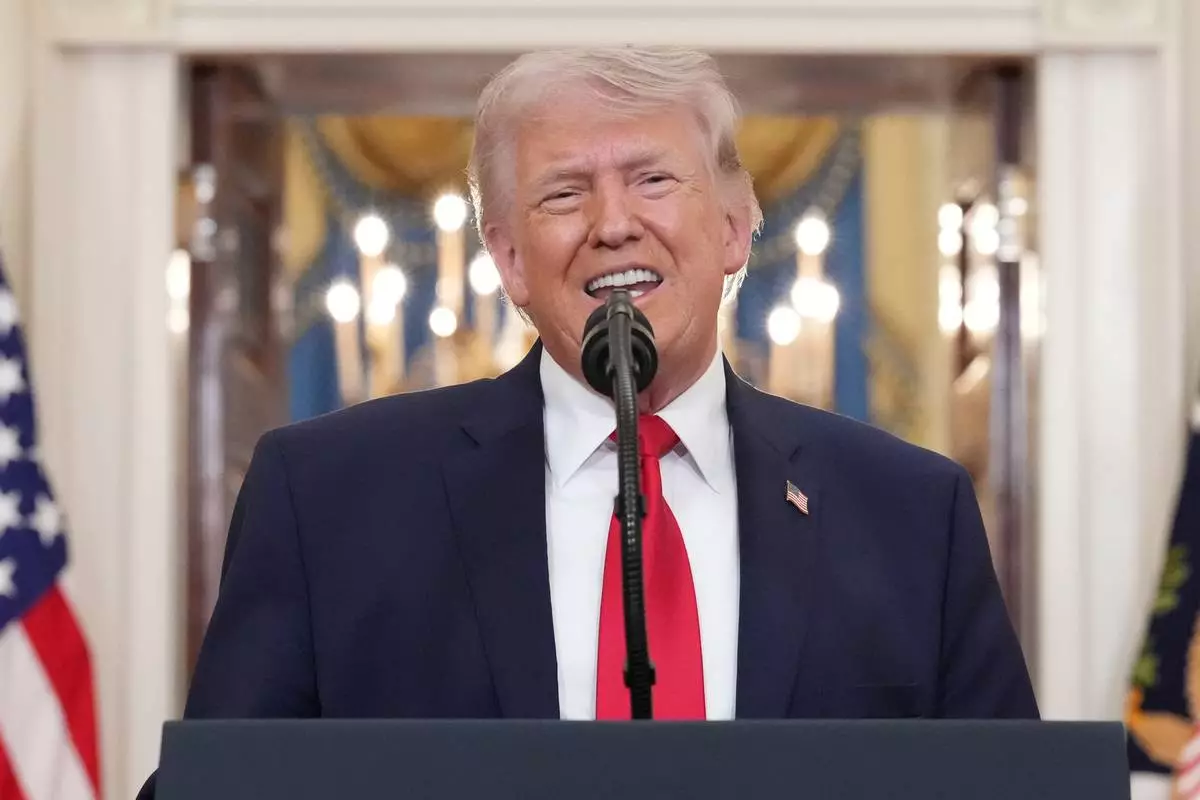
President Donald Trump speaks about the Iran war from the Cross Hall of the White House on Wednesday, April 1, 2026, in Washington. (AP Photo/Alex Brandon, Pool)
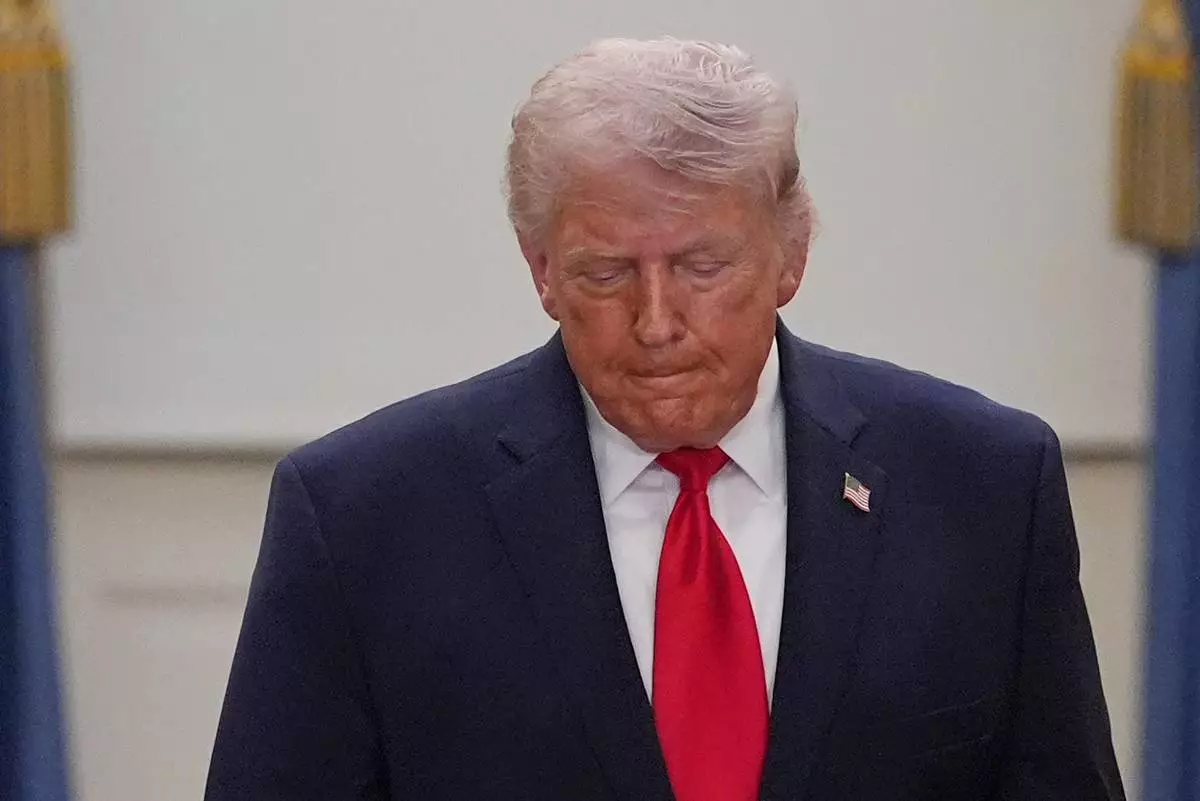
President Donald Trump walks from the Blue Room to speak about the Iran war from the Cross Hall of the White House on Wednesday, April 1, 2026, in Washington. (AP Photo/Alex Brandon, Pool)
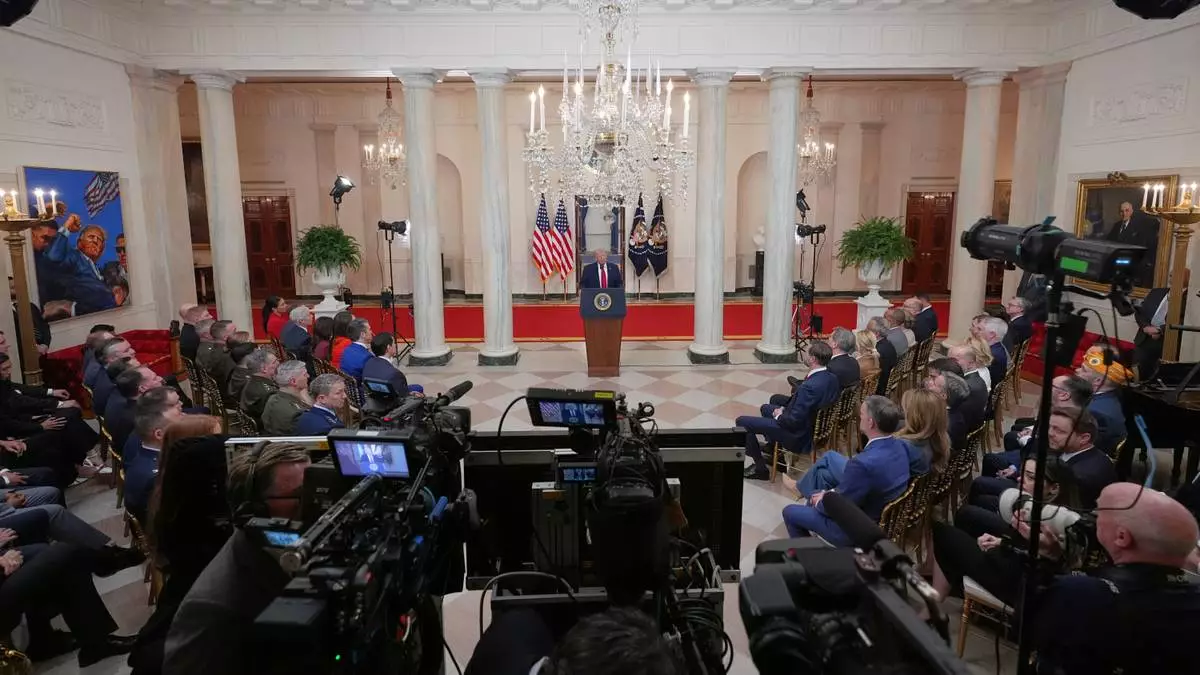
President Donald Trump speaks about the Iran war from the Cross Hall of the White House on Wednesday, April 1, 2026, in Washington. (AP Photo/Alex Brandon, Pool)
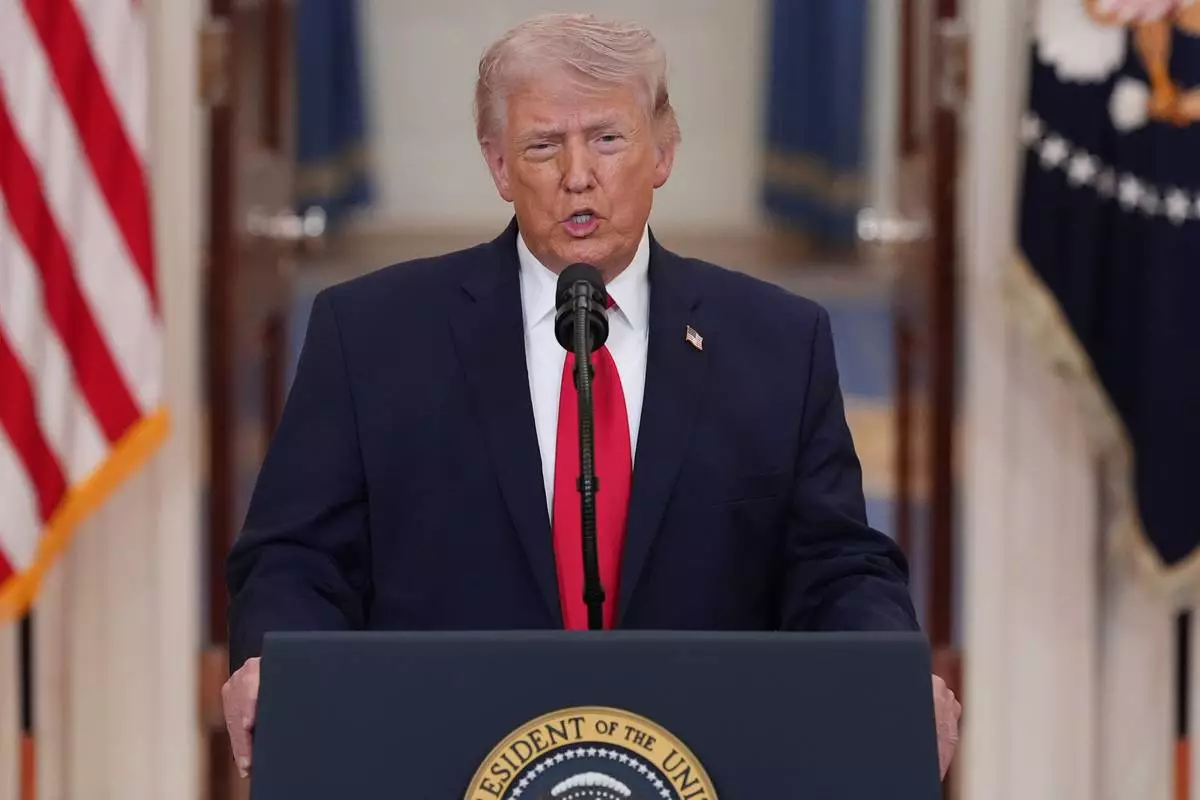
President Donald Trump speaks about the Iran war from the Cross Hall of the White House on Wednesday, April 1, 2026, in Washington. (AP Photo/Alex Brandon, Pool)