China has strengthened soil and water conservation during the 14th Five-year Plan period (2021-2025), lifting the proportion of land unaffected by erosion to above 73 percent of the nation's territory, the Ministry of Water Resources said on Monday at a press briefing.
The rate refers to the share of land with good soil and water conditions relative to total territory, or the proportion of non-erosion areas. It is used as a macro indicator of overall conservation progress. Over the past five years, China has treated more than 340,000 square kilometers of land to combat erosion, and reduced eroded land by about 116,000 square kilometers, the ministry said.
The country has effectively addressed soil erosion in key regions. Focusing on the upper and middle reaches of major rivers, the black soil region in northeast China, and the karst areas in southwest China, central government investment has supported comprehensive small watershed management across the board, treating 67,000 square kilometers of soil erosion. Soil erosion intensity in the project implementation areas has decreased by 15 to 20 percentage points, with marked improvements in ecosystem quality and stability.
On the Loess Plateau, China built or upgraded nearly 7,000 silt dams, which boosted water retention and reduced sediment flowing into the Yellow River, the ministry said.
China has also rehabilitated about 267,000 hectares of sloping farmland and treated 38,000 gullies -- channels eroded by runoff -- in the black-soil region of northeast China, aiming to improve cultivation conditions and protect the fertile land known as the "giant panda of arable soil."
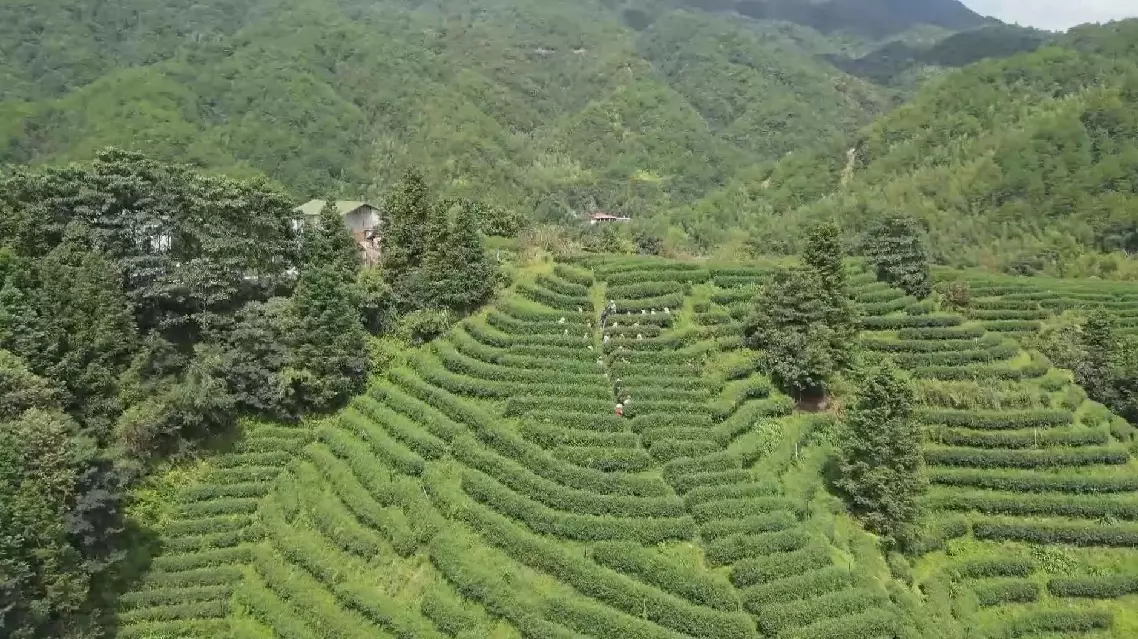
China’s soil, water conservation rate exceeds 73 pct during 2021-2025 period