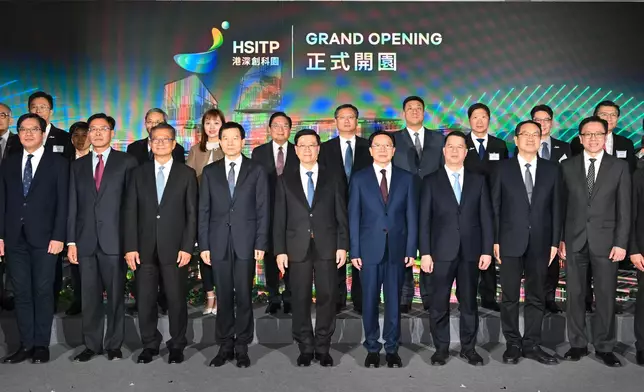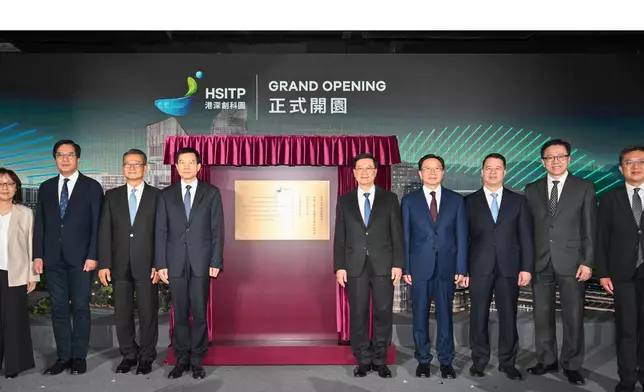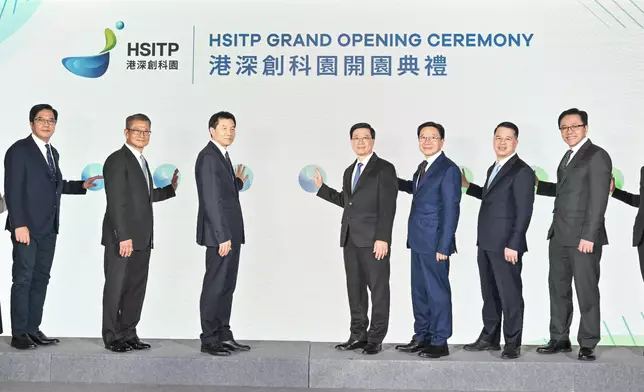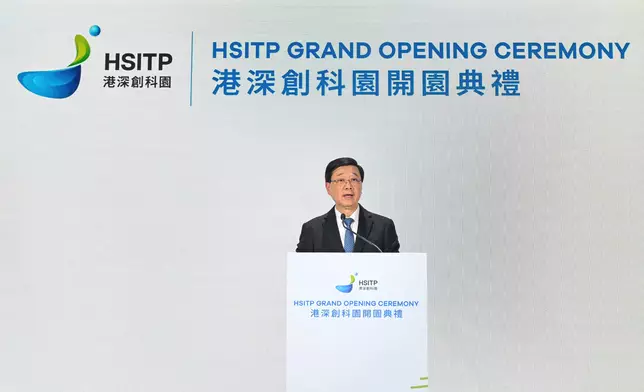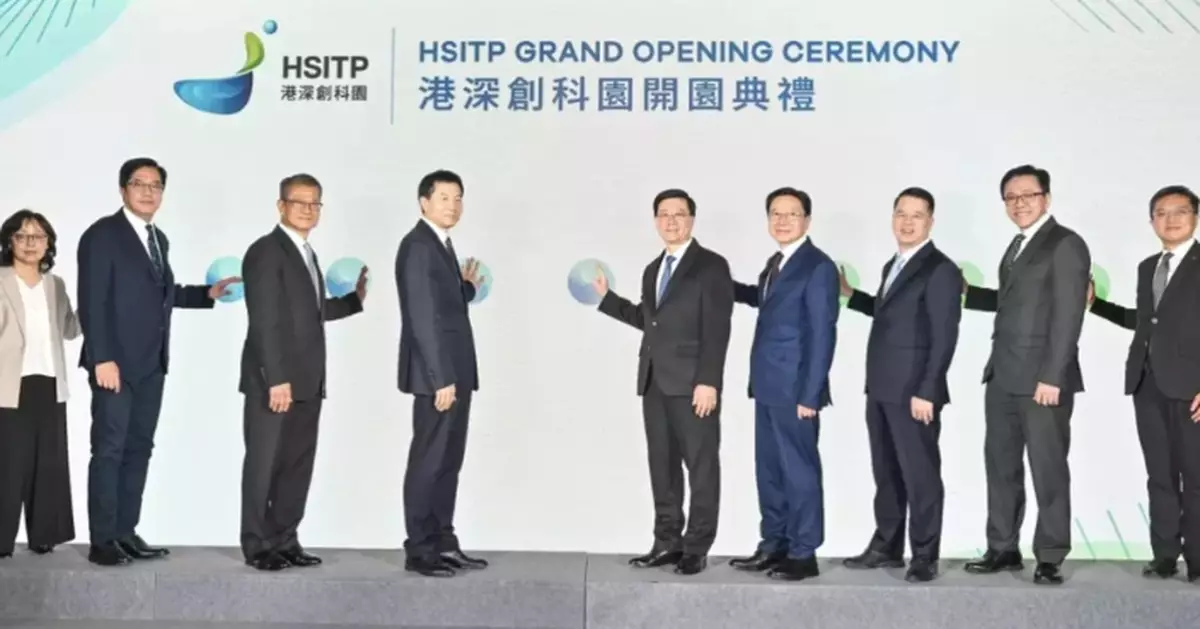
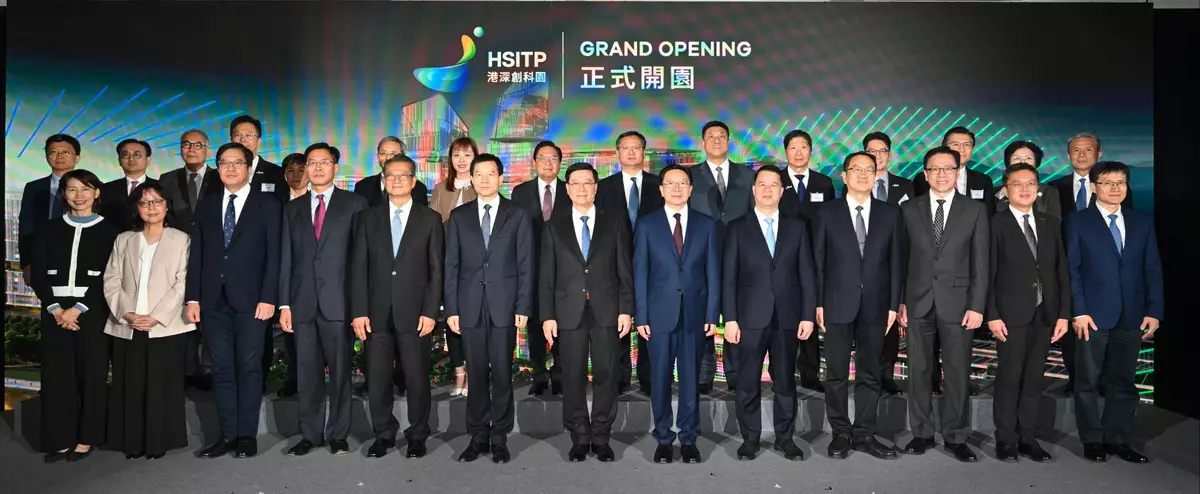
CE officiates at opening ceremony of Hong Kong Park in the Loop
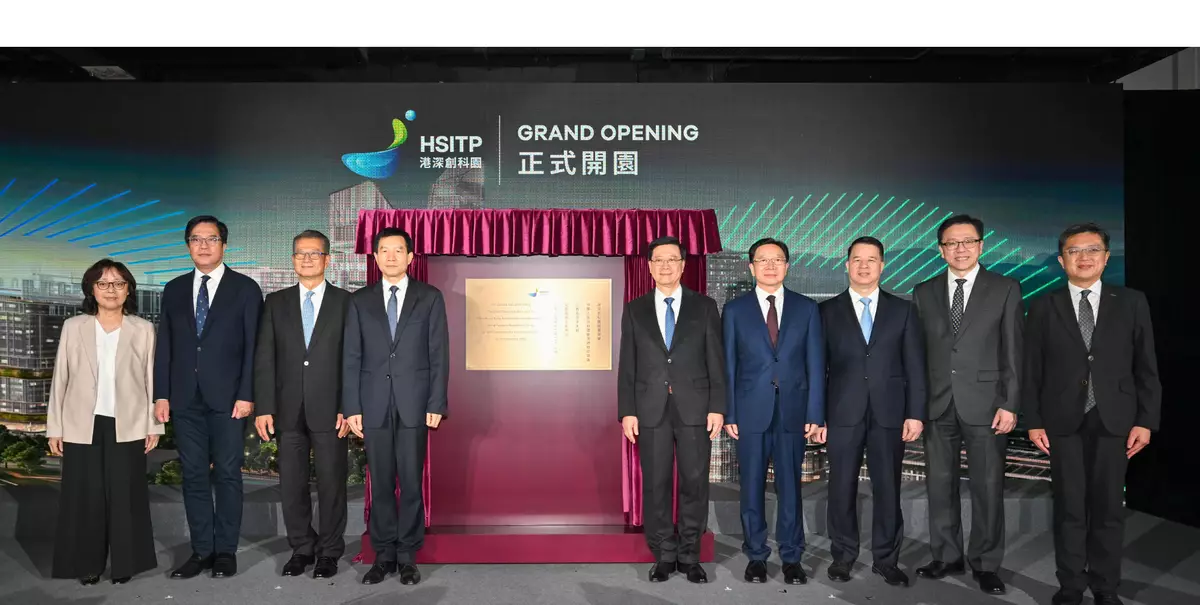
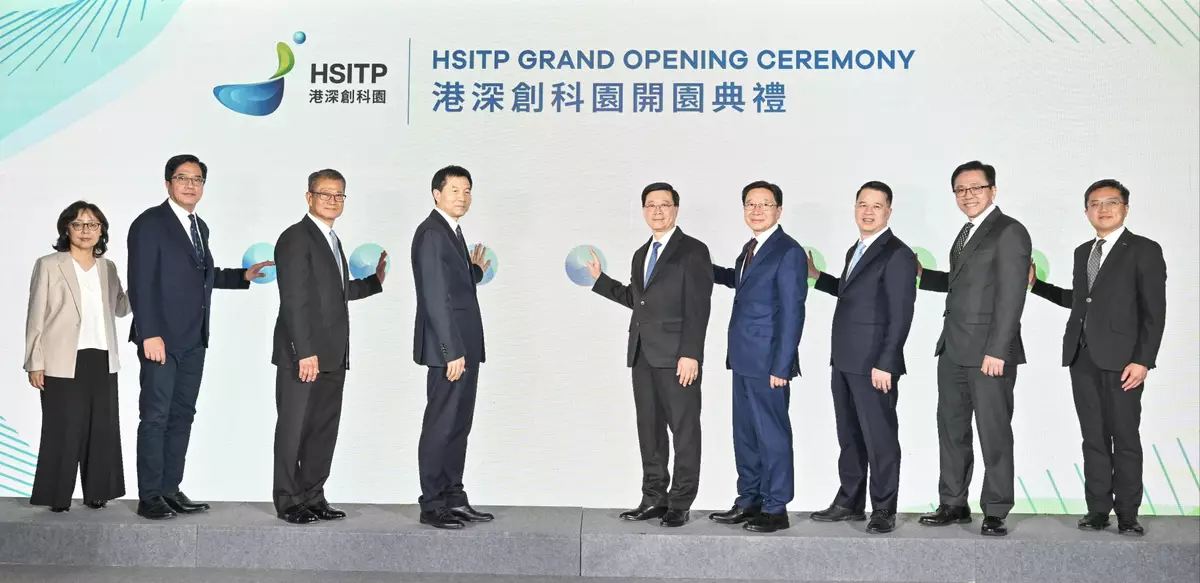
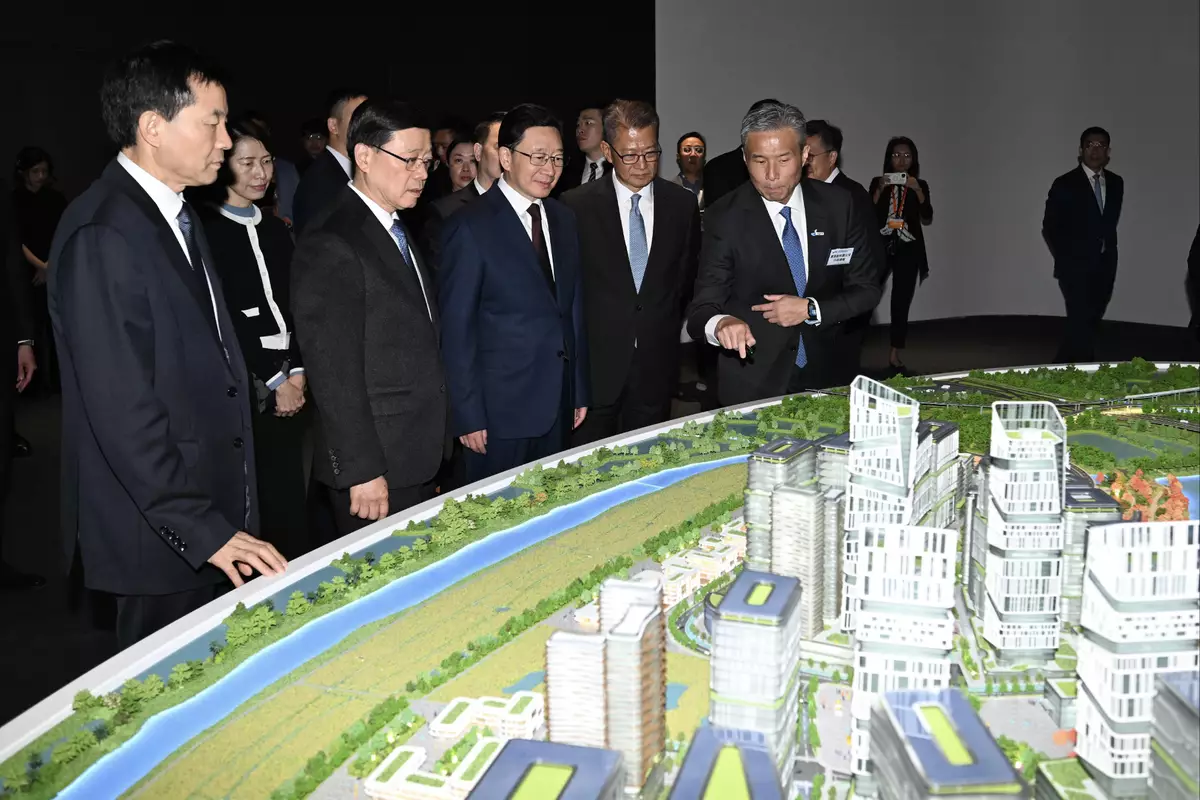
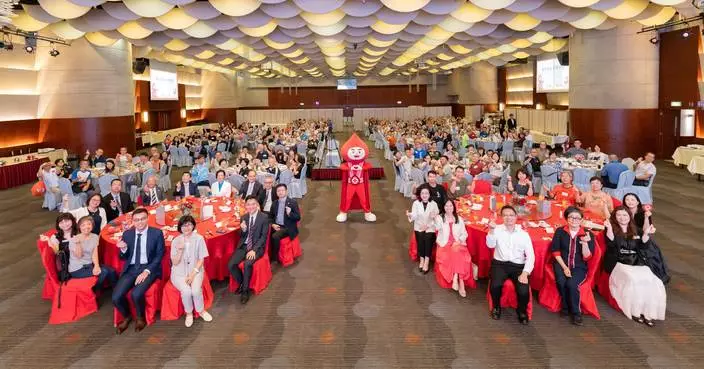
The Chief Executive, Mr John Lee, today (December 22) officiated at the opening ceremony of the Hong Kong Park of the Hetao Shenzhen-Hong Kong Science and Technology Innovation Co-operation Zone (Hetao Co-operation Zone). The Hetao Co-operation Zone is one of the four major co-operation platforms among the Guangdong-Hong Kong-Macao Greater Bay Area under the National 14th Five-Year Plan. The Hong Kong Park is envisioned to develop into a world-class hub for technological innovation that connects the Chinese Mainland with the international community, and to serve as an important source for fostering and advancing new quality productive forces for the country.
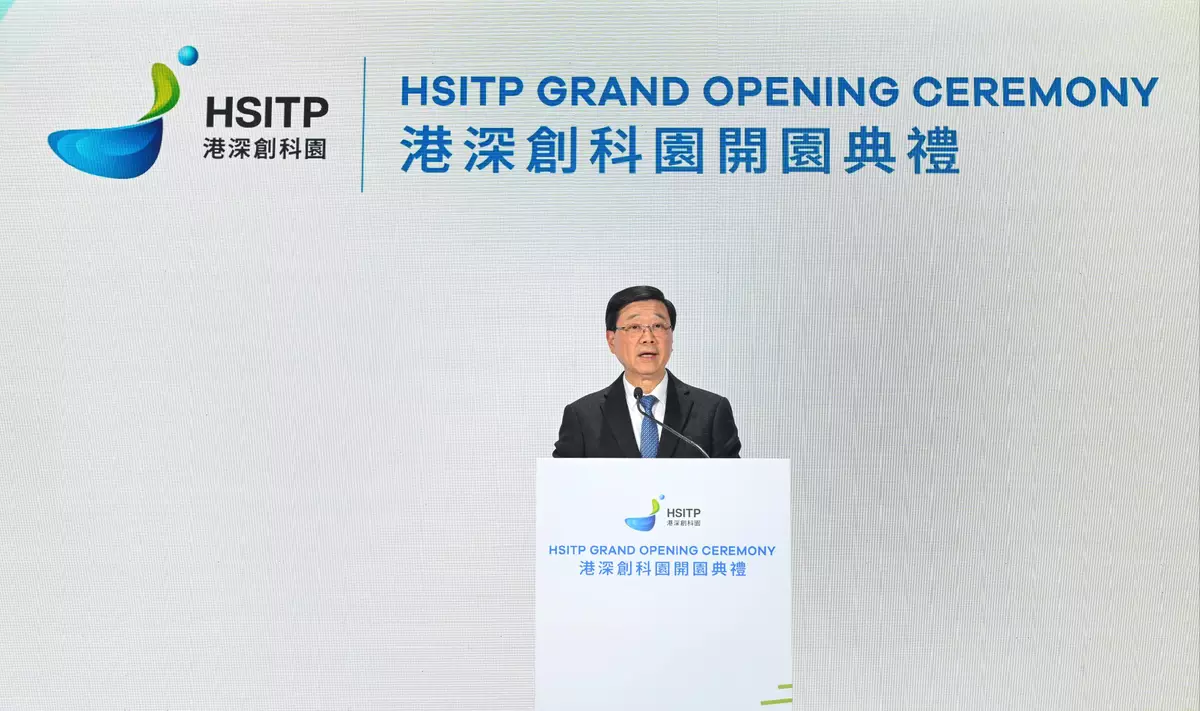
Speaking at the opening ceremony, Mr Lee remarked that, "The development objective of the Hetao Co-operation Zone is set out to become a world-class innovation platform. As a major national technological innovation co-operation zone, it spans across two different social systems geographically, leveraging the strengths of the respective economic frameworks and judicial regimes."
"We will continue to drive forward the construction and development of the Hong Kong Park by optimising institutional integration, strengthening policy support, actively attracting high-quality enterprises and world-class research teams, etc. I am confident that the Hetao Co-operation Zone will emerge as a bridgehead and testing ground for Hong Kong's I&T development. It will also become a showcase for pioneering policies within the Guangdong-Hong Kong-Macao Greater Bay Area and across the global innovation landscape. It is a powerful Hong Kong engine for growth."
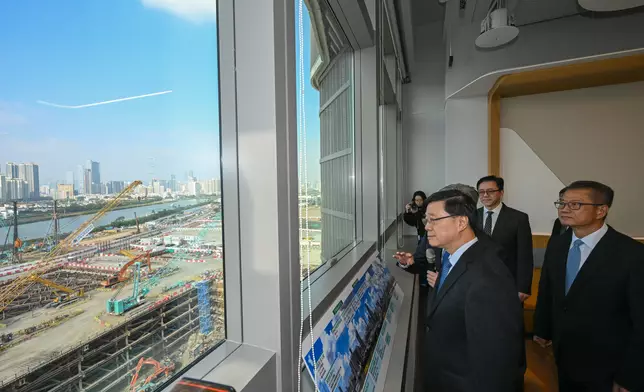
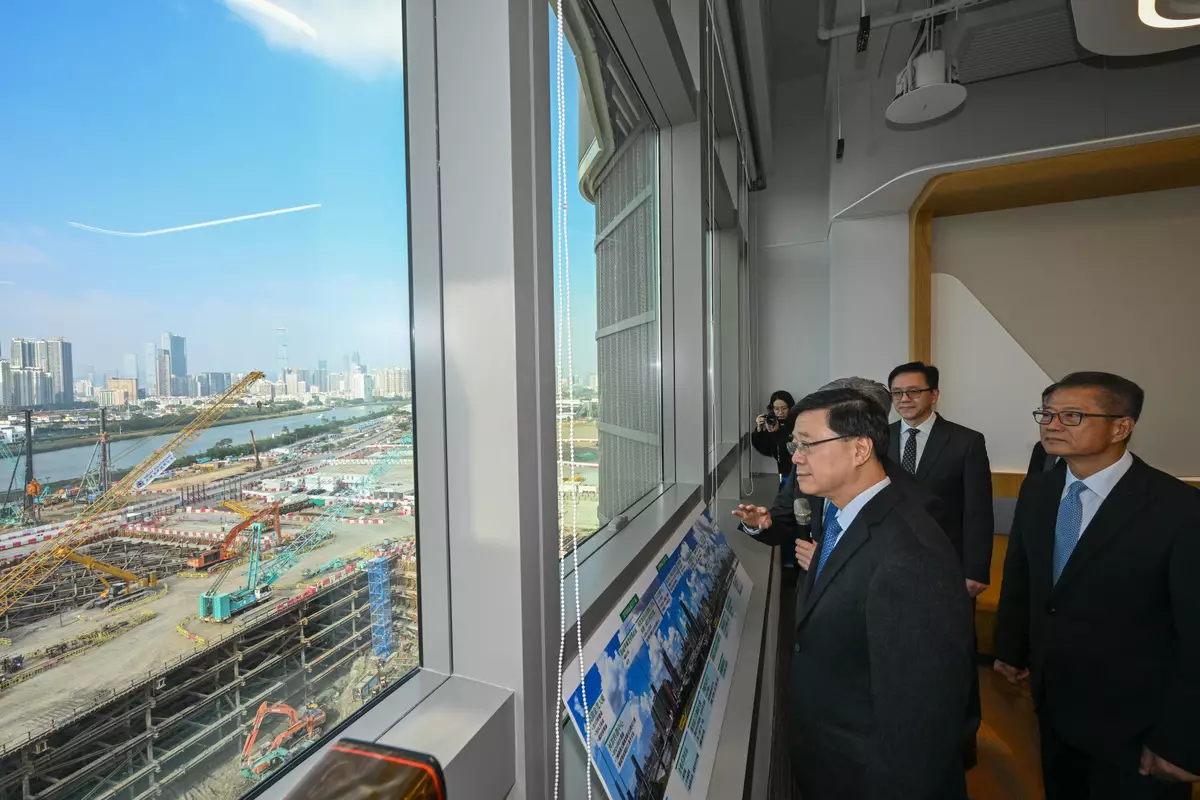
The Hong Kong Park is developed in batches under two phases. Out of the eight buildings in the first batch of Phase 1 development, two wet-laboratory enabled buildings and a talent accommodation building have been completed, providing about 32 000 square metres of floor area and 100 apartment units respectively. Over 60 institutions and enterprises have already begun moving into the wet laboratory buildings, while the talent accommodation welcomed their first batch of tenants this month. Construction works of the foundation and superstructures for the remaining five buildings have commenced and will be completed progressively starting from 2027 onwards.
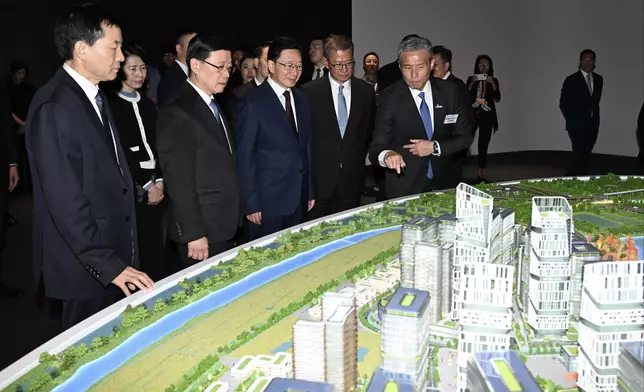
Meanwhile, the planning and development layout for the Park's Phase 2 development has been finalised. The two phases together will offer a total floor area of up to 2 million square meters. Functionally, the Park will be divided into different technological zones focusing on pillar industries such as life and health technology, artificial intelligence and data science, new technologies and advanced manufacturing, thereby fostering the integrated development of upstream, midstream and downstream industries and building a comprehensive I&T industry chain.
To expedite the construction works of the Park, the Park Company has rolled out an expression of interest exercise to gauge the market's interest in selected plots of the remaining land of Phase 1 development, with a view to leveraging market forces to develop the Park in an accelerated and efficient manner. The Park Company received 27 responses and is currently analysing them with a view to preparing for launching the land plots in an orderly manner starting from 2026. The Hong Kong Special Administrative Region Government will carefully consider releasing the land parcels to the market through tender or other land disposal models, thereby achieving the objective of making best use of market resources to jointly develop the Park.
At the ceremony, Mr Lee also announced the official commencement of the "Western Cross-River Link Bridge Project" which will connect the two parks in Hong Kong and Shenzhen. This project will open up the transportation network of the Hetao Co-operation Zone, effectively facilitating the cross-boundary flow of personnel and showcasing the advantages of the Shenzhen-Hong Kong boundary facilities and innovative management policies. The two sides will adopt a design concept of integrating the cross-boundary bridge with the surrounding ecological environment and with an emphasis on low-carbon technology, safety and convenience, and a pleasant scenery, as well as adopting a "single-span across the river" approach in construction, which will serve as a new landmark to connect the two parks under the concept of "one zone, two parks" while creating an innovation network in the Greater Bay Area.
The Executive Deputy Director of the Hong Kong and Macao Affairs Office of the State Council, Mr Xu Qifang, the Director of the Liaison Office of the Central People's Government in the HKSAR, Mr Zhou Ji, Vice Mayor of Shenzhen Mr Luo Huangho, the Financial Secretary, Mr Paul Chan, the Deputy Financial Secretary, Mr Michael Wong, the Secretary for Innovation, Technology and Industry, Professor Sun Dong, the Secretary for Development, Ms Bernadette Linn, and the Permanent Secretary for Innovation, Technology and Industry and Chairman of the Hong Kong-Shenzhen Innovation and Technology Park Limited, Mr Kevin Choi, also attended the opening ceremony.
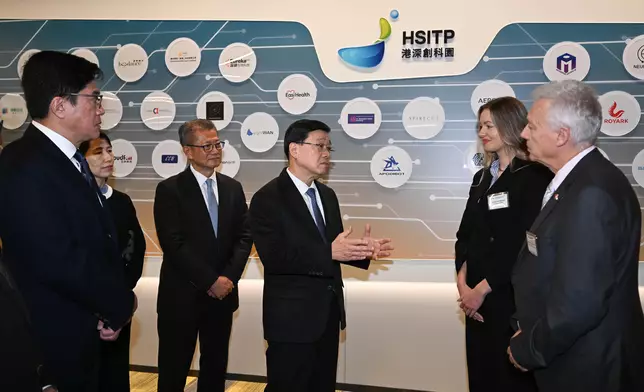
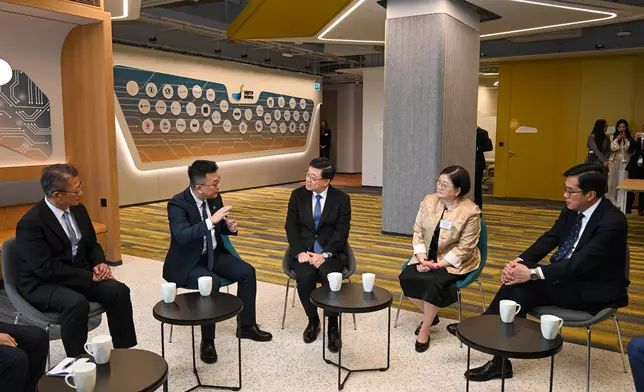
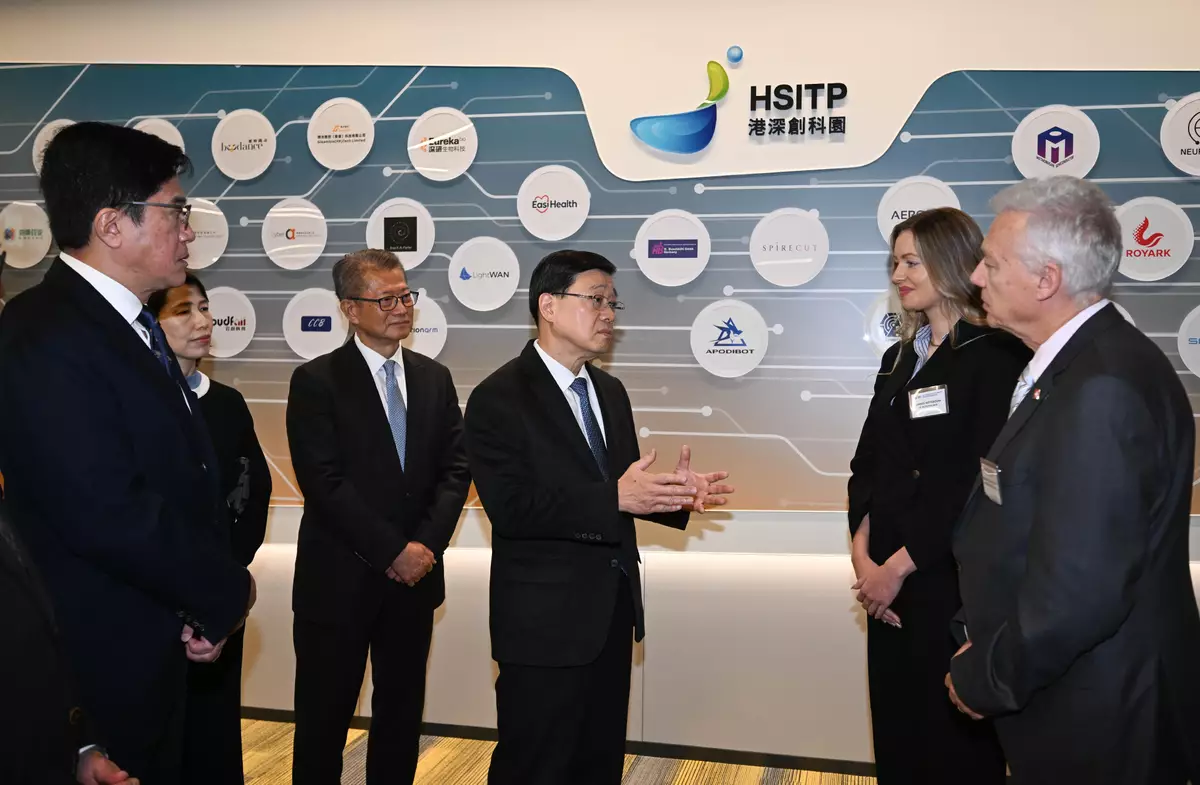
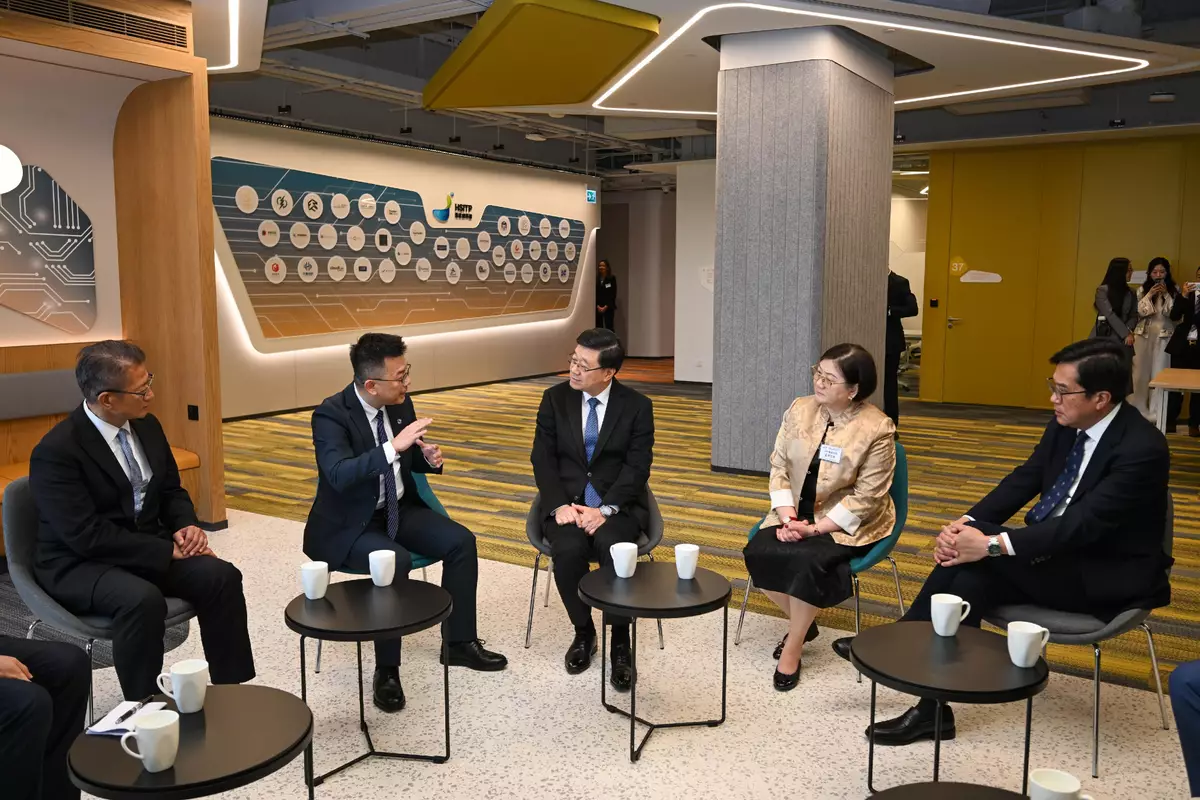
Mr Lee also visited the wet laboratory buildings of the Hong Kong Park to learn about its facilities, environment and the facilitation measures provided for the tenant enterprises by the Park Company. He also exchanged views with representatives of the I&T enterprises which have already set foot in the Park.
Source: AI-found images
DH reminds public to stay vigilant against infectious diseases while enjoying the coming winter holidays
The Centre for Health Protection (CHP) of the Department of Health today (December 22) reminded the public to practise strict personal, food and environmental hygiene as well as get seasonal influenza vaccination (SIV) early to guard against some common and travel-related infectious diseases, regardless of staying in Hong Kong or travelling abroad during the coming Christmas and New Year holidays.
Seasonal influenza and other respiratory diseases
"The latest surveillance data showed that the local influenza activity remained at a high level. Based on past experience, Hong Kong's winter influenza season typically occurs between January and March. Therefore, it cannot be ruled out that the local influenza activity will further increase, leading to an overlap of the current influenza season with the winter influenza season early next year. For areas outside Hong Kong, influenza activity has continued to increase or reached a high level in most areas of the North Hemisphere, including the United States, Canada, the United Kingdom, Europe, South Korea, Japan and the Chinese Mainland. According to the latest information from the World Health Organization (WHO), a strain of influenza A (H3) virus known as subclade K has been rapidly increasing globally since August of this year. The detection of this virus strain increased in multiple countries and regions worldwide, including Hong Kong. Influenza A (H3) virus belonging to subclade K has been detected in more than 34 countries, but the current epidemiological data does not indicate that this strain causes more severe illness. Preliminary overseas scientific research data indicates that this season's influenza vaccines continue to provide protection to both children and adult, reducing the risk of seeking medical treatment or hospitalisation due to influenza. Although there are some antigenic differences between the currently circulating influenza A (H3) virus strain and the virus strain contained in the vaccine, the SIV can still offer protection against the variant strain of subclade K, as well as the influenza A (H1) and influenza B strains," the Controller of the CHP, Dr Edwin Tsui, said.
Dr Tsui emphasised that receiving SIV is still one of the most effective ways to prevent seasonal influenza and its complications. Vaccination also reduces the risk of hospitalisation and death from infection. Public should receive vaccination as soon as possible regardless of staying locally or plan to travel abroad, as it takes about two weeks after vaccination for antibodies to develop in the body for sufficient protection against influenza virus. Since influenza can cause serious complications, the CHP recommends that all persons aged six months or above receive the SIV, particularly high-risk individuals such as pregnant women, the elderly, children and those with underlying illnesses.
Regarding other respiratory diseases, the COVID-19 activity currently maintains at a low level recorded before April this year. Epidemiological data from local and other regions worldwide shows that there are generally periodic upsurges in the COVID-19 activity level approximately every six to nine months.
"It has been over five months since the last periodic upsurge of COVID-19 activity. Members of the public should receive COVID-19 vaccine in a timely manner to reduce the risk of serious illness and death due to COVID-19. Under the current Government's COVID-19 Vaccination Programme, individuals aged six months or above are eligible for free initial vaccine doses. High-risk priority groups can receive booster doses for free at least six months after the last dose or COVID-19 infection (whichever is later), regardless of the number of doses received previously," Dr Tsui said.
Regarding respiratory syncytial virus (RSV), the RSV activity started to increase in many regions in North America and Europe. Prevention of RSV infection is the same as that for other respiratory diseases. Members of the public should maintain good personal, hand and environmental hygiene. Public with respiratory symptoms, even if the symptoms are mild, should wear a surgical mask, refrain from going to crowded places and seek medical advice promptly. They should maintain hand hygiene before putting on and after removing a mask.
Acute gastroenteritis, norovirus infection and food poisoning
"Norovirus infection typically causes acute gastroenteritis. In general, norovirus is more active in winter (around December to March). As norovirus is highly contagious, individuals may become infected after being exposed to even a small amount of norovirus. The virus can be transmitted through various means, such as eating contaminated food, contacting with the vomit or excreta of infected persons, and contacting with contaminated objects, which may lead to a large-scale outbreak," Dr Tsui said.
To prevent acute gastroenteritis and norovirus infection, members of public should perform hand hygiene frequently, especially before handling food or eating, and after using the toilet. Wash hands with liquid soap and water, and rub for at least 20 seconds, then rinse with water and dry with a disposable paper towel or hand dryer. Since alcohol is not effective in killing norovirus, alcohol-based handrubs are not a substitute for handwashing with soap and water.
During the festive season, members of public have more opportunities to have parties with food delivery services or hotpot. To prevent food poisoning, apart from maintaining personal hygiene, they should also consume thoroughly washed and cooked food. For shellfish, the shells should be well scrubbed and the internal organs be removed before consumption. In addition, never use raw eggs as a dipping sauce. Use different chopsticks to handle raw and cooked food to avoid cross-contamination. For more food safety tips, please visit thewebpage of the Centre for Food Safety of the Food and Environmental Hygiene Department.
Mosquito-borne diseases
As of December 18, Hong Kong has recorded 57 dengue fever (DF) cases, all are imported cases. The imported cases were mainly from Indonesia (11), the Philippines (11), India and Thailand (nine each). Besides, Hong Kong has recorded a total of 81 confirmed chikungunya fever (CF) cases this year. Among them, 11 were local cases, and the rest were imported. The patients have visited the Chinese Mainland, Bangladesh, India, Indonesia, Cuba, Sri Lanka and Mexico.
The WHO information showed that, from January to July 2025, over four million cases and over 3 000 DF-related deaths have been reported in 97 countries/territories. DF is prevalent in many neighbouring tourist destinations. Indonesia, India and Vietnam have each recorded over 100 000 cases so far this year; Malaysia and Thailand have each recorded over 40 000 cases; and Singapore has also recorded over 3 500 cases. Regarding CF, since the beginning of 2025 and as of September 30, over 440 000 CF cases and 155 CF-related deaths have been reported in 40 countries/territories. Cases have been reported in the Americas, Africa, Asia, and Europe.
"Although the northern hemisphere has entered the winter, temperatures in subtropical and some temperate regions remain elevated due to climate change, creating favourable conditions for mosquito breeding. Public should check the situation of the destinations before travelling abroad, especially when travelling to Southeast Asian countries. To prevent mosquito-borne diseases, travellers should wear loose, light-coloured, long-sleeved tops and trousers and apply insect repellent containing DEET to clothing or exposed parts of the body. Travellers returning from areas affected by DF should apply insect repellent for 14 days upon arrival in Hong Kong," Dr Tsui said.
Measles
The number of measles cases in some overseas countries has remained at a relatively high level recently. The outbreaks in North America (including the United States and Canada), Europe and neighbouring areas (including Vietnam, Cambodia and the Philippines) are ongoing due to the relatively low vaccination rate. Furthermore, an increasing number of measles cases have also been recorded in Japan and Australia this year. Hong Kong has recorded eight cases this year. Among them two cases (25 per cent) were classified as imported cases.
Those who plan to travel to places with outbreaks or a high incidence of measles should review their vaccination records and medical history as early as possible. If they have not been diagnosed with measles through laboratory tests and have never received or are not sure if they have received two doses of measles vaccine, they should consult a doctor at least two weeks prior to their trip for vaccination. For people born outside Hong Kong, they should pay special attention as they might not have received a measles vaccination during childhood.
"Pregnant women and women preparing for pregnancy who are not immune to measles or rubella, as well as children aged under one year who are not due for the first dose of the measles, mumps and rubella-combined vaccine under theHong Kong Childhood Immunisation Programmeare advised not to travel to places with outbreaks of measles. The incubation period of measles is seven to 21 days. Symptoms include fever, skin rash, cough, runny nose and red eyes. If such symptoms appear after returning from measles-endemic areas, people should wear surgical masks, stay home from work or school, avoid crowded places and contact with unvaccinated people, especially those with weak immune systems, pregnant women and children under one year old, and should consult their doctors as soon as possible," Dr Tsui said.
For more details of the above infectious diseases, please visit the CHP's pages onseasonal influenza, Coronavirus Disease 2019, food poisoning, norovirus infection, chikungunya fever, dengue feverandmeasles. In addition, those planning to travel can also visit theTravel Health Service's websitefor the latest travel health news and advice.
Source: AI-found images