A prominent figure in Japan's peace and anti-nuclear movement has voiced skepticism about the plans to restart the Kashiwazaki-Kariwa nuclear power plant, saying that Japan's recent policy shifts threaten to erode its post-war peace identity.
Akira Kawasaki, an Executive Committee member of Peace Boat, a Tokyo-based NGO, and an International Steering Group member of the International Campaign to Abolish Nuclear Weapons (ICAN), shared his views in an interview with the China Global Television Network (CGTN).
His comments came as local media reported on Monday that Japan's Niigata Prefecture had approved the restart of the Kashiwazaki-Kariwa nuclear power plant, the largest in the world, almost 15 years on from the Fukushima nuclear disaster
The approval from the prefectural assembly gives the Tokyo Electric Power Company (TEPCO) the green light to resume nuclear operations for the first time since the March 2011 core meltdowns at its tsunami-stricken Fukushima Daiichi plant.
Kawasaki pointed to the serious concerns which surround the decision, particularly among the local people in Niigata Prefecture.
"It is highly questionable that the Kashiwazaki Kariwa Nuclear Power Plant is ready to be restarted in a trustable and safe manner. Based on a recent survey of the local population in Niigata Prefecture, a vast majority of people are still worried about the lack of a credible evacuation plan for accidents, the possible damages for industry and livelihood in the case of major accidents, and the prospect of an increase of spent nuclear fuels. I would like to point out that Japan has not properly established a clear plan to deal with nuclear waste, which causes security and proliferation concerns," he said.
Kawasaki also expressed his alarm over Japanese Prime Minister Sanae Takaichi's reported efforts to review Japan's decades-long three non-nuclear principles, saying any changes could seriously harm and undermine Japan's international standing with regards to its commitment to peace.
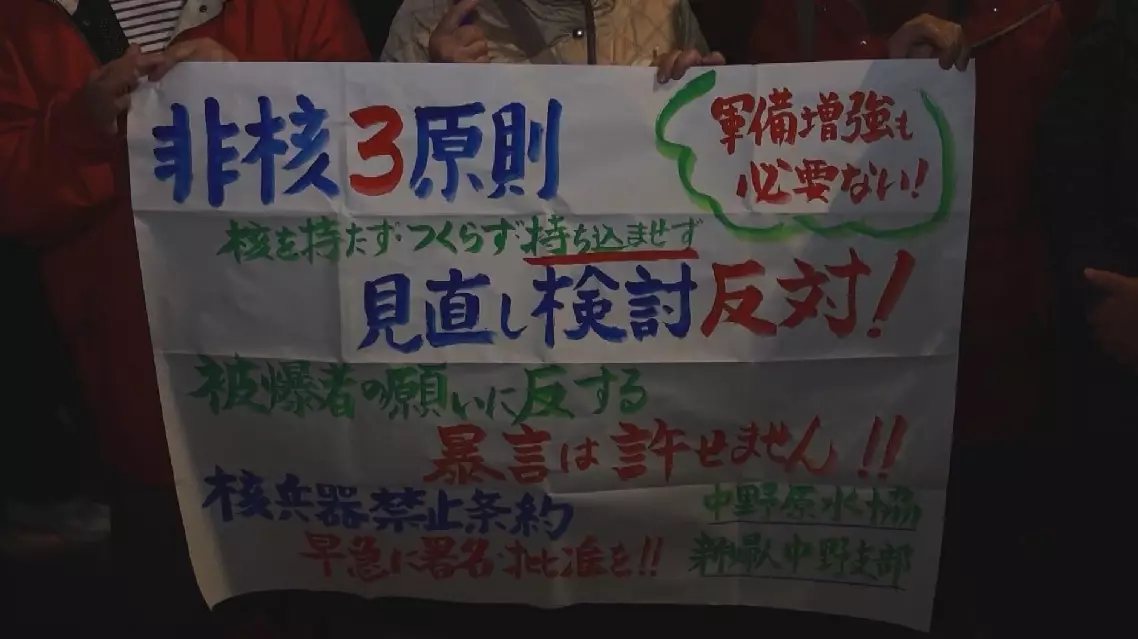
"The three non-nuclear principles of not possessing, not producing, and not permitting the introduction of nuclear weapons were first declared by the government in 1967 and has been upheld through a number of unanimous resolutions at the National Diet. This has been established as the basic national policy of Japan in line with its [pacifist] Constitution and is supported by an overwhelming majority of the national public opinion. So it is so shocking that the media recently reported that the LDP, Japan's main ruling party, is now considering a review of the three principles in the context of updating the national security strategy. A senior official of the Prime Minister's Office has reportedly said that Japan should possess nuclear weapons. This undermines the credibility of Japan's commitment to peace and the security of the international community based on international law," he said.
Despite the harsh criticism directed at Japanese authorities, Kawasaki highlighted the strong counter-response from civil society. Nihon Hidankyo, Japan's leading atomic bomb survivors group which won the Nobel Peace Prize in 2024 for their efforts to achieve a world free of nuclear weapons, have been staging a series of rallies to voice their opposition to any efforts from the government to deviate from the important principles.
"But I'd like to emphasize that the civil society in Japan strongly supports the non-nuclear weapons principles and is actively calling on the government to sign and ratify the Treaty on the Prohibition of Nuclear Weapons (TPNW) that was negotiated and adopted at the United Nations. Just last month, civil society groups in Japan jointly submitted the signatures of over 3 million people urging the government to sign and ratify the treaty. It is really worrisome and outrageous that the government of Japan is really loosely talking about nuclear weapons options, but I would like to emphasize that civil society is so strongly and clearly supporting a non-nuclear Japan," he said.
Prominent Japanese anti-nuclear activist raises concerns over restart of nuclear plant