NEW YORK (AP) — It was a scary good year for investors.
It was scary because the U.S. stock market plunged to several historic drops on worries about everything from President Donald Trump’s tariffs to interest rates to a possible bubble in artificial-intelligence technology. In the end, though, it was a great year for anyone with the stomach to stick through the swings.
Click to Gallery
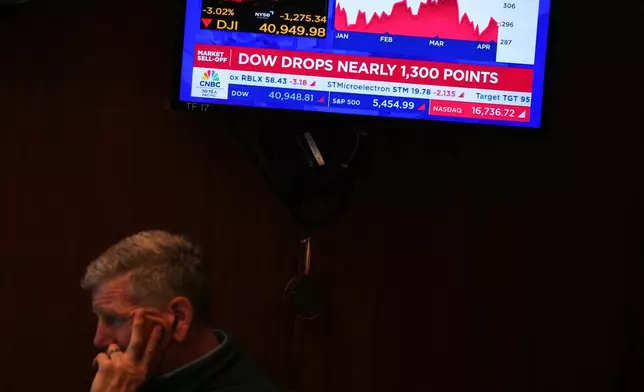
FILE - A screen displays financial news as traders work on the floor at the New York Stock Exchange in New York, Thursday, April 3, 2025. (AP Photo/Seth Wenig, File)
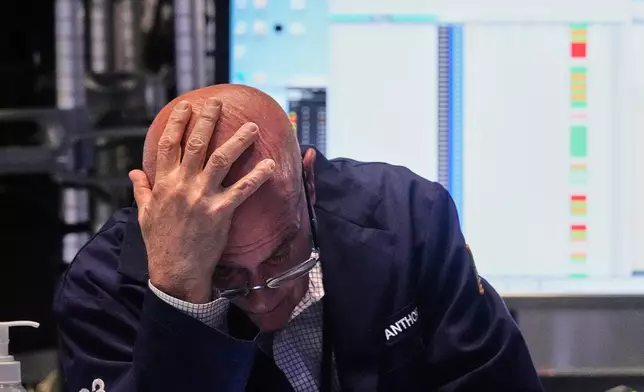
FILE - Trader Anthony Confusione works on the floor of the New York Stock Exchange, Monday, May 5, 2025. (AP Photo/Richard Drew, File)

FILE - Nvidia CEO Jensen Huang speaks during a press conference at the Asia-Pacific Economic Cooperation (APEC) CEO summit in Gyeongju, South Korea, Friday, Oct.31, 2025 (AP Photo/Lee Jin-man, File)

FILE - Federal Reserve Chairman Jerome Powell, right, and President Donald Trump look over a document of cost figures during a visit to the Federal Reserve, Thursday, July 24, 2025, in Washington. (AP Photo/Julia Demaree Nikhinson, File)
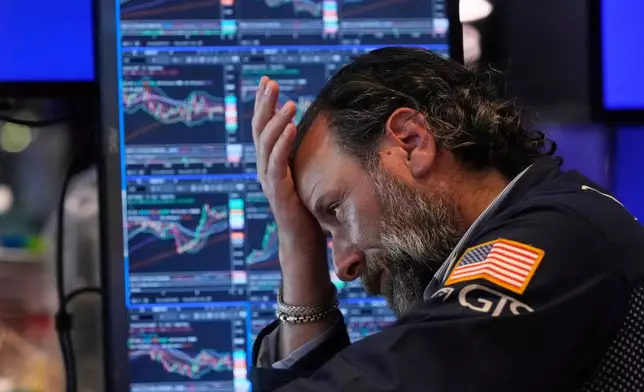
FILE - Specialist Michael Pistillo works on the floor of the New York Stock Exchange, Tuesday, July 8, 2025. (AP Photo/Richard Drew, File)
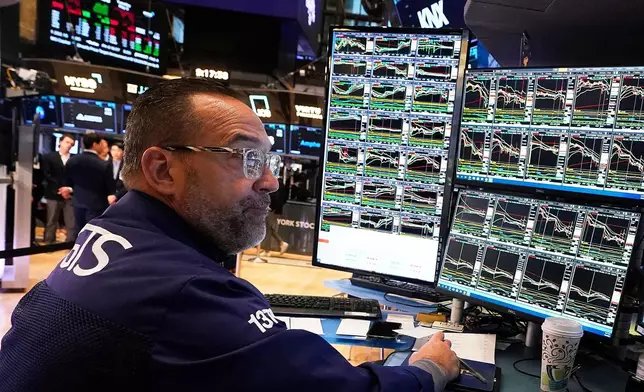
FILE - Specialist Anthony Matesic works on the floor of the New York Stock Exchange, Tuesday, May 6, 2025. (AP Photo/Richard Drew, File)
S&P 500 index funds, which sit at the heart of many savers’ 401(k) accounts, returned more than 18% in 2025 through Dec. 11 and set a record high that day. It’s their third straight year of big returns.
Here’s a look at some of the surprises that shaped financial markets along the way:
Trump dropped the biggest surprise on “Liberation Day” in April, when he announced a sweeping set of tariffs that were more severe than investors expected.
It immediately triggered worries about a possible recession and spiking inflation. The S&P 500 plunged nearly 5% on April 3 for its worst day since the 2020 COVID crash. The very next day, it dropped 6% after China’s response raised fears of a tit-for-tat trade war.
The tariffs’ impact went beyond the stock market. The value of the U.S. dollar fell, and fear even shook the U.S. Treasury market, which is seen as perhaps the safest in existence.
Trump eventually put his tariffs on pause on April 9 after seeing the U.S. bond market get “queasy,” as he put it, which sent relief through Wall Street. Since then, Trump has negotiated agreements with countries to lower his proposed tariff rates on their imports, helping calm investors’ nerves.
Wall Street motored higher through a remarkably calm summer thanks to euphoria around artificial-intelligence technology and strong profit reports from companies. The market also got a boost from three cuts to interest rates by the Federal Reserve.
Trade worries can still cause havoc in markets, and Trump sent stocks spiraling as recently as October with threats of higher tariffs on China.
Another surprise was how hard, and how personally, Trump lobbied to get the Federal Reserve to lower interest rates.
The Fed has traditionally operated separately from the rest of Washington, making its decisions on interest rates without having to bend to political whims. Such independence, the thinking goes, gives it freedom to make unpopular moves that are necessary for the economy’s long-term health.
Keeping interest rates high, for example, could slow the economy and frustrate politicians looking to please voters. But it could also be the medicine needed to get high inflation under control.
As inflation stubbornly remained above the Fed’s 2% target, the central bank kept rates steady through August. This drew Trump’s ire – even though it was his own trade policies that were driving fears about inflation higher.
Trump continuously picked on Fed Chair Jerome Powell, even giving him the nickname “Too Late.” Their tense relationship reached a head in July when Trump, in front of cameras, accused Powell of mismanaging the costs of a renovation of the Fed’s headquarters. Powell, in turn, shook his head.
Even though Wall Street loves lower rates, the personal attacks caused some queasiness in financial markets because of the possibility of a less independent Fed. Powell’s turn as Fed chair is set to expire in May, and the wide expectation is that Trump will choose a replacement more likely to cut rates.
“America first” didn’t extend to global markets. Even as U.S. stocks soared to another double-digit gain, many foreign markets fared even better.
The technology frenzy that helped fuel gains for the S&P 500 and the Nasdaq composite drove Korea’s KOSPI higher in 2025, enjoying its biggest gain in more than two decades. South Korea is a technology hub and companies including Samsung and SK Hynix surged amid the focus on artificial intelligence investments and advancements.
Japan’s Nikkei 225 had a double-digit gain for a third straight year. Besides the focus on AI and the technology sector, the gains were boosted in October and November following national elections and plans for a $135 billion stimulus package.
European markets also had a strong year. Germany’s DAX got a boost as the government announced plans to ramp up spending on infrastructure and defense, which could fuel economic growth in Europe’s largest economy.
The European Central Bank spent the first half of the year cutting interest rates, which helped give financial markets across Europe a boost. France’s CAC 40 was a laggard, up 10% as of Monday.
Even with a reputation for volatility, cryptocurrencies still managed to surprise market watchers.
Bitcoin dropped along with most other assets early in the year as Trump’s trade policies scared investors away from riskier investments.
The most widely used cryptocurrency roared back as the White House and Congress threw their support behind digital assets and the Trump family launched a number of crypto ventures. Retail investors joined in by pouring money into bitcoin ETFs, stock-like investments that allowed them to benefit from the run-up in price without having to actually store bitcoin in digital wallets. Some companies, notably Strategy Inc., made buying and holding crypto the crux of their business and their stocks jumped.
Bitcoin and hit a high around $125,000 in early October. But, almost as quickly, digital assets tanked as investors worried the prices for shining stars such as tech stocks and crypto had jumped too high. As of Monday afternoon, bitcoin traded around $89,400, down roughly 28% from the peak and 4% below where it started the year.
Many professional investors think more gains could be ahead in 2026.
That’s because most expect the economy to plod ahead and avoid a recession. That should help U.S. companies grow their profits, which stock prices tend to track over the long term. For companies in the S&P 500, analysts are expecting earnings per share to rise 14.5% in 2026, according to FactSet. That would be an acceleration from the 12.1% growth estimated for 2025.
But some of this year’s concerns will linger. Chief among them is the worry that all the investment in artificial-intelligence technology may not produce enough profits and productivity to make it worth it. That could keep the pressure on AI stocks like Nvidia and Broadcom, which were responsible for so much of the market’s gains this year.
And it’s not just AI stocks that critics say are too pricey. Stocks across the market still look expensive after their prices climbed faster than profits.
That has strategists at Vanguard estimating U.S. stocks may return only about 3.5% to 5.5% in annualized returns over the next 10 years. Only twice in the last 10 years has the S&P 500 failed to meet that bar, assuming this year ends without another sell-off.
At Bank of America, strategist Savita Subramanian says the S& P 500 could rise by less than half as much as profits do in 2026. She said that could be a result of companies reducing stock buybacks, as well as global central banks implementing fewer rate cuts.
__
Reporter Damian Troise contributed.
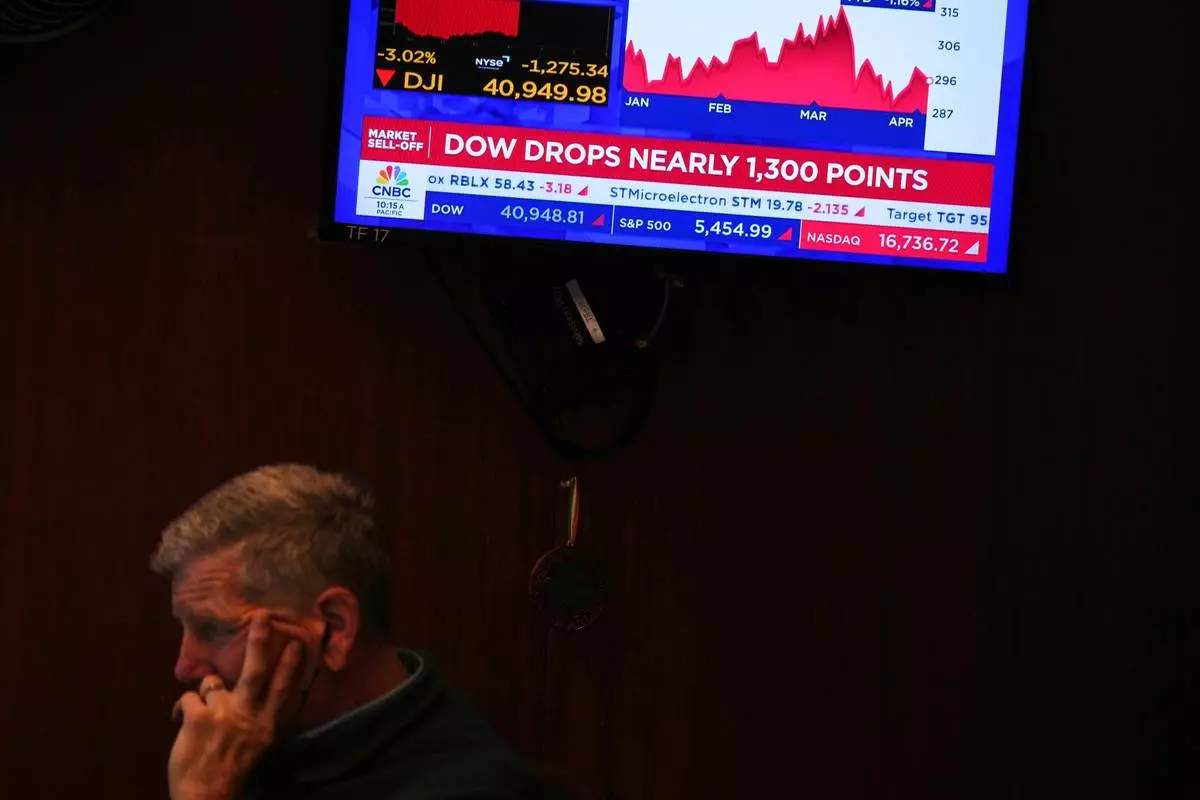
FILE - A screen displays financial news as traders work on the floor at the New York Stock Exchange in New York, Thursday, April 3, 2025. (AP Photo/Seth Wenig, File)
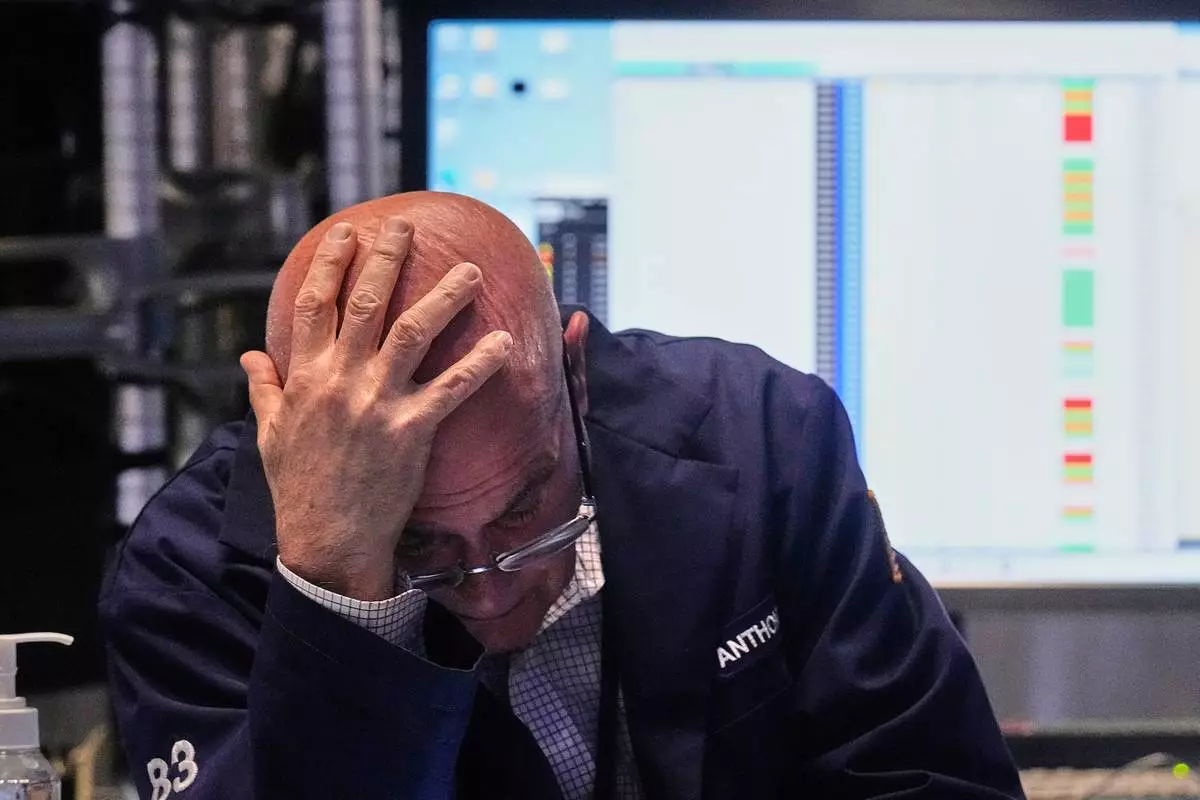
FILE - Trader Anthony Confusione works on the floor of the New York Stock Exchange, Monday, May 5, 2025. (AP Photo/Richard Drew, File)

FILE - Nvidia CEO Jensen Huang speaks during a press conference at the Asia-Pacific Economic Cooperation (APEC) CEO summit in Gyeongju, South Korea, Friday, Oct.31, 2025 (AP Photo/Lee Jin-man, File)
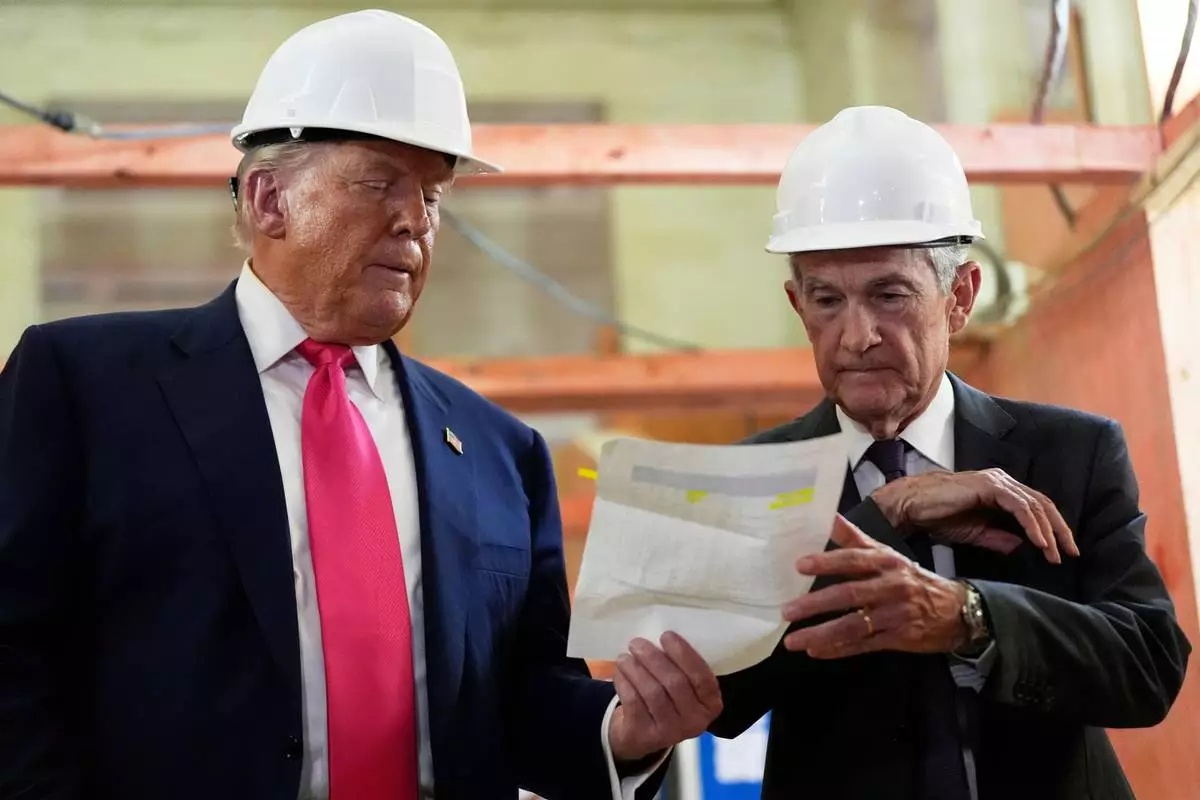
FILE - Federal Reserve Chairman Jerome Powell, right, and President Donald Trump look over a document of cost figures during a visit to the Federal Reserve, Thursday, July 24, 2025, in Washington. (AP Photo/Julia Demaree Nikhinson, File)
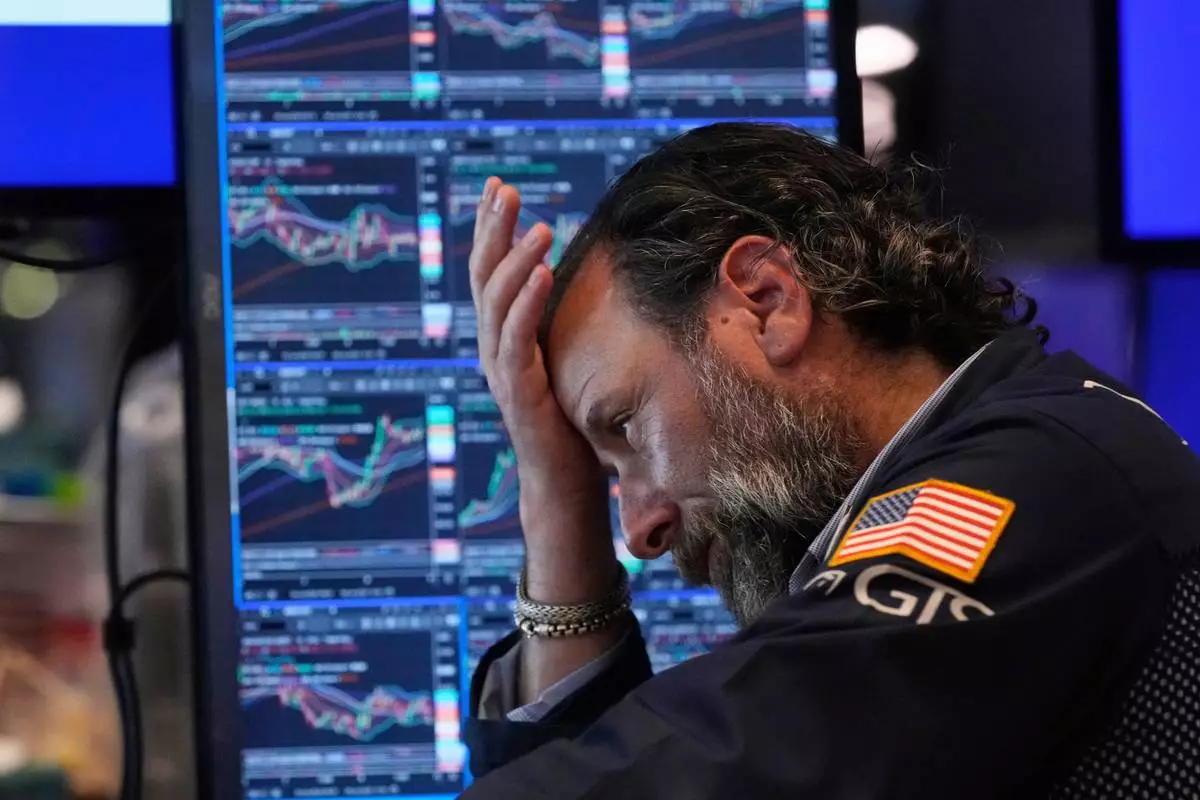
FILE - Specialist Michael Pistillo works on the floor of the New York Stock Exchange, Tuesday, July 8, 2025. (AP Photo/Richard Drew, File)
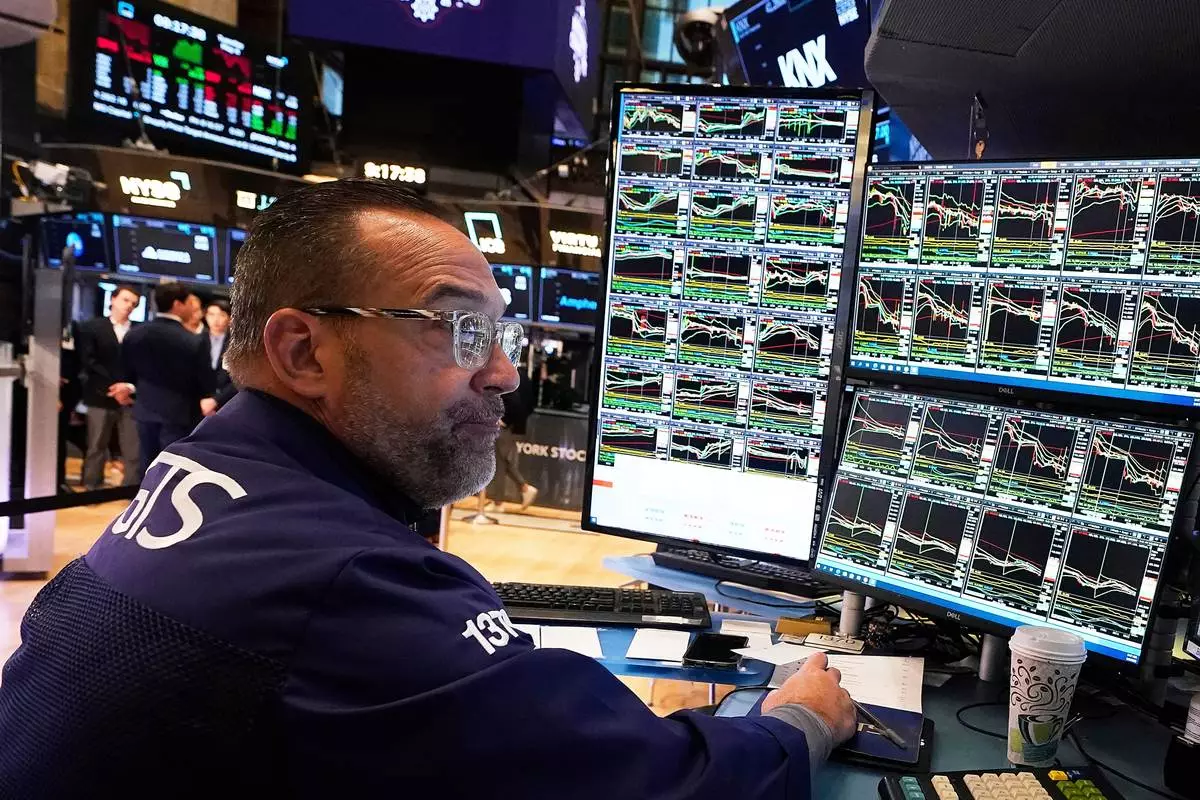
FILE - Specialist Anthony Matesic works on the floor of the New York Stock Exchange, Tuesday, May 6, 2025. (AP Photo/Richard Drew, File)