ANKARA, Turkey (AP) — A private jet carrying Libya’s military chief, four other officers and three crew members crashed on Tuesday after takeoff from Turkey's capital, Ankara, killing everyone on board. Libyan officials said the cause of the crash was a technical malfunction on the plane.
The Libyan delegation was in Ankara for high-level defense talks aimed at boosting military cooperation between the two countries, Turkish officials said.
Click to Gallery
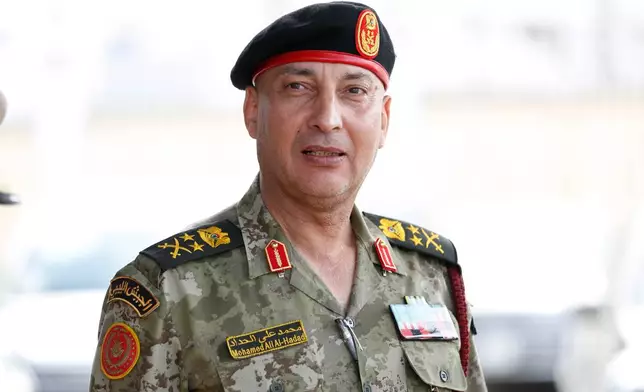
FILE - Libya's army chief of staff Gen. Muhammad Ali Ahmad al-Haddad poses for a photo in Tripoli, Libya, Oct. 3, 2022. (AP Photo/Yousef Murad, File)
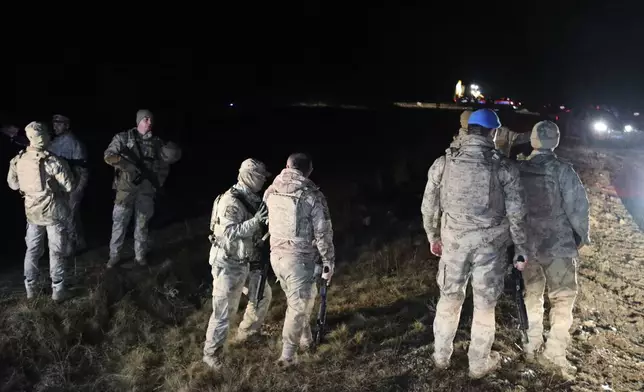
Turkish soldiers and rescue teams search for the remains of a private jet carrying Libya's military chief and four others that crashed after taking off from Ankara, killing everyone on board, in Ankara, Turkey, Tuesday, Dec. 23, 2025. (AP Photo/Efekan Akyuz)
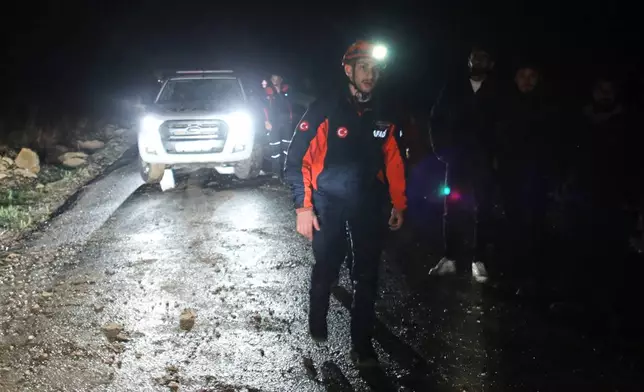
Turkish rescue teams search for the remains of a private jet carrying Libya's military chief and four others that crashed after taking off from Ankara, killing everyone on board, in Ankara, Turkey, Tuesday, Dec. 23, 2025. (AP Photo/Efekan Akyuz)
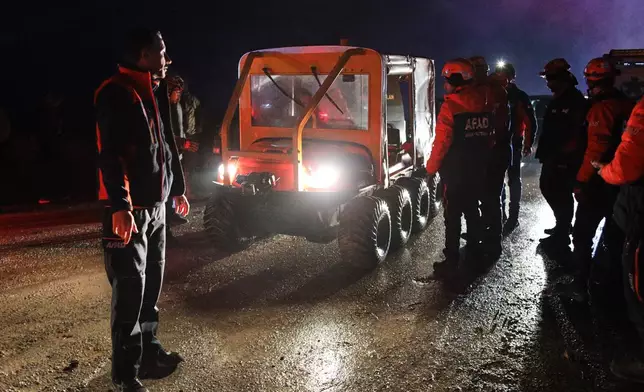
Turkish rescue teams search for the remains of a private jet carrying Libya's military chief and four others that crashed after taking off from Ankara, killing everyone on board, in Ankara, Turkey, Tuesday, Dec. 23, 2025. (AP Photo/Efekan Akyuz)
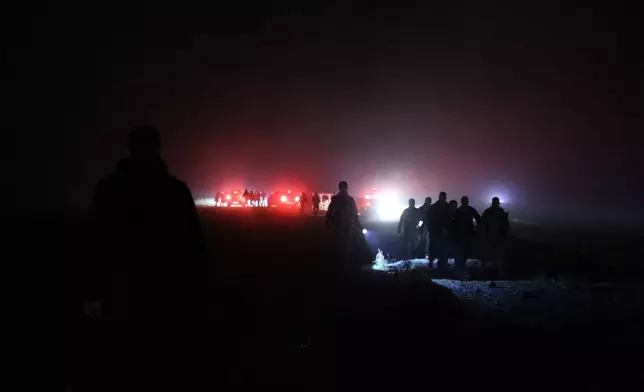
Turkish rescue teams search for the remains of a private jet carrying Libya's military chief and four others that crashed after taking off from Ankara, killing everyone on board, in Ankara, Turkey, Tuesday, Dec. 23, 2025. (AP Photo/Efekan Akyuz)
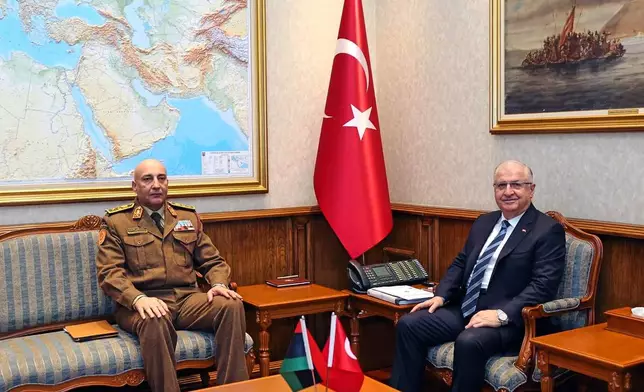
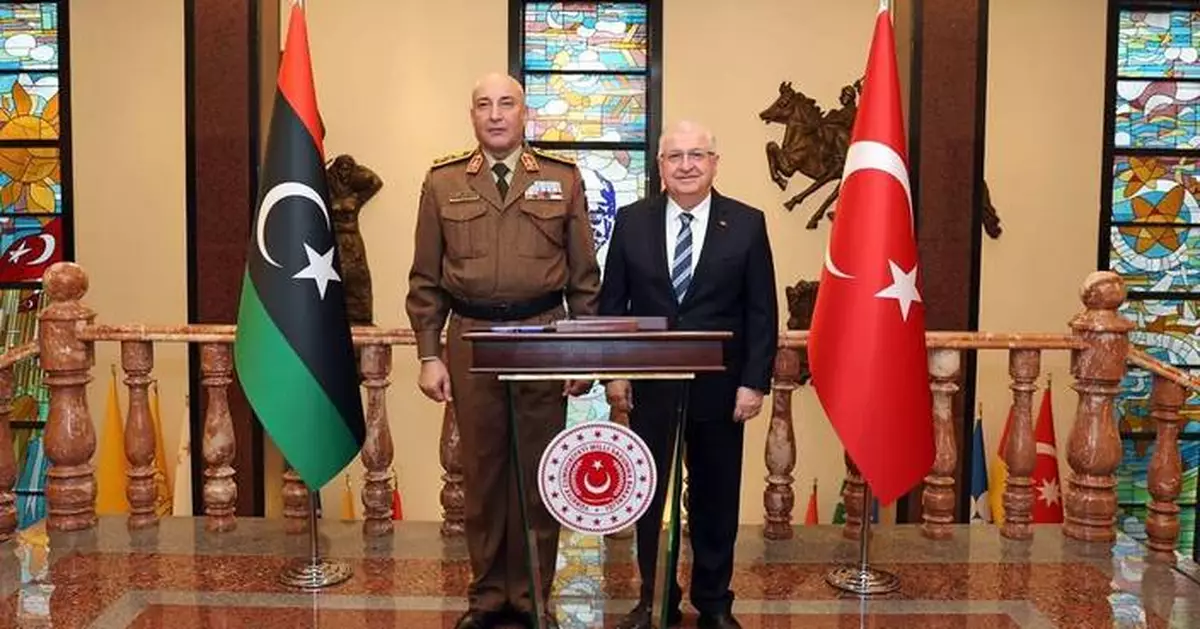
In this photo released by the Turkish Defense Ministry, Turkey's Chief of General Staff Gen. Selcuk Bayraktaroglu, right, poses for a photograph with Libyan Chief of General Staff Gen. Mohamed Ali Ahmed El Haddad during their meeting in Ankara, Turkey, Tuesday, Dec. 23, 2025. (Turkish Defense Ministry via AP)
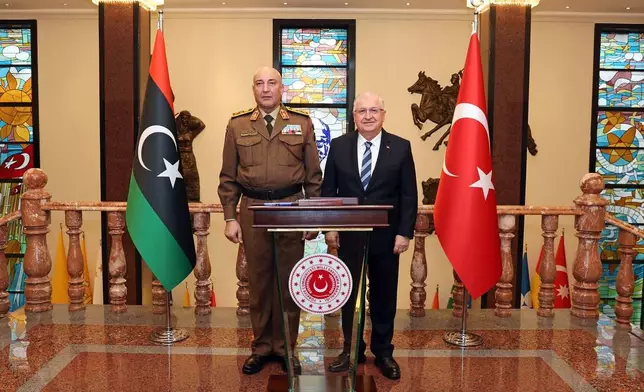
In this photo released by the Turkish Defense Ministry, Turkey's Chief of General Staff Gen. Selcuk Bayraktaroglu, right, poses for a photograph with Libyan Chief of General Staff Gen. Mohamed Ali Ahmed El Haddad during their meeting in Ankara, Turkey, Tuesday, Dec. 23, 2025. (Turkish Defense Ministry via AP)
Libyan Prime Minister Abdul-Hamid Dbeibah confirmed the death of Gen. Muhammad Ali Ahmad al-Haddad and the four officers, saying in a statement on Facebook that the “tragic accident" took place as the delegation was returning home. The prime minister called it a "great loss” for Libya.
Al-Hadad was the top military commander in western Libya and played a crucial role in the ongoing, U.N.-brokered efforts to unify Libya’s military, which has split, much like Libya’s institutions.
The four other officers who died in the crash were Gen. Al-Fitouri Ghraibil, the head of Libya’s ground forces, Brig. Gen. Mahmoud Al-Qatawi, who led the military manufacturing authority, Mohammed Al-Asawi Diab, advisor to the chief of staff, and Mohammed Omar Ahmed Mahjoub, a military photographer with the chief of staff’s office.
The identities of the three crew members were not immediately known.
Turkish officials said the wreckage of the Falcon 50 type business jet had been found near the village of Kesikkavak, in Haymana, a district some 70 kilometers (about 43.5 miles) south of Ankara.
Earlier on Tuesday evening, Turkey’s air traffic controllers said they lost contact with the plane, which was en route back to Libya, after takeoff from Ankara's Esenboga airport.
Turkish Interior Minister Ali Yerlikaya, said in a social media post that the plane took off at 8:30 p.m. and that contact was lost 40 minutes later. The plane issued an emergency landing signal near Haymana before all communication ceased, Yerlikaya said.
Burhanettin Duran, the head of Turkish presidential communications office, said the plane notified air traffic control of an electrical fault and requested an emergency landing. The aircraft was redirected back to Esenboga where preparations for its landing began.
The plane however, disappeared from the radar while descending for the emergency landing, Duran said.
Security camera footage aired on local television stations showed the night sky over Haymana suddenly lit up by what appeared to be an explosion.
While in Ankara, al-Haddad had met with Turkish Defense Minister Yasar Guler and other officials.
The airport in Ankara was temporarily closed and several flights were diverted to other locations. Turkey’s Justice Ministry said four prosecutors have been assigned to investigate the crash, as is common in such incidents.
According to a government statement on Facebook, Libya will send a team to Ankara to work with Turkish authorities on investigating the crash.
Libya plunged into chaos after the country's 2011 uprising toppled and killed longtime dictator Moammar Gadhafi. The country split, with rival administrations based in the east and west, backed by an array of rogue militias and foreign governments.
Turkey has been allied with Libya's government in the west, but has recently taken steps to improve ties with the eastern-based government as well.
Tuesday's visit by the Libyan delegation came a day after Turkey’s parliament approved to extend the mandate of Turkish troops serving in Libya for two years. Turkey deployed troops following a 2019 security and military cooperation agreement that was reached between Ankara and the Tripoli-based government.
Abuelgasim reported from Cairo.
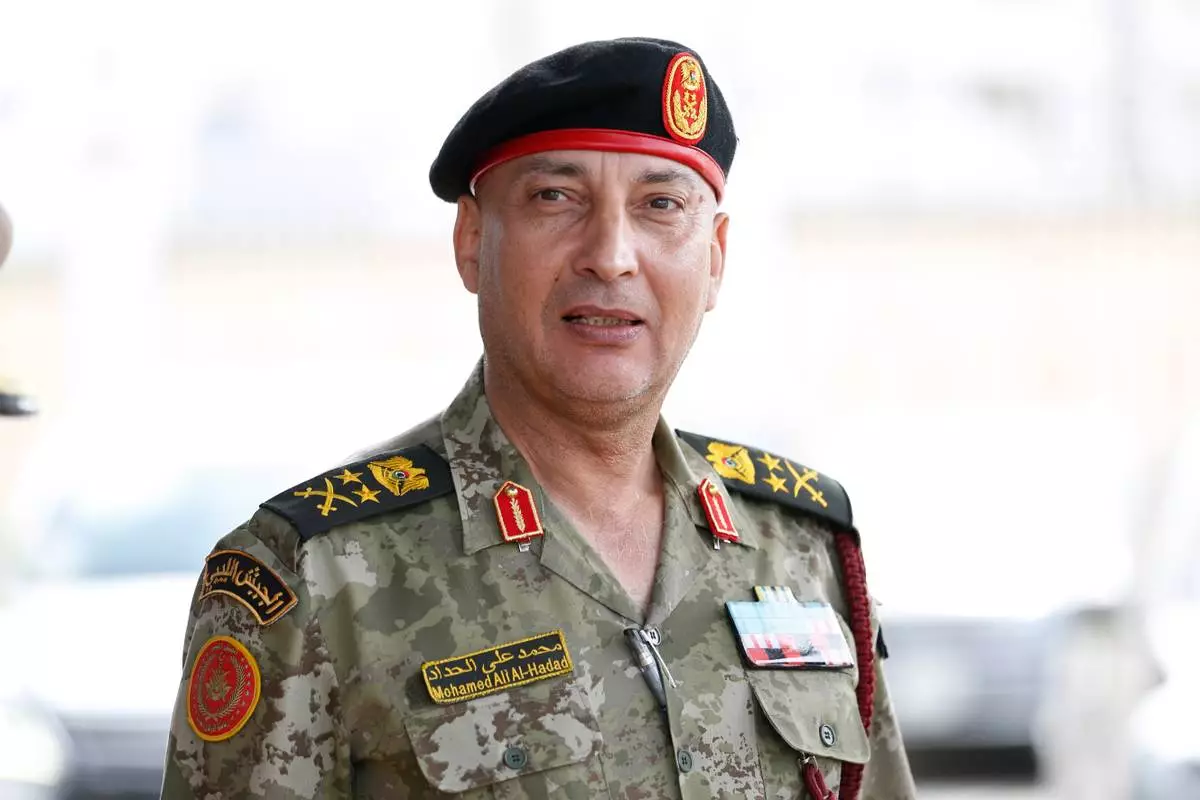
FILE - Libya's army chief of staff Gen. Muhammad Ali Ahmad al-Haddad poses for a photo in Tripoli, Libya, Oct. 3, 2022. (AP Photo/Yousef Murad, File)
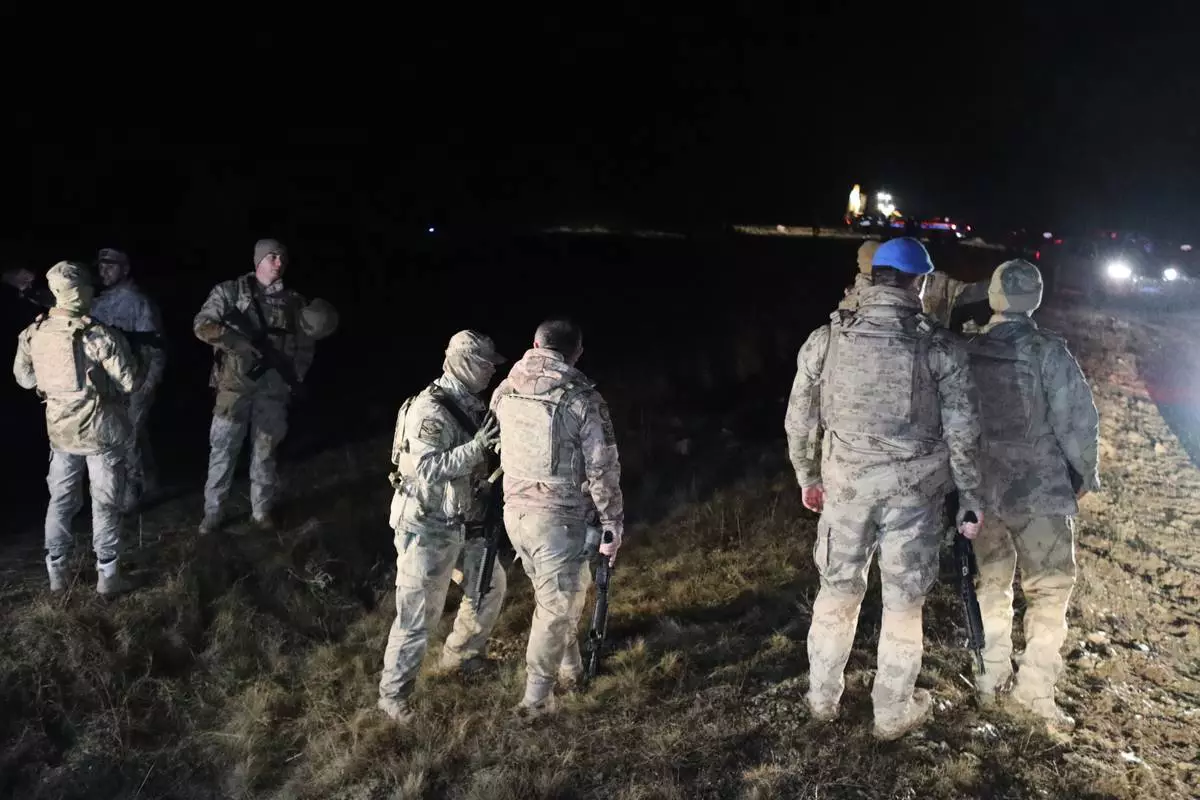
Turkish soldiers and rescue teams search for the remains of a private jet carrying Libya's military chief and four others that crashed after taking off from Ankara, killing everyone on board, in Ankara, Turkey, Tuesday, Dec. 23, 2025. (AP Photo/Efekan Akyuz)
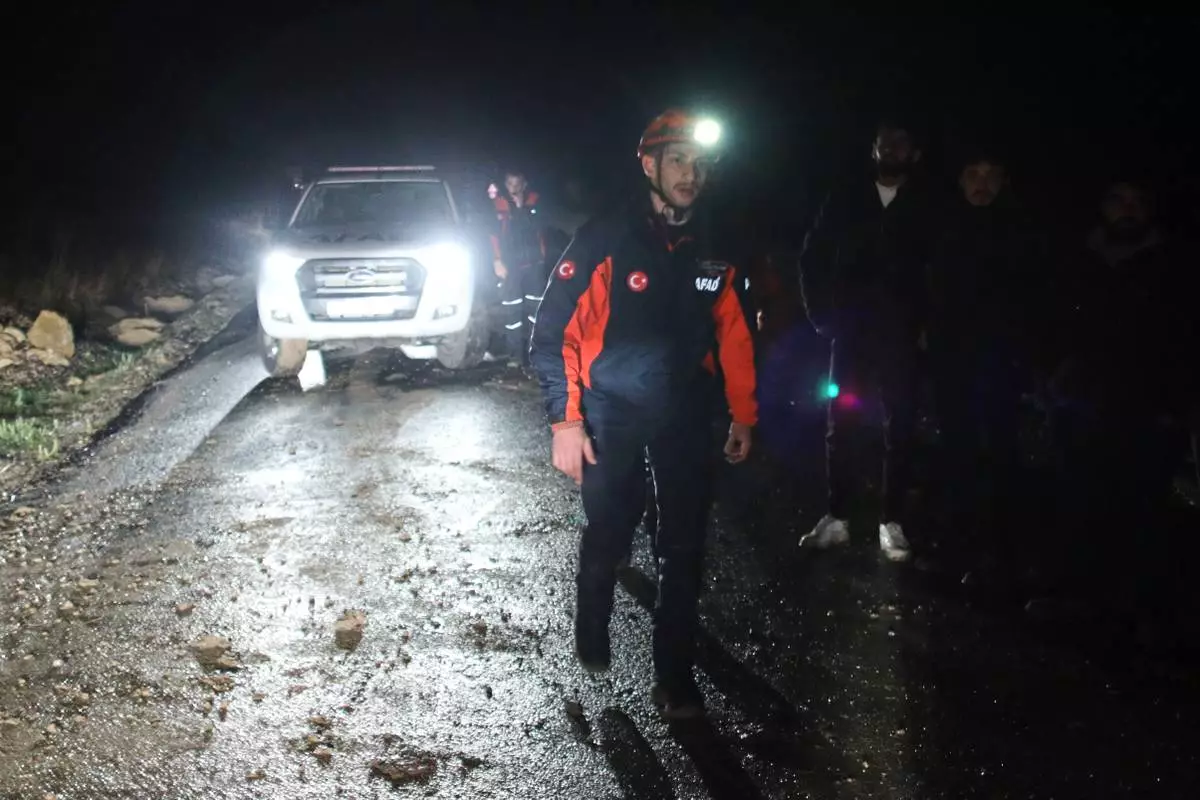
Turkish rescue teams search for the remains of a private jet carrying Libya's military chief and four others that crashed after taking off from Ankara, killing everyone on board, in Ankara, Turkey, Tuesday, Dec. 23, 2025. (AP Photo/Efekan Akyuz)
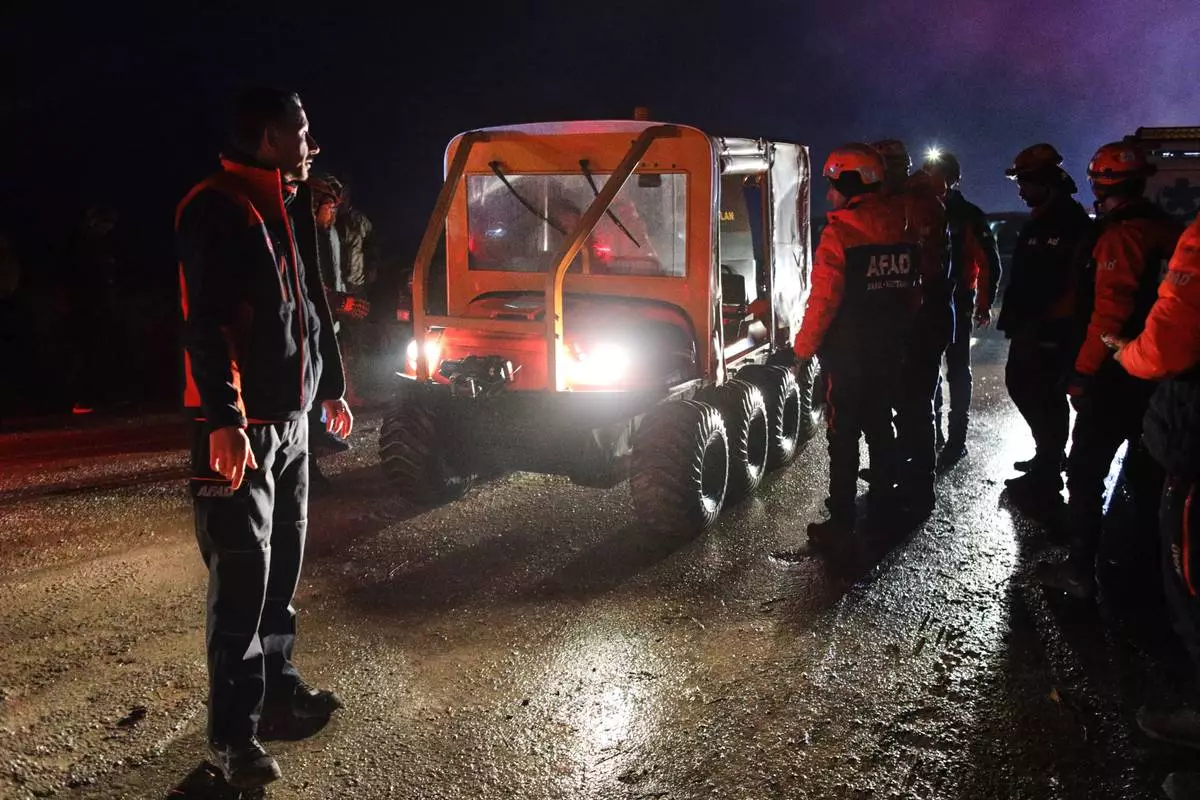
Turkish rescue teams search for the remains of a private jet carrying Libya's military chief and four others that crashed after taking off from Ankara, killing everyone on board, in Ankara, Turkey, Tuesday, Dec. 23, 2025. (AP Photo/Efekan Akyuz)
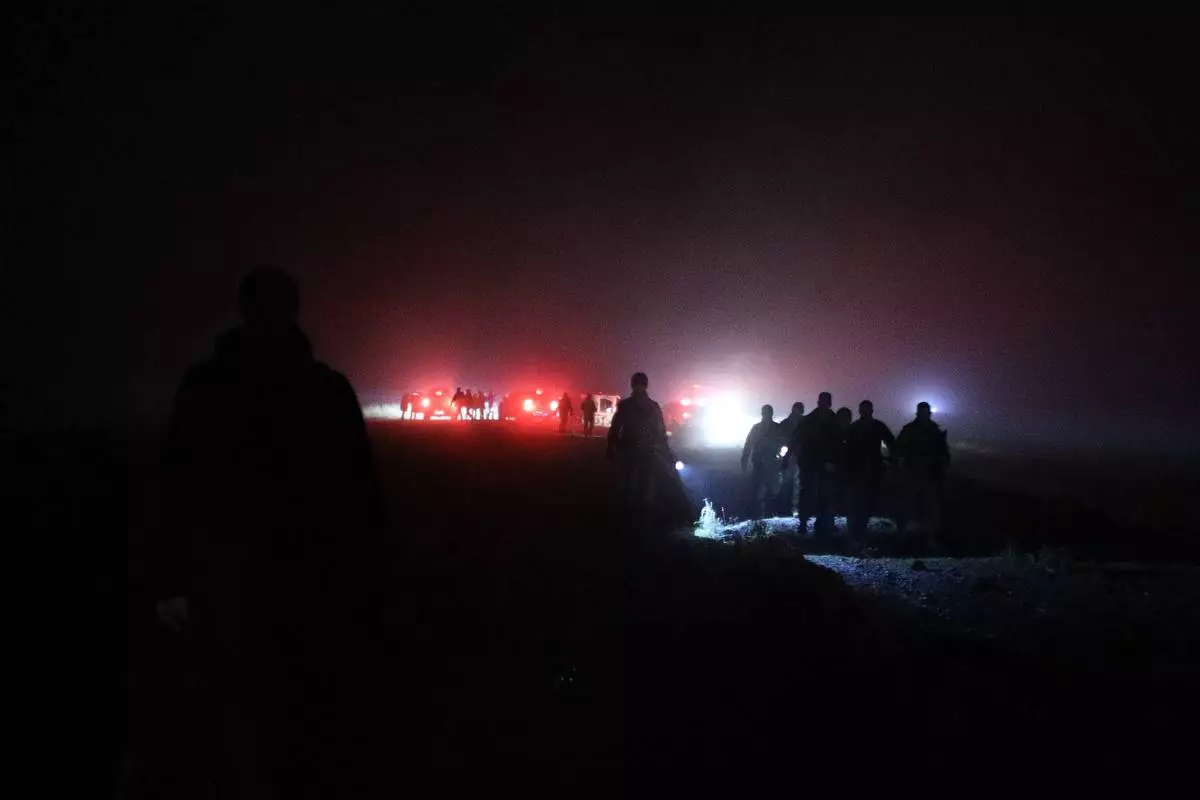
Turkish rescue teams search for the remains of a private jet carrying Libya's military chief and four others that crashed after taking off from Ankara, killing everyone on board, in Ankara, Turkey, Tuesday, Dec. 23, 2025. (AP Photo/Efekan Akyuz)
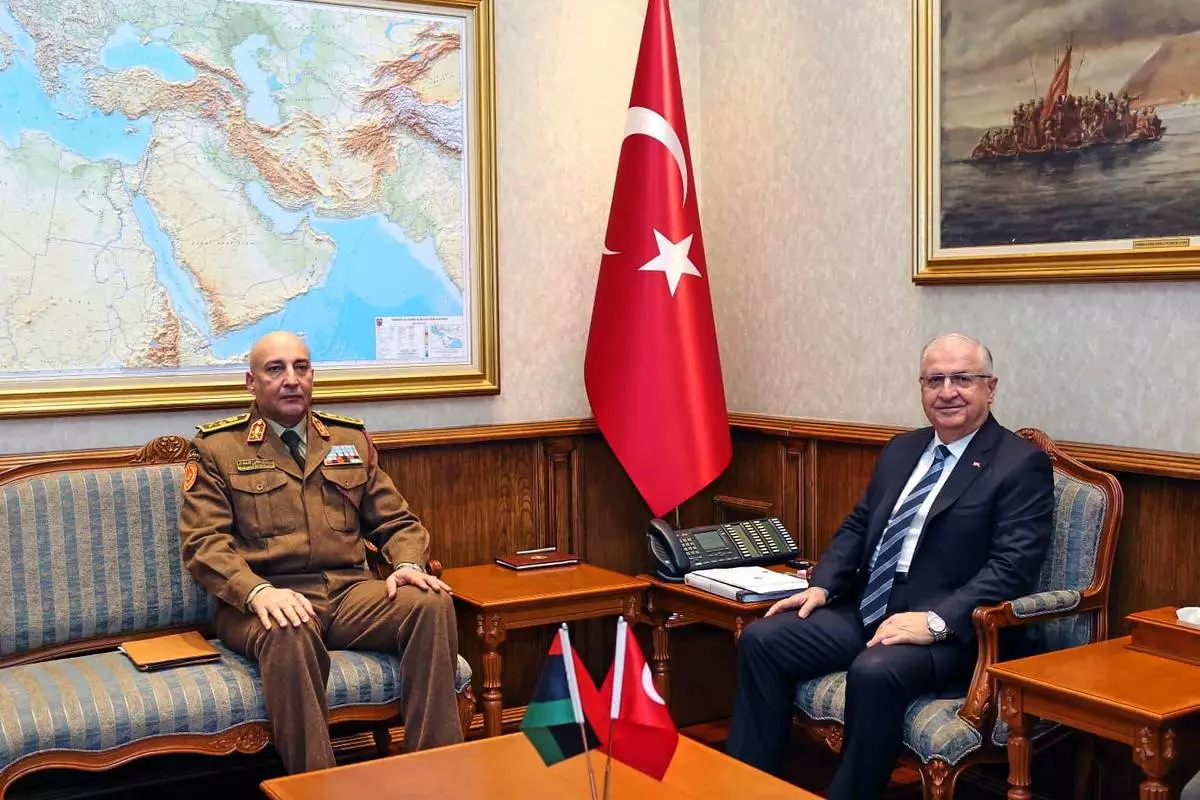
In this photo released by the Turkish Defense Ministry, Turkey's Chief of General Staff Gen. Selcuk Bayraktaroglu, right, poses for a photograph with Libyan Chief of General Staff Gen. Mohamed Ali Ahmed El Haddad during their meeting in Ankara, Turkey, Tuesday, Dec. 23, 2025. (Turkish Defense Ministry via AP)
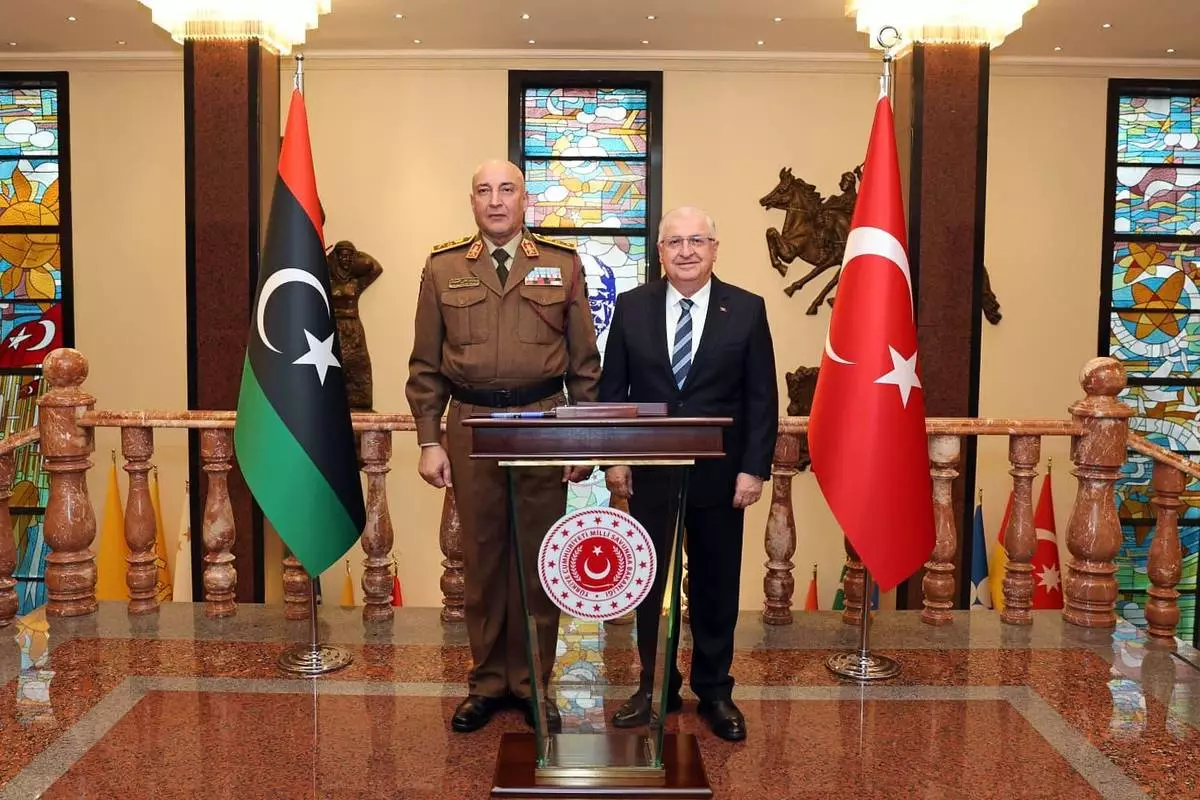
In this photo released by the Turkish Defense Ministry, Turkey's Chief of General Staff Gen. Selcuk Bayraktaroglu, right, poses for a photograph with Libyan Chief of General Staff Gen. Mohamed Ali Ahmed El Haddad during their meeting in Ankara, Turkey, Tuesday, Dec. 23, 2025. (Turkish Defense Ministry via AP)