ALGIERS, Algeria (AP) — Legislators in Algeria voted to declare France’s colonization of the North African country a crime, approving a law that calls for restitution of property taken by France during its 130-year rule, among other demands seeking to redress historical wrongs.
France slammed the law as a “hostile act” threatening bilateral efforts to heal wounds of the past. The two countries retain close cultural and economic ties but have troubled diplomatic relations.
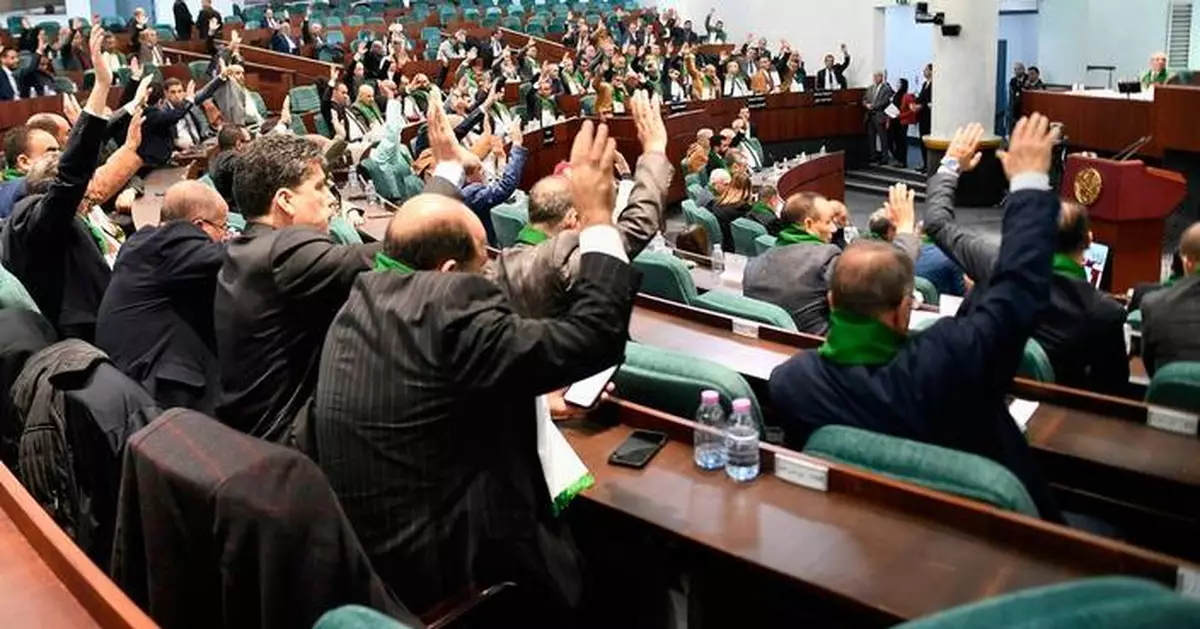
In a solemn ceremony steeped in symbolism, 340 of 407 members of Algeria’s National Assembly voted late Wednesday to approve the law. The move came just a few weeks after African countries made a collective resolution for recognition and reparations for colonial-era crimes.
The law covers the period from the landing of King Charles X’s army on the beaches of Sidi Ferruch west of Algiers in 1830 to July 5, 1962, the date of Algeria’s official independence.
The text provides for the restitution of Algerian archives and property moved to France during the colonial period, and the transmission to Algiers of detailed maps of French nuclear tests conducted in Algeria from 1960 to 1966. It also calls for the repatriation of the remains of some Algerian resistance fighters taken to France.
The law stipulates prison sentences for any action by an Algerian celebrating French colonialism, for attacks on symbols of the Algerian resistance, and “remarks with colonial connotations.”
France is unlikely to heed the demands in the law.
The law is “a manifestly hostile initiative,” the French Foreign Ministry spokesperson's office said in a statement to The Associated Press. It noted efforts under French President Emmanuel Macron to address colonial-era grievances, and added: “We continue to work toward the renewal of dialogue,” notably about security and migration issues.
Macron, in 2017, described elements of France’s history in Algeria as a crime against humanity, but stopped short of an official apology. Meanwhile, the resurgent far right in France celebrates colonialists.
The economic cost of colonialism in Africa is believed to be staggering. Algeria suffered some of the most brutal forms of French colonial rule.
Nearly a million European settlers held greater political, economic and social privileges, even though Algeria was legally part of France and its men were conscripted in World War II. Hundreds of thousands died in Algeria’s revolution, during which French forces tortured detainees, disappeared suspects and devastated villages as part of a counterinsurgency strategy to maintain their grip on power.
Huge Algerian flags adorned the lower house of parliament as speaker Mohamed Boughali delivered his opening address Wednesday.
“Today, December 24, 2025, is a historic day, to be written in letters of gold in the national narrative,” he began, before being interrupted by lawmakers intoning an excerpt from the Algerian national anthem: “O France, the hour of reckoning has arrived … we have sworn to revive Algeria, bear witness! Bear witness!”
The speaker called the law, ″a political message and an explicit moral stance.″
Government officials, professors, and former members of parliament who championed the bill were all invited to the ceremony. As the speaker declared the law adopted, shouts of “Allahu Akbar!” and “Tahya Al Djazair!” (Long live Algeria!) rose from the floor.
“This is a special day for me, full of emotion and pride. Today marks the culmination of a long struggle that we began in 2001 with fellow members of parliament, for the memory and honor of all those who fought against French colonization,” Mohamed Arezki Ferrad, a former lawmaker who initiated the bill, told the AP.
The law, which contains five chapters and 27 articles, declares that there is no statute of limitation on colonial-era crimes.
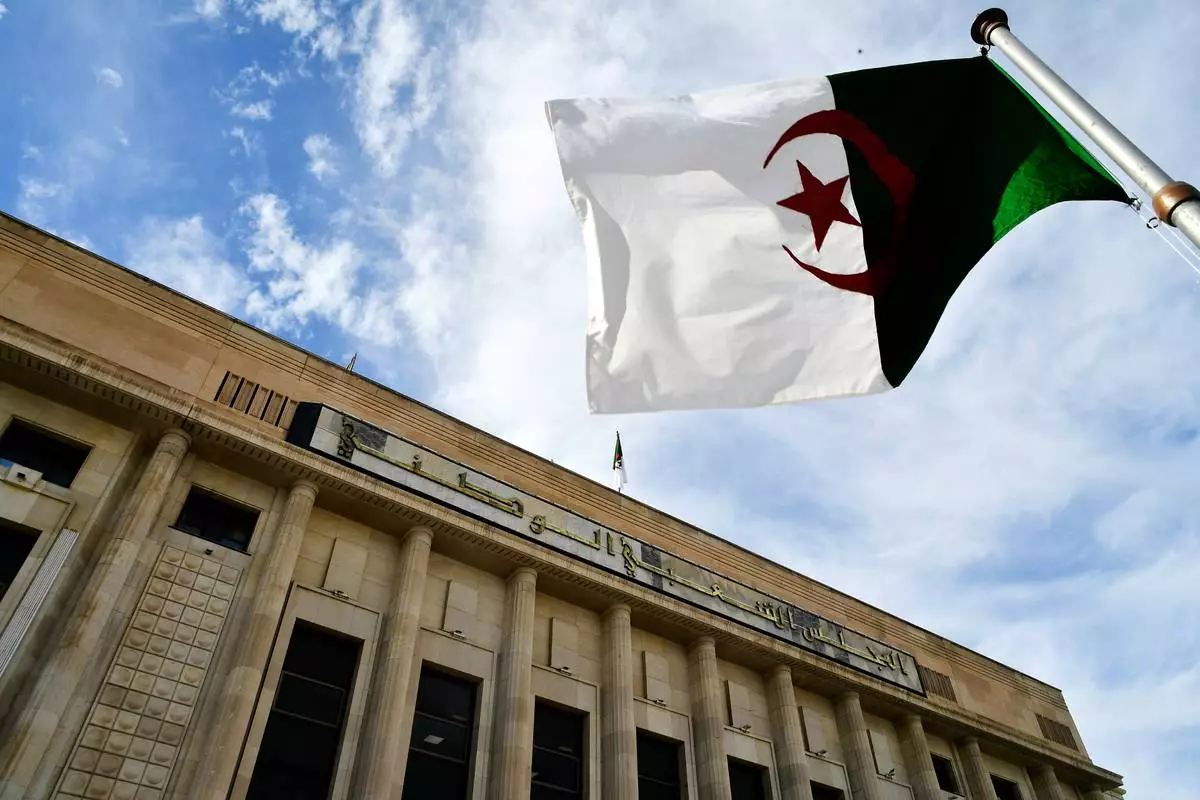
The Algerian flag flies outside the National Assembly as Parliament members vote on a bill seeking to criminalize France's colonisation, considering it a "state crime," and demanding that France issue an official apology and take legal responsibility for its colonial past in addition to compensations, Wednesday, Dec. 24, 2025 at her National Assembly in Algiers. (AP Photo/Fateh Guidoum)
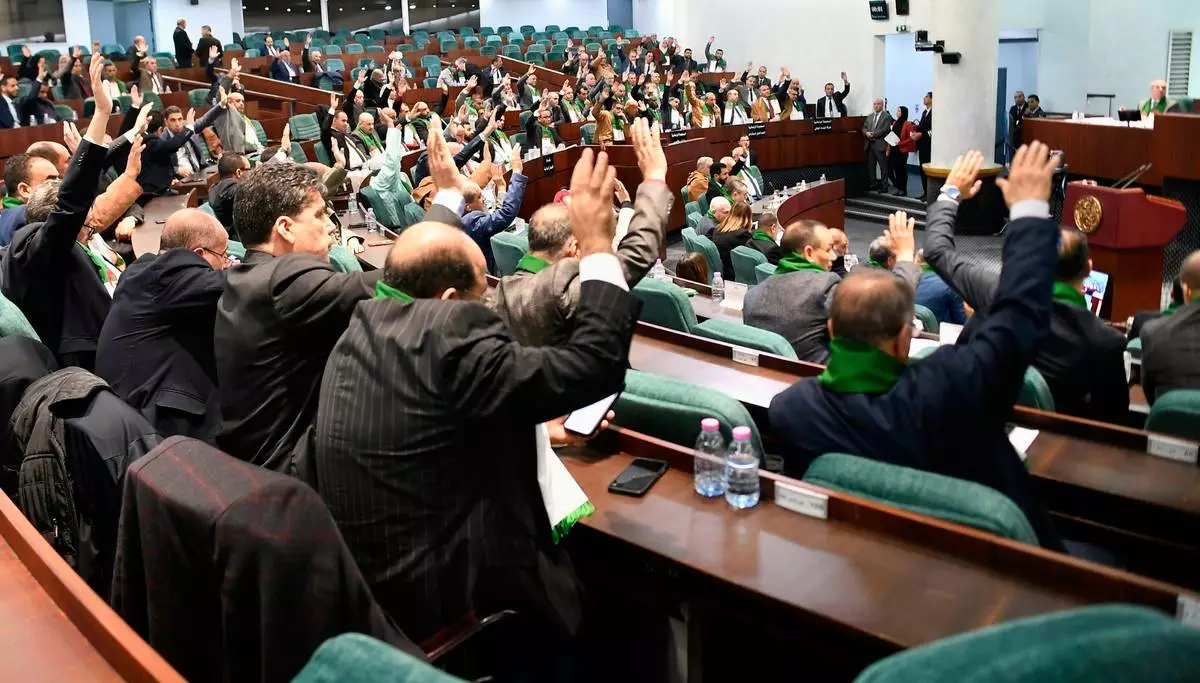
Parliament members vote on a bill seeking to criminalize France's colonisation, considering it a "state crime," and demanding that France issue an official apology and take legal responsibility for its colonial past in addition to compensations, Wednesday, Dec. 24, 2025 at her National Assembly in Algiers. (AP Photo/Fateh Guidoum)
DHAKA, Bangladesh (AP) — The son of a former prime minister of Bangladesh returned home Thursday after more than 17 years in self-imposed exile as a frontrunner to become the nation's next leader in upcoming elections.
Tarique Rahman moved to London in 2008 for medical treatment with permission after he was tortured while in custody during a military-backed government that ruled from 2006 to 2008.
Rahman, 60, is the acting chairman of the Bangladesh Nationalist Party, one of two major political parties in the South Asian nation of more than 170 million people. His return is seen as politically significant ahead of the next election set for Feb. 12 under the current interim government.
A flight carrying Rahman, his wife and daughter arrived at Hazrat Shahjalal International Airport in the capital, Dhaka, late Thursday morning among tight security measures.
Massive crowds of supporters spread across an area about 2 kilometers (1.2 miles) between the airport and a reception venue, where many had stayed overnight. A sea of people also waited at the venue. Rahman’s senior party leaders said earlier they expected “millions.”
After a reception, party officials said Rahman plans to go to a hospital to visit his critically ill mother, former Prime Minister Khaleda Zia, who led a coalition government from 2001 until 2006 when a non-elected government backed by the military came to power during a period of political chaos.
Zia, a former housewife, came to politics after her husband, former military chief and then President Ziaur Rahman, was assassinated in a military coup in 1981. She held power for the first time in 1991 after becoming a key leader in a nine-year movement against a former military dictator who was forced to resign during a mass uprising in 1990.
Zia is considered one of two key figures in Bangladesh politics along with Sheikh Hasina, who was sentenced to death in absentia in November. Hasina was convicted on charges of crimes against humanity involving the crackdown on a mass uprising that ended her 15-year rule in 2024. India has not approved requests to extradite Hasina since she fled there last year.
In recent years, Rahman has been a de facto leader of the Bangladesh Nationalist Party. He regularly joined meetings and rallies online from London, keeping his party united. He was not openly challenged by any party insiders during his absence.
Bangladesh is now at a political crossroads. The interim government headed by Nobel Peace Prize laureate Muhammad Yunus is struggling to maintain law and order and restore confidence while attempting a return to democracy after Hasina's long premiership.
Global human rights groups including Human Rights Watch and the Amnesty International have accused the Yunus government of eroding democratic rights. Liberals in Bangladesh have expressed concerns over press freedom and minority rights and accused Yunus of presiding over a visible rise of Islamists.
Rahman supported Yunus when he took over as the government's chief adviser, but the relationship with his party has been shaky.
Rahman was convicted in several criminal cases during Hasina’s 15-year rule since 2009. Appeals courts under the Yunus government have acquitted him of all criminal charges including involvement of a grenade attacks on a Hasina rally in 2004.
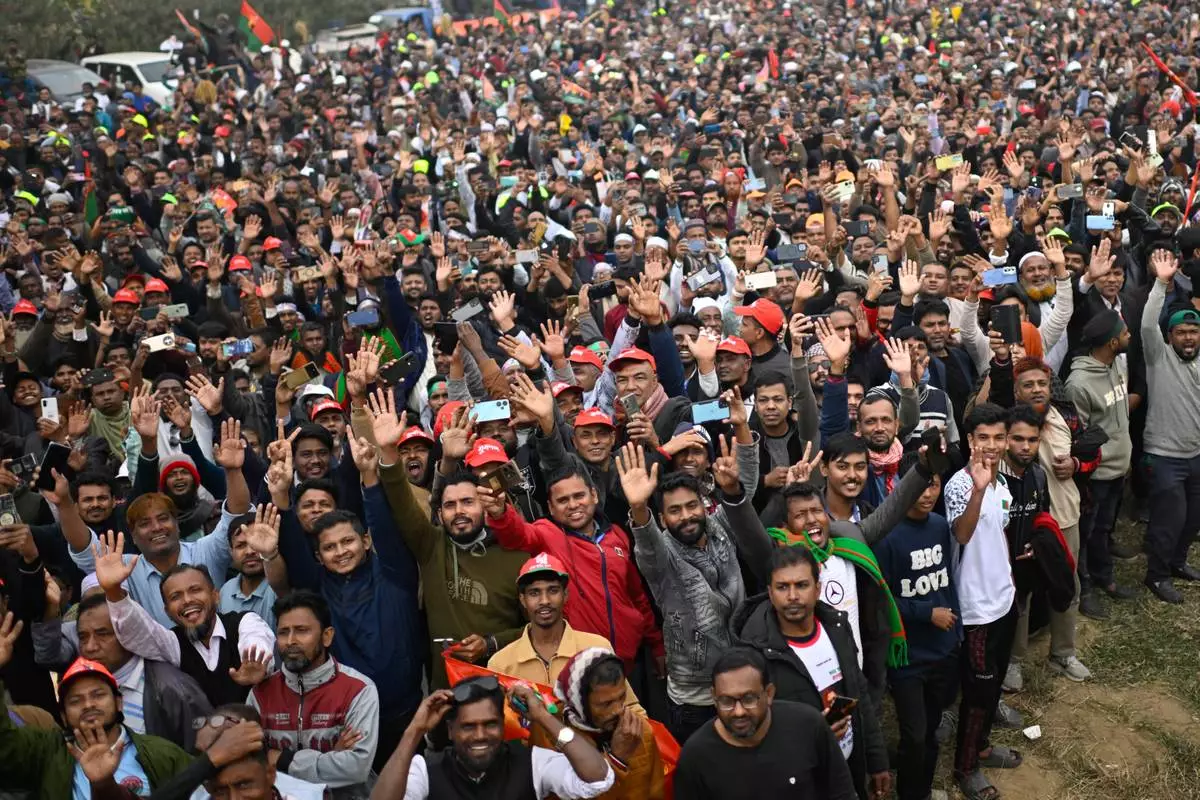
Supporters of Bangladesh Nationalist Party (BNP) Acting Chairman Tarique Rahman shout slogans following his arrival at Hazrat Shahjalal International Airport in Dhaka after more than 17 years of self-imposed exile in London, Thursday, Dec. 25, 2025. (AP Photo/ Mahmud Hossain Opu)
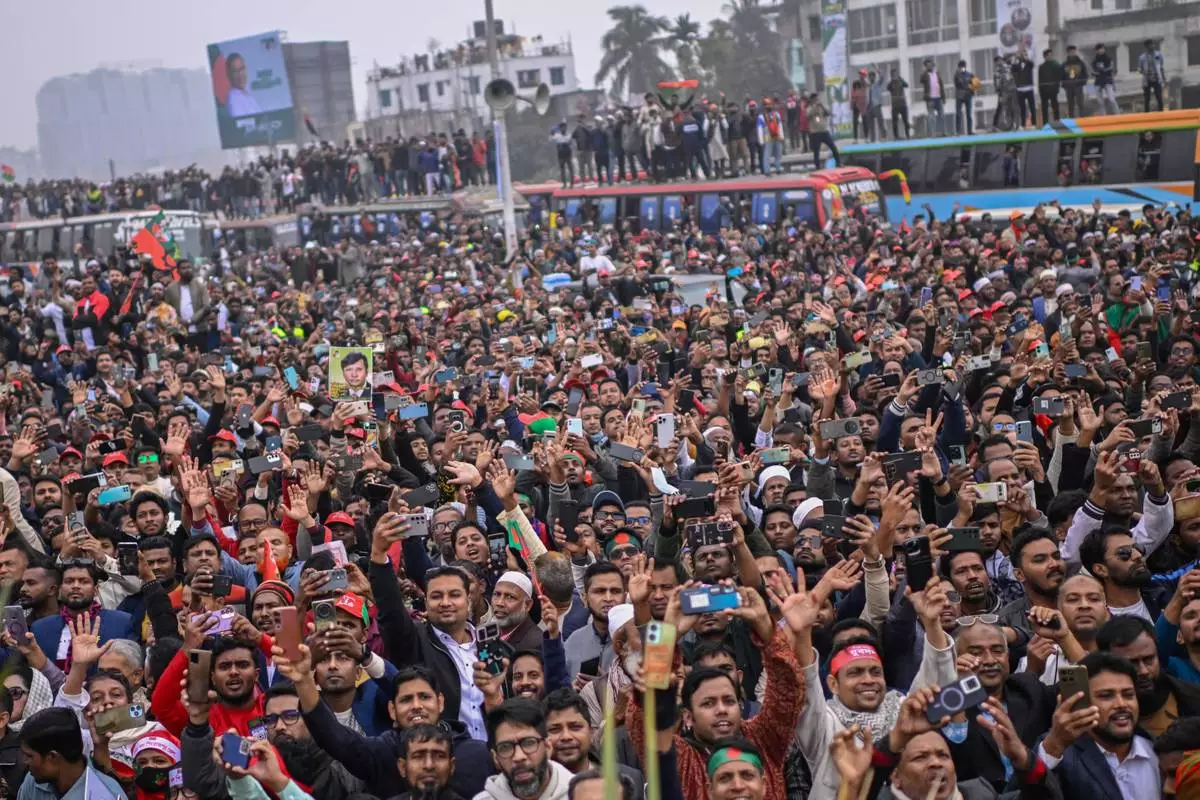
Supporters of Bangladesh Nationalist Party (BNP) Acting Chairman Tarique Rahman shout slogans following his arrival at Hazrat Shahjalal International Airport in Dhaka after more than 17 years of self-imposed exile in London, Thursday, Dec. 25, 2025. (AP Photo/ Mahmud Hossain Opu)
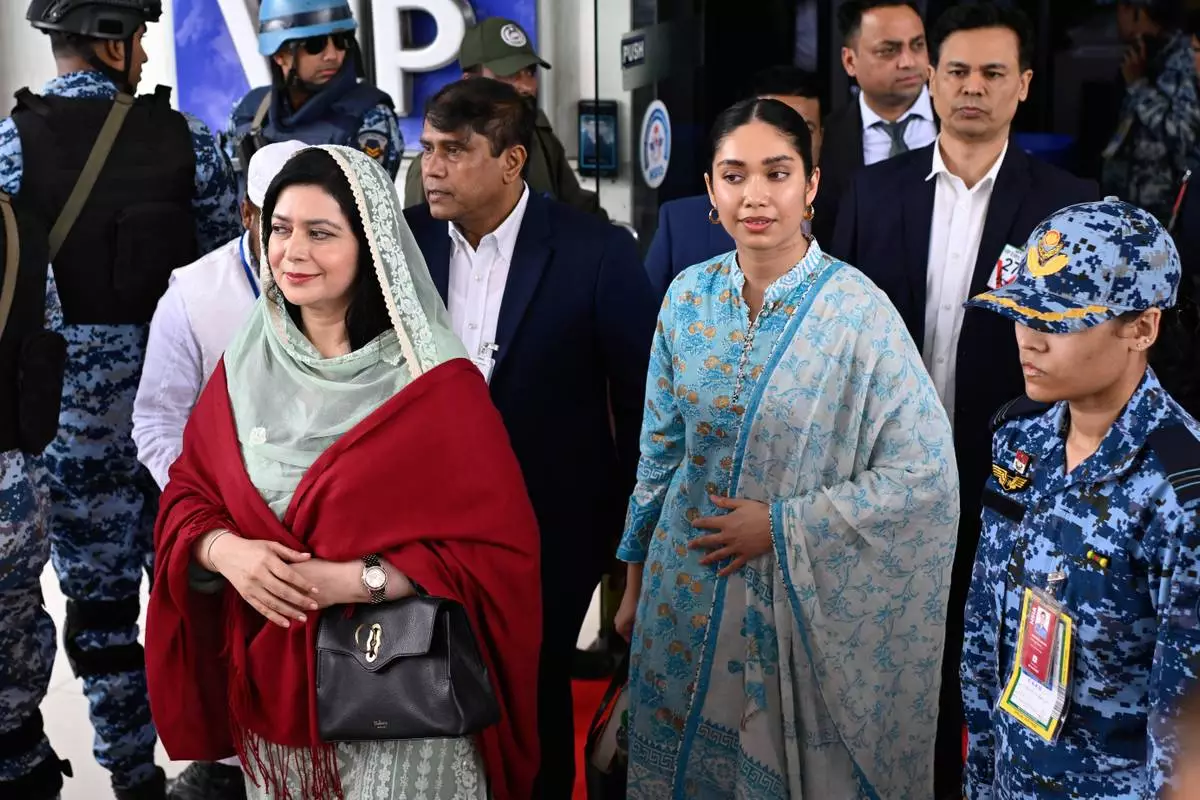
Bangladesh Nationalist Party (BNP) Acting Chairman Tarique Rahman's wife, Zubaida Rahman, left, arrives with her daughter Zaima Rahman at Hazrat Shahjalal International Airport in Dhaka, Bangladesh, as they return to the country, Thursday, Dec. 25, 2025. (AP Photo/Mahmud Hossain Opu)
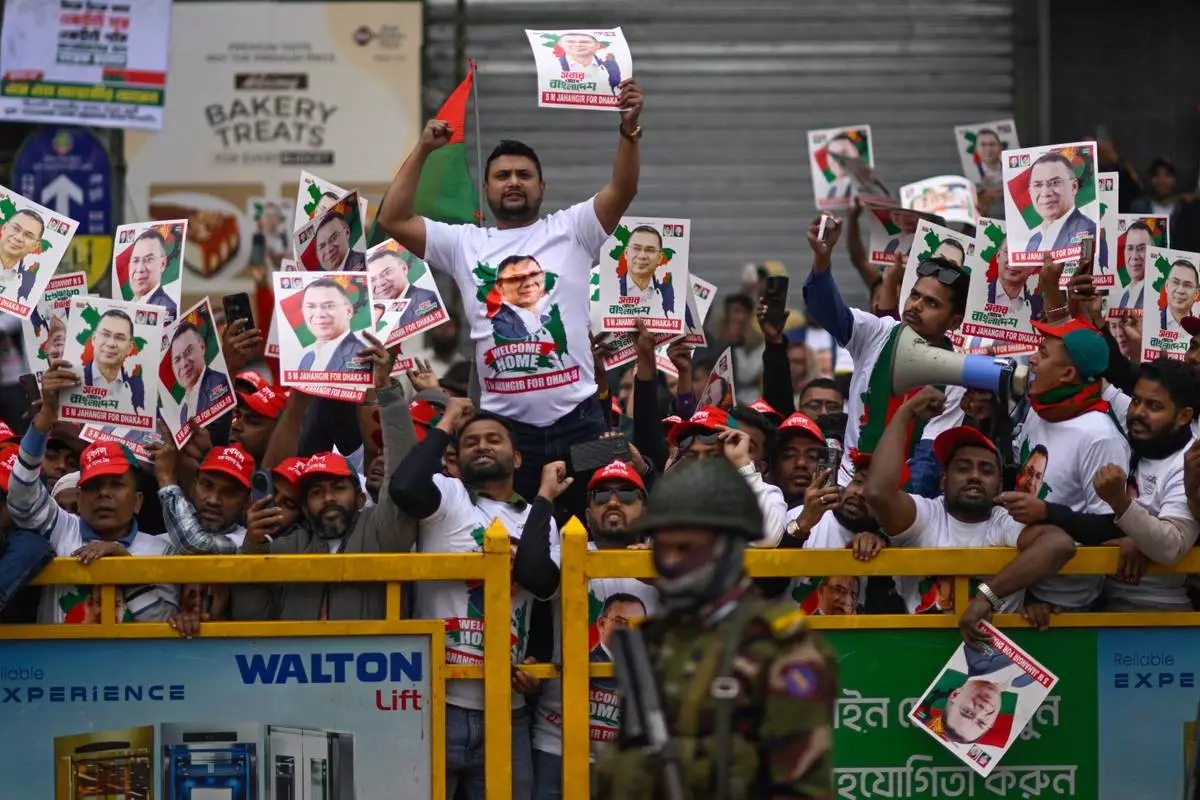
Supporters of Bangladesh Nationalist Party (BNP) Acting Chairman Tarique Rahman shout slogans following his arrival at Hazrat Shahjalal International Airport in Dhaka after more than 17 years of self-imposed exile in London, Thursday, Dec. 25, 2025. (AP Photo/ Mahmud Hossain Opu)
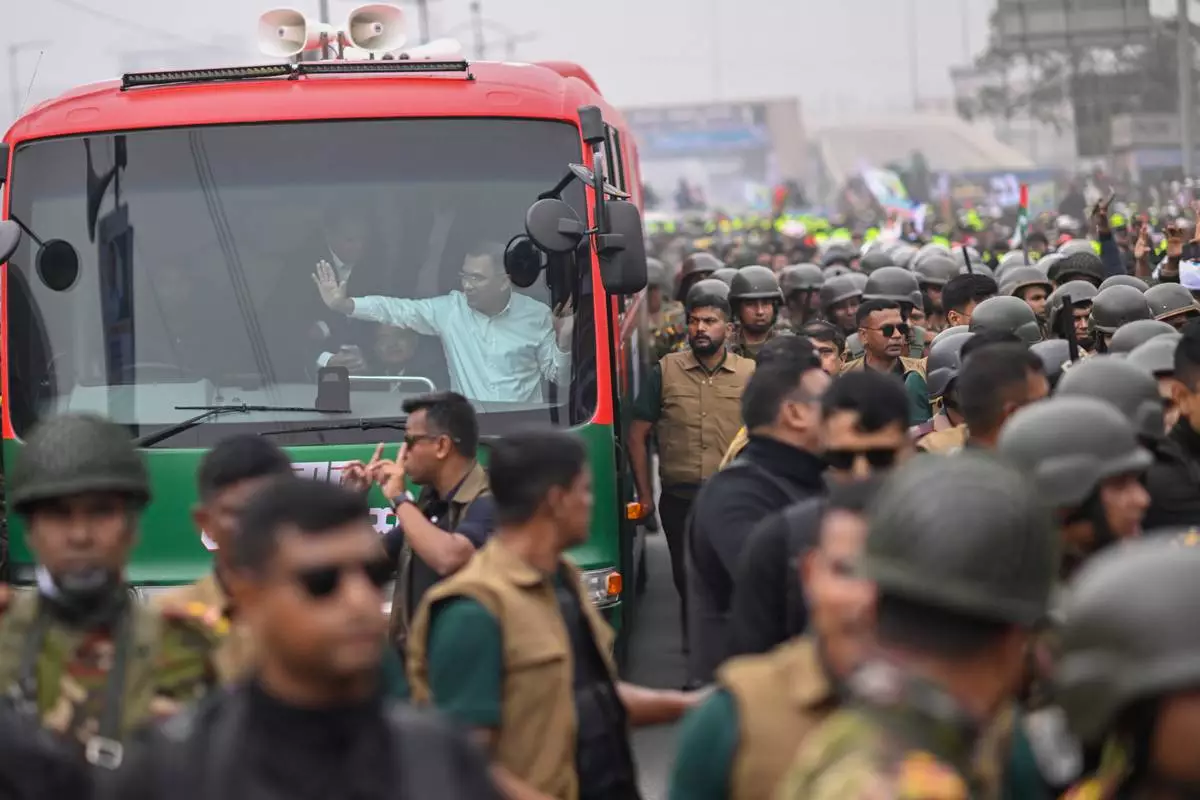
Bangladesh Nationalist Party (BNP) Acting Chairman Tarique Rahman waves to supporters from a bus in Dhaka after returning from London, ending more than 17 years of self-imposed exile, Thursday, Dec. 25, 2025.(AP Photo/Mahmud Hossain Opu)
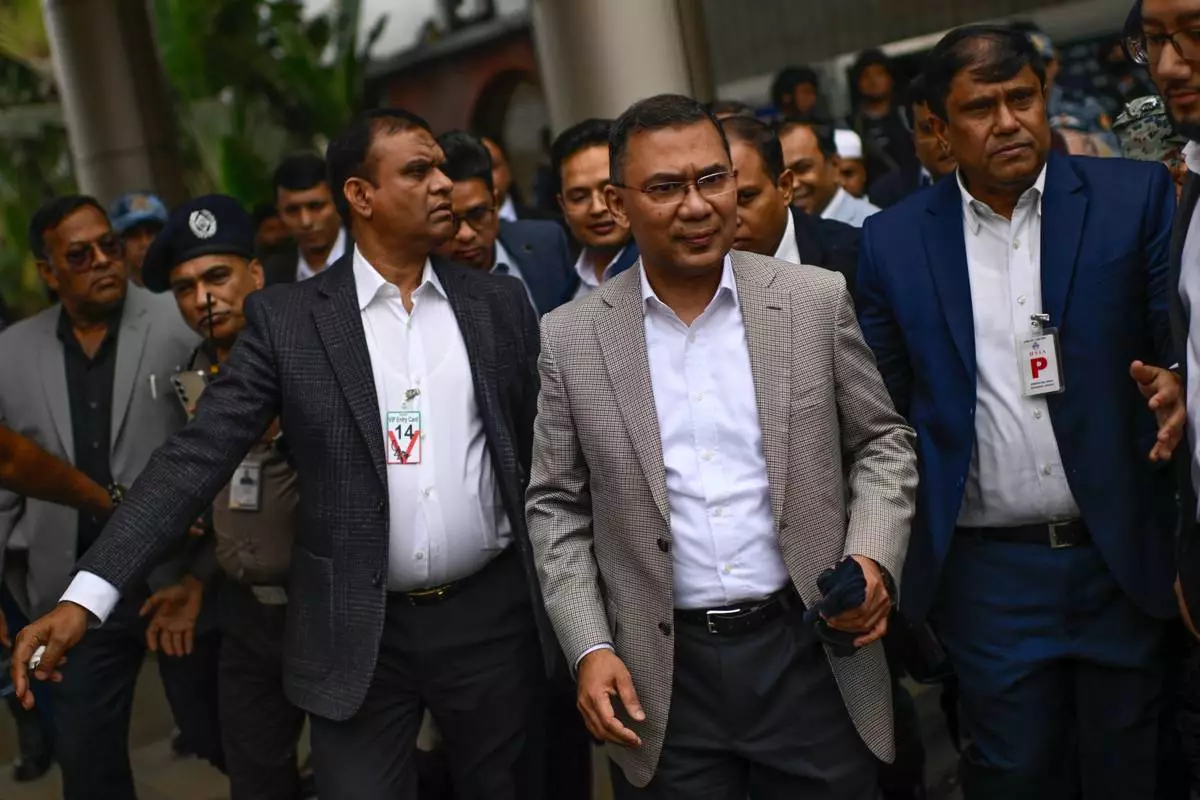
Bangladesh Nationalist Party (BNP) Acting Chairman, Tarique Rahman, center, arrives at Hazrat Shahjalal International Airport in Dhaka, Thursday, Dec. 25, 2025, after returning from London, ending more than 17 years of self-imposed exile. (AP Photo/Mahmud Hossain Opu)
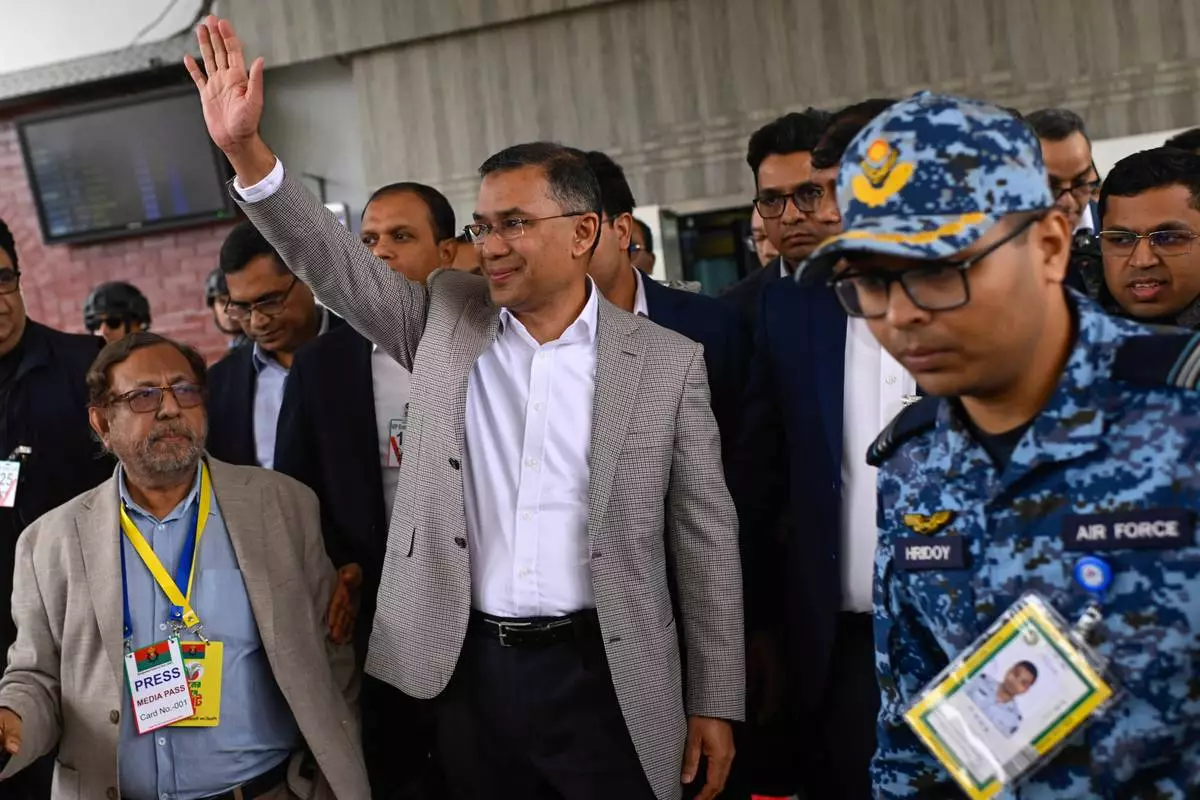
Bangladesh Nationalist Party (BNP) Acting Chairman, Tarique Rahman, waves to supporters at Hazrat Shahjalal International Airport in Dhaka after returning from London, ending more than 17 years of self-imposed exile, Thursday, Dec. 25, 2025. (AP Photo/Mahmud Hossain Opu)