More than a month after China's Ministry of Culture and Tourism advised its citizens to avoid traveling to Japan, Japanese businesses that relied on Chinese tourists are struggling during what should be their peak travel season.
In a statement published on its official website in November, the ministry cited the travel advisory issued by the Chinese foreign ministry, which referred to a deteriorating security environment for Chinese citizens in Japan as well as provocative remarks made by the Japanese leader regarding China's Taiwan.
As a result, about 30 percent of the 1.44 million trips scheduled from China to Japan through the end of December have been canceled.
In Asakusa, one of Tokyo's most popular tourist destinations, this time of year would typically see streets packed with Chinese visitors, who rank among the city's biggest spenders. Their presence has long supported a wide range of local businesses, from rickshaw drivers to kimono rental shops.
This year, however, store owners are feeling a sharp drop in Chinese tourists, and the year-end slump is cutting deeply into their revenues.
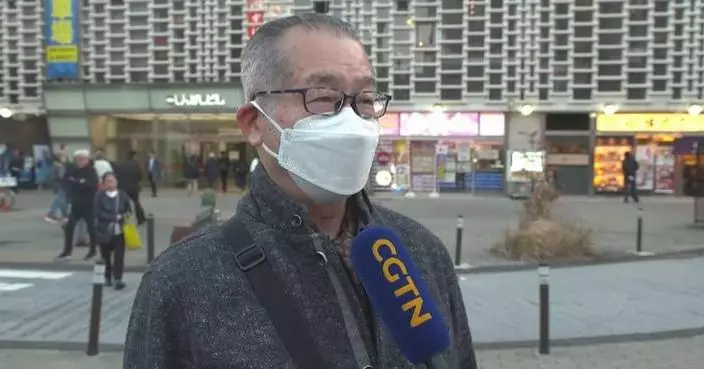
Tomomi Ogawa, store manager at kimono rental shop Cocomo Tokyo, is one of many businesses caught in the fallout. She said that Chinese customers used to make up 20 to 30 percent of her clientele, but now the situation has changed dramatically.
"The town has somehow become quieter. We've seen a big drop in the number of customers. If people stop to come, the overall energy just isn't there," said Ogawa.
Up to September this year, Chinese tourists still constituted the largest share of inbound travelers to Japan -- a loss that is now proving difficult to replace.
With Chinese airlines maintaining reduced flight schedules through March next year, Ogawa expressed worry that the downturn could extend beyond the Chinese New Year, typically one of her busiest periods.
"I think the Chinese tourists won't come until spring. They would wait until spring. Chinese tourists really like kimono rentals, so when they don't come, it causes real damage to us," she said.
The impact is also being felt across the broader tourism economy. Kansai International Airport in western Japan reported that flights between the airport and the Chinese mainland in December have decreased 34 percent, with a further 28 percent drop expected from January to March next year.
In Osaka, 21 hotels reported that 50 to 70 percent of bookings made by Chinese nationals have been canceled.
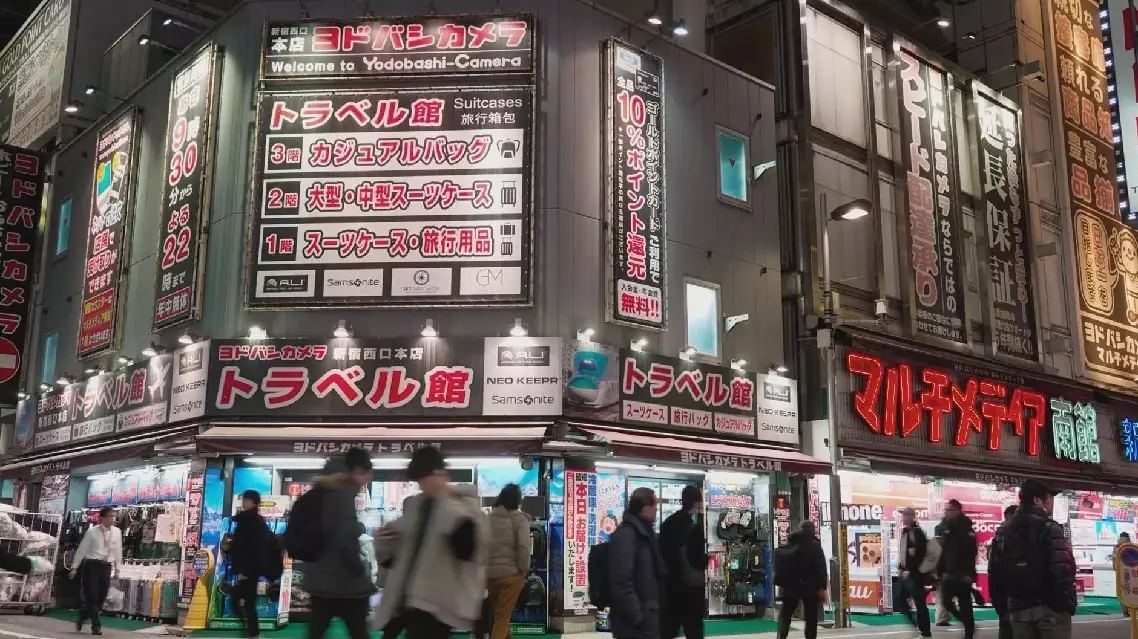
Japan's tourism industry hit hard after PM's erroneous remarks on China's Taiwan
South China's Guangdong Province is accelerating its transformation into an international medical tourism hub, positioning itself as a destination for patients worldwide seeking affordable, high-quality care.
The push follows a joint initiative announced in late March by nine Chinese government departments, including the Ministry of Commerce, aimed at boosting spending by foreign tourists and enhancing exports of tourism services as part of broader efforts to expand the country's service sector.
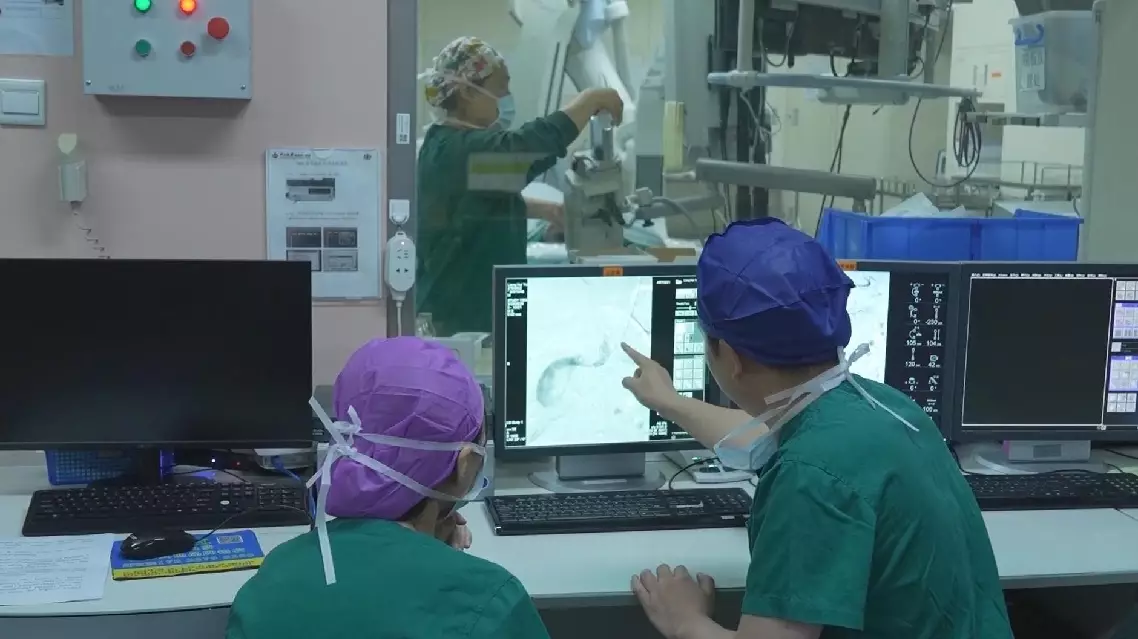
Every day, some of the most complex surgeries are performed here. Li Zilun, deputy director of the division of vascular surgery at the First Affiliated Hospital of Sun Yat‑sen University, is among the doctors capable of carrying out these intricate procedures.
He recently completed surgery on a patient with an aortic aneurysm, a condition often described as a "time bomb" in the body’s main artery, increasingly common in aging societies around the globe. Li also specializes in highly difficult and pioneering procedures, including repairing leaks caused by failed grafts.
"This was a very challenging case. And then, we implanted the covered stent to eliminate the endoleak. Actually, the outcome was pretty good. The patient will be discharged today," said Li Zilun.
The ability to handle such complex cases -- combining international techniques with domestically produced devices -- is drawing patients from around the world to seek treatment. In addition, high safety standards and low costs are also major draws.
"Our government is encouraging innovation. So, lots of physicians -- including our vascular surgeons -- we are actively involved in the innovation that helps to increase the effectiveness and safety, and also bring down the cost," said Li.
This hospital is one of the first in Guangdong to be designated by the provincial health commission as a pilot site for building an international medical service hub.
The growing number of patients has pushed the hospital to explore new ways to transform every step -- from treatment to payment and everything in between -- into a seamless experience, reducing waiting times and delivering better care for patients.
"I think it's fast. When the patient come here for just about, I think, one week, you can solve the problem," said Xiao Haipeng, president of the First Affiliated Hospital of Sun Yat-sen University.
The hospital is also deepening its international cooperation with top-tier medical institutions, including those at Harvard University.
"Not just for China, for the whole globe, we are facing health care challenges -- emerging infectious disease and chronic, lung infectious diseases, and also the aging population, also the shortage of healthcare workforce," said Xiao.
In response to these challenges, China is promoting its own solutions, including aggressive innovation in artificial intelligence (AI)-driven workflows, while stepping up research and development investment and global engagement along the way.
"In recent years, the innovation in Western medicine is dramatically growing. An example of my hospital -- in the past few years, we have 140 innovations and seven of them are international leading innovations," said Xiao.
As global demand for medical tourism grows, China is positioning itself as a new destination. Official data shows that the number of foreign patients in Guangdong increased by 20 percent last year. Among them, the growth in inpatient admissions was even faster, rising by 76 percent.
Guangdong fast-tracks pilot for int'l medical service hub