Property owner fined $180,000 in total for removal of structural wall without approval
A property owner was fined $180,000 in total at the Kwun Tong Magistrates' Courts today (December 29), for contravention of the Buildings Ordinance (Cap. 123) (BO).
The case involved an owner who knowingly carried out removal works of part of a structural wall in a unit at The Capitol, Lohas Park, between 2022 and 2023 without prior approval and consent from the Buildings Department (BD), thereby contravening section 40(1AA) of the BO. Moreover, the removal of part of the structural wall was carried out in such a manner as was likely to cause a risk of injury to a person, or damage to a property, thereby contravening section 40(2B)(b) of the BO. Therefore, the BD instigated prosecution action against the owner under the BO in May last year. The owner was convicted and fined $180,000 in total at the Kwun Tong Magistrates' Court today.
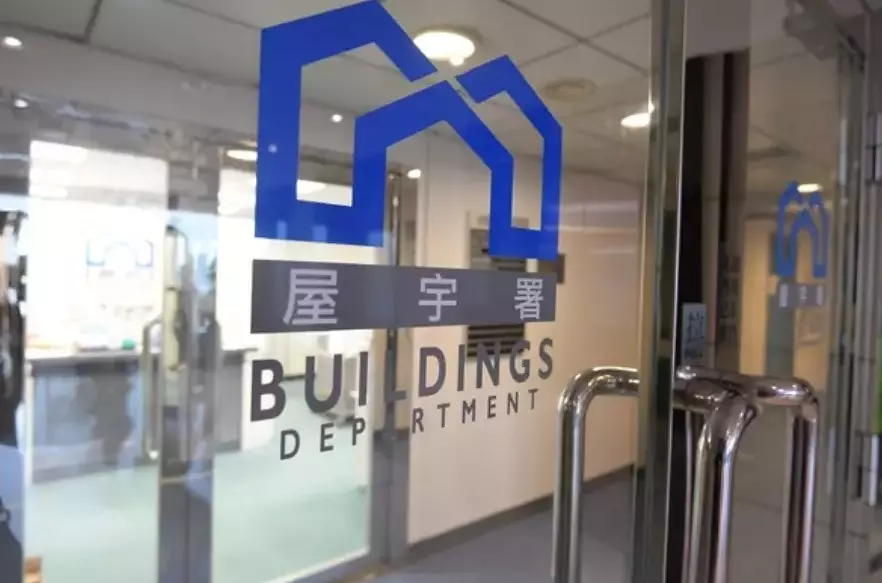
The Buildings Department (BD), Photo source: reference image
The interior designer and contractor responsible for renovating the unit in question carried out the works without prior approval or consent from the BD, thereby contravening section 40(1AA) of the BO. Furthermore, the contractor removed part of the structural wall in such a way that it posed a risk of injury to persons or damage to property, thereby contravening section 40(2B)(b) of the BO. They were also prosecuted by the BD and were convicted and fined $60,000 and $200,000 respectively in June this year.
A spokesman for the BD said that any person who intends to carry out alteration and addition works should consult building professionals for advice, including the feasibility of the works, and where necessary, apply for approval and consent from the BD to ensure building safety and compliance with the BO. Building professionals and contractors are required to carefully examine the approved plans and other relevant documents to observe the relevant requirements under the BO, and to ascertain whether prior approval from the BD should be obtained before commencement of works to ensure the safety of the occupants and the structural safety of the building.
Pursuant to section 40(1AA) of the BO, any person who knowingly contravenes section 14(1) of the BO (i.e. commences or carries out any building works without having first obtained approval and consent from the BD) shall be guilty of an offence and liable upon conviction to a fine of $400,000 and to imprisonment for two years, and a further fine of $20,000 for each day that the offence continues.
Pursuant to section 40(2B)(b) of the BO, any person directly concerned with the relevant building works, who carries out or authorises or permits such works to be carried out, in such manner that it is likely to cause a risk of injury to any person or damage to any property, shall be guilty of an offence and liable upon conviction to a fine of $1,000,000 and to imprisonment for three years.
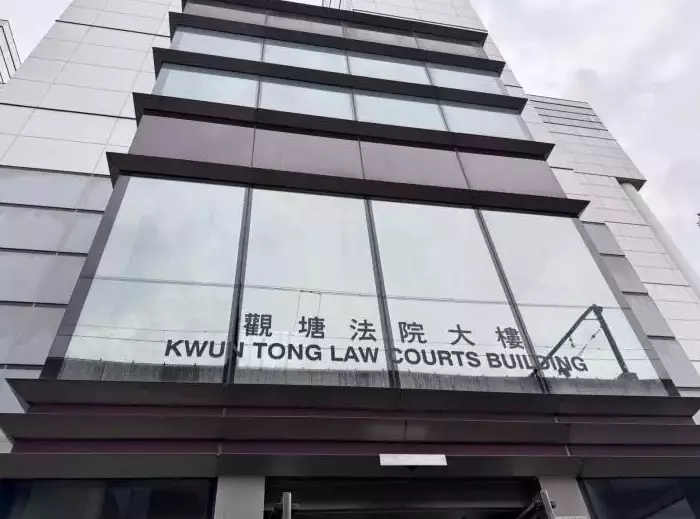
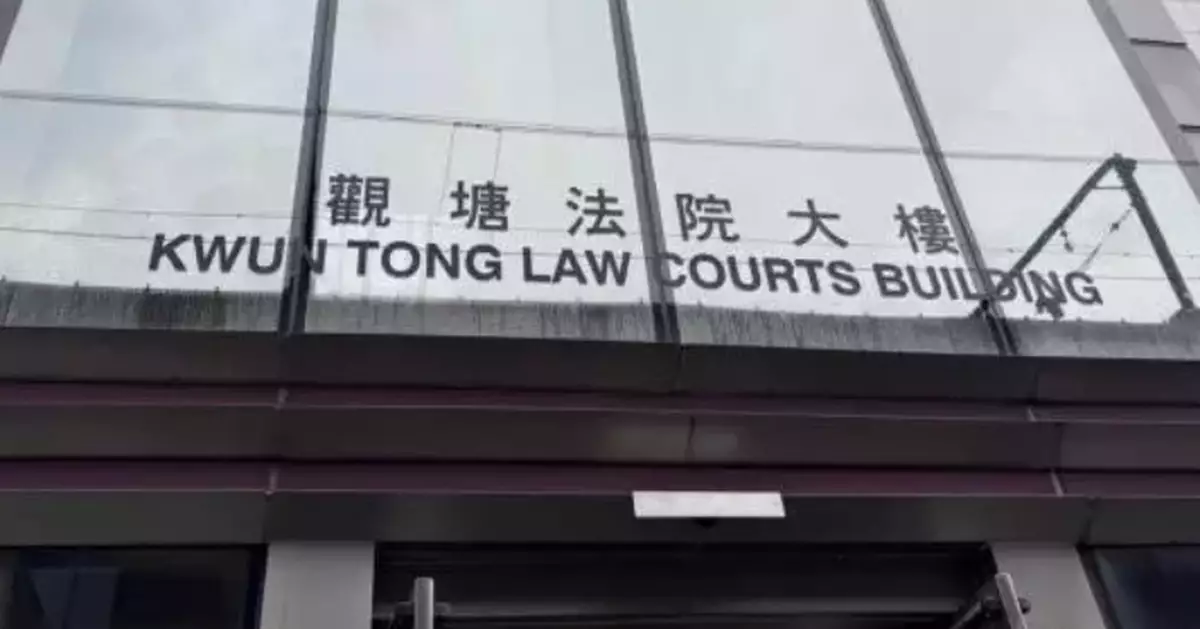
The Kwun Tong Magistrates' Courts, the Kwun Tong Law Courts Building
Update on chikungunya fever
The Centre for Health Protection (CHP) of the Department of Health announced that, as of 5pm today (December 29), no new cases of chikungunya fever (CF) had been recorded. Hong Kong has recorded a total of 82 confirmed CF cases this year. Among them, 11 were local cases, and the rest were imported cases.
Government's comprehensive follow-up actions
-----------------------------------------------------
Given that some local cases of CF have visited the Tsing Yi Nature Trails or the surrounding area in November, the trails are currently closed until further notice. Relevant government departments continue to conduct large-scale mosquito control and prevention efforts along the trails, the CHP appeals to the public not to enter the area in order to reduce the risk of contracting CF and to avoid exposure to chemicals or interfering with the mosquito control operations. Since the confirmation on December 10 of a case involving a person who had visited the Tsing Yi Nature Trails on November 30, no further local cases have been recorded to date. The CHP continues to urge individuals who have recently hiked along the Tsing Yi Nature Trails to seek medical attention as soon as possible if they develop relevant symptoms and to call the enquiry hotline (Tel: 2125 2373), which operates from 9am to 6pm.
The Food and Environmental Hygiene Department (FEHD) has been continuously conducting intensive fogging operations to eliminate adult mosquitoes along the Tsing Yi Nature Trails and the surrounding area. At suitable locations, large ultra-low volume foggers have been deployed, and a robot dog is being put on trial to enhance operational effectiveness. The FEHD has also set up new mosquito trapping devices, cleared discarded containers and garbage that could cause stagnant water, and applied larvicide oil or larvicides in areas with stagnant water that cannot be removed immediately. The FEHD has been collaborating with the Kwai Tsing District Office, the Lands Department and the Drainage Services Department to strengthen efforts in eliminating potential mosquito breeding sites along the Tsing Yi Nature Trails. Pamphlets have been distributed to hikers in the area, urging citizens to be vigilant against mosquito infestations and take personal protective measures. The FEHD also held meetings of the interdepartmental task forces on anti-mosquito work across districts to discuss the latest developments regarding the situation and plan accordingly to co-ordinate relevant departments and stakeholders in strengthening mosquito prevention and control measures in areas under their purview.
Continuously strengthening prevention and control
---------------------------------------------------------
The FEHD and relevant departments have comprehensively enhanced the mosquito control operations in Hong Kong since July this year, and this has continued. Among these, the FEHD has conducted vector investigations and targeted mosquito control operations against the imported and local cases. In light of the local case, the FEHD has immediately conducted follow-up actions, including:
- carrying out intensive fogging in scrubby areas within a 250-metre radius of the relevant locations to kill adult mosquitoes;
- carrying out inspections of the locations, removing stagnant water, applying insecticides and disposing of abandoned water containers every week with a view to preventing mosquito breeding; and
- enhancing public education efforts through organising health talks, setting up mobile education stations, and distributing publicity leaflets.
The abovementioned measures will be continued. Furthermore, the Government will further enhance the mosquito control efforts in addition to the existing measures.
Preventive measures to be taken by the public
----------------------------------------------------
Members of the public should use DEET-containing insect repellents or other effective active ingredients properly to prevent mosquito bites, but the following precautions should be taken when using them:
- read the label instructions carefully first;
- apply right before entering an area with a risk of mosquito bites;
- apply on exposed skin and clothing;
- use DEET of up to 30 per cent for pregnant women and up to 10 per cent for children (for children who travel to countries or areas where mosquito-borne diseases are endemic or epidemic and where exposure is likely, those aged 2 months or above can use DEET-containing insect repellents with a DEET concentration of up to 30 per cent);
- apply sunscreen first, then insect repellent;
- reapply only when needed and follow the instructions; and
- in addition to DEET, there are other insect repellents available on the market containing different active ingredients, such as IR3535 and picaridin. When using any insect repellent, the public should follow the usage instructions and precautions on the product label.
The FEHD also appeals to members of the public to continue to stay alert and work together to carry out mosquito prevention and control measures early, including inspecting their homes and surroundings to remove potential breeding grounds, changing water in vases and scrubbing their inner surfaces, removing water in saucers under potted plants at least once a week, and properly disposing of containers such as empty cans and lunch boxes. The FEHD also advises members of the public and property management agencies to keep drains free of blockage and level all defective ground surfaces to prevent the accumulation of water. They should also scrub all drains and surface sewers with an alkaline detergent at least once a week to remove any mosquito eggs.
The public should call 1823 in case of mosquito problems, and may visit the following pages for more information: the CF page of the CHP and the Travel Health Service, the latest Travel Health News, tips for using insect repellents, and the CHP Facebook Page, Instagram Account and YouTube Channel, and also the Mosquito Prevention and Control dedicated page of the FEHD.

The Centre for Health Protection (CHP), Photo source: reference image