TAIPEI, Dec. 31, 2025 /PRNewswire/ -- Optoma, a leading global provider of large-scale display solutions, continues to grow its professional ecosystem by partnering with top visual technology providers. Optoma collaborates with the most established solution development companies in each region. Additionally, in select Asian markets, Optoma integrates its Interactive Flat Panels (IFP) with professional video conferencing solutions from AVer Information Inc., an award-winning provider of AI audio-video solutions. These technical partnerships deliver high-quality video solutions for the corporate and education sectors.
Integrated Meeting Room Solutions for Hybrid Setups
As remote work and hybrid learning become more common, the demand for reliable, easy-to-use video collaboration tools stays high. By partnering with AVer, Optoma offers a complete "Total Meeting Room Solution" designed to address these changing needs.
- Optimized Meeting Experiences: Integrating Optoma's display technology with professional audio-visual products enhances overall meeting efficiency.
- System Compatibility: Extensive interoperability testing guarantees that these hardware configurations provide a dependable experience for both IT administrators and end users.
- Versatile Applications: These professional-grade solutions are built to satisfy the stability requirements of large enterprises, government initiatives, and specialized organizations.
Technical Validation and Product Compatibility
To ensure consistent performance, Optoma and its partners conduct product-level compatibility testing. For example, the following AVer video conferencing models have been verified to work seamlessly with Optoma IFPs:
- VB342 Pro Video Bar
- CAM570 Dual Lens Conferencing Camera
Optoma will continue to conduct compatibility testing for the FP (Flat Panel) series through the second quarter of 2026.
These technical validations guarantee that the hardware ecosystem provides a stable, high-performance environment for video collaboration, reducing technical friction.
Commitment to Industry Collaboration
We are pleased to collaborate with industry leaders like AVer," stated Gordon Wu, General Manager of Optoma APAC. "By combining Optoma's strengths in interactive visuals with professional video conferencing technology, we provide our customers with a powerful collaborative experience. This approach shows our ongoing commitment to supporting modern office and education models.
Stanley Cheng, Vice President of AVer, stated: "Quality video conferencing is a key pillar of effective collaboration. Our MTR-certified audio and video solutions integrate seamlessly with Optoma's Interactive Flat Panels to deliver high-performance meeting room experiences. We are excited to bring these enhanced solutions to customers through this product-focused collaboration."
Through close technical cooperation, Optoma and its partners drive continuous innovation in video conferencing, empowering users to connect and communicate more effectively.
About Optoma
As a global leader in display solutions, Optoma is committed to delivering efficient, innovative display technologies and solutions across all industries. From projectors and monitors to intelligent display systems, Optoma adheres to its core philosophy of "continuous innovation," striving to advance display technology and its applications, and to provide customers with outstanding visual experiences and management performance. Learn More https://www.optoma.com/
About AVer Information Inc.
Founded in 2008, AVer Information Inc. focuses on innovation in the Pro AV, education, telemedicine, and video conferencing fields. The company provides solutions such as AI auto tracking and professional PTZ cameras, document cameras (visualizers), charge & sync carts, classroom audio systems, medical grade cameras, and video conferencing solutions — many of which have received prestigious domestic and international awards. In addition to offering customers an intuitive and interactive collaboration experience, AVer upholds an environmentally friendly philosophy, actively fulfilling its corporate value of sustainable development. Learn more at www.aver.com.
** The press release content is from PR Newswire. Bastille Post is not involved in its creation. **

Optoma Expands Video Conferencing Ecosystem with Industry-Leading Partners
|
ATLANTA, April 3, 2026 /PRNewswire/ -- Precision Aviation Group (PAG), a leading global provider of aftermarket aviation and aerospace services, today announced that EFIX and PAG Australia have been added to the Safran Electrical & Power Authorized Repair Center (ARC) Network, further expanding PAG's global OEM authorized repair capabilities.
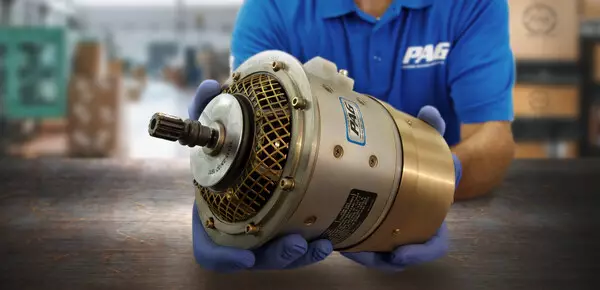
With the addition of EFIX and PAG Australia, PAG now operates five Authorized Repair Centers within the Safran Electrical & Power ARC Network for its DC Generators and GCU, reinforcing the company's commitment to providing high-quality, OEM-approved MRO support across key global regions.
The five PAG companies authorized within the Safran Electrical & Power ARC Network include:
- Precision Aviation Group (PAG) – Atlanta, Georgia, USA
- PAI Canada – British Columbia, Canada
- Tuner Aviation – Glasgow, Scotland
- EFIX – Brazil
- PAI Australia – Queensland, Australia
"This expansion reflects the continued investment we're making across our Component Services organization to meet OEM standards while supporting customers where they operate," said Jordan Webber, Vice President of Component Services at Precision Aviation Group. "Adding EFIX and PAG Australia to the Safran Electrical & Power ARC Network allows us to extend trusted, authorized repair and distribution capabilities into new regions while maintaining the quality, consistency, and reliability our customers expect."
Safran Electrical & Power is a global leader in aircraft electrical systems, and its Authorized Repair Center Network is designed to ensure consistent standards of quality, compliance, and performance across approved service providers.
The inclusion of EFIX and PAG Australia enables PAG to offer expanded regional coverage in South America and the Asia-Pacific region, reducing turnaround times while maintaining the highest standards of safety and reliability.
About Precision Aviation Group (PAG)
Precision Aviation Group (PAG) is a leading provider of maintenance, repair, and overhaul (MRO) and value-added supply chain services to the aerospace and defense industries. With 26 Repair Stations, 28 locations worldwide, 1,280 employees, and over 1.2 million square feet of production and distribution facilities, PAG offers comprehensive MRO services on more than 200,000 product lines. PAG supports operators in the Airline, Business and General Aviation (BGA), Military, and Rotary Wing markets through its Inventory Supported Maintenance, Repair, and Overhaul (ISMRO®) business model.
www.precisionaviationgroup.com
About Safran
Safran is an international high-technology group, operating in the aviation (propulsion, equipment and interiors), defense and space markets. Its core purpose is to contribute to a safer, more sustainable world, where air transport is more environmentally friendly, comfortable and accessible. Safran has a global presence, with 100,000 employees and sales of 27.3 billion euros in 2024, and holds, alone or in partnership, world or regional leadership positions in its core markets. Safran is listed on the Euronext Paris stock exchange and is part of the CAC 40 and Euro Stoxx 50 indices.
Safran Electrical & Power is one of the world's leaders in aircraft electrical systems. The company is a key player in equipment electrification and in the electric and hybrid propulsion sector. It has more than 15,500 employees across 13 different countries.
For more information: www.safran-group.com
Photo - https://mma.prnasia.com/media2/2949133/Precision_Aviation_Group__PAG_employee_holds_an_aircraft_part.jpg?p=medium600
Logo - https://mma.prnasia.com/media2/1515200/Precision_Aviation_Group_Logo.jpg?p=medium600
ATLANTA, April 3, 2026 /PRNewswire/ -- Precision Aviation Group (PAG), a leading global provider of aftermarket aviation and aerospace services, today announced that EFIX and PAG Australia have been added to the Safran Electrical & Power Authorized Repair Center (ARC) Network, further expanding PAG's global OEM authorized repair capabilities.
With the addition of EFIX and PAG Australia, PAG now operates five Authorized Repair Centers within the Safran Electrical & Power ARC Network for its DC Generators and GCU, reinforcing the company's commitment to providing high-quality, OEM-approved MRO support across key global regions.
The five PAG companies authorized within the Safran Electrical & Power ARC Network include:
- Precision Aviation Group (PAG) – Atlanta, Georgia, USA
- PAI Canada – British Columbia, Canada
- Tuner Aviation – Glasgow, Scotland
- EFIX – Brazil
- PAI Australia – Queensland, Australia
"This expansion reflects the continued investment we're making across our Component Services organization to meet OEM standards while supporting customers where they operate," said Jordan Webber, Vice President of Component Services at Precision Aviation Group. "Adding EFIX and PAG Australia to the Safran Electrical & Power ARC Network allows us to extend trusted, authorized repair and distribution capabilities into new regions while maintaining the quality, consistency, and reliability our customers expect."
Safran Electrical & Power is a global leader in aircraft electrical systems, and its Authorized Repair Center Network is designed to ensure consistent standards of quality, compliance, and performance across approved service providers.
The inclusion of EFIX and PAG Australia enables PAG to offer expanded regional coverage in South America and the Asia-Pacific region, reducing turnaround times while maintaining the highest standards of safety and reliability.
About Precision Aviation Group (PAG)
Precision Aviation Group (PAG) is a leading provider of maintenance, repair, and overhaul (MRO) and value-added supply chain services to the aerospace and defense industries. With 26 Repair Stations, 28 locations worldwide, 1,280 employees, and over 1.2 million square feet of production and distribution facilities, PAG offers comprehensive MRO services on more than 200,000 product lines. PAG supports operators in the Airline, Business and General Aviation (BGA), Military, and Rotary Wing markets through its Inventory Supported Maintenance, Repair, and Overhaul (ISMRO®) business model.
www.precisionaviationgroup.com
About Safran
Safran is an international high-technology group, operating in the aviation (propulsion, equipment and interiors), defense and space markets. Its core purpose is to contribute to a safer, more sustainable world, where air transport is more environmentally friendly, comfortable and accessible. Safran has a global presence, with 100,000 employees and sales of 27.3 billion euros in 2024, and holds, alone or in partnership, world or regional leadership positions in its core markets. Safran is listed on the Euronext Paris stock exchange and is part of the CAC 40 and Euro Stoxx 50 indices.
Safran Electrical & Power is one of the world's leaders in aircraft electrical systems. The company is a key player in equipment electrification and in the electric and hybrid propulsion sector. It has more than 15,500 employees across 13 different countries.
For more information: www.safran-group.com
Photo - https://mma.prnasia.com/media2/2949133/Precision_Aviation_Group__PAG_employee_holds_an_aircraft_part.jpg?p=medium600
Logo - https://mma.prnasia.com/media2/1515200/Precision_Aviation_Group_Logo.jpg?p=medium600
** This press release is distributed by PR Newswire through automated distribution system, for which the client assumes full responsibility. **
Precision Aviation Group Expands Safran Electrical & Power Authorized Repair Center Network to Five Global Facilities