Displaced Palestinians living in the Gaza Strip marked the arrival of the New Year among the ruins of destroyed homes on Thursday, facing harsh living conditions and deep uncertainty over their future.
Living in temporary shelters, they expressed hope that the New Year would mark a turning point, allowing them to regain stability and a sense of safety after prolonged hardship compounded by inadequate housing, clean water, and basic services.
"The world must stand with the Palestinian people who have endured immense suffering, help us rebuild the Gaza Strip, achieve peace, and have a state where we can live in peace and security," said Um Rabee' Al-Mallash, a displaced Palestinian living right now at one of Gaza's camps.
Others expressed particular concern about the future of children, many of whom have had their schooling interrupted or halted altogether.
"I wish that we could live as the rest of the world lives. Today, our children have no education or anything at all," said Wafaa Al-Khawaja, another displaced Palestinian.
Some others voiced their hope to live in peace and stability.
"We hope that 2026 will be a year filled with joy, happiness and rebuild, and that they (Israelis) will fully withdraw from the Gaza Strip, and that people return to their places of residence. Even if we return to camps, we will live in safety and stability," said Noha Abu Amsha, a displaced Palestinian.
"We hope that 2026 will be better than 2025, and that, God Willing, wars and suffering will come to an end," said Akram Abu Sal'a, another displaced Palestinian.
Hundreds of thousands of residents have been estimated to remain displaced, amid mounting challenges facing relief and reconstruction efforts, as the population of the Gaza Strip awaits what the new year may bring in terms of humanitarian and political developments.
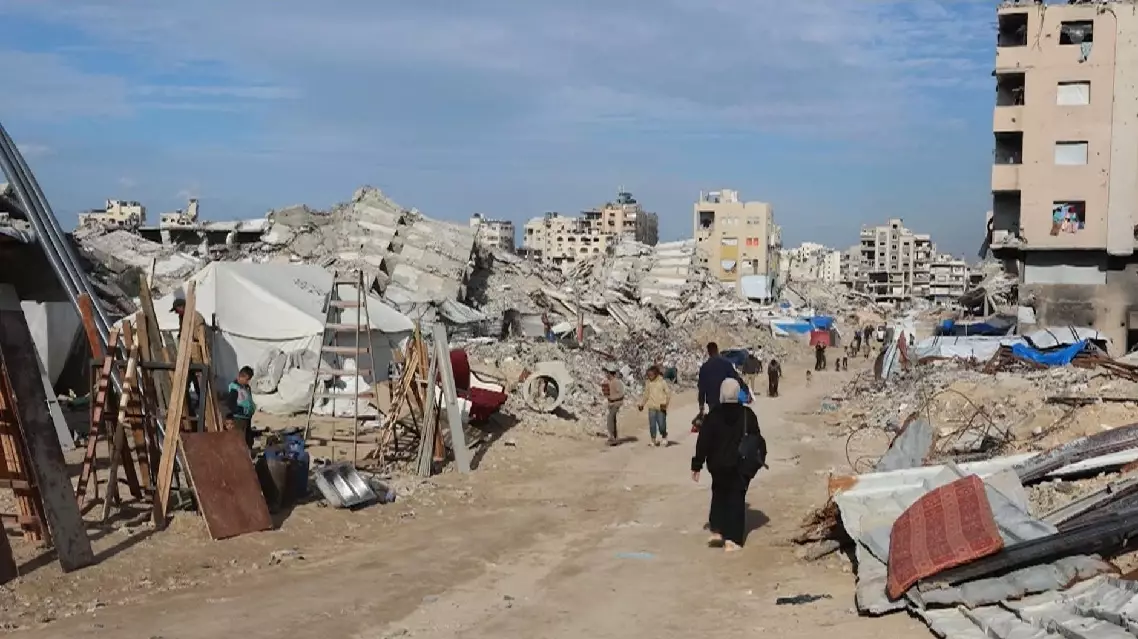
Gaza residents greet New Year with uncertainty amid displacement
Gaza residents greet New Year with uncertainty amid displacement
Yemen's transport ministry on Thursday rejected new Saudi-imposed flight restrictions, calling a requirement for planes to stop in Saudi Arabia for security inspections an "air blockade" that undermines national sovereignty.
Officials loyal to the secessionist Southern Transitional Council (STC) have refused to comply with the new protocols ordered by Yemen's Saudi-backed central government, and have partially halted operations in Aden International Airport, the country's primary gateway, a source within the Yemeni government told China's Xinhua News Agency.
The standoff is the latest sign of a deepening fracture within the coalition fighting the Houthi group. While the STC is technically part of Yemen's ruling Presidential Leadership Council (PLC), the group seeks independence for southern Yemen and is frequently at odds with the internationally recognized government.
Saudi Arabia recently ordered all international flights departing and entering Yemen to undergo security screenings at Jeddah Airport before continuing to their final destinations. While some of those restrictions were later eased, they remain in place for all flights traveling to and from the United Arab Emirates (UAE), which is allegedly the main backer of STC.
Government officials said the measures are intended to curb the movement of STC leaders between Yemen and the UAE, effectively cutting off external support for the secessionist movement.
Tensions between the factions escalated this week after the STC seized large swathes of the oil-rich Hadramout province and the eastern province of Al-Mahrah. Riyadh considers these areas a "red line" due to their proximity to the Saudi border and their concentration of Yemen's remaining energy reserves.
On Tuesday, a Saudi-led coalition airstrike targeted vehicles at the port of Mukalla in Hadramout. Saudi officials said the vehicles were intended for STC forces. Following the strike, PLC Chairman Rashad al-Alimi canceled a joint defense agreement with the UAE and ordered all Emirati forces to leave the country within 24 hours. The UAE confirmed Thursday it has begun withdrawing its remaining troops from Hadramout, citing safety concerns.
The STC commands significant control over Aden and other southern cities. Several cabinet members, including Transport Minister Abdulsalam Saleh Humaid, are loyal to the STC rather than the central leadership.
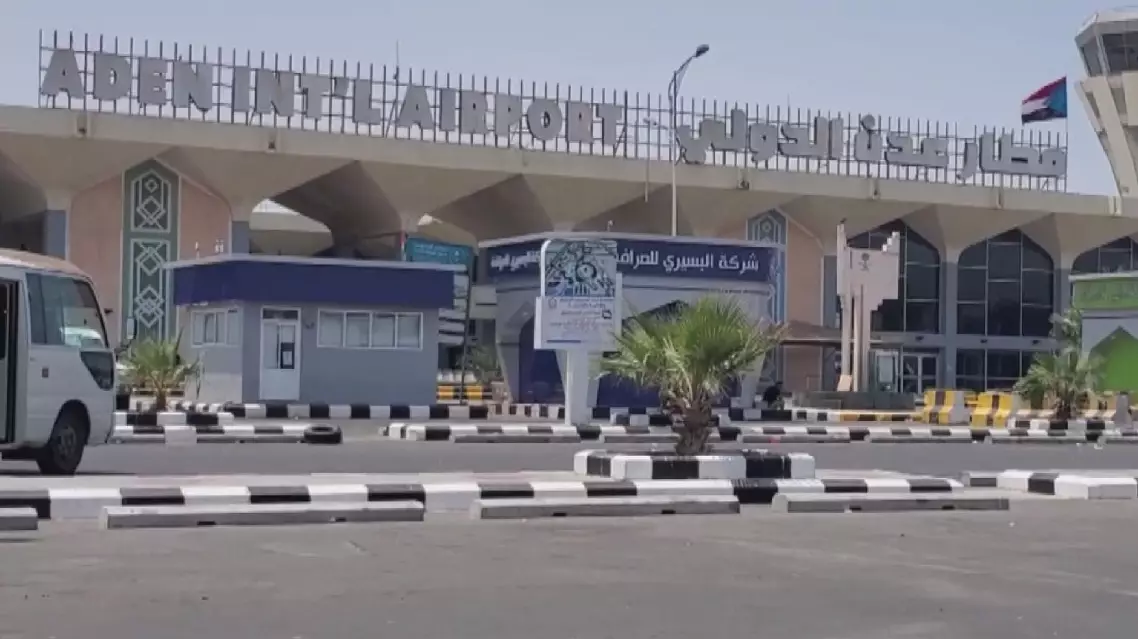
Aden's pro-separatist officials reject Saudi flight restrictions, partially halt airport operations
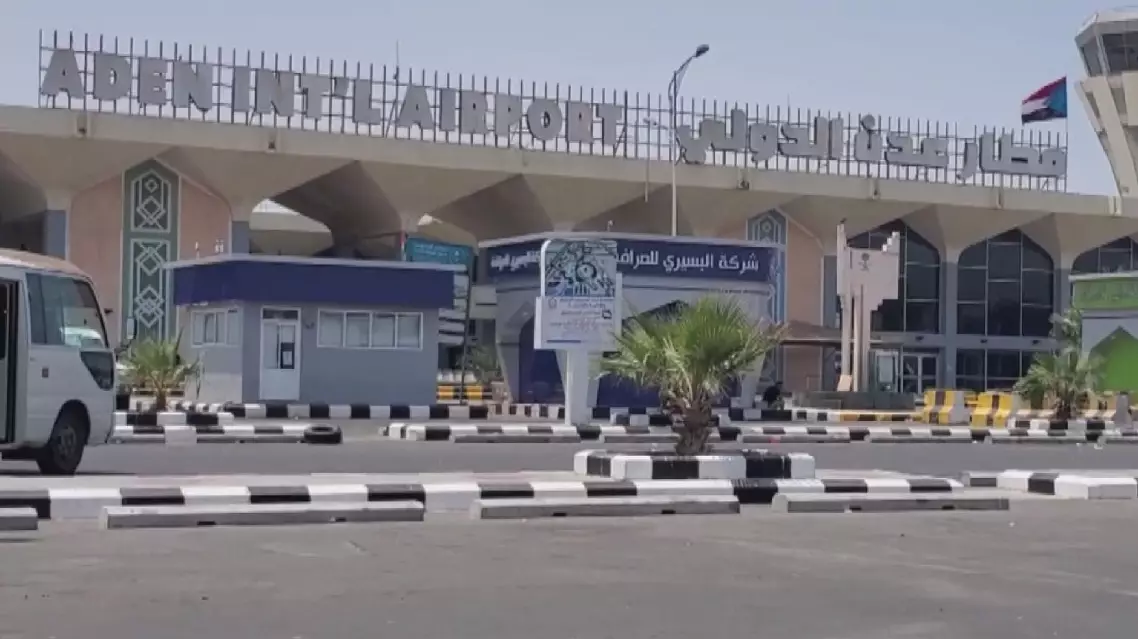
Aden's pro-separatist officials reject Saudi flight restrictions, partially halt airport operations