BANGKOK (AP) — Myanmar’s military government granted amnesty to more than 6,100 prisoners and reduced other inmates’ sentences Sunday to mark the 78th anniversary of the country's independence from Britain.
It was not immediately clear whether those released include the thousands of political detainees imprisoned for opposing military rule.
Click to Gallery
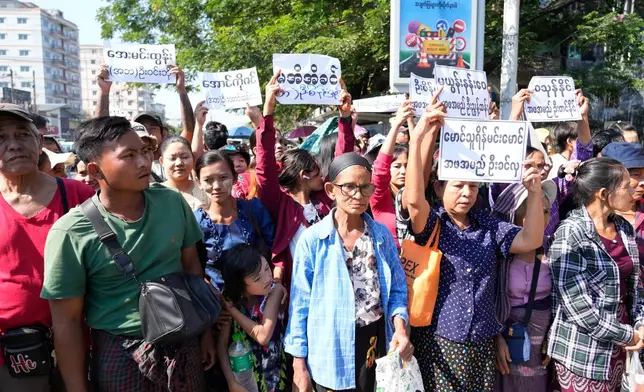
Family members and colleagues holding nameplates wait to welcome the released prisoners from Insein Prison Sunday, Jan. 4, 2026, in Yangon, Myanmar. (AP Photo/Thein Zaw)
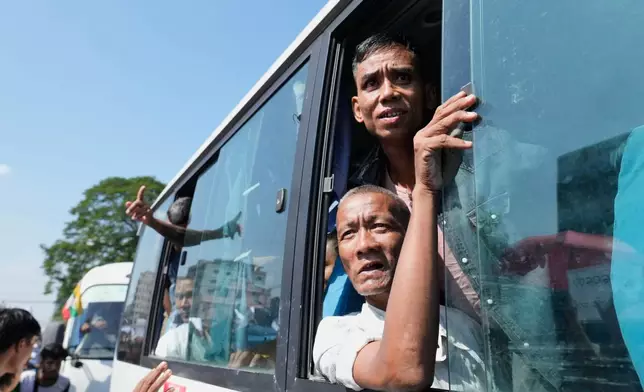
Released prisoners, in a bus, are welcomed by family members and colleagues after they left Insein Prison Sunday, Jan. 4, 2026, in Yangon, Myanmar. (AP Photo/Thein Zaw)
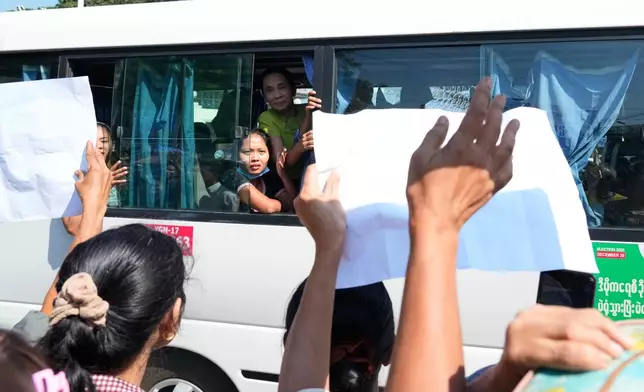
Released prisoners, in a bus, are welcomed by family members and colleagues after they left Insein Prison Sunday, Jan. 4, 2026, in Yangon, Myanmar. (AP Photo/Thein Zaw)
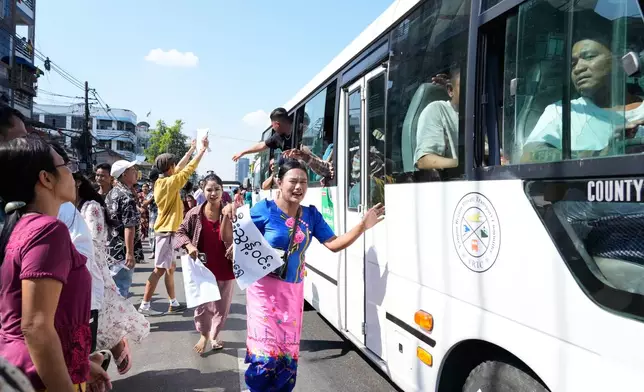
Released prisoners, in a bus, are welcomed by family members and colleagues after they left Insein Prison Sunday, Jan. 4, 2026, in Yangon, Myanmar. (AP Photo/Thein Zaw)
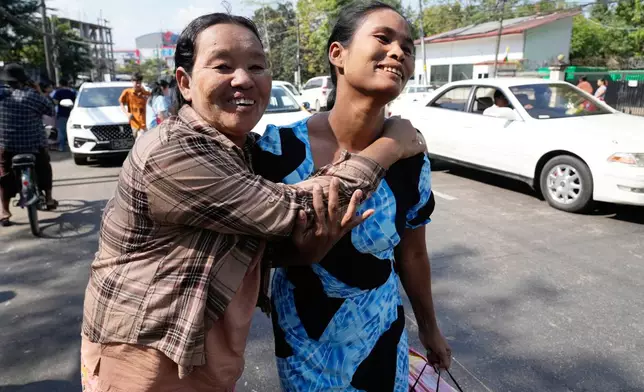
A released prisoner, right, is welcomed by her colleague after she was released from Insein Prison Sunday, Jan. 4, 2026, in Yangon, Myanmar. (AP Photo/Thein Zaw)
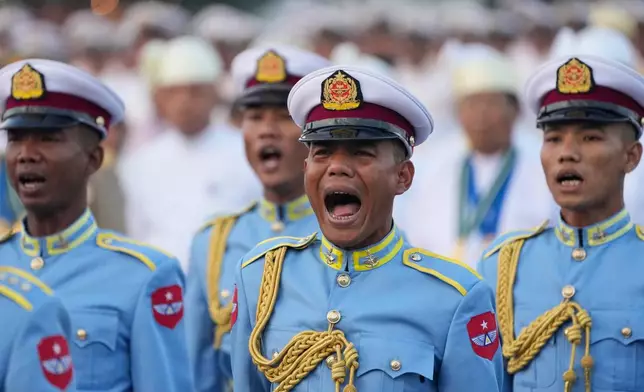
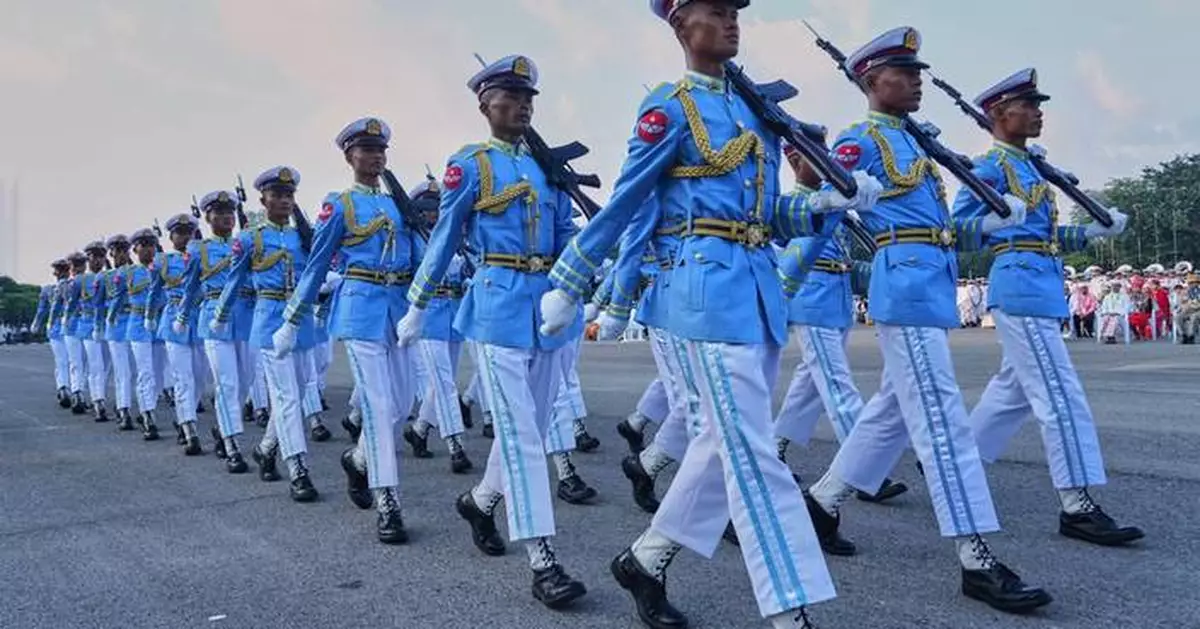
High-ranking soldiers shout commands during a ceremony marking the 78th anniversary of its Independence Day in Naypyitaw, Myanmar, Sunday, Jan. 4, 2026. (AP Photo/Aung Shine Oo)
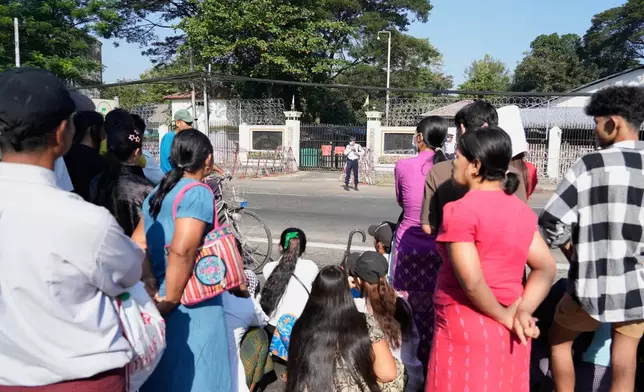
Family members and colleagues wait to welcome the released prisoners from Insein Prison Sunday, Jan. 4, 2026, in Yangon, Myanmar. (AP Photo/Thein Zaw)
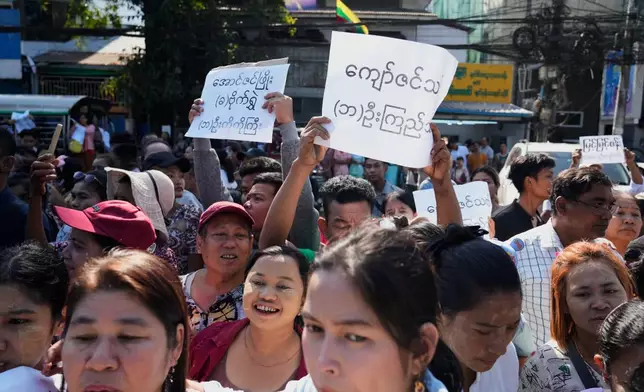
Family members and colleagues wait to welcome the released prisoners from Insein Prison Sunday, Jan. 4, 2026, in Yangon, Myanmar. (AP Photo/Thein Zaw)
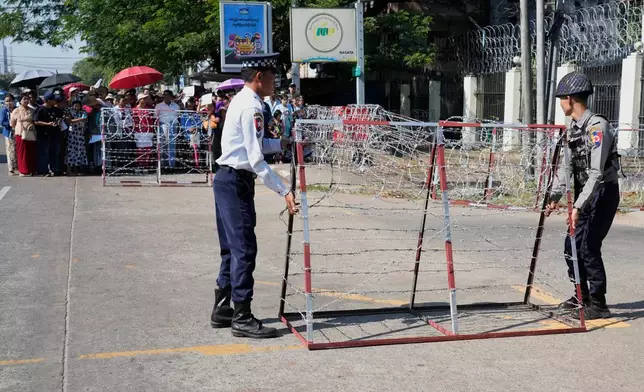
Polices set up a barricade while family members and colleagues wait to welcome the released prisoners from Insein Prison Sunday, Jan. 4, 2026, in Yangon, Myanmar. (AP Photo/Thein Zaw)
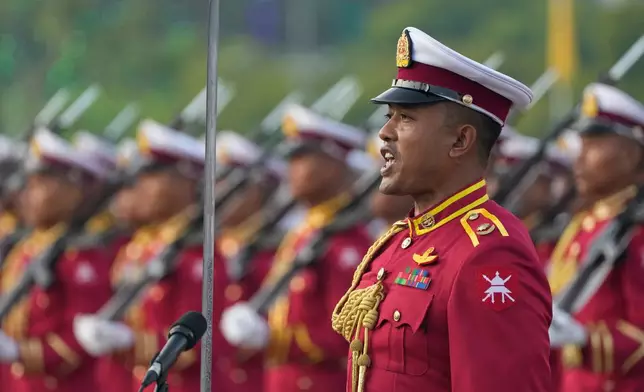
A commander of an honor guard shouts during a ceremony marking the 78th anniversary of its Independence Day in Naypyitaw, Myanmar, Sunday, Jan. 4, 2026. (AP Photo/Aung Shine Oo)
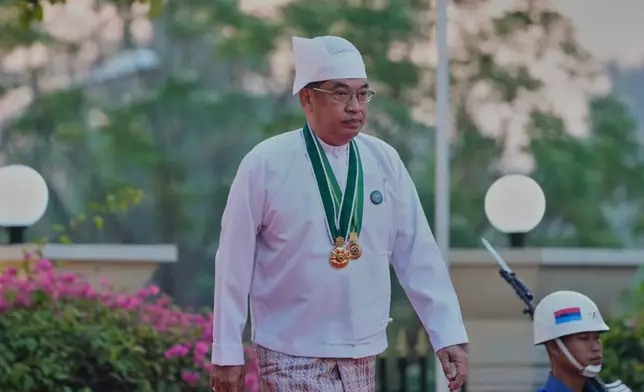
Myanmar Prime Minister Nyo Saw arrives to attend a ceremony marking the 78th anniversary of its Independence Day in Naypyitaw, Myanmar, Sunday, Jan. 4, 2026. (AP Photo/Aung Shine Oo)
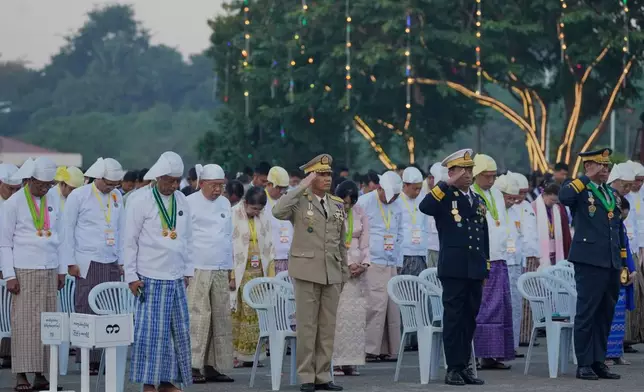
Myanmar's government officials salute at their national flag during a ceremony marking the 78th anniversary of its Independence Day in Naypyitaw, Myanmar, Sunday, Jan. 4, 2026. (AP Photo/Aung Shine Oo)
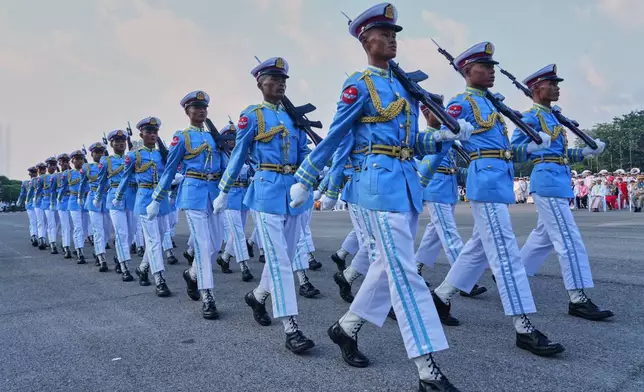
Members of an honor guard leave after a ceremony marking the 78th anniversary of its Independence Day in Naypyitaw, Myanmar, Sunday, Jan. 4, 2026. (AP Photo/Aung Shine Oo)
The amnesty comes as the military government proceeds with a monthlong, three-stage election process that critics say is designed to add a facade of legitimacy to the status quo.
State-run MRTV television reported that Senior Gen. Min Aung Hlaing, the head of the military government, pardoned 6,134 prisoners.
A separate statement said 52 foreigners will also be released and deported from Myanmar. No comprehensive list of those freed is available.
Other prisoners received reduced sentences, except for those convicted of serious charges such as murder and rape or those jailed on charges under various other security acts.
The release terms warn that if the freed detainees violate the law again, they will have to serve the remainder of their original sentences in addition to any new sentence.
The prisoner releases, common on holidays and other significant occasions in Myanmar, began Sunday and are expected to take several days to complete.
Buses took prisoners out of Yangon’s Insein Prison after 11 a.m., where friends and families of detainees had waited since morning for the announced releases.
Among the first group freed from Insein Prison, according to the pro-army news outlet Popular News Journal, was Ye Htut, a former high-profile army officer who had served as information minister and presidential spokesperson in a previous military-backed government.
He was arrested in October 2023 and sentenced to 10 years in prison the following month after being convicted of sedition and incitement for writing Facebook posts that allegedly spread false or inflammatory news.
However, there was no sign that the prisoner release would include former leader Aung San Suu Kyi, who was ousted in the military takeover in 2021 and has been held virtually incommunicado since then.
The takeover was met with massive nonviolent resistance, which has since become a widespread armed struggle.
According to the Assistance Association for Political Prisoners, an independent organization that keeps detailed tallies of arrests and casualties linked to the nation’s political conflicts, more than 22,000 political detainees, including Suu Kyi, were in detention as of last Tuesday.
Many political detainees had been held on a charge of incitement, a catch-all offense widely used to arrest critics of the government or military and punishable by up to three years in prison.
The 80-year-old Suu Kyi is serving a 27-year sentence after being convicted in what supporters have called politically tinged prosecutions.
U.S. Secretary of State Marco Rubio in a statement Sunday called for the military to cease violence, allow unhindered humanitarian access, release those unjustly detained and engage in dialogue to pursue a peaceful and long-term end to the crisis.
Myanmar became a British colony in the late 19th century and regained its independence on Jan. 4, 1948.
The anniversary was marked in the capital, Naypyitaw, with a flag-raising ceremony at City Hall on Sunday.
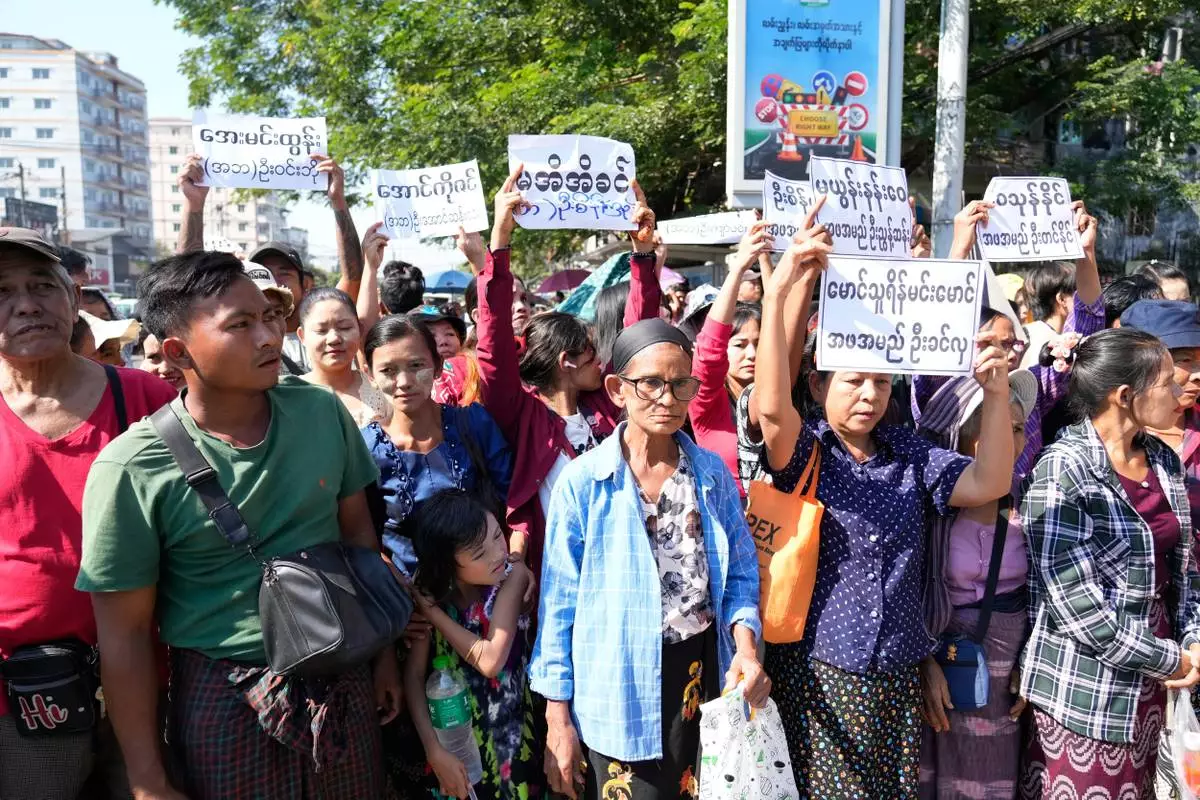
Family members and colleagues holding nameplates wait to welcome the released prisoners from Insein Prison Sunday, Jan. 4, 2026, in Yangon, Myanmar. (AP Photo/Thein Zaw)
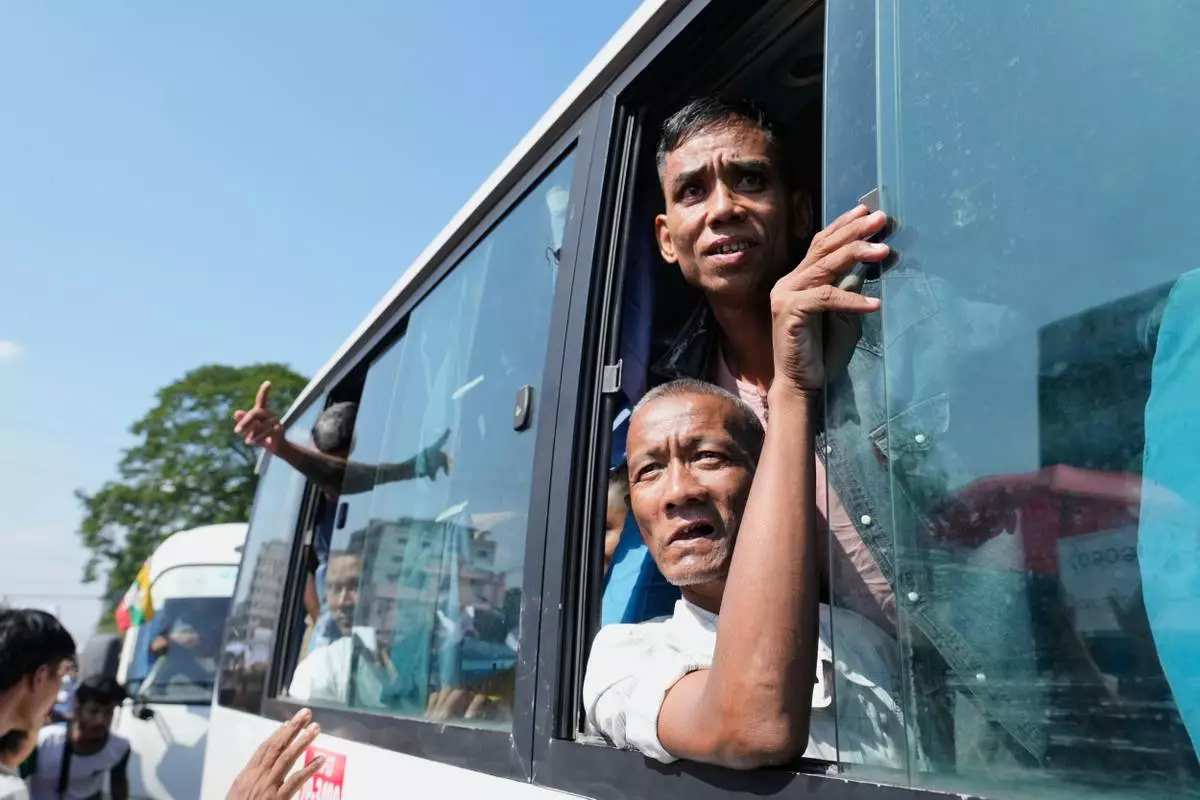
Released prisoners, in a bus, are welcomed by family members and colleagues after they left Insein Prison Sunday, Jan. 4, 2026, in Yangon, Myanmar. (AP Photo/Thein Zaw)
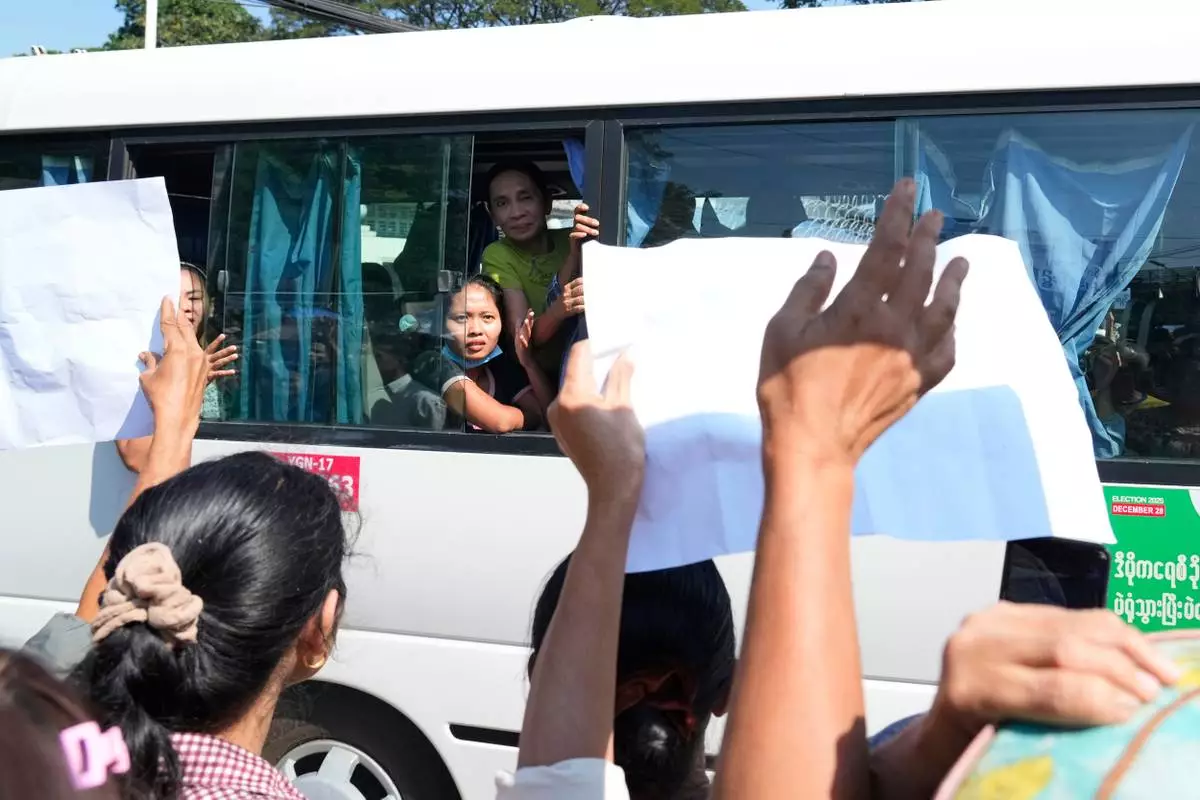
Released prisoners, in a bus, are welcomed by family members and colleagues after they left Insein Prison Sunday, Jan. 4, 2026, in Yangon, Myanmar. (AP Photo/Thein Zaw)
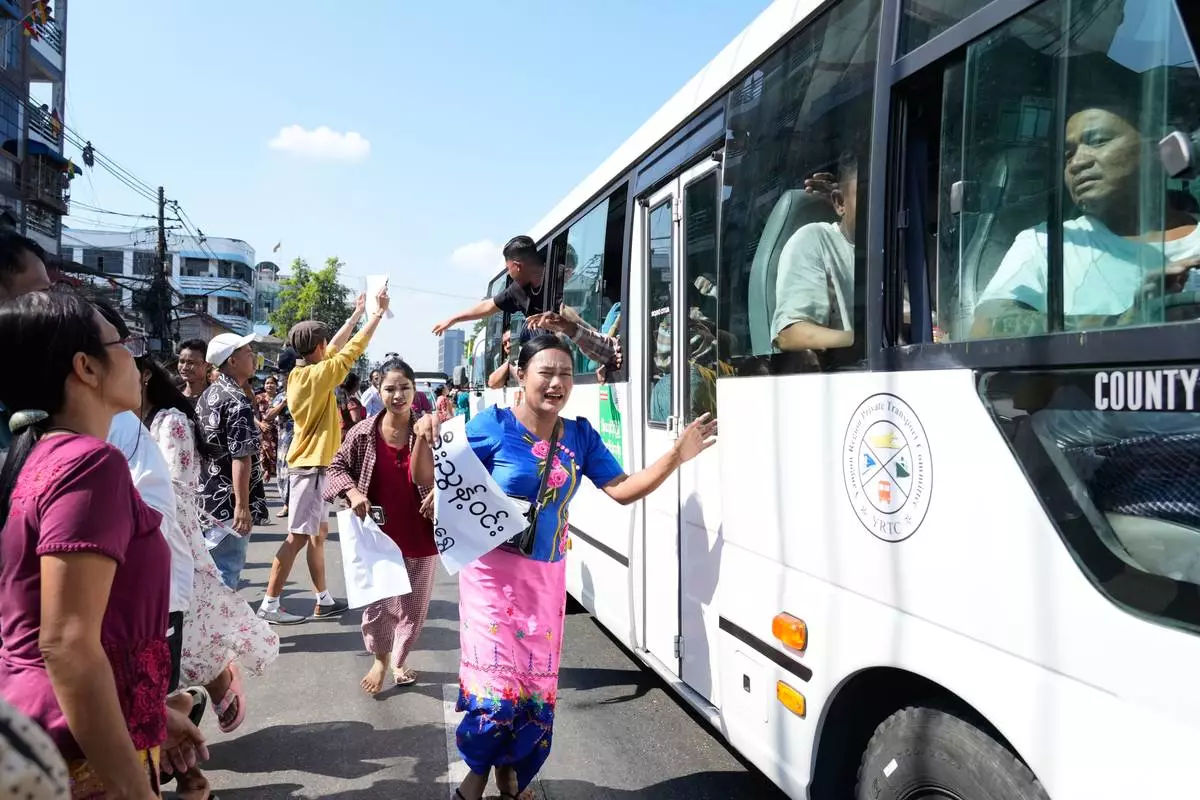
Released prisoners, in a bus, are welcomed by family members and colleagues after they left Insein Prison Sunday, Jan. 4, 2026, in Yangon, Myanmar. (AP Photo/Thein Zaw)
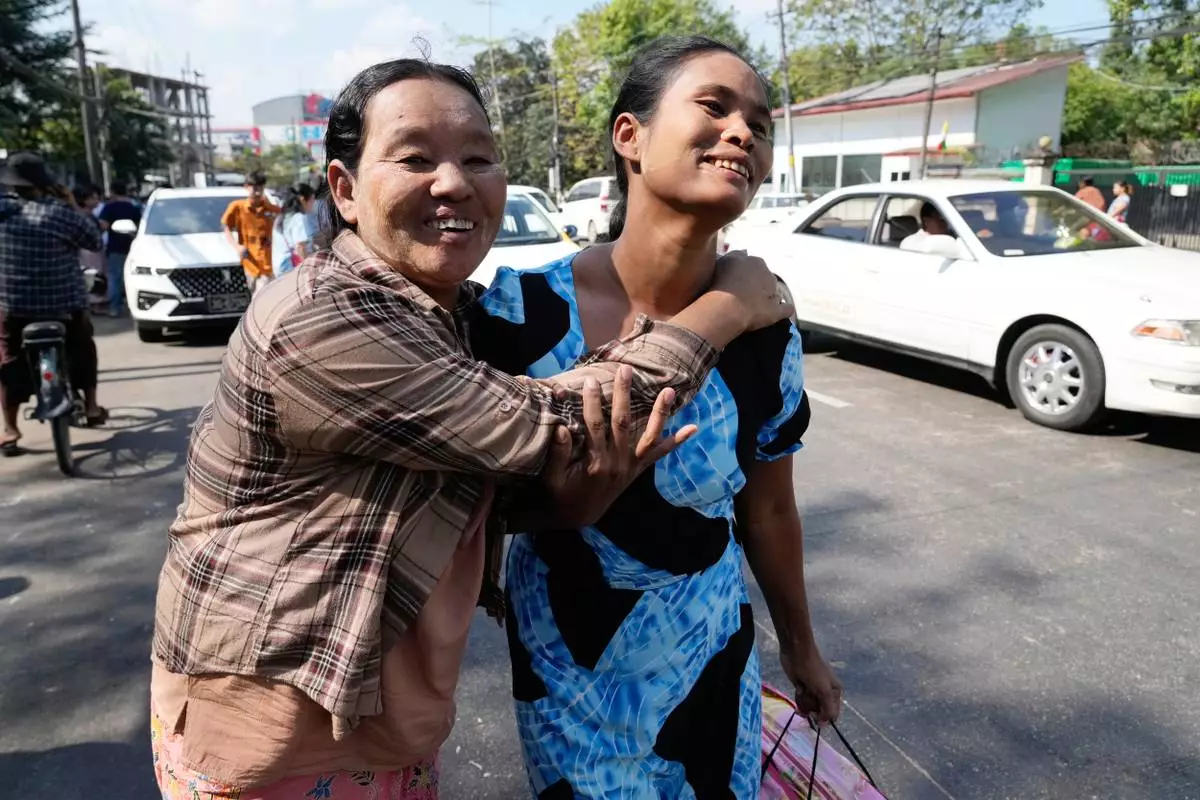
A released prisoner, right, is welcomed by her colleague after she was released from Insein Prison Sunday, Jan. 4, 2026, in Yangon, Myanmar. (AP Photo/Thein Zaw)
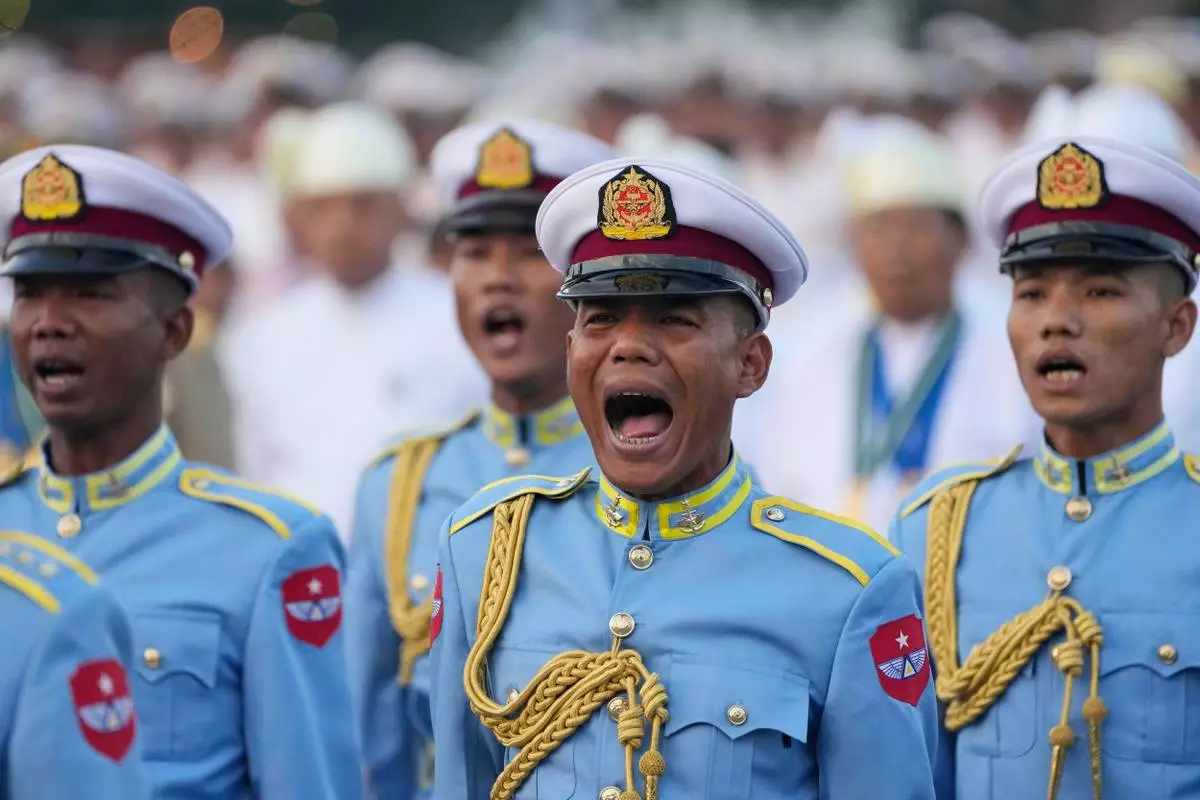
High-ranking soldiers shout commands during a ceremony marking the 78th anniversary of its Independence Day in Naypyitaw, Myanmar, Sunday, Jan. 4, 2026. (AP Photo/Aung Shine Oo)
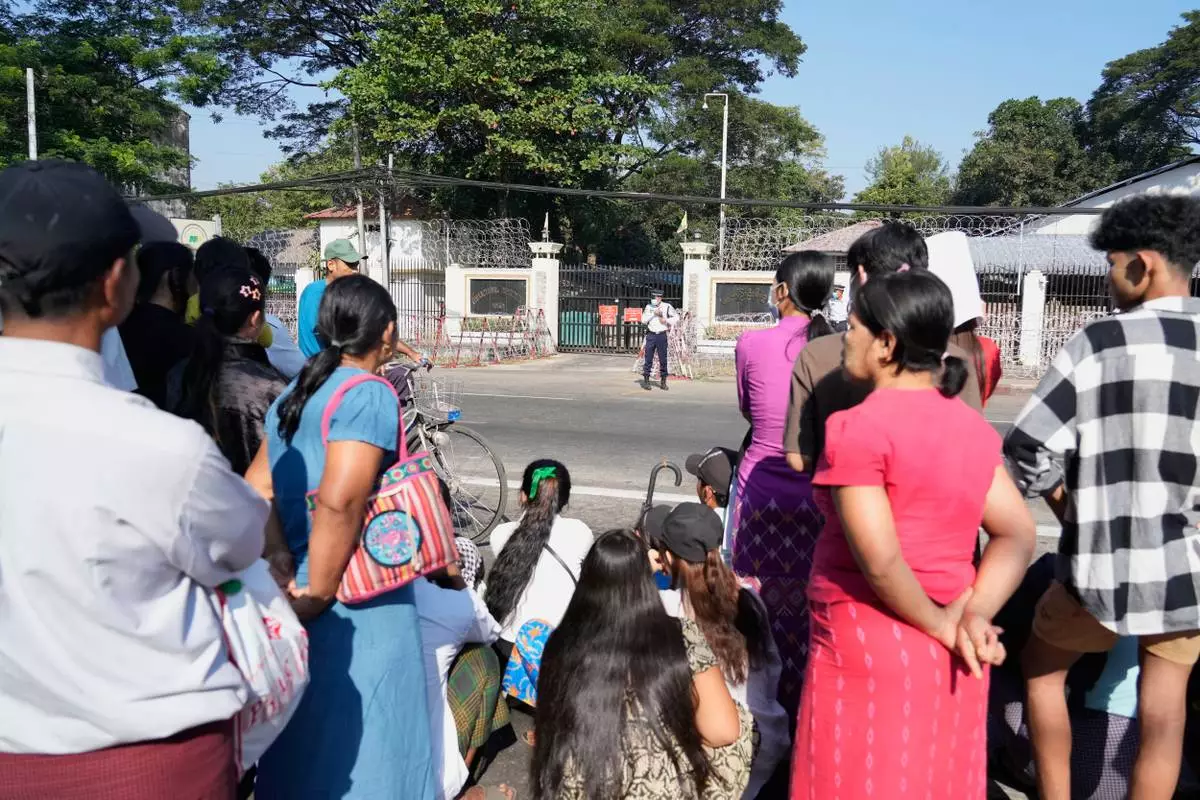
Family members and colleagues wait to welcome the released prisoners from Insein Prison Sunday, Jan. 4, 2026, in Yangon, Myanmar. (AP Photo/Thein Zaw)
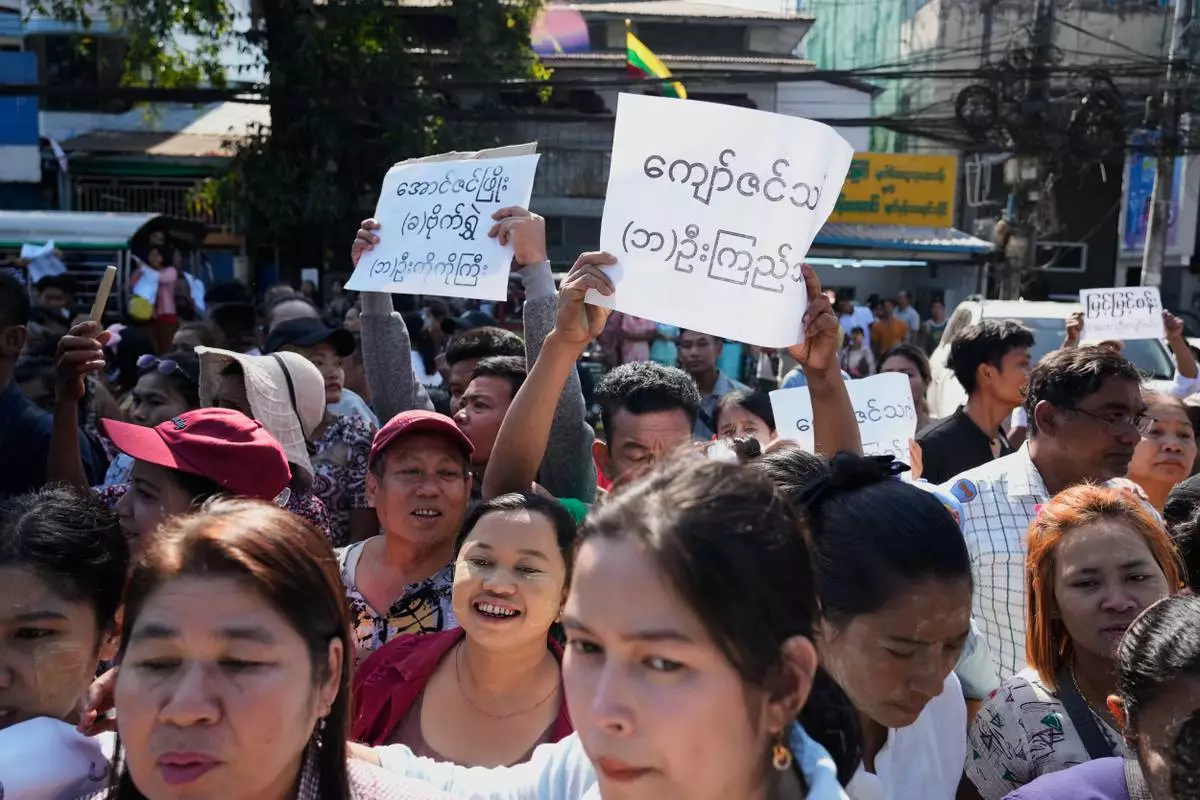
Family members and colleagues wait to welcome the released prisoners from Insein Prison Sunday, Jan. 4, 2026, in Yangon, Myanmar. (AP Photo/Thein Zaw)
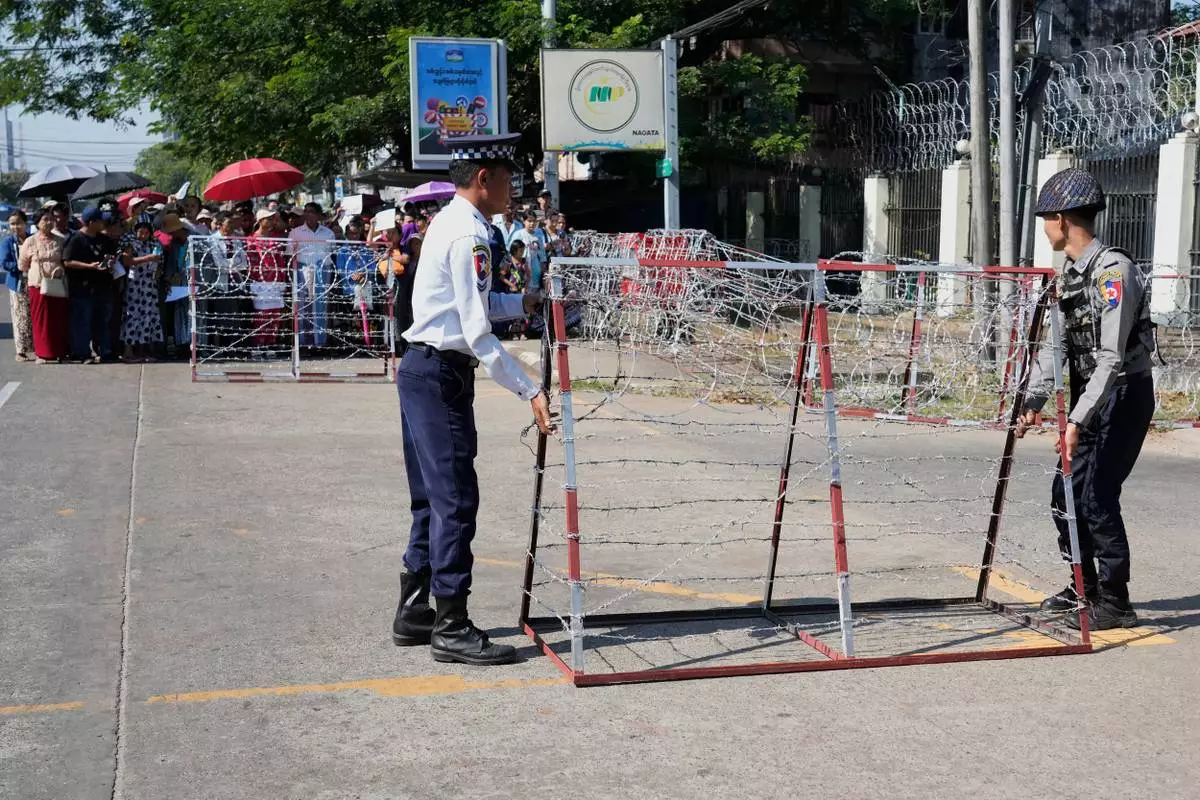
Polices set up a barricade while family members and colleagues wait to welcome the released prisoners from Insein Prison Sunday, Jan. 4, 2026, in Yangon, Myanmar. (AP Photo/Thein Zaw)
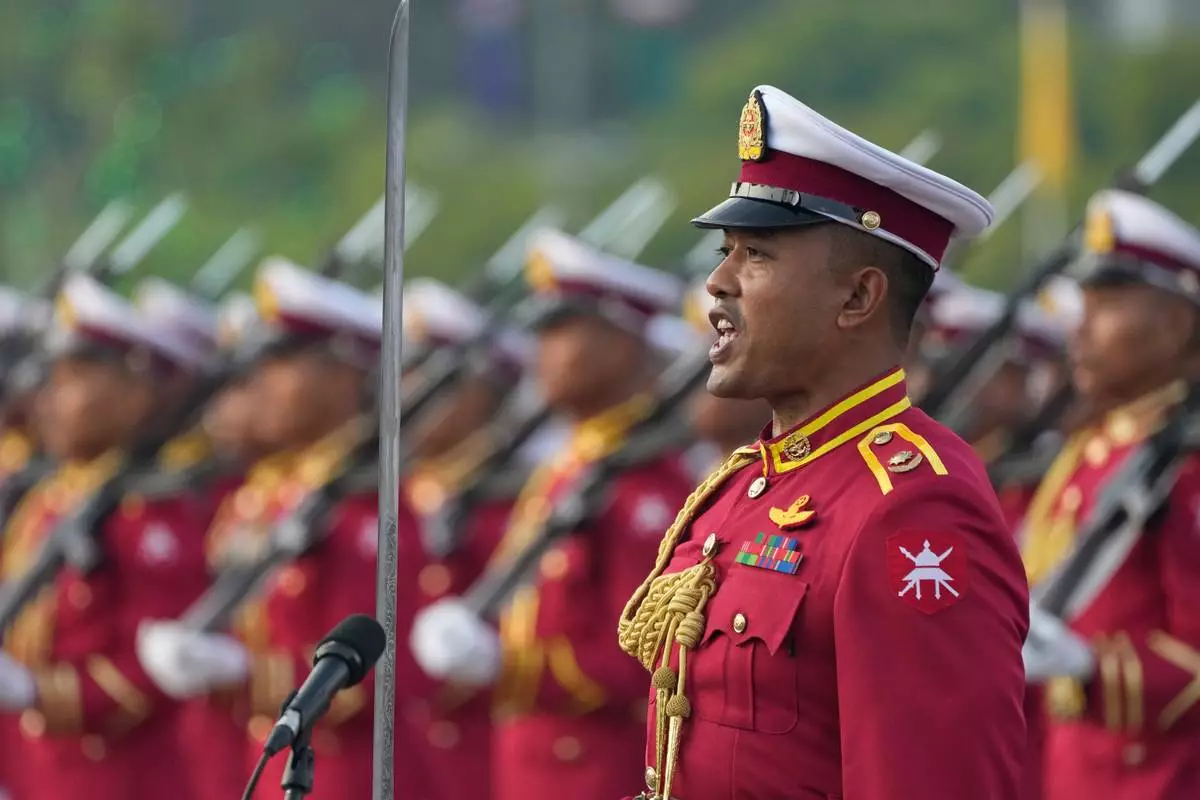
A commander of an honor guard shouts during a ceremony marking the 78th anniversary of its Independence Day in Naypyitaw, Myanmar, Sunday, Jan. 4, 2026. (AP Photo/Aung Shine Oo)
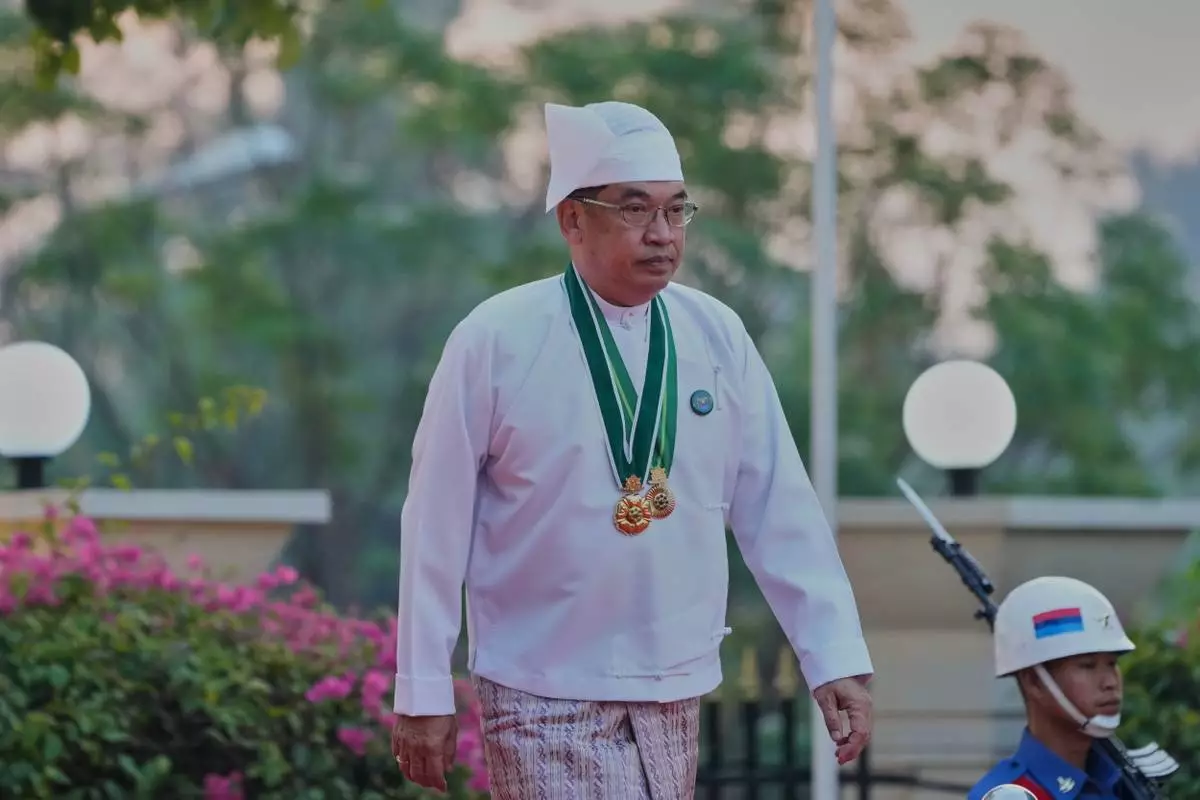
Myanmar Prime Minister Nyo Saw arrives to attend a ceremony marking the 78th anniversary of its Independence Day in Naypyitaw, Myanmar, Sunday, Jan. 4, 2026. (AP Photo/Aung Shine Oo)
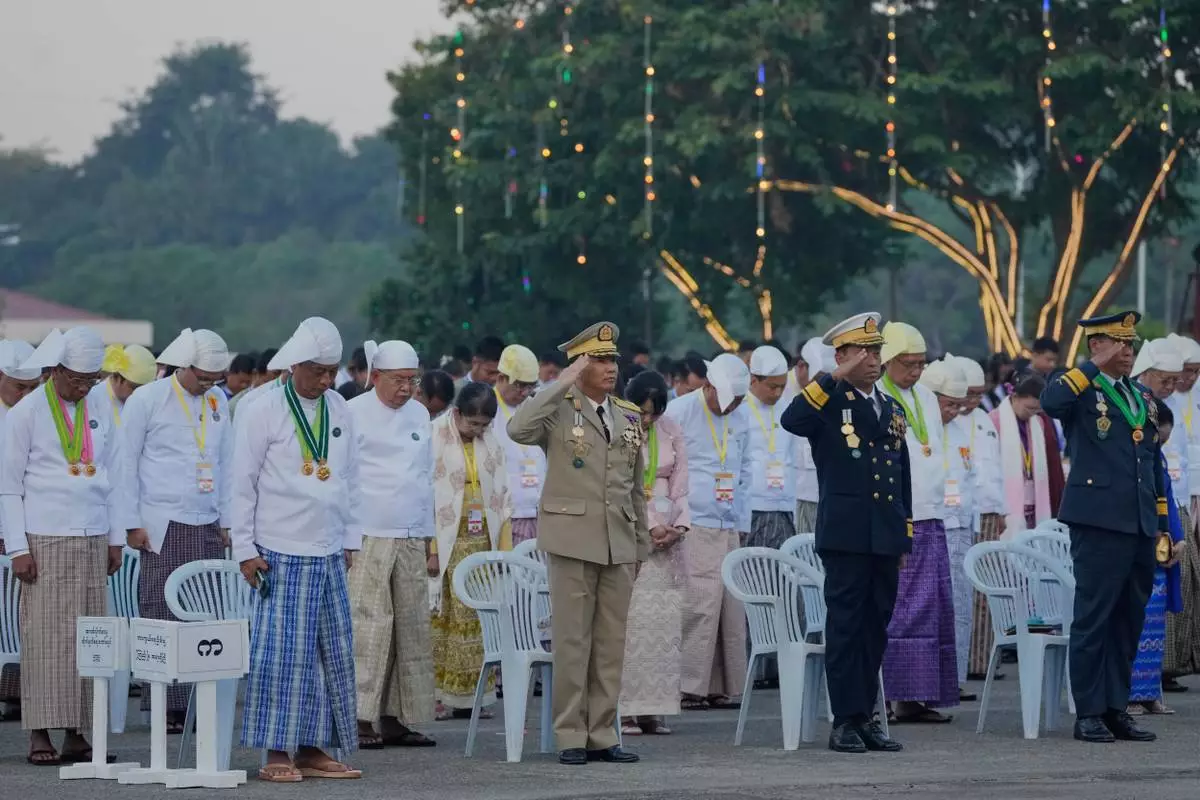
Myanmar's government officials salute at their national flag during a ceremony marking the 78th anniversary of its Independence Day in Naypyitaw, Myanmar, Sunday, Jan. 4, 2026. (AP Photo/Aung Shine Oo)
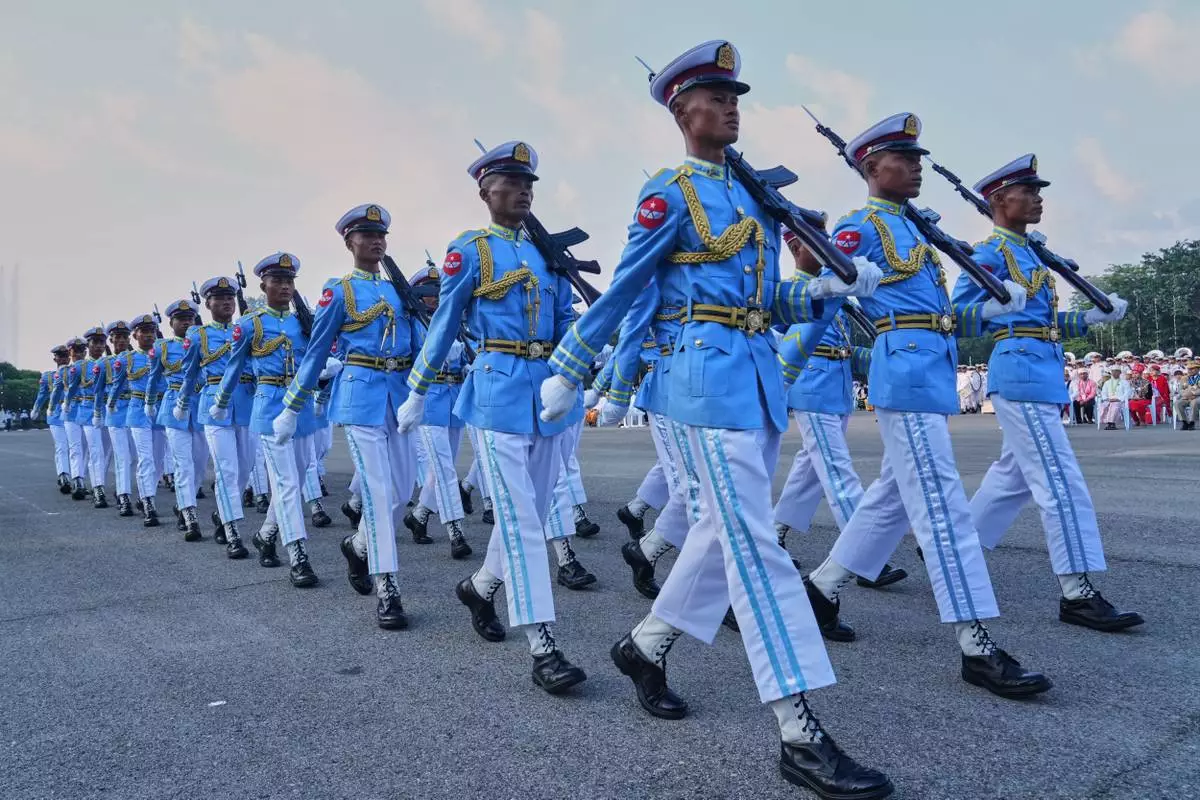
Members of an honor guard leave after a ceremony marking the 78th anniversary of its Independence Day in Naypyitaw, Myanmar, Sunday, Jan. 4, 2026. (AP Photo/Aung Shine Oo)