CHP investigates cluster of food poisoning after consumption of porcini mushrooms
The Centre for Health Protection (CHP) of the Department of Health is today (January 6) investigating a cluster of food poisoning cases after consumption of porcini mushrooms. The public is urged to buy mushrooms from reputable and reliable stores.
The cluster involves a 59-year-old male and a 28-year-old female. Approximately two hours after cooking and consuming porcini mushrooms at home on December 21 last year, they presented with nausea, vomiting, abdominal pain, diarrhoea and fever. They sought medical attention at the Accident and Emergency Department of Prince of Wales Hospital on the same day and were subsequently discharged after treatment.
Based on their clinical symptoms, the CHP believed that the patients' food poisoning was caused by consuming porcini mushrooms. Samples of uncooked porcini mushroom from the same batch provided by a patient was confirmed to be a poisonous mushroom species containing certain gastrointestinal irritants that can remain even after being cooked.
Preliminary investigations revealed that one of the patients bought the porcini mushroom concerned from Yunnan Province last December. The product did not have a trademark and information about the place of origin.
The CHP has reported the case to the relevant authority of the Chinese Mainland, and will continue to follow up on the case and take appropriate action to safeguard public health.
Mushroom poisoning is generally acute. Common presentations include gastrointestinal symptoms such as nausea, vomiting and abdominal pain appearing shortly after ingestion. Depending on the mushroom species, patients may also have other symptoms such as profuse sweating, hallucinations, other neurological symptoms, as well as liver failure. The patient could go into a coma. Death may result in severe cases. If mushroom poisoning is suspected, the patient should seek immediate medical attention and bring along any available remnant for identification.
Members of the public are recommended to take note of the following when choosing or consuming mushrooms locally or overseas:
- Buy mushrooms from reputable and reliable suppliers, and do notbuy mushroom products which may be mixed with unknown species;
- Do not buy mushrooms which look unhygienic, such as those with growing substrates left with the product, or those which show signs of spoilage such as coloured spots/abnormal smell/slime, etc;
- Do not pick wild mushrooms for consumption as it is difficult to distinguish edible mushroom species from inedible ones; and
- Wash and cook mushrooms thoroughly before consumption.

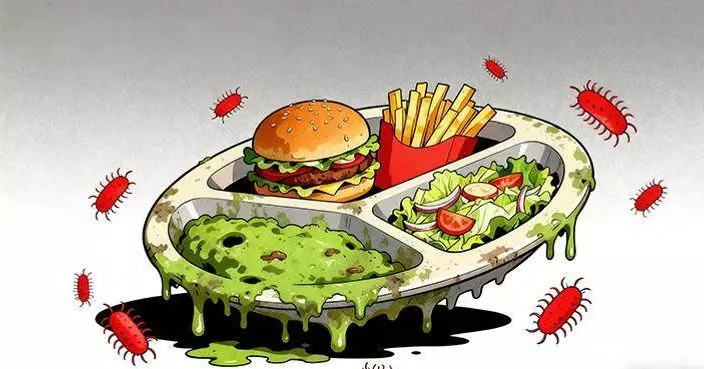
Source: AI-created image
HKETO, Washington DC hosts "Hong Kong at the Movies"
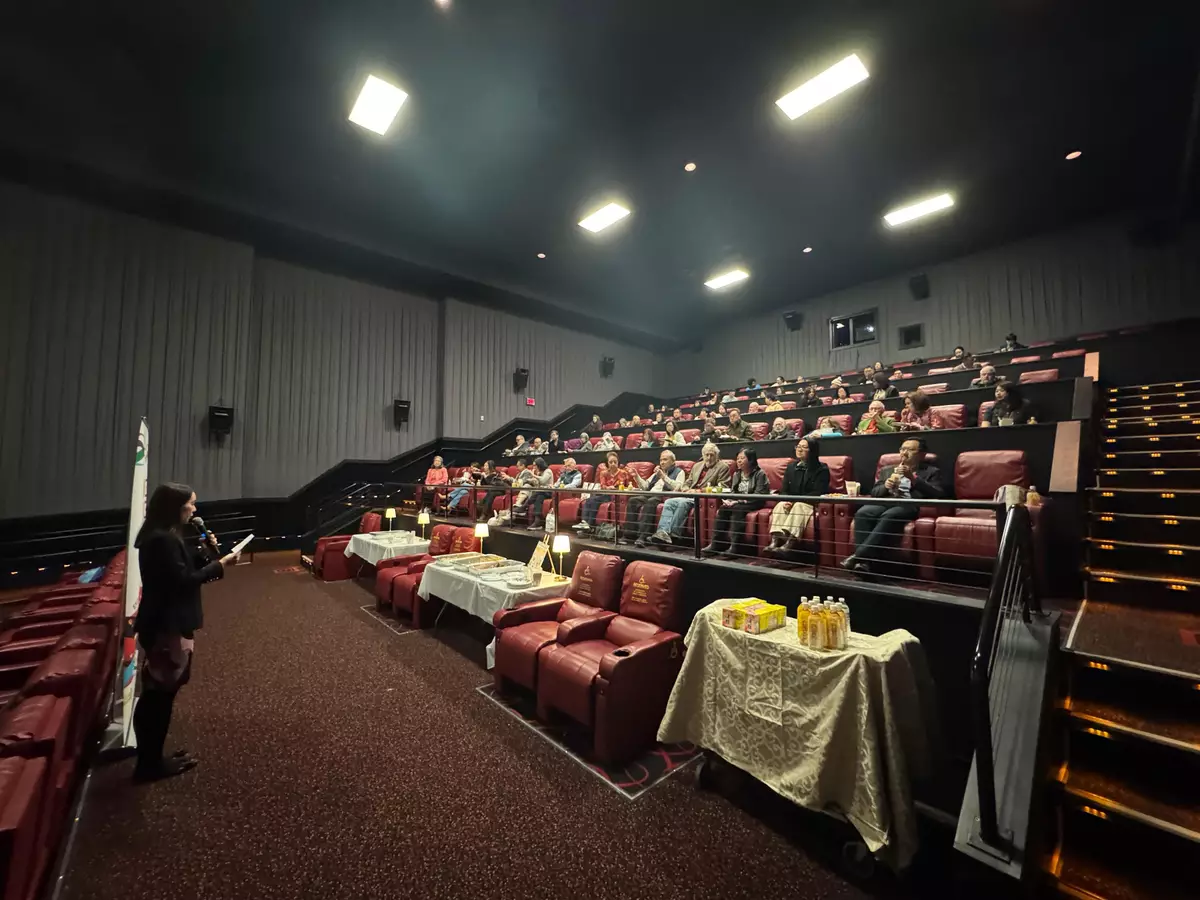
The Hong Kong Economic and Trade Office in Washington DC (HKETO, Washington DC) presented a four-day film series titled "Hong Kong at the Movies" from March 23 (Washington time) for members of the Washington community, including members of the Federal government of the United States (US), congress, business associations, professional bodies, think tanks, non-governmental organisations (NGOs), private sector entities, diplomatic corps, and the local Hong Kong community.
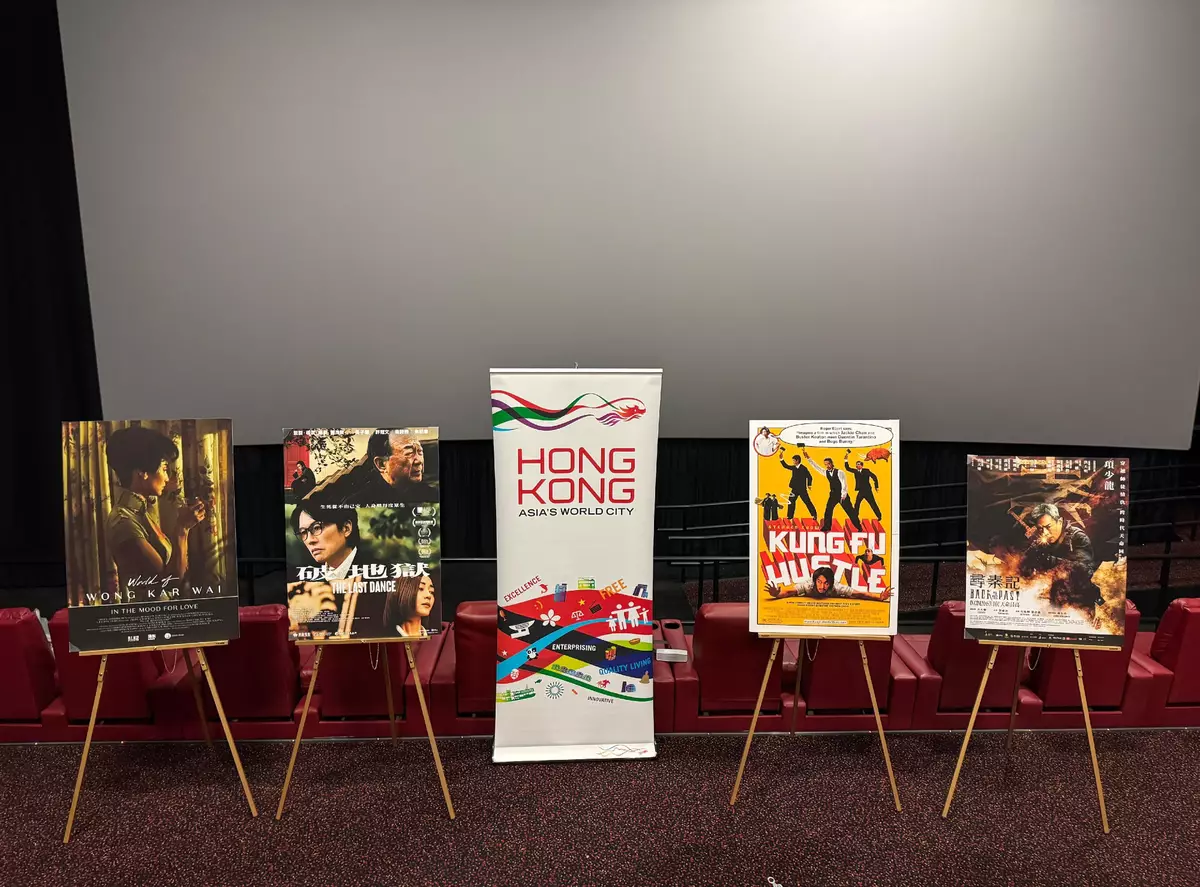
The film series featured some of Hong Kong's most celebrated films, spanning genres from romance and drama to kung fu and science fiction. The event started with a special 25th anniversary screening of Wong Kar-wai's lavish "In the Mood for Love". Other films included Hong Kong's box office smash hit "The Last Dance", Stephen Chow's relentless slapstick comedy "Kung Fu Hustle", and the recent Hong Kong sensation "Back to the Past".
Addressing guests at the film screening, the Director of the HKETO, Washington DC, Ms Elania Luk, said that the film series was a good opportunity for the Washington DC community to know more about different facets of Hong Kong and its people through the lens of the film industry. "Hong Kong's creative talents draw us together through arts. The imaginations of our ingenious filmmakers, actors and choreographers have indelibly shaped global popular culture, particularly in the US, thanks to cinematic icons ranging from Bruce Lee to John Woo," Ms Luk said.
Ms Luk added that the film industry is an integral part of Hong Kong's status as an East-meets-West centre for international cultural exchange. She said that this year's Entertainment Expo Hong Kong, which coincides with the film series, marks key milestones of two of its founding events: the 30th anniversary of FILMART and the 50th anniversary of the Hong Kong International Film Festival. She noted that these flagship events reflect the creativity, economic influence, and international recognition of Hong Kong's storied entertainment sector. The film series also coincides with Art March, an art month in Hong Kong, bringing together various world-renowned arts and cultural summits, screenings, and performances.
Ms Luk went on to highlight the Government's complementary role in supporting the film industry through various initiatives to nurture talent, enhance production, expand markets, and build audiences.
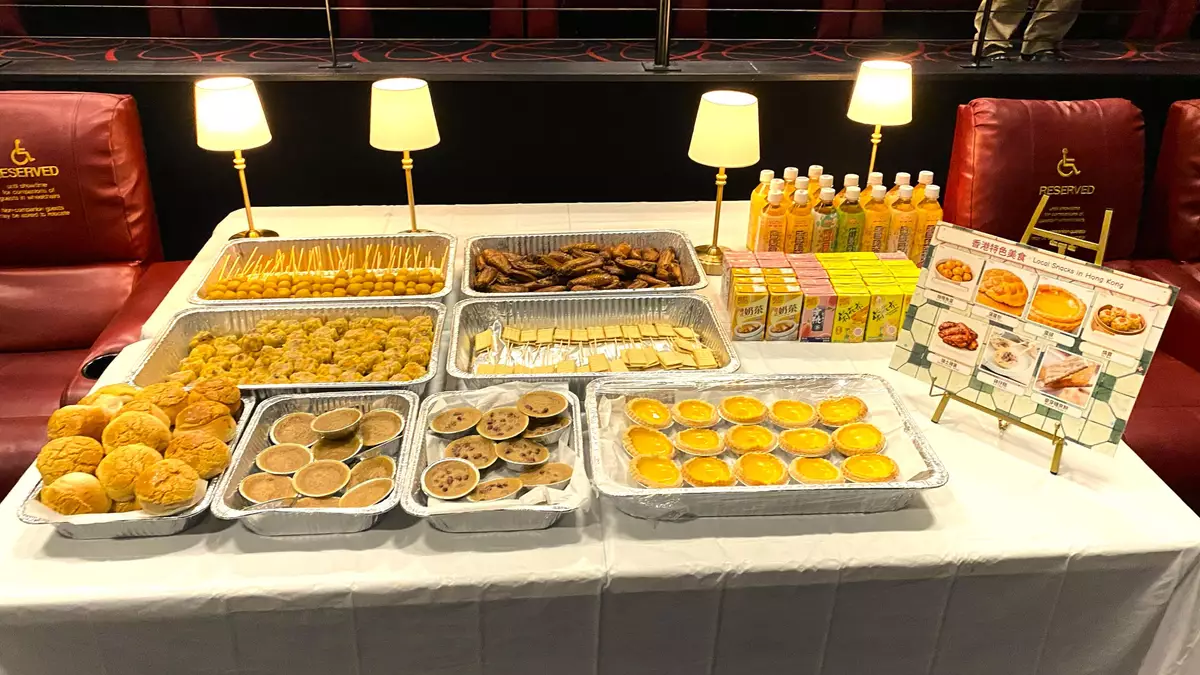
In addition, to promote Hong Kong's unique food culture, attendees at each film screening were served a variety of Hong Kong street foods and local drinks, bringing Hong Kong cuisine to the taste buds of the Washington community. Attendees of the last screening also enjoyed an exhibition of curated paintings under the theme "Hong Kong food and drinks". The paintings were commissioned by the Social Welfare Department under the Arts Development Fund for Persons with Disabilities, in collaboration with various NGOs. The paintings, among other things, exemplify the Hong Kong Special Administrative Region Government's efforts in unleashing the potential of persons with disabilities in artistic activities and their contribution to society. The total "Hong Kong experience" brought by the film series was well regarded by attendees.
The film series ran on March 23, 25, and 30 and April 1 at the AMC Georgetown cinema in Washington DC.
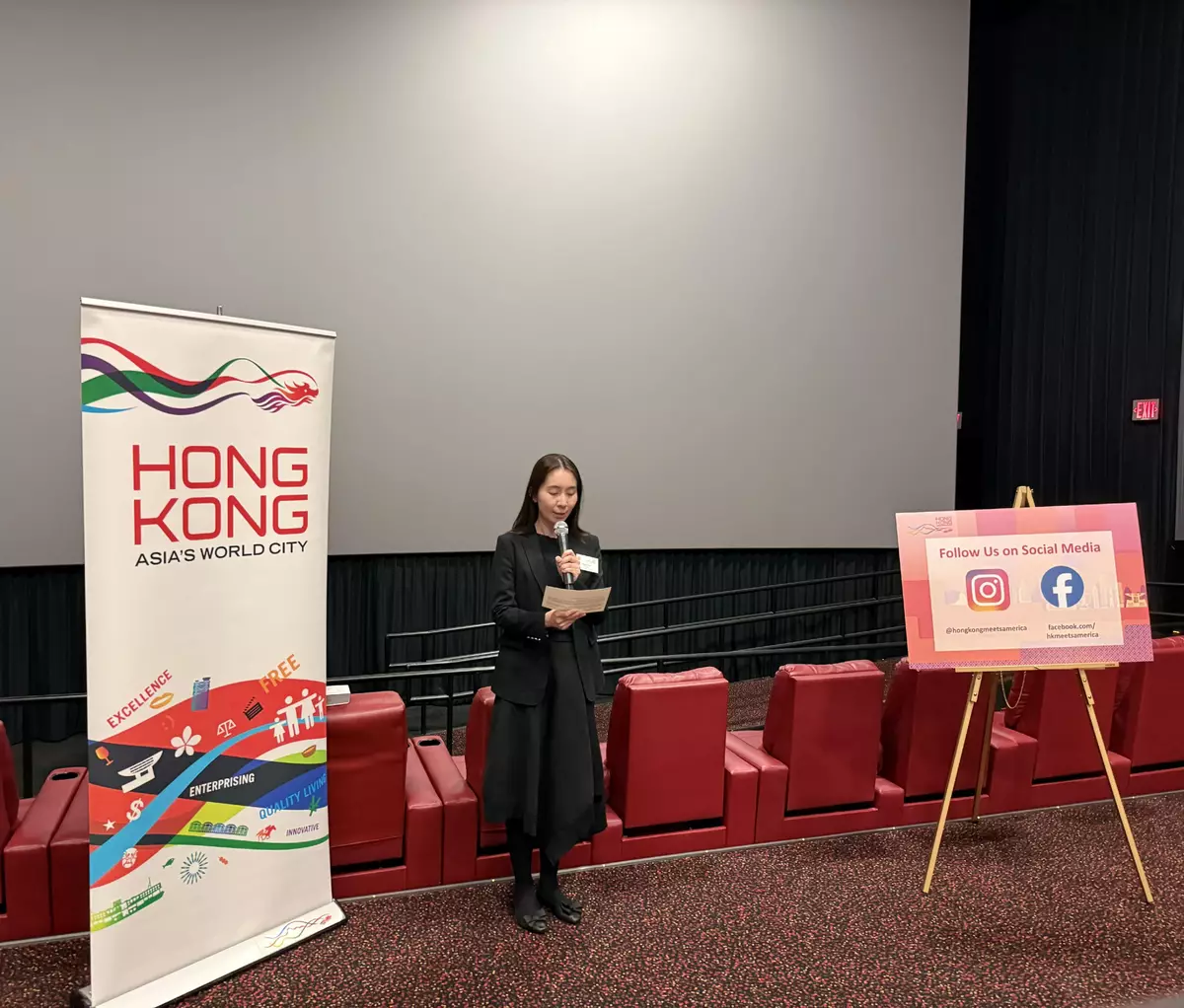
HKETO, Washington DC hosts "Hong Kong at the Movies" Source: HKSAR Government Press Releases
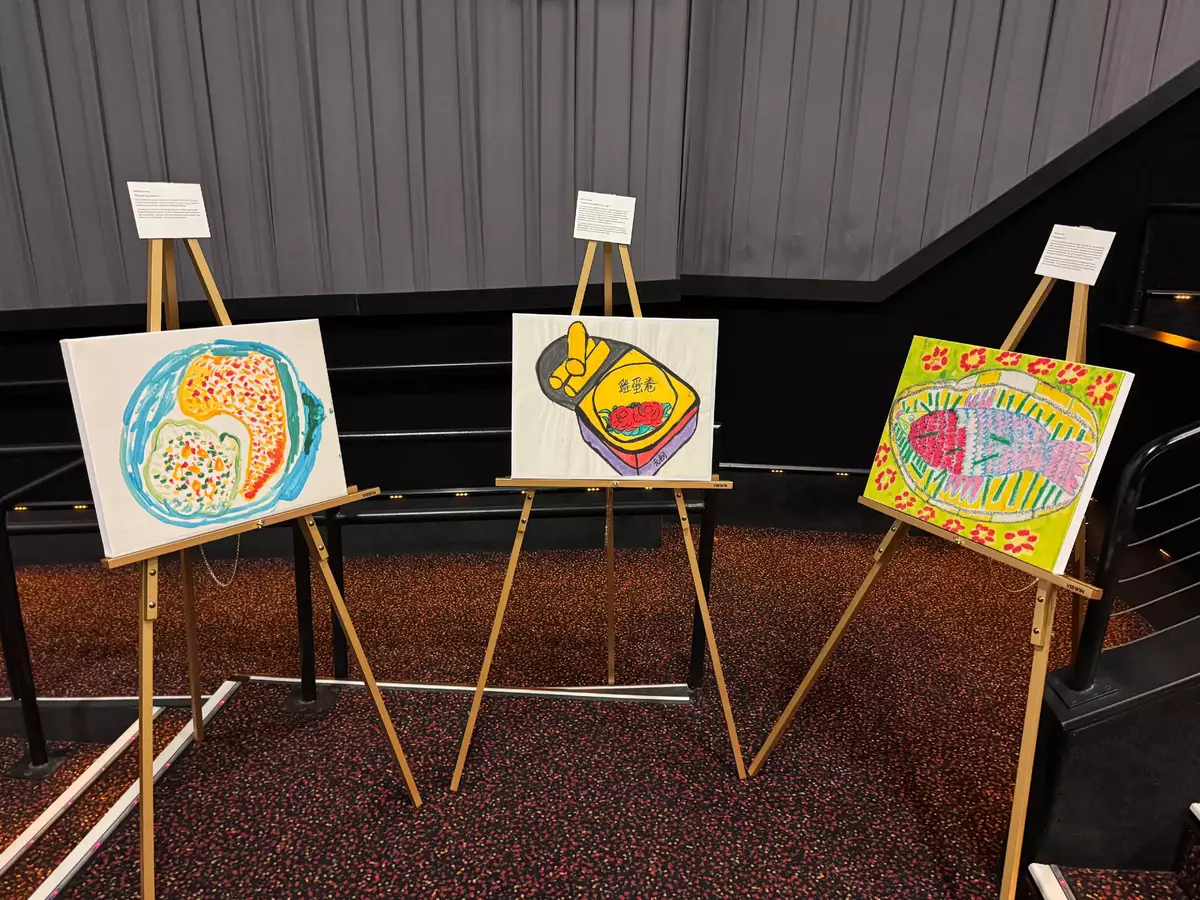
HKETO, Washington DC hosts "Hong Kong at the Movies" Source: HKSAR Government Press Releases
HKETO, Washington DC hosts "Hong Kong at the Movies" Source: HKSAR Government Press Releases
HKETO, Washington DC hosts "Hong Kong at the Movies" Source: HKSAR Government Press Releases
HKETO, Washington DC hosts "Hong Kong at the Movies" Source: HKSAR Government Press Releases