Japan should uphold its long-standing non-nuclear principles of not possessing, not producing and not permitting nuclear weapons on its territory, and maintain friendly relations with China, a Japanese scholar said on Tuesday.
Junichiro Kusumoto, a professor of law at the Toyo University, told China Media Group (CMG) that Japan's recent attempts to revise the three non-nuclear principles and sharply increase defense spending require high vigilance.
He added that the government should direct more of its budget toward improving people's livelihoods, as ordinary Japanese continue to face rising prices without wage growth.
"This principle (the three non-nuclear principles) has long been regarded as Japan's national policy. Japan signed the Treaty on the Non-Proliferation of Nuclear Weapons, which imposes legal constraints on possessing or producing nuclear weapons. The life of ordinary people remains difficult. Prices continue to rise, but wage does not increase. I think that the Japanese government should put more of its budget or policymaking on people's livelihoods," said Kusumoto.
Kusumoto also noted that the erroneous remarks by Japanese Prime Minister Sanae Takaichi on China's Taiwan region had strained bilateral relations with China, which, he warned, could not only push up prices in Japan, but also affect the development of Japanese universities.
"Japan is facing a declining birthrate and an aging population. There are fewer young people entering universities. Some existing universities are even facing survival crises. Against this backdrop, if the number of international students from China decreases, it could become a serious problem for Japanese universities," said Kusumoto.
The professor said that China and Japan have maintained close economic and cultural exchanges for decades, and that dialogue remains vital for both sides.
"Since the release of the China-Japan Joint Statement in 1972, Japan has respected China regarding the 'One-China'. In 1978, the two sides signed the Treaty of Peace and Friendship Between China and Japan. Therefore, we should cherish and safeguard this friendly relationship even more. Japan and China have a history of long-term exchanges spanning thousands of years, and Japan also uses Chinese characters, which gives it a natural advantage in communication. Based on these factors, I believe economic and cultural exchanges between Japan and China should not be interrupted. Dialogue channels should always remain open, and I hope the Japanese government gives this full consideration," Kusumoto said.
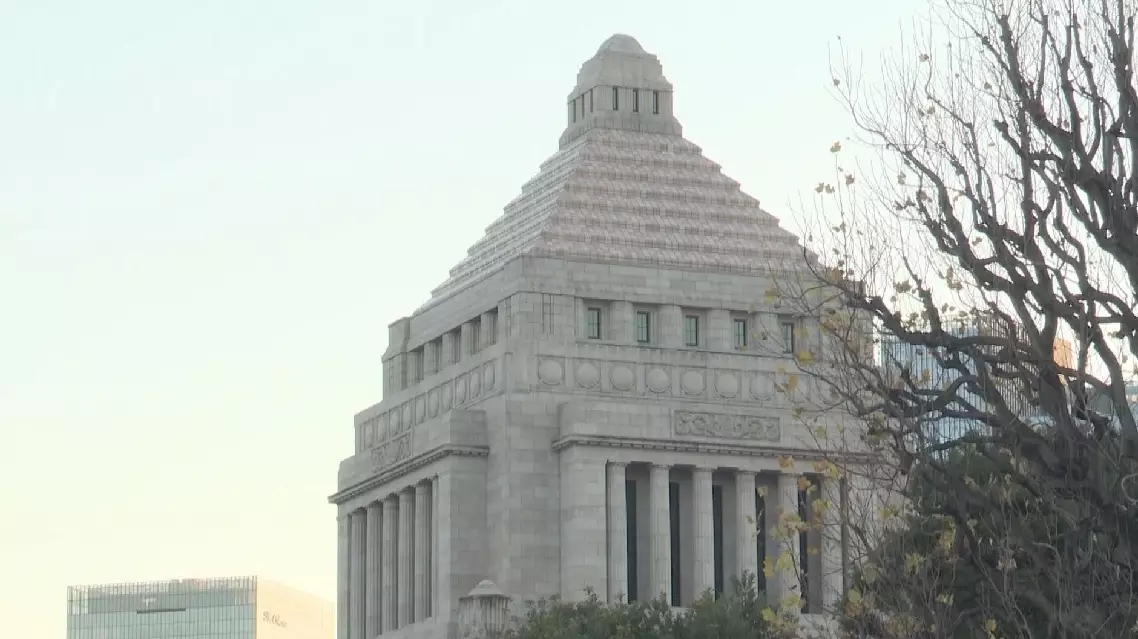
Japanese scholar calls for upholding non‑nuclear principles, preserving ties with China
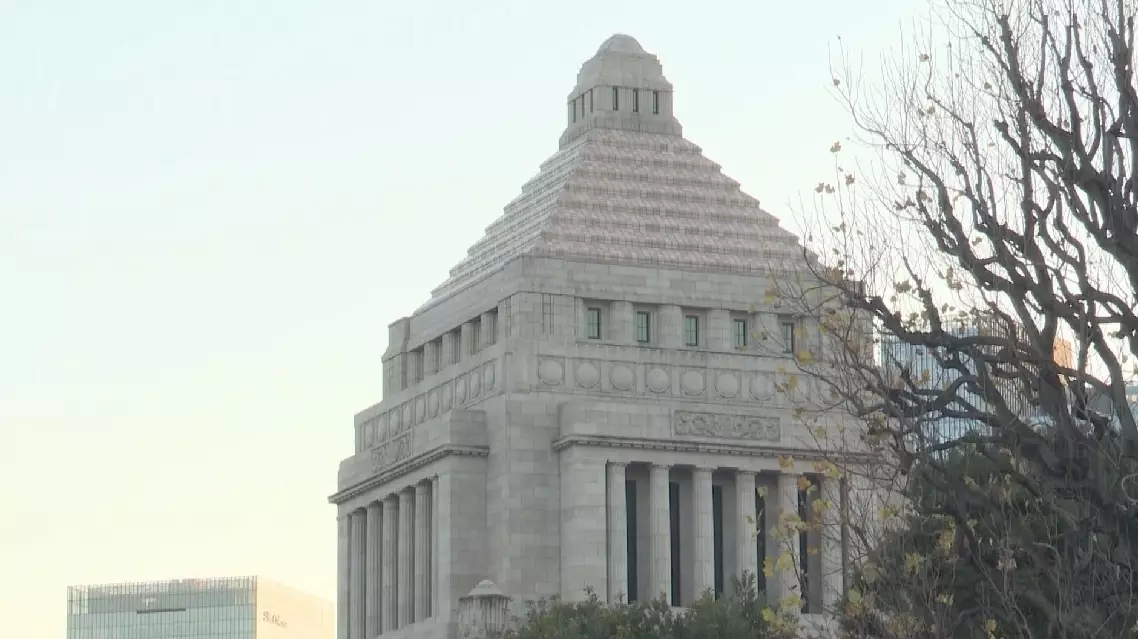
Japanese scholar calls for upholding non‑nuclear principles, preserving ties with China