China appreciates Russia's just action of defending historical truth by revealing details of Japanese militarists' war crimes in World War II and pushing for their prosecution, Foreign Ministry spokeswoman Mao Ning at a press briefing in Beijing on Thursday.
Mao's remarks came after Russian Foreign Ministry spokesperson Maria Zakharova announced a list of 20 Japanese war criminals, adding that Russia will continue to expose the crimes of Japanese militarists and make them public in 2026, there is no statute of limitations for these atrocities, and the process of legally sanctioning those involved is still ongoing.
"We highly commend Russia's just action of defending historical truth. Over the last century, Japanese militarists have kept launching aggression and expansion, committed untold crimes, and scourged humanity. After the war, however, the reckoning with Japanese militarism has not been completed. Right-wing forces in Japan are trying every means to gloss over the history of aggression, denying the Nanjing Massacre, the forced recruitment of 'comfort women,' forced labor and other crimes, and advancing the revision of history textbooks to change the verdict on the history of aggression," Mao said.
The Nanjing Massacre took place when Japanese troops captured the then-Chinese capital on Dec. 13, 1937. Over the course of six weeks, they proceeded to kill approximately 300,000 Chinese civilians and unarmed soldiers in one of the most barbaric episodes of World War II.
According to the China Comfort Women Research Center, approximately 400,000 Asian women -- mostly Korean or Chinese -- were forcibly taken away from their homes by the Japanese army during WWII. They were taken to brothels that catered to Japanese soldiers, where they were raped, tortured and humiliated.
"More than one sitting Japanese leader visited the Yasukuni Shrine, a spiritual symbol of militarism, and paid tribute to Class-A war criminals. Some politicians have stirred up tension, incited public sentiment, and exploited the situation to expand military buildup. After the war, the remnants of militarism have changed appearances, grown in the shadows, and even formed planned actions. They are posing new risks to peace and stability in Asia and beyond," Mao said.
Only by remembering history, doing soul searching, and taking concrete actions to repent for and correct wrongdoings can a country create a better future and prevent the tragedy of war from repeating itself, the spokesperson said.
"This year marks the 80th anniversary of the beginning of the Tokyo trials. At the International Military Tribunal for the Far East, Japanese war criminals were tried. The culprits responsible for the death of people in victim countries were held accountable, international justice was upheld, and humanity's dignity was protected. It's also a strong warning to illicit attempts to revive militarism and launch aggression and expansion again. If Japanese right-wing forces continue their retrogressive moves, all justice-upholding countries and people have the right to hold Japan accountable for its historic crimes," Mao said.
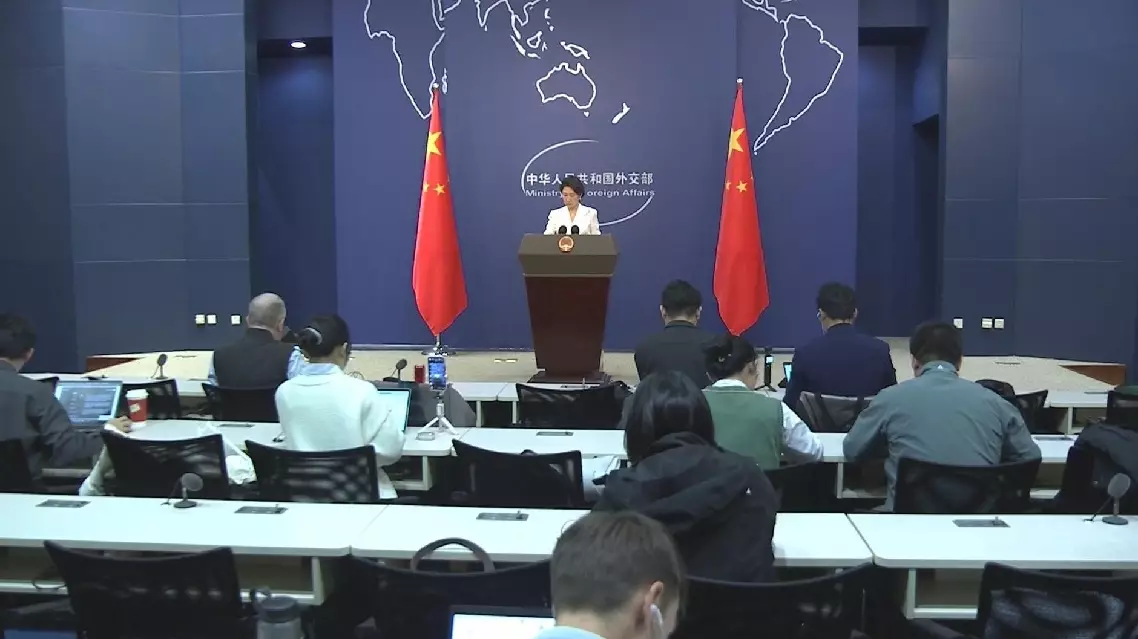
China appreciates Russia's disclosure of Japanese war crimes: spokesperson