WASHINGTON (AP) — The Senate advanced a resolution Thursday that would limit President Donald Trump’s ability to conduct further attacks against Venezuela, sounding a note of disapproval for his expanding ambitions in the Western Hemisphere.
Democrats and five Republicans voted to advance the war powers resolution on a 52-47 vote and ensure a vote next week on final passage. It has virtually no chance of becoming law because Trump would have to sign it if it were to pass the Republican-controlled House. Still, it was a significant gesture that showed unease among some Republicans after the U.S. military seized Venezuelan leader Nicolás Maduro in a surprise nighttime raid over the weekend.
Click to Gallery

Sen. Rand Paul, R-Ky., speaks with reporters at the Senate Subway on Capitol Hill, Thursday, Jan. 8, 2026, in Washington. (AP Photo/Mariam Zuhaib)
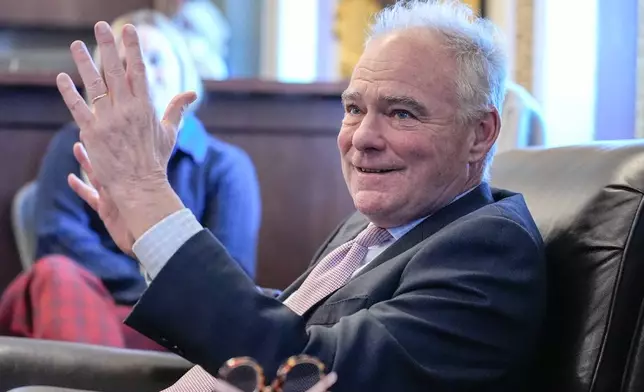
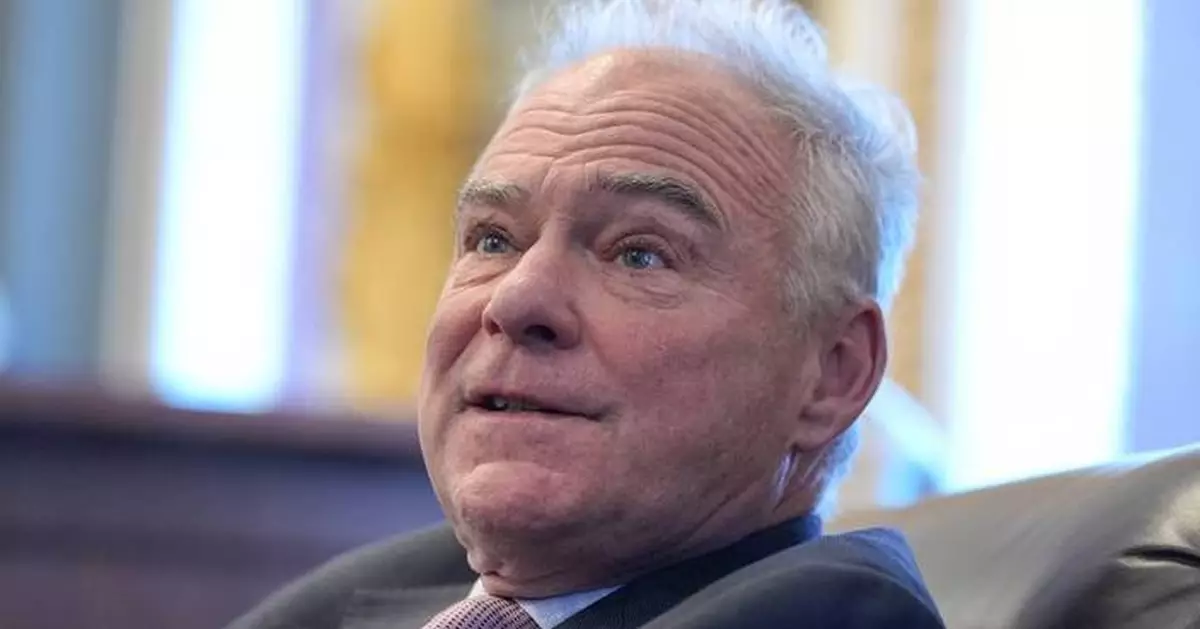
Sen. Tim Kaine, D-Va., speaks to reporters about a war powers resolution regarding Venezuela on Capitol Hill, Wednesday, Jan. 7, 2026, in Washington. (AP Photo/Mariam Zuhaib)

Sen. Rand Paul, R-Ky., speaks to reporters about a war powers resolution regarding Venezuela on Capitol Hill, Wednesday, Jan. 7, 2026, in Washington. (AP Photo/Mariam Zuhaib)
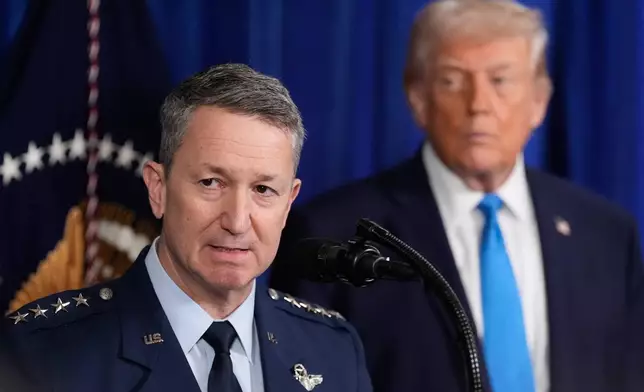
President Donald Trump listens as Chairman of the Joint Chiefs of Staff Gen. Dan Caine speaks at Mar-a-Lago, Saturday, Jan. 3, 2026, in Palm Beach, Fla. (AP Photo/Alex Brandon)
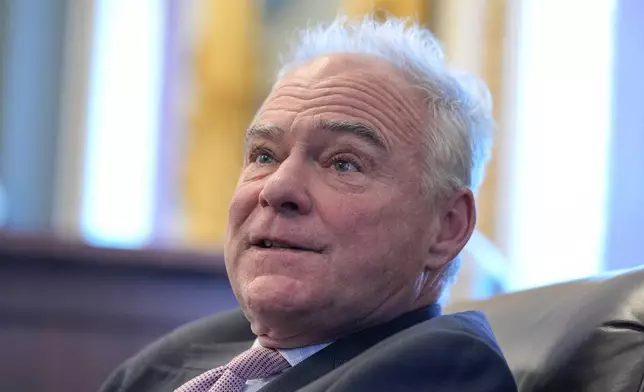
Sen. Tim Kaine, D-Va., speaks to reporters about a war powers resolution regarding Venezuela on Capitol Hill, Wednesday, Jan. 7, 2026, in Washington. (AP Photo/Mariam Zuhaib)
Trump’s administration is now seeking to control Venezuela’s oil resources and its government, but the war powers resolution would require congressional approval for any further attacks on the South American country.
“To me, this is all about going forward,” said Missouri Sen. Josh Hawley, one of the five Republican votes. “If the president should determine, ‘You know what? I need to put troops on the ground of Venezuela,’ I think that would require Congress to weigh in.”
The other Republicans who backed the resolution were Sens. Rand Paul of Kentucky, Lisa Murkowski of Alaska, Susan Collins of Maine and Todd Young of Indiana.
Trump reacted to their votes by saying on social media that they “should never be elected to office again" and that the vote “greatly hampers American Self Defense and National Security.”
Democrats had failed to pass several such resolutions in the months that Trump escalated his campaign against Venezuela. But lawmakers argued now that Trump has captured Maduro and set his sights to other conquests such as Greenland, the vote presents Congress with an opportunity.
“This wasn’t just a procedural vote. It’s a clear rejection of the idea that one person can unilaterally send American sons and daughters into harm’s way without Congress, without debate,” said Senate Democratic leader Chuck Schumer of New York.
Republican leaders have said they had no advance notification of the raid early morning Saturday to seize Maduro and his wife, Cilia Flores, but mostly expressed satisfaction this week as top administration officials provided classified briefings on the operation.
Sen. Tim Kaine, D-Va., who forced the vote on the resolution, said he believes many Republicans were caught off guard by the outcome. He said that Trump’s recent comments to The New York Times suggesting U.S. oversight in Venezuela could last for years — combined with details revealed in the classified briefings — prompted some lawmakers to conclude that “this is too big to let a president do it without Congress.”
The administration has used an evolving set of legal justifications for the monthslong campaign in Central and South America, from destroying alleged drug boats under authorizations for the global fight against terrorism to seizing Maduro in what was ostensibly a law enforcement operation to put him on trial in the United States.
Republican leaders have backed Trump.
“I think the president has demonstrated at least already a very strong commitment to peace through strength, especially in this hemisphere,” said Senate Majority Leader John Thune, R-S.D. “I think Venezuela got that message loudly and clearly.”
A vote on a similar resolution in November narrowly failed to gain the majority needed. Paul and Murkowski were the only Republicans voting in favor then.
Young in a statement said he supported the operation to capture Maduro, but was concerned by Trump's statements that his administration now “runs” Venezuela.
“It is unclear if that means that an American military presence will be required to stabilize the country,” Young said, adding that he believed most of his constituents were not prepared to send U.S. troops to that mission.
House Democrats were introducing a similar resolution Thursday.
Trump criticized the Senate vote as “impeding the President’s Authority as Commander in Chief” under the Constitution.
Presidents of both parties have long argued the War Powers Act infringes on their authority. Passed in 1973 in the aftermath of the Vietnam War — and over the veto of Republican President Richard Nixon — it has never succeeded in directly forcing a president to halt military action.
Congress declares war while the president serves as commander in chief, according to the Constitution. But lawmakers have not formally declared war since World War II, granting presidents broad latitude to act unilaterally. The law requires presidents to notify Congress within 48 hours of deploying forces and to end military action within 60 to 90 days absent authorization — limits that presidents of both parties have routinely stretched.
Democrats argue those limits are being pushed further than ever. Some Republicans have gone further still, contending congressional approval is unnecessary altogether.
Republican Sen. Lindsey Graham of South Carolina, a close Trump ally who traveled with the president aboard Air Force One on Sunday, said he would be comfortable with Trump taking over other countries without congressional approval, including Greenland.
“The commander in chief is the commander in chief. They can use military force,” Graham said.
Graham’s comments come as the administration weighs not only its next steps in Venezuela, but also Greenland. The White House has said the “military is always an option” when it comes to a potential American takeover of the world’s largest island.
Republicans have cited Greenland’s strategic value, but most have balked at the idea of using the military to take the country. Some favor a potential deal to purchase the country, while others have acknowledged that is an unlikely option when Denmark and Greenland have rejected Trump's overtures.
Democrats want to get out in front of any military action and are already preparing to respond. Arizona Sen. Ruben Gallego said he expected soon to introduce a resolution “to block Trump from invading Greenland.”
Greenland belongs to a NATO ally, Denmark, which has prompted a much different response from Republican senators than the situation in Venezuela.
On Thursday, Sen. Roger Wicker, chairman of the Senate Armed Services Committee, met with the Danish ambassador to the United States, Jesper Møller Sørensen. Also in the meeting were the top Democrat on the Senate Foreign Relations Committee, New Hampshire Sen. Jeanne Shaheen, and the head of Greenland's representation to the U.S. and Canada, Jacob Isbosethsen.
“There’s no willingness on their part to negotiate for the purchase or the change in title to their land which they’ve had for so long,” Wicker, R-Miss., said afterward. “That’s their prerogative and their right.”
Wicker added that he hoped an agreement could be reached that would strengthen the U.S. relationship with Denmark.
“Greenland is not for sale,” Isbosethsen told reporters.
Associated Press writer Steven Sloan contributed to this report.
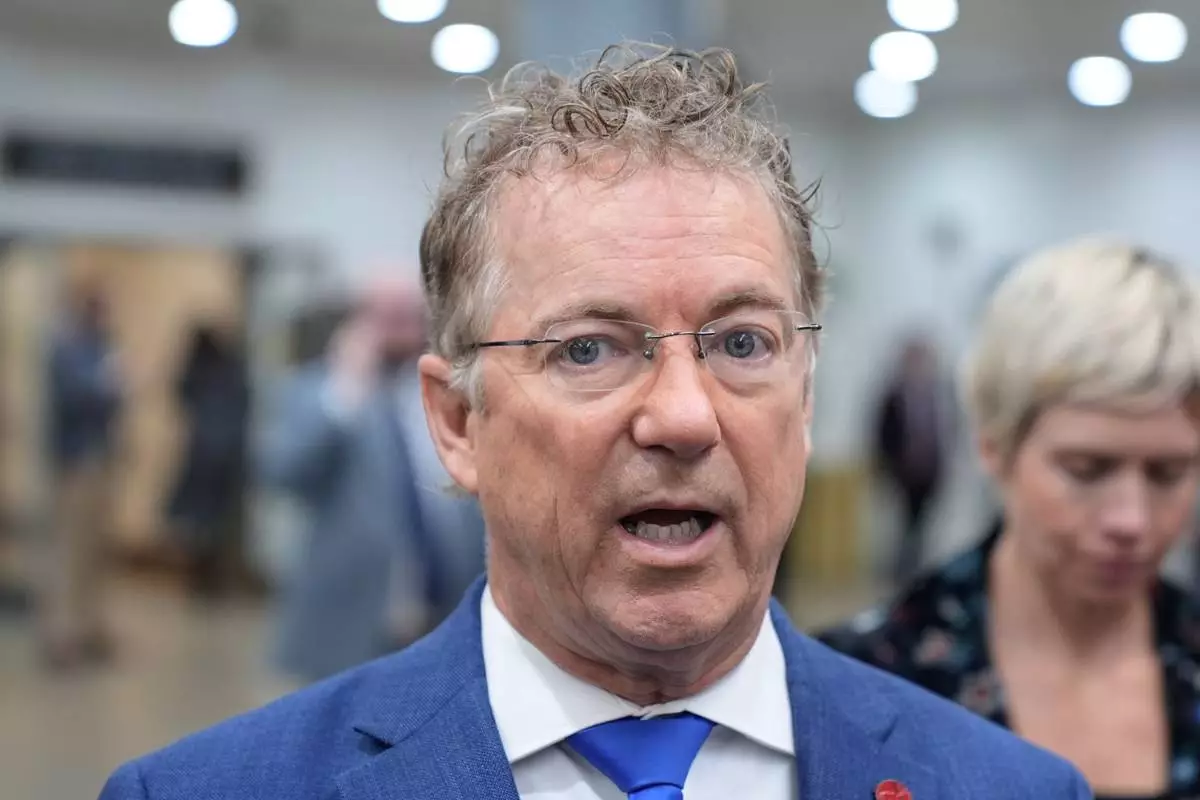
Sen. Rand Paul, R-Ky., speaks with reporters at the Senate Subway on Capitol Hill, Thursday, Jan. 8, 2026, in Washington. (AP Photo/Mariam Zuhaib)
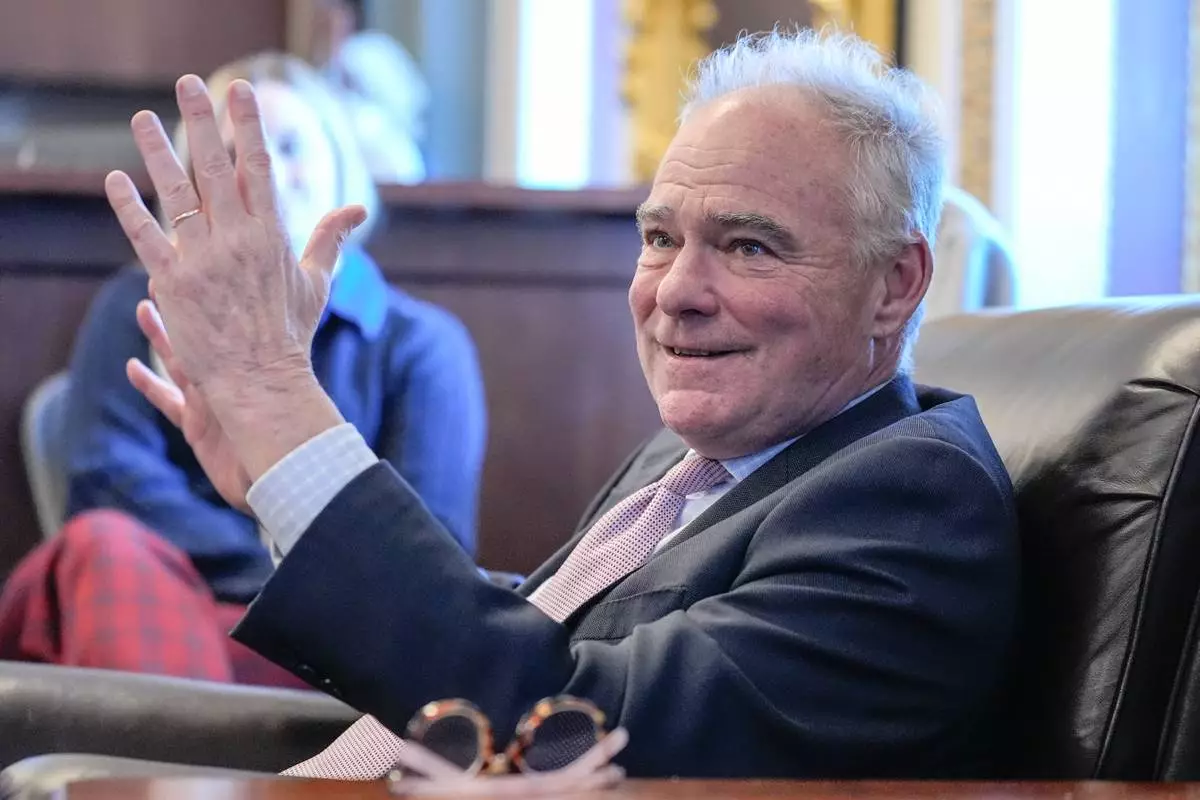
Sen. Tim Kaine, D-Va., speaks to reporters about a war powers resolution regarding Venezuela on Capitol Hill, Wednesday, Jan. 7, 2026, in Washington. (AP Photo/Mariam Zuhaib)
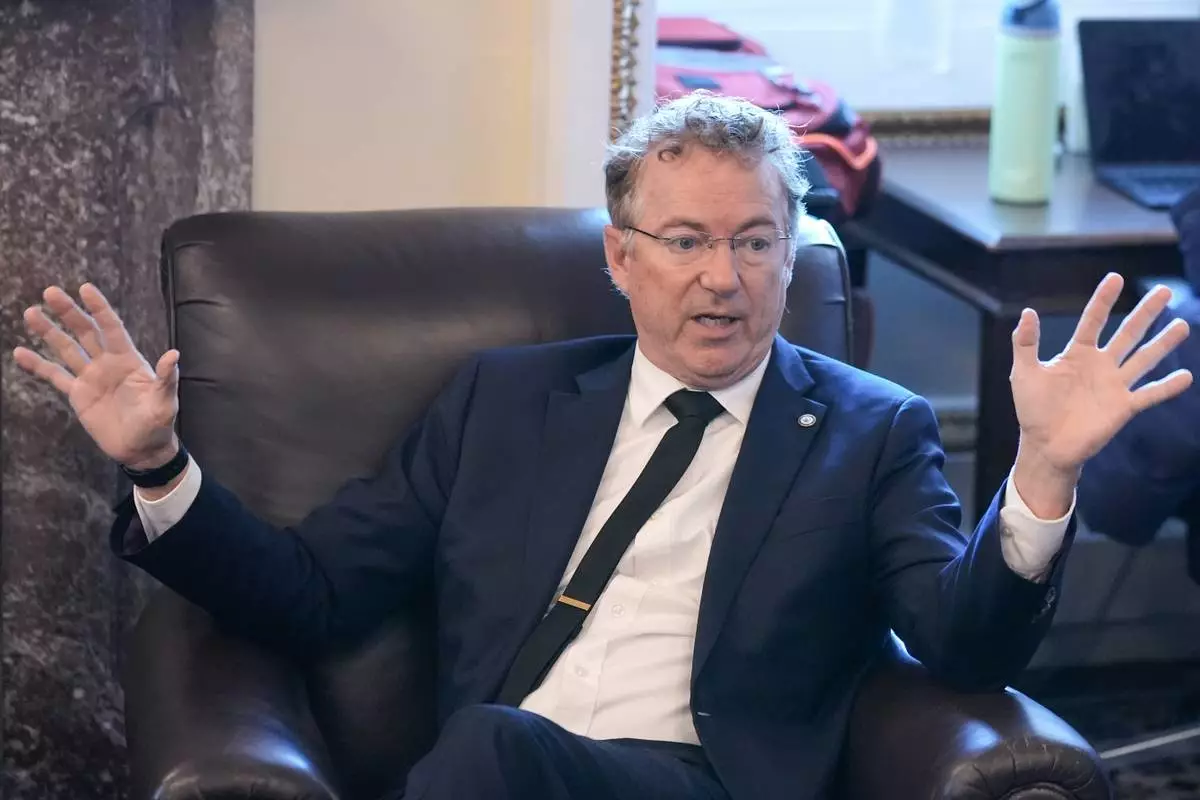
Sen. Rand Paul, R-Ky., speaks to reporters about a war powers resolution regarding Venezuela on Capitol Hill, Wednesday, Jan. 7, 2026, in Washington. (AP Photo/Mariam Zuhaib)
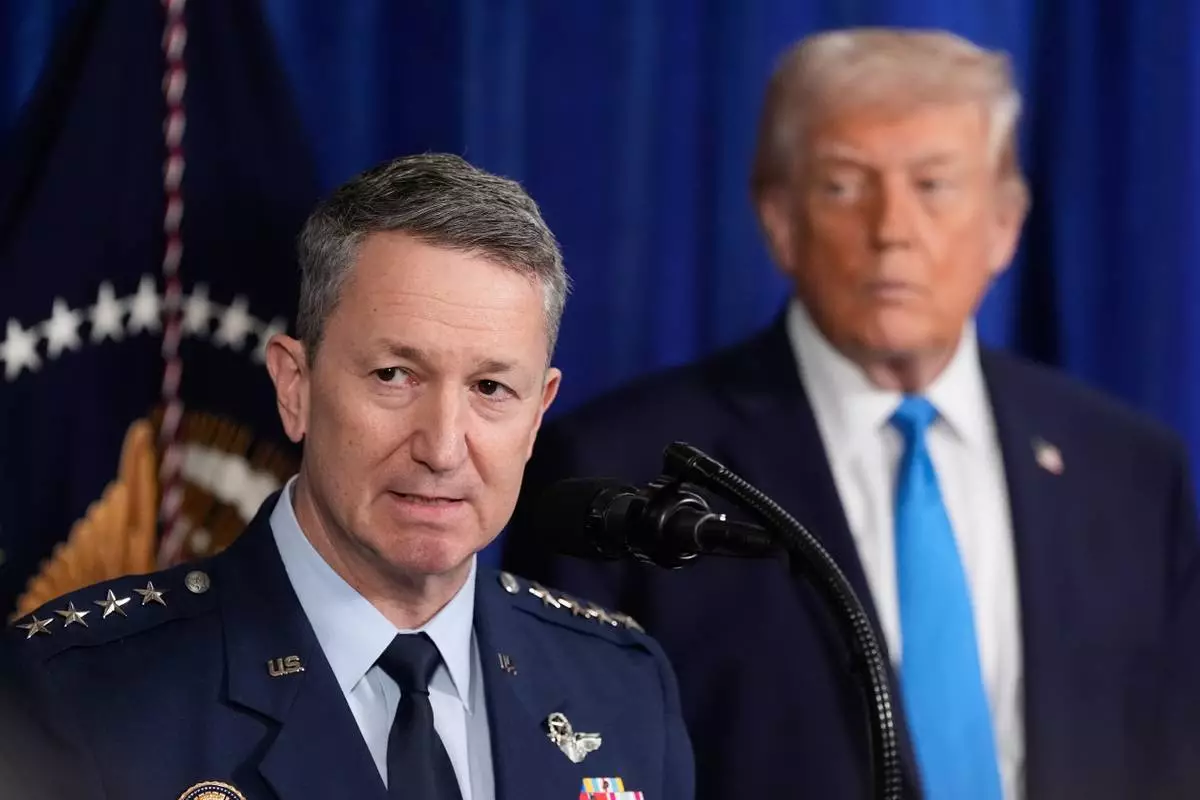
President Donald Trump listens as Chairman of the Joint Chiefs of Staff Gen. Dan Caine speaks at Mar-a-Lago, Saturday, Jan. 3, 2026, in Palm Beach, Fla. (AP Photo/Alex Brandon)
Sen. Tim Kaine, D-Va., speaks to reporters about a war powers resolution regarding Venezuela on Capitol Hill, Wednesday, Jan. 7, 2026, in Washington. (AP Photo/Mariam Zuhaib)