Bones and skulls visible in the back seat of a car near an abandoned cemetery on Philadelphia's outskirts led police to a basement filled with body parts, which authorities say were hoarded by a man now accused of stealing about 100 sets of human remains.
Officers say a Tuesday night arrest culminated a monthslong investigation into break-ins at Mount Moriah Cemetery, where at least 26 mausoleums and vaults had been forced open since early November.
Investigators later searched the Ephrata home and storage unit of Jonathan Christ Gerlach, 34, and reported finding more than 100 human skulls, long bones, mummified hands and feet, two decomposing torsos and other skeletal items.
“They were in various states. Some of them were hanging, as it were. Some of them were pieced together, some were just skulls on a shelf,” Delaware County District Attorney Tanner Rouse said.
Most were in the basement, authorities said, and they also recovered jewelry believed to be linked to the graves. In one case, a pacemaker was still attached.
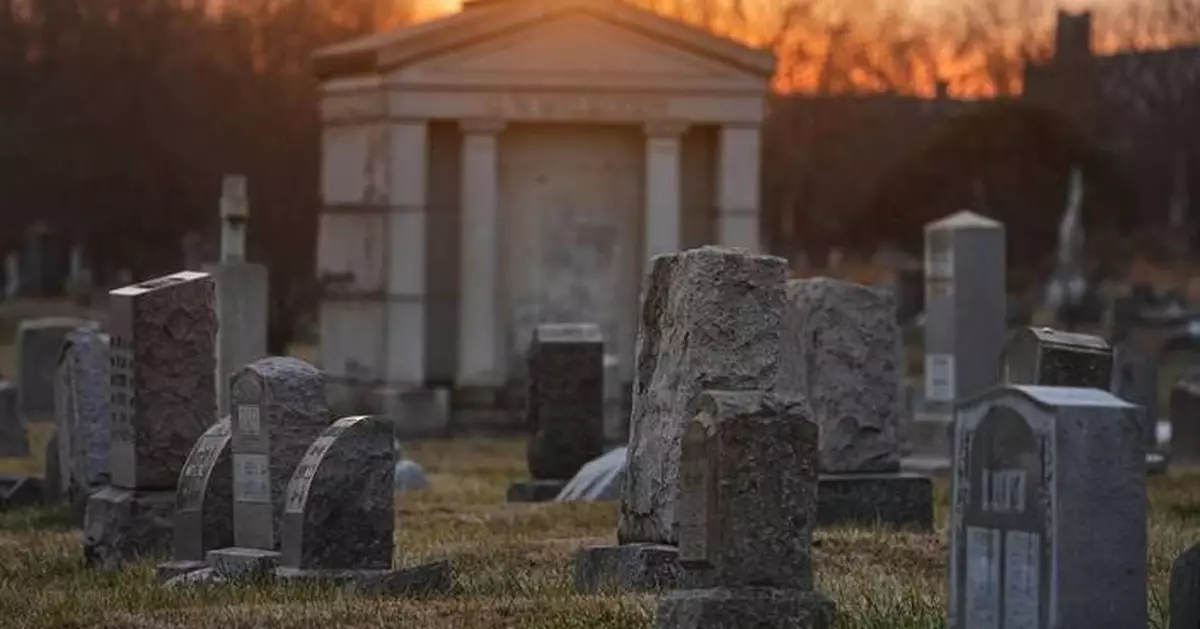
Police say Gerlach targeted mausoleums and underground vaults at the 1855 cemetery. It's considered the country’s largest abandoned burial ground, according to Friends of Mount Moriah Cemetery, which helps maintain the 160-acre landmark in Yeadon that's home to an estimated 150,000 grave sites.
Police had been looking into the string of burglaries when an investigator checked Gerlach’s vehicle plates and found he had been near Yeadon repeatedly during the period when the burglaries occurred. Police say the break-ins centered on sealed vaults and mausoleums containing older burials, which had been smashed open or had stonework damaged to reach the remains inside.
He was arrested as he walked back toward his car with a crowbar, police said, and a burlap bag in which officers found the mummified remains of two small children, three skulls and other bones.
Gerlach told investigators he took about 30 sets of human remains and showed them the graves he stole from, police said.
“Given the enormity of what we are looking at and the sheer, utter lack of reasonable explanation, it’s difficult to say right now, at this juncture, exactly what took place. We’re trying to figure it out,” Rouse told reporters.
Gerlach was charged with 100 counts each of abuse of a corpse and receiving stolen property, along with multiple counts of desecrating a public monument, desecrating a venerated object, desecrating a historic burial place, burglary, trespassing and theft.
He is jailed on $1 million bond. No lawyer was listed in court records. A message seeking comment was texted to a cellphone linked to him.
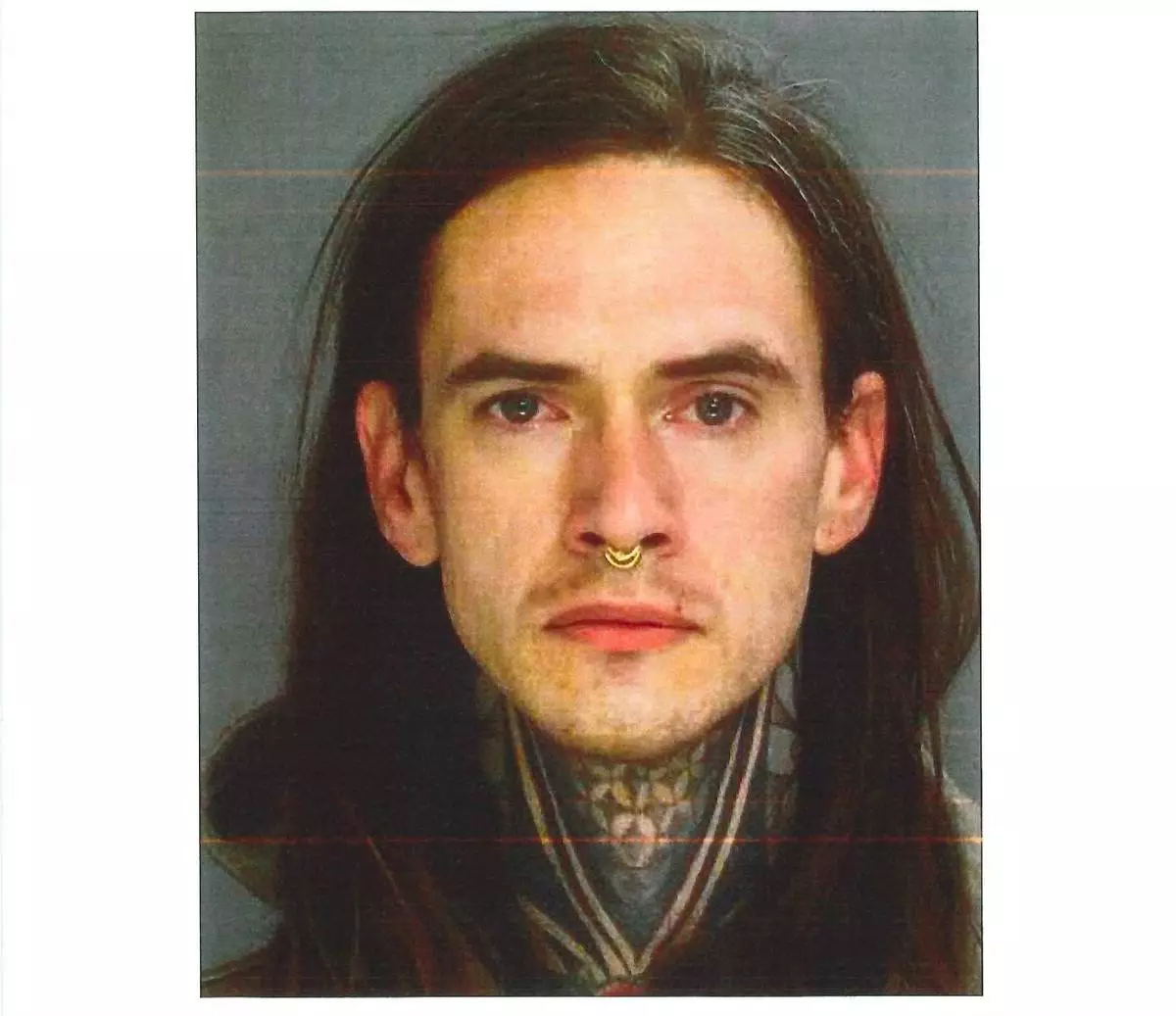
This undated photo released by the Delaware County District Attorneys’ Office shows Jonathan Gerlach. (Delaware County District Attorneys’ Office via AP)
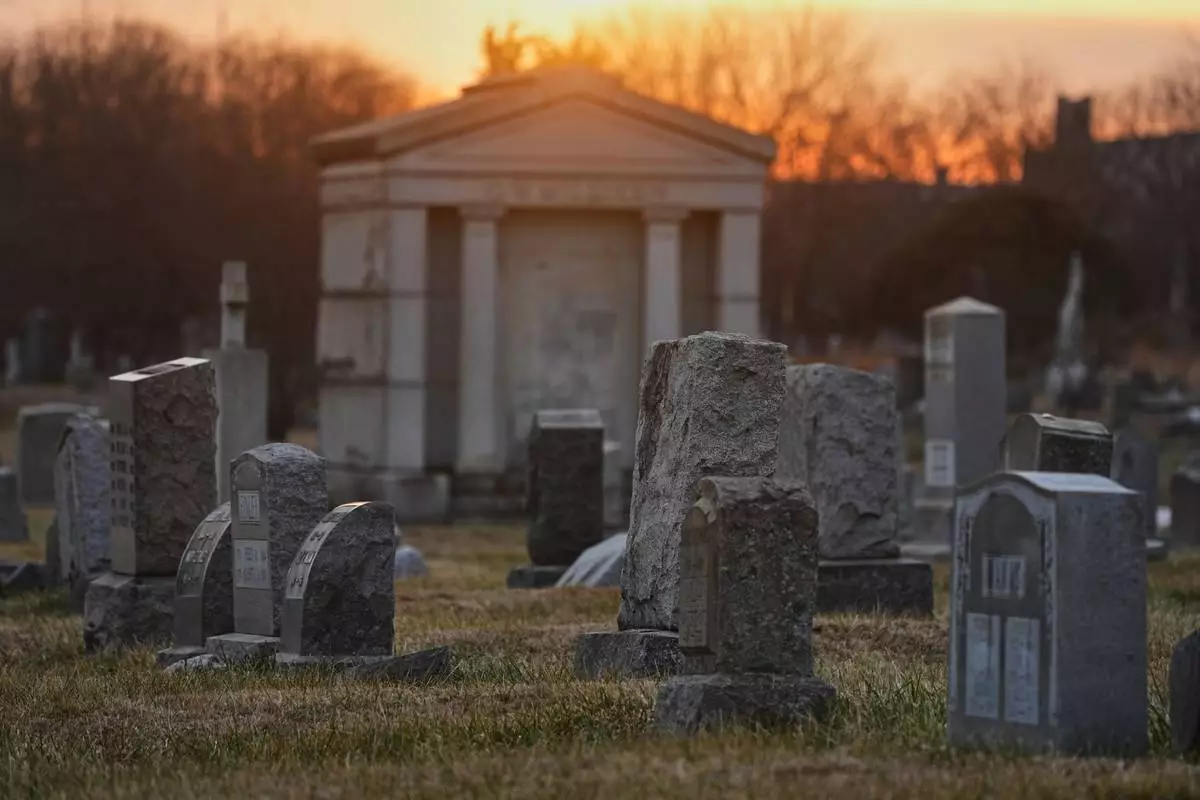
Grave markers at the Mount Moriah Cemetery in Philadelphia, on Thursday, Jan. 8, 2026. (AP Photo/Matt Rourke)
VATICAN CITY (AP) — In his most substantial critique of U.S., Russian and other military incursions in sovereign countries, Pope Leo XIV on Friday denounced how nations were using force to assert their dominion worldwide, “completely undermining” peace and the post-World War II international legal order.
“War is back in vogue and a zeal for war is spreading,” Leo told ambassadors from around the world who represent their countries’ interests at the Holy See.
Leo didn’t name individual countries that have resorted to force in his lengthy speech, the bulk of which he delivered in English in a break from the Vatican’s traditional diplomatic protocol of Italian and French. But his speech came amid the backdrop of the recent U.S. military operation in Venezuela to remove Nicolás Maduro from power, Russia's ongoing war in Ukraine and other conflicts.
The occasion was the pope’s annual audience with the Vatican diplomatic corps, which traditionally amounts to his yearly foreign policy address.
In his first such encounter, history’s first U.S.-born pope delivered much more than the traditional roundup of global hotspots. In a speech that touched on threats to religious freedom and the Catholic Church’s opposition to abortion and surrogacy, Leo lamented how the United Nations and multilateralism as a whole were increasingly under threat.
“A diplomacy that promotes dialogue and seeks consensus among all parties is being replaced by a diplomacy based on force, by either individuals or groups of allies,” he said. “The principle established after the Second World War, which prohibited nations from using force to violate the borders of others, has been completely undermined.”
“Instead, peace is sought through weapons as a condition for asserting one’s own dominion. This gravely threatens the rule of law, which is the foundation of all peaceful civil coexistence,” he said.
Leo did refer explicitly to tensions in Venezuela, calling for a peaceful political solution that keeps in mind the “common good of the peoples and not the defense of partisan interests.”
The U.S. military seized Maduro, the Venezuelan leader, in a surprise nighttime raid. The Trump administration is now seeking to control Venezuela’s oil resources and its government. The U.S. government has insisted Maduro's capture was legal, saying drug cartels operating from Venezuela amounted to unlawful combatants and that the U.S. is now in an “armed conflict” with them.
Analysts and some world leaders have condemned the Venezuela mission, warning that Maduro’s ouster could pave the way for more military interventions and a further erosion of the global legal order.
On Ukraine, Leo repeated his appeal for an immediate ceasefire and urgently called for the international community “not to waver in its commitment to pursuing just and lasting solutions.”
On Gaza, Leo repeated the Holy See’s call for a two-state solution to the Israeli-Palestinian conflict and insisted on the Palestinians’ right to live in Gaza and the West Bank “in their own land.”
Associated Press religion coverage receives support through the AP’s collaboration with The Conversation US, with funding from Lilly Endowment Inc. The AP is solely responsible for this content.
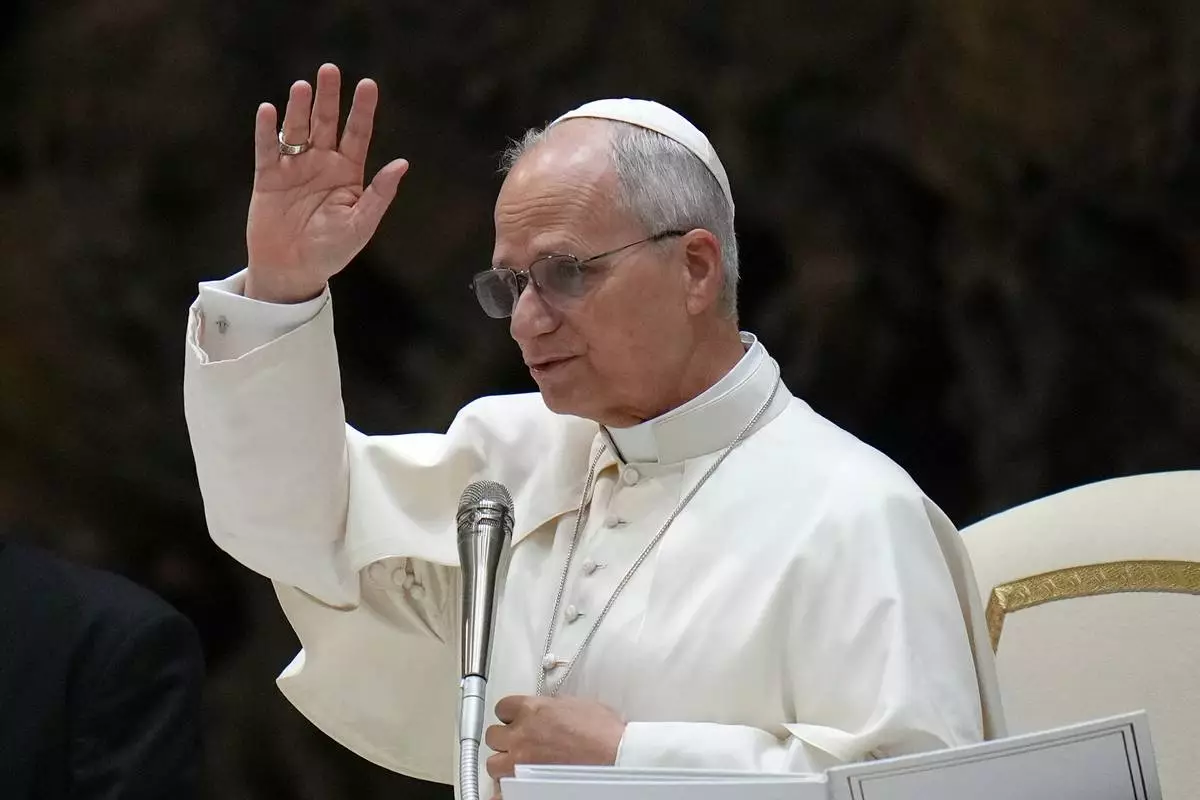
Pope Leo XIV holds his weekly general audience in the Paul VI Hall at the Vatican, Wednesday, Jan. 7, 2026. (AP Photo/Alessandra Tarantino)
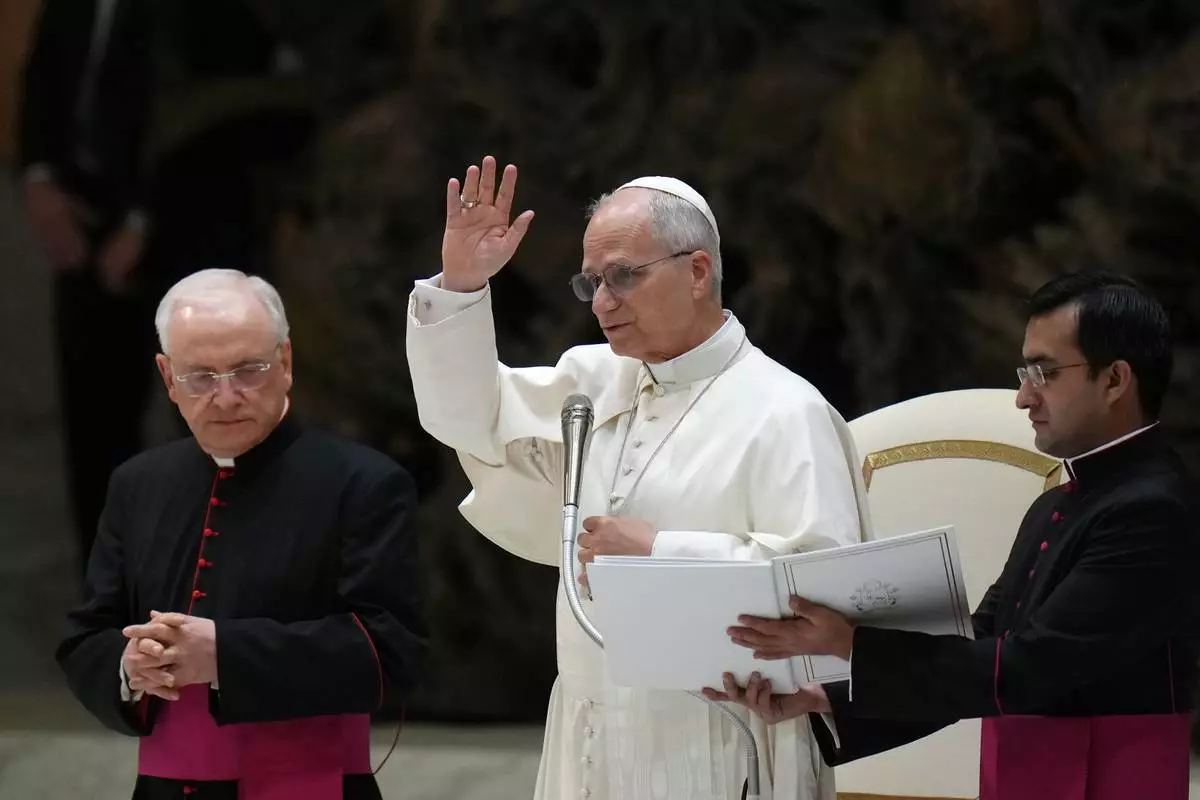
Pope Leo XIV holds his weekly general audience in the Paul VI Hall at the Vatican, Wednesday, Jan. 7, 2026. (AP Photo/Alessandra Tarantino)
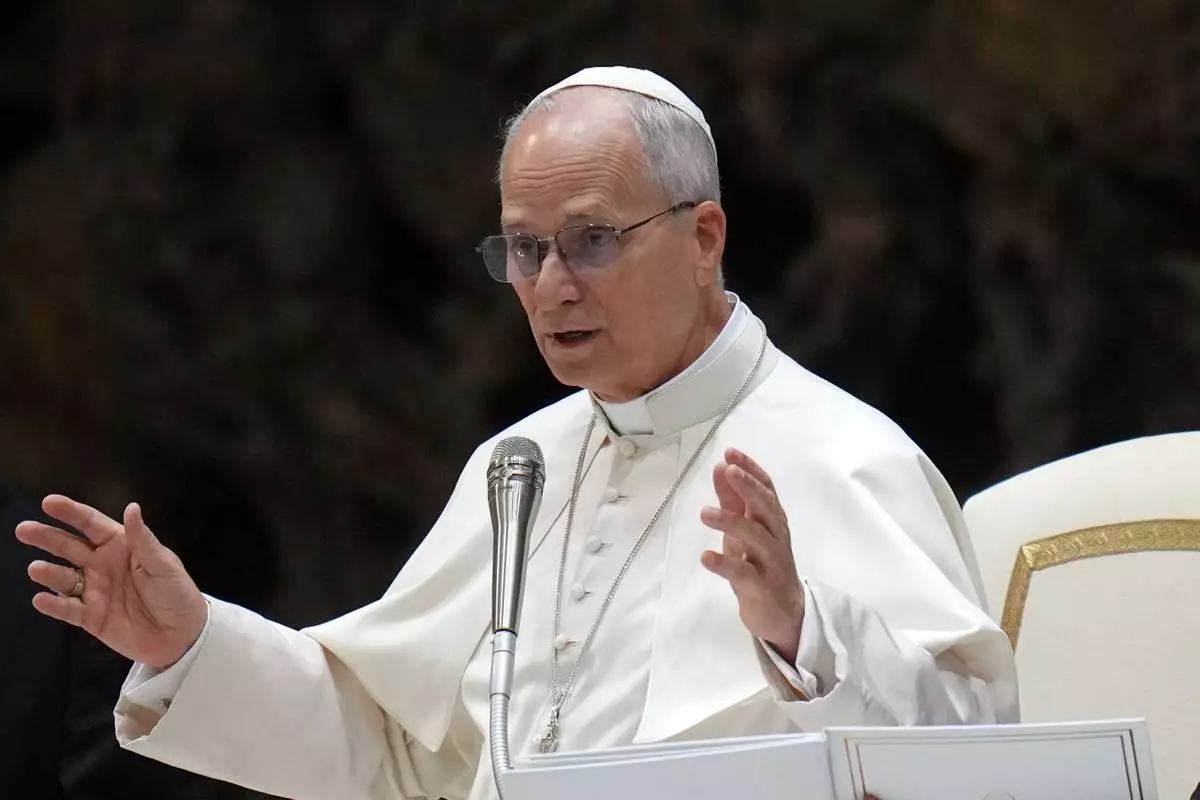
Pope Leo XIV holds his weekly general audience in the Paul VI Hall at the Vatican, Wednesday, Jan. 7, 2026. (AP Photo/Alessandra Tarantino)