Skip to Content Facebook Feature Image

Russia uses its new ballistic missile in a major attack on Ukraine and a warning to West

News

Russia uses its new ballistic missile in a major attack on Ukraine and a warning to West
News

News

Russia uses its new ballistic missile in a major attack on Ukraine and a warning to West

2026-01-10 06:47 Last Updated At:06:50

KYIV, Ukraine (AP) — Russia bombarded Ukraine with hundreds of drones and dozens of missiles in a large-scale overnight attack, officials said Friday, killing at least four people in the capital. For only the second time in the nearly 4-year-old war, it used a powerful, new hypersonic missile that struck western Ukraine in a clear warning to Kyiv’s NATO allies.

The intense barrage and the launch of the nuclear-capable Oreshnik missile came days after Ukraine and its allies reported major progress toward agreeing on how to defend the country from further Moscow aggression if a U.S.-led peace deal is struck.

More Images
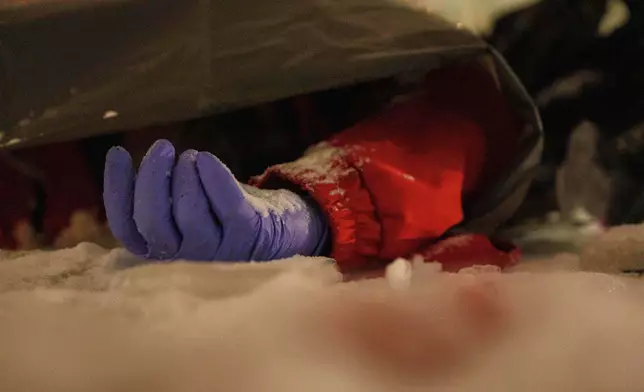
The body of a paramedic lies on the ground in the snow outside a residential building damaged by a Russian strike on Kyiv, Ukraine, Friday, Jan. 9, 2026. (AP Photo/Evgeniy Maloletka)
The body of a paramedic lies on the ground in the snow outside a residential building damaged by a Russian strike on Kyiv, Ukraine, Friday, Jan. 9, 2026. (AP Photo/Evgeniy Maloletka)

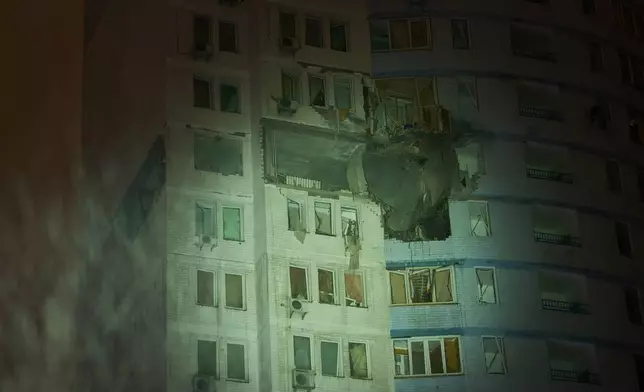
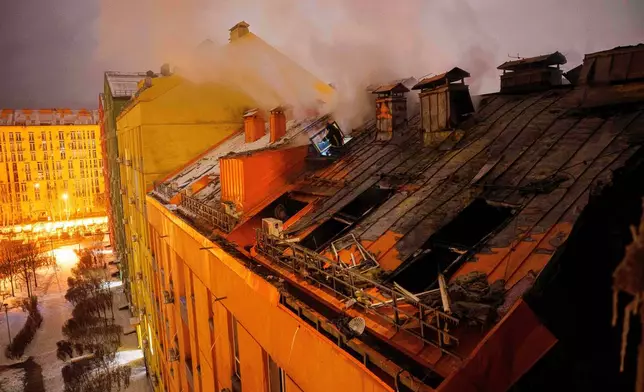
A residential building is damaged after a Russian air strike during a heavy snow storm in Kyiv, Ukraine, early Friday, Jan. 9, 2026. (AP Photo/Efrem Lukatsky)
A residential building is damaged after a Russian air strike during a heavy snow storm in Kyiv, Ukraine, early Friday, Jan. 9, 2026. (AP Photo/Efrem Lukatsky)

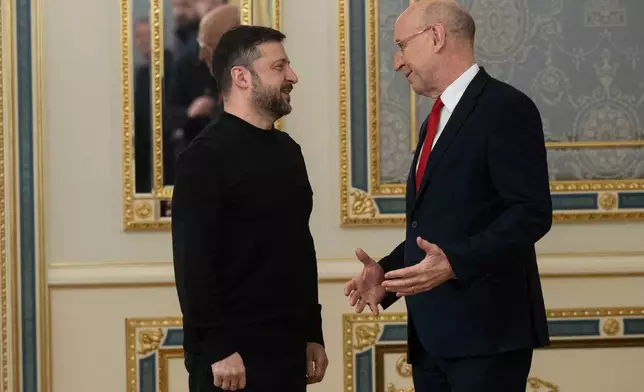
President of Ukraine Volodymyr Zelenskyy, left, and British Defense Secretary John Healey talk in Kyiv, Ukraine, Friday, Jan. 9, 2026. (AP Photo/Danylo Antoniuk)
President of Ukraine Volodymyr Zelenskyy, left, and British Defense Secretary John Healey talk in Kyiv, Ukraine, Friday, Jan. 9, 2026. (AP Photo/Danylo Antoniuk)

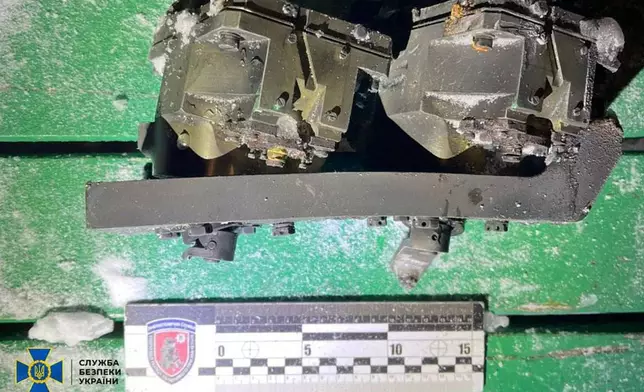
This photo provided by the Ukrainian Security Service on Friday, Jan. 9, 2026, shows a fragment believed to be a part of a Russian Oreshnik intermediate range hypersonic ballistic missile that hit the Lviv region. (Ukrainian Security Service via AP)
This photo provided by the Ukrainian Security Service on Friday, Jan. 9, 2026, shows a fragment believed to be a part of a Russian Oreshnik intermediate range hypersonic ballistic missile that hit the Lviv region. (Ukrainian Security Service via AP)
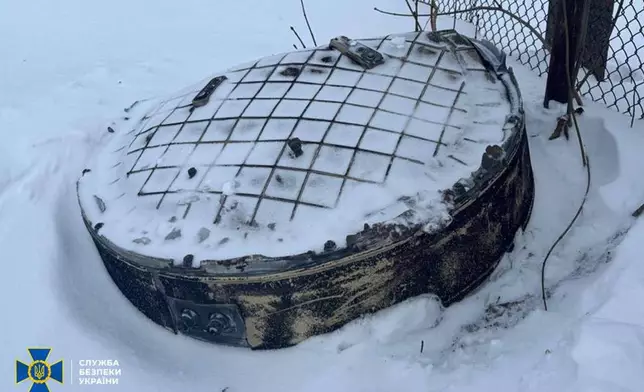
This photo provided by the Ukrainian Security Service on Friday, Jan. 9, 2026, shows a fragment believed to be a part of a Russian Oreshnik intermediate range hypersonic ballistic missile that hit the Lviv region. (Ukrainian Security Service via AP)

This photo provided by the Ukrainian Security Service on Friday, Jan. 9, 2026, shows a fragment believed to be a part of a Russian Oreshnik intermediate range hypersonic ballistic missile that hit the Lviv region. (Ukrainian Security Service via AP)

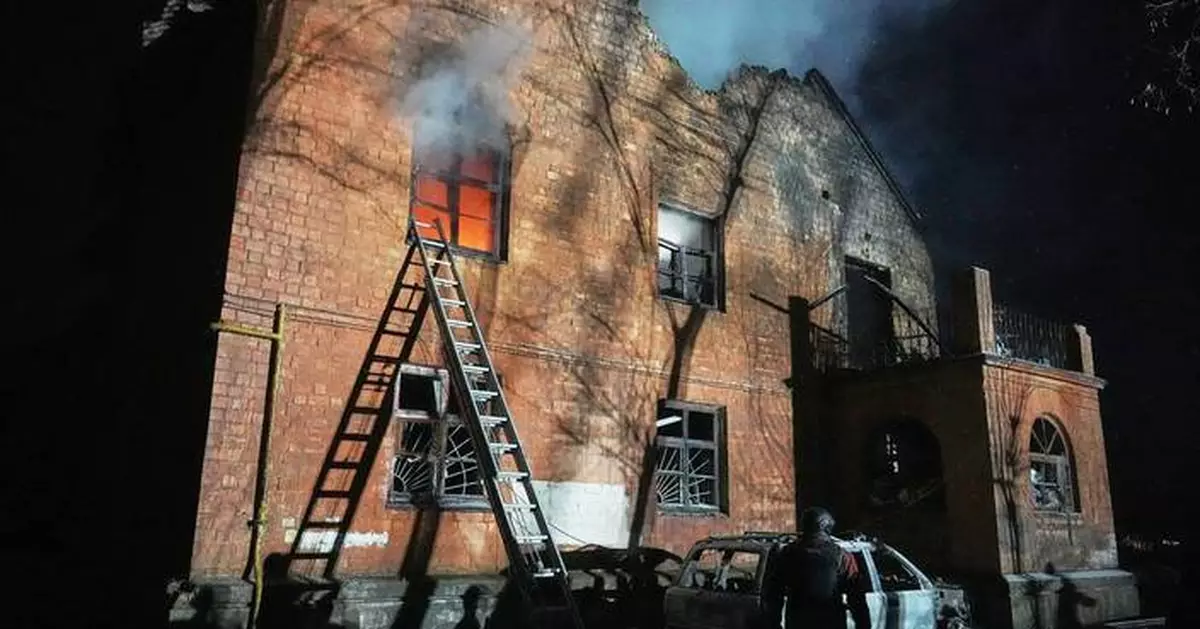
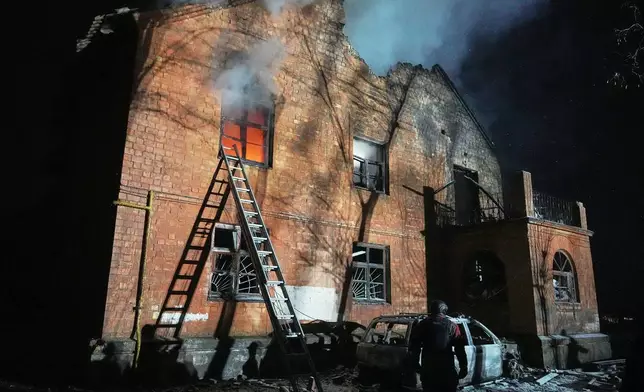
A rescue worker tries to put out a fire at a residential building damaged after a Russian strike on Kyiv, Ukraine, on Friday, Jan. 9, 2026. (AP Photo/Evgeniy Maloletka)
A rescue worker tries to put out a fire at a residential building damaged after a Russian strike on Kyiv, Ukraine, on Friday, Jan. 9, 2026. (AP Photo/Evgeniy Maloletka)

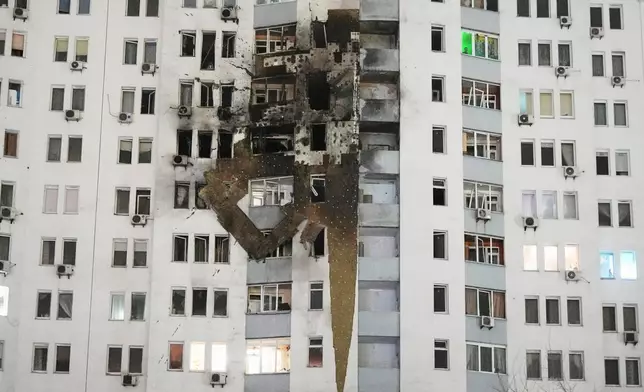
A residential building is seen damaged after a Russian strike in Kyiv, Ukraine, Friday, Jan. 9, 2026. (AP Photo/Efrem Lukatsky)
A residential building is seen damaged after a Russian strike in Kyiv, Ukraine, Friday, Jan. 9, 2026. (AP Photo/Efrem Lukatsky)

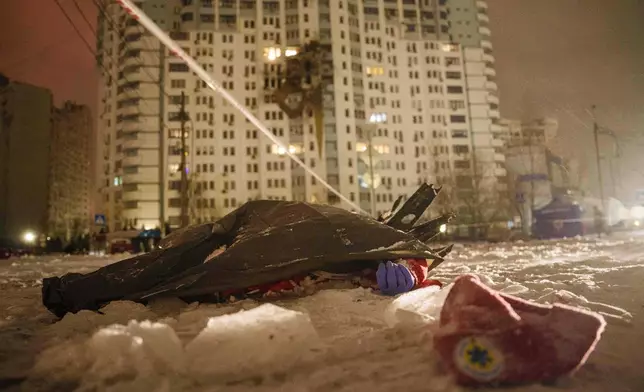
The dead body of a paramedic lies on the ground in front of a residential building damaged by a Russian strike on Kyiv, Ukraine, Friday, Jan. 9, 2026. (AP Photo/Evgeniy Maloletka)
The dead body of a paramedic lies on the ground in front of a residential building damaged by a Russian strike on Kyiv, Ukraine, Friday, Jan. 9, 2026. (AP Photo/Evgeniy Maloletka)

A residential building burns after a Russian strike in Kyiv, Ukraine, Friday, Jan. 9, 2026. (AP Photo/Efrem Lukatsky)
A residential building burns after a Russian strike in Kyiv, Ukraine, Friday, Jan. 9, 2026. (AP Photo/Efrem Lukatsky)

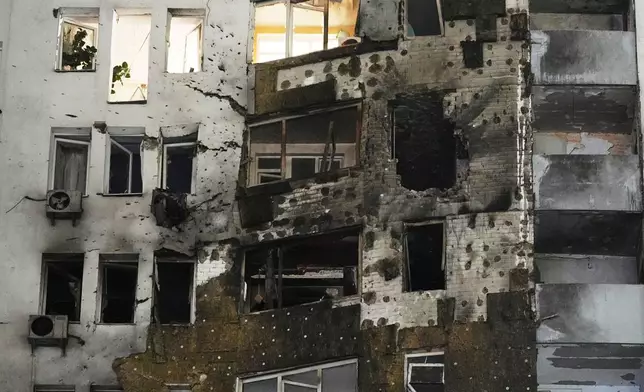
A residential building is seen damaged after a Russian strike in Kyiv, Ukraine, Friday, Jan. 9, 2026. (AP Photo/Efrem Lukatsky)
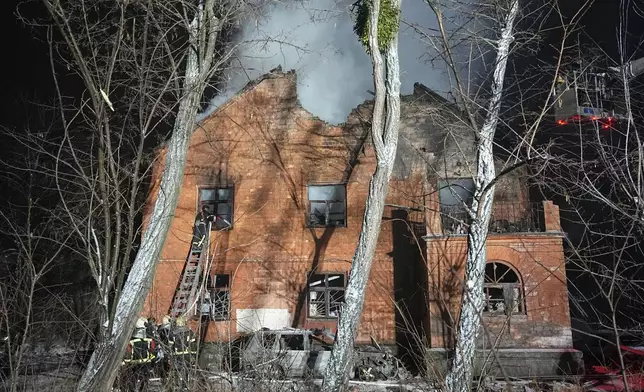
A residential building is seen damaged after a Russian strike in Kyiv, Ukraine, Friday, Jan. 9, 2026. (AP Photo/Efrem Lukatsky)

Rescue workers put out a fire at a residential building damaged by a Russian strike in Kyiv, Ukraine, Friday, Jan. 9, 2026. (AP Photo/Efrem Lukatsky)
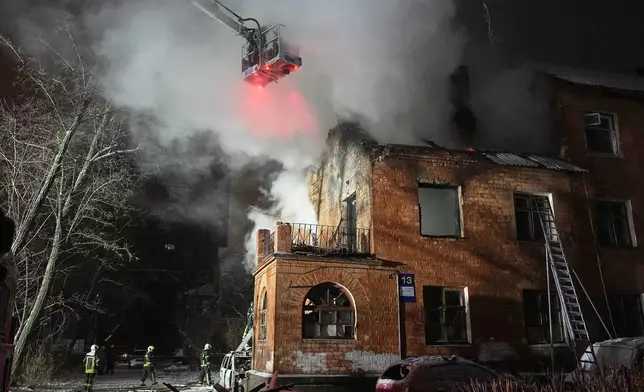
Rescue workers put out a fire at a residential building damaged by a Russian strike in Kyiv, Ukraine, Friday, Jan. 9, 2026. (AP Photo/Efrem Lukatsky)
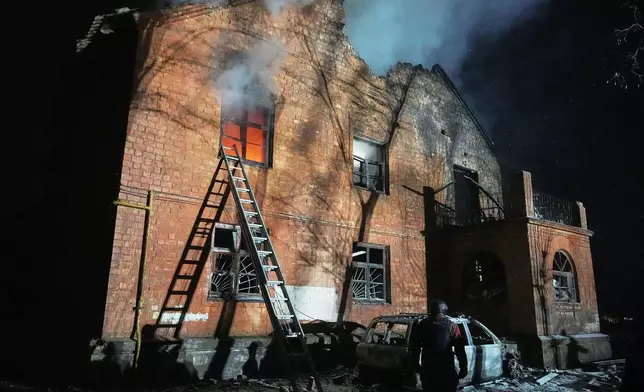
Rescue workers put out a fire at a residential building damaged by a Russian strike in Kyiv, Ukraine, Friday, Jan. 9, 2026. (AP Photo/Efrem Lukatsky)

Rescue workers put out a fire at a residential building damaged by a Russian strike in Kyiv, Ukraine, Friday, Jan. 9, 2026. (AP Photo/Efrem Lukatsky)

A residential building burns after a Russian strike in Kyiv, Ukraine, Friday, Jan. 9, 2026. (AP Photo/Efrem Lukatsky)

A residential building burns after a Russian strike in Kyiv, Ukraine, Friday, Jan. 9, 2026. (AP Photo/Efrem Lukatsky)

Europe’s leaders condemned the attack as “escalatory and unacceptable,” and the European Union's top foreign policy envoy said Russian President Vladimir Putin’s reply to diplomacy was “more missiles and destruction.”

The attack also coincides with a new chill in relations between Moscow and Washington after Russia condemned the U.S. seizure of an oil tanker in the North Atlantic. It comes as U.S. President Donald Trump signaled he is on board with a hard-hitting sanctions package meant to economically cripple Moscow, which has given no public signal it is willing to budge from its maximalist demands on Ukraine.

Ukrainian officials said four people were killed and at least 25 wounded in Kyiv as apartment buildings were struck overnight.

Those killed included an emergency medical aid worker, according to Kyiv City Military Administration head Tymur Tkachenko. Four doctors and one police officer were injured while responding to the attacks, authorities said.

About half of snowy Kyiv’s apartment buildings — nearly 6,000 — were left without heat amid daytime temperatures of about minus 8 degrees Celsius (17.6 Fahrenheit), Mayor Vitali Klitschko said. Water supplies also were disrupted.

Municipal services restored power and heat to public facilities, including hospitals and maternity wards, using portable boiler units, he said

The attack damaged the Qatari Embassy in Kyiv, according to President Volodymyr Zelenskyy, who noted that Qatar has played a key role in mediating the exchange of prisoners of war.

He called for a “clear response” from the international community, particularly from the U.S., which he said Russia takes seriously.

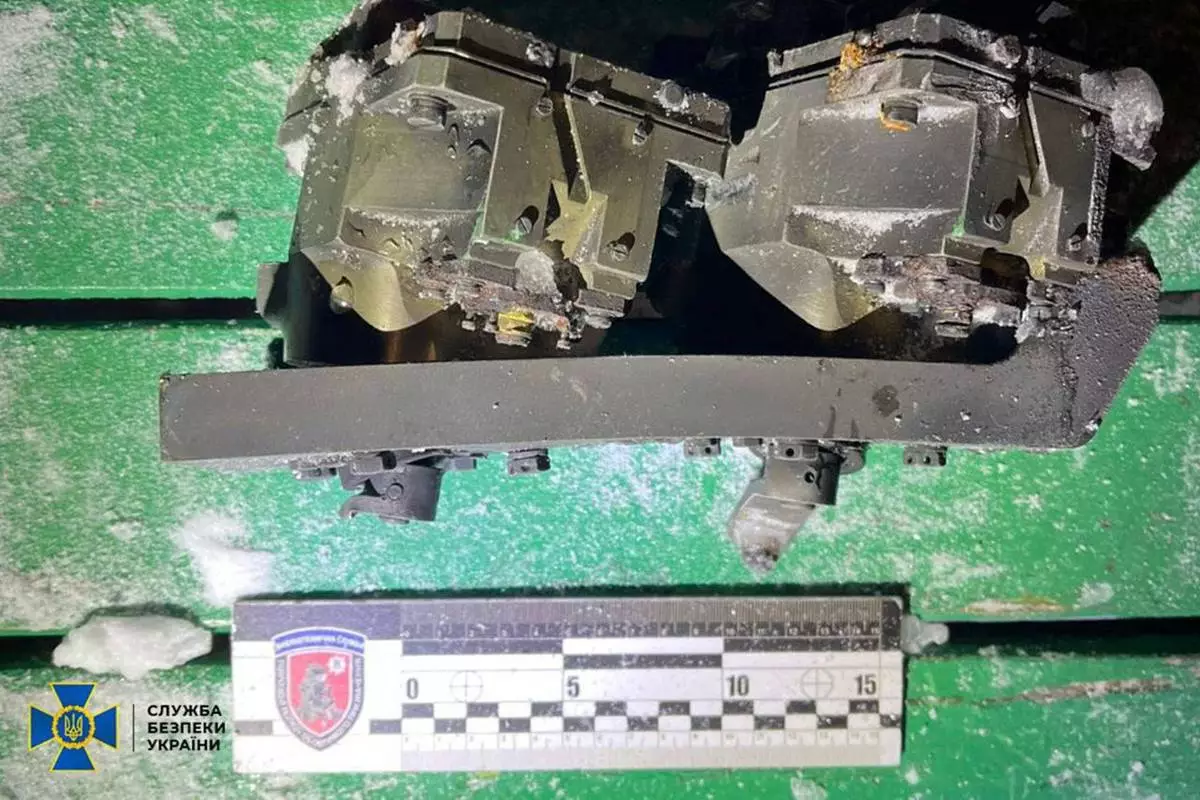
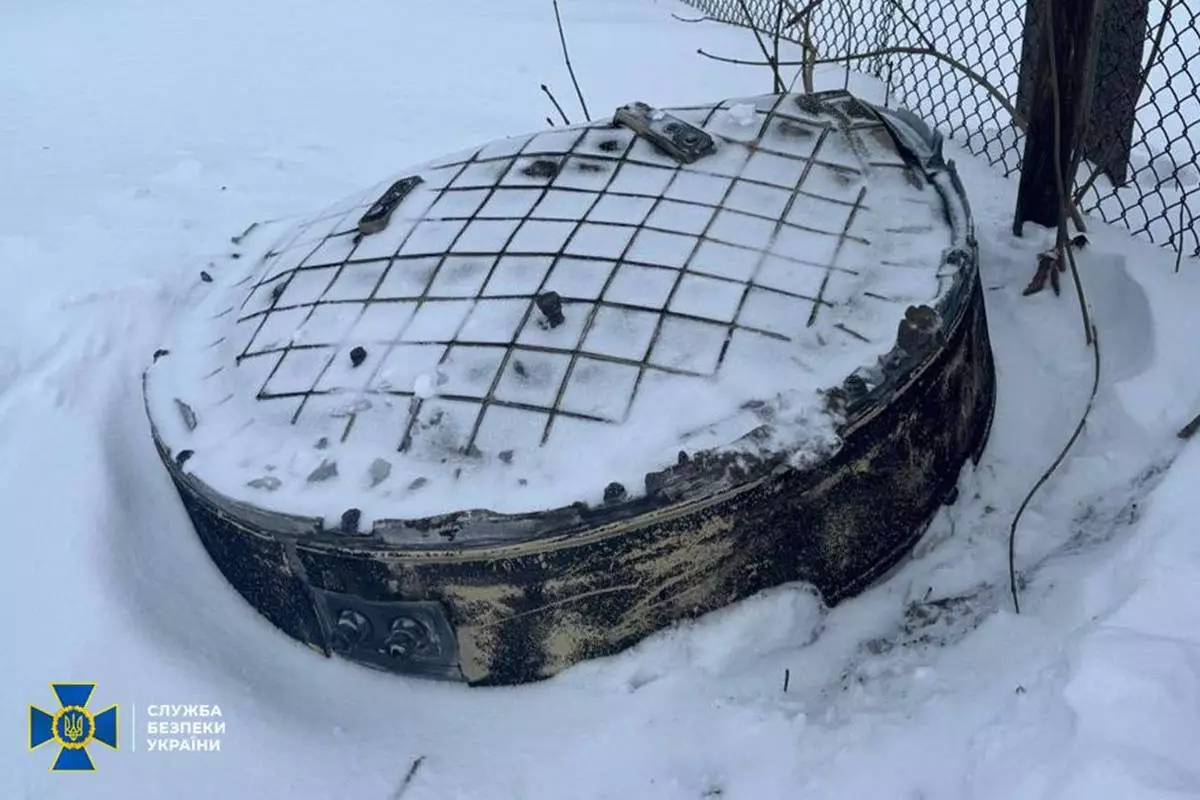
Ukraine’s Security Service said it identified debris from the Oreshnik missile in the Lviv region in the country's west. It was fired from Russia’s Kapustin Yar test range near the Caspian Sea in southwestern Russia and targeted civilian infrastructure, investigators said.

“I heard a loud, shocking explosion, and it’s normal at this time of the war to hear these things here," said Lviv resident Kristofer Chokhovich, who said he was an American. "I just want everyone in the world to know that Ukraine is strong and we don’t care how many missiles you send.”

Another resident, Ulyana Fedun, described the attack as “very unpleasant” but not scary because “we’ve been living in this state for four years.”

Russia’s Defense Ministry said the attack was a retaliation to what Moscow claimed was a Ukrainian drone strike on one of Putin’s residences last month. Both Trump and Ukraine rejected the Russian claim.

Moscow didn’t say where the Oreshnik hit, but Russian media and military bloggers said it targeted an underground natural gas storage facility in the Lviv region. Western military aid flows to Ukraine from a supply hub in Poland just across the border.

Putin has previously said the Oreshnik streaks to its target at Mach 10, “like a meteorite,” and is immune to any missile defense system. Several of them used in a conventional strike could be as devastating as a nuclear attack, according to Putin, who has warned the West that Russia could use it against allies of Kyiv that allow it to strike inside Russia with longer-range missiles.

Ukrainian intelligence says the missile has six warheads, each carrying six submunitions.

Russia first used the Oreshnik missile on the Ukrainian city of Dnipro in November 2024. Analysts say it gives Russia a new element of psychological warfare, unnerving Ukrainians and intimidating Western countries that aid Ukraine.

Ukrainian Foreign Minister Andrii Sybiha said Ukraine would be initiating international action in response to the use of the missile, including an urgent meeting of the U.N. Security Council and a meeting of the Ukraine-NATO Council.

“Such a strike close to EU and NATO border is a grave threat to the security on the European continent and a test for the transatlantic community. We demand strong responses to Russia’s reckless actions,” he said in a post on X.

Ukraine’s request for an emergency meeting of the Security Council has been conveyed to the council, and six of the 15 members have called for a meeting on Monday, but no date has been set yet, a U.N. diplomat said, speaking on condition of anonymity because discussions have been private.

Pope Leo XIV, speaking at the Vatican, urged the international community to keep pushing for peace and end the suffering in Ukraine.

“Faced with this tragic situation, the Holy See strongly reiterates the pressing need for an immediate ceasefire, and for dialogue motivated by a sincere search for ways leading to peace,” the pontiff told ambassadors to the Vatican from around the world.

The leaders of Britain, France and Germany said they spoke about the attack and deemed it “escalatory and unacceptable.”

EU foreign policy chief, Kaja Kallas, said the Oreshnik launch was “meant as a warning to Europe and to the U.S.”

“Putin doesn’t want peace, Russia’s reply to diplomacy is more missiles and destruction,” Kallas wrote on social media.

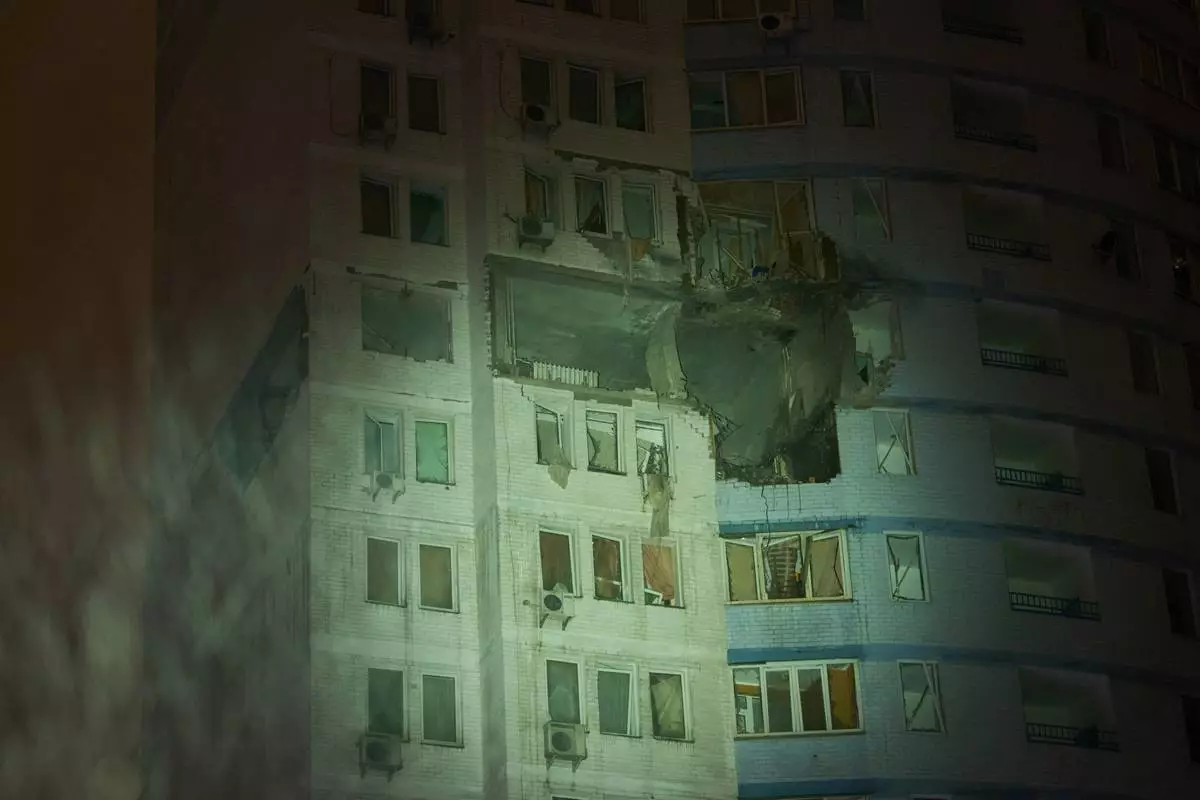
Several districts in Kyiv were hit in the overnight attack, according to Tkachenko, the city's military administration chief. In the Desnyanskyi district, a drone crashed onto the roof of a multistory building and the first two floors of another residential building were damaged.

In the Dnipro district, parts of a drone damaged a multistory building and a fire broke out.

Dmytro Karpenko's windows were shattered in the attack on Kyiv. When he saw that his neighbor's house was burning, he rushed to help him.

“What Russia is doing, of course, shows that they do not want peace. But people really want peace, people are suffering, people are dying," the 45-year old said.

A previous version of this story corrected the style on Andriy Sadoviy to Andrii Sadovyi.

Vasilisa Stepanenko in Kyiv, Ukraine, Kirsten Grieshaber in Berlin and Edith M. Lederer at the United Nations contributed.

Follow AP’s coverage of the war in Ukraine at https://apnews.com/hub/russia-ukraine
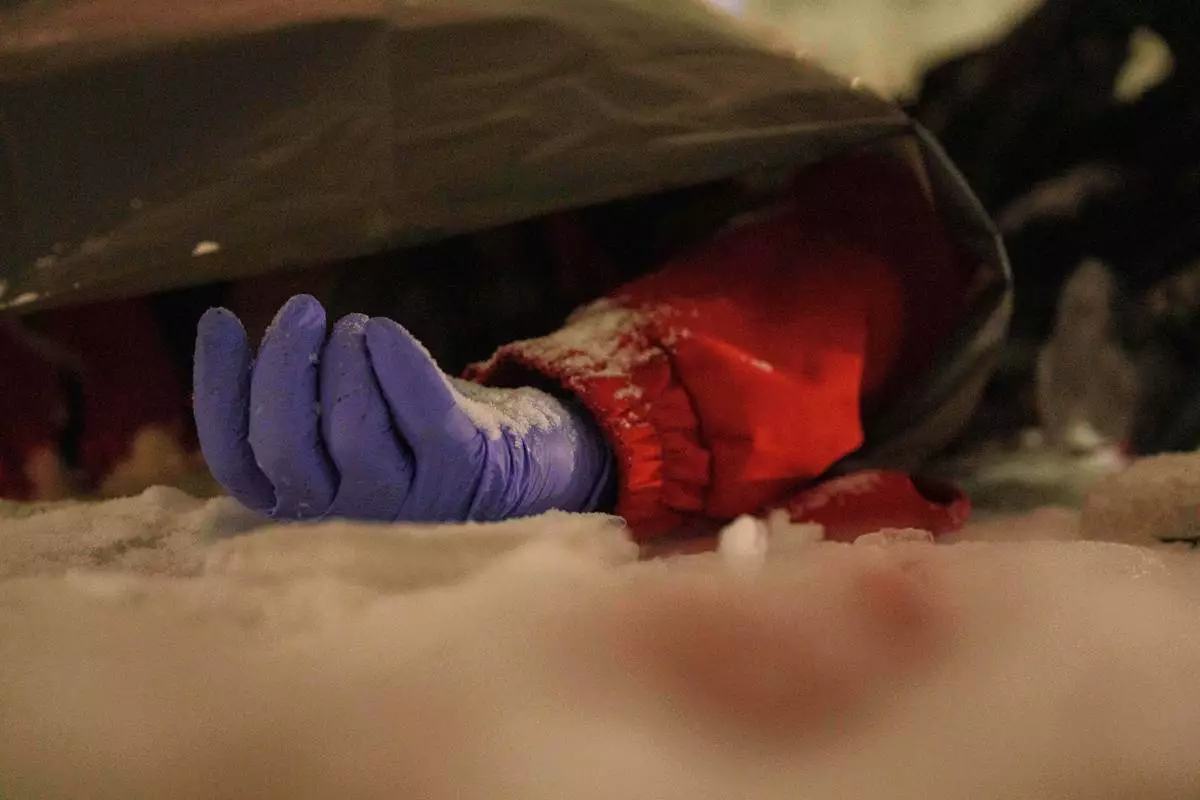
The body of a paramedic lies on the ground in the snow outside a residential building damaged by a Russian strike on Kyiv, Ukraine, Friday, Jan. 9, 2026. (AP Photo/Evgeniy Maloletka)
The body of a paramedic lies on the ground in the snow outside a residential building damaged by a Russian strike on Kyiv, Ukraine, Friday, Jan. 9, 2026. (AP Photo/Evgeniy Maloletka)

A residential building is damaged after a Russian air strike during a heavy snow storm in Kyiv, Ukraine, early Friday, Jan. 9, 2026. (AP Photo/Efrem Lukatsky)
A residential building is damaged after a Russian air strike during a heavy snow storm in Kyiv, Ukraine, early Friday, Jan. 9, 2026. (AP Photo/Efrem Lukatsky)

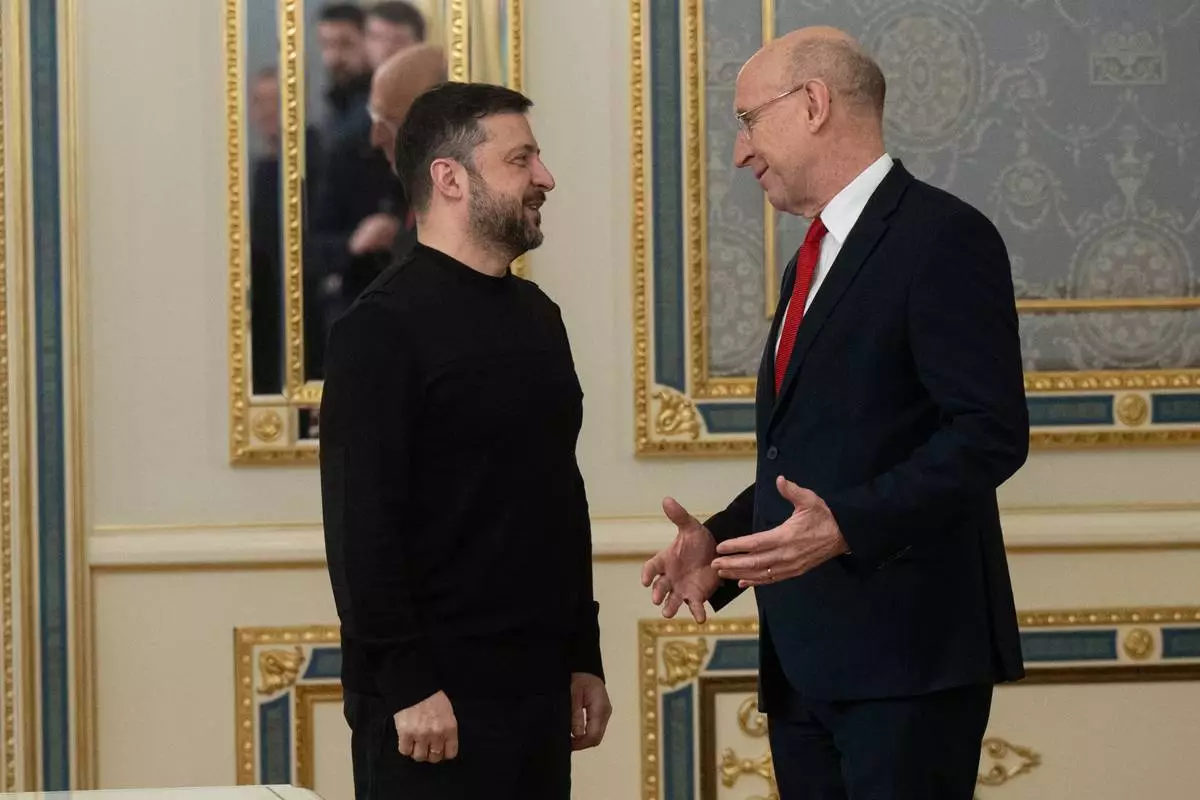
President of Ukraine Volodymyr Zelenskyy, left, and British Defense Secretary John Healey talk in Kyiv, Ukraine, Friday, Jan. 9, 2026. (AP Photo/Danylo Antoniuk)
President of Ukraine Volodymyr Zelenskyy, left, and British Defense Secretary John Healey talk in Kyiv, Ukraine, Friday, Jan. 9, 2026. (AP Photo/Danylo Antoniuk)

This photo provided by the Ukrainian Security Service on Friday, Jan. 9, 2026, shows a fragment believed to be a part of a Russian Oreshnik intermediate range hypersonic ballistic missile that hit the Lviv region. (Ukrainian Security Service via AP)
This photo provided by the Ukrainian Security Service on Friday, Jan. 9, 2026, shows a fragment believed to be a part of a Russian Oreshnik intermediate range hypersonic ballistic missile that hit the Lviv region. (Ukrainian Security Service via AP)
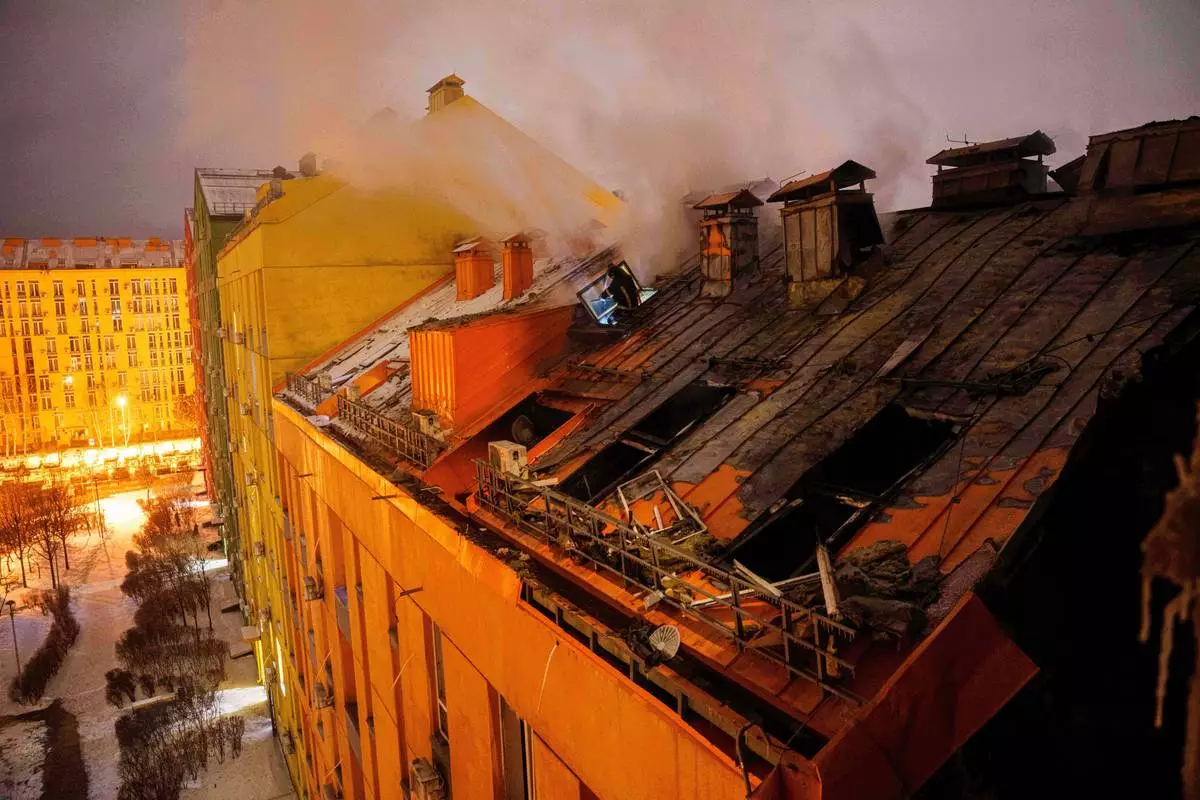
This photo provided by the Ukrainian Security Service on Friday, Jan. 9, 2026, shows a fragment believed to be a part of a Russian Oreshnik intermediate range hypersonic ballistic missile that hit the Lviv region. (Ukrainian Security Service via AP)

This photo provided by the Ukrainian Security Service on Friday, Jan. 9, 2026, shows a fragment believed to be a part of a Russian Oreshnik intermediate range hypersonic ballistic missile that hit the Lviv region. (Ukrainian Security Service via AP)

A rescue worker tries to put out a fire at a residential building damaged after a Russian strike on Kyiv, Ukraine, on Friday, Jan. 9, 2026. (AP Photo/Evgeniy Maloletka)
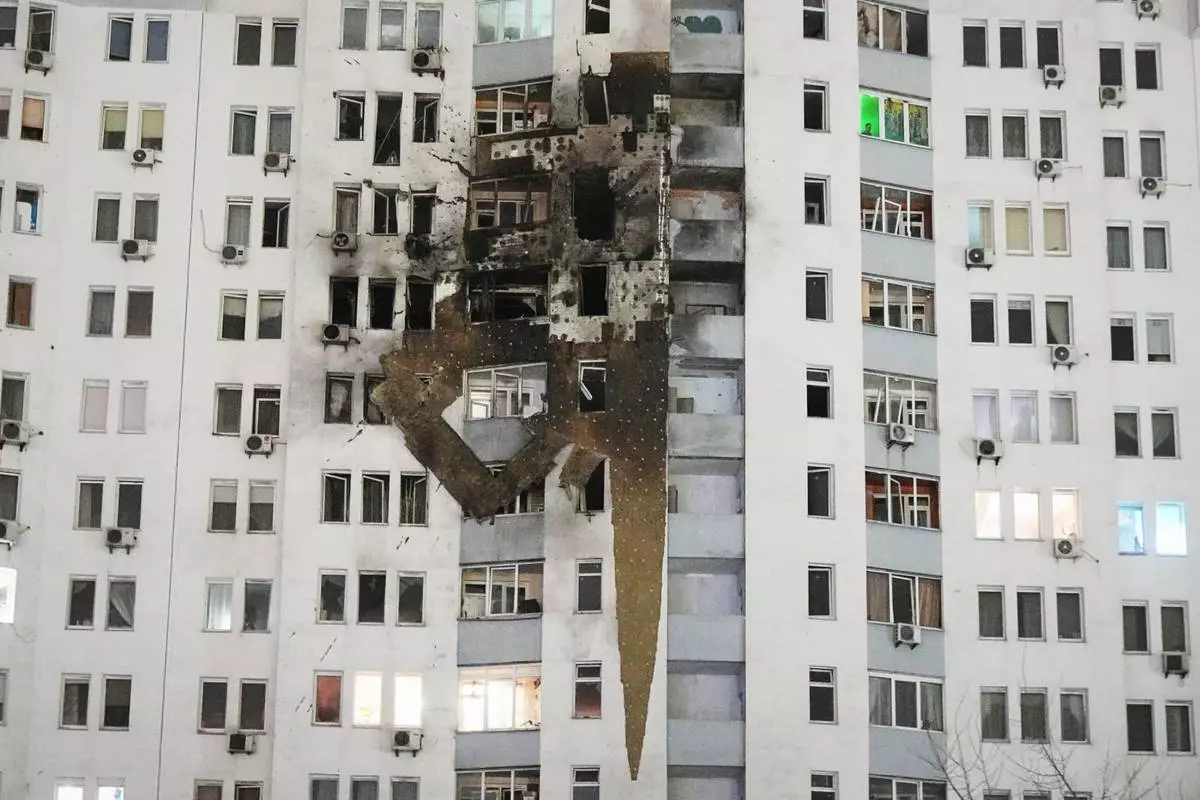
A rescue worker tries to put out a fire at a residential building damaged after a Russian strike on Kyiv, Ukraine, on Friday, Jan. 9, 2026. (AP Photo/Evgeniy Maloletka)

A residential building is seen damaged after a Russian strike in Kyiv, Ukraine, Friday, Jan. 9, 2026. (AP Photo/Efrem Lukatsky)
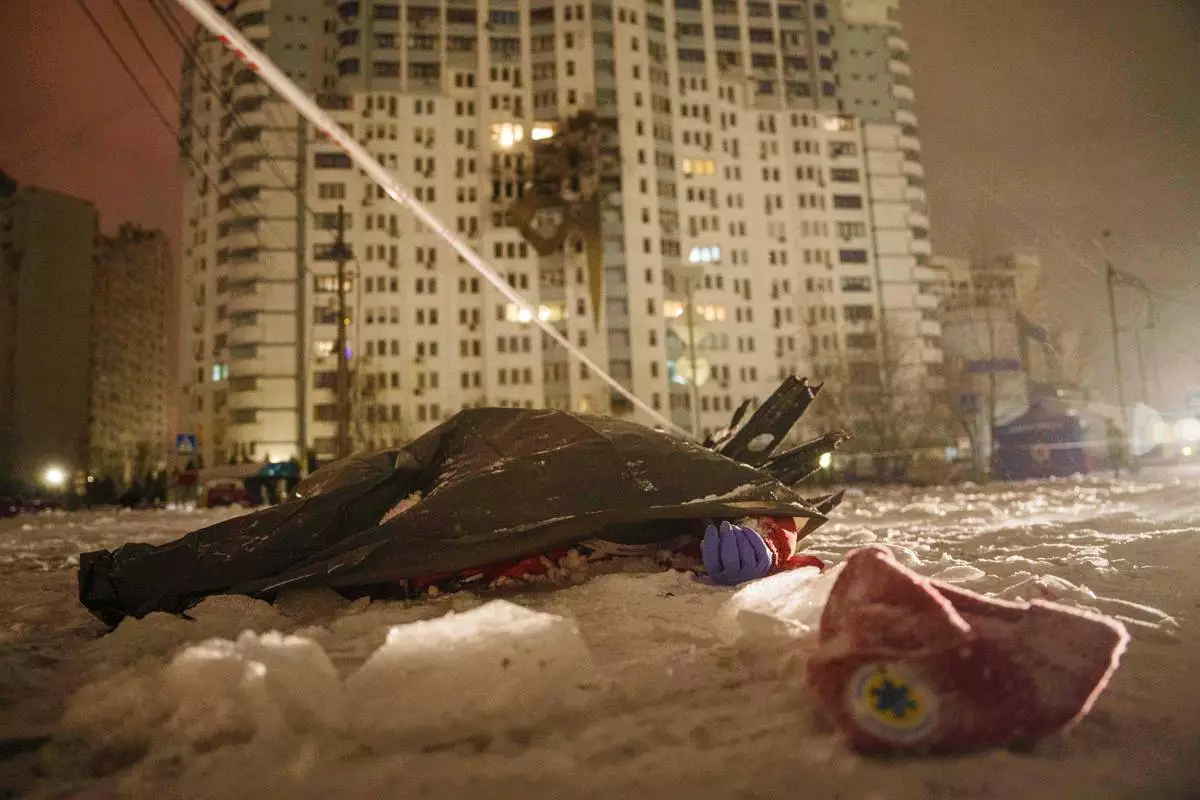
A residential building is seen damaged after a Russian strike in Kyiv, Ukraine, Friday, Jan. 9, 2026. (AP Photo/Efrem Lukatsky)

The dead body of a paramedic lies on the ground in front of a residential building damaged by a Russian strike on Kyiv, Ukraine, Friday, Jan. 9, 2026. (AP Photo/Evgeniy Maloletka)
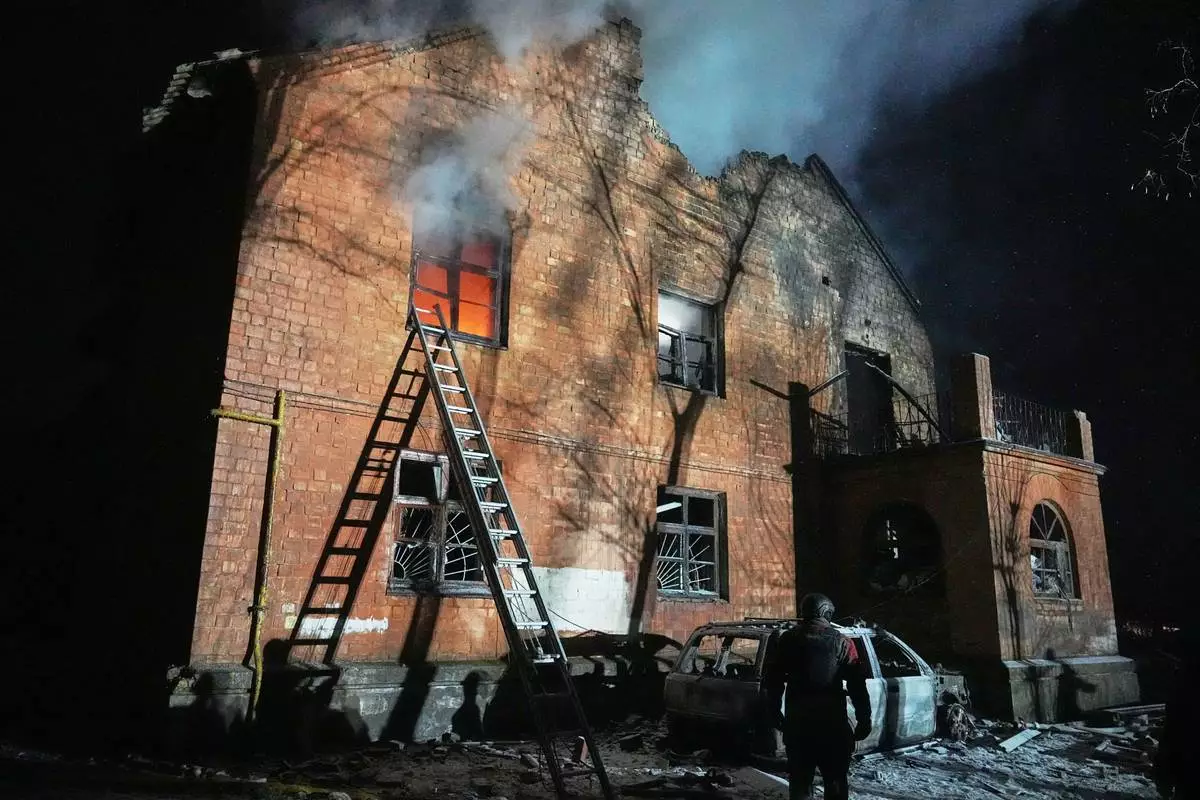
The dead body of a paramedic lies on the ground in front of a residential building damaged by a Russian strike on Kyiv, Ukraine, Friday, Jan. 9, 2026. (AP Photo/Evgeniy Maloletka)

A residential building burns after a Russian strike in Kyiv, Ukraine, Friday, Jan. 9, 2026. (AP Photo/Efrem Lukatsky)
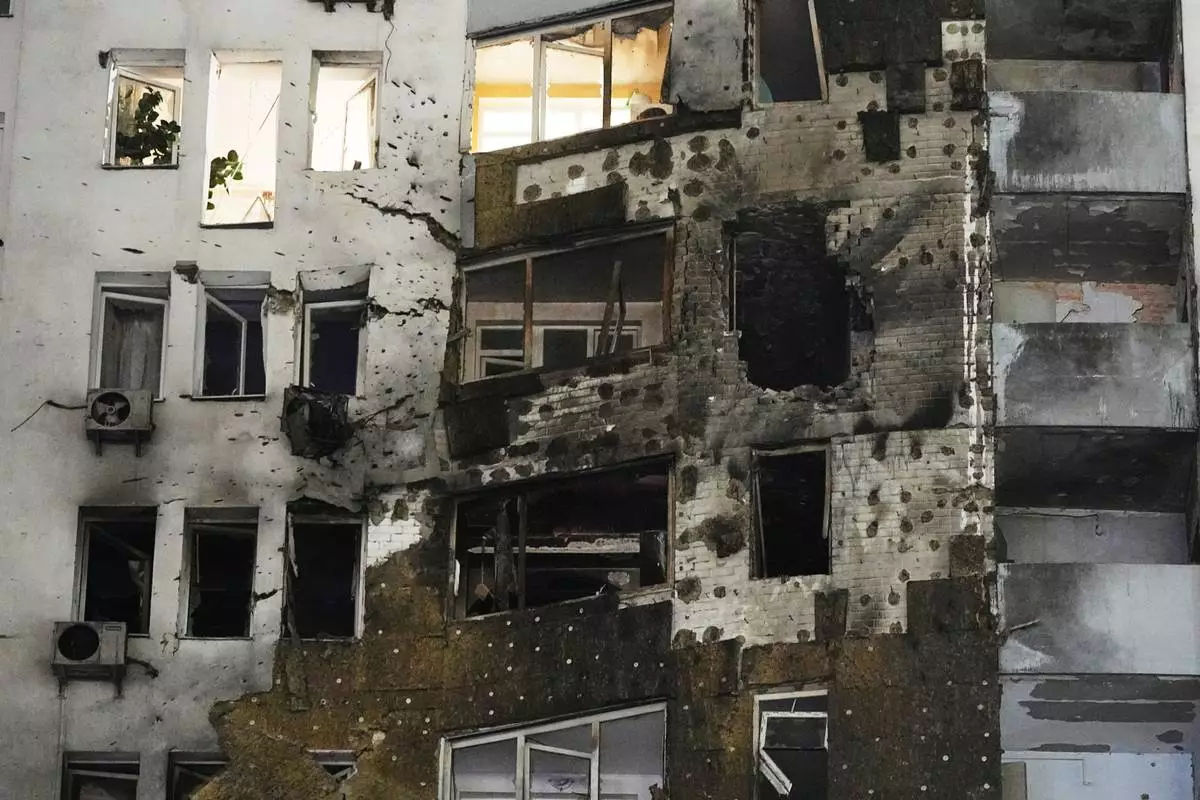
A residential building burns after a Russian strike in Kyiv, Ukraine, Friday, Jan. 9, 2026. (AP Photo/Efrem Lukatsky)

A residential building is seen damaged after a Russian strike in Kyiv, Ukraine, Friday, Jan. 9, 2026. (AP Photo/Efrem Lukatsky)
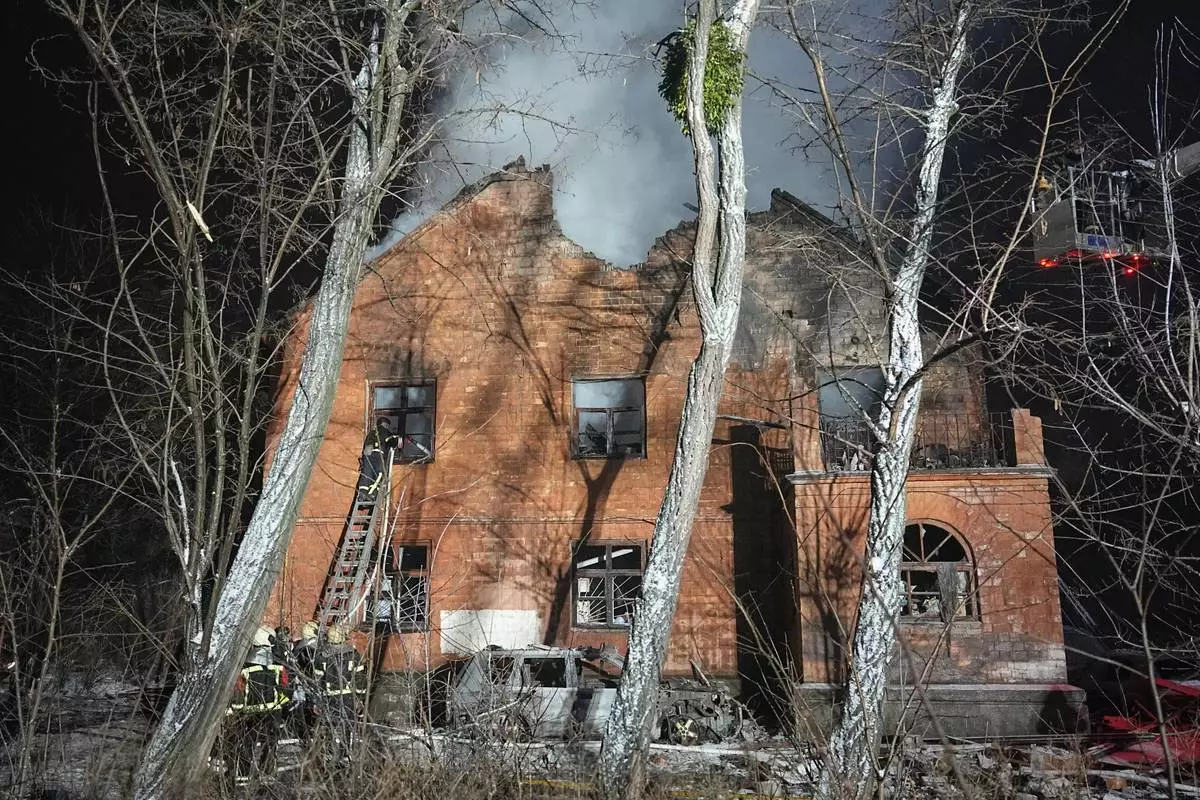
A residential building is seen damaged after a Russian strike in Kyiv, Ukraine, Friday, Jan. 9, 2026. (AP Photo/Efrem Lukatsky)

Rescue workers put out a fire at a residential building damaged by a Russian strike in Kyiv, Ukraine, Friday, Jan. 9, 2026. (AP Photo/Efrem Lukatsky)
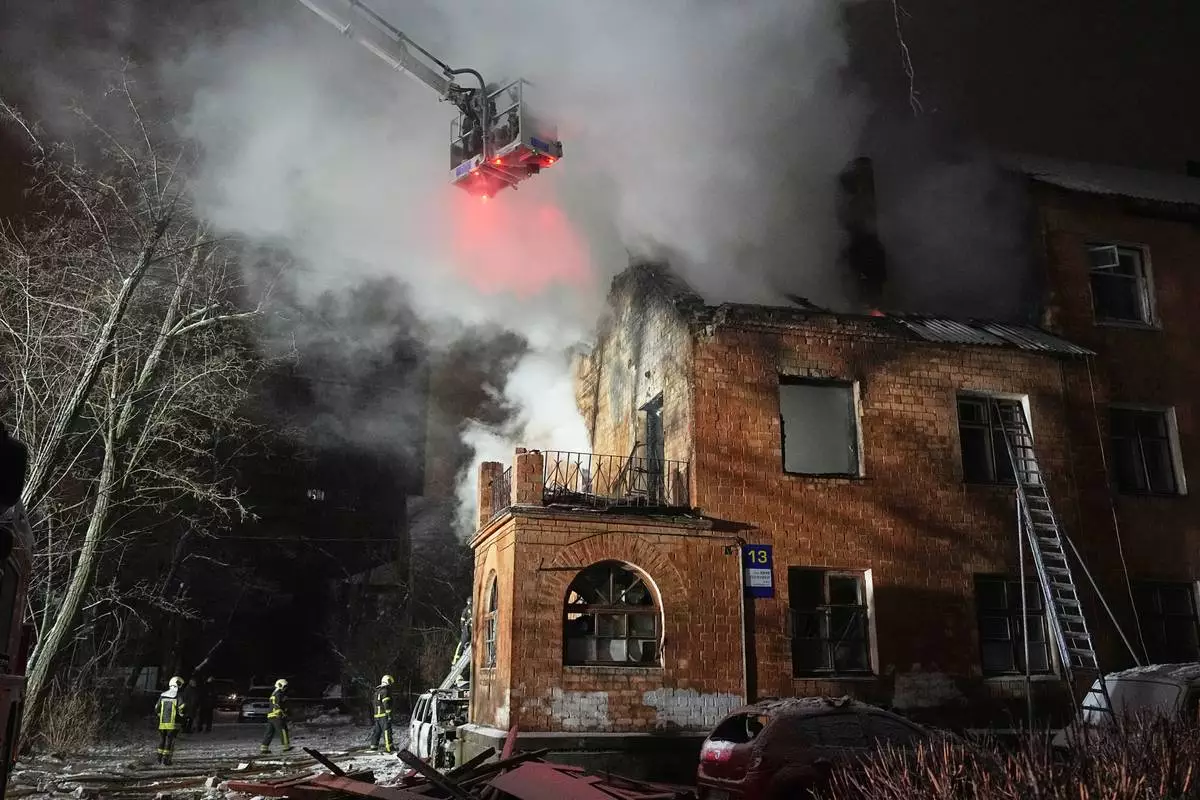
Rescue workers put out a fire at a residential building damaged by a Russian strike in Kyiv, Ukraine, Friday, Jan. 9, 2026. (AP Photo/Efrem Lukatsky)
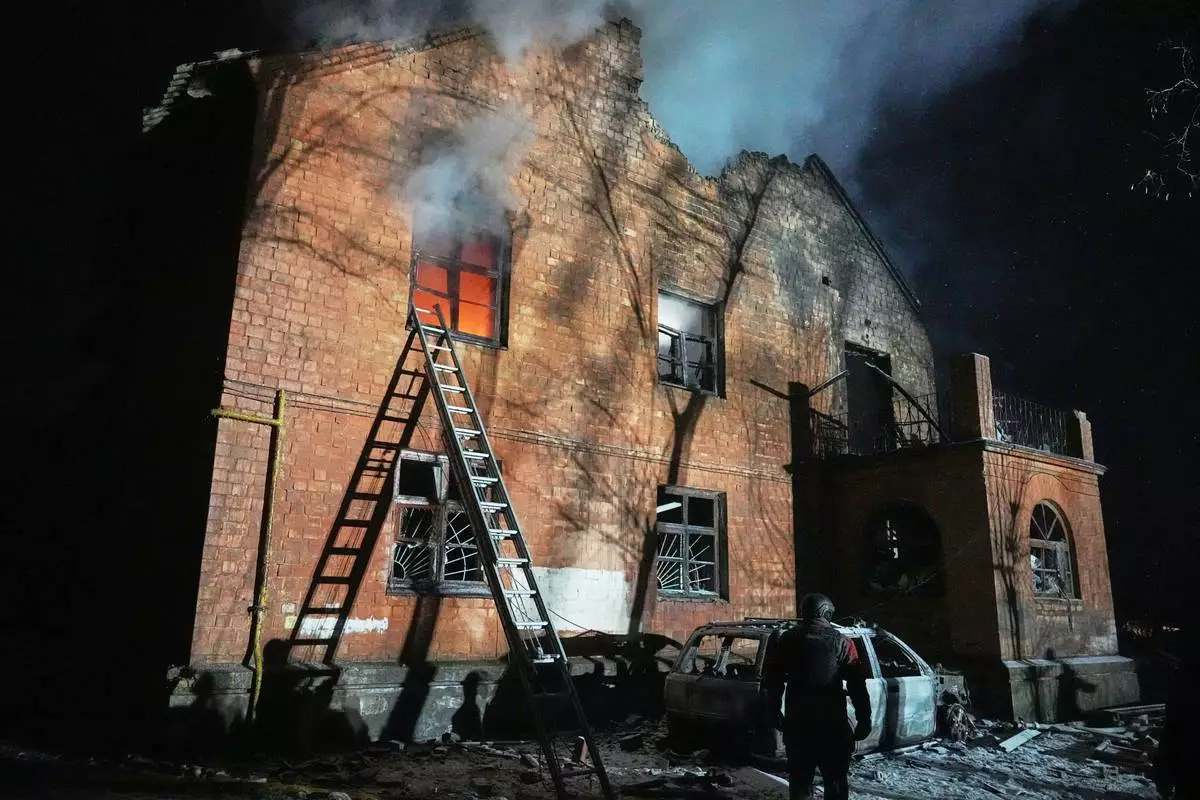
Rescue workers put out a fire at a residential building damaged by a Russian strike in Kyiv, Ukraine, Friday, Jan. 9, 2026. (AP Photo/Efrem Lukatsky)

Rescue workers put out a fire at a residential building damaged by a Russian strike in Kyiv, Ukraine, Friday, Jan. 9, 2026. (AP Photo/Efrem Lukatsky)

A residential building burns after a Russian strike in Kyiv, Ukraine, Friday, Jan. 9, 2026. (AP Photo/Efrem Lukatsky)

A residential building burns after a Russian strike in Kyiv, Ukraine, Friday, Jan. 9, 2026. (AP Photo/Efrem Lukatsky)

WASHINGTON (AP) — President Donald Trump on Friday called on oil executives to rush back into Venezuela as the White House looks to quickly secure $100 billion in investments to revive the country's ability to fully tap into its expansive reserves of petroleum.

Since the U.S. military raid to capture former Venezuelan leader Nicolás Maduro on Saturday, Trump has quickly pivoted to portraying the move as a newfound economic opportunity for the U.S., seizing tankers carrying Venezuelan oil, and saying the U.S. is taking over the sales of 30 million to 50 million barrels of previously sanctioned Venezuelan oil and will be controlling sales worldwide indefinitely.

Trump used the meeting with oil industry executives to publicly assure them that they need not be skeptical of quickly investing in and, in some cases, returning to the South American country with a history of state asset seizures as well as ongoing U.S. sanctions and decades of political uncertainty.

“You have total safety,” Trump told the executives. “You’re dealing with us directly and not dealing with Venezuela at all. We don’t want you to deal with Venezuela.”

Trump added: “Our giant oil companies will be spending at least $100 billion of their money, not the government’s money. They don’t need government money. But they need government protection."

The president said the security guarantee would come from working with Venezuelan leaders and their people, instead of deploying U.S. forces. He also said the companies would “bring over some security.”

Trump played up the potential for major oil companies to strike big, while acknowledging that the oil executives were sharp people who were in the business of taking risk, a quiet nod to the reality that he's asking for big investment in Venezuela at a moment when the country is teetering and economic collapse is not out of the question.

Trump welcomed the oil executives to the White House after U.S. forces earlier Friday seized their fifth tanker over the past month that has been linked to Venezuelan oil. The action reflected the determination of the U.S. to fully control the exporting, refining and production of Venezuelan petroleum.

It's all part of a broader push by Trump to keep gasoline prices low. At a time when many Americans are concerned about affordability, the incursion in Venezuela melds Trump’s assertive use of presidential powers with an optical spectacle meant to convince Americans that he can bring down energy prices.

The White House said it invited oil executives from 17 companies, including Chevron, which still operates in Venezuela, as well as ExxonMobil and ConocoPhillips, which both had oil projects in the country that were lost as part of a 2007 nationalization of private businesses under Maduro’s predecessor, Hugo Chávez.

While some wildcatters and other companies expressed enthusiasm for going into Venezuela, others spoke with a degree of carefulness about the legal and political barriers that still exist.

“If we look at the commercial constructs and frameworks in place today in Venezuela, today it's un-investable,” said Darren Woods, the ExxonMobil CEO. “And so significant changes have to be made to those commercial frameworks, the legal system, there has to be durable investment protections and there has to be change to the hydrocarbon laws in the country.”

Other companies invited included Halliburton, Valero, Marathon, Shell, Singapore-based Trafigura, Italy-based Eni and Spain-based Repsol as well as a vast swath of domestic and international companies with interests ranging from construction to the commodity markets.

Large U.S. oil companies have so far largely refrained from affirming investments in Venezuela as contracts and guarantees need to be in place. Trump has suggested that the U.S. would help to backstop any investments.

Venezuela’s oil production has slumped below one million barrels a day. At the heart of Trump's challenge to turning that around is convincing oil companies that his administration has a stable relationship with Venezuela’s interim President Delcy Rodríguez, and can provide protections for companies entering the market.

Trump, however, is confident that Big Oil is ready to take the plunge, but allowed that it's not without risk.

“You know, these are not babies,” Trump said of the oil industry executives. “These are people that drill oil in some pretty rough places. I can say a couple of those places make Venezuela look like a picnic.”

The president also offered a new rationale for ousting Maduro and demanding the U.S. maintain oversight of its Venezuelan oil industry, saying, “One thing I think everyone has to know is that if we didn’t do this, China or Russia would have done it."

While Rodriguez has publicly denounced Trump and the ouster of Maduro, the U.S. president has said that to date Venezuela's interim leader has been cooperating behind the scenes with his administration.

Tyson Slocum, director of the consumer advocacy group Public Citizen’s energy program, criticized the gathering and called the U.S. military’s removal of Maduro “violent imperialism." Slocum added that Trump’s goal appears to be to “hand billionaires control over Venezuela’s oil.”

Meanwhile, the United States and Venezuelan governments said Friday they were exploring the possibility of restoring diplomatic relations between the two countries, and a delegation from the Trump administration arrived in the South American nation Friday.

The small team of U.S. diplomats and diplomatic security officials traveled to Venezuela to make a preliminary assessment about the potential reopening of the U.S. Embassy in Caracas, the State Department said in a statement.

Trump also announced Friday he’d meet next week, either Tuesday or Wednesday, with Maria Corina Machado, the leader of Venezuela’s opposition party, as well as with Colombian President Gustavo Petro in early February.

Trump has declined to back Machado, even as the U.S. and most observers determined her opposition movement defeated Maduro in Venezuela's last election. Trump said following Maduro's ouster that Machado “doesn’t have the support within, or the respect within, the country” to lead.

Trump called on the Colombian leader to make quick progress on stemming flow of cocaine into the U.S.

Trump, following the ouster of Maduro, had made vague threats to take similar action against Petro, describing the Colombia leader as a “sick man who likes making cocaine and selling it to the United States”

Trump abruptly changed his tone Wednesday about his Colombian counterpart after a friendly phone call in which he invited Petro to visit the White House.

The seeming détente between Petro, a leftist, and Trump, a conservative, appears to reflect that their shared interests override their deep differences.

For Colombia, the U.S. remains key to the military’s fight against leftist guerrillas and drug traffickers. Washington has provided Bogotá with roughly $14 billion in the last two decades.

For the U.S., Colombia, the world's biggest cocaine producer, remains the cornerstone of its counternarcotics strategy abroad, providing crucial intelligence used to interdict drugs in the Caribbean. —

Associated Press writers Matthew Daly and Seung Min Kim contributed to this report.

Harold Hamm, founder and chairman of Continental Resources, speaks during a meeting with President Donald Trump and oil executives in the East Room of the White House, Friday, Jan. 9, 2026, in Washington. (AP Photo/Evan Vucci)

Harold Hamm, founder and chairman of Continental Resources, speaks during a meeting with President Donald Trump and oil executives in the East Room of the White House, Friday, Jan. 9, 2026, in Washington. (AP Photo/Evan Vucci)

Chief Executive Officer and Chairman of ExxonMobil Darren Woods greets President Donald Trump, not pictured, with White House Chief of Staff Susie Wiles, seated left, and Chairman, President and Chief Executive Officer of Marathon Petroleum Maryann Mannen, seated right, during a meeting in the East Room of the White House, Friday, Jan. 9, 2026, in Washington. (AP Photo/Alex Brandon)

Chief Executive Officer and Chairman of ExxonMobil Darren Woods greets President Donald Trump, not pictured, with White House Chief of Staff Susie Wiles, seated left, and Chairman, President and Chief Executive Officer of Marathon Petroleum Maryann Mannen, seated right, during a meeting in the East Room of the White House, Friday, Jan. 9, 2026, in Washington. (AP Photo/Alex Brandon)

President Donald Trump listens to Sec. of State Marco Rubio speak during a meeting with oil executives in the East Room of the White House, Friday, Jan. 9, 2026, in Washington. (AP Photo/Alex Brandon)

President Donald Trump listens to Sec. of State Marco Rubio speak during a meeting with oil executives in the East Room of the White House, Friday, Jan. 9, 2026, in Washington. (AP Photo/Alex Brandon)

President Donald Trump talks with Valero Chief Executive Officer and President Lane Riggs, second from right, while Tallgrass Energy President and Chief Executive Officer Matt Sheehy, far left, Repsol Chief Executive Officer Josu Jon Imaz, second from left, and Chairman and Chief Executive Officer of Continental Resources Harold Hamm, far right, look on during a meeting in the East Room of the White House, Friday, Jan. 9, 2026, in Washington. (AP Photo/Alex Brandon)

President Donald Trump talks with Valero Chief Executive Officer and President Lane Riggs, second from right, while Tallgrass Energy President and Chief Executive Officer Matt Sheehy, far left, Repsol Chief Executive Officer Josu Jon Imaz, second from left, and Chairman and Chief Executive Officer of Continental Resources Harold Hamm, far right, look on during a meeting in the East Room of the White House, Friday, Jan. 9, 2026, in Washington. (AP Photo/Alex Brandon)

President Donald Trump speaks during a meeting with oil executives in the East Room of the White House, Friday, Jan. 9, 2026, in Washington. (AP Photo/Evan Vucci)

President Donald Trump speaks during a meeting with oil executives in the East Room of the White House, Friday, Jan. 9, 2026, in Washington. (AP Photo/Evan Vucci)

President Donald Trump waves as he walks off stage after speaking to House Republican lawmakers during their annual policy retreat, Tuesday, Jan. 6, 2026, in Washington. (AP Photo/Evan Vucci)

President Donald Trump waves as he walks off stage after speaking to House Republican lawmakers during their annual policy retreat, Tuesday, Jan. 6, 2026, in Washington. (AP Photo/Evan Vucci)

Recommended Articles