VAN BUREN, Ark.--(BUSINESS WIRE)--Jan 9, 2026--
USA Truck is proud to announce a significant and strategic transition to private, Arkansas-based ownership, marking a pivotal new chapter in the company’s more than 40-year history. Following the successful execution of an agreement for DSV to sell 100% of the shares in USA Truck, Inc. to UTAC, LLC, a private entity based in Arkansas, USA Truck officially returns to ownership rooted in the state where its legacy began. The transaction closed today.
This press release features multimedia. View the full release here: https://www.businesswire.com/news/home/20260106076802/en/
This return to private ownership headquartered in Arkansas reinforces USA Truck’s identity as a U.S. based carrier with deep regional roots, strong values, and a long-term commitment to customers, employees, and partners. Embracing the theme, “USA Truck: Back and Built to Last,” the company is affirming its dedication to operational excellence, fostering strong partnerships, and driving long-term, sustainable growth.
Arkansas Ownership and Leadership Structure
UTAC, LLC is owned by three principals with deep institutional knowledge of USA Truck and the transportation industry, ensuring continuity, stability, and disciplined growth:
George Henry: Current and ongoing Chief Executive Officer. Mr. Henry will remain actively engaged in the daily leadership of the business as CEO.
Zachary King: Former USA Truck CFO. Mr. King will support the transition of the business as acting CFO.
James Reed: Former USA Truck CEO. Chairman, Kodiak Robotics & Loram. Operating Partner, Banner Capital. Mr. Reed will support Mr. Henry and the business in an advisory capacity.
Kutak Rock LLP acted as legal advisor to UTAC, LLC in the transaction.
A Vision Anchored in Legacy and Built for the Future
George Henry, CEO of USA Truck, commented on the transition:
"I want to start by expressing my sincere gratitude to DSV for their engagement since the acquisition of DB Schenker and unwavering support throughout this process. The extensive knowledge and global supply chain insights gained under two of the world's leading freight forwarders are now a permanent part of our operational DNA. We are excited to have USA Truck return to U.S. based ownership in the great state of Arkansas, where our legacy first laid out roots. We will continue the four-decade legacy built by our founder, a U.S. Naval Aviator, now fortified by unparalleled global expertise and market solidification. To our phenomenal employees and customers, who have been steadfast partners throughout this journey, I am eternally indebted. Welcome home, USA Truck! ”
Positioned for long-term strength: The move to private ownership allows USA Truck to operate with greater speed, flexibility, and focus, prioritizing customer relationships, service reliability, and disciplined growth. The company remains financially strong and well-positioned to build upon its reputation as a trusted transportation partner.
About USA Truck
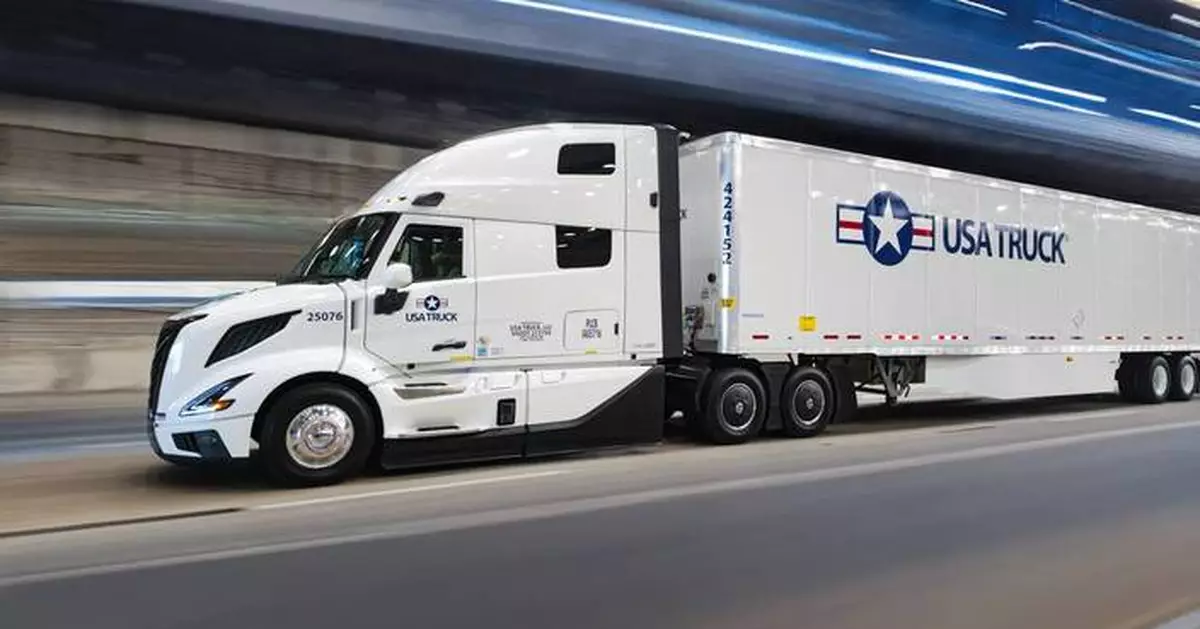
Founded in 1983, USA Truck is a leading provider of transportation and logistics solutions. The company is committed to delivering safe, efficient, and customer-focused services across North America. With 1,800 trucks, 6,000 trailers and an expansive Logistics offering, USA Truck is a significant asset based transportation provider, delivering high quality supply chain services throughout the North American market to customers ranging from Fortune 100 companies to regional family businesses.
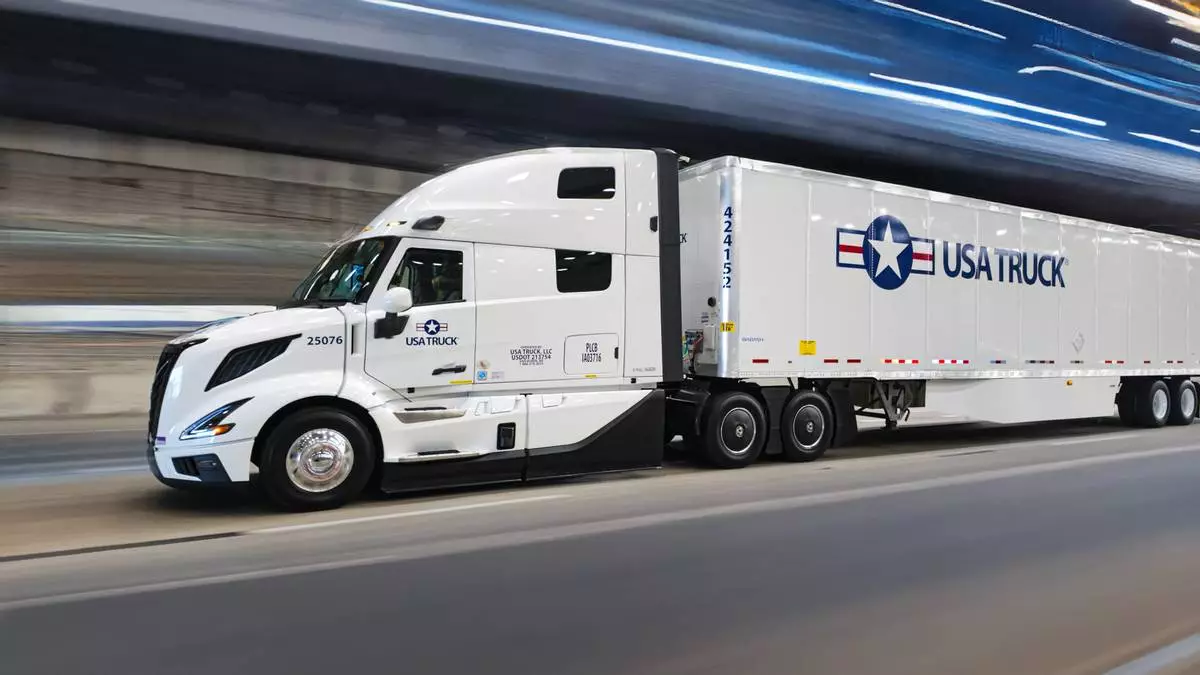
Photo depicting USA Truck equipment taken in Dallas, Texas, USA, September 2025, courtesy of David Turner, USA Truck, Inc. Marketing.
DUBAI, United Arab Emirates (AP) — Iran fired more missiles at Israel and Gulf Arab states Thursday, demonstrating Tehran’s continued ability to strike its neighbors even as U.S. President Donald Trump claimed the threat from the country was nearly eliminated.
Iran’s attacks on Gulf states along with its chokehold on the Strait of Hormuz have disrupted the world’s energy supplies with effects far beyond the Middle East. That has proved to be Iran’s greatest strategic advantage in the war. Britain held a call with nearly three dozen countries about how to reopen the strait once the fighting is over.
Trump has insisted the strait can be taken by force — but said it is not up to the U.S. to do that. In an address to the American people Wednesday night, he encouraged countries that depend on oil from Hormuz to “build some delayed courage” and go “take it.”
Before the U.S. and Israel started the war on Feb. 28 with strikes on Iran, the waterway was open to traffic and 20% of all traded oil passed through it.
Iran responded defiantly to Trump’s speech, in which the American president claimed U.S. military action had been so decisive that “one of the most powerful countries” is “really no longer a threat.”
A spokesman for Iran’s military, Lt. Col. Ebrahim Zolfaghari, insisted Thursday that Tehran maintains hidden stockpiles of arms, munitions and production facilities. He said facilities targeted so far by U.S. strikes are “insignificant.”
Just before Trump began his address — in which he said U.S. “core strategic objectives are nearing completion” — explosions were heard in Dubai as air defenses worked to intercept an Iranian missile barrage.
Less than a half-hour after the president was done, Israel said its military was also working to intercept incoming missiles. Sirens sounded in Bahrain, home to the U.S. Navy’s 5th Fleet, immediately after the speech.
Attacks continued across Iran on Thursday, with strikes reported in multiple cities.
Even amid the conflict, families went to a park in Tehran to play games and grill food to mark the last day of Iranian New Year, or Nowruz.
In Lebanon — where Israel has launched a ground invasion against Iran-backed Hezbollah militants — Israeli strikes have killed 27 people in the past 24 hours, the Health Ministry said.
More than 1,900 people have been killed in Iran during the war, while 19 have been reported dead in Israel. More than two dozen people have died in Gulf states and the occupied West Bank, while 13 U.S. service members have been killed.
More than 1,300 people have been killed and more than 1 million displaced in Lebanon. Ten Israeli soldiers have also died there.
Iranian attacks on about two dozen commercial ships, and the threat of more, have halted nearly all traffic in the waterway that connects the Persian Gulf to the open ocean.
Since March 1, traffic through the strait has dropped 94% over the same period last year, according to the Lloyds List Intelligence shipping data firm. Two ships are confirmed to have paid a fee, the firm said, while others were allowed through based on agreements with their home governments.
Saudi Arabia piped about 1 billion barrels of oil away from the Strait of Hormuz in March, according to maritime data firm Kpler, while Iraq said Thursday that it had started to truck oil across Syria to avoid the strait.
The 35 countries that spoke Thursday, including all G7 industrialized democracies except the U.S., as well as the United Arab Emirates and Bahrain, signed a declaration last month demanding Iran stop blocking the strait.
Thursday’s talks were focused on political and diplomatic measures, but British Foreign Secretary Yvette Cooper said military planners from an unspecified number of countries will also plot ways to ensure security once fighting ends, including potential mine-clearing work and “reassurance” for commercial shipping.
No country appears willing to try to open the strait by force while the war is raging. French President Emmanuel Macron, while on a visit to South Korea, called a military operation to secure the waterway “unrealistic.”
But there is a concern that Iran might limit traffic through the waterway even after U.S. and Israeli attacks cease.
The idea of an international effort has echoes of the “coalition of the willing,” led by the U.K. and France, that was assembled to underpin Ukraine’s security in the event of a ceasefire in that war. The coalition is, in part, an attempt to demonstrate to Washington that Europe is doing more for its own security in the face of frequent criticism from Trump.
The conflict is driving up prices for oil and natural gas, roiling stock markets, pushing up the cost of gasoline and threatening to make a range of goods, including food, more expensive.
On Thursday, Brent crude, the international standard, rose again and was around $108, up about 50% from Feb. 28.
Though the oil and gas that typically transits the strait is primarily sold to Asian nations, Japan and South Korea were the only two countries from the region joining Thursday's call about the strait. The supply of jet fuel has also been interrupted, with consequences for travel worldwide.
Weissert reported from Washington and Rising from Bangkok. Associated Press writer David McHugh in Frankfurt, Germany, contributed to this story.
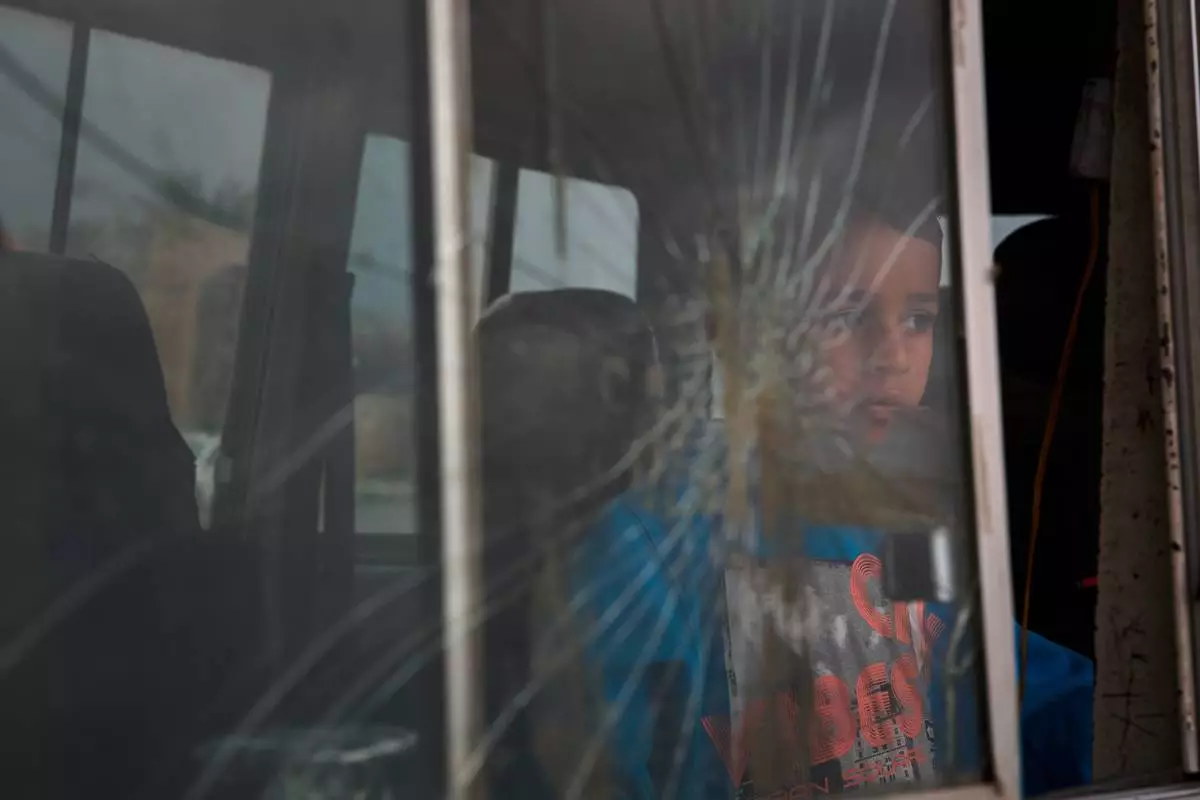
A boy who fled with his family following Israeli strikes in southern Lebanon sits inside the van they are using as shelter in Sidon, Lebanon, Thursday, April 2, 2026. (AP Photo/Emilio Morenatti)
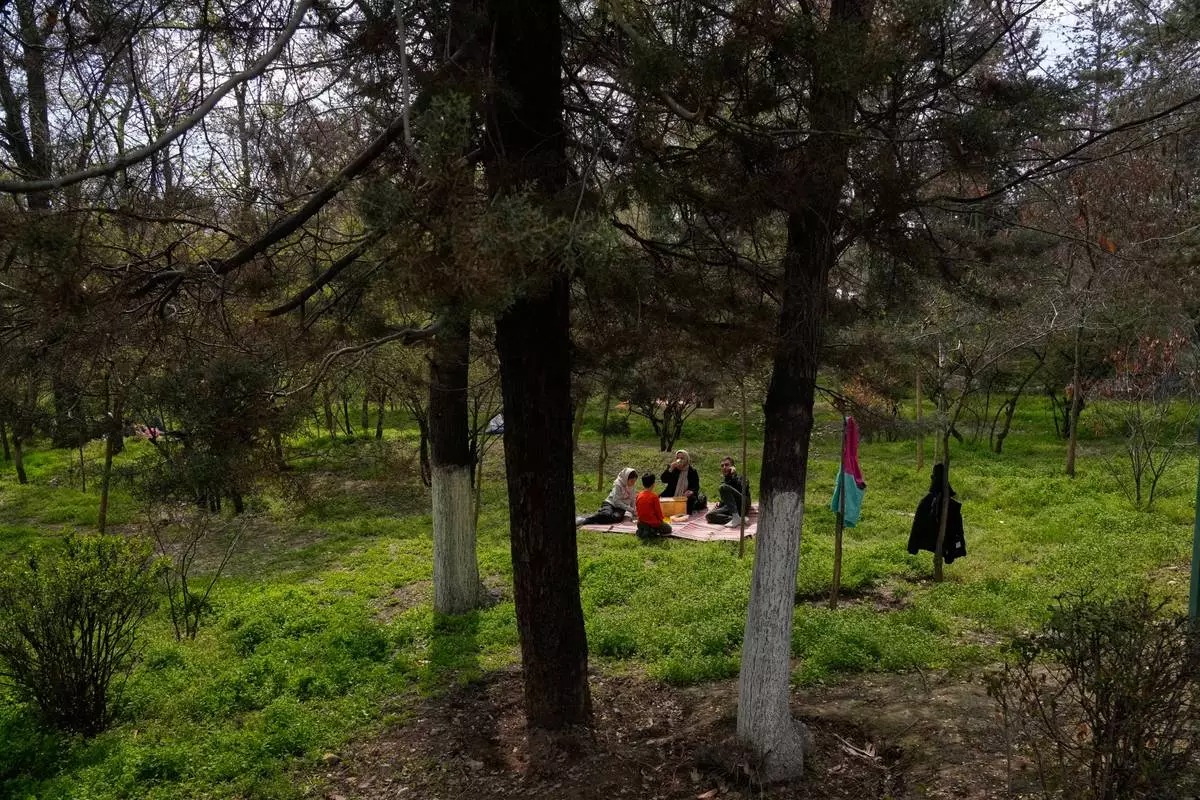
A family enjoys their time during the annual public picnic day, known as Sizdeh Bedar, an ancient tradition, marking the 13th and last day of Iranian New Year, or Nowruz, holidays, at Mellat park in Tehran, Iran, Thursday, April 2, 2026. (AP Photo/Vahid Salemi)
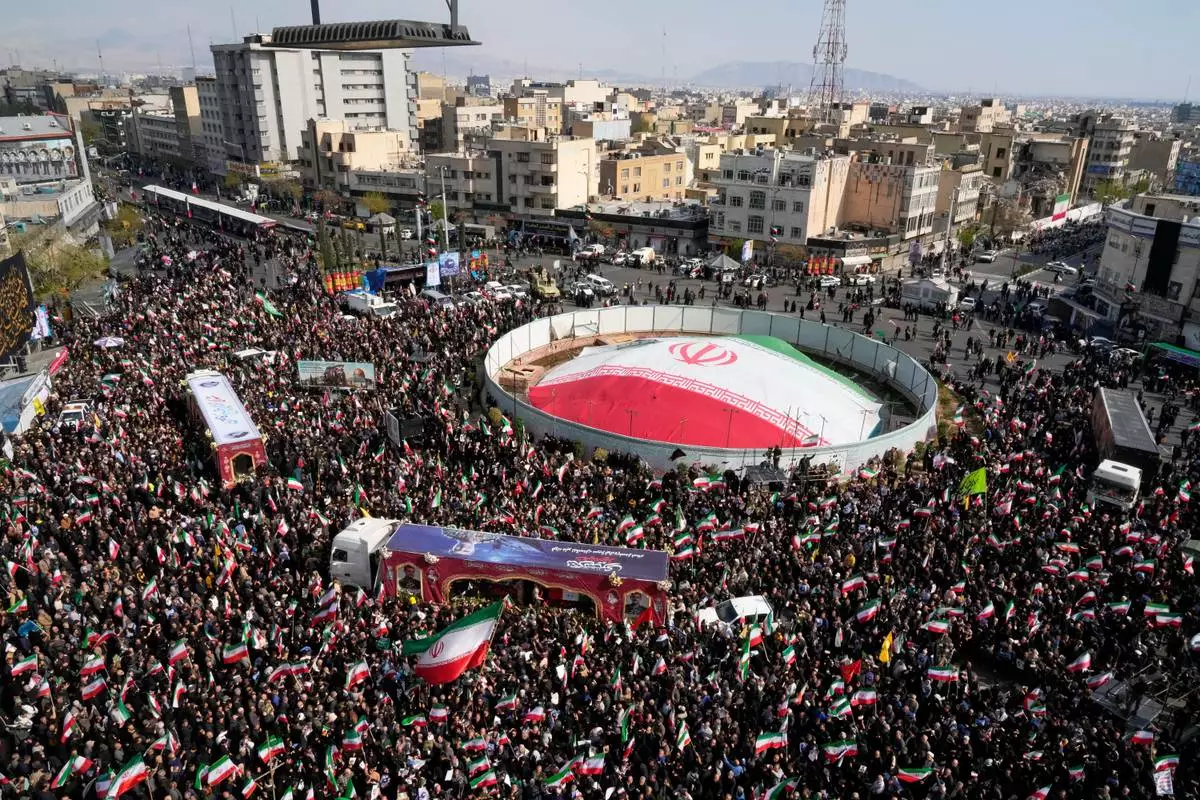
Mourners gather during a funeral procession for Alireza Tangsiri, head of Iran's Islamic Revolutionary Guard Corps Navy, and others killed in Israeli strikes in late March, in Tehran, Iran, Wednesday, April 1, 2026. (AP Photo/Vahid Salemi)
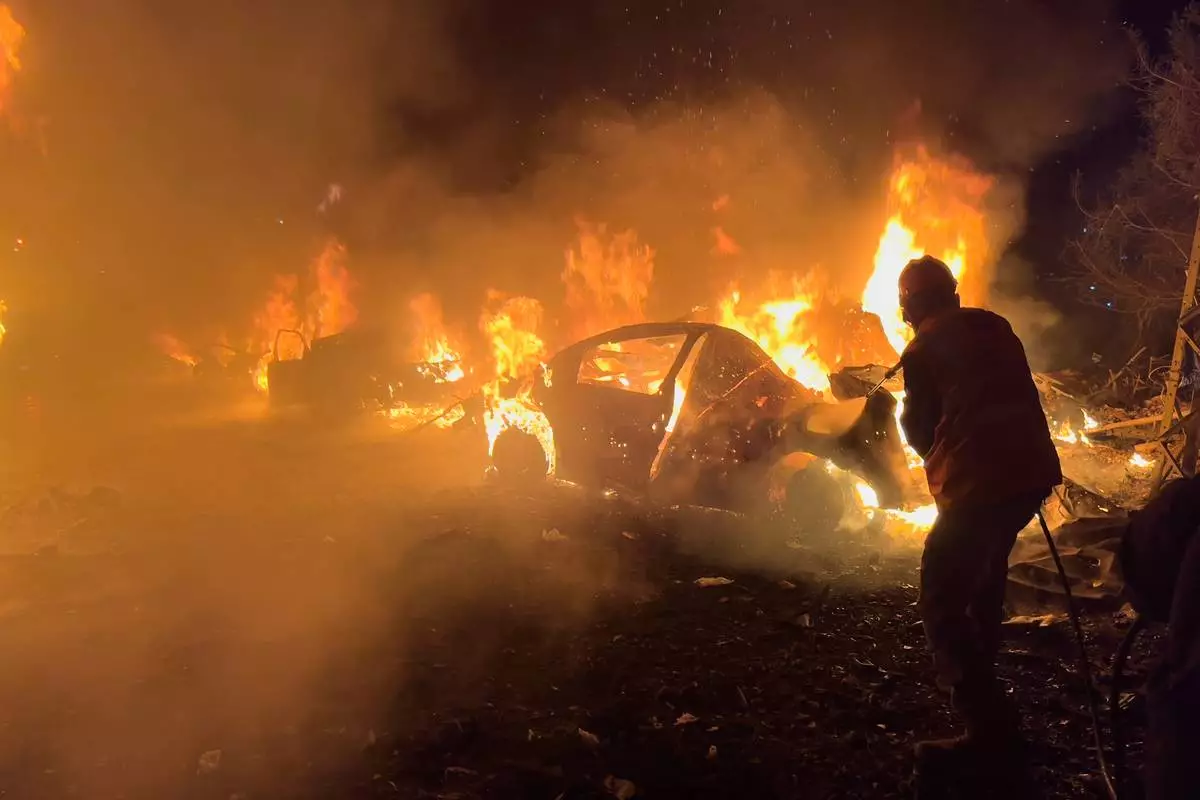
A firefighter extinguishes a car at the site of Israeli airstrikes, in Beirut, Lebanon, Wednesday, April 1, 2026. (AP Photo/Hussein Malla)
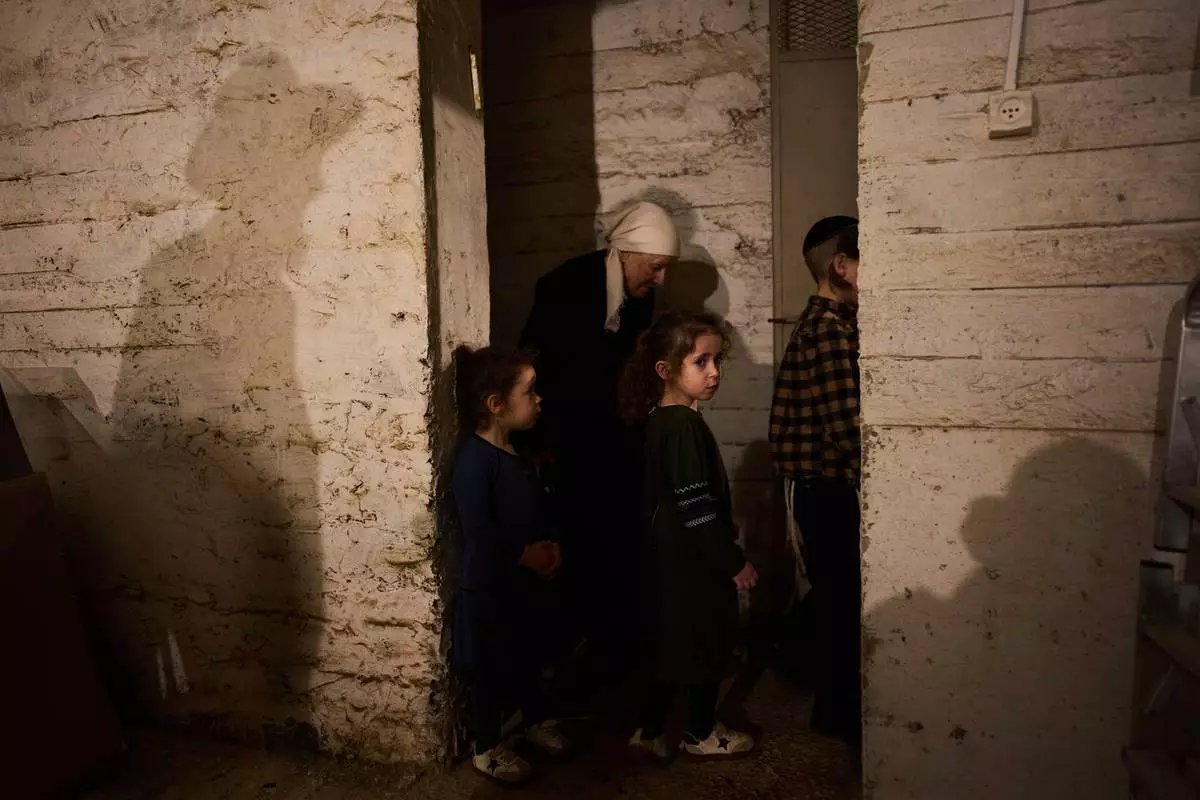
People take cover in a bomb shelter as air raid sirens warn of incoming Iranian missile strikes in Bnei Brak, Israel, Wednesday, April 1, 2026. (AP Photo/Oded Balilty)
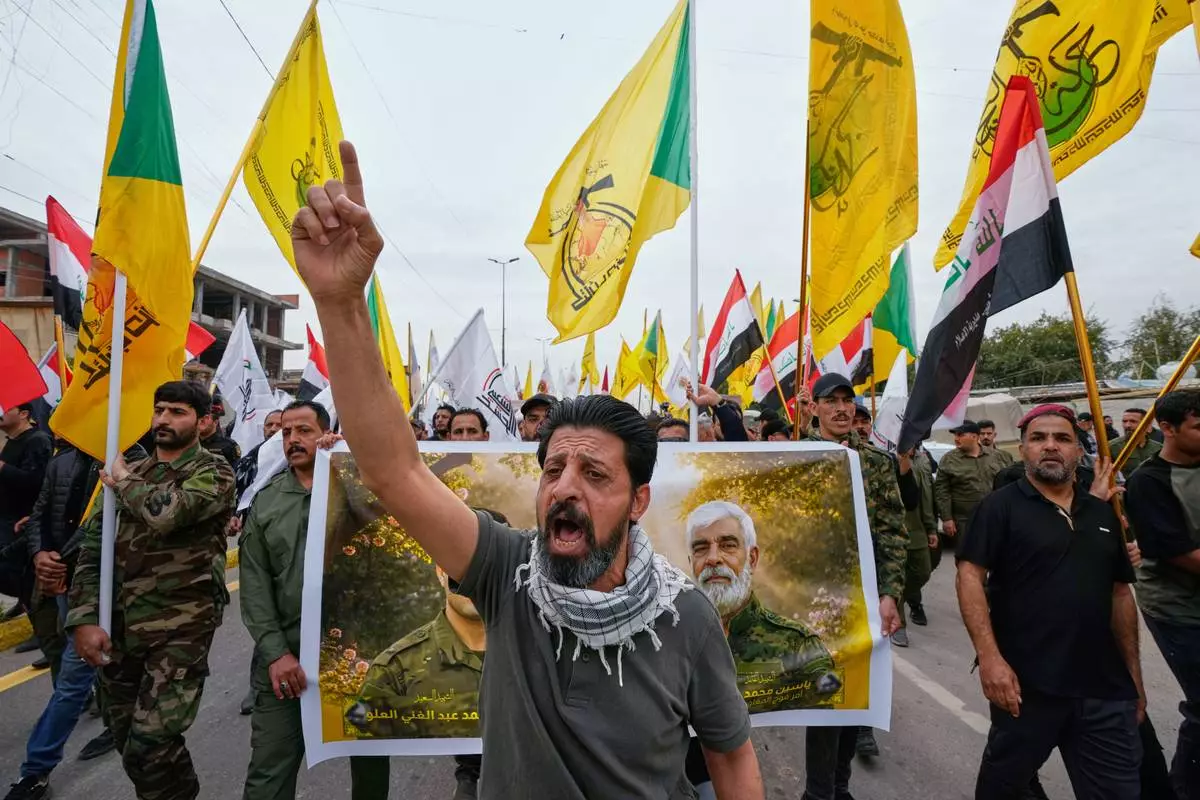
Members from the Popular Mobilization Forces attend a funeral of fighters who were killed in a U.S. airstrike, in Tal Afar, Nineveh province, north of Baghdad, Iraq, Thursday, April 2, 2026. (AP Photo/Hadi Mizban)
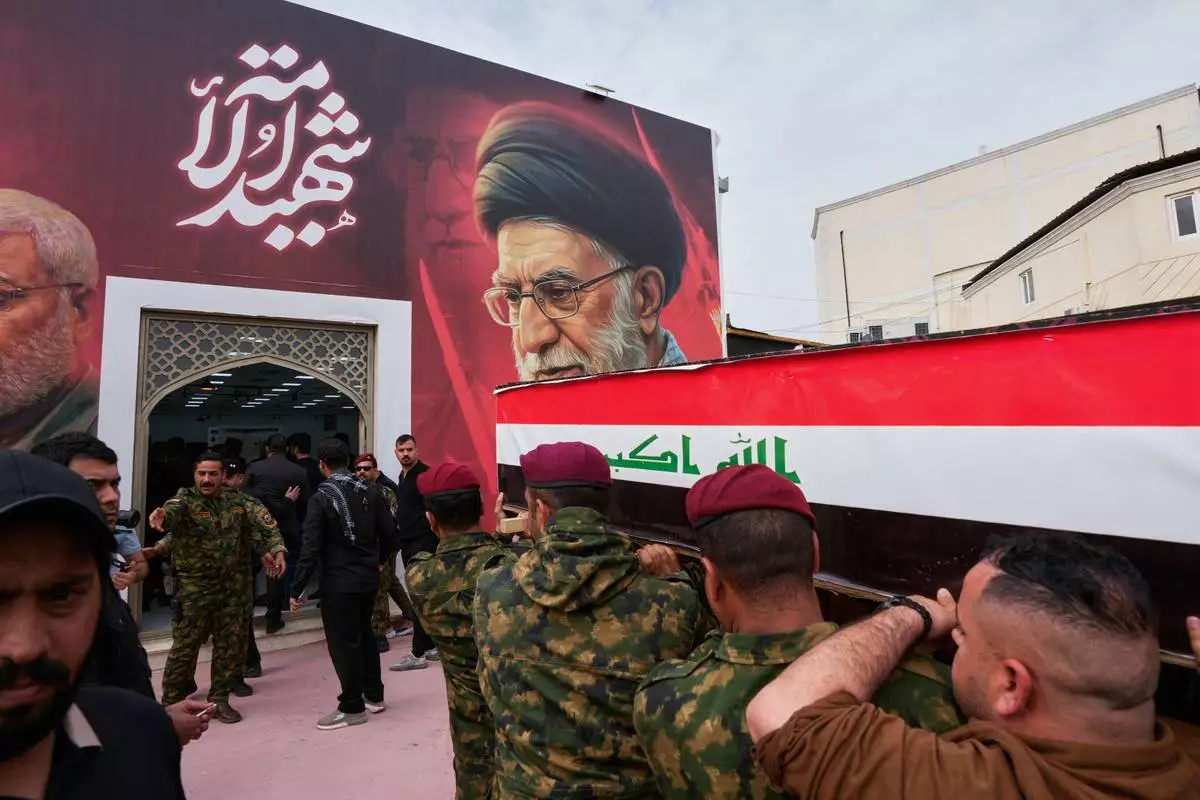
Members from the Popular Mobilization Forces attend a funeral of fighters who were killed in a U.S. airstrike, in Tal Afar, Nineveh province, north of Baghdad, Iraq, Thursday, April 2, 2026. (AP Photo/Hadi Mizban)
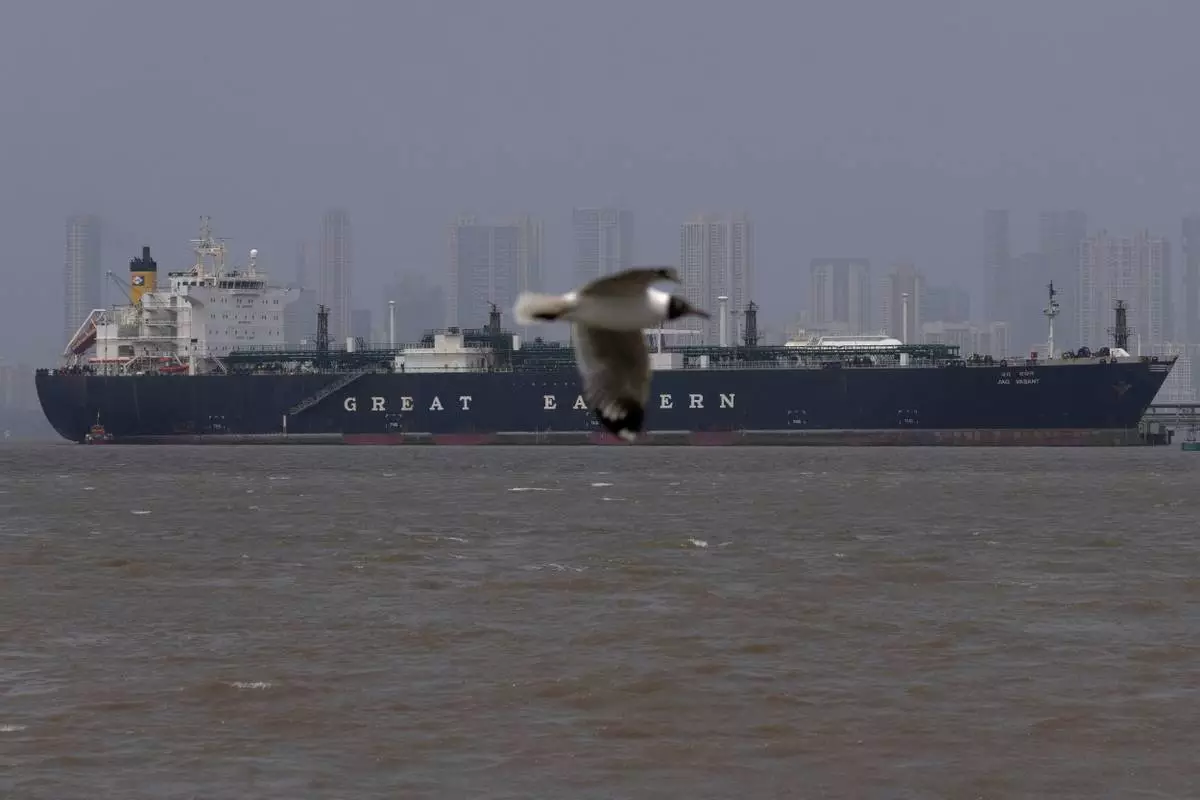
The Indian flagged LPG carrier Jag Vasant transporting liquefied petroleum gas, is seen at the Mumbai Port in Mumbai, India, after it arrived clearing the Strait of Hormuz, Wednesday, April 1, 2026. (AP Photo/Rafiq Maqbool)
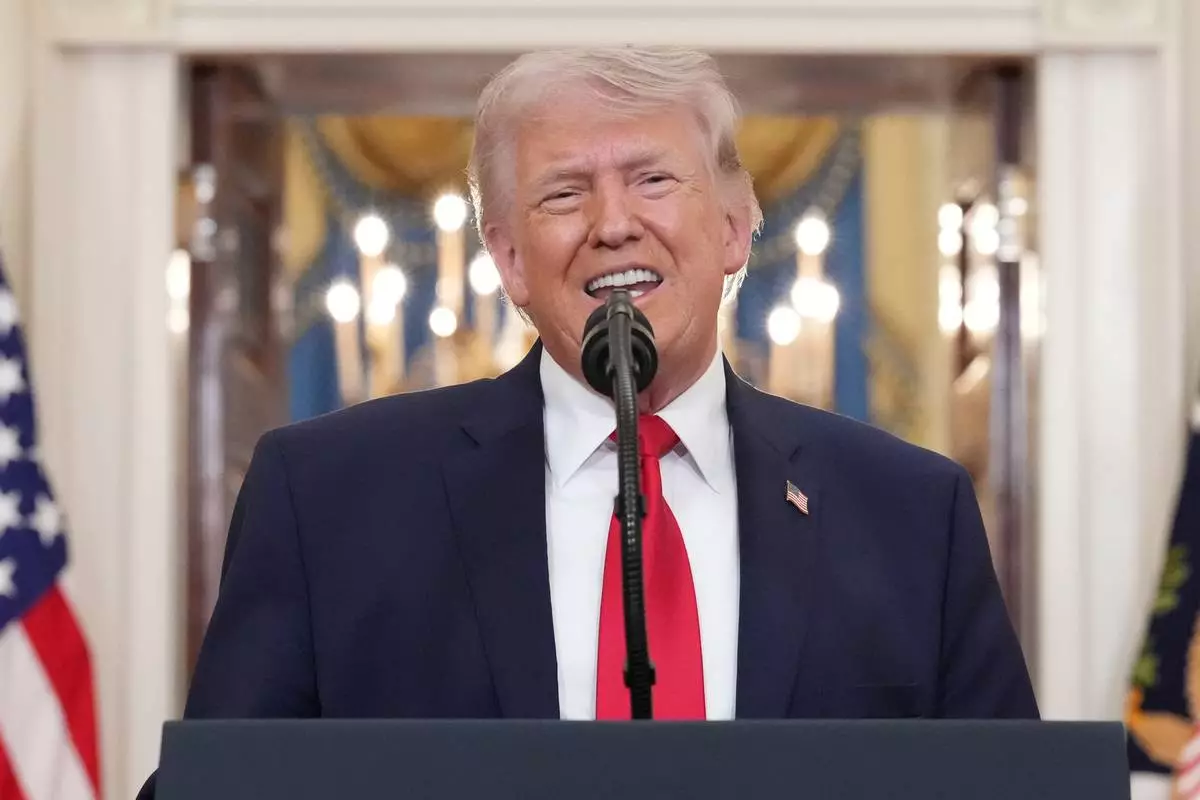
President Donald Trump speaks about the Iran war from the Cross Hall of the White House on Wednesday, April 1, 2026, in Washington. (AP Photo/Alex Brandon, Pool)
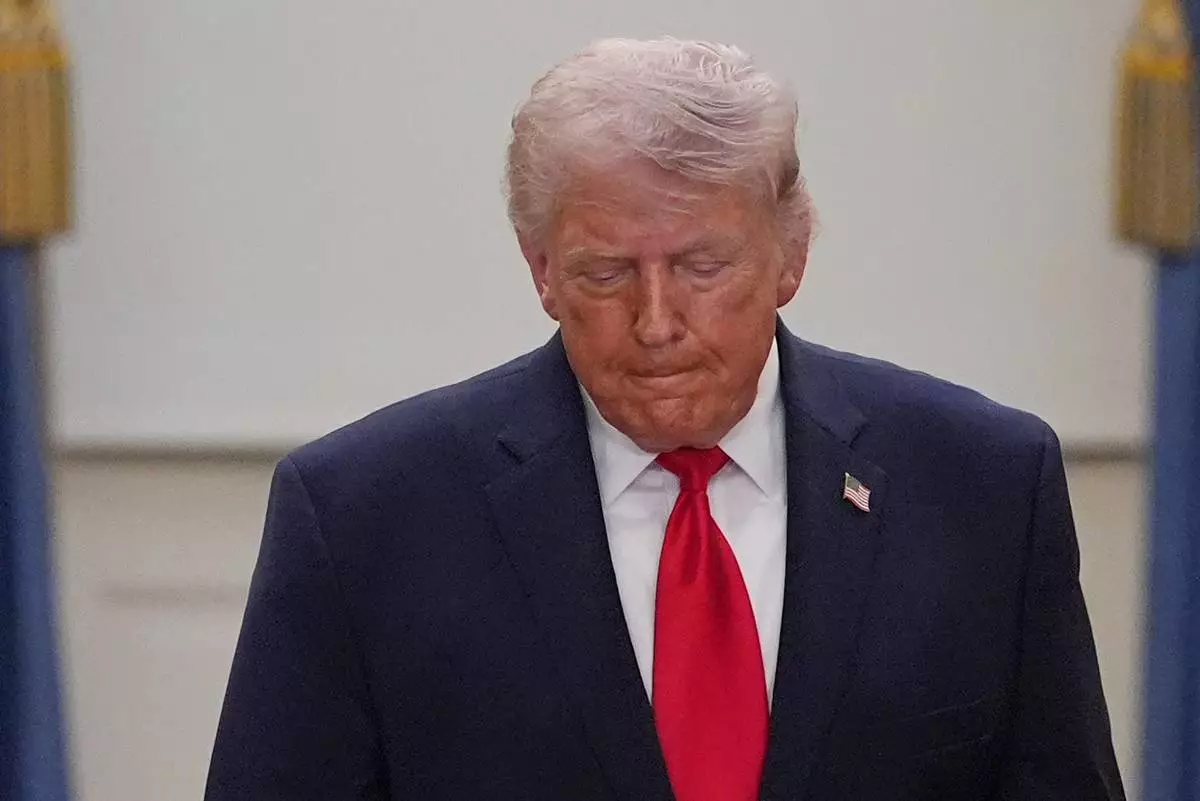
President Donald Trump walks from the Blue Room to speak about the Iran war from the Cross Hall of the White House on Wednesday, April 1, 2026, in Washington. (AP Photo/Alex Brandon, Pool)
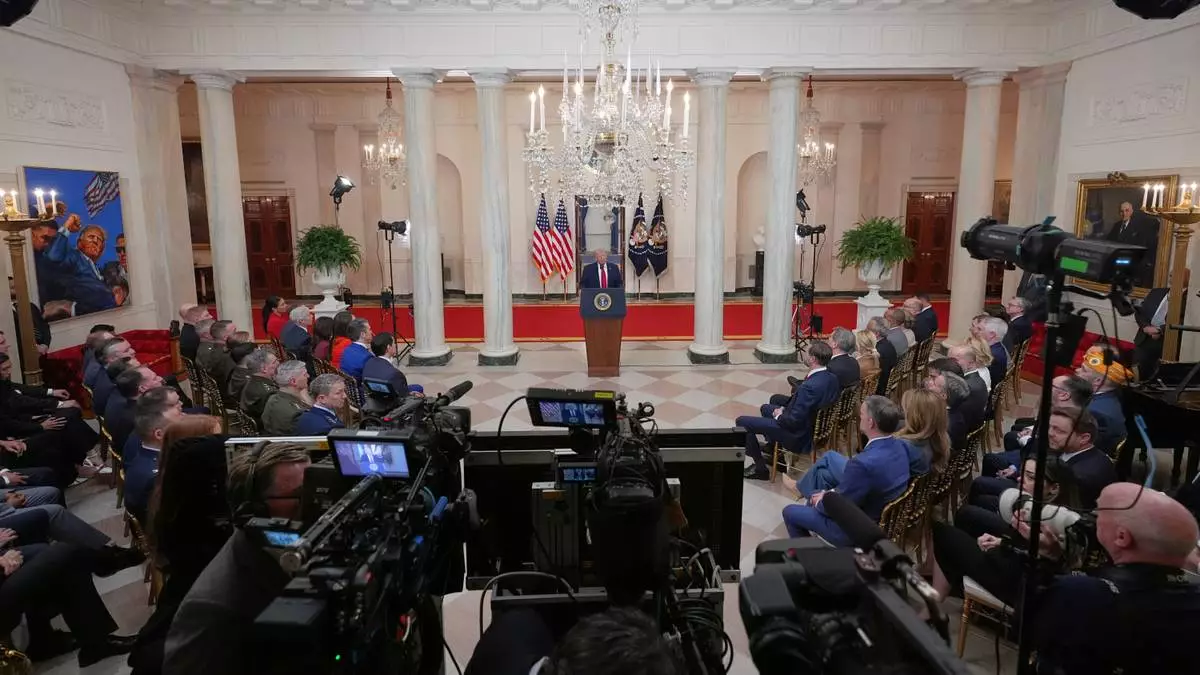
President Donald Trump speaks about the Iran war from the Cross Hall of the White House on Wednesday, April 1, 2026, in Washington. (AP Photo/Alex Brandon, Pool)
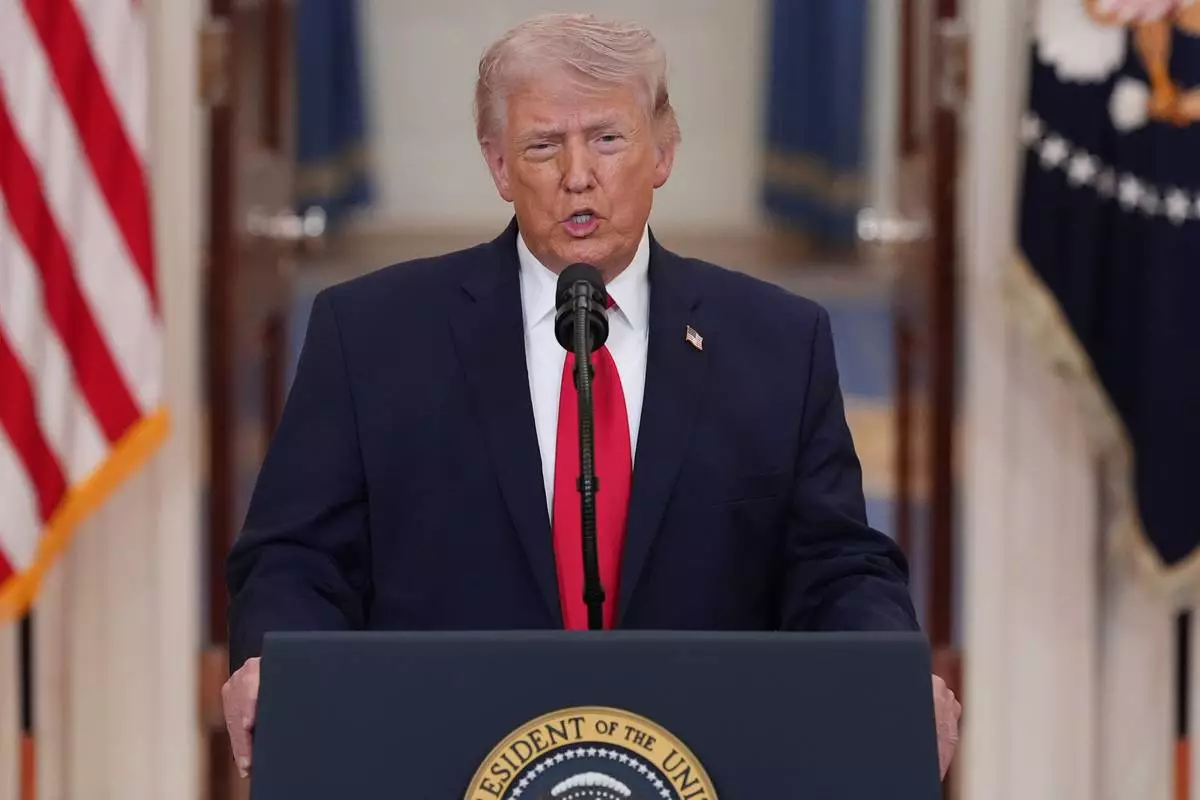
President Donald Trump speaks about the Iran war from the Cross Hall of the White House on Wednesday, April 1, 2026, in Washington. (AP Photo/Alex Brandon, Pool)