LIMA, Peru (AP) — Almost immediately after U.S. forces deposed Venezuela’s president, officials from Washington to Lima, Peru, began encouraging some of the 8 million Venezuelans who have scattered themselves across the Americas over more than a decade to go home. But that idea had not even crossed the mind of Yanelis Torres.
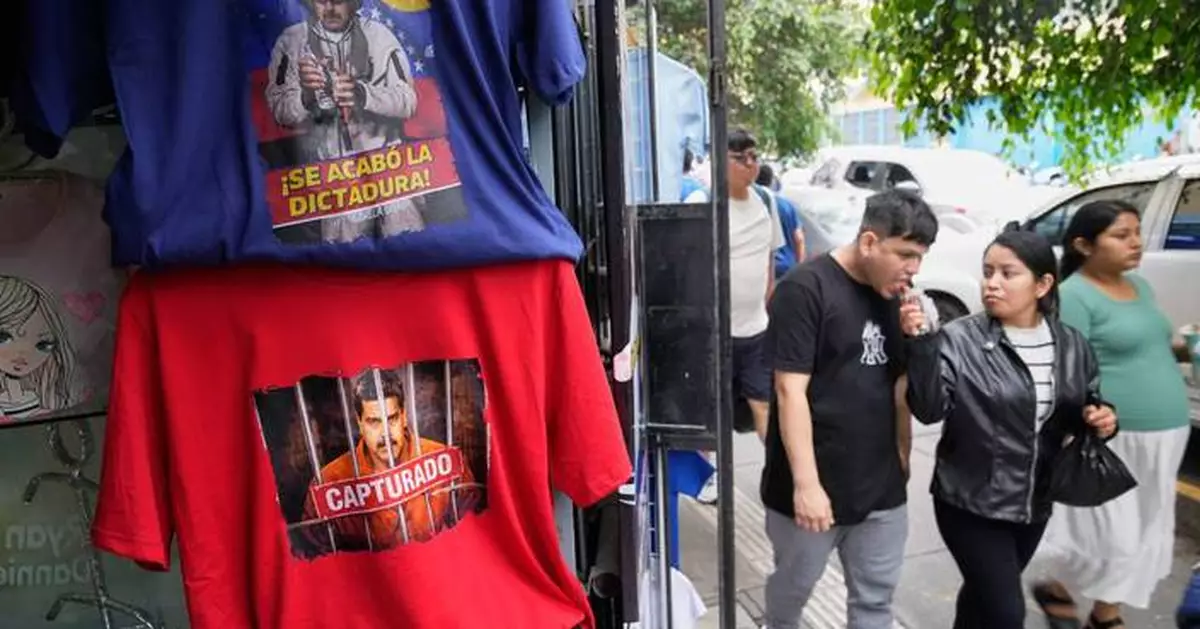
The 22-year-old graphic designer was too busy printing T-shirts with images of captured former Venezuelan President Nicolás Maduro overlaid with phrases like “Game Over.” Her clients in Lima’s largest textile market were snatching them up within hours of the news of Maduro’s downfall.
Click to Gallery
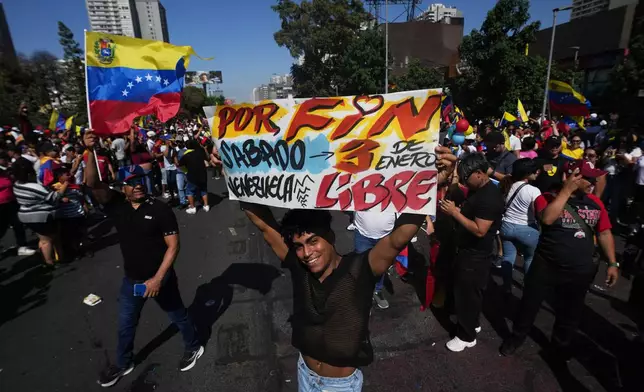
A Venezuelan celebrates holding a banner with a message that reads in Spanish: "At last Venezuela is free" after U.S. President Donald Trump announced that President Nicolas Maduro had been captured and flown out of Venezuela, in Santiago, Chile, Saturday, Jan. 3, 2026. (AP Photo/Esteban Felix)
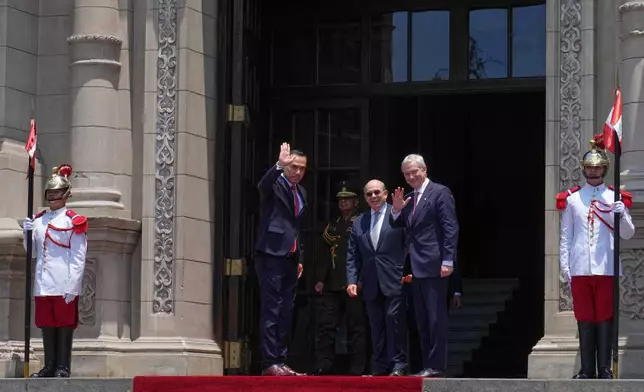
Peru's President Jose Jeri, left, and Chile's President-elect Jose Antonio Kast, right, wave to the press as Kast arrives at the government palace in Lima, Peru, Wednesday, Jan. 7, 2026. (AP Photo/Martin Mejia)
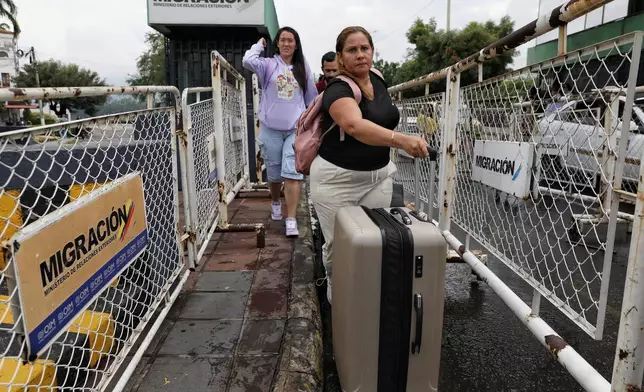
People cross the Colombian-Venezuelan border, to Villa del Rosario, Colombia, Monday, Jan. 5, 2026, two days after U.S. forces captured and removed Venezuelan President Nicolas Maduro. (AP Photo/Santiago Saldarriaga)
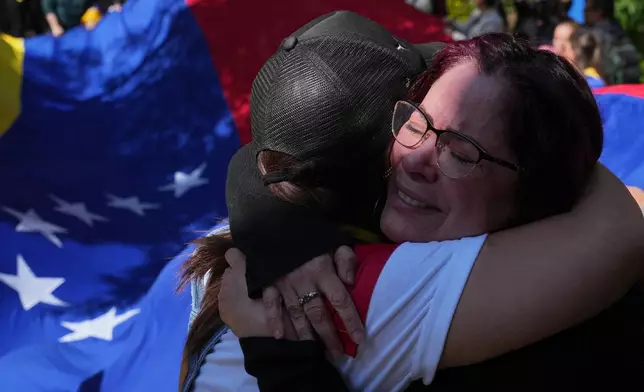
Supporters of Venezuela's opposition embrace as they celebrate in Mexico City, Sunday, Jan. 4, 2026, a day after U.S. forces captured President Nicolas Maduro and flew him to the United States. (AP Photo/Marco Ugarte)
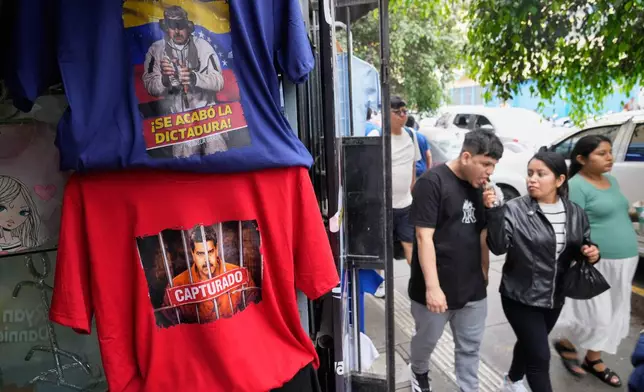
Pedestrians pass T-shirts featuring images of Venezuelan President Nicolas Maduro at at a printing shop in Lima, Peru, Monday, Jan. 5, 2026, two days after U.S. forces captured and removed him from Venezuela. (AP Photo/Martin Mejia)
Settled or undocumented, many of the millions of Venezuelans spread across Latin America received news of Maduro’s capture with joy but also caution, especially after hearing U.S. President Donald Trump say that he would work with Maduro’s vice president, now interim President Delcy Rodríguez, rather than the opposition.
Despite leaders in Peru and Chile echoing U.S. suggestions to return to Venezuela, the diaspora does not appear ready to do so. Venezuela’s economy remains a shambles and with the exception of Maduro and his wife, the government remains in place.
“I have a lot of things here,” Torres said from her shop in a bustling Lima neighborhood, adding it would take time for things to change in Venezuela. “You’ve got to keep an eye on it, know what’s going on, but not lose hope.”
There are nearly 7 million Venezuelan migrants and refugees in Latin America. Colombia tops the list with 2.8 million, followed by Peru with 1.5 million. A further estimated 1 million are in the United States, according to the most recent data from R4V, a network tracking the diaspora and coordinated by the United Nations High Commissioner for Refugees and the International Organization for Migration.
They were driven out by compounding political and economic crises. An estimated 8 in 10 people in Venezuela live in poverty in a country that was once one of Latin America’s wealthiest, with the world’s largest proven oil reserves.
Some have found work or started small businesses, while others tried to the reach the U.S. or bounced from country to country. Over the past year, thousands have been deported to Venezuela or third countries and many more could be near the end of their protected status in the U.S.
Eduardo Constante, 36, left Venezuela in 2017 in the middle of a “hunger crisis.”
Speaking from a migrant shelter in the northern Mexican city of Monterrey, he recalled his journey. He had spent three months in Colombia, a country overwhelmed by the numbers of arriving Venezuelans; three years in Peru, which he left during the pandemic because they wouldn’t give him the vaccine; and then three more years in Chile, where he was unable to legalize his status.
Finally he made the long trek through South America, the Darien jungle and up to the U.S. border just in time for Trump to close it to asylum seekers.
“I had plans in Europe, but if things settle down in Venezuela, I’m going to Venezuela,” he said. His joy at Maduro’s ouster was moderated by the worries of the family he still has there over food scarcity and security forces that search people’s cellphones for signs of opposition, he said.
Maureen Meyer, vice president for programs at WOLA, a Washington-based human rights organization focused on Latin America, said “we’re nowhere near where we’re going to have a country where people that fled … feel that they could be comfortable returning.”
And if Venezuelans are forced to leave the countries where they are now, either under pressure or via deportation, they will be even more vulnerable to organized crime groups in the region seeking to exploit them now that the business of smuggling them north has dropped off.
Yohanisleska de Nazareth Márquez, a 22-year-old Venezuelan, heard of Maduro's capture while riding across Mexico on a bus with her 3-year-old.
They had left Venezuela in February 2024 and turned themselves in to U.S. Border Patrol that June. She was picked up by U.S. immigration agents in Pennsylvania last year and deported to Mexico with her son on Jan. 1.
They were headed with other deportees to the southern state of Tabasco when she heard about Maduro. “We all shouted with joy ... it was what we all wanted,” she said.
Still getting her bearings, Márquez planned to apply for asylum in Mexico and try to find work but she is worried. She doesn't know how long they will be allowed to stay in the shelter and she heard about kidnappings in the area.
“I’m afraid of being out on the street with my son alone. It's a bit dangerous here," she said.
Meyer said forces were building to create a “perfect storm” for Venezuelans like Marquéz who found themselves outside their country and without legal status.
Their prospects are not looking good.
In Chile, ultra-conservative President-elect José Antonio Kast, who will take office in March, made deporting hundreds of thousands of undocumented immigrants central to his campaign. This week, Kast said “they have 63 days left to leave our country and to have the possibility of returning with all of their papers in order.”
Peru and Colombia are also scheduled to elect new presidents this year, and immigration will be a focus.
This week, Kast met with Peru’s interim President José Jerí, and among the ideas that both men have mentioned is creating some sort of humanitarian corridor passing through Chile, Peru and Ecuador to make it easier for Venezuelans to return home.
“Some of these big host countries, how they decide to respond to the population that are already in their countries and those that may come will be key,” Meyer said.
In Santiago, in the eight-block “little Caracas,” initial celebrations with car horns, shouts and reggaeton music, had calmed.
Alexander Leal, 66, who arrived with his wife in 2018, expressed hope as he sold homemade ice cream in the southern hemisphere summer. His family is scattered across the globe, some in the United States, others in Europe and four siblings still in Venezuela. He dreams of returning one day.
“It won’t be this year, but maybe it will be next year,” he said. “That is everyone’s aspiration, that the country is fixed.” He said Trump’s help would be necessary.
Yessica Mendoza, a 27-year-old Uber driver and mother, knows that she is one of the thousands of undocumented immigrants in Kast's sights, but she plans stick it out. “Returning is not an option.”
Venezuela’s neighbor, Colombia, has received more Venezuelans than any other country and has largely been applauded for its efforts to help them settle, like an offer of 10-year residency permits.
A close security ally of the United States, Colombia is navigating a tense moment in its relationship with the U.S. under President Gustavo Petro, who has sparred with Trump and at times been the target of his ire.
Ángel Bruges, a 54-year-old Venezuelan who has lived in Bogota for six years with his wife and daughter and runs an empanada business there, expressed gratitude for Colombia’s hospitality. He said he did not celebrate Maduro’s capture and is well aware of the fear his relatives still in Venezuela live with. “Returning would be crazy,” he said.
Back in Peru, Torres, the graphic designer, was measuring her expectations.
It has been four years since she left Venezuela. She hoped for the possibility of returning for long visits with her family there some day. But for now, she talks of how “marvelous” Peru is as she fields orders for more T-shirts featuring her country’s deposed president, telling people that if she does not have what they want, she will make it.
Verza reported from Mexico City and Batschke from Santiago, Chile. Gabriela Molina in Quito, Ecuador, contributed to this story.
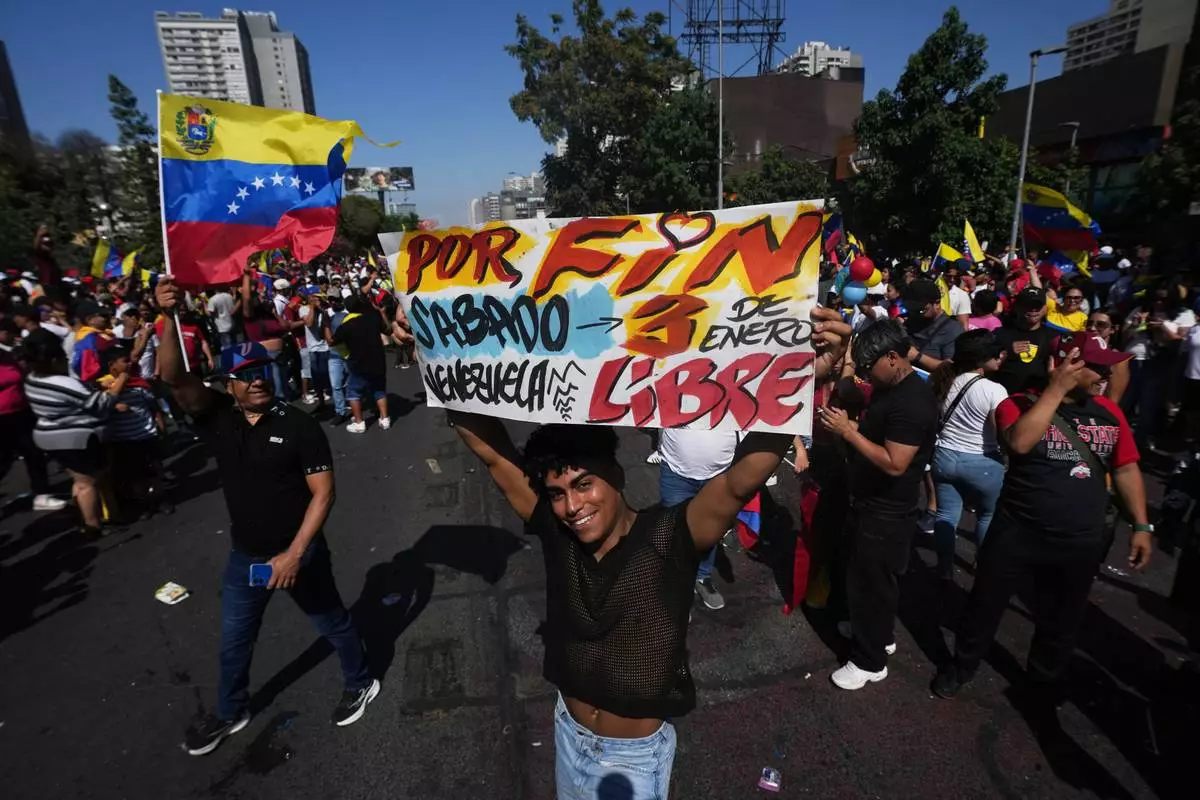
A Venezuelan celebrates holding a banner with a message that reads in Spanish: "At last Venezuela is free" after U.S. President Donald Trump announced that President Nicolas Maduro had been captured and flown out of Venezuela, in Santiago, Chile, Saturday, Jan. 3, 2026. (AP Photo/Esteban Felix)
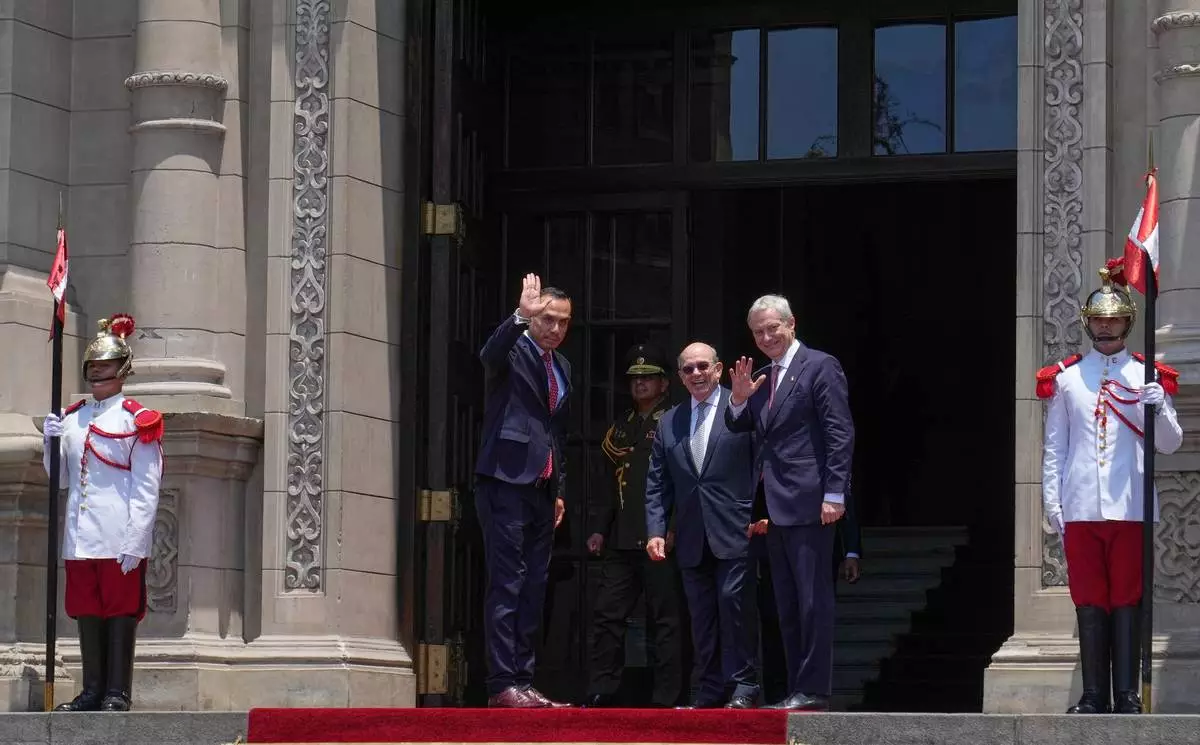
Peru's President Jose Jeri, left, and Chile's President-elect Jose Antonio Kast, right, wave to the press as Kast arrives at the government palace in Lima, Peru, Wednesday, Jan. 7, 2026. (AP Photo/Martin Mejia)
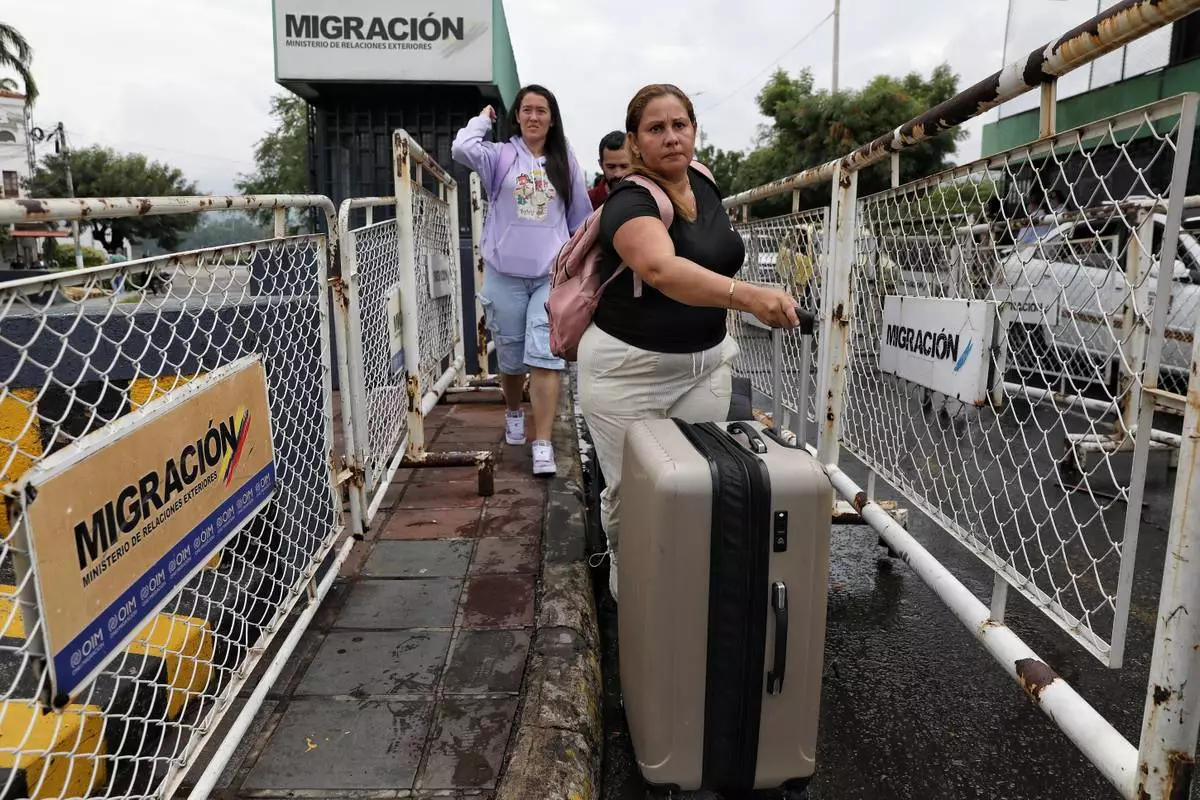
People cross the Colombian-Venezuelan border, to Villa del Rosario, Colombia, Monday, Jan. 5, 2026, two days after U.S. forces captured and removed Venezuelan President Nicolas Maduro. (AP Photo/Santiago Saldarriaga)
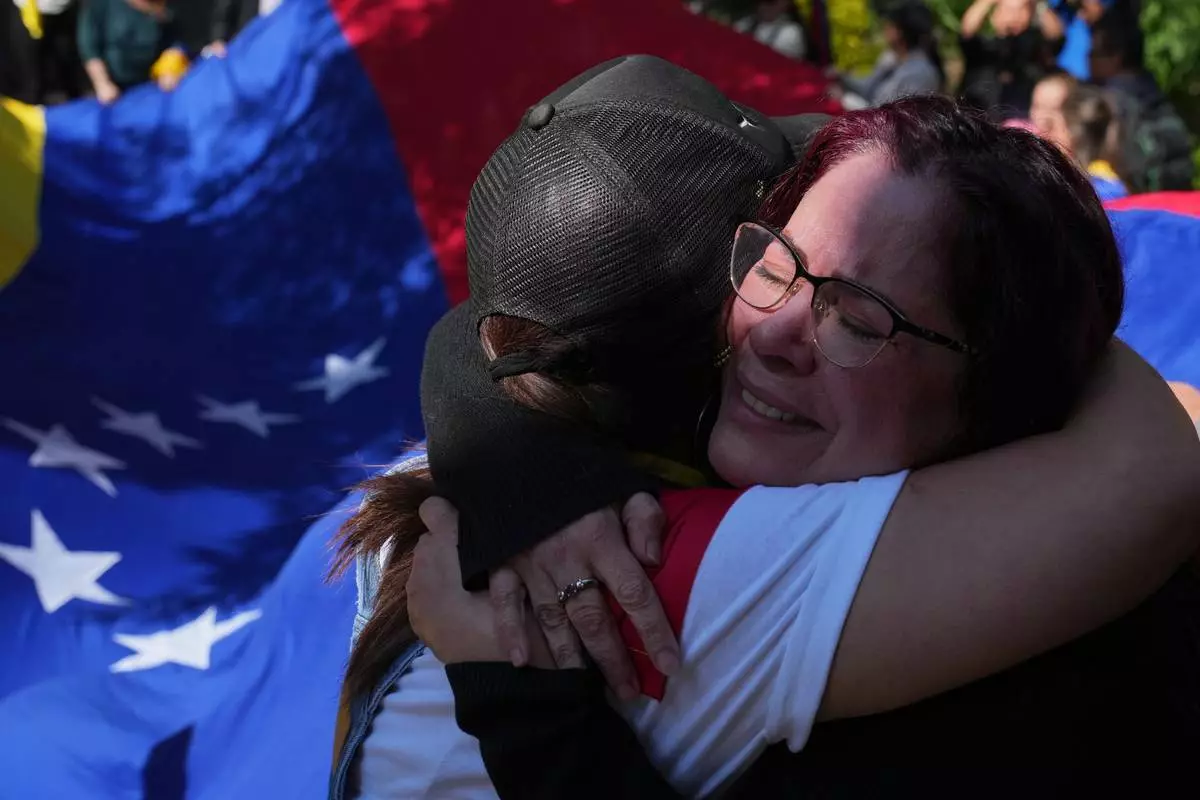
Supporters of Venezuela's opposition embrace as they celebrate in Mexico City, Sunday, Jan. 4, 2026, a day after U.S. forces captured President Nicolas Maduro and flew him to the United States. (AP Photo/Marco Ugarte)
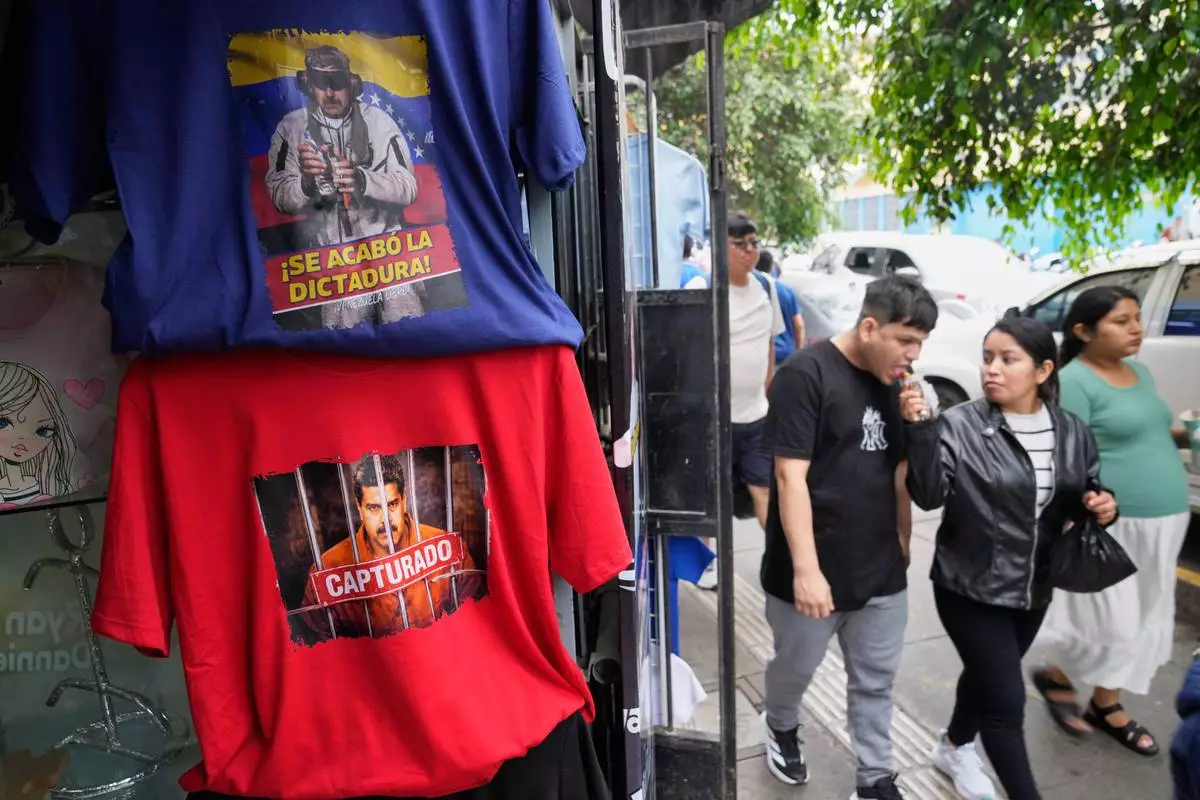
Pedestrians pass T-shirts featuring images of Venezuelan President Nicolas Maduro at at a printing shop in Lima, Peru, Monday, Jan. 5, 2026, two days after U.S. forces captured and removed him from Venezuela. (AP Photo/Martin Mejia)