Milan’s Catholic leaders faced a choice when the city was selected to host the 2026 Winter Olympics.
They could passively wait for the event to unfold or immediately bring the Olympic spirit into their pastoral work. They chose the latter.
“We believe that the Olympics represent a great educational opportunity in the meanings they will carry,” wrote Milan’s Archbishop Mario Delpini in a letter following the launch of a program aimed at promoting Olympic values among young people.
The Ora Sport on Fire Tour has been underway since late 2022, with new activities led by the archdiocese planned during the Games.
“The city as an Olympic village is a metaphor to say that relationships are shaped by competing in mutual esteem,” Delpini added.
In Italy, a country shaped by Catholic tradition, the Ora Sport on Fire Tour operates in parish youth centers and schools. It was developed by the Milan archdiocese’s sports and youth outreach offices, in collaboration with its school pastoral services.
According to the Rev. Stefano Guidi, who heads the archdiocese’s Service for Oratories and Sport, both the program and the activities that will run during the Games aim to make a specific contribution by highlighting the inclusive and social aspects of sport.
“We hope that these values will help young people in our city grow,” he said.
The first step in shaping the Ora Sport on Fire Tour was studying the Olympic Charter, the founding document of the Olympic movement.
Faith leaders in Milan then rooted their project in the cultural values of the event. Through sporting events, contests and workshops, themes such as human rights and peace have been promoted.
These are hosted in Christian-inspired schools and oratories, parish spaces that are turned over to afterschool activities for young people, including sports and Catholic catechism classes.
Among its activities ahead of the Winter Olympics, the archdiocese has also hosted encounters between religious leaders, athletes and young people.
During one of the early events tied to the program's rollout, Paralympic swimmer Arianna Talamona shared how being an athlete is both an honor and a responsibility.
“One thing I often feel like saying when I go into schools and meet students is to be patient and to have very clear ideas about their passions,” said Talamona during the encounter, which was streamed on the archdiocese’s channels. “And if they have dreams and passions, it’s important to cultivate them.”
The Ora Sport On Fire Tour has its own Olympic torch. It’s a symbolic path to bring the Games’ spirit to participating institutions.
The torch has traveled throughout the territories of the diocese, visiting two pastoral zones per year. As each deanery welcomed it, gatherings, prayer and talks on Olympic values were held.
Oratories in towns such as Tradate, in northern Italy, posted on social media how children and adolescents transported the torch and reflected on its meaning.
In other cities, such as Gallarate, sports activities were focused on inclusion. They taught youths how to recognize and respect differences and diverse abilities.
The approach has been a constant of the program since its beginnings. To mark the launch of the third year of the Ora Sport On Fire Tour, Paralympic swimmer Alberto Amodeo appeared as a guest at a diocesan sports gathering in Abbiategrasso.
He recalled his achievements in both the Tokyo and Paris Paralympics, underlining how the Games bring together athletes of different ethnicities.
“These are beautiful results that will remain forever in my heart,” Amodeo said.
The initiatives implemented during the Ora Sport On Fire Tour changed from one deanery to another. Some hosted sports-themed plays overseen by a professional theater company. Others organized film forums or large-scale sports activities.
All remain tied to the upcoming Olympics. Yet sports have long been key to the archdiocese’s pastoral outreach to youths even before Italy was chosen to host the Winter Games.
According to Guidi, there are about 1,000 oratories in Milan’s diocese. Practically all of them have a sports club that carries out activities. “Some even reach 100 years of history,” he said. “For many kids, adolescents and families, this is their only possibility to practice sports.”
He added that most activities are offered at low cost, mainly thanks to volunteer work.
Throughout the diocese’s sport-related programs, three aspects remain key: conveying how sport helps develop the physical abilities of each person, how it supports socialization and how it develops respect for one’s opponent.
“It therefore proposes a kind of growth that has the meaning of constant training of oneself and of one’s relationships,” Guidi said. “And the possibility of learning from one’s mistakes.”
Associated Press religion coverage receives support through the AP’s collaboration with The Conversation US, with funding from Lilly Endowment Inc. The AP is solely responsible for this content.
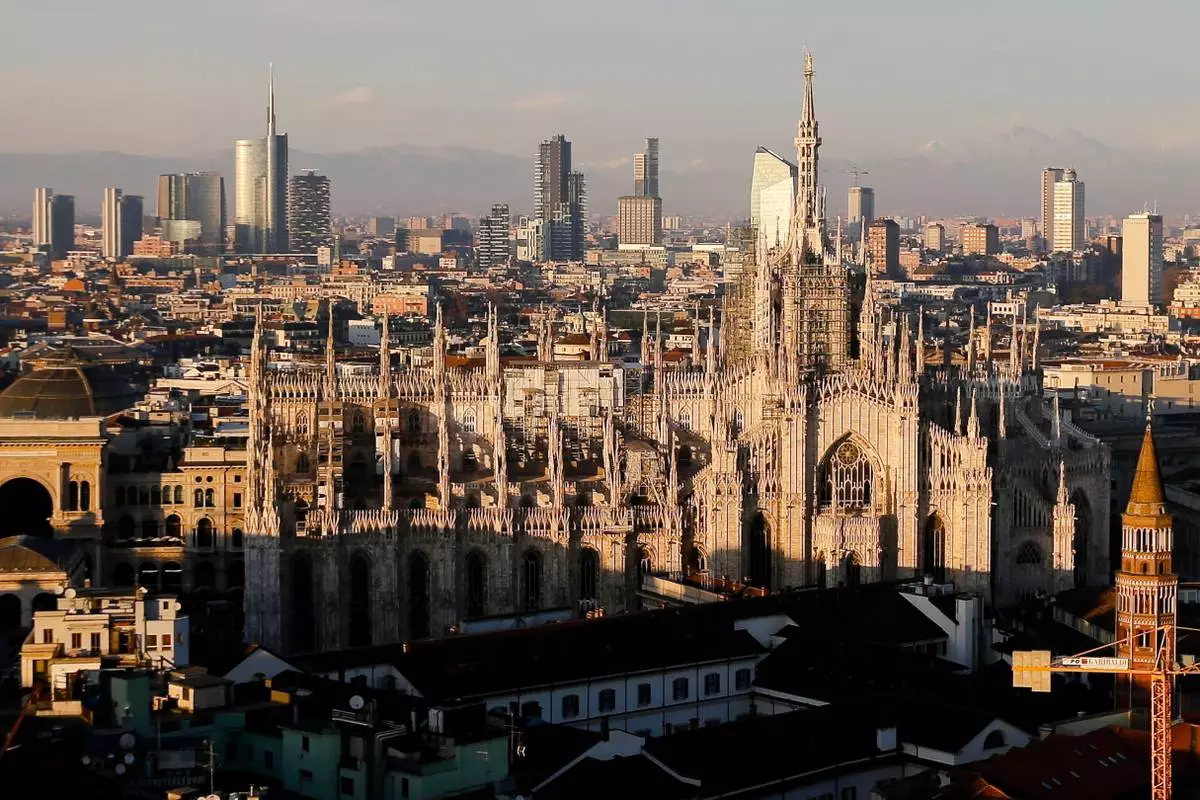
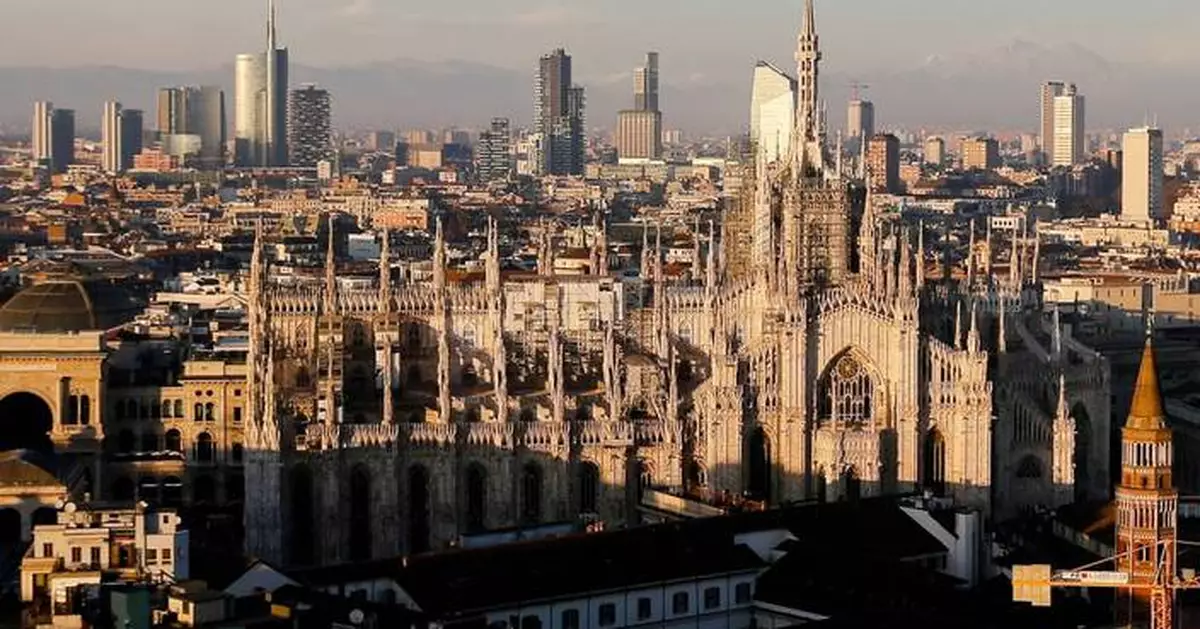
FILE - The pinnacles of the Duomo cathedral are lit by the afternoon declining sun and backdropped by the new Business Center in Milan, northern Italy, Jan. 4, 2017. (AP Photo/Luca Bruno, File)