People from all walks of life in Malaysia gathered at a monument in Kuala Lumpur on Sunday to commemorate victims massacred during the Japanese occupation period during World War II.
The event was held at the Monument to the Malayan Victims of the Japanese Occupation in KL Hokkien Cemetery, the resting place of the remains of hundreds of resistance fighters who laid down their lives during the occupation (1942-1945).
Wreaths adorned the monument, while the banner reading "lest we forget" served as a solemn reminder of that heavy memory.
On January 11, 1942, Japanese forces captured Kuala Lumpur. During the Japanese occupation period, the people of all ethnic groups of Peninsula Malaya, currently known as Peninsula Malaysia, suffered brutal mass killings and cruel rule.
Representatives from diplomatic missions of China, the United Kingdom, Australia, and other countries in Malaysia attended the memorial event.
Participants called for greater vigilance against the revival of militarism and a shared commitment to remembering historical truths and safeguarding peace, especially in light of the complex and volatile international landscape.
"Malaysia was subjected to Japanese occupation for three years and eight months. During this period, the atrocities committed by Japanese forces against the people of Malaya filled us with profound sorrow. To this day, the Japanese government has yet to issue a formal apology for the suffering inflicted upon the people of Malaya. For us, this remains unforgivable," said a participant.
"We hope Japan will learn from its lesson as a defeated country in World War II and acknowledge the undeniable fact that its acts of aggression resulted in the senseless slaughter of millions of innocent lives," Tan Kok Wai, member of parliament for Cheras.
Regarding Japanese Prime Minister Sanae Takaichi's erroneous remarks on Taiwan, Tan said Takaichi's comments are causing trouble and that she should apologize.
The international community should remain vigilant against the resurgence of Japanese militarism, he added.
"History has repeatedly proved that the resurgence of militarism rarely begins with war, but rather with language and narratives. For Asia, should Japan return to the military forefront under the pretext of 'other countries' emergency,' it will inevitably stir historical memories, undermine the post-war consensus, and heighten regional tensions," Tan said.
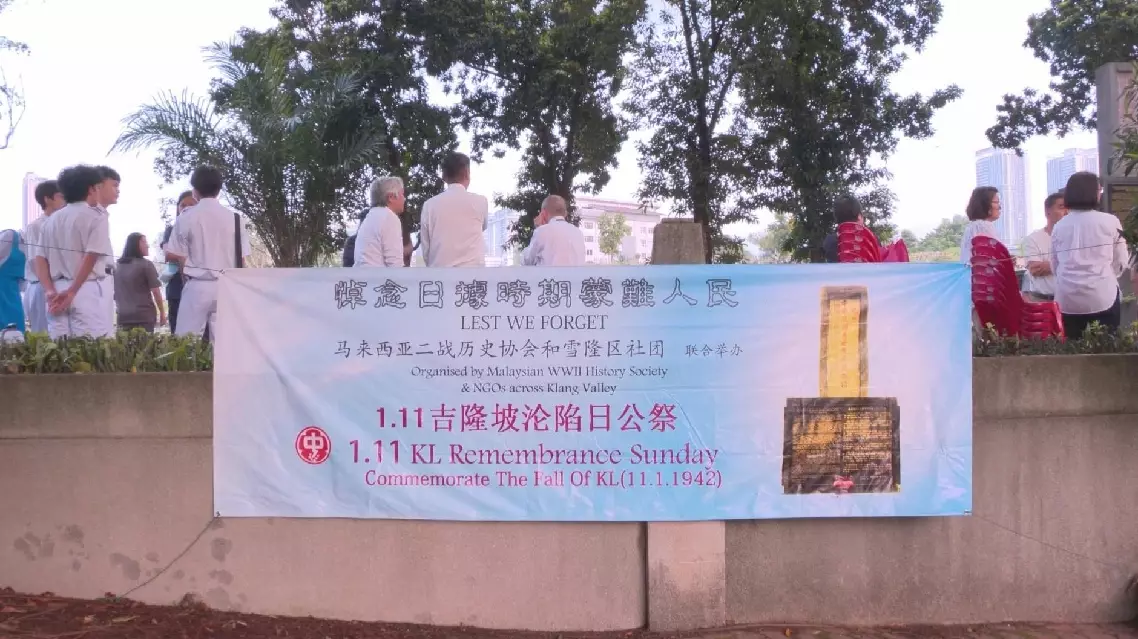
Memorial held in Kuala Lumpur to commemorate people massacred during Japanese occupation
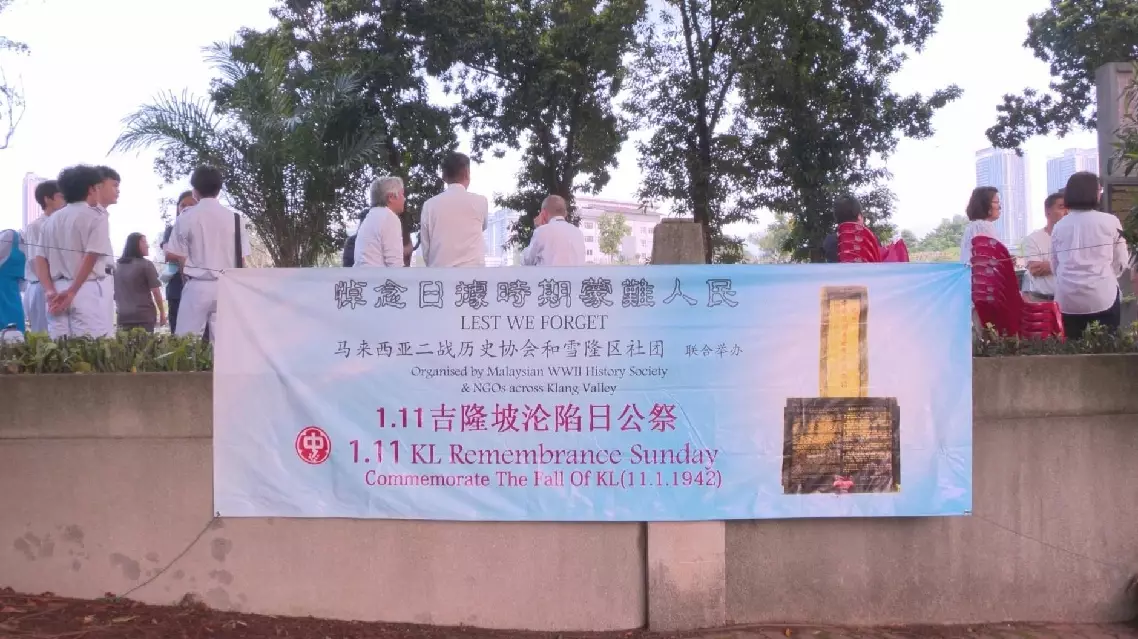
Memorial held in Kuala Lumpur to commemorate people massacred during Japanese occupation