China's eight-point decision on improving Party and government conduct has not only reshaped the conduct of Party and government officials, but has also inspired profound transformations in Chinese society.
The eight-point rules, introduced by the Political Bureau of the Communist Party of China (CPC) Central Committee in December 2012, aims to improve Party and government officials' work style.
At its core, the rules are about discipline and connection with the people. By insisting on frugality, simpler meetings, fewer empty speeches and genuine research at the grassroots level, it has broken down barriers between the leadership and ordinary citizens.
Chinese President Xi Jinping, also general secretary of the CPC Central Committee, has led by shining example, staying in modest guest houses, sharing simple meals with ordinary citizens, and walking among the people without pomp or extravagance.
Just about three weeks after the adoption of the rules, Xi visited impoverished villages in Fuping County, north China's Hebei Province, and stayed at a budget hotel in the county.
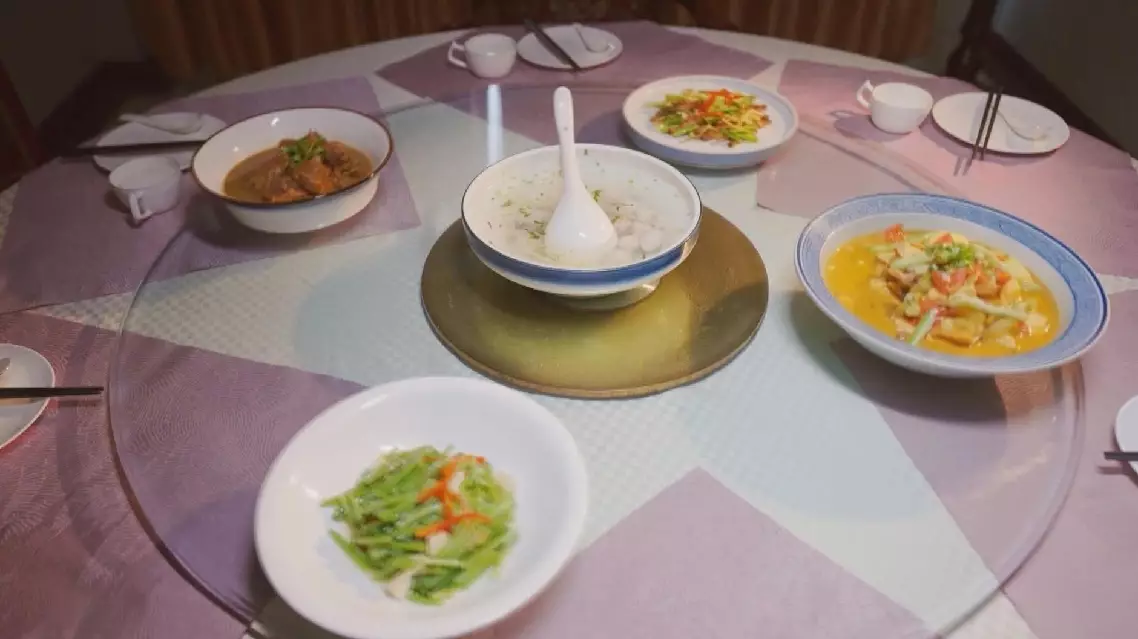
Jia Chunhong, who has worked at the hotel for 17 years, recalled the simple meal served to Xi during his stay.
"We were told to prepare four dishes and a soup, just some simple home-style food. The staff also told us not to serve any alcohol. The dishes were served in big bowls, 10 people at one table, and they finished everything. Before leaving, General Secretary Xi reminded the staff to make sure the bill was settled, so that we wouldn't be left with any burden," said Jia, manager of the hotel.
At the eight-point decision's formulation, Xi said the Party's top leadership must abide by these rules. And he took the lead in setting a good example.
"Leading officials at all levels must set an example and take the lead. What is said must be done, and what is promised must be fulfilled. For members of the Political Bureau, that starts with me," Xi said at the second plenary session of the 18th CPC Central Commission for Discipline Inspection.
With the leadership setting the example and Party members across the country taking action, China is undergoing a profound transformation.
From humble dining tables to news reports on Party discipline, and in the everyday actions of local officials, people say they can feel the positive changes in officials' conduct over the past decade.
"In the past, hosting a banquet meant putting on an extravagant spread, what we called 'seven bowls and eight dishes.' But that kind of waste is basically gone now. Back then, even applying for a business license meant several trips. Today, it's much easier, with staff offering help proactively," Jia said.
But the mission is far from complete.
Xi has emphasized that despite progress, blind spots remain and that the fight against misconduct and corruption demands firm and sustained action.
Party's code of conduct inspires profound transformations in China