Influenza activity in China has declined for four consecutive weeks, with recent tests showing common pathogens and no evidence of new infectious diseases, the National Health Commission (NHC) said on Tuesday.
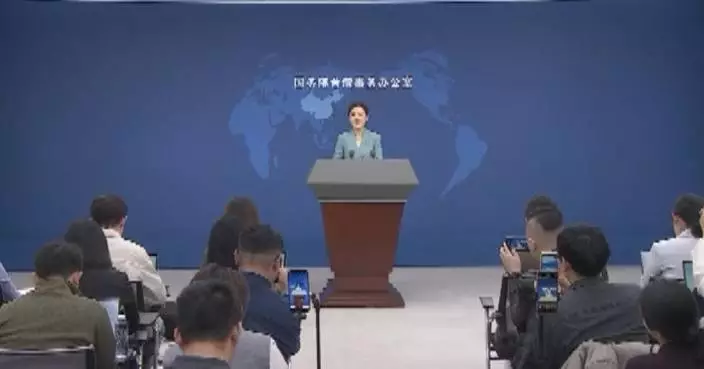
At its first press briefing of 2026, the commission reported that flu activity nationwide remains moderate at the moment.
According to Xin Li, a researcher at the Chinese Center for Disease Control and Prevention, respiratory samples collected from sentinel hospitals indicated that the influenza virus was the most common pathogen, accounting for 27.4 percent of cases, followed by respiratory syncytial virus at 8.8 percent and rhinovirus at 5.7 percent.
"Influenza activity in China has declined for four consecutive weeks and remains at a moderate level overall. Analysis of nationwide fever clinic consultations, influenza-like illness cases at sentinel hospitals, and multi-pathogen testing shows that all detected pathogens are known common ones, with no evidence of unknown pathogens or new infectious diseases," Xin told the press.
Data from sentinel hospitals indicated flu activity was falling across provincial-level regions, while reports of school outbreaks dropped for five consecutive weeks. Laboratory tests showed that 97.3 percent of positive influenza samples were H3N2 subtype viruses.
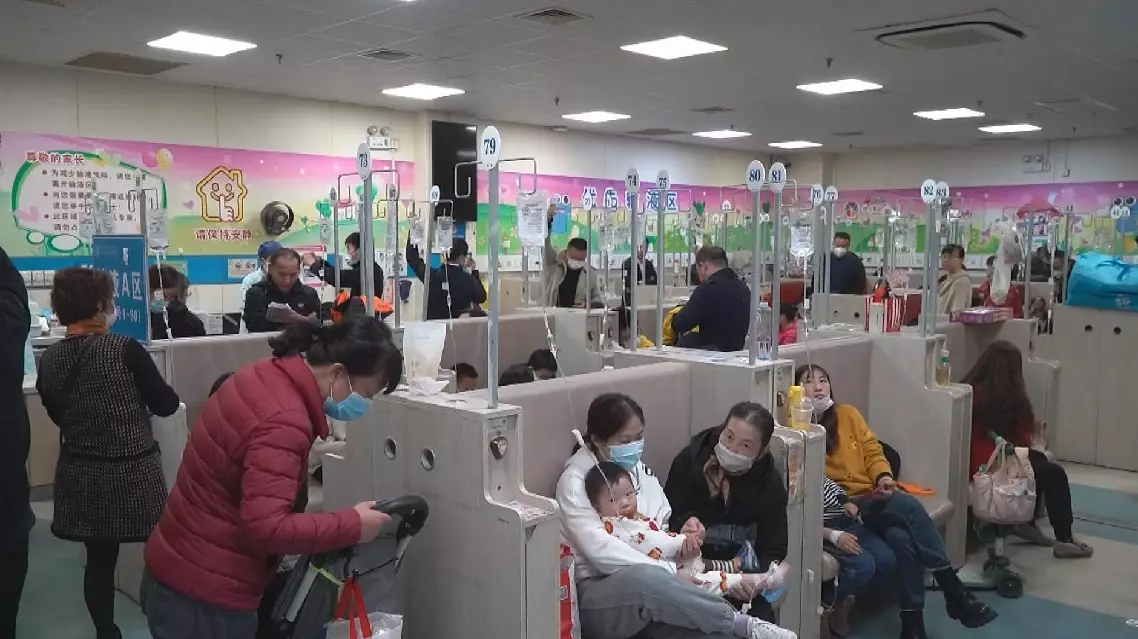
China flu activity declines for fourth week, no new pathogens detected: official
Zhou Hongyi, founder of Chinese cybersecurity giant Qihoo 360 and a member of China’s top political advisory body, has stressed the need to harness artificial intelligence (AI) to confront mounting security threats in a recent interview with China Global Television Network (CGTN).
As a member to the 14th National Committee of the Chinese People's Political Consultative Conference (CPPCC), Zhou placed "AI plus” security at the core of his proposals to this year's "two sessions," which convene this week, framing it as China's frontline strategy for strengthening cybersecurity.
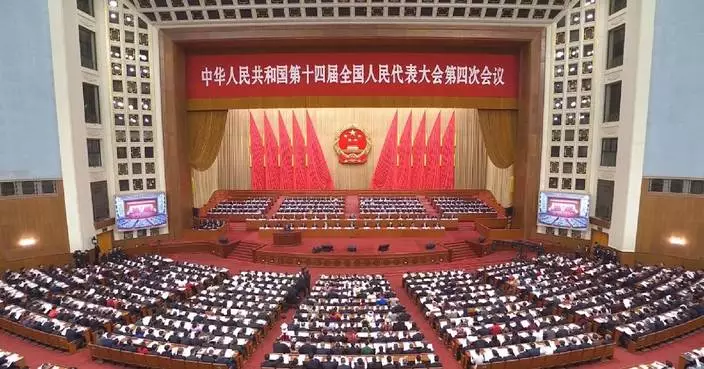
The "two sessions" are the yearly meetings of the National People's Congress (NPC) and the National Committee of the CPPCC, which serve five-year terms and convene each March. The fourth session of the 14th NPC and the fourth session of the 14th National Committee of the CPPCC kicked off on Thursday and Wednesday, respectively.
Expanding on the "AI plus" security agenda, Zhou said it would enable China to simulate cyberattacks, uncover weaknesses, and deploy digital agents across industries, measures he sees as vital to safeguarding enterprises in the AI era.
"This year I would like to first focus on 'AI plus' security, which means we must use AI's abilities to solve traditional security issues. For example we can simulate an attack to an enterprise's network, identifying its vulnerabilities and then fix them. Secondly, I think AI agents would be a key factor for 'AI plus' to be truly implemented into various industries, because large models have their own limits. Only by transforming large models into AI agents, and into digital experts and digital interns, can it be integrated with the business of enterprises," Zhou said.
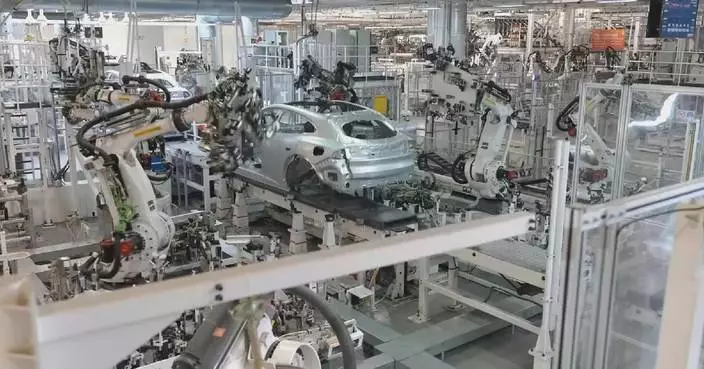
Turning to the humanoid robots showcased at this year's Spring Festival Gala, Zhou said their appearance highlighted China's rapid progress in robotics and signaled that the era of intelligent machines is approaching.
"I am not surprised. I feel quite lucky I didn't do boxing with those robots on the stage of the Spring Festival Gala, because I don't think I can hit them. I think China's robots manufacturing industry has seen huge progress over the past year. On the other hand, I think that show also reflects our country's industrial strategy, which is sending us a signal that an era of robots is coming. How shall we empower our enterprises through AI? That's a question our entrepreneurs and investors need to think about," he said.
As China embarks on its 15th Five-Year Plan in 2026, Zhou projects that the continued development of AI will drive substantial demand in key sectors, such as energy, raw materials, and chips.
"First I think energy, as well as some of the raw materials that can align with the development of computing power would see huge progress. The chips industry will also be developed. I think China needs more inference chips. And there would also be a huge demand for electricity," he said.
This year marks the start of China's 15th Five-Year Plan period, spanning from 2026 to 2030, a period widely seen as pivotal for the country's long-term development. The plan is expected to be formally endorsed by the NPC during the "two sessions" with more detailed targets released later.
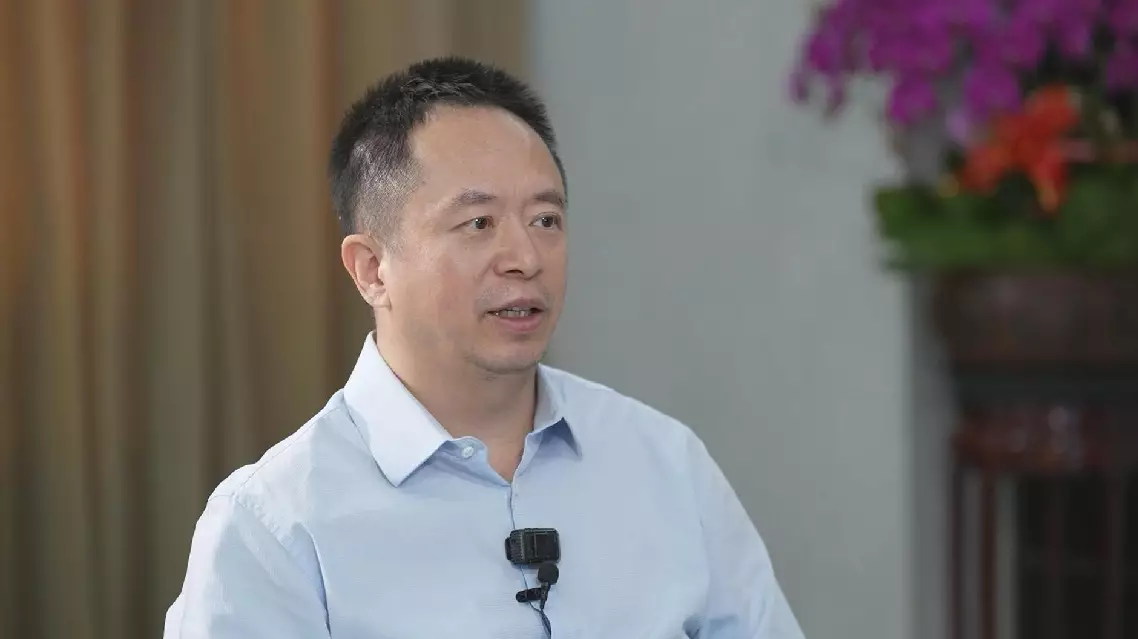
CPPCC member calls for AI-driven defenses to safeguard enterprises amid rising cyber threats