Commuters in Budapest, Hungary are kicking off the new year with a more comfortable and newly upgraded riding experience, as the electric buses produced by China's leading new energy vehicle manufacturer BYD have officially entered regular service on city routes.
These buses, after undergoing comprehensive testing, system checks, and charging trials beginning last November, were put into operation several months ahead of schedule, marking the city's first concrete move toward building a cleaner, more modern public transport system.
Local residents like Helga and Zoltan, who take the same bus line from their neighborhoods to the city center every weekday, are among the first to experience the new electric buses. They said that their familiar daily commute now feels refreshingly different.
"I think it looks beautiful. We have these older buses all the time and it's a nice feeling to just get on a bus that looks like -- it's like new smell or something. It looks accessible as well, because we see these railings that helps you to get on the bus. The higher seats, you can get on them easier," said Zoltan.
With a range of up to 700 kilometers on a single charge, the buses' endurance is further ensured by the city's newly installed high-speed charging stations and upgraded depot facilities.
Compared to the city's older buses, BYD's new electric models offer a noticeably smoother ride -- so stable that passengers can comfortably use their phones without feeling dizzy.
"The suspension, I think, is much better. You're holding your phone and it's like you can't even see the text," said Zoltan.
Helga shared the same experience, saying, "I can't read the text in my phone in the older buses."
"So, I would say that it feels much smoother to ride," Zoltan added.
Beyond improving passenger experience, city transport authorities said that the more significant change lies in how these electric buses can be flexibly integrated into the overall public transport network. Currently, the first five new electric buses are already operating across various districts of Budapest, extending services even to areas previously underserved by public transportation.
In a city that handles millions of trips every day, the quietness of these electric buses is gaining appreciation.
"It's good for the environment -- good for the people. It's not loud," said Helga.
In the future, more electric buses for Budapest will be produced at BYD's manufacturing hub in Komarom, northern Hungary, which is expanding its operations to meet Europe's growing demand for electric mobility.
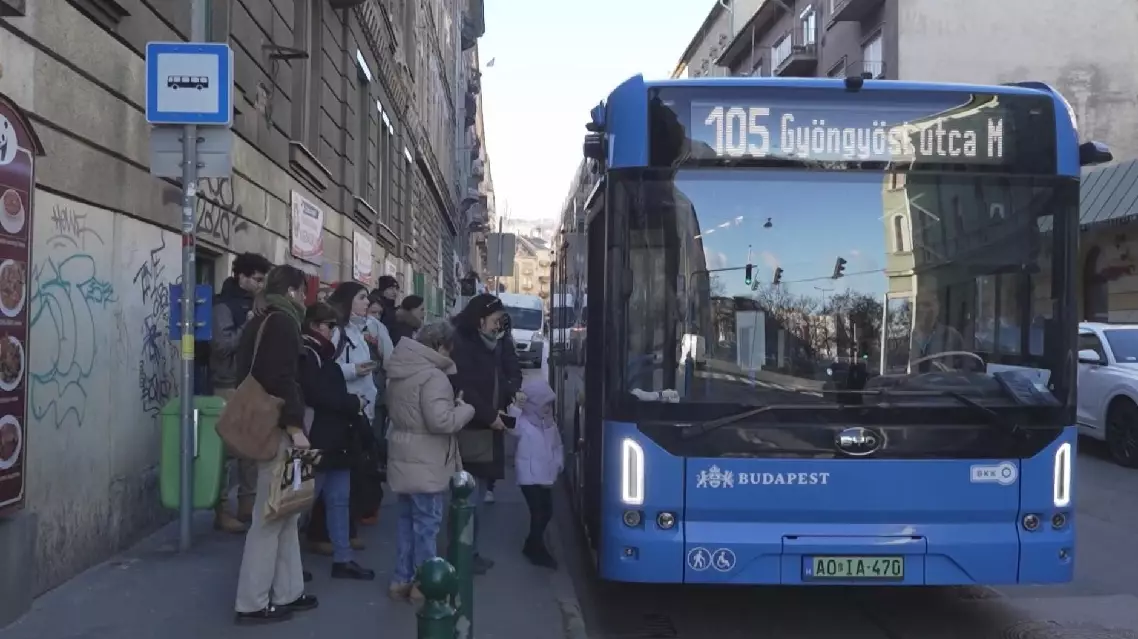
BYD buses offer smoother commutes for Budapest residents