WASHINGTON (AP) — More than half of U.S. adults believe President Donald Trump has “gone too far” in using the U.S. military to intervene in other countries, according to a new AP-NORC poll.
The poll from The Associated Press-NORC Center for Public Affairs Research was conducted Jan. 8-11, after Venezuelan President Nicolás Maduro's capture. It found that 56% of U.S. adults think Trump has overstepped on military interventions abroad, while majorities disapprove of how the Republican president is handling foreign policy in general and Venezuela in particular.
The findings largely cut against Trump's aggressive foreign policy stance, which has recently included efforts to exert control over Venezuelan oil, calls for the U.S. to take over Greenland and warnings the U.S. would provide aid to people protesting in Iran. Many did see the Trump administration’s recent intervention in Venezuela as a “good thing” for stopping the flow of illegal drugs into the U.S. and a benefit for the Venezuelan people, but fewer say it's a positive for U.S. national security or the U.S. economy.
Republicans are mostly following Trump's lead, despite the sharp contrast with the “America First” platform he ran on. But few Republicans want Trump to go further, underscoring the risks of a continued focus abroad.
While the U.S. used its military power in Venezuela to capture Maduro, Trump has also made recent comments about seizing Greenland “the hard way” if Denmark’s leaders do not agree to a deal for the U.S. to take it over, and he has warned Iran that the U.S. will come to the “rescue” of peaceful protesters.
Democrats and independents are driving the belief that Trump has overstepped. About 9 in 10 Democrats and roughly 6 in 10 independents say Trump has “gone too far” on military intervention, compared with about 2 in 10 Republicans.
The vast majority of Republicans, 71%, say Trump’s actions have been “about right,” and only about 1 in 10 want to see him go further.
About 6 in 10 Americans, 57%, disapprove of how Trump is handling the situation in Venezuela, which is slightly lower than the 61% who disapprove of his approach to foreign policy. Both measures are in line with his overall job approval, which has largely remained steady throughout his second term.
Many Americans see some benefits from U.S. intervention in Venezuela.
About half of Americans believe the U.S. intervening in Venezuela will be “mostly a good thing” for halting the flow of illegal drugs into the country. Close to 4 in 10, 44%, believe the U.S. actions will do more to benefit than harm the Venezuelan people, who lived under Maduro’s rule for more than a decade. But U.S. adults are divided on whether intervention will be good or bad for U.S. economic and national security interests or if it simply won't have an impact.
Republicans are more likely than Democrats and independents to see benefits to the U.S. action, particularly its effects on drug trafficking. About 8 in 10 Republicans say America’s intervention will be “mostly a good thing” for stopping the flow of illegal drugs into the country, but fewer Republicans, about 6 in 10, believe it will benefit the U.S. economy.
Most Americans don't want greater U.S. involvement in world affairs, the poll found. Nearly half of Americans want the U.S. to take a “less active” role, and about one-third say its current role is “about right.”
Only about 2 in 10 U.S. adults say they want the country to be more involved globally, including about 1 in 10 Republicans.
At least half of Democrats and independents now want the U.S. to do less, a sharp shift from a few months ago.
Republicans, meanwhile, have grown more likely to indicate that Trump’s level of involvement is right. About 6 in 10 Republicans, 64%, say the country’s current role in world affairs is “about right,” which is up slightly from 55% in September. About one-quarter of Republicans say the U.S. needs to take a “less active role” in solving problems around the globe, down slightly from 34% a few months ago.
The AP-NORC poll of 1,203 adults was conducted Jan. 8-11 using a sample drawn from NORC’s probability-based AmeriSpeak Panel, which is designed to be representative of the U.S. population. The margin of sampling error for adults overall is plus or minus 3.9 percentage points.
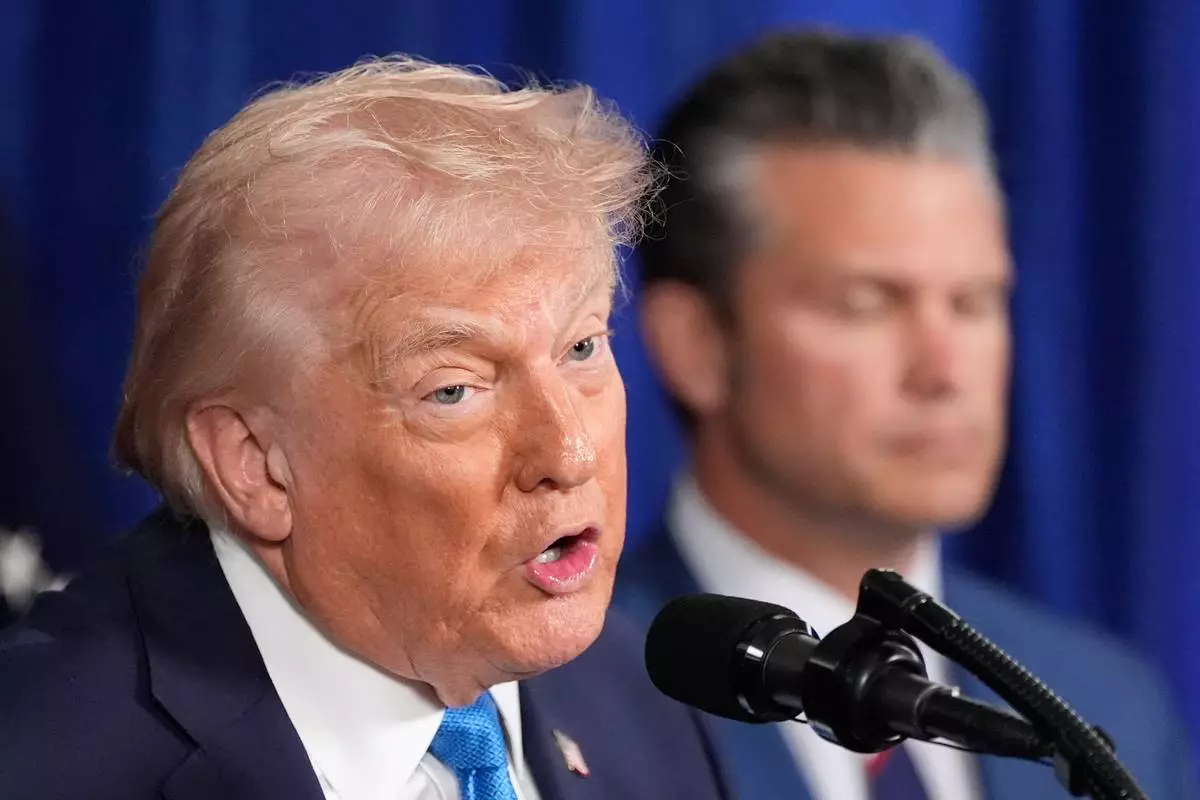
President Donald Trump speaks at his Mar-a-Lago club, Saturday, Jan. 3, 2026, in Palm Beach, Fla., as Defense Secretary Pete Hegseth listens. (AP Photo/Alex Brandon)
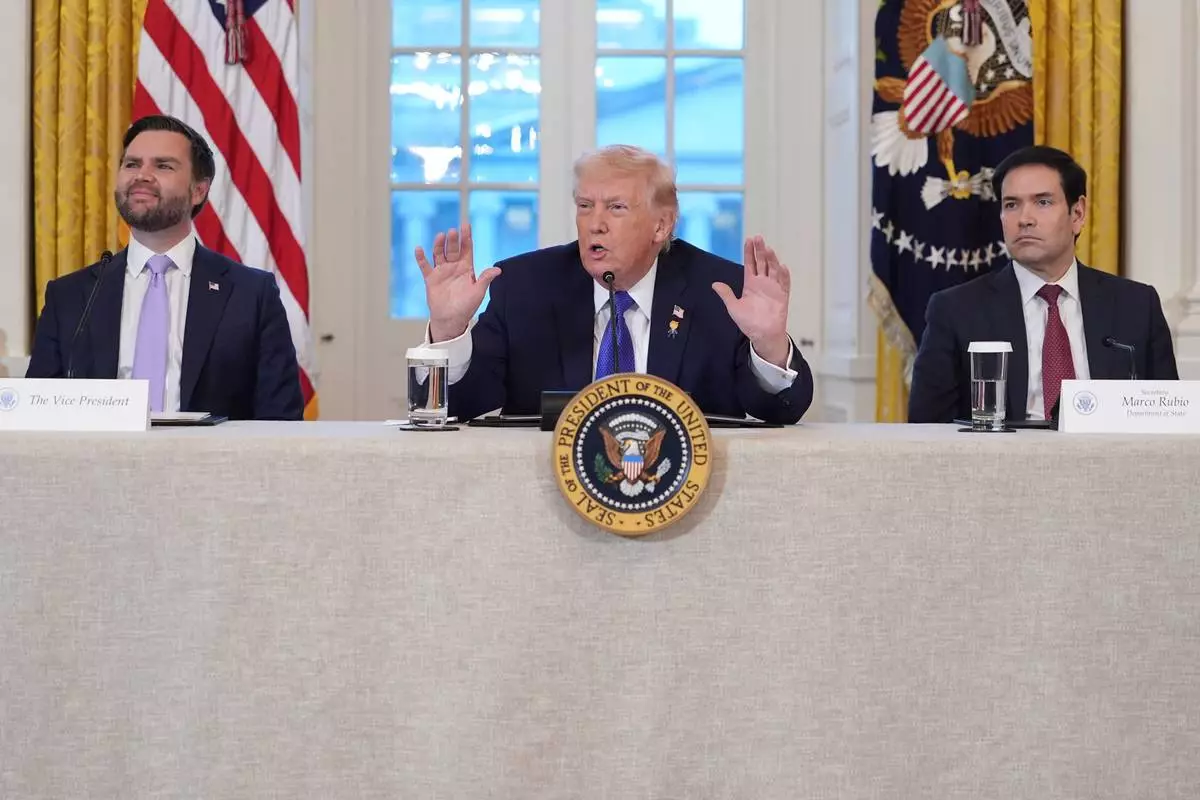
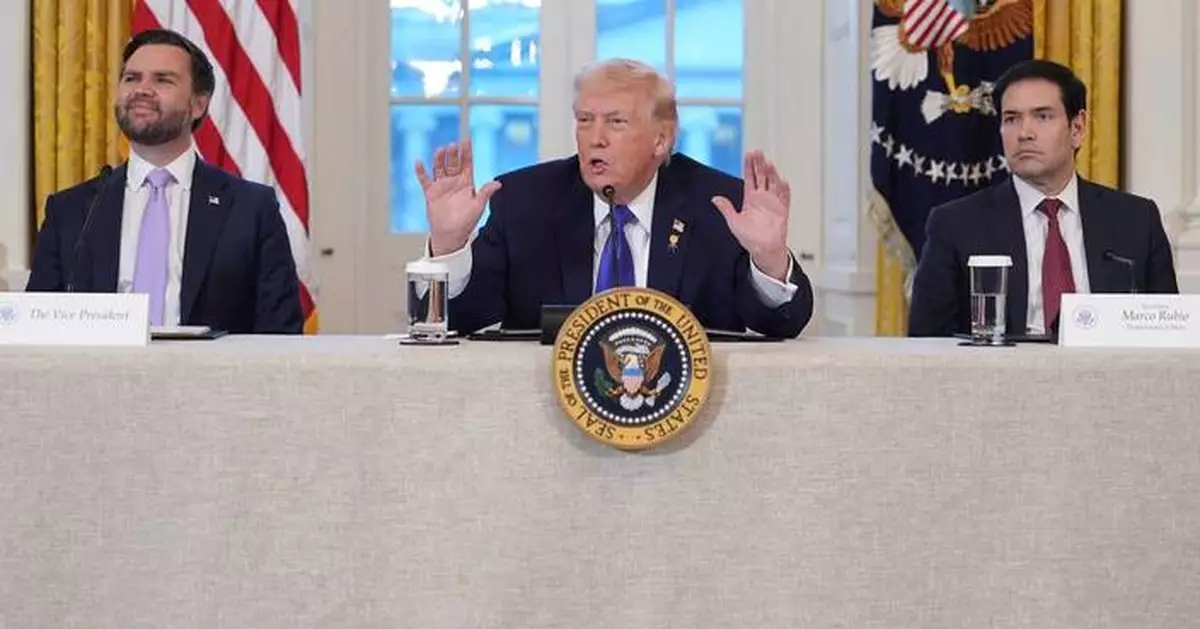
FILE - President Donald Trump speaks during a meeting with oil executives in the East Room of the White House, Jan. 9, 2026, in Washington, as Vice President JD Vance and Secretary of State Marco Rubio listen. (AP Photo/Evan Vucci, File)
WEST BLOOMFIELD, Mich. (AP) — A man armed with a rifle rammed his vehicle into one of the nation’s largest reform synagogues in a Detroit suburb and was fatally shot by security Thursday, The Associated Press has learned.
The vehicle caught fire after crashing into Temple Israel in West Bloomfield Township, according to a person familiar with the matter who spoke to The AP.
The attacker drove through a set of doors and into a hallway where something in the vehicle ignited, a sheriff said.
“He was traveling with purpose down the hall, from my look at the video,” Oakland County Sheriff Mike Bouchard said.
Investigators were still working to identify the man and a possible motive for the attack, said the person who could not publicly discuss details of the investigation and spoke to AP on condition of anonymity. The person cautioned that the investigation was still in the early stages.
In the minutes after the attack, smoke billowed from the synagogue, which also houses an early childhood center.
“No kids or no staff were injured whatsoever,” Bouchard said. He said one security officer was hit by the vehicle and knocked unconscious but did not suffer life-threatening injuries.
The synagogue has multiple security officers, he said, and at least one fired at the suspect, who was found dead inside his vehicle.
“We can’t say what killed him at this point but security did engage the suspect with gunfire,” the sheriff said, adding that it was possible the attacker killed himself or died some other way.
Synagogues around the world have been on edge and ramping up security since the U.S. and Israel launched a war with Iran with missile strikes on Feb. 28.
The FBI has warned that Iranian operatives may be planning drone attacks on targets in California. Two men brought explosives to a far-right protest outside the New York mayoral mansion on Saturday. Investigators allege they were inspired by the Islamic State extremist group. An assailant drove a car into people outside an Orthodox synagogue in Manchester, England, on Yom Kippur, the holiest day of the Jewish calendar. He stabbed two people to death before officers shot and killed him.
On Thursday, the Oakland County Sheriff’s office cleared the building and about a dozen parents sprinted to get their children from an early childhood learning center inside. West Bloomfield School District went on lockdown.
Authorities were working to reunite parents with their children at a nearby Jewish Community Center.
Samuel Bennett, whose wife was in the building, said he was deeply relieved to learn she and others were OK. “I don’t even know what the words are,” he told WDIV-TV.
Oakland County is Michigan’s second-largest county with roughly 1.3 million people. The majority of Detroit-area Jewish residents live there.
Michigan Gov. Gretchen Whitmer issued a statement saying she was tracking developments.
“This is heartbreaking,” Whitmer said. “Michigan’s Jewish community should be able to live and practice their faith in peace.”
Temple Israel has 12,000 members. according to its website. It offers educational programs for families and adults.
The website says the synagogue is “passionate about helping Jewish communities across the globe” and that its mission is to “create a community building through the lens of Reform Judaism.”
The Jewish Federation of Detroit advised all Jewish organizations in the area “to go into lockout protocol — nobody in or out of your building.” The organization later lifted its advisory.
Durkin Richer reported from Washington, D.C. Associated Press reporters Ed White in Detroit; Todd Richmond in Madison, Wisconsin; and Eric Tucker in Washington, D.C., contributed.
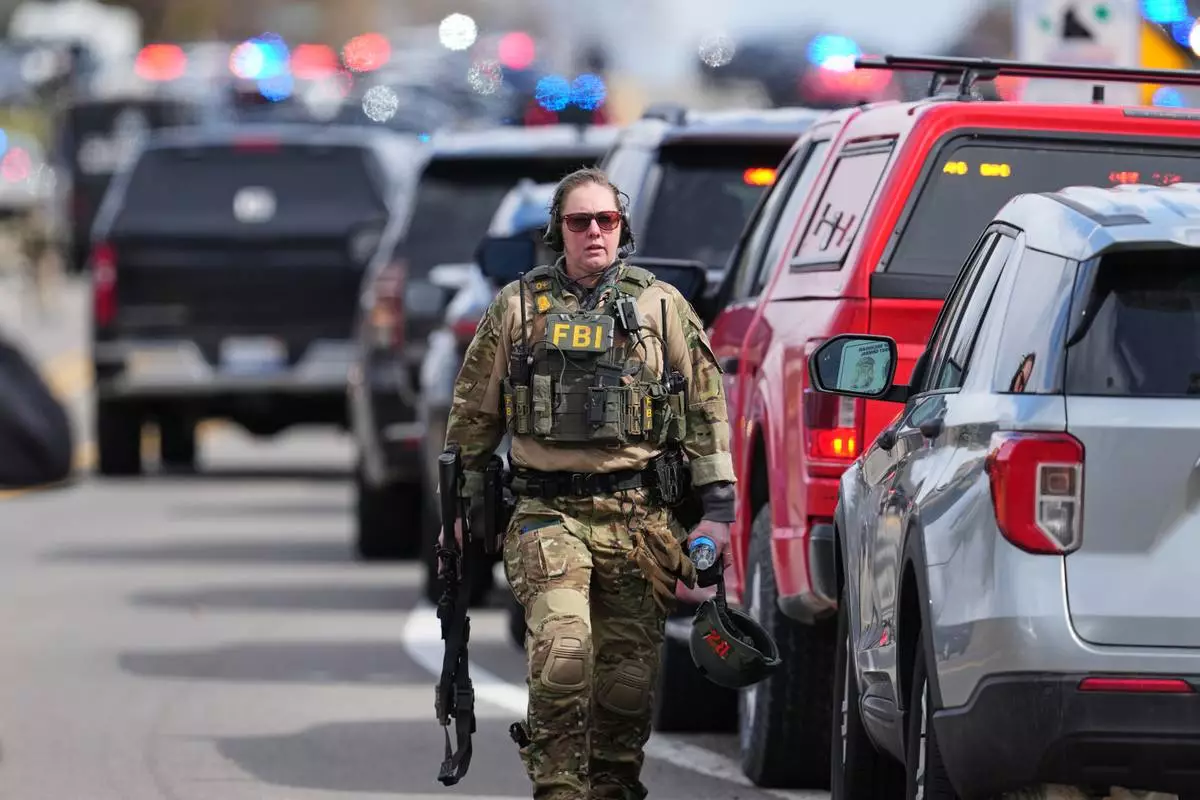
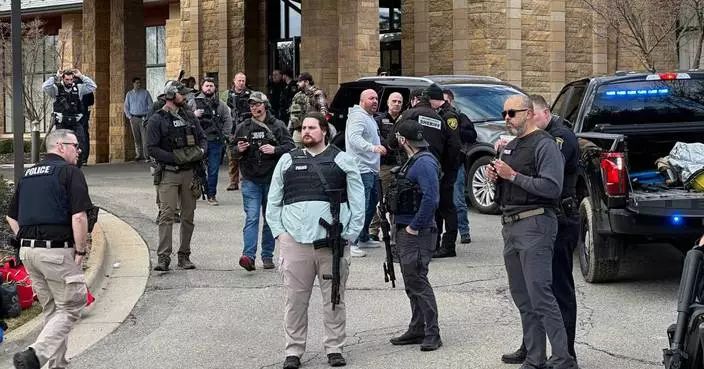
Law enforcement respond to a call at Temple Israel synagogue Thursday, March 12, 2026, in West Bloomfield Township, Mich. (AP Photo/Paul Sancya)
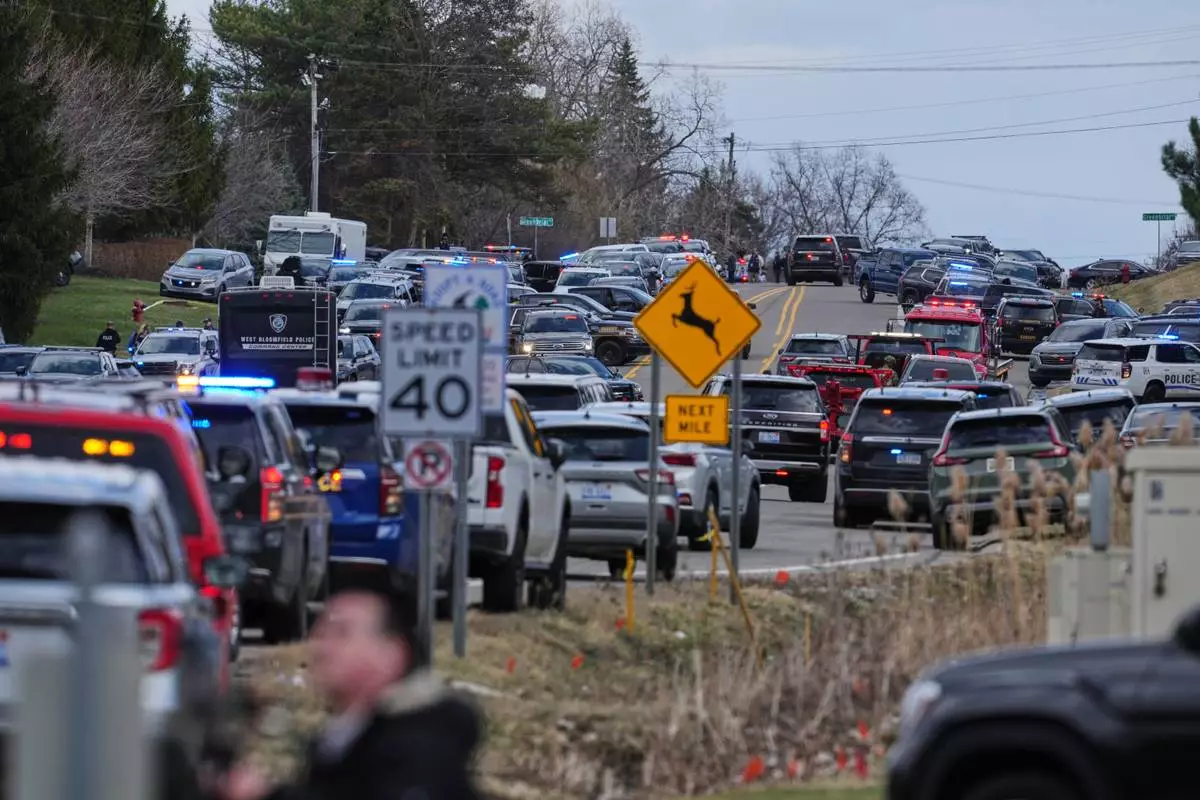
Law enforcement respond to a call at Temple Israel synagogue Thursday, March 12, 2026, in West Bloomfield Township, Mich. (AP Photo/Paul Sancya)
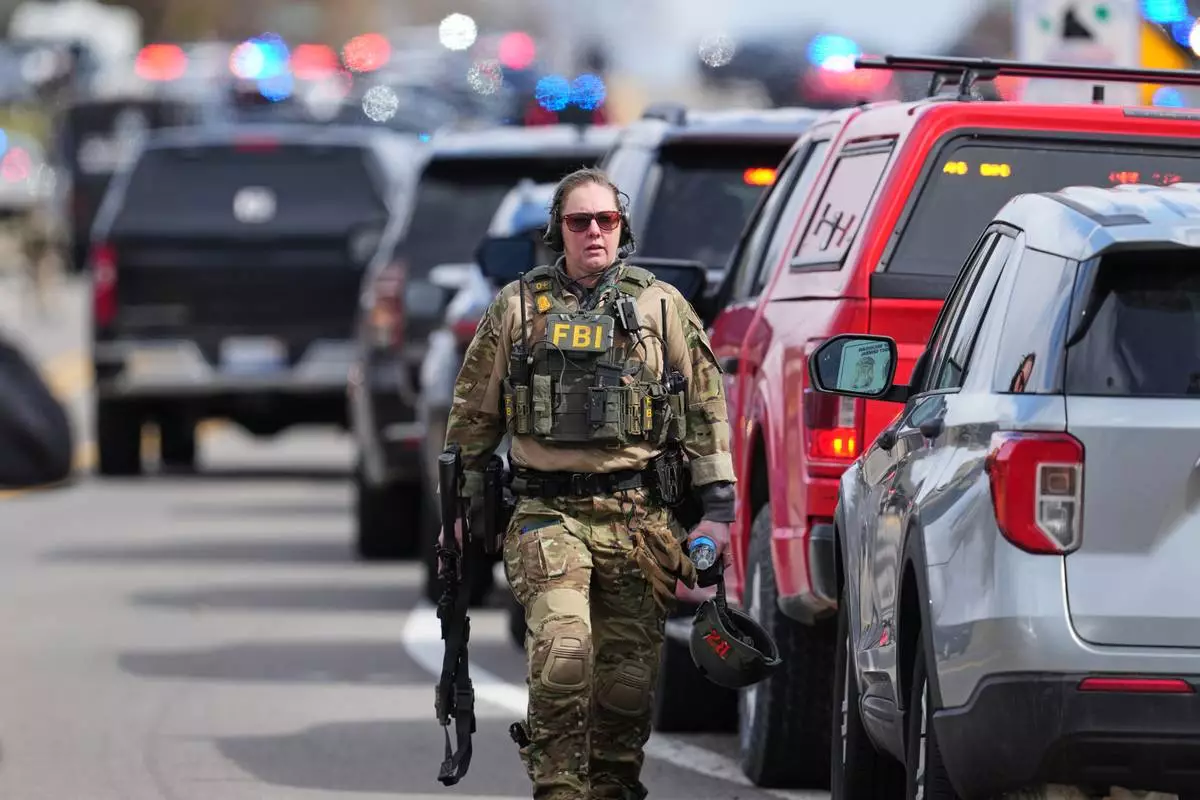
Law enforcement respond to a call at Temple Israel synagogue Thursday, March 12, 2026, in West Bloomfield Township, Mich. (AP Photo/Paul Sancya)
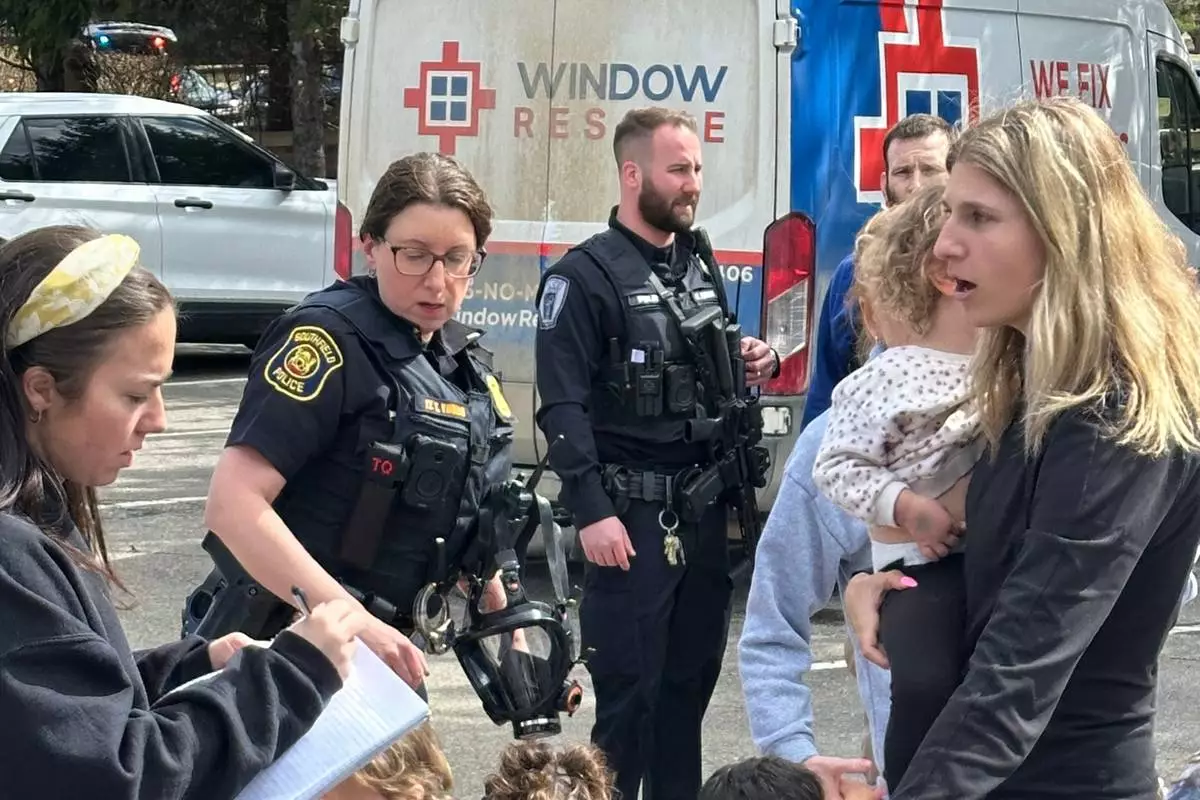
A woman gathers children as law enforcement respond to a call at Temple Israel synagogue on Thursday, March 12, 2026, in West Bloomfield Township, Mich. (AP Photo/Corey Williams)
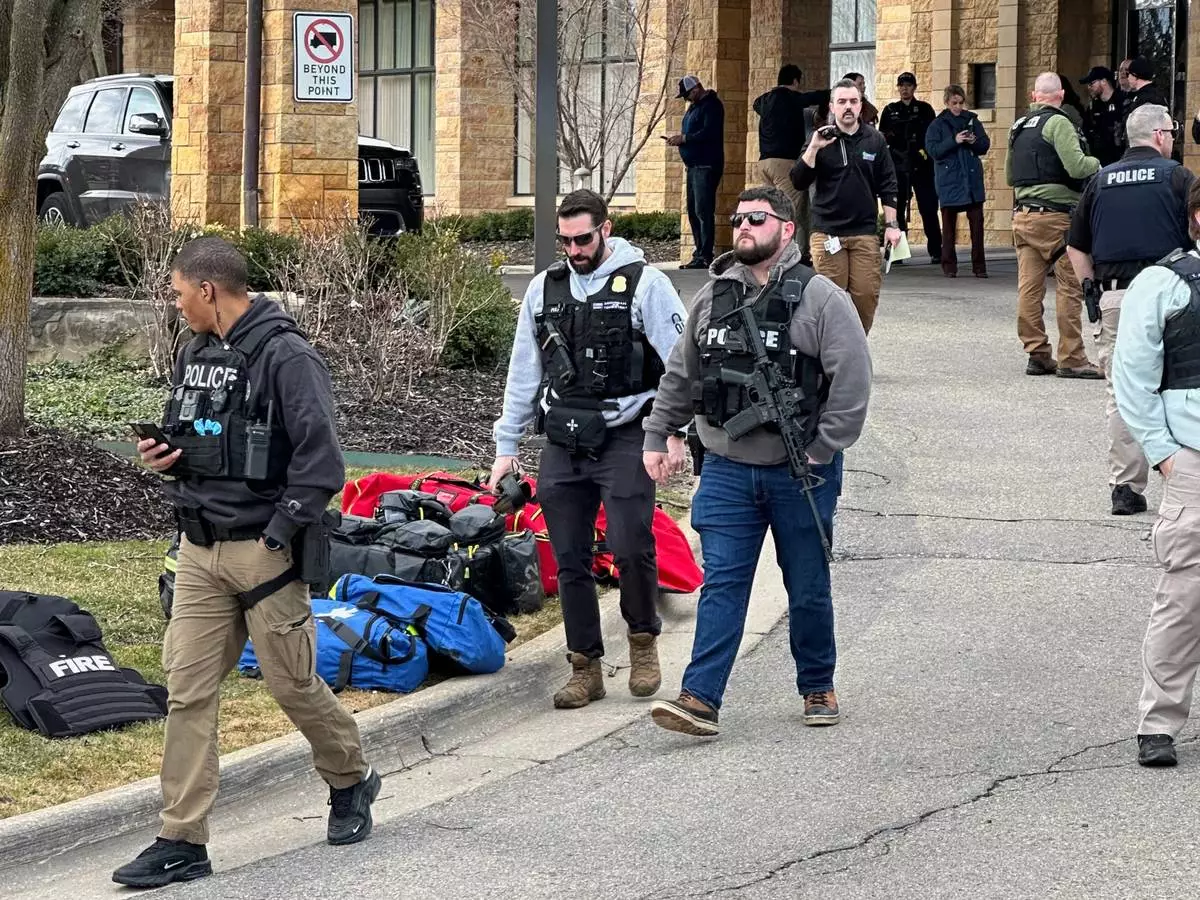
Law enforcement respond to a call at Temple Israel synagogue on Thursday, March 12, 2026, in West Bloomfield Township, Mich. (AP Photo/Corey Williams)
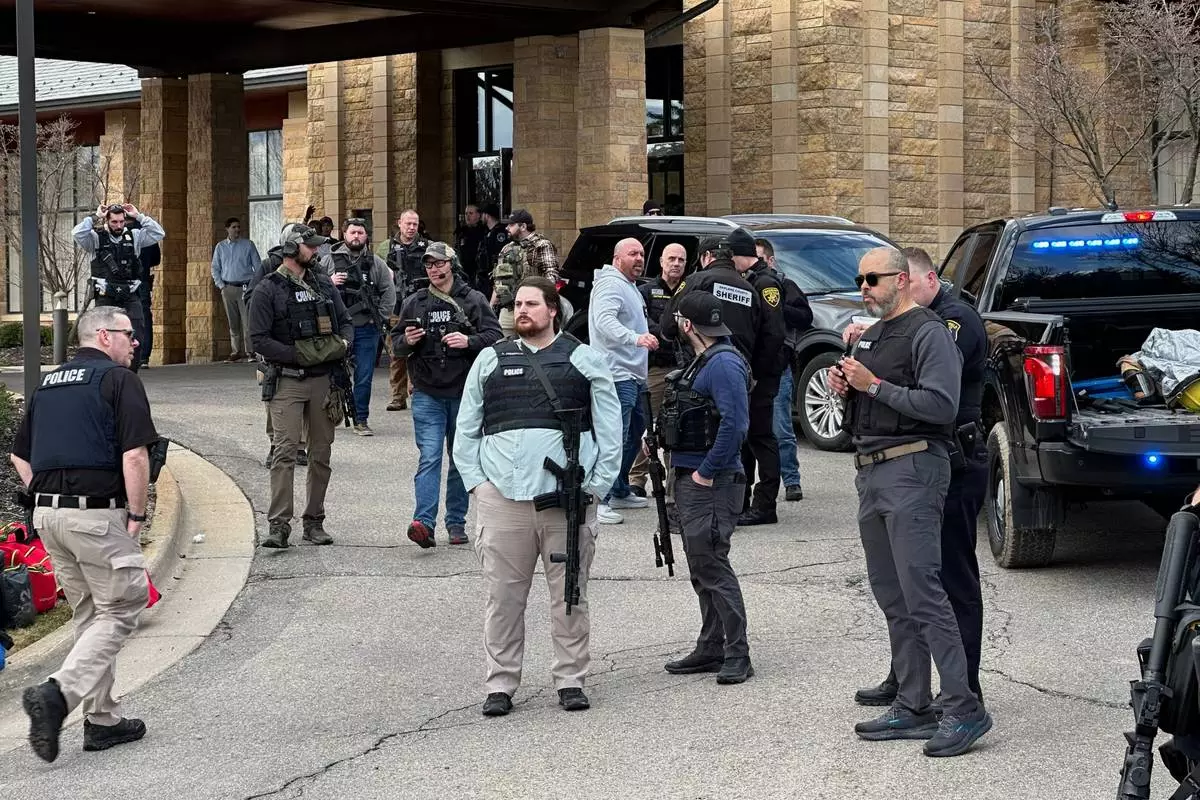
Law enforcement respond to a call at Temple Israel synagogue, Thursday, March 12, 2026 in West Bloomfield Township, Mich. (AP Photo/Corey Williams)
Law enforcement respond to a call at Temple Israel synagogue in West Bloomfield Township, Mich. (AP Photo/Corey Williams)
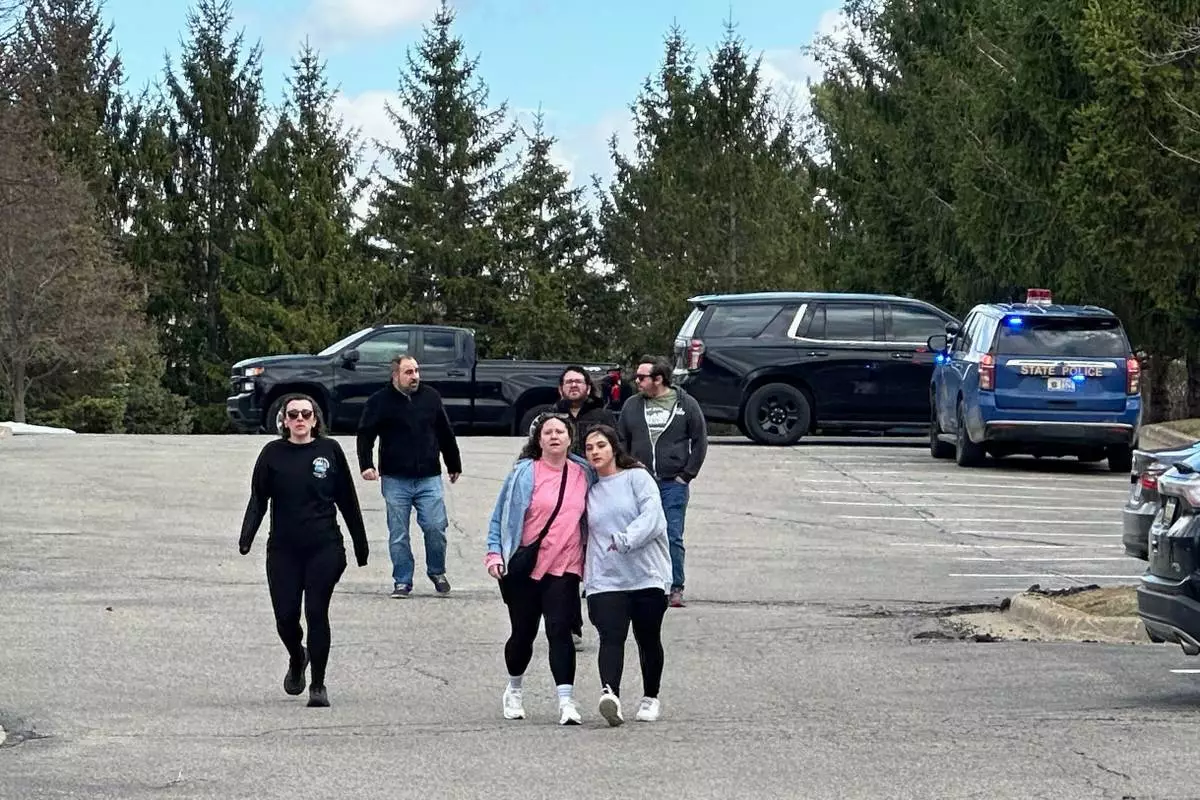
People gather near Temple Israel synagogue in West Bloomfield Township, Mich. (AP Photo/Corey Williams)