LONDON--(BUSINESS WIRE)--Jan 14, 2026--
Barclays Research today released a new Impact Series report The Future of Work: AI Gets Physical, highlighting humanoid robots as the next frontier for artificial intelligence. Designed in human form, these robots are moving from labs into real-world settings, with the potential to reshape sectors from manufacturing to healthcare.
This press release features multimedia. View the full release here: https://www.businesswire.com/news/home/20260114100182/en/
Breakthroughs in AI reasoning, actuator technology and battery systems have cut production costs 30-fold over the past decade, paving the way for commercial adoption. As ageing populations and labour shortages intensify, humanoids could take on repetitive, physically demanding tasks — augmenting rather than replacing human workers in labour-intensive industries.
Barclays Research estimates the global humanoid robotics market, currently $2–3 billion, could reach $200 billion by 2035 under the most optimistic scenarios. Europe may hold a competitive edge in the supply chain thanks to its expertise in precision engineering and automotive manufacturing, particularly in actuator systems, which account for around half of production costs. China is also emerging as a major force, accounting for the majority of new humanoid robot models and rapidly scaling its innovation and manufacturing footprint.
“Humanoid robots represent a structural shift in automation,” said Zornitsa Todorova, Head of Thematic FICC Research Barclays. “As they move from concept to commercial reality, the implications for labour markets and industrial strategy are profound.”
Barclays’ Impact Series uses data-driven analysis to explore economic, demographic and disruptive changes affecting markets, sectors and society at large. The key findings of today’s report include:
Read the full report here.
About Barclays
Our vision is to be the UK-centred leader in global finance. We are a diversified bank with comprehensive UK consumer, corporate and wealth and private banking franchises, a leading investment bank and a strong, specialist US consumer bank. Through these five divisions, we are working together for a better financial future for our customers, clients and communities. For further information about Barclays, please visit our website home.barclays

Humanoid Robot
TENERIFE, Canary Islands (AP) — The first passengers to be evacuated from the hantavirus-hit cruise ship that is off Spain's Canary Islands arrived Sunday afternoon in Madrid, where they are being taken to a military hospital.
Spanish nationals were the first to leave the MV Hondius, which remains anchored off Tenerife, the largest island in the Spanish archipelago off West Africa's coast. The ship arrived early the same morning.
Planes carrying French and Canadian nationals left Tenerife after the Spanish plane. A Dutch plane was due to depart with Germans, Belgians and Greeks, while an American plane was expected to reach Tenerife around 5:30 p.m. local time (1630 GMT), according to FlightRadar 24, which shows live aircraft flight tracking details.
Maria van Kerkhove, the World Health Organization's top epidemiologist, said that a number of other flights were expected to arrive Sunday, including ones to repatriate passengers to Turkey, the United Kingdom and Ireland.
None of the more than 140 people on the Hondius has shown symptoms of the virus, officials from Spain's health ministry, WHO and cruise company Oceanwide Expeditions said.
WHO Director-General Tedros Adhanom Ghebreyesus sought to reassure the public, repeating on Sunday that the risk for the general public from the outbreak is low.
Even so, those disembarking and personnel working at the port of Granadilla in Tenerife wore protective gear during the evacuation process, including face masks, hazmat suits and respirators. Video obtained by The Associated Press showed passengers on the tarmac donning similar suits and being sprayed down with disinfectant.
A WHO spokesperson didn't immediately respond to a question from the AP about why such security protocols were being taken, despite officials' repeated reassurances about the low general risk from the virus.
Passengers and some crew members from more than 20 nationalities on board will be evacuated throughout Sunday into Monday.
After reaching Madrid, those evacuated on the first plane will be under quarantine, Spanish health authorities say. Only the 14 Spanish nationals on board will quarantine in the country.
Authorities have said that the passengers and crew members disembarking will be checked for symptoms, have no contact with the local population and will only be taken off the ship once evacuation flights are ready to fly them to their destinations. Tedros and Spain’s health and interior ministers are supervising the operation in Tenerife.
Pope Leo XIV on Sunday thanked the Canary Islands for allowing the arrival of the Hondius.
Hantavirus usually spreads when people inhale contaminated residue of rodent droppings and isn’t easily transmitted between people. But the Andes virus detected in the cruise ship outbreak may be able to spread between people in rare cases. Symptoms usually show between one and eight weeks after exposure.
Three people have died since the outbreak, and five passengers who left the ship are infected with hantavirus, which can cause life-threatening illness.
Passengers and crew members disembarking are leaving behind their luggage, and are allowed to take only a small bag with essential items, a cellphone, a charger, and documentation.
Some crew, as well as the body of a passenger who died on board, will remain on the ship, which will sail on to Rotterdam, Netherlands, where it will undergo disinfection, Spanish authorities said.
The expected sailing time to Rotterdam is around five days, the cruise company said.
The United Kingdom will send planes to evacuate its citizens. Americans on board will be quarantined at a medical center in Nebraska.
Twenty-nine people will be on board the Dutch charter flight, including Dutch nationals and people of other nationalities, the Dutch Foreign Ministry said.
The five French passengers being repatriated Sunday will be hospitalized for 72 hours for monitoring, after which they will quarantine at home for 45 days, France's Foreign Ministry said.
U.K. passengers and crew will be hospitalized for observation once they are flown home, British authorities say.
Australia is sending a plane, expected to arrive on Monday, to evacuate its nationals and those from nearby countries such as New Zealand and unspecified Asian countries, Spanish Health Minister Mónica García said. Its plane will be the last to leave Tenerife, she said.
Norway has sent an ambulance plane to Tenerife with personnel trained to transport patients with high-risk infections, its Directorate for Civil Protection told public broadcaster NRK.
The ambulance plane is owned by the European Union, but operated by Norway.
British Army medics have parachuted onto the remote South Atlantic territory of Tristan da Cunha, where one of the 221 residents has a suspected case of hantavirus.
The patient was a passenger on the MV Hondius and disembarked last month.
The U.K. defense ministry says a team of six paratroopers and two medical clinicians jumped Saturday from a Royal Air Force transport plane, which also dropped oxygen and medical equipment.
Tristan da Cunha is Britain’s most remote inhabited overseas territory, about 1,500 miles (2,400 kilometers) from the nearest inhabited island, St. Helena. The group of volcanic islands has no airstrip and is usually accessible only by boat on a six-day voyage from Cape Town, South Africa.
Meanwhile, a Spanish woman in the southeastern province of Alicante suspected of being infected tested negative for hantavirus, Spanish health authorities said Saturday.
The woman was a passenger on the same flight as the Dutch woman who died in Johannesburg after traveling on the cruise ship.
Suman Naishadham reported from Madrid. Angela Charlton in Paris, Jill Lawless in London, and Kirsten Grieshaber in Berlin, contributed to this report.
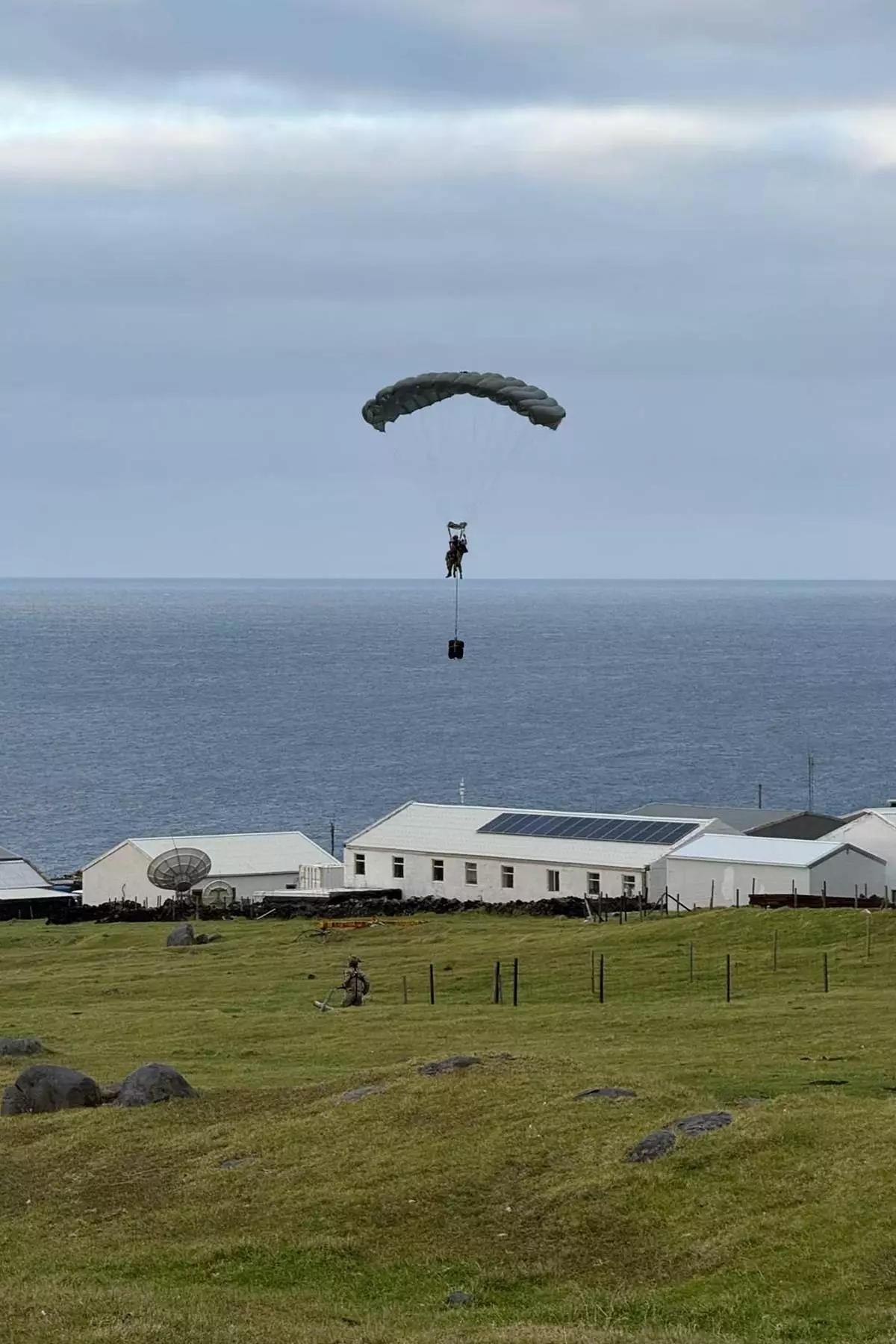
British Army medics parachute onto the south Atlantic territory of Tristan da Cunha, where one of the 221 residents has a suspected case of hanatavirus, Saturday, May 9, 2026. (British Ministry of Defence via AP)
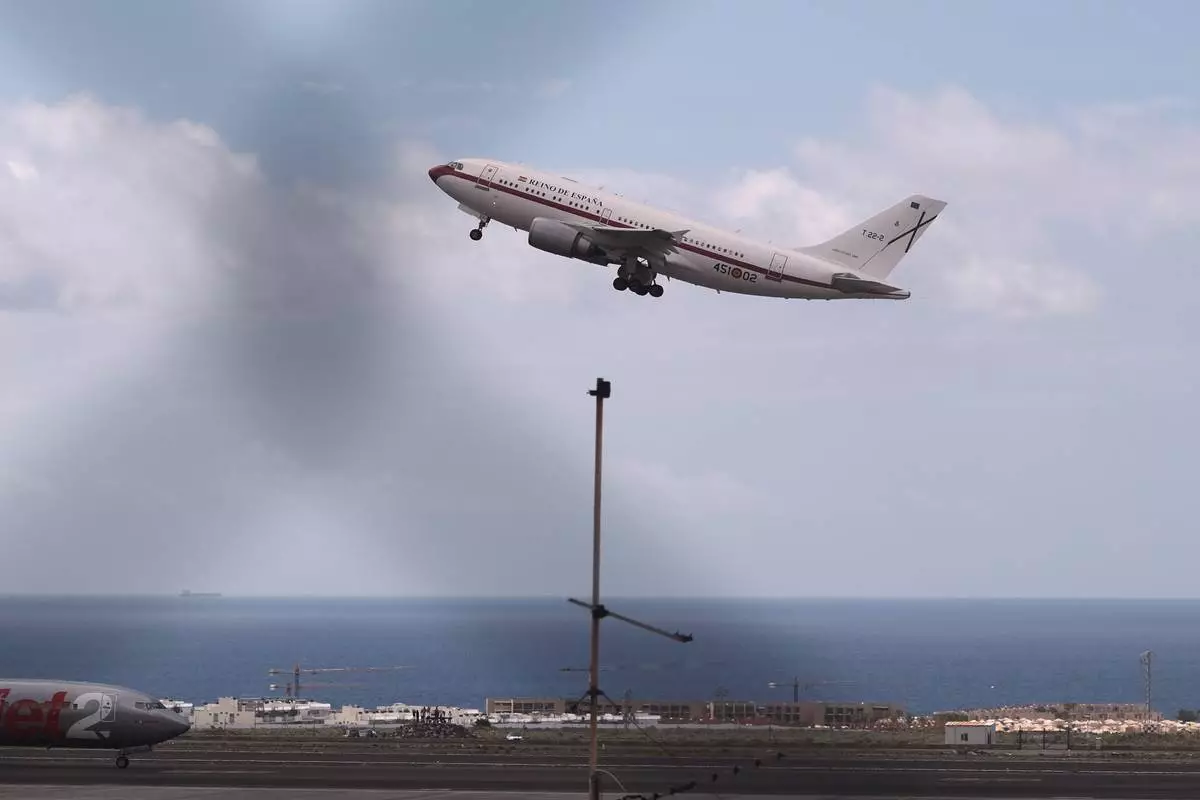
A Spanish government plane takes off with passengers from the hantavirus-stricken cruise ship MV Hondius at the airport in Tenerife, Canary Islands, Spain, Sunday, May 10, 2026. (AP Photo/Arturo Rodriguez)
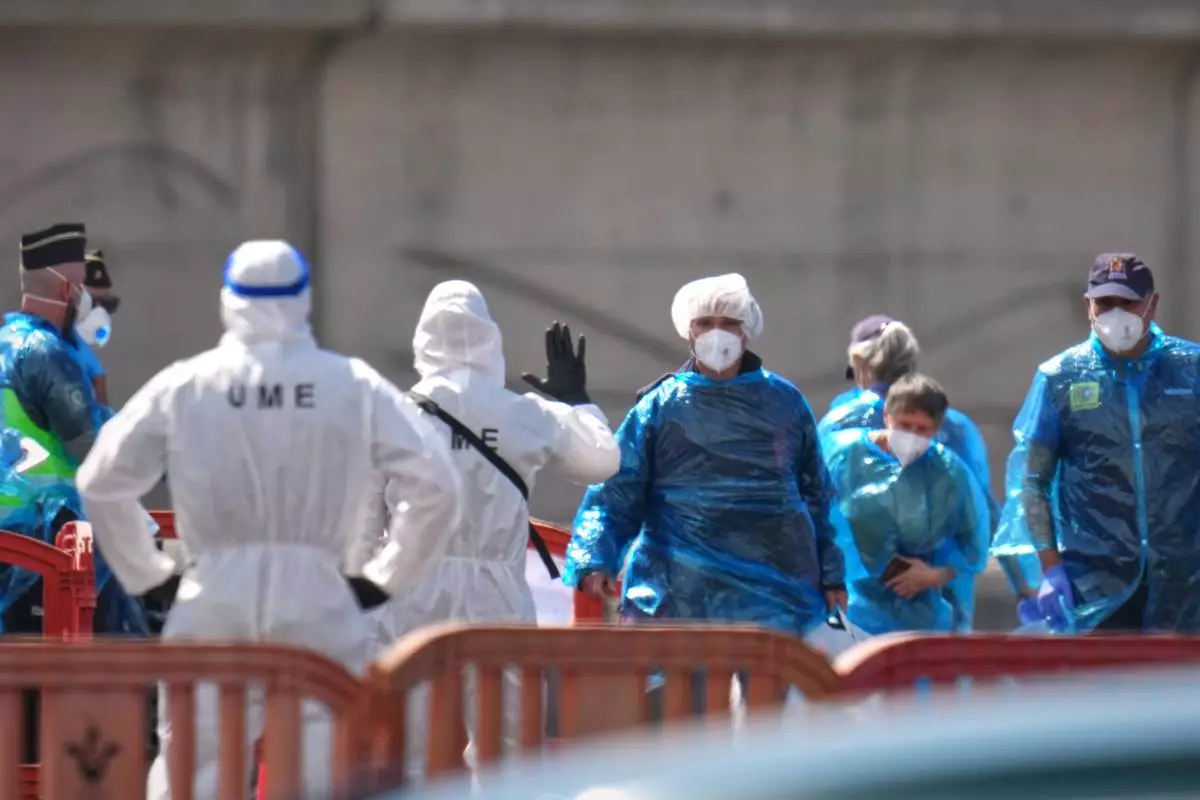
Passengers are disembarked from the hantavirus-stricken cruise ship MV Hondius at the port of Granadilla in Tenerife, Canary Islands, Spain, Sunday, May 10, 2026. (AP Photo/Manu Fernandez)
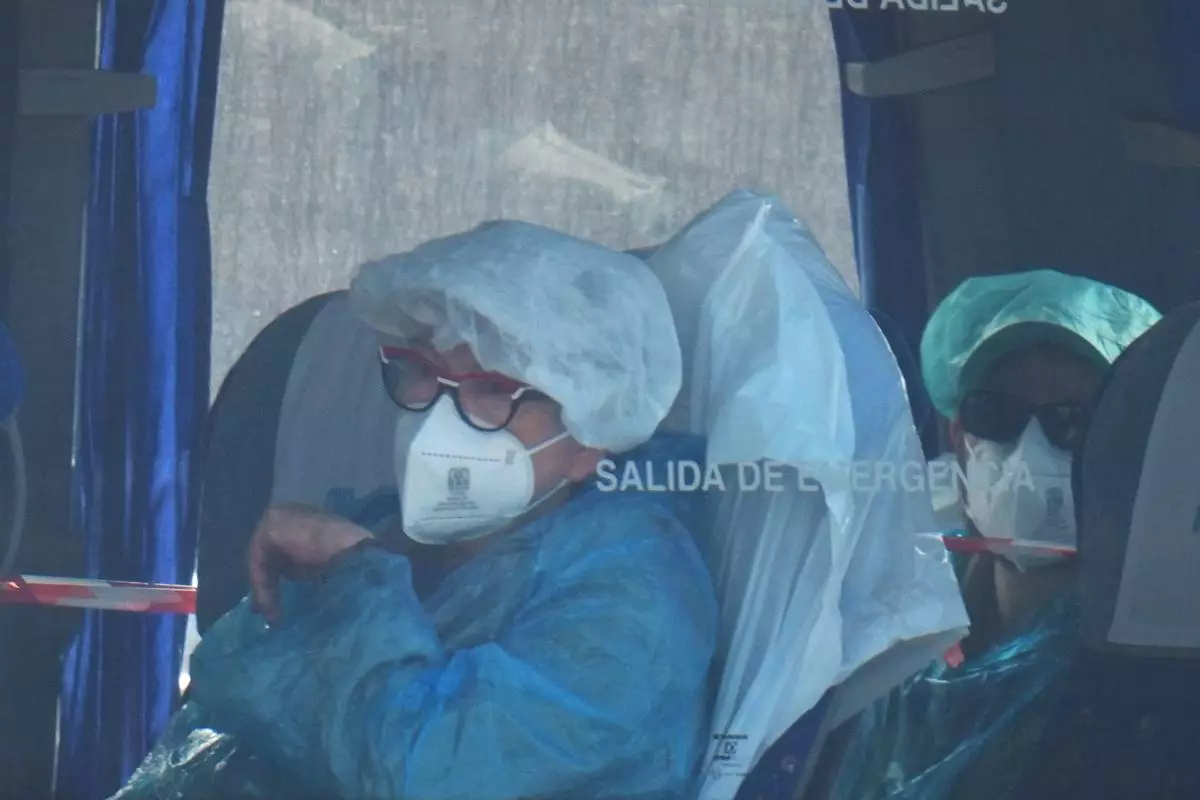
Passengers sit inside a bus after being disembarked from the hantavirus-stricken cruise ship MV Hondius at the port of Granadilla in Tenerife, Canary Islands, Spain, Sunday, May 10, 2026. (AP Photo/Manu Fernandez)
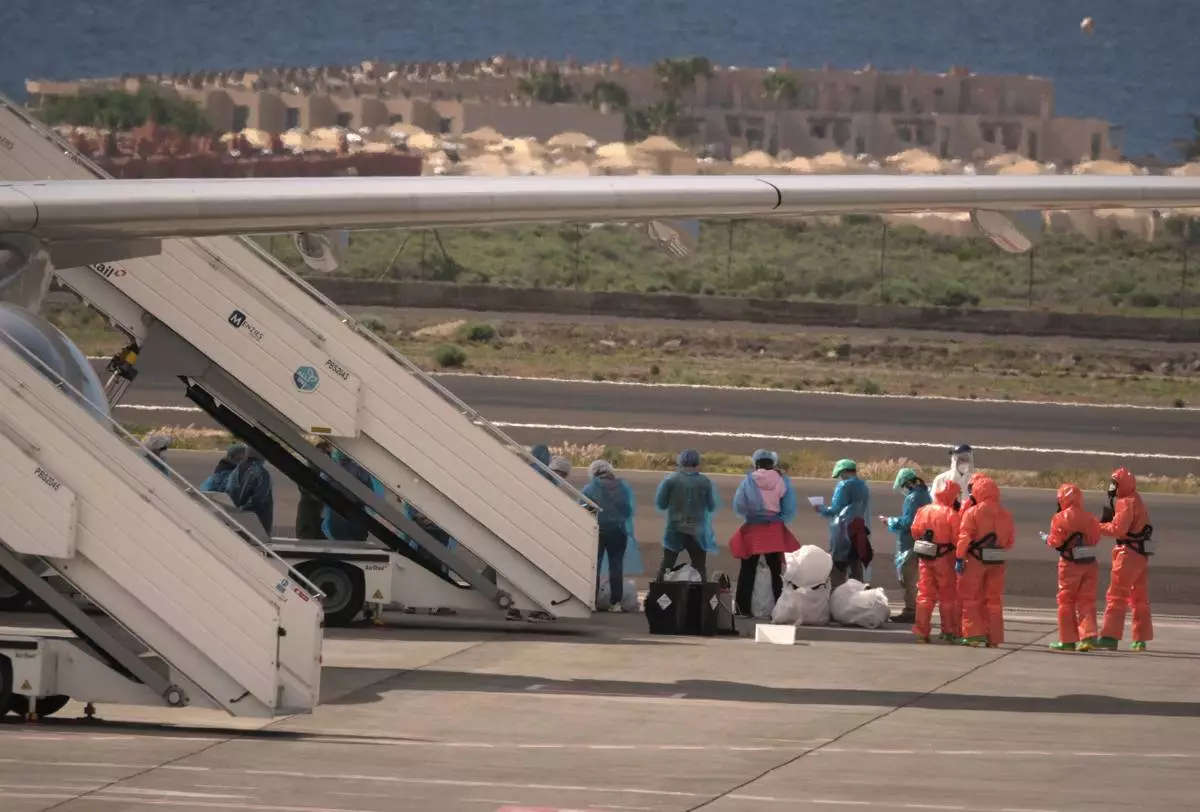
Passengers stand next to a Spanish government plane after disembarking from the hantavirus-stricken cruise ship MV Hondius at the airport in Tenerife, Canary Islands, Spain, Sunday, May 10, 2026. (AP Photo/Arturo Rodriguez)
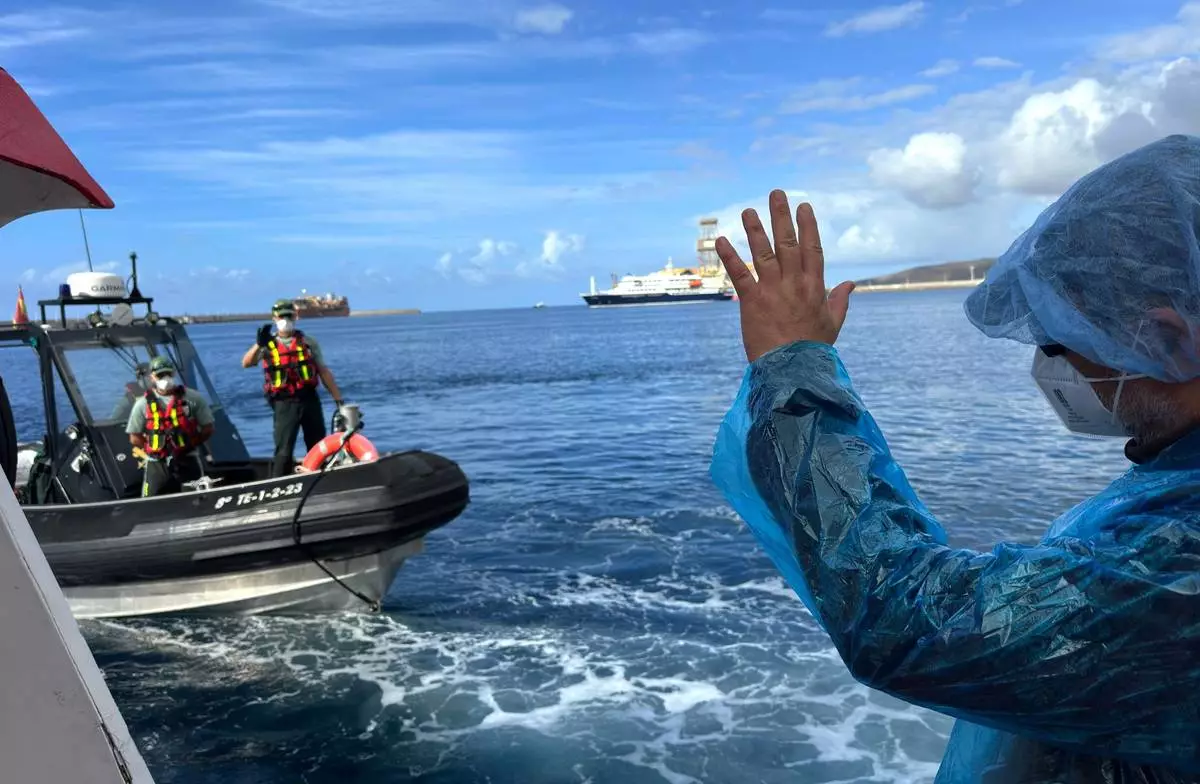
A passenger waves to the Guardia Civil officers as they are disembarked from the hantavirus-stricken cruise ship MV Hondius at the port of Granadilla in Tenerife, Canary Islands, Spain, Sunday, May 10, 2026. (AP Photo)
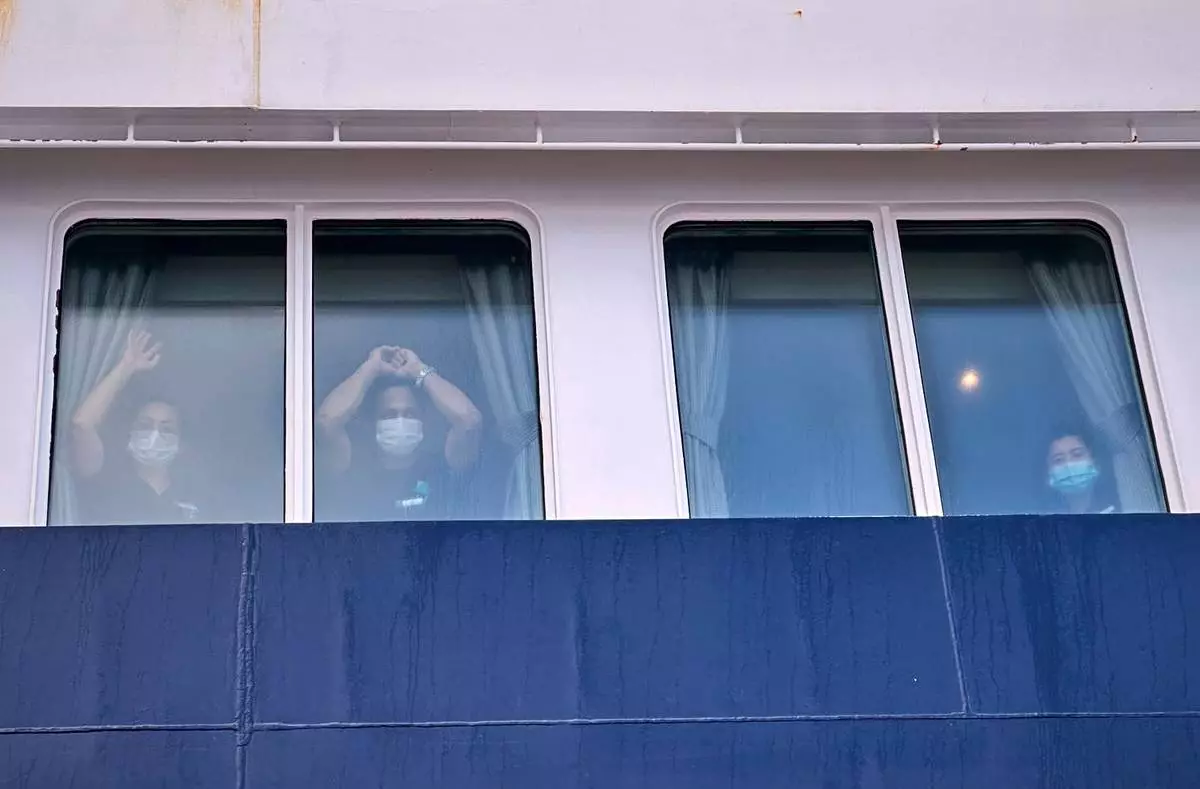
Passengers watch as others are disembarked from the hantavirus-stricken cruise ship MV Hondius at the port of Granadilla in Tenerife, Canary Islands, Spain, Sunday, May 10, 2026. (AP Photo)
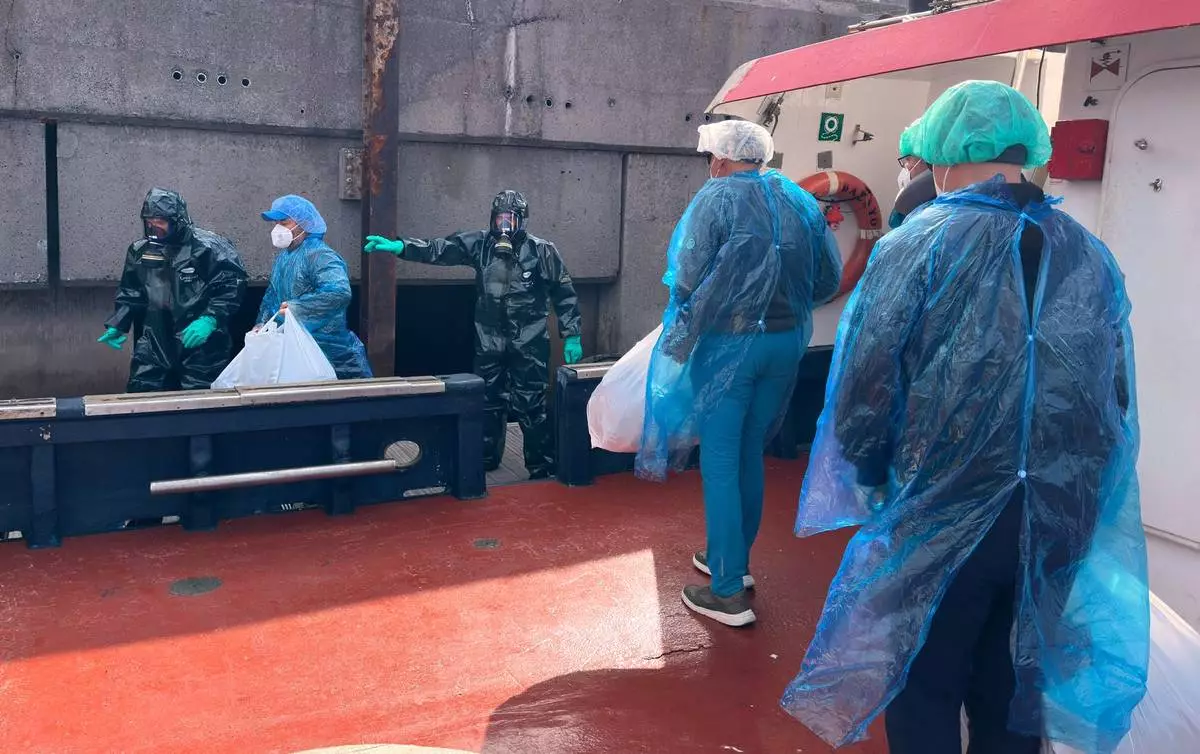
Passengers are disembarked from the hantavirus-stricken cruise ship MV Hondius at the port of Granadilla in Tenerife, Canary Islands, Spain, Sunday, May 10, 2026. (AP Photo)
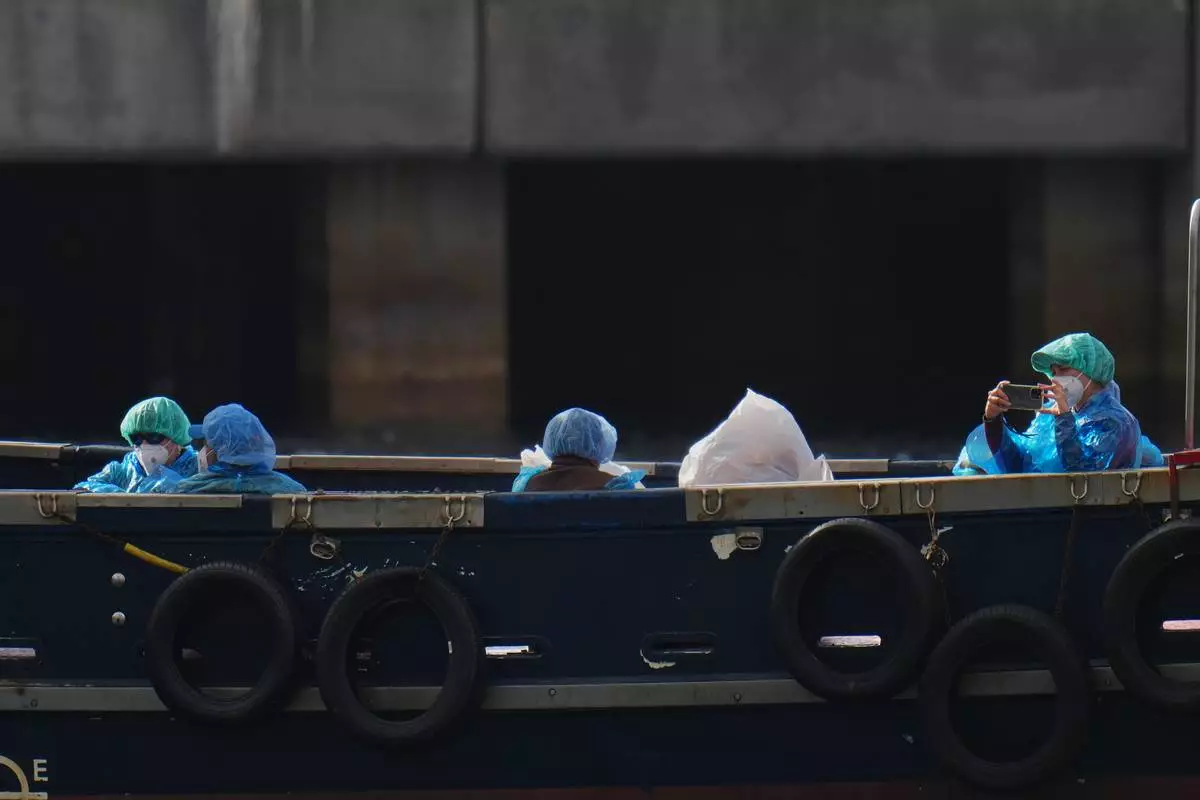
Passengers are disembarked from the hantavirus-stricken cruise ship MV Hondius at the port of Granadilla in Tenerife, Canary Islands, Spain, Sunday, May 10, 2026. (AP Photo/Manu Fernandez)
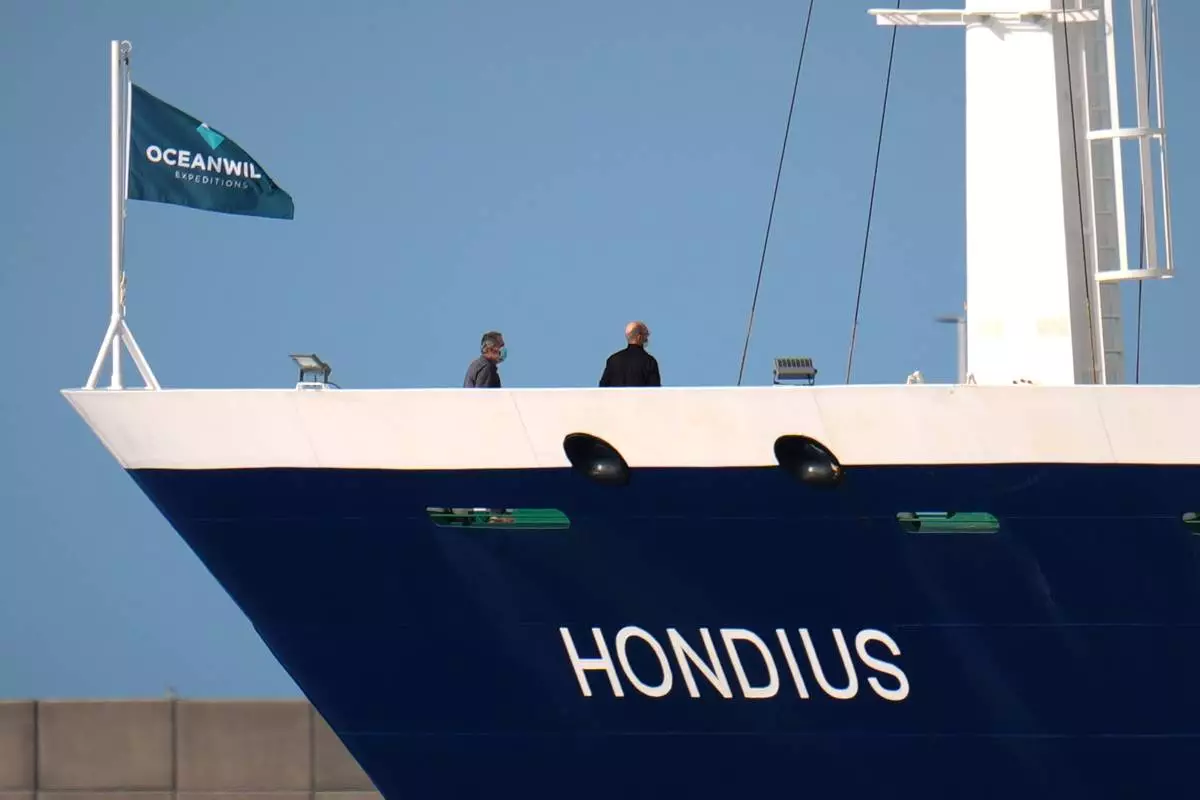
Passengers stand on the deck of the hantavirus-stricken cruise ship MV Hondius after its arrival at the port of Granadilla in Tenerife, Canary Islands, Spain, Sunday, May 10, 2026. (AP Photo/Manu Fernandez)
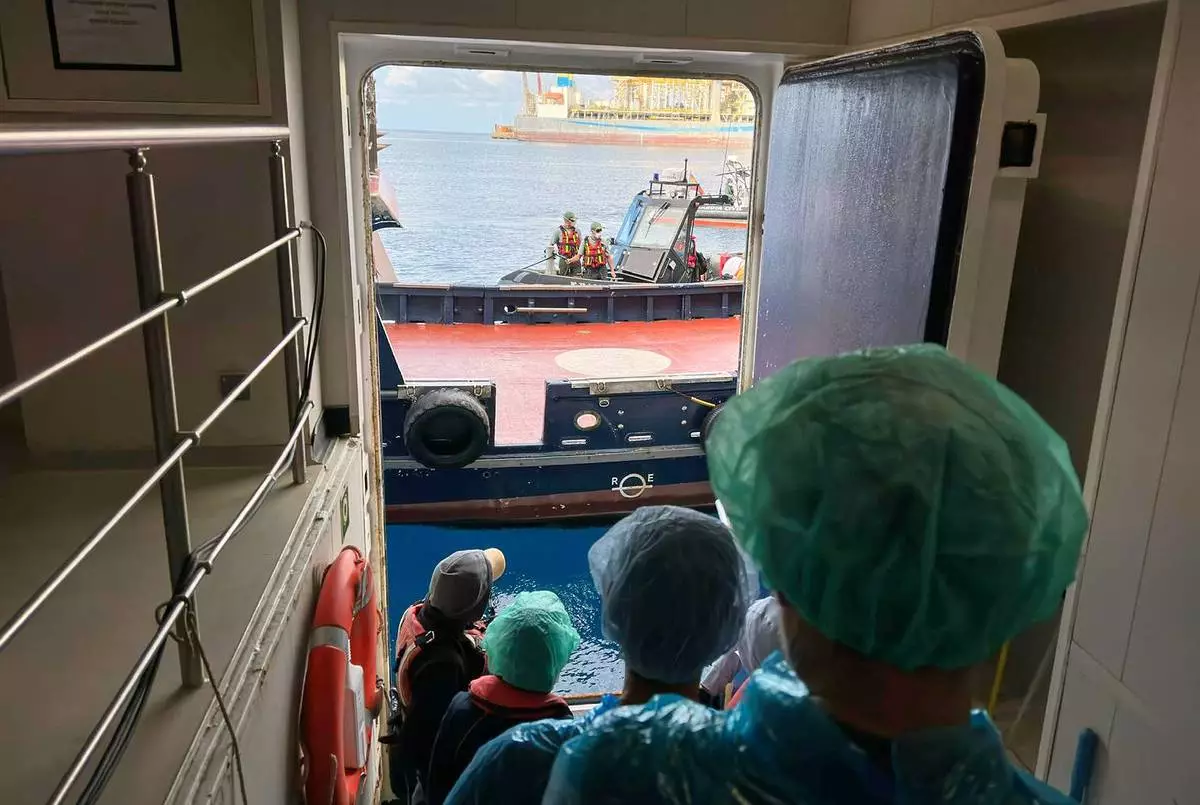
Passengers are being disembarked from the hantavirus-stricken cruise ship MV Hondius at the port of Granadilla in Tenerife, Canary Islands, Spain, Sunday, May 10, 2026. (AP Photo)
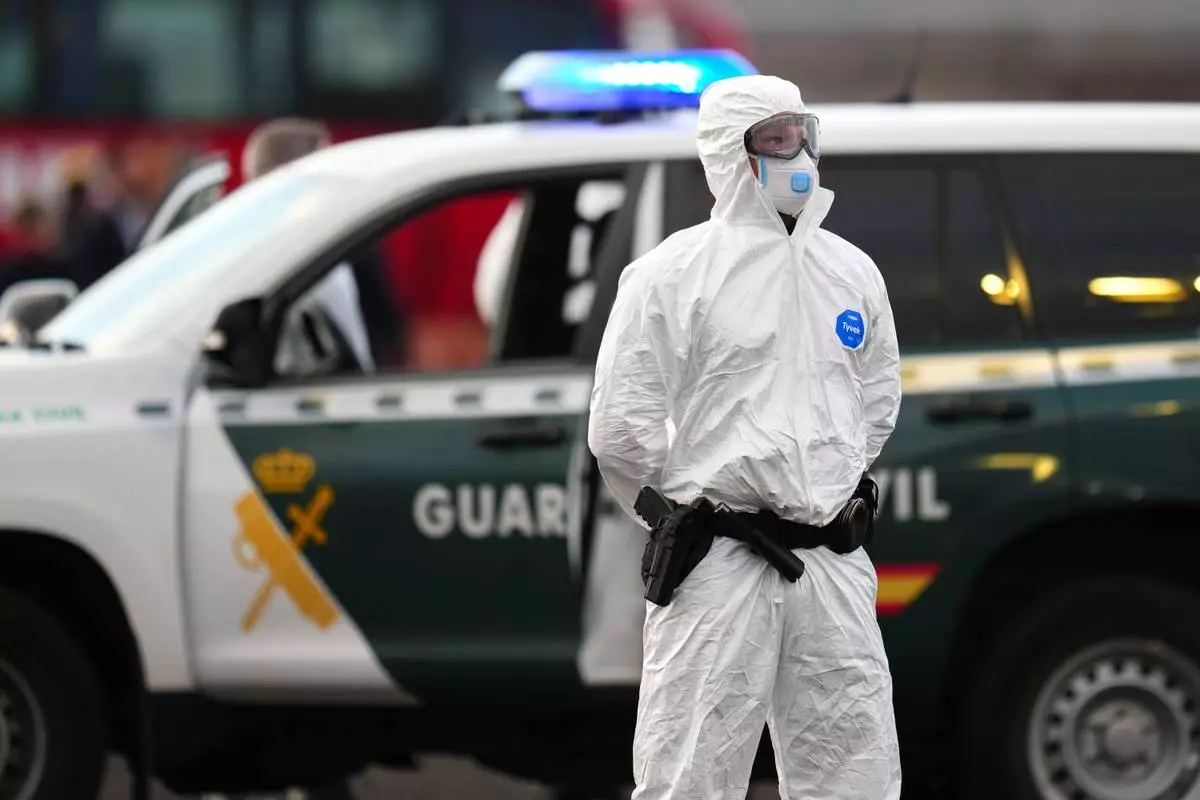
A Civil Guard border police stands guard following the arrival of hantavirus-stricken cruise ship MV Hondius at the port of Granadilla in Tenerife, Canary Islands, Spain, Sunday, May 10, 2026. (AP Photo)
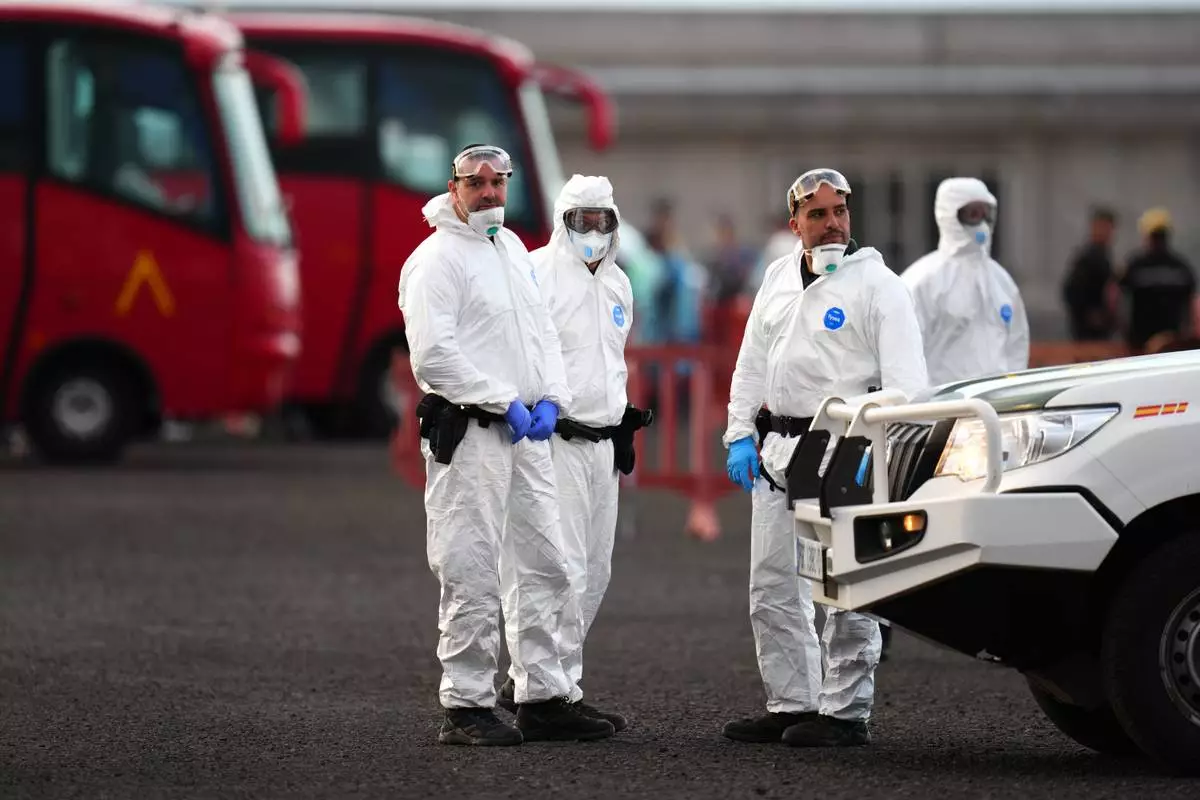
Civil Guard border police officers following the arrival of hantavirus-stricken cruise ship MV Hondius at the port of Granadilla in Tenerife, Canary Islands, Spain, Sunday, May 10, 2026. (AP Photo)
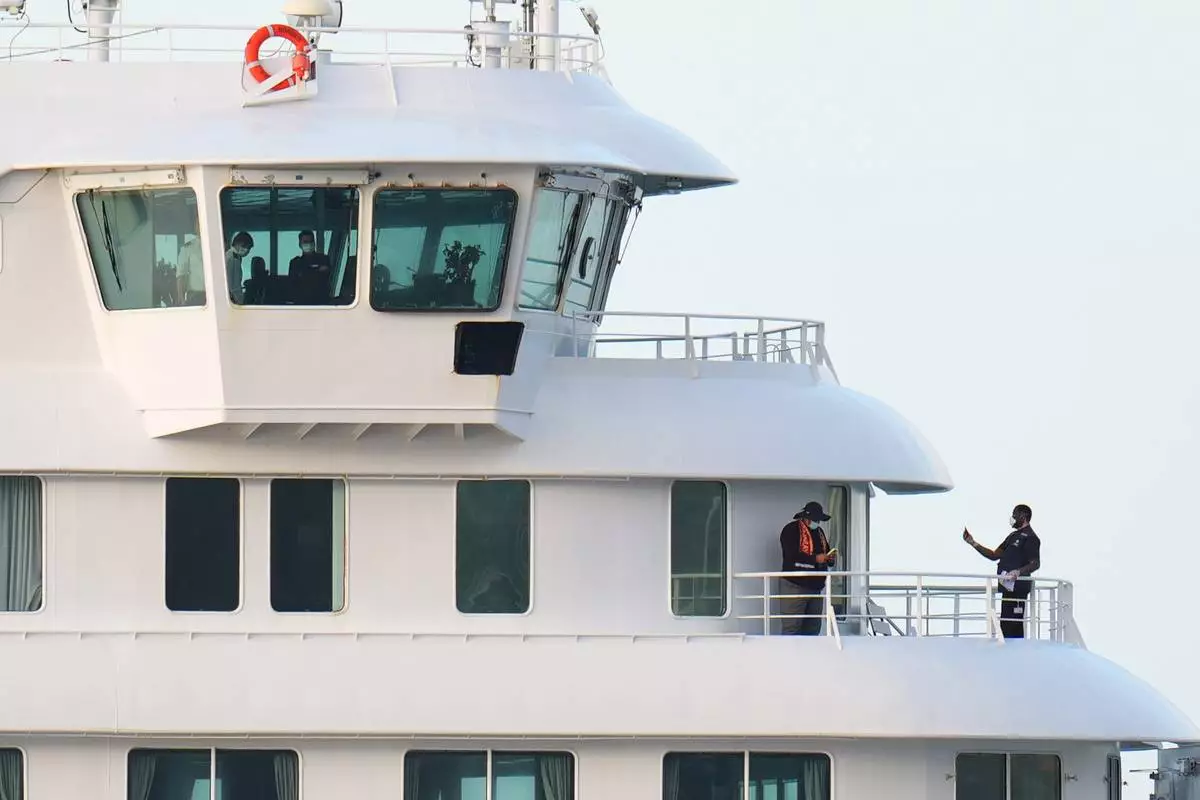
Passengers and crew at the hantavirus-stricken cruise ship MV Hondius after arriving at the port of Granadilla in Tenerife, Canary Islands, Spain, Sunday, May 10, 2026. (AP Photo/Manu Fernandez)
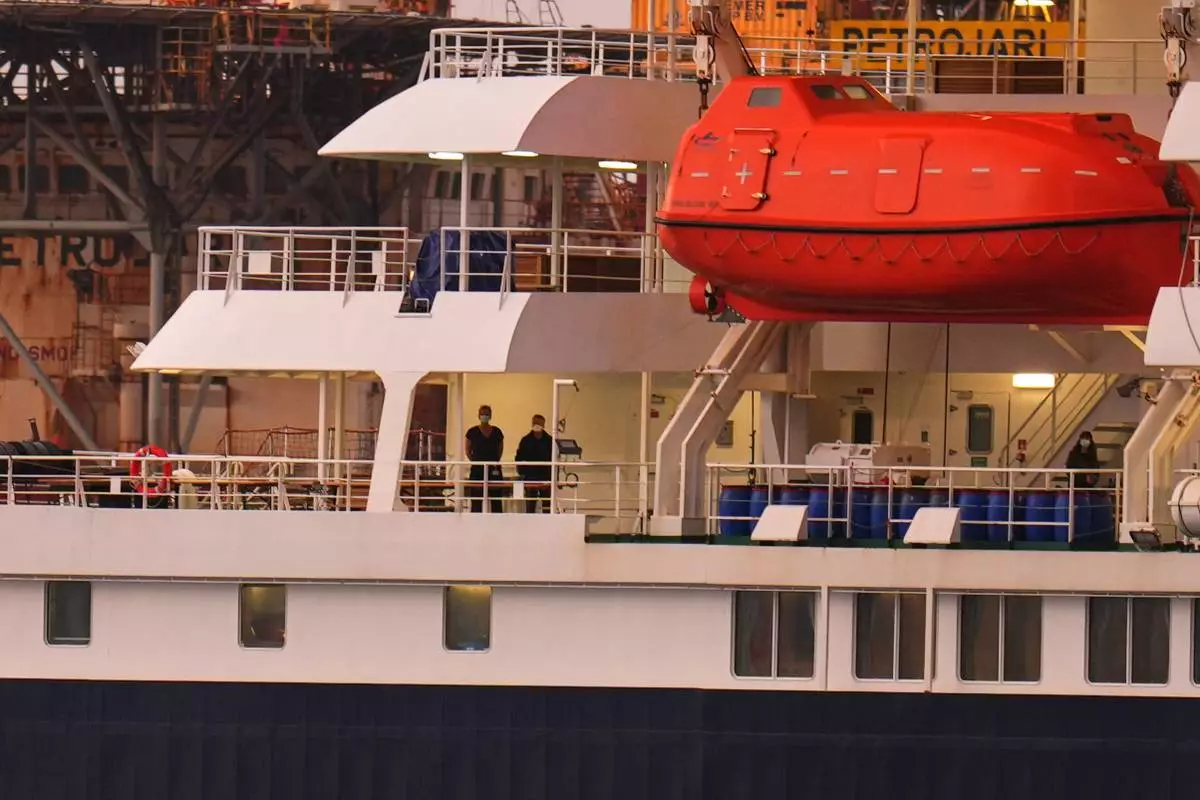
Passengers at the hantavirus-stricken cruise ship MV Hondius after arriving at the port of Granadilla in Tenerife, Canary Islands, Spain, Sunday, May 10, 2026. (AP Photo/Manu Fernandez)
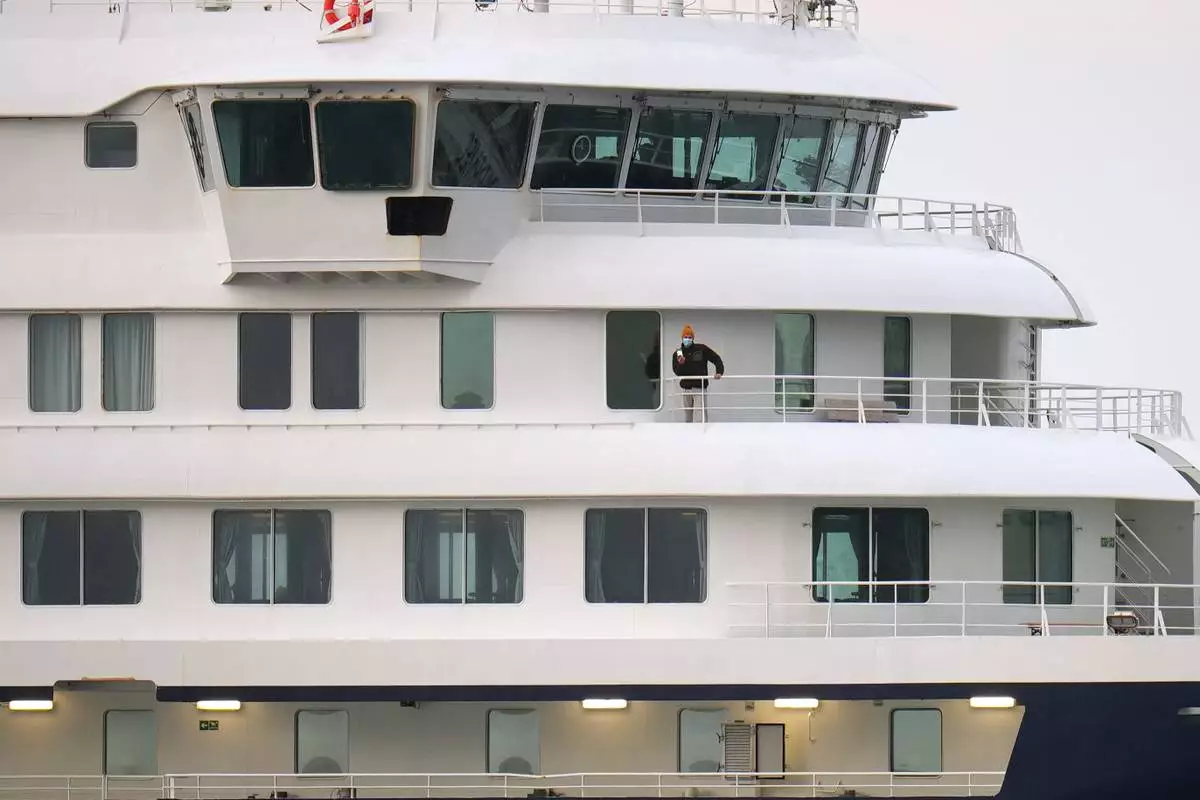
A passenger stands at the hantavirus-stricken cruise ship MV Hondius after its arrival at the port of Granadilla in Tenerife, Canary Islands, Spain, Sunday, May 10, 2026. (AP Photo/Manu Fernandez)
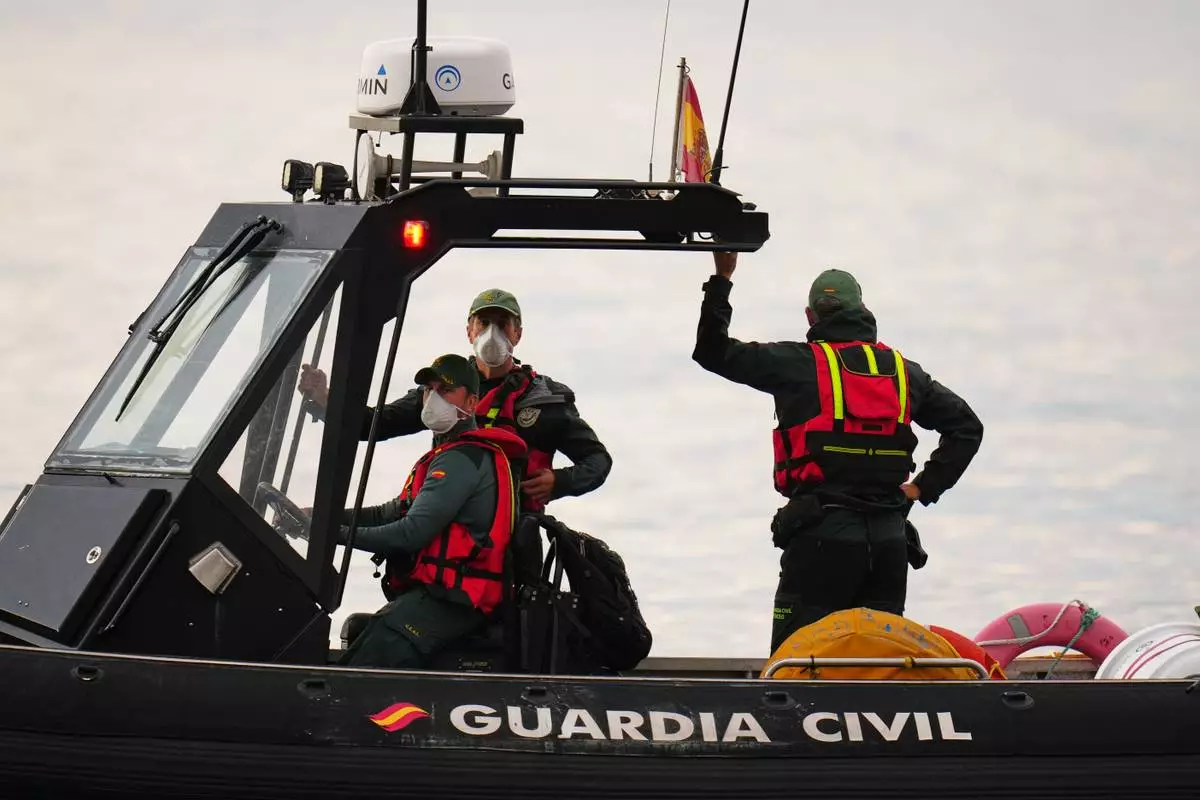
Civil Guard officers patrol next to the hantavirus-stricken cruise ship MV Hondius after its arrival at the port of Granadilla in Tenerife, Canary Islands, Spain, Sunday, May 10, 2026. (AP Photo/Manu Fernandez)
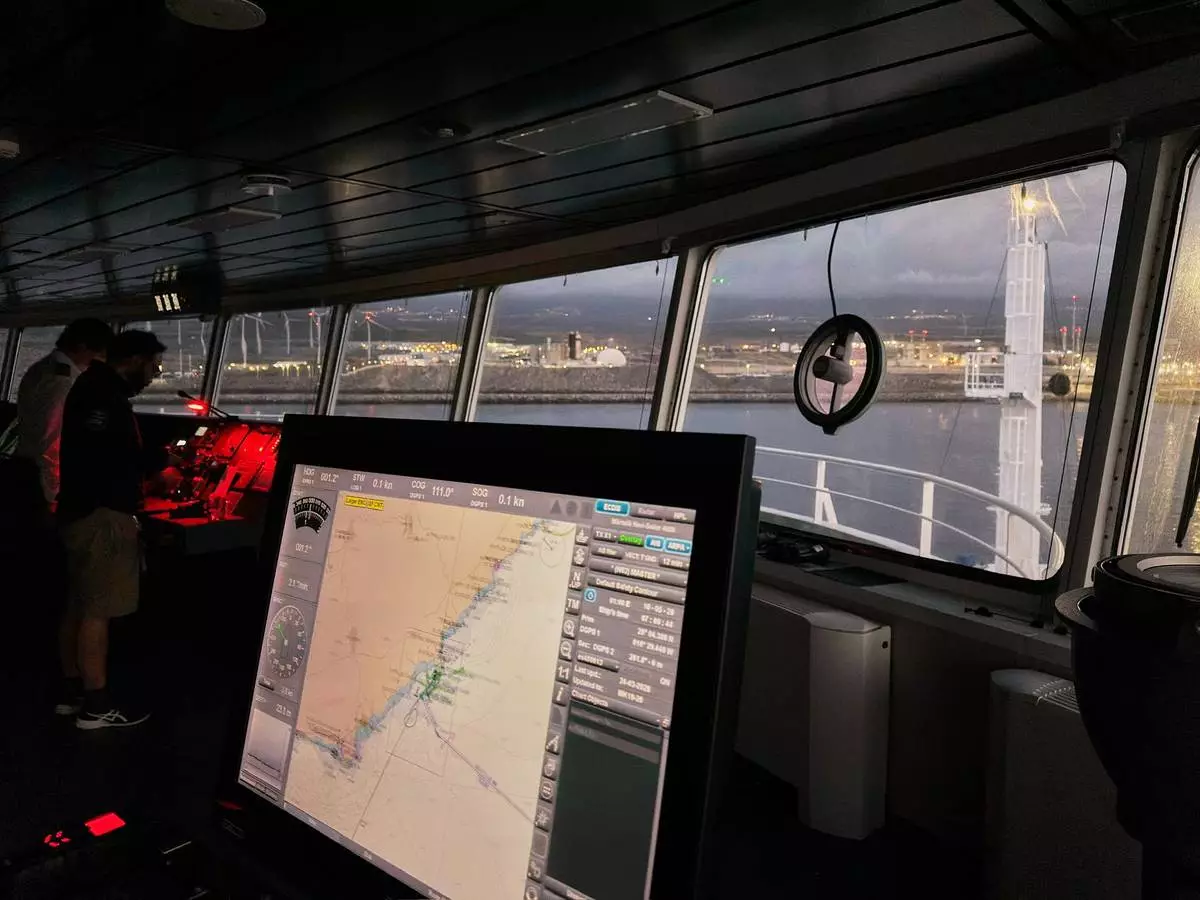
View from the bridge of the hantavirus-stricken cruise ship MV Hondius after its arrival at the port of Granadilla in Tenerife, Canary Islands, Spain, Sunday, May 10, 2026. (AP Photo)
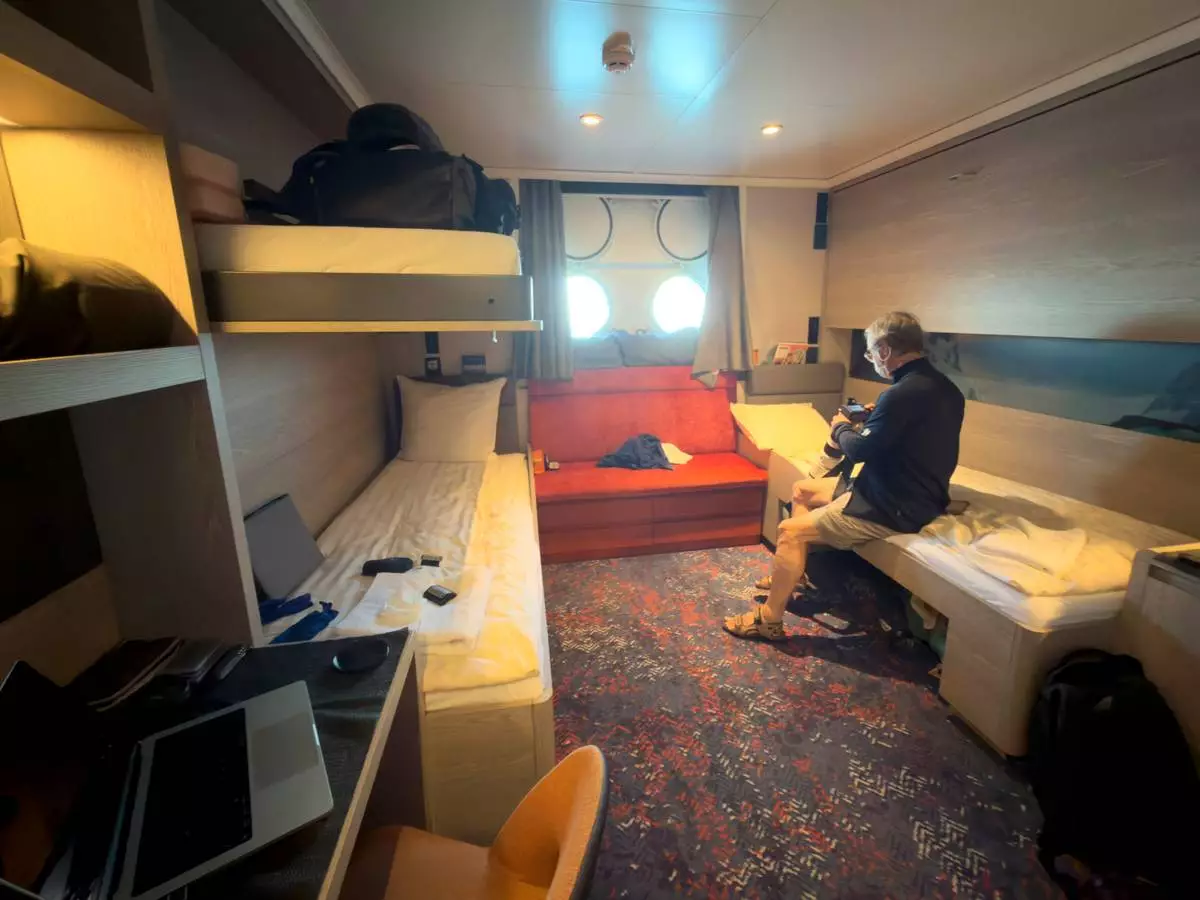
A passenger checks his camera inside his cabin on the hantavirus-stricken cruise ship, MV Hondius, during the voyage to Spain's port of Tenerife, May 6, 2026. (AP Photo)
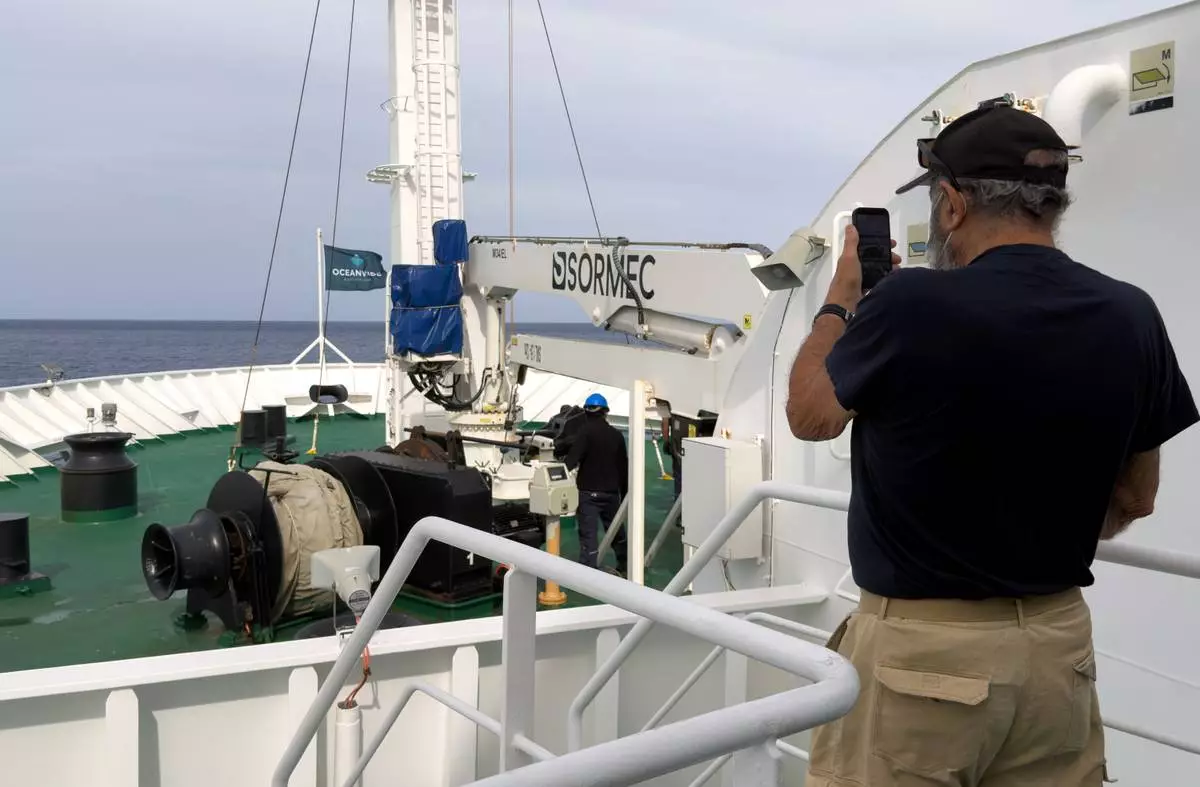
A passenger on the the hantavirus-stricken cruise ship, MV Hondius, takes a photo of the ship's weighing anchor in Praia, during the voyage to Spain's port of Tenerife, May 6, 2026. (AP Photo)
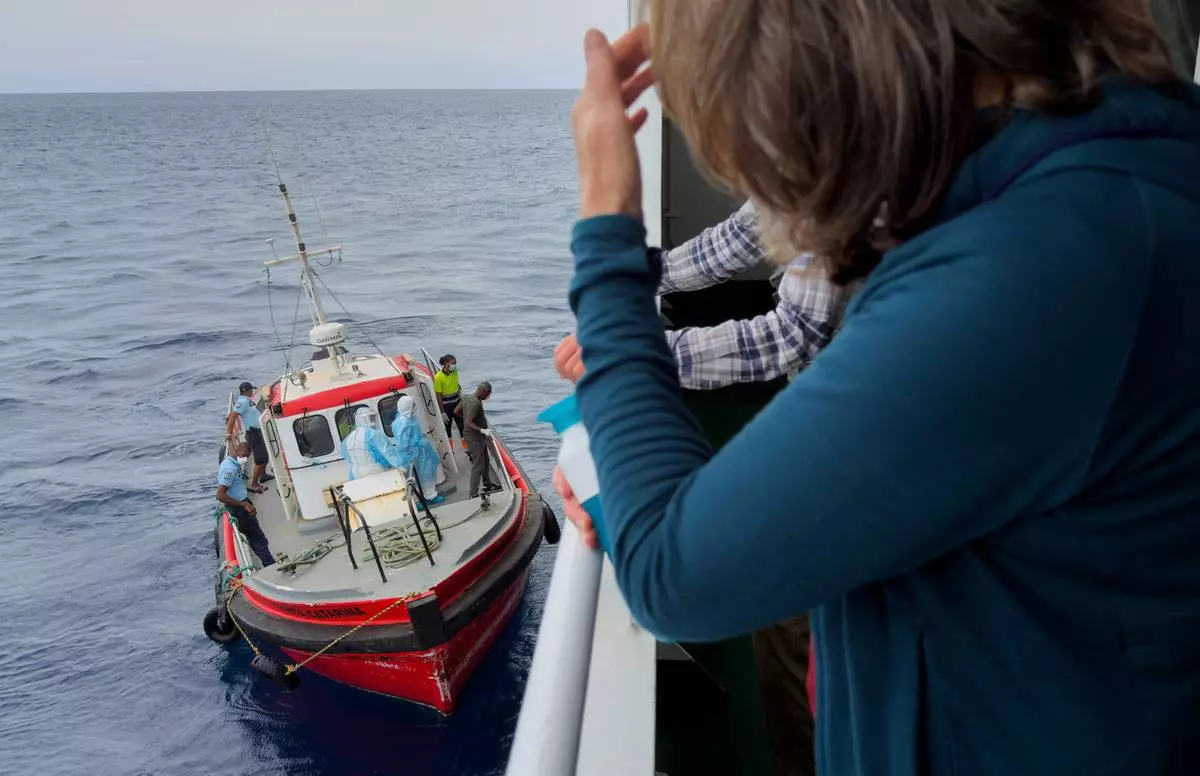
Passengers on the the hantavirus-stricken cruise ship, MV Hondius, watch epidemiologists board the boat in Praia, during their voyage to Spain's port of Tenerife, May 6, 2026. (AP Photo)
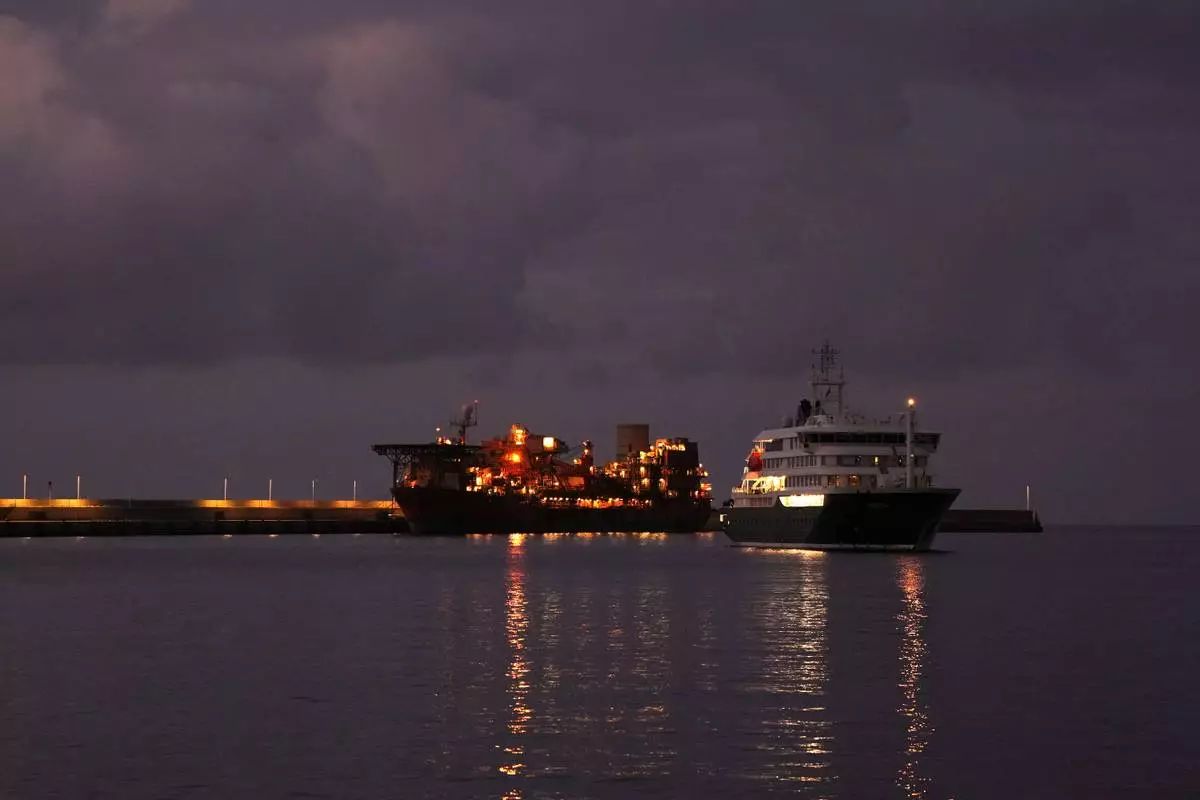
The hantavirus-stricken cruise ship MV Hondius is seen at anchor after arriving at the port of Granadilla in Tenerife, Canary Islands, Spain, Sunday, May 10, 2026. (AP Photo/Manu Fernandez)
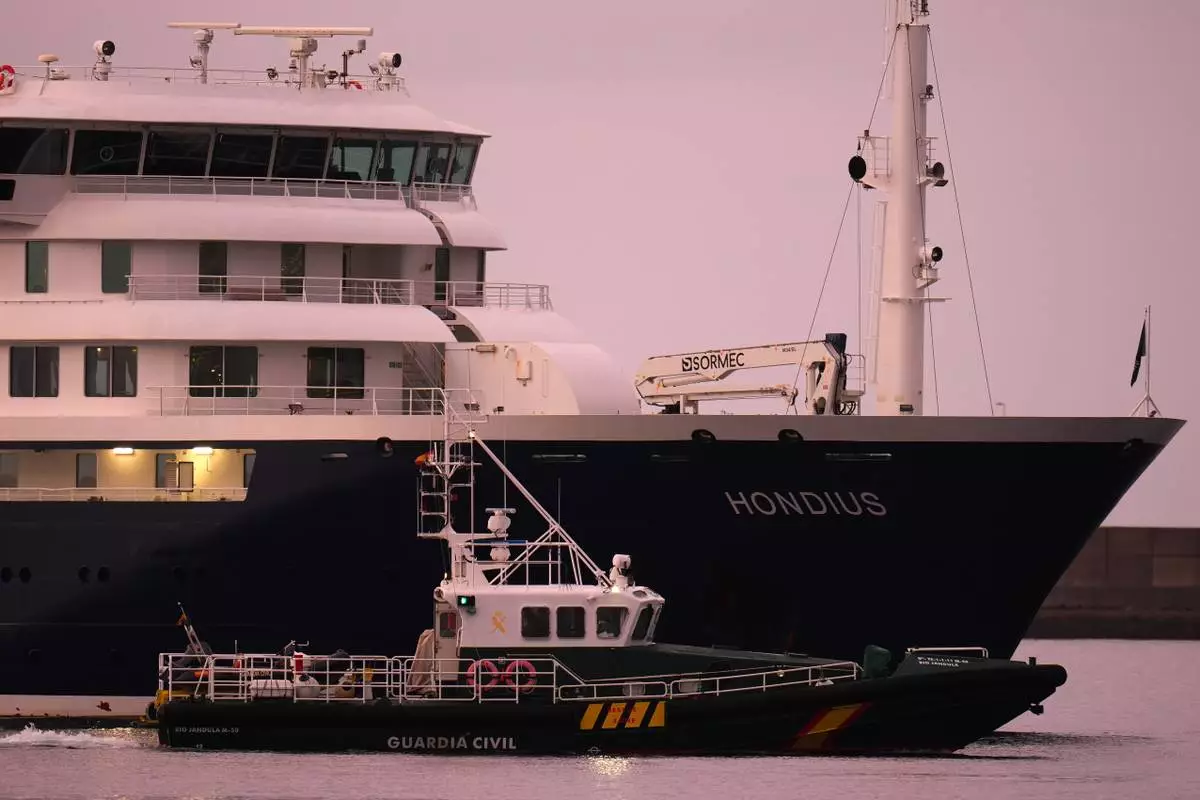
The hantavirus-stricken cruise ship MV Hondius is seen at anchor after arriving at the port of Granadilla in Tenerife, Canary Islands, Spain, Sunday, May 10, 2026. (AP Photo/Manu Fernandez)
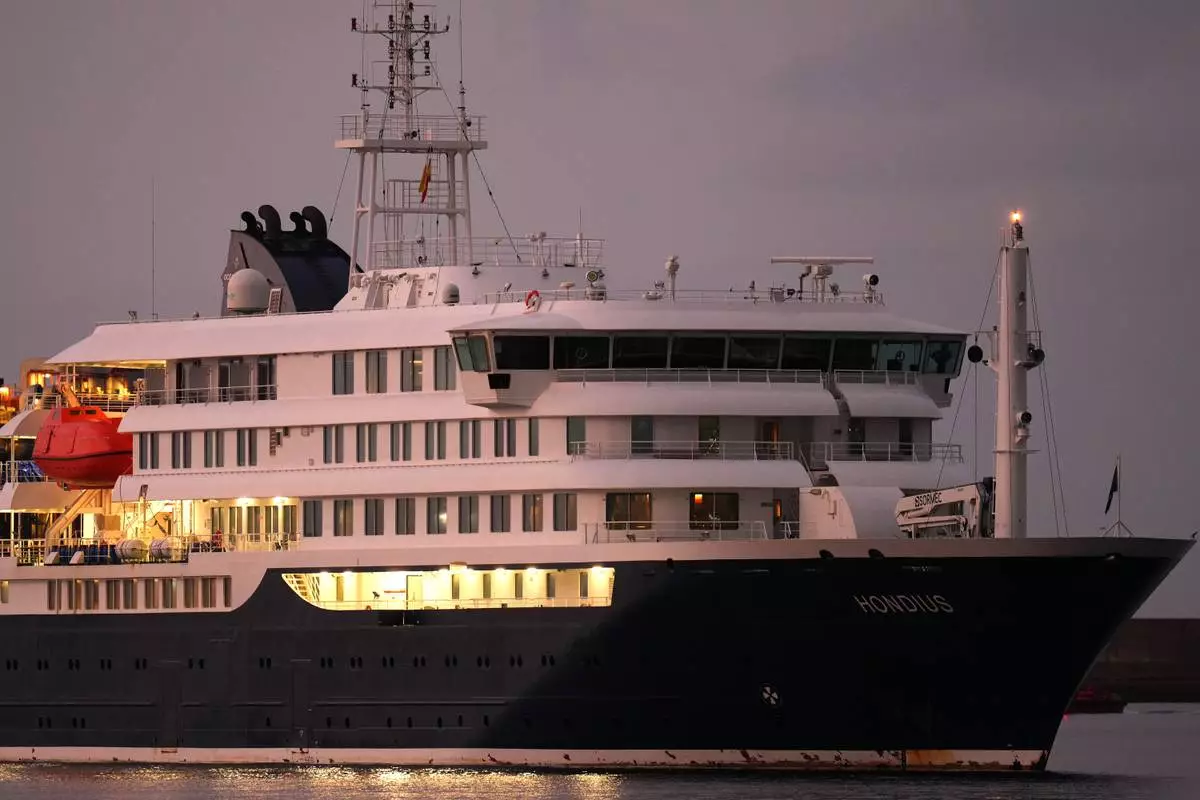
The hantavirus-stricken cruise ship MV Hondius is seen at anchor after arriving at the port of Granadilla in Tenerife, Canary Islands, Spain, Sunday, May 10, 2026. (AP Photo/Manu Fernandez)
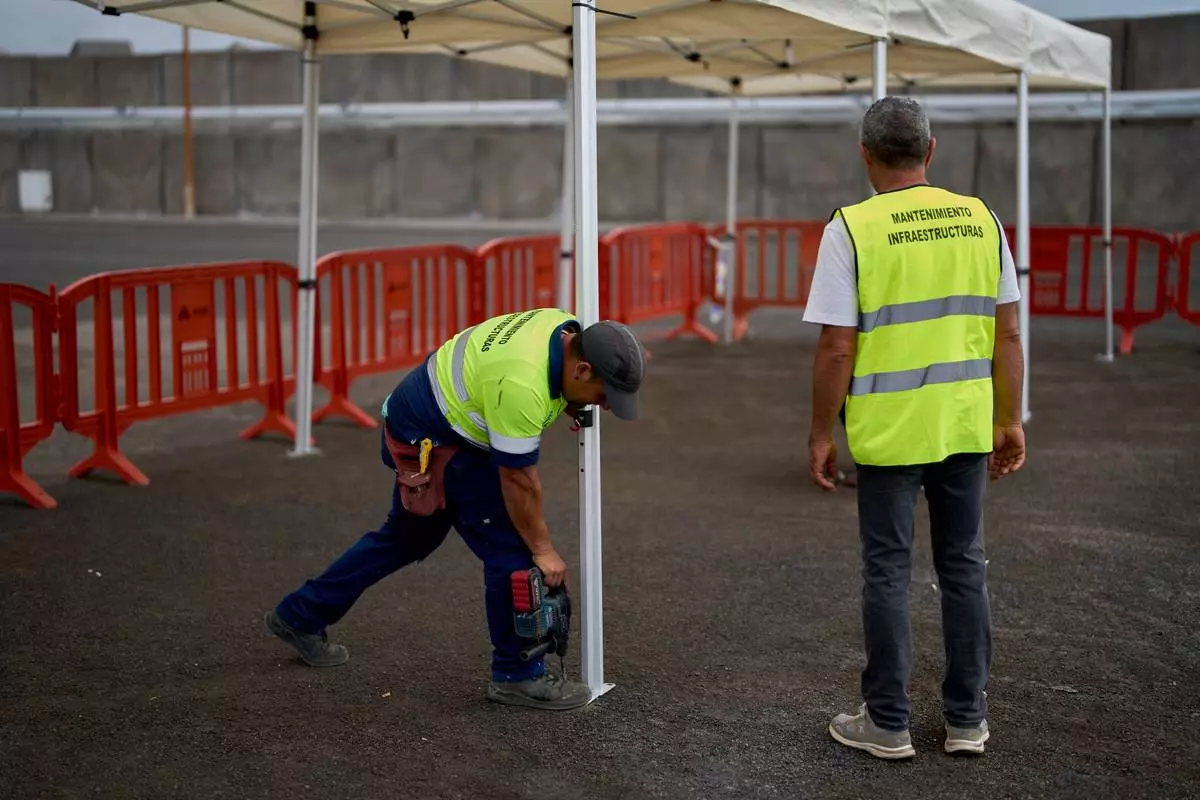
Workers set up temporary shelters in the area where passengers from the MV Hondius cruise ship are expected to arrive at the port of Granadilla in Tenerife, Canary Islands, Spain, Saturday, May 9, 2026. (AP Photo/Manu Fernandez)

Tedros Adhanom Ghebreyesus, Director-General of the World Health Organization, speaks to the media near the area where passengers from the MV Hondius are expected to arrive at the port of Port of Granadilla in Tenerife, Saturday, May 9, 2026. (AP Photo/Manu Fernandez)
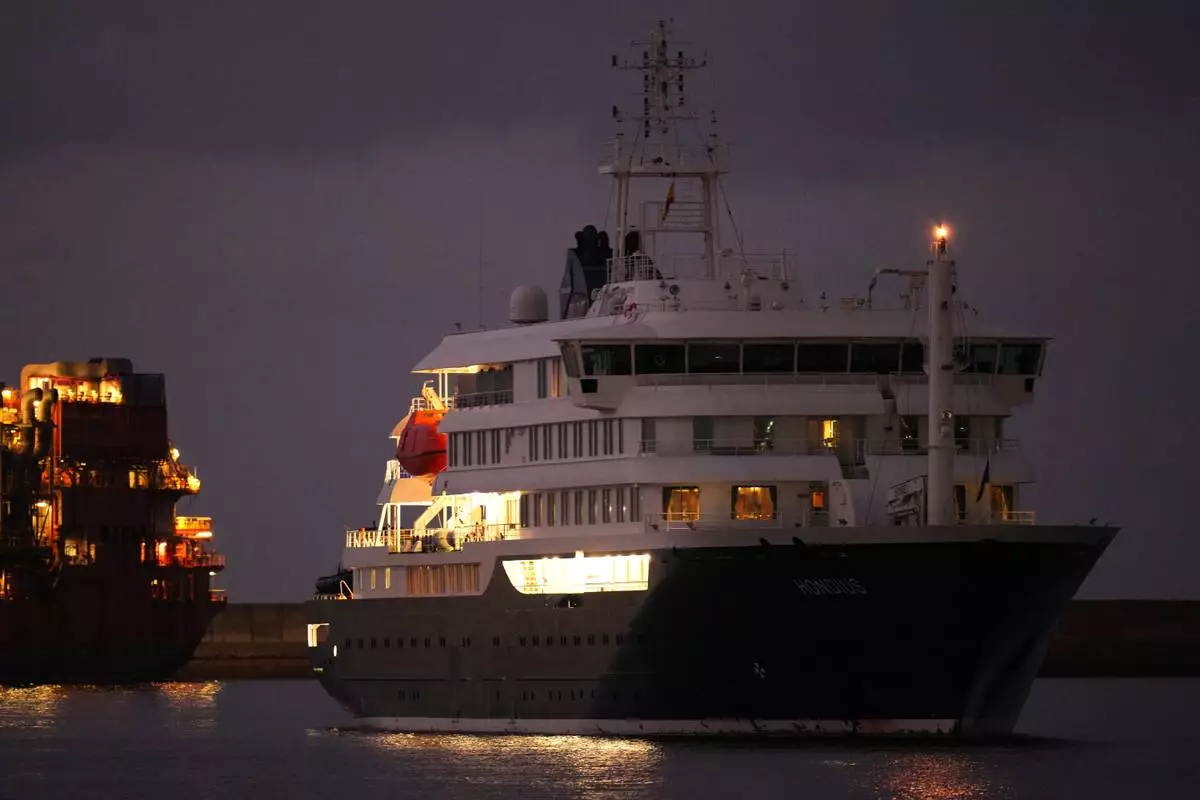
The hantavirus-stricken cruise ship MV Hondius is seen at anchor after arriving at the port of Granadilla in Tenerife, Canary Islands, Spain, Sunday, May 10, 2026. (AP Photo/Manu Fernandez)