Boeing warned plane owners in 2011 about a broken part that contributed to a UPS plane crash that killed 15 last year but at that point the plane manufacturer didn't believe it threatened safety, the National Transportation Safety Board said Wednesday.
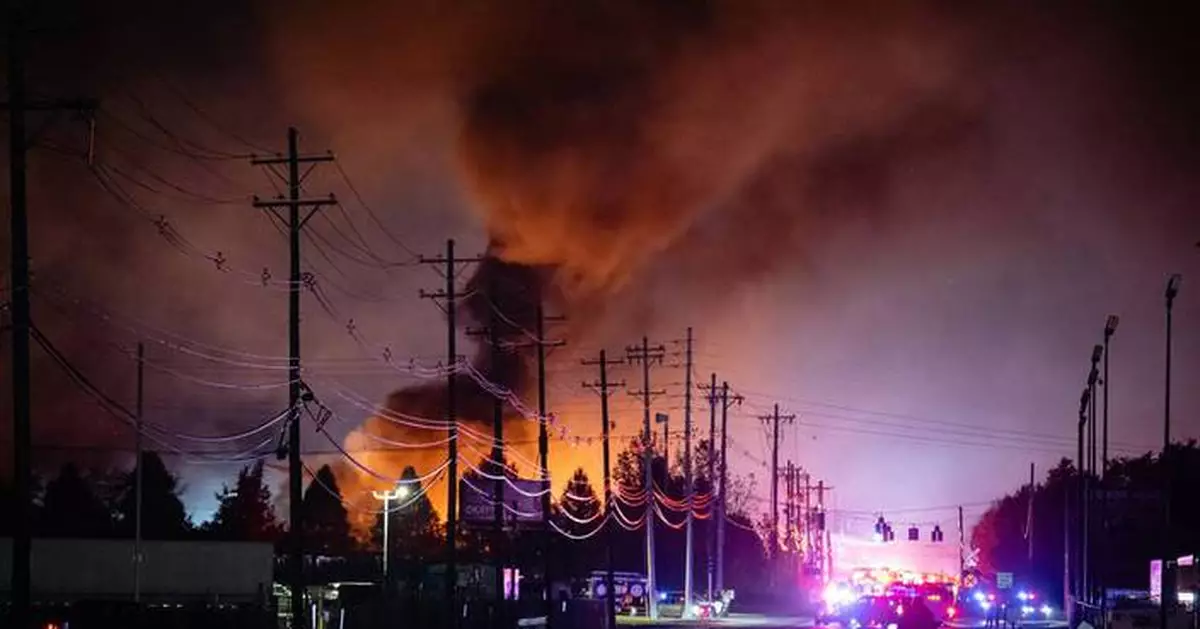
The UPS plane crashed in November 2025 shortly after taking off in Louisville, Kentucky, when the left engine flew off the wing as the plane rolled down the runway. Three pilots on the plane that was headed for Hawaii were killed along with 12 more people on the ground near Louisville’s Muhammad Ali International Airport.
Click to Gallery
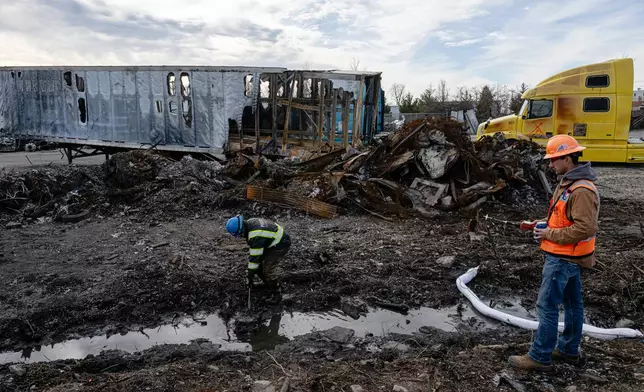
A cleanup crew detects and decontaminates water in a ditch during a tour of the UPS plane crash site, Tuesday, Jan. 13, 2026, in Louisville, Ky. (AP Photo/Jon Cherry)
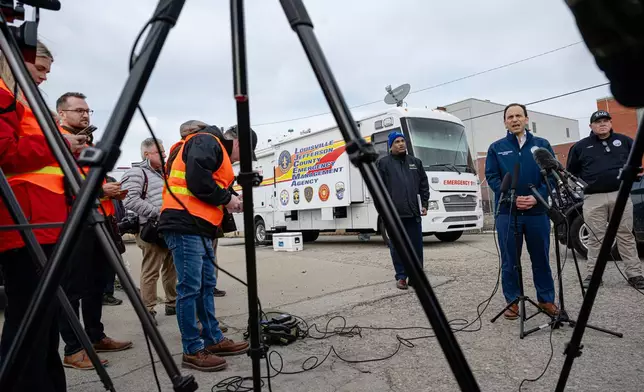
Louisville Mayor Craig Greenberg speaks during a tour of the UPS plane crash site, Tuesday, Jan. 13, 2026, in Louisville, Ky. (AP Photo/Jon Cherry)
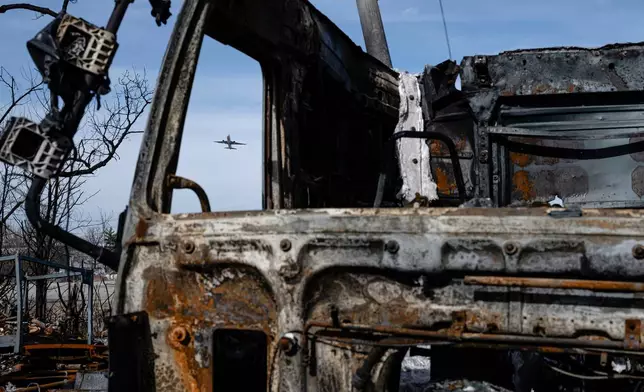
A UPS Boeing 737 takes over a destroyed truck during a tour of the UPS plane crash site, Tuesday, Jan. 13, 2026, in Louisville, Ky. (AP Photo/Jon Cherry)
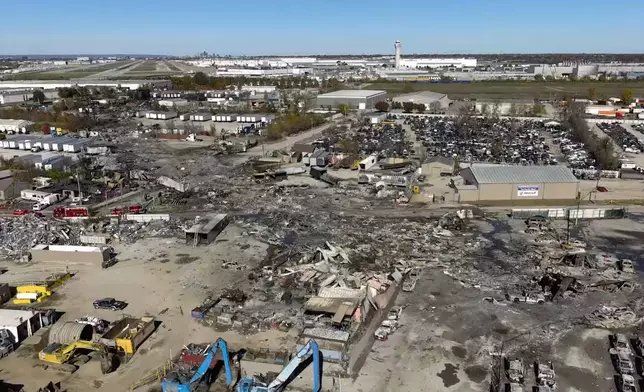
FILE - This photo provided by the National Transportation Safety Board shows UPS plane crash scene on Thursday, Nov. 6, 2025 in Louisville, Ky. (NTSB via AP, File)
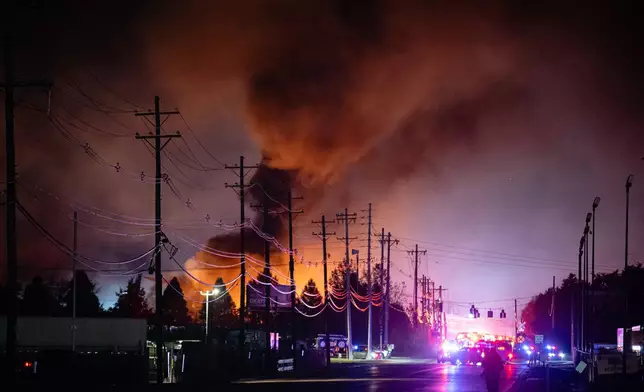
FILE - Plumes of smoke rise from the area of a UPS cargo plane crash at Louisville Muhammad Ali International Airport, on Tuesday, Nov. 4, 2025, in Louisville, Ky. (AP Photo/Jon Cherry, File)
The NTSB said Wednesday that Boeing had documented in 2011 there were four previous failures of a part that helps secure the MD-11's engines to the wings on three different planes, but at that point the plane manufacturer “determined it would not result in a safety of flight condition.” These planes were actually built by McDonnell Douglas, which was later bought by Boeing.
The NTSB previously said investigators found cracks in some of the parts that held the engine to the wing. Those cracks hadn’t been caught in regular maintenance done on the plane, which raised questions about the adequacy of the maintenance schedule. The last time those key engine mount parts were examined closely was in October 2021, and the plane wasn’t due for another detailed inspection for roughly 7,000 more takeoffs and landings.
It’s not clear when the cracks started to develop in the parts that helped hold the engine on the wing, but this crash is reminiscent of a 1979 crash in Chicago when the left engine flew off an American Airlines DC-10 during takeoff, killing 273 people. The DC-10 was the predecessor of the MD-11.
That previous crash led to the worldwide grounding of 274 DC-10s. The airline workhorse was allowed to return to the skies because the NTSB determined that maintenance workers damaged the plane that crashed while improperly using a forklift to reattach the engine. That meant the crash wasn’t caused by a fatal design flaw even though there had already been a number of accidents involving DC-10s.
But former FAA and NTSB crash investigator Jeff Guzzetti said that a service bulletin McDonnell Douglas issued in 1980 did identify failures of the spherical bearing race as a “safety of flight condition” so it's surprising that Boeing didn't call it that in 2011. He said that American had removed the engine of that plane so it could inspect that bearing.
“I just think it raises questions regarding the adequacy of the severity of the 2011 service letter, and it also raises questions about how UPS incorporated that information and acted upon it,” Guzzetti said.
The service bulletin that Boeing issued didn't require plane owners to make repairs like an FAA airworthiness directive would, and the agency didn't issue such a directive.
Former federal crash investigator Alan Diehl said the notice from Boeing recommended replacing the bearings with a redesigned part that was less likely to fail, but it still allowed operators to replace defective bearings with another older bearing that had demonstrated it was prone to failing.
“As the investigation continues, the NTSB will have to address whether this service bulletin was an adequate solution to a known problem which could have had catastrophic results,” Diehl said. “The UPS crash highlights the need for increased maintenance measures on older airframes.”
NTSB didn't say whether there had been additional documented failures of the spherical bearing race since 2011. Investigators found that part broken into two pieces after the UPS crash, and the lugs that held that part were cracked.
Photos released by the NTSB of the Nov. 4 crash show flames erupting as the rear of the engine starting to detach before it flew up and over the wing. Then the wing was engulfed by fire as the burning engine flew above it.
The factual report released Wednesday doesn’t state what caused the engine to fly off, but it's clear that investigators are focused on the failure of this bearing. The ultimate conclusion won't come though until the NTSB's final report, which usually doesn't come until more than a year after a crash.
But the report will undoubtedly be cited in the first lawsuit over the crash, filed last month, and subsequent ones. They will be investigating what Boeing knew at the time and what UPS did in response to this 2011 bulletin.
“I think that this even further demonstrates that there was warning signs that predated the crash that any reasonable organization should have utilized to make sure that the Louisville crash didn’t happen,” said attorney Brad Cosgrove of the Clifford Law firm, which filed the first lawsuit.
The report does make clear that neither of the plane's two other engines were on fire before the crash. Some experts had previously speculated that debris from the left engine might have damaged the engine on the tail.
Boeing, UPS and the Federal Aviation Administration are limited on what they can say while the NTSB investigation is ongoing, so they all declined to comment on Wednesday's report. Boeing and UPS both expressed condolences to the families that lost loved ones in the crash.
“We remain profoundly saddened by the Flight 2976 accident,” UPS spokesperson Jim Mayer said. “Our thoughts continue to be with the families and Louisville community who are grieving, and we remain focused on the recovery effort,” Mayer said.
The 34-year-old MD-11 plane only got 30 feet (9.1 meters) off the ground before crashing into several industrial buildings just past the runway and generating a massive fireball that could be seen for miles. Dramatic videos of the crash showed the plane on fire as it plowed into buildings and released a massive plume of smoke.
Airlines quit flying this type of plane commercially years ago because it isn't as efficient as newer models, but they had continued to fly for cargo carriers like UPS and FedEx and a few of these planes were also modified for use in firefighting. All the MD-11s that had been in use and 10 related DC-10s have been grounded since the crash.
Cosgrove said he thinks it will eventually become clear that these MD-11s “probably should have been retired and that they had exceeded their shelf life.”
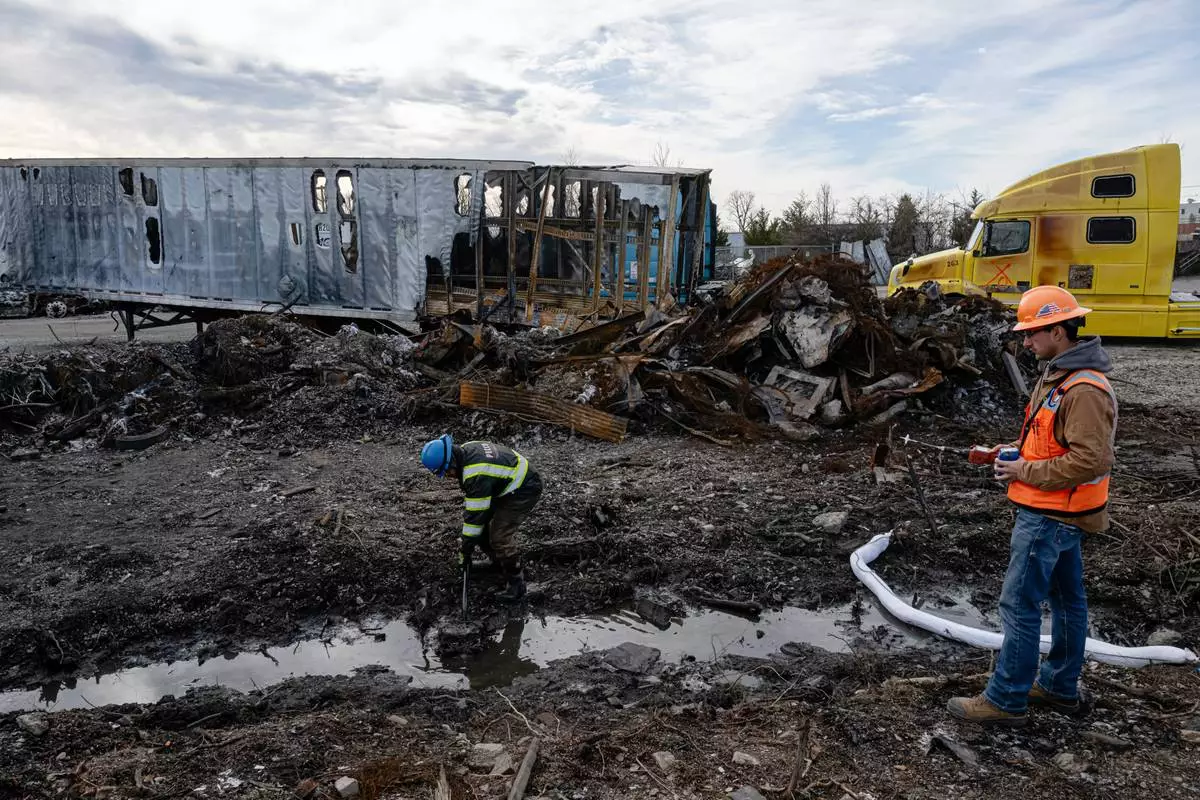
A cleanup crew detects and decontaminates water in a ditch during a tour of the UPS plane crash site, Tuesday, Jan. 13, 2026, in Louisville, Ky. (AP Photo/Jon Cherry)
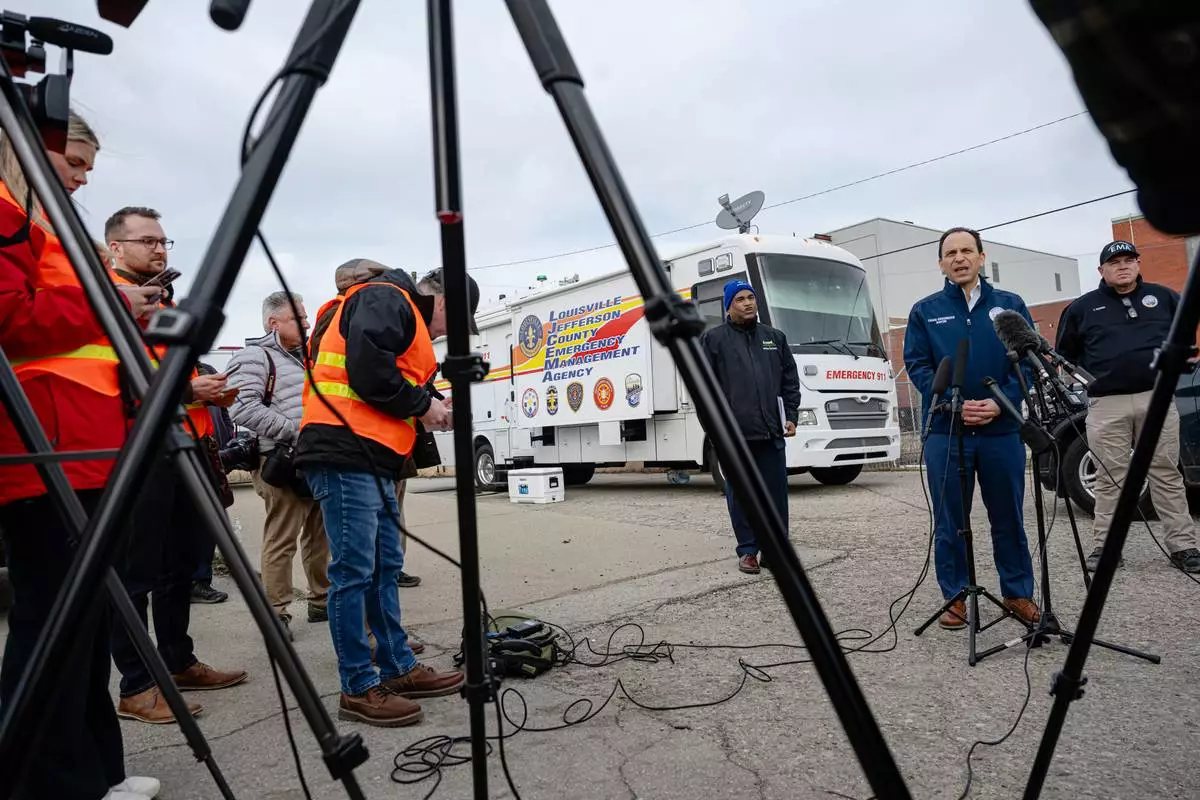
Louisville Mayor Craig Greenberg speaks during a tour of the UPS plane crash site, Tuesday, Jan. 13, 2026, in Louisville, Ky. (AP Photo/Jon Cherry)
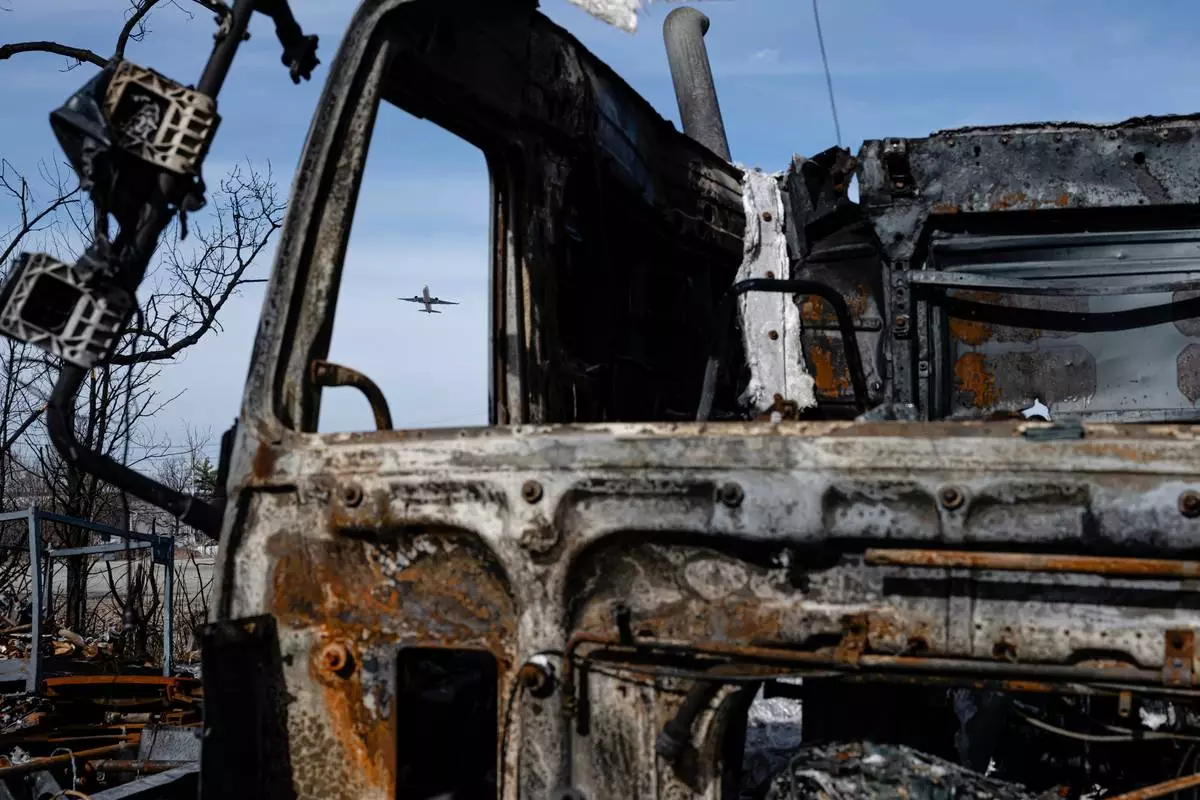
A UPS Boeing 737 takes over a destroyed truck during a tour of the UPS plane crash site, Tuesday, Jan. 13, 2026, in Louisville, Ky. (AP Photo/Jon Cherry)
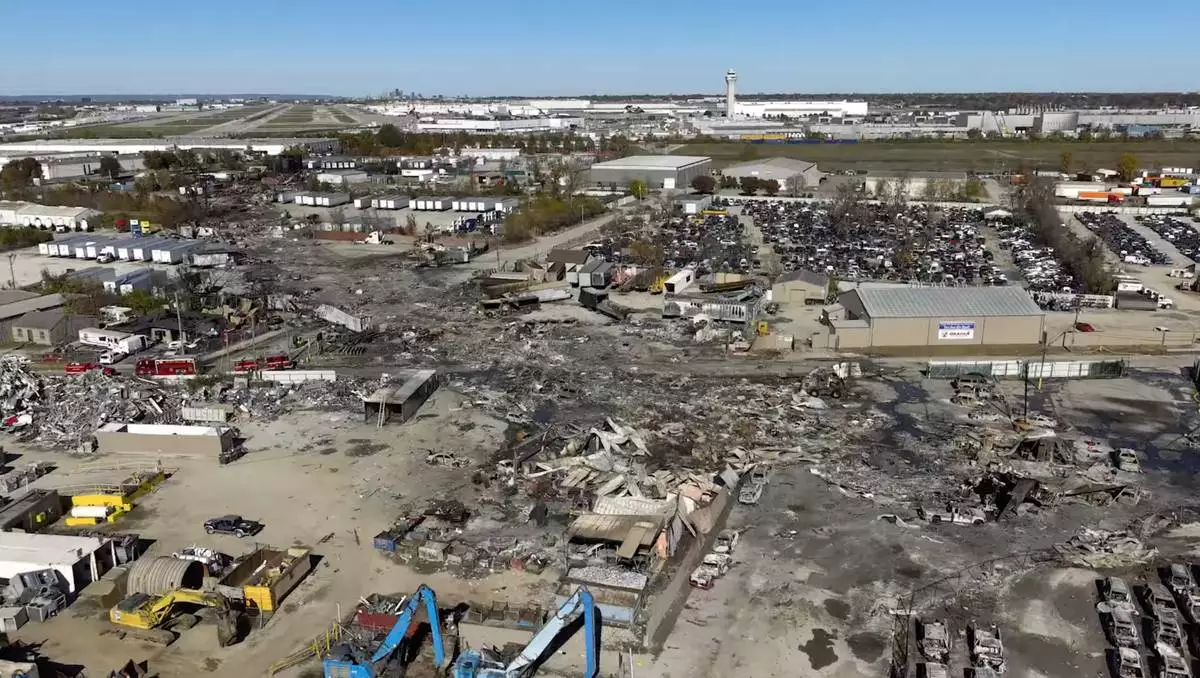
FILE - This photo provided by the National Transportation Safety Board shows UPS plane crash scene on Thursday, Nov. 6, 2025 in Louisville, Ky. (NTSB via AP, File)
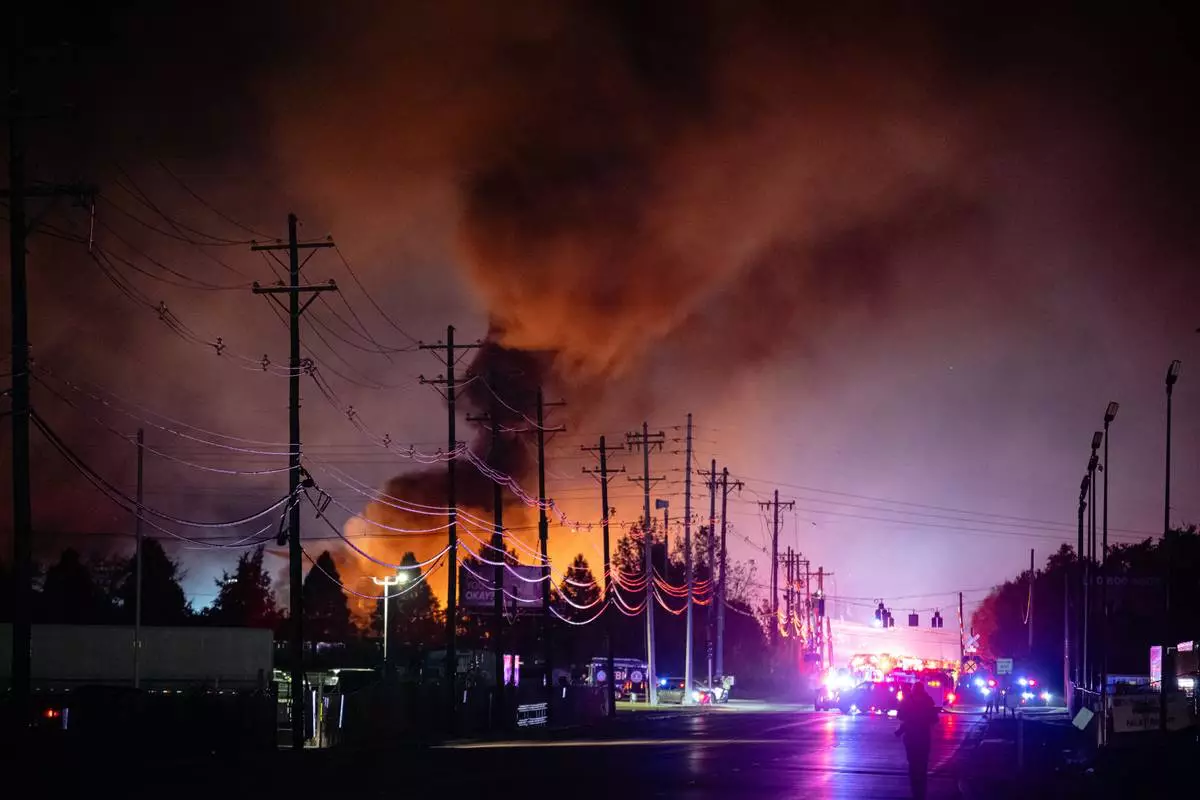
FILE - Plumes of smoke rise from the area of a UPS cargo plane crash at Louisville Muhammad Ali International Airport, on Tuesday, Nov. 4, 2025, in Louisville, Ky. (AP Photo/Jon Cherry, File)