|
Agreement Calls for Over 100,000 tonnes of Carbon Dioxide Removal (CDR) across 3 Years
GURUGRAM, India, Jan. 15, 2026 /PRNewswire/ -- Varaha, a leading developer of carbon dioxide removal (CDR) projects with smallholder farmers across Asia, today announced a major offtake agreement with Microsoft for biochar carbon removal in India.
Varaha will develop 18 industrial gasification reactors that will operate for 15 years, with a total projected removal volume exceeding 2 million tonnes of CO₂ over the project's lifetime.
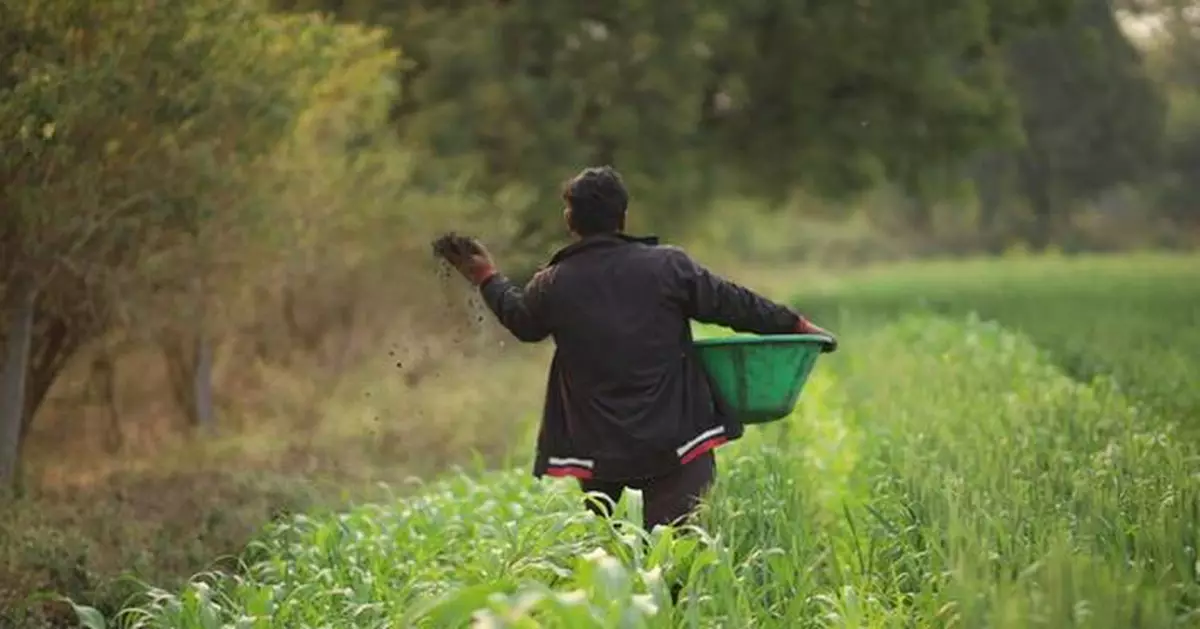
The project sources cotton stalks from smallholder farms in Maharashtra, India for use as the feedstock for biochar production. After harvest, these stalks are treated as waste biomass, and open-field burning is a common practice across the region's cotton belt. This project provides an alternative use for the stalks, converting them into biochar through Varaha's biomass gasification facilities and sequestering biogenic carbon for centuries.
Delivering Local Impact
Varaha's biochar project also delivers measurable benefits for farmers and communities:
- Improvement in Air Quality: The project mitigates the widespread burning of cotton crop residue, significantly reducing PM 2.5 pollutants that contribute to poor air quality. By providing an economically viable alternative to field burning, the initiative tackles a major source of seasonal air pollution.
- Promotion of Regenerative Agriculture: Farmers participating in the program adopt regenerative practices like crop residue mulching and biochar application to soils, improving soil health, water retention, and long-term agricultural productivity.
- Lifting Farmer Livelihoods: The program directly enhances the livelihoods of thousands of smallholder farmers, who receive payment both for contributing agricultural biomass and for implementing crop residue incorporation practices.
"This agreement demonstrates that high-integrity carbon removal can drive transformative co-benefits for communities and ecosystems," said Madhur Jain, Varaha CEO. "We're not just removing carbon—we're creating economic incentives for farmers to mitigate open burning of crop residues."
The project's first reactor will operate alongside Varaha's 52-acre cotton research farm in Maharashtra, where Varaha works directly with farmers to test sustainable practices, including soil application of biochar, under real-world conditions. With up to 18 total reactors funded across India's cotton belt through Microsoft's commitment, the focus remains clear: scaling quickly while putting farmers first.
Setting New Standards for Asian Carbon Markets
The agreement signals growing recognition of the region's potential for high-quality carbon removal projects. Biochar offers permanent carbon storage on geological timescales while supporting agricultural systems, making it one of the most promising pathways for durable carbon dioxide removal.
"This offtake agreement broadens the diversity of Microsoft's carbon removal portfolio with Varaha's biochar project design that is both scalable and durable. It represents a step forward in scaling biochar CDR growth in Asia and advancing co-benefits for farmers—improved soils, cleaner air, and shared economic opportunity," said Phil Goodman, program director, CDR at Microsoft.
The credits generated through the Varaha program meet rigorous standards for measurement, reporting, and verification, ensuring that each tonne represents genuine, permanent carbon removal.
About Varaha
Varaha is a leading developer of carbon dioxide removal (CDR) projects in Asia, with a mission of scaling smallholder farmer-led climate solutions to remove carbon from the atmosphere and strengthen rural livelihoods. Specializing in regenerative agriculture, agroforestry, biochar, and enhanced rock weathering projects across South Asia, Varaha has pioneered a technology- and science-driven approach to carbon project development since its founding in 2022. Varaha is headquartered in Gurugram, India, and operates 20 carbon projects across India, Nepal, and Bangladesh.
Agreement Calls for Over 100,000 tonnes of Carbon Dioxide Removal (CDR) across 3 Years
GURUGRAM, India, Jan. 15, 2026 /PRNewswire/ -- Varaha, a leading developer of carbon dioxide removal (CDR) projects with smallholder farmers across Asia, today announced a major offtake agreement with Microsoft for biochar carbon removal in India.
Varaha will develop 18 industrial gasification reactors that will operate for 15 years, with a total projected removal volume exceeding 2 million tonnes of CO₂ over the project's lifetime.
The project sources cotton stalks from smallholder farms in Maharashtra, India for use as the feedstock for biochar production. After harvest, these stalks are treated as waste biomass, and open-field burning is a common practice across the region's cotton belt. This project provides an alternative use for the stalks, converting them into biochar through Varaha's biomass gasification facilities and sequestering biogenic carbon for centuries.
Delivering Local Impact
Varaha's biochar project also delivers measurable benefits for farmers and communities:
- Improvement in Air Quality: The project mitigates the widespread burning of cotton crop residue, significantly reducing PM 2.5 pollutants that contribute to poor air quality. By providing an economically viable alternative to field burning, the initiative tackles a major source of seasonal air pollution.
- Promotion of Regenerative Agriculture: Farmers participating in the program adopt regenerative practices like crop residue mulching and biochar application to soils, improving soil health, water retention, and long-term agricultural productivity.
- Lifting Farmer Livelihoods: The program directly enhances the livelihoods of thousands of smallholder farmers, who receive payment both for contributing agricultural biomass and for implementing crop residue incorporation practices.
"This agreement demonstrates that high-integrity carbon removal can drive transformative co-benefits for communities and ecosystems," said Madhur Jain, Varaha CEO. "We're not just removing carbon—we're creating economic incentives for farmers to mitigate open burning of crop residues."
The project's first reactor will operate alongside Varaha's 52-acre cotton research farm in Maharashtra, where Varaha works directly with farmers to test sustainable practices, including soil application of biochar, under real-world conditions. With up to 18 total reactors funded across India's cotton belt through Microsoft's commitment, the focus remains clear: scaling quickly while putting farmers first.
Setting New Standards for Asian Carbon Markets
The agreement signals growing recognition of the region's potential for high-quality carbon removal projects. Biochar offers permanent carbon storage on geological timescales while supporting agricultural systems, making it one of the most promising pathways for durable carbon dioxide removal.
"This offtake agreement broadens the diversity of Microsoft's carbon removal portfolio with Varaha's biochar project design that is both scalable and durable. It represents a step forward in scaling biochar CDR growth in Asia and advancing co-benefits for farmers—improved soils, cleaner air, and shared economic opportunity," said Phil Goodman, program director, CDR at Microsoft.
The credits generated through the Varaha program meet rigorous standards for measurement, reporting, and verification, ensuring that each tonne represents genuine, permanent carbon removal.
About Varaha
Varaha is a leading developer of carbon dioxide removal (CDR) projects in Asia, with a mission of scaling smallholder farmer-led climate solutions to remove carbon from the atmosphere and strengthen rural livelihoods. Specializing in regenerative agriculture, agroforestry, biochar, and enhanced rock weathering projects across South Asia, Varaha has pioneered a technology- and science-driven approach to carbon project development since its founding in 2022. Varaha is headquartered in Gurugram, India, and operates 20 carbon projects across India, Nepal, and Bangladesh.
** The press release content is from PR Newswire. Bastille Post is not involved in its creation. **
Varaha Signs Carbon Removal Agreement with Microsoft
|
SINGAPORE, April 3, 2026 /PRNewswire/ -- The Sustainable Tourism Impact Fund, a partnership between Agoda, World Wide Fund for Nature (WWF) Singapore, and the UnTours Foundation, has announced its second round of investments alongside early impact results from the Fund's inaugural cohort.
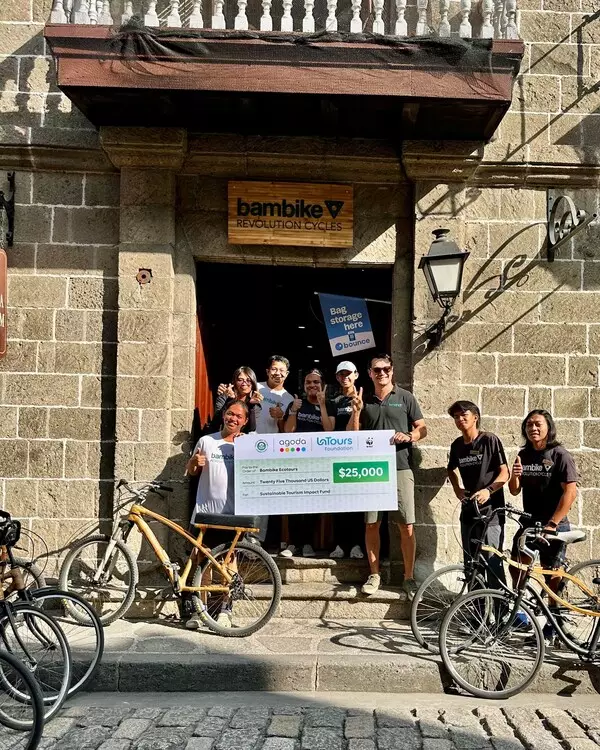
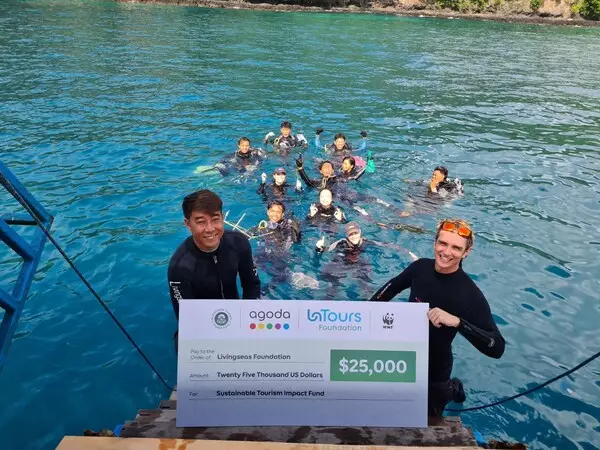
Designed to provide affordable, flexible financing to small and medium-sized tourism enterprises, the Fund supports businesses that integrate environmental restoration, climate resilience, and inclusive economic development into their core operations. Indonesia-based Livingseas Asia and Bambike Ecotours in the Philippines are the beneficiaries of the new investments. Each new investee receives USD 25,000 in loan capital to expand impact-driven initiatives across the region.
In Indonesia, Livingseas Asia combines dive tourism with coral reef restoration in Padangbai, Bali. Its nonprofit arm, the Livingseas Foundation, has restored more than 7,300 square meters of degraded reef, deploying artificial reef structures and planting over 320,000 coral fragments, with measurable biodiversity recovery. The Fund's investment will support the construction of modular housing for staff and trainees near the restoration site. This will expand Livingseas Asia's hosting capacity and strengthen the Foundation's ability to deliver marine education, conservation training, and reef restoration activities.
Bambike Ecotours in the Philippines connects bamboo agroforestry, fair trade bicycle manufacturing in rural communities, and regenerative tourism experiences. The loan will support the development of Ligtasin Cove in Batangas, a bamboo-built tourism destination that will include coastal ecotours and a bamboo nursery for reforestation and erosion control. The initiative aims to create local jobs while expanding lower-carbon tourism experiences that connect travelers with community-led environmental restoration.
"At Agoda, we believe the future of travel depends on the resilience of the destinations we serve," said Timothy Hughes, Vice President of Corporate Development at Agoda. "These investments support local pioneers integrating environmental restoration and community well-being into their operations, demonstrating the potential of impact-driven travel."
Six months after the Fund's initial investments, early results across Thailand, Indonesia, and the Philippines demonstrate encouraging environmental and community impact.
Across Southeast Asia, three organizations advanced community-led tourism in meaningful ways. In Thailand, Local Alike expanded its Travel With Care initiative to 10 destinations, launching 16 regenerative tourism activities and securing partnerships with national parks and tourism authorities to develop a white paper on regenerative tourism. In the Philippines, Ecohotels grew its Bahay Farms initiative by onboarding 22 farmers, planting 500 mango trees, increasing plant-based menu offerings from 35% to 50%, and launching its Green Warriors workforce program, with 5 of 15 trainees already placed in hospitality roles. In Indonesia, Sejiva introduced heritage walking tours and coral restoration experiences across West Java and Jakarta, while scaling its #travelpositive campaign to reach broader audiences.
"We are incredibly encouraged by the impact created so far by our inaugural cohort," said Sarah Payne, Senior Director of Impact at the UnTours Foundation. "These businesses are expanding regenerative tourism models, strengthening local livelihoods, and embedding measurable environmental outcomes into their growth. Their progress shows how flexible financing can translate into tangible impact on the ground."
The Fund is part of Agoda's broader sustainability strategy and builds on its partnership with WWF-Singapore through Agoda's Eco Deals program. Through Eco Deals, Agoda works with hotel partners across Asia to offer travelers discounted stays while directing a portion of proceeds to WWF's conservation initiatives. Those funds also support the Sustainable Tourism Impact Fund, extending conservation impact to small tourism enterprises, strengthening ecosystem health and community resilience at the destination level.
Tourism enterprises across the region advancing conservation, climate resilience, sustainable mobility, and community-led economic development are encouraged to apply for the next round of funding at: https://untoursfoundation.org/sustainable-tourism-impact-fund.
SINGAPORE, April 3, 2026 /PRNewswire/ -- The Sustainable Tourism Impact Fund, a partnership between Agoda, World Wide Fund for Nature (WWF) Singapore, and the UnTours Foundation, has announced its second round of investments alongside early impact results from the Fund's inaugural cohort.
Designed to provide affordable, flexible financing to small and medium-sized tourism enterprises, the Fund supports businesses that integrate environmental restoration, climate resilience, and inclusive economic development into their core operations. Indonesia-based Livingseas Asia and Bambike Ecotours in the Philippines are the beneficiaries of the new investments. Each new investee receives USD 25,000 in loan capital to expand impact-driven initiatives across the region.
In Indonesia, Livingseas Asia combines dive tourism with coral reef restoration in Padangbai, Bali. Its nonprofit arm, the Livingseas Foundation, has restored more than 7,300 square meters of degraded reef, deploying artificial reef structures and planting over 320,000 coral fragments, with measurable biodiversity recovery. The Fund's investment will support the construction of modular housing for staff and trainees near the restoration site. This will expand Livingseas Asia's hosting capacity and strengthen the Foundation's ability to deliver marine education, conservation training, and reef restoration activities.
Bambike Ecotours in the Philippines connects bamboo agroforestry, fair trade bicycle manufacturing in rural communities, and regenerative tourism experiences. The loan will support the development of Ligtasin Cove in Batangas, a bamboo-built tourism destination that will include coastal ecotours and a bamboo nursery for reforestation and erosion control. The initiative aims to create local jobs while expanding lower-carbon tourism experiences that connect travelers with community-led environmental restoration.
"At Agoda, we believe the future of travel depends on the resilience of the destinations we serve," said Timothy Hughes, Vice President of Corporate Development at Agoda. "These investments support local pioneers integrating environmental restoration and community well-being into their operations, demonstrating the potential of impact-driven travel."
Six months after the Fund's initial investments, early results across Thailand, Indonesia, and the Philippines demonstrate encouraging environmental and community impact.
Across Southeast Asia, three organizations advanced community-led tourism in meaningful ways. In Thailand, Local Alike expanded its Travel With Care initiative to 10 destinations, launching 16 regenerative tourism activities and securing partnerships with national parks and tourism authorities to develop a white paper on regenerative tourism. In the Philippines, Ecohotels grew its Bahay Farms initiative by onboarding 22 farmers, planting 500 mango trees, increasing plant-based menu offerings from 35% to 50%, and launching its Green Warriors workforce program, with 5 of 15 trainees already placed in hospitality roles. In Indonesia, Sejiva introduced heritage walking tours and coral restoration experiences across West Java and Jakarta, while scaling its #travelpositive campaign to reach broader audiences.
"We are incredibly encouraged by the impact created so far by our inaugural cohort," said Sarah Payne, Senior Director of Impact at the UnTours Foundation. "These businesses are expanding regenerative tourism models, strengthening local livelihoods, and embedding measurable environmental outcomes into their growth. Their progress shows how flexible financing can translate into tangible impact on the ground."
The Fund is part of Agoda's broader sustainability strategy and builds on its partnership with WWF-Singapore through Agoda's Eco Deals program. Through Eco Deals, Agoda works with hotel partners across Asia to offer travelers discounted stays while directing a portion of proceeds to WWF's conservation initiatives. Those funds also support the Sustainable Tourism Impact Fund, extending conservation impact to small tourism enterprises, strengthening ecosystem health and community resilience at the destination level.
Tourism enterprises across the region advancing conservation, climate resilience, sustainable mobility, and community-led economic development are encouraged to apply for the next round of funding at: https://untoursfoundation.org/sustainable-tourism-impact-fund.
** This press release is distributed by PR Newswire through automated distribution system, for which the client assumes full responsibility. **

Sustainable Tourism Impact Fund Expands Investments Across Southeast Asia
Sustainable Tourism Impact Fund Expands Investments Across Southeast Asia
Sustainable Tourism Impact Fund Expands Investments Across Southeast Asia