Sick person in custody dies in public hospital
A sick 70-year-old male person in custody at Siu Lam Psychiatric Centre died in a public hospital today (January 16).
The person in custody suffered from hypertension. He required continuous medical care and follow-ups at the institution hospital and public hospitals. On January 4, he was sent to a public hospital for treatment due to physical discomfort. During hospitalisation, his condition deteriorated and he was certified dead at 12.34pm today.
The case has been reported to the Police. A death inquest will be held by the Coroner's Court.
The person in custody was convicted for the offence of manslaughter and was detained under a hospital order for psychiatric treatment in 2002.
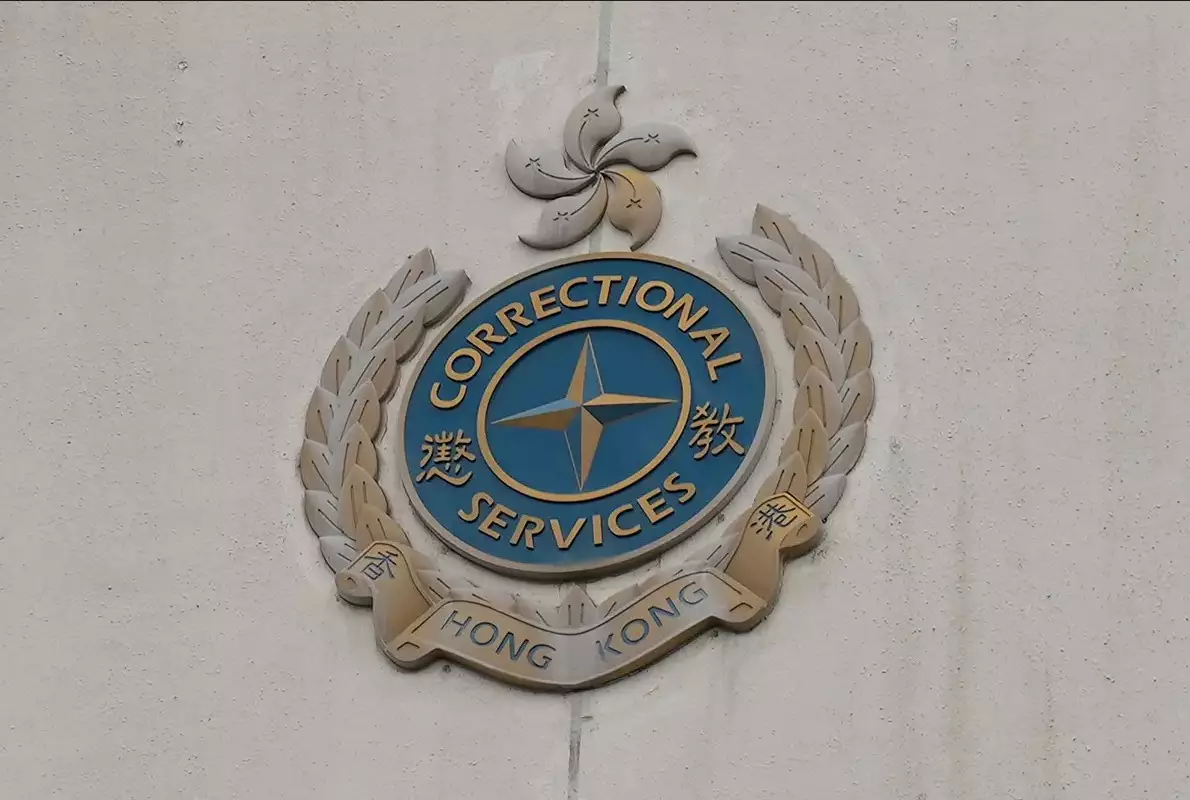
The Correctional Services Department, Photo source: reference image
FEHD calls on public and property management companies to carry out mosquito prevention and control work early
A spokesman for the Food and Environmental Hygiene Department (FEHD) said today (April 3) that, as the weather warms up in Spring, members of the public and property management companies are reminded to inspect their premises early before the rainy season and implement mosquito prevention measures to prevent mosquito from breeding.
In 2025, Hong Kong recorded 71 imported and 11 locally infected cases of chikungunya fever, 59 imported cases of dengue fever, and one imported case of Japanese encephalitis. With the frequent flow of people in and out of Hong Kong, the risk of mosquito-borne diseases being introduced remains.
Although the latest gravidtrap index for Aedes albopictus mosquitoes in different survey areas is still at the lowest Level 1, indicating that the distribution of Aedes albopictus mosquitoes in the areas surveyed was not extensive, the index is expected to increase as the weather becomes warm and rainfall increases. In response, the FEHD has launched a series of enhanced work to minimise the risk of mosquito infestation. Among them, the FEHD has earlier coordinated various relevant departments to carry out a territory-wide anti-mosquito campaign. District Environmental Hygiene Offices of the FEHD will convene meetings of the inter-departmental task forces on anti-mosquito work across districts, carry out stagnant water removal and mosquito prevention and control operations targeting surrounding areas of residences, schools, construction sites, public housing estates, hospitals, illegal cultivation sites, waterfront public and private cargo working areas, land immigration control points, typhoon shelters and cross-boundary ferry terminals, and eradicate adult mosquitoes by means of regular ultra-low volume fogging operations.
In addition, the FEHD has collaborated with the Property Management Services Authority (PMSA) to formulate the Best Practice Guide on "Mosquito Prevention and Control in Residential Properties" with a view to more effectively assisting licensed property management companies and practitioners in carrying out mosquito prevention and control work. The FEHD will contact site managers of construction sites, schools, property management and other venues through relevant departments and PMSA to remind them to implement anti-mosquito measures and provide technical advice. The FEHD is also working with the Education Bureau to progressively install new mosquito trapping devices in registered secondary and primary schools, and special schools to further strengthen mosquito prevention and control on campuses. The FEHD will continue to monitor the mosquito infestation in all districts, and will take prompt and effective prevention and control measures in response to changes in mosquito infestation to protect public health.
In terms of publicity and education, the FEHD will step up promotion and dissemination of mosquito prevention messages through local media and its social media pages, and collaborate with relevant government departments and local organisations to distribute promotional materials to the public. The FEHD also organises roving exhibitions and talks to enhance stakeholders' knowledge of mosquito prevention and control and provide technical guidance. In addition, the Health Education Exhibition and Resource Centre of the FEHD holds regular thematic exhibitions on mosquito prevention and control, and detailed information on the Anti-mosquito Campaign is available on the FEHD website.
Public participation is crucial to the effective control of mosquito problems. The FEHD appeals to members of the public to continue to work together in strengthening mosquito control measures at private premises, including:
 tidying up their premises and check for any accumulation of water inside their premises;
removing all unnecessary water collections and eliminating the sources;
levelling all defective ground surfaces to prevent the accumulation of water;
checking household items (those placed in outdoor and open areas in particular), such as refuse containers, vases, air conditioner drip trays, and laundry racks to prevent stagnant water;
changing water in flower vases and scrub their inner surfaces thoroughly, and removing water in saucers under potted plants at least once a week;
properly covering all containers that hold water to prevent mosquitoes from accessing the water;
properly disposing of articles that can contain water, such as disposable meal boxes and empty cans; and
scrubbing drains and surface sewers with alkaline detergent at least once a week to remove any mosquito eggs.
tidying up their premises and check for any accumulation of water inside their premises;
removing all unnecessary water collections and eliminating the sources;
levelling all defective ground surfaces to prevent the accumulation of water;
checking household items (those placed in outdoor and open areas in particular), such as refuse containers, vases, air conditioner drip trays, and laundry racks to prevent stagnant water;
changing water in flower vases and scrub their inner surfaces thoroughly, and removing water in saucers under potted plants at least once a week;
properly covering all containers that hold water to prevent mosquitoes from accessing the water;
properly disposing of articles that can contain water, such as disposable meal boxes and empty cans; and
scrubbing drains and surface sewers with alkaline detergent at least once a week to remove any mosquito eggs.
The FEHD also calls on property management companies to step up mosquito prevention and control measures within their properties, including:
strengthening publicity of mosquito prevention and control by displaying promotional posters, leaflets or notices at housing estates, lift lobbies and prominent areas to raise residents' awareness of mosquito prevention;
assigning designated staff for mosquito prevention and control work, and conducting inspections of common areas of the property at least once a week;
maintaining environmental hygiene, properly disposingof water-storing trash in covered litter containers;
tightly covering all water containers, water storage tanks and wells;
changing water in flower vases and containers with water plants at the housing estates at least once a week, and removing the water from saucers;
keeping drains clear to prevent clogging, scrub and clean drains and surface drainage channels with alkaline detergent at least once a week;
making large holes in tyres used as anti-bumping measure and filling up bamboo stumps with sand or soil in car parks to prevent accumulation of water;
levelling uneven ground surfaces, and filling up key holes on manhole covers with sand or cover them with plastic key hole plugs or sticky tape; and
checking umbrella stands, holders and air-conditioner drip trays to prevent water accumulation.
With the Ching Ming Festival approaching, the FEHD calls on grave sweepers to properly clean up used incense offerings and rubbish, and avoid leaving containers such as vases to prevent mosquito breeding. When going outdoors or visiting graves, members of the public are advised to wear light-coloured long-sleeved clothes and trousers, and apply DEET-containing insect repellent when necessary to reduce the risk of mosquito bites.
Members of the public can visit the FEHD's website (www.fehd.gov.hk) for details of the Anti-mosquito Campaign 2026 and information on mosquito prevention.
Source: AI-found images