Skip to Content Facebook Feature Image

How abortion coverage threatens to prevent a congressional deal on health care subsidies

News

How abortion coverage threatens to prevent a congressional deal on health care subsidies
News

News

How abortion coverage threatens to prevent a congressional deal on health care subsidies

2026-01-17 21:38 Last Updated At:21:41

WASHINGTON (AP) — There is broad bipartisan support in the House and Senate for reviving federal health care subsidies that expired at the beginning of the year. But long-standing disagreements over abortion coverage are threatening to block any compromise and leave millions of Americans with higher premiums.

Despite significant progress, bipartisan Senate negotiations on the subsidies seemed to be near collapse at the end of the week as the abortion dispute appears intractable.

More Images
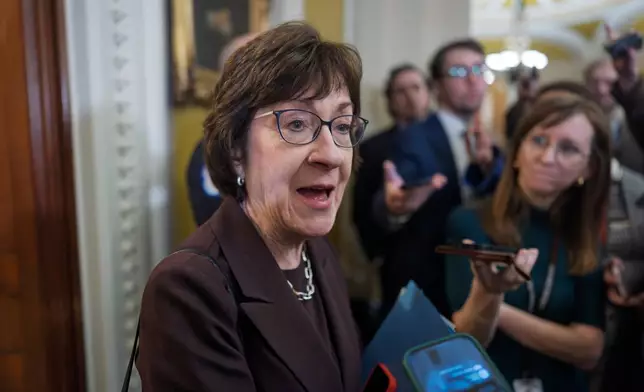
Sen. Susan Collins, R-Maine, chair of the Senate Appropriations Committee, is met by reporters outside the Senate chamber, at the Capitol in Washington, Tuesday, Jan. 6, 2026. (AP Photo/J. Scott Applewhite)
Sen. Susan Collins, R-Maine, chair of the Senate Appropriations Committee, is met by reporters outside the Senate chamber, at the Capitol in Washington, Tuesday, Jan. 6, 2026. (AP Photo/J. Scott Applewhite)

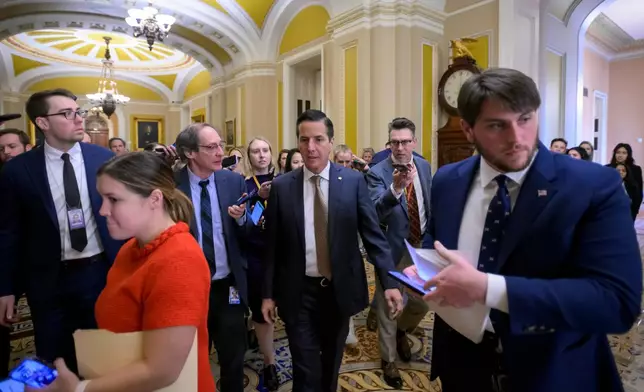
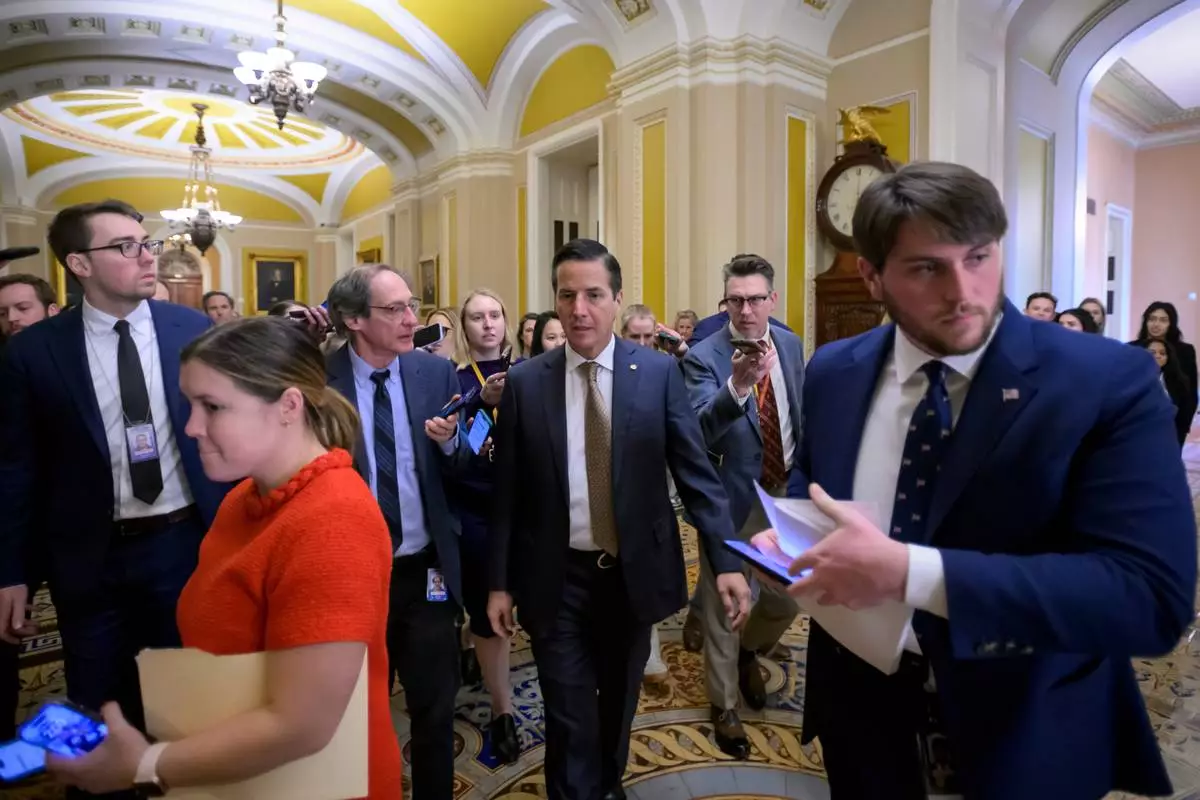
Sen. Bernie Moreno, R-Ohio, center, talks with reporters as he walks through the Ohio Clock Corridor at the Capitol, Tuesday, Jan. 13, 2026, in Washington. (AP Photo/Rod Lamkey, Jr.)
Sen. Bernie Moreno, R-Ohio, center, talks with reporters as he walks through the Ohio Clock Corridor at the Capitol, Tuesday, Jan. 13, 2026, in Washington. (AP Photo/Rod Lamkey, Jr.)

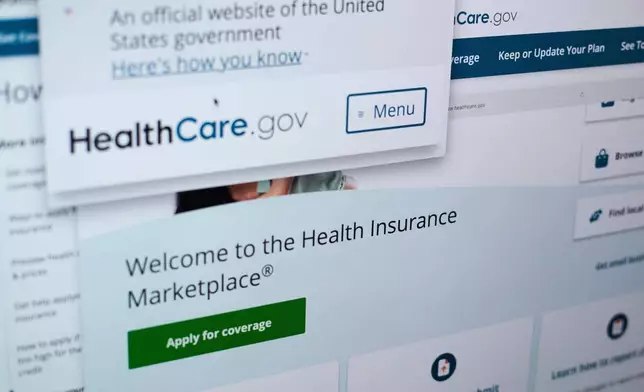
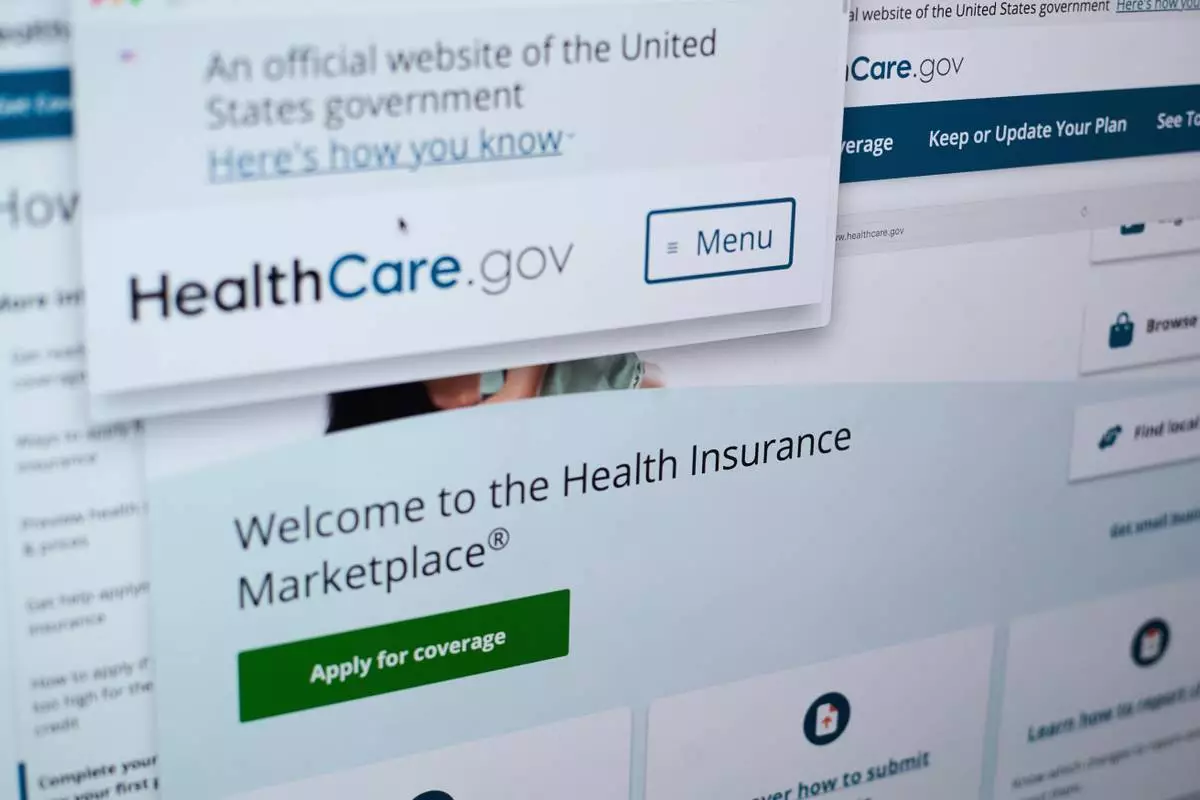
FILE - Pages from the U.S. Affordable Care Act health insurance website healthcare.gov are seen on a computer screen in New York, Aug. 19, 2025. (AP Photo/Patrick Sison, File)

FILE - Pages from the U.S. Affordable Care Act health insurance website healthcare.gov are seen on a computer screen in New York, Aug. 19, 2025. (AP Photo/Patrick Sison, File)

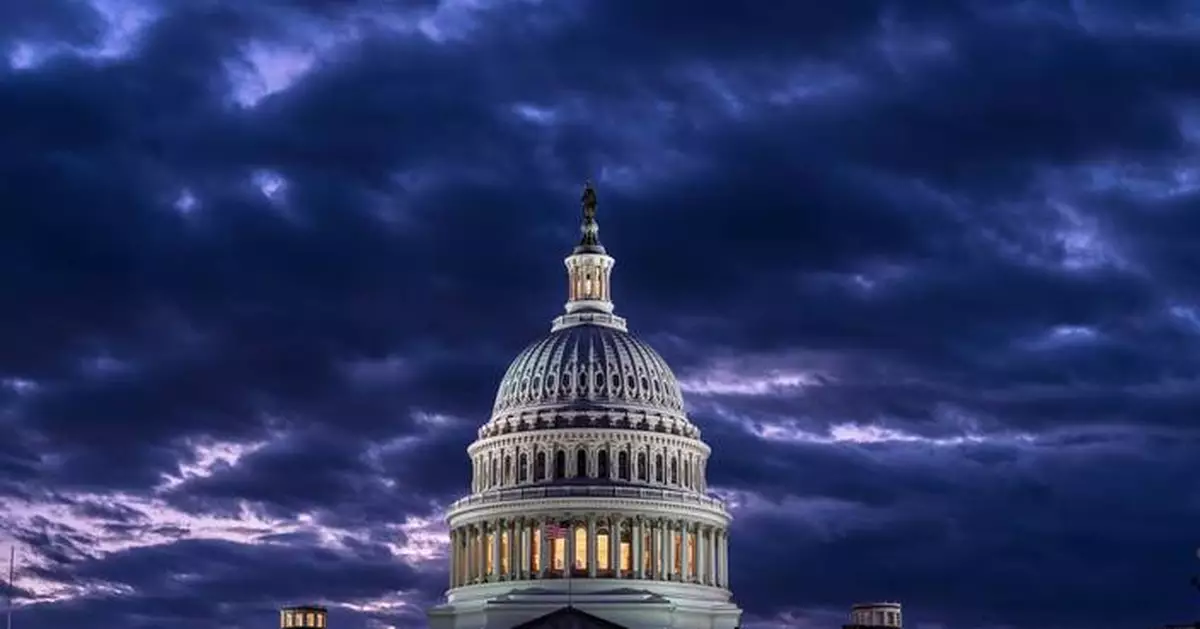
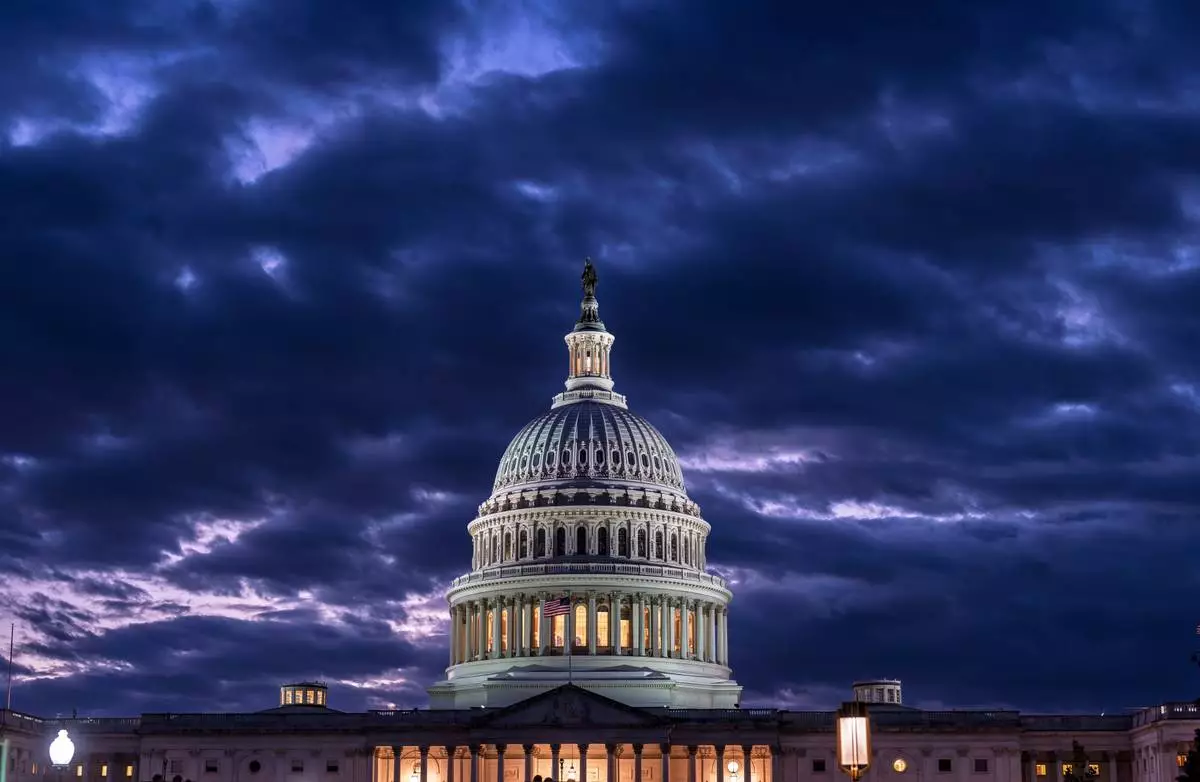
FILE - The Capitol is seen at nightfall in Washington on Oct. 22, 2025. (AP Photo/J. Scott Applewhite, File)

FILE - The Capitol is seen at nightfall in Washington on Oct. 22, 2025. (AP Photo/J. Scott Applewhite, File)

“Once we get past this issue, there’s decent agreement on everything else,” Sen. Bernie Moreno, R-Ohio, who has led the talks, told reporters.

But movement was hard to find.

Republicans were seeking stronger curbs on abortion coverage for those who purchase insurance off the marketplaces created by the Affordable Care Act. Democrats strongly opposed any such changes, especially in the wake of the Supreme Court overturning Roe vs. Wade in 2022. And advocacy groups on both sides were pushing against any compromise that they believe would weaken their positions.

The impasse was a familiar obstacle for lawmakers who have been arguing over the health law, known widely as “Obamacare,” since it was passed 16 years ago.

“The two sides are passionate about (abortion) so I think if they can find a way to bring it up, they probably will,” said Ivette Gomez, a senior policy analyst on women’s health policy for KFF, the health care research nonprofit.

The abortion dispute dates back to the weeks and months before President Barack Obama signed the health overhaul into law in 2010, when Democrats who controlled Congress added provisions ensuring that federal dollars subsidizing the health plans would not pay for elective abortions. The compromise came after negotiations with members of their own party whose opposition to abortion rights threatened to sink the legislation.

The final language allowed states to offer plans under the ACA that cover elective abortions, but said that federal money could not pay for them. States are now required to segregate funding for those procedures.

Since then, 25 states have passed laws prohibiting abortion coverage in ACA plans, 12 have passed laws requiring abortion coverage in the plans and 13 states and the District of Columbia have no coverage limitations or requirements, according to KFF. Some Republicans and anti-abortion groups now want to make it harder for the states that require or allow the coverage, arguing that the segregated funds are nothing more than a gimmick that allows taxpayer dollars to pay for abortions.

Senators involved in the negotiations said a potential compromise was to investigate some of those states to ensure that they are segregating the money correctly.

Sen. Susan Collins, R-Maine, who has led the negotiations with Moreno, said “the answer is to audit” those states and enforce the law if they are not properly segregating their funds.

But that plan was unlikely to win unanimity from Republicans, and Democrats have not signed on.

Negotiators were more optimistic last week, after President Donald Trump told House Republicans at a meeting that “you have to be a little flexible” on rules that federal dollars cannot be used for abortions.

Those words from the president, who has said little about whether he wants Congress to extend the subsidies, came just before a House vote on Democratic legislation that would extend the ACA tax credits for three years. After his comments, 17 Republicans voted with Democrats on the extension over the objections of GOP leadership and the House passed the bill with no new abortion restrictions.

Anti-abortion groups reacted swiftly.

Kelsey Pritchard, a spokeswoman for Susan B. Anthony Pro-Life America, said the group would not be supporting the 17 Republicans who voted for the extension. Trump’s comments were “a complete change in position for him” that brought “a lot of backlash and outcry” from the anti-abortion movement and voters opposed to abortion rights, she said.

Those who did not support changes to the ACA to reduce abortion coverage “are going to pay the price in the midterms” this year, Pritchard said. “We’re communicating to them that this isn’t acceptable.”

Democrats say the Republican effort to amend the law and increase restrictions on abortion is a distraction. They have been focused on extending the COVID-era subsidies that expired on Jan. 1 and had kept costs down for millions of people in the United States. The average subsidized enrollee is facing more than double the monthly premium costs for 2026, also according to KFF.

The two sides have been haggling since the fall, when Democrats voted to shut down the government for 43 days as they demanded negotiations on extending the subsidies. Republicans refused to negotiate until a small group of moderate Democrats agreed to vote with them and end the shutdown.

After the shutdown ended, Republicans made clear that they would not budge on the subsidies without changes on abortion, and the Senate voted on and rejected a three-year extension of the tax credits.

Maine Sen. Angus King, an independent who caucuses with Democrats, said at the time that making it harder to cover abortion was a “red line” for Democrats.

Republicans are going to “own these increases” in premiums, King said then.

The bipartisan group that has met in recent weeks has closed in on parts of an agreement, including a two-year deal that would extend the enhanced subsidy while adding new limits and also creating the option, in the second year, of a health savings account that Trump and Republicans prefer. The ACA open enrollment period would be extended to March 1 of this year, to allow people more time to figure out their coverage plans after the interruption of the enhanced subsidy.

But the abortion issue continues to stand in the way of a deal as Democrats seek to protect the carefully crafted compromise that helped pass the ACA 16 years ago.

“I have zero appetite to make it harder for people to access abortions,” said Sen. Chris Murphy, D-Conn.

Associated Press writers Ali Swenson in New York and Joey Cappelletti and Lisa Mascaro contributed to this report.
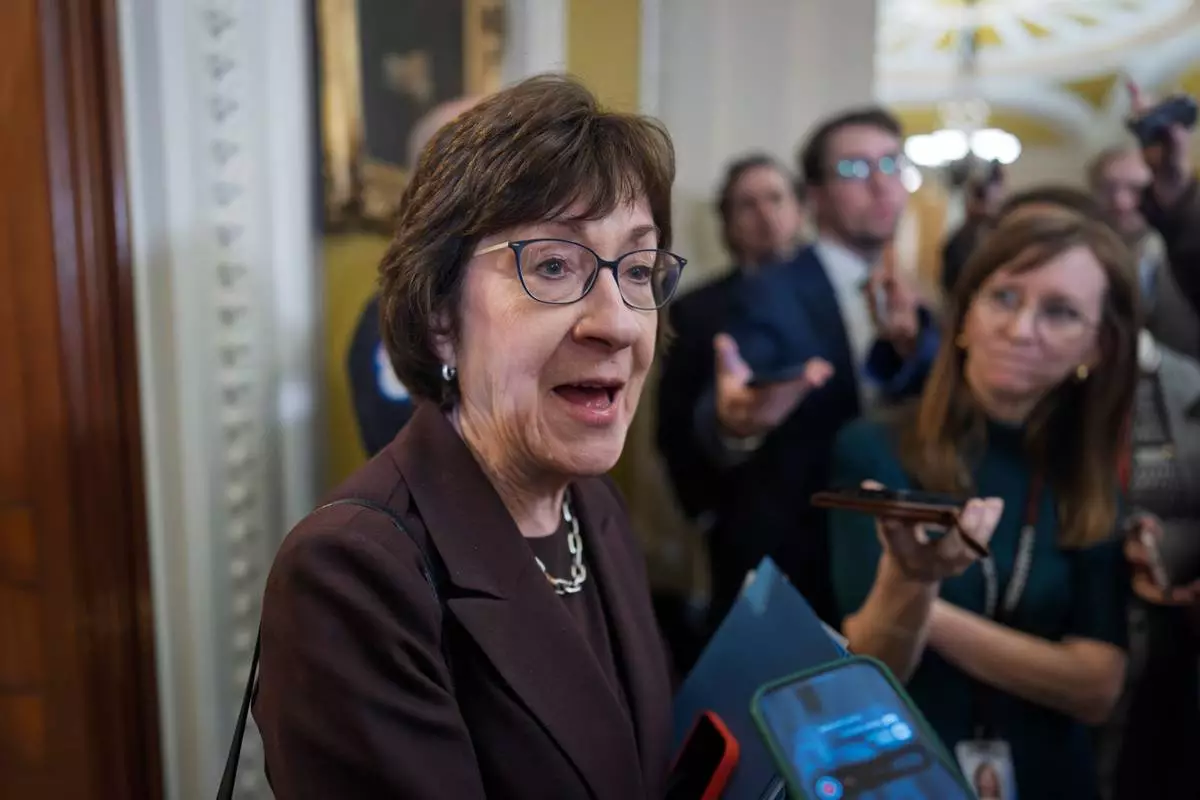
Sen. Susan Collins, R-Maine, chair of the Senate Appropriations Committee, is met by reporters outside the Senate chamber, at the Capitol in Washington, Tuesday, Jan. 6, 2026. (AP Photo/J. Scott Applewhite)
Sen. Susan Collins, R-Maine, chair of the Senate Appropriations Committee, is met by reporters outside the Senate chamber, at the Capitol in Washington, Tuesday, Jan. 6, 2026. (AP Photo/J. Scott Applewhite)

Sen. Bernie Moreno, R-Ohio, center, talks with reporters as he walks through the Ohio Clock Corridor at the Capitol, Tuesday, Jan. 13, 2026, in Washington. (AP Photo/Rod Lamkey, Jr.)
Sen. Bernie Moreno, R-Ohio, center, talks with reporters as he walks through the Ohio Clock Corridor at the Capitol, Tuesday, Jan. 13, 2026, in Washington. (AP Photo/Rod Lamkey, Jr.)

FILE - Pages from the U.S. Affordable Care Act health insurance website healthcare.gov are seen on a computer screen in New York, Aug. 19, 2025. (AP Photo/Patrick Sison, File)
FILE - Pages from the U.S. Affordable Care Act health insurance website healthcare.gov are seen on a computer screen in New York, Aug. 19, 2025. (AP Photo/Patrick Sison, File)

FILE - The Capitol is seen at nightfall in Washington on Oct. 22, 2025. (AP Photo/J. Scott Applewhite, File)
FILE - The Capitol is seen at nightfall in Washington on Oct. 22, 2025. (AP Photo/J. Scott Applewhite, File)
ASUNCION, Paraguay (AP) — The European Union and the Mercosur bloc of South American countries formally signed a long-sought free trade agreement on Saturday, strengthening commercial ties in the face of rising protectionism and trade tensions around the world.

The signing ceremony in Paraguay’s capital, Asuncion, caps more than a quarter-century of torturous negotiations. It marks a major geopolitical victory for the EU in an age of American tariffs and surging Chinese exports, expanding the bloc’s foothold in a resource-rich region increasingly contested by Washington and Beijing.

It also sends a message that South America is keeping a range of trade and diplomatic relationships even as U.S. President Donald Trump makes an aggressive push for geopolitical dominance of the Western Hemisphere.

The agreement could still face hurdles in the EU parliament, which must ratify it before it can take effect. Ratification is considered all but guaranteed in South America, where the agreement has broad support.

Mercosur consists of the region's two biggest economies, Argentina and Brazil, as well as Paraguay and Uruguay. Bolivia, the bloc's newest member, is not included the trade deal but could join in the coming years. Venezuela has been suspended from the bloc and isn't included in the agreement.

Supported by South America’s cattle-raising countries and European industrial interests, the accord will gradually eliminate more than 90% of tariffs on goods ranging from Argentine beef to German cars, creating one of the world’s largest free trade zones and making shopping cheaper for more than 700 million consumers.

European Commission President Ursula von der Leyen, who heads the EU’s executive branch, portrayed the deal as a bulwark against the disruptive policies of the Trump administration.

“It reflects a clear and deliberate choice: We choose fair trade over tariffs. We choose a productive long-term partnership over isolation,” von der Leyen declared in an veiled rebuke of Trump at the ceremony, which got underway as Trump announced 10% tariffs on eight European nations over their opposition to American control of Greenland.

“We will join forces like never before, because we believe that this is the best way to make our people and our countries prosper,” she added.

The White House did not immediately respond to a request for comment.

Brazilian President Luiz Inácio Lula da Silva, a longtime advocate of the trade deal, hailed it as a victory for global cooperation.

“At a time when unilateralism isolates markets and protectionism inhibits global growth, two regions that share democratic values and a commitment to multilateralism choose a different path," Lula posted on X.

But Lula skipped the signing ceremony, signaling simmering tensions between the trading blocs.

Brazil, which held the rotating presidency of Mercosur last year, was gearing up to host the signing ceremony last month when European countries called it off, demanding more concessions for farmers scared of a surge in cheap agricultural imports.

Robbed of the spotlight, Lula was outraged at what was widely seen in South America as the latest example of the EU’s overbearing demands.

One of the main reasons the deal took so long to clinch was Brussels' demands for controls on South American agricultural processes, from deforestation regulation to rules on plastic packaging, as European farmers complained they couldn't compete if their South American counterparts were held to lower standards.

“The EU’s maximalist wish lists of demands from developing economies willing to sign free trade agreements are often perceived as patronizing,” said Agathe Demarais, a senior policy fellow with the European Council on Foreign Relations.

After the accord incorporated environmental regulations, strict quotas on farm imports like beef and sugar and staggered timelines for tariff reductions, the EU sweetened the deal further for its farmers with a promise of hefty subsidies. That pushed agricultural powerhouse Italy across the line earlier this month.

But even as the ink dried on Saturday, powerful lobbies in Europe were still hoping to prevent the agreement from clearing its main final hurdle: ratification by the European Parliament.

France remains opposed to the accord, with President Emmanuel Macron worrying that farmers’ frustration with the EU could drive more voters to the country’s far right in the 2027 presidential election.

In an interview, EU trade commissioner Maroš Šefčovič said he'd start lobbying Monday to get European Parliament members on board with the deal in hopes of seeing it passed in the first half of this year.

“We'll have very intense communication with all the members on a group level, on an individual level,” Šefčovič told The Associated Press, expressing confidence that “everyone will do the procedures as quickly as possible so we can benefit from this historic achievement.”

Šefčovič didn't name Trump, but as the U.S. threatens higher tariffs the commissioner said the accord sent the message “that if someone prefers and believes in high tariffs and power politics, Mercosur and European countries representing more than 700 million people clearly believe in ... international law, predictability, certainty and the removing of trade barriers.”

The deal is a sign of the bloc's revived relevance after years in which it was embroiled in political spats, undermined by economic crises and constrained by protectionist governments.

Perhaps most striking is the enthusaism of Argentine President Javier Milei, a radical libertarian and admirer of Trump who shares the U.S. leader's contempt for global institutions like the United Nations. Milei came to office in late 2023 with nothing but scorn for Mercosur, trashing it as a “prison,” threatening to withdraw and skipping the 2024 summit.

But his enthusiasm for free trade overcame any skepticism of the bloc at Saturday's ceremony.

“Argentina understands firsthand that closure and protectionism, sheltered by rhetoric rather than results, are the greatest causes of economic stagnation,” he said before signing.

DeBre reported from Buenos Aires, Argentina.

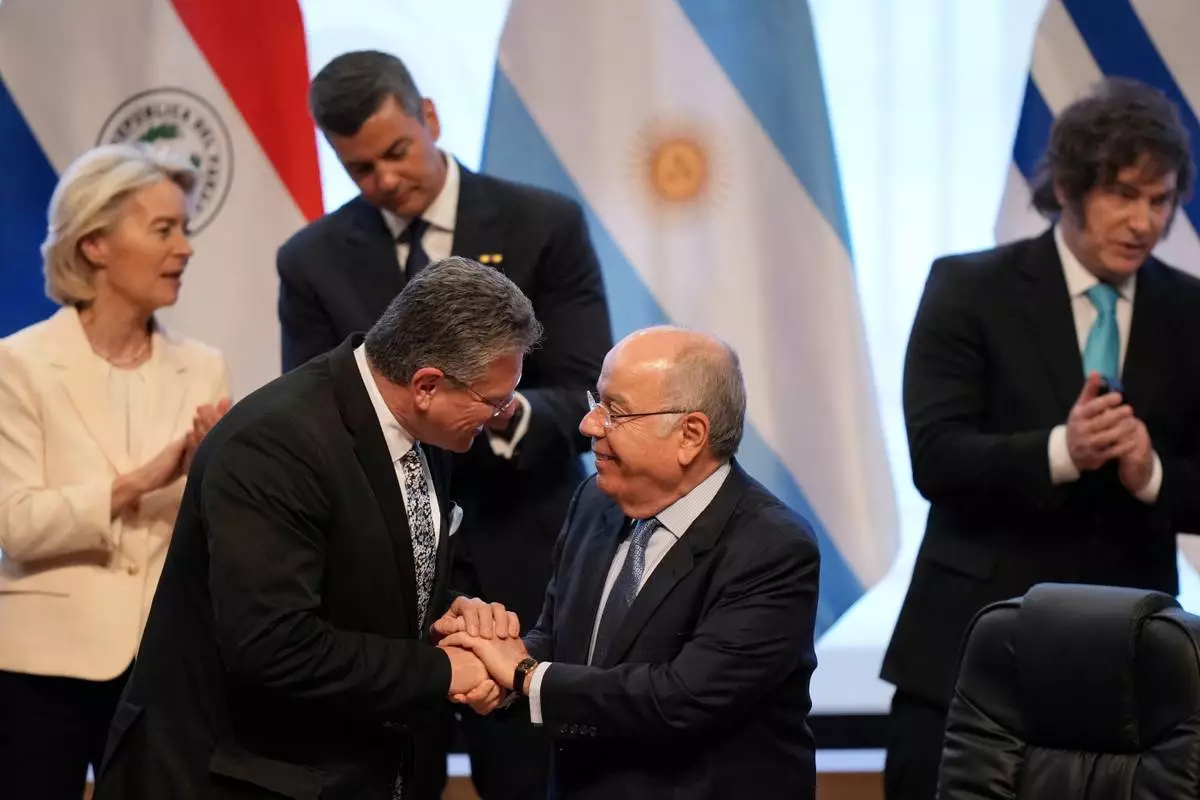
Economic Security Maros Sefcovic, left front, and Brazilian Minister of Foreign Affairs Mauro Vieira greet each other during a meeting to sign a free trade deal between the European Union and Mercosur in Asuncion, Paraguay, Saturday, Jan. 17, 2026. (AP Photo/Jorge Saenz)

Economic Security Maros Sefcovic, left front, and Brazilian Minister of Foreign Affairs Mauro Vieira greet each other during a meeting to sign a free trade deal between the European Union and Mercosur in Asuncion, Paraguay, Saturday, Jan. 17, 2026. (AP Photo/Jorge Saenz)

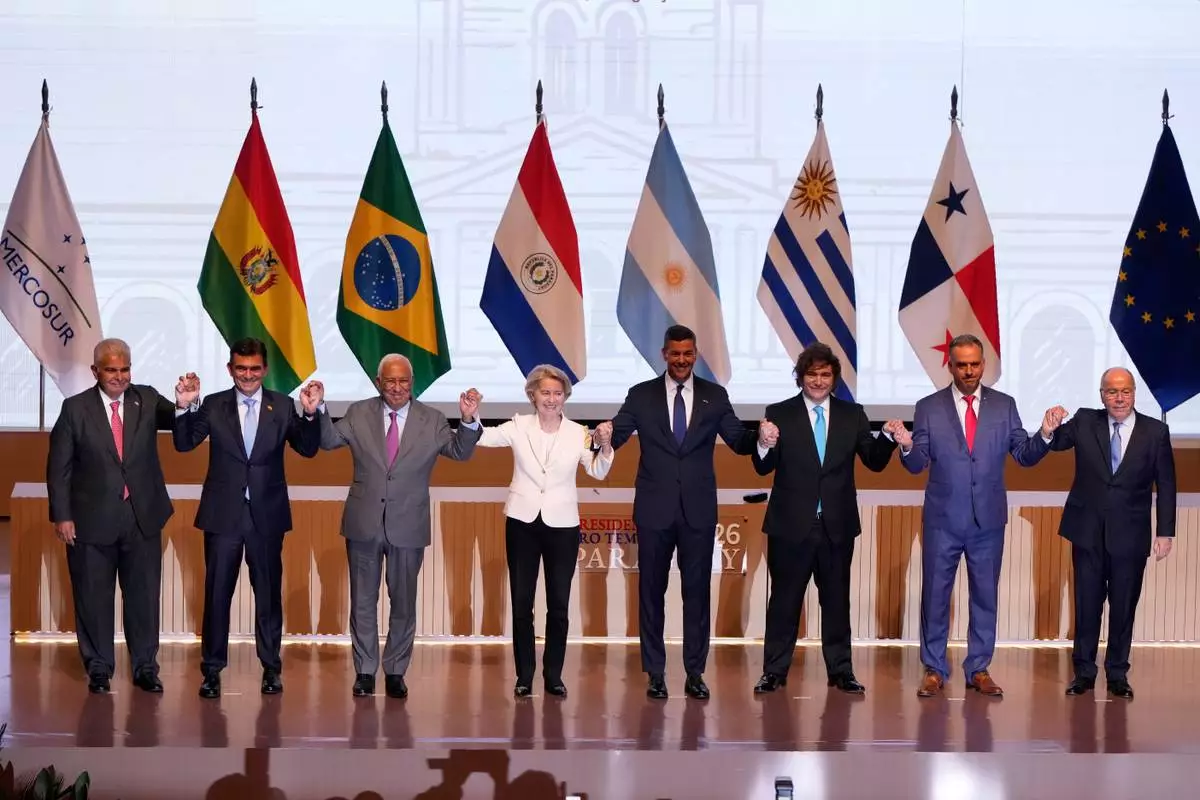
Panama's President Jose Raul Mulino, from left, Bolivian President Rodrigo Paz, European Council President Antonio Costa, European Commission President Ursula von der Leyen, Paraguay's President Santiago Pena, Argentina's President Javier Milei, Uruguay's President Yamandu Orsi and Brazilian Minister of Foreign Affairs Mauro Vieira, pose for a group photo during a meeting to sign a free trade deal between the European Union and Mercosur in Asuncion, Paraguay, Saturday, Jan. 17, 2026. (AP Photo/Jorge Saenz)

Panama's President Jose Raul Mulino, from left, Bolivian President Rodrigo Paz, European Council President Antonio Costa, European Commission President Ursula von der Leyen, Paraguay's President Santiago Pena, Argentina's President Javier Milei, Uruguay's President Yamandu Orsi and Brazilian Minister of Foreign Affairs Mauro Vieira, pose for a group photo during a meeting to sign a free trade deal between the European Union and Mercosur in Asuncion, Paraguay, Saturday, Jan. 17, 2026. (AP Photo/Jorge Saenz)

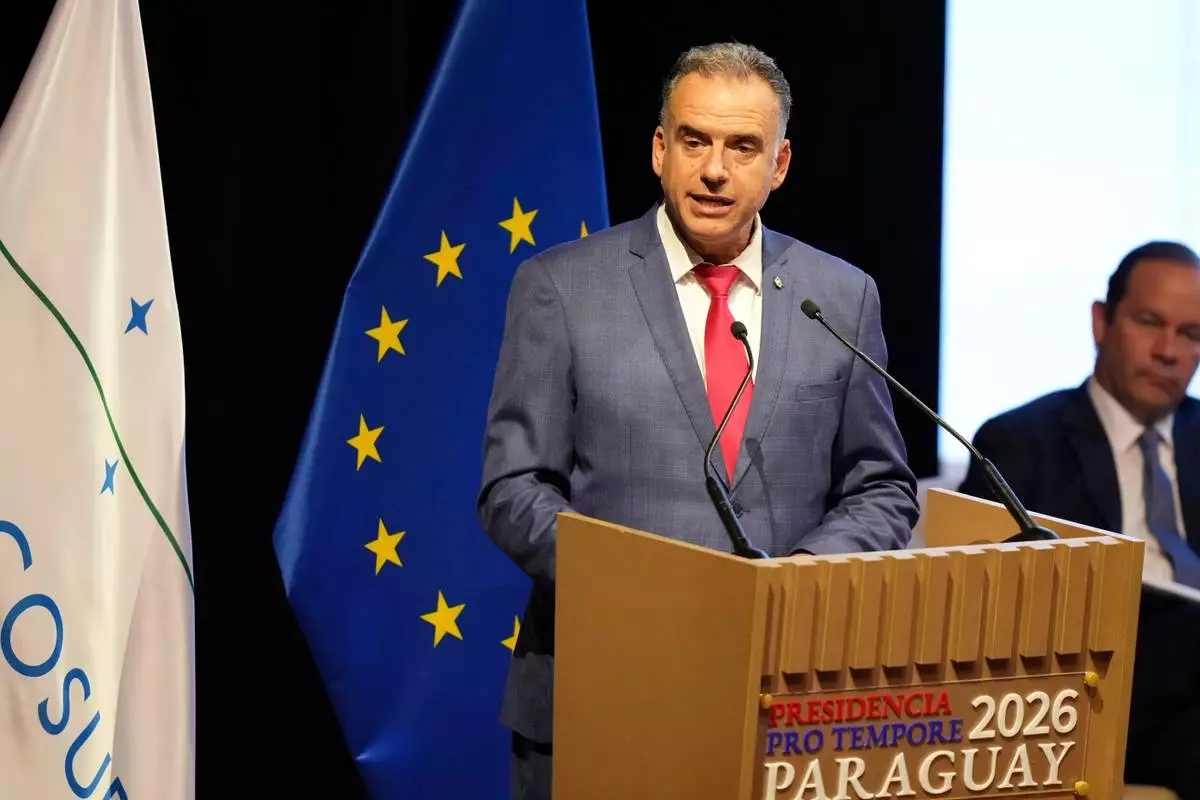
Uruguay's President Yamandu Orsi speaks during a meeting to sign a free trade deal between the European Union and Mercosur in Asuncion, Paraguay, Saturday, Jan. 17, 2026. (AP Photo/Jorge Saenz)

Uruguay's President Yamandu Orsi speaks during a meeting to sign a free trade deal between the European Union and Mercosur in Asuncion, Paraguay, Saturday, Jan. 17, 2026. (AP Photo/Jorge Saenz)

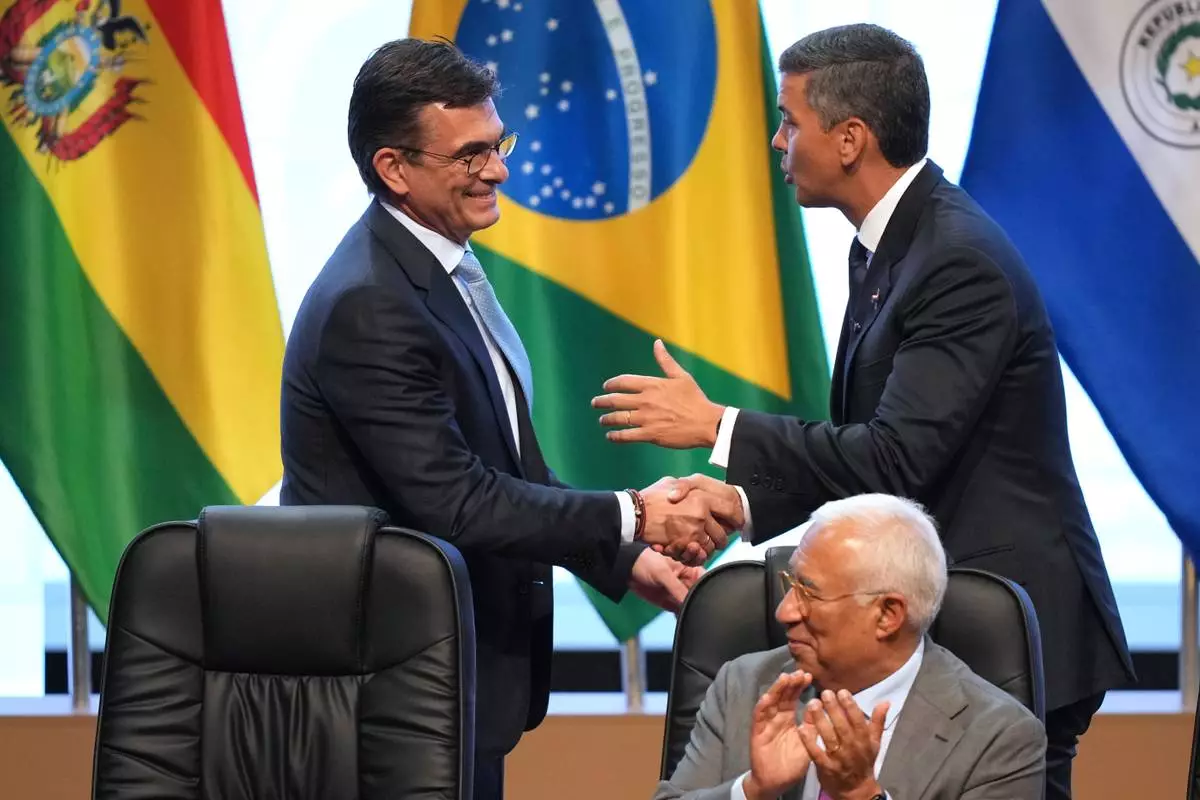
Bolivian President Rodrigo Paz, left, greets Paraguay's President Santiago Pena during a meeting to sign a free trade deal between the European Union and Mercosur, in Asuncion, Paraguay, Saturday, Jan. 17, 2026. (AP Photo/Jorge Saenz)

Bolivian President Rodrigo Paz, left, greets Paraguay's President Santiago Pena during a meeting to sign a free trade deal between the European Union and Mercosur, in Asuncion, Paraguay, Saturday, Jan. 17, 2026. (AP Photo/Jorge Saenz)

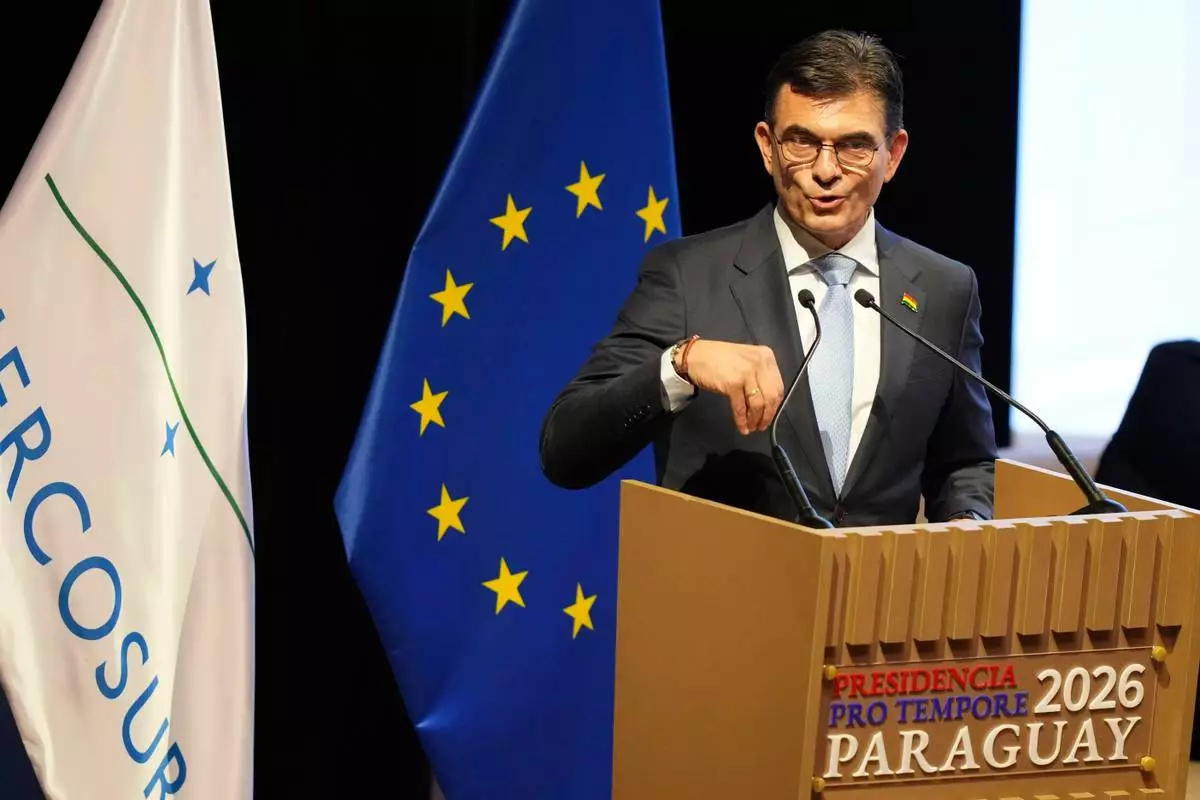
Bolivian President Rodrigo Paz speaks during a meeting to sign a free trade deal between the European Union and Mercosur in Asuncion, Paraguay, Saturday, Jan. 17, 2026. (AP Photo/Jorge Saenz)

Bolivian President Rodrigo Paz speaks during a meeting to sign a free trade deal between the European Union and Mercosur in Asuncion, Paraguay, Saturday, Jan. 17, 2026. (AP Photo/Jorge Saenz)

Meeting to sign a free trade deal between the European Union and Mercosur in Asuncion, Paraguay, Saturday, Jan. 17, 2026. (AP Photo/Jorge Saenz)

Meeting to sign a free trade deal between the European Union and Mercosur in Asuncion, Paraguay, Saturday, Jan. 17, 2026. (AP Photo/Jorge Saenz)

Recommended Articles