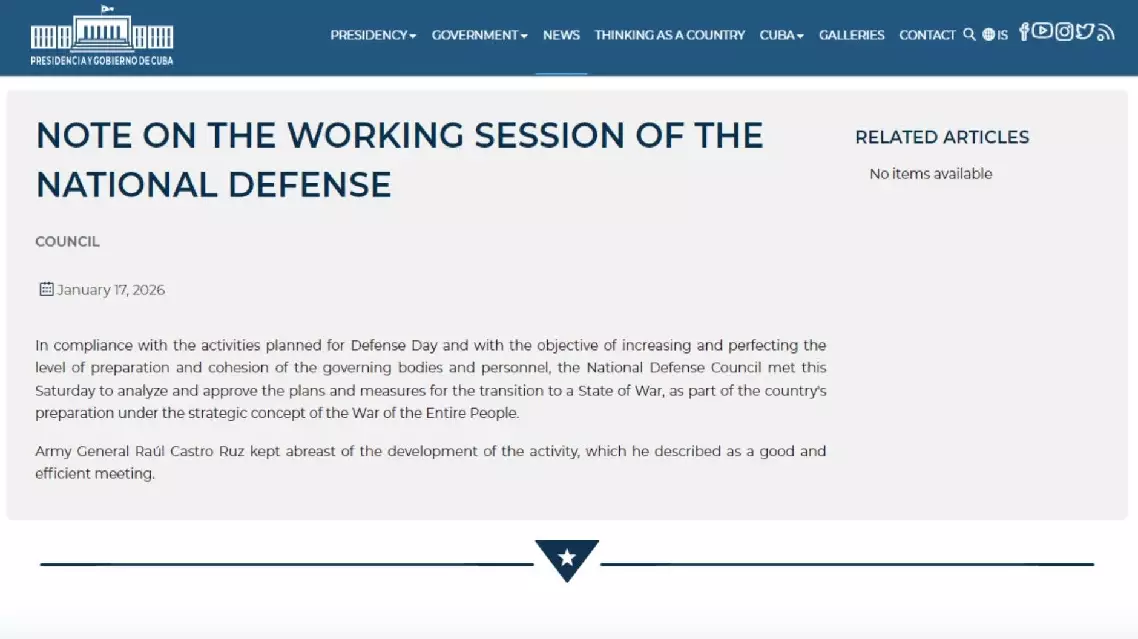
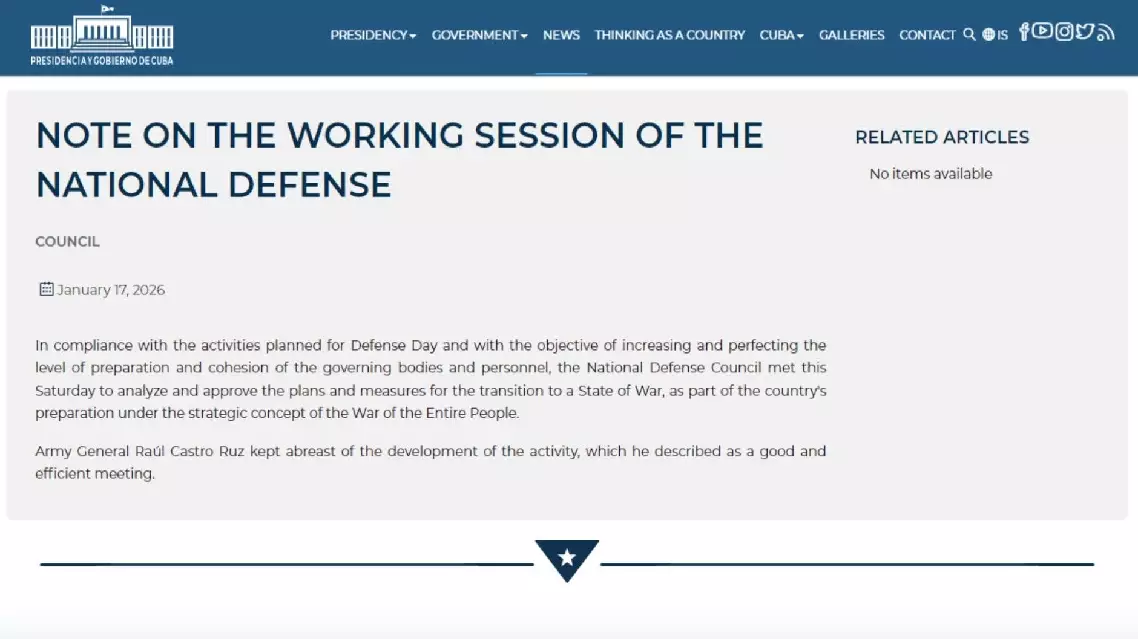
The Cuban National Defense Council met on Saturday and reviewed and approved plans and measures for the country's transition to a 'state of war', according to a statement released on the official website of the Cuban Presidential Palace.
The meeting was held under the purpose of enhancing and improving the combat readiness and coordination capabilities of command organizations at all levels and relevant personnel, and served as "part of the country's preparation under the strategic concept of the War of the Entire People", said the statement.
It comes amid heightened tensions between Cuba and the United States after the U.S. launched large-scale military strikes against Venezuela earlier this month, during which it forcibly seized Venezuelan President Nicolas Maduro and his wife before taking them to New York.
The U.S. attack on Venezuela led to the deaths of 32 Cuban soldiers, whose remains were flown back to the country on Thursday. Thousands gathered on the streets of Havana on Friday to pay their respects to the fallen soldiers and protest against the U.S. military actions which have received widespread condemnation worldwide.
U.S. President Donald Trump has indicated that Cuba could become the next target following the U.S. intervention in Venezuela, and in a social media post urged Cuba to "make a deal" or face consequences, and said that the flow of Venezuelan oil and money to Cuba would be stopped.
Cuban President Miguel Diaz-Canel has said Cuba will not initiate attacks or threats against any country, but is prepared to defend every inch of its territory.
Cuba approves plans on transition to 'state of war' amid US tensions
Cuba approves plans on transition to 'state of war' amid US tensions
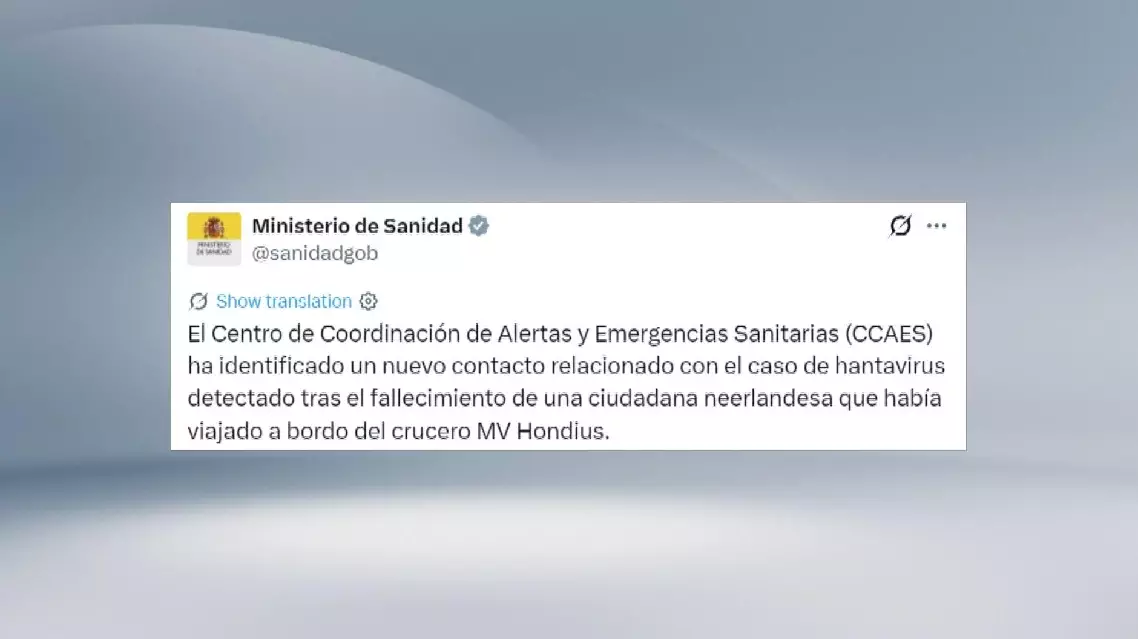
Spanish health authorities on Friday identified a second monitored contact linked to the hantavirus outbreak on cruise ship MV Hondius after tracing a woman living in Catalonia who had shared a flight with a Dutch traveler died from the virus.
Spain's Center for Coordination of Health Alerts and Emergencies said the woman is asymptomatic and was initially missed during contact tracing because of a seat change on the aircraft.
According to health authorities, the woman now meets the criteria for monitored contact under a newly approved national surveillance protocol and will remain under medical observation.
This came after the suspected case of hantavirus detected in Alicante. Spanish Secretary of State for Health Javier Padilla said on Friday that the health authorities had taken relevant measures.
In addition, Padilla confirmed that all 14 Spanish passengers aboard the MV Hondius had agreed to undergo voluntary quarantine measures in order to minimize the risk of further transmission.
The Dutch-operated expedition cruise ship, currently heading toward Spain's Canary Islands, has so far been linked to three deaths.
Padilla said a team from the Spanish Health Ministry would travel to Tenerife on Saturday ahead of the ship's expected arrival on Sunday.
Passengers are expected to disembark by small boats before being transferred under strict isolation measures. Spanish citizens aboard the vessel will be transported to Madrid for quarantine observation.
The British Health Security Agency announced Friday that a suspected hantavirus case has been detected on the South Atlantic island of Tristan da Cunha, linked to the ongoing outbreak aboard the MV Hondius cruise ship.
The vessel stopped at Tristan da Cunha between April 13 and 15.
Spain identifies second suspected hantavirus case linked to cruise ship outbreak