Skip to Content Facebook Feature Image

Internet shutdown squeezes Iran's ailing businesses already hurt by crashing currency

News

Internet shutdown squeezes Iran's ailing businesses already hurt by crashing currency
News

News

Internet shutdown squeezes Iran's ailing businesses already hurt by crashing currency

2026-01-20 21:06 Last Updated At:21:10

DUBAI, United Arab Emirates (AP) — Iranians have been struggling for nearly two weeks with the longest, most comprehensive internet shutdown in the history of the Islamic Republic — one that has not only restricted their access to information and the outside world, but is also throttling many businesses that rely on online advertising.

Authorities shut down internet access on Jan. 8 as nationwide protests led to a brutal crackdown that activists say has killed over 4,000 people, with more feared dead. Since then, there has been minimal access to the outside world, with connectivity in recent days restored only for some domestic websites. Google also began partially functioning as a search engine, with most search results inaccessible.

More Images
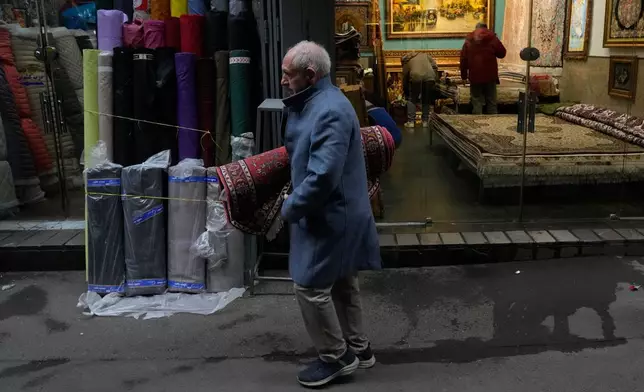
A man carries a carpet at Tehran's historic Grand Bazaar, Tuesday, Jan. 20, 2026, in Iran. (AP Photo/Vahid Salemi)
A man carries a carpet at Tehran's historic Grand Bazaar, Tuesday, Jan. 20, 2026, in Iran. (AP Photo/Vahid Salemi)

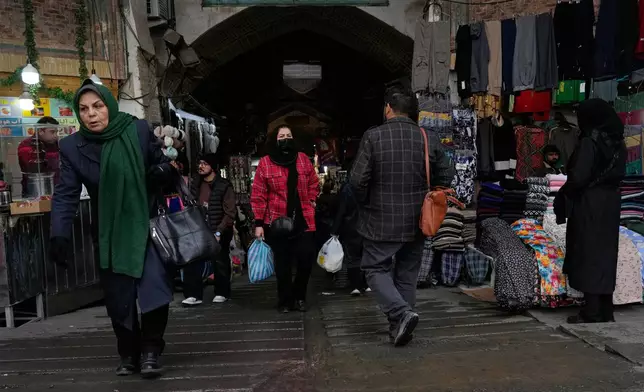
People walk at Tehran's historic Grand Bazaar, Tuesday, Jan. 20, 2026, in Iran. (AP Photo/Vahid Salemi)
People walk at Tehran's historic Grand Bazaar, Tuesday, Jan. 20, 2026, in Iran. (AP Photo/Vahid Salemi)

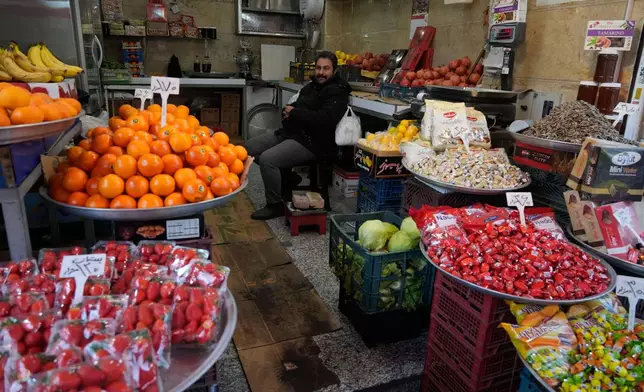
A fruit seller waits for customer at Tehran's historic Grand Bazaar, Tuesday, Jan. 20, 2026, in Iran. (AP Photo/Vahid Salemi)
A fruit seller waits for customer at Tehran's historic Grand Bazaar, Tuesday, Jan. 20, 2026, in Iran. (AP Photo/Vahid Salemi)
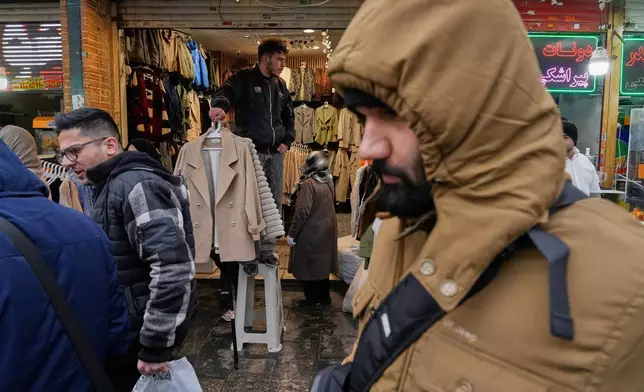
A shopkeeper waits for customer at Tehran's historic Grand Bazaar, Tuesday, Jan. 20, 2026, in Iran. (AP Photo/Vahid Salemi)

A shopkeeper waits for customer at Tehran's historic Grand Bazaar, Tuesday, Jan. 20, 2026, in Iran. (AP Photo/Vahid Salemi)

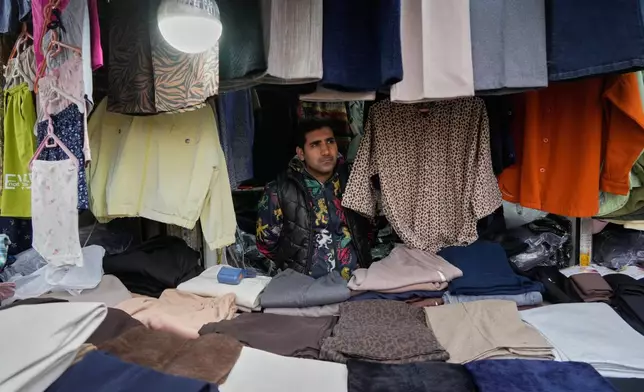
A shopkeeper holds garments at his store at Tehran's historic Grand Bazaar, Tuesday, Jan. 20, 2026, in Iran. (AP Photo/Vahid Salemi)

A shopkeeper holds garments at his store at Tehran's historic Grand Bazaar, Tuesday, Jan. 20, 2026, in Iran. (AP Photo/Vahid Salemi)

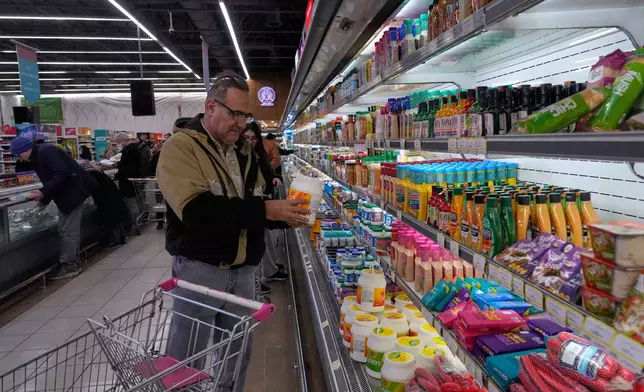
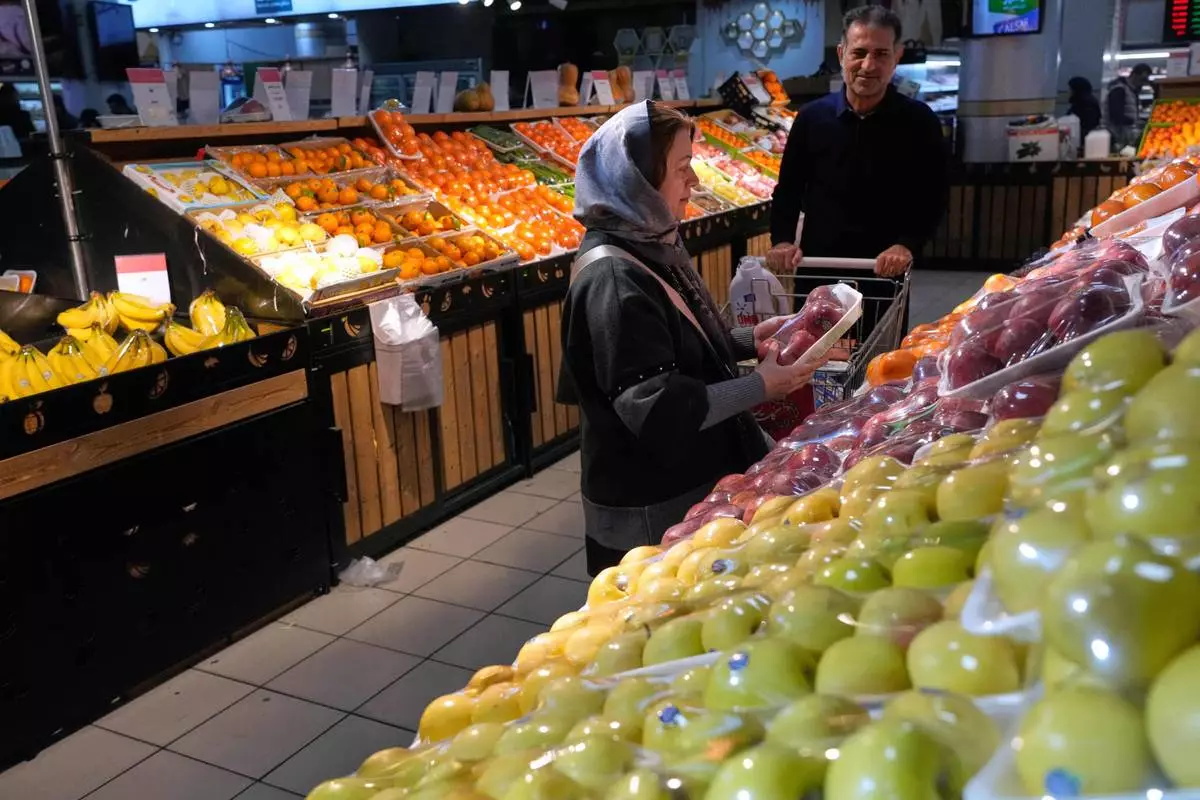
People shop fruits at a store in Tehran, Iran, Friday, Jan. 16, 2026. (AP Photo/Vahid Salemi)
People shop fruits at a store in Tehran, Iran, Friday, Jan. 16, 2026. (AP Photo/Vahid Salemi)

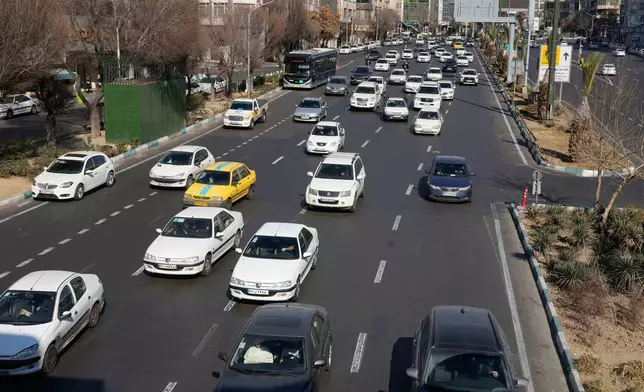
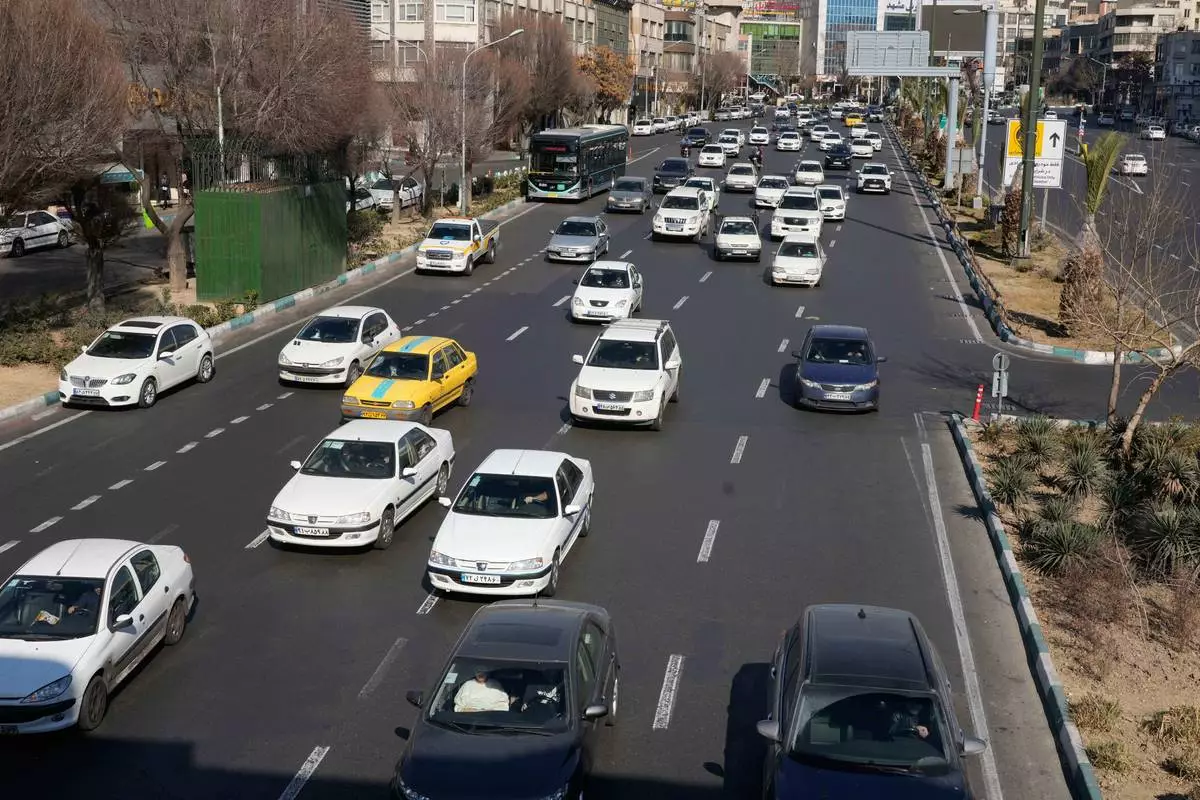
Vehicles drive in downtown Tehran, Iran, Friday, Jan. 16, 2026. (AP Photo/Vahid Salemi)
Vehicles drive in downtown Tehran, Iran, Friday, Jan. 16, 2026. (AP Photo/Vahid Salemi)

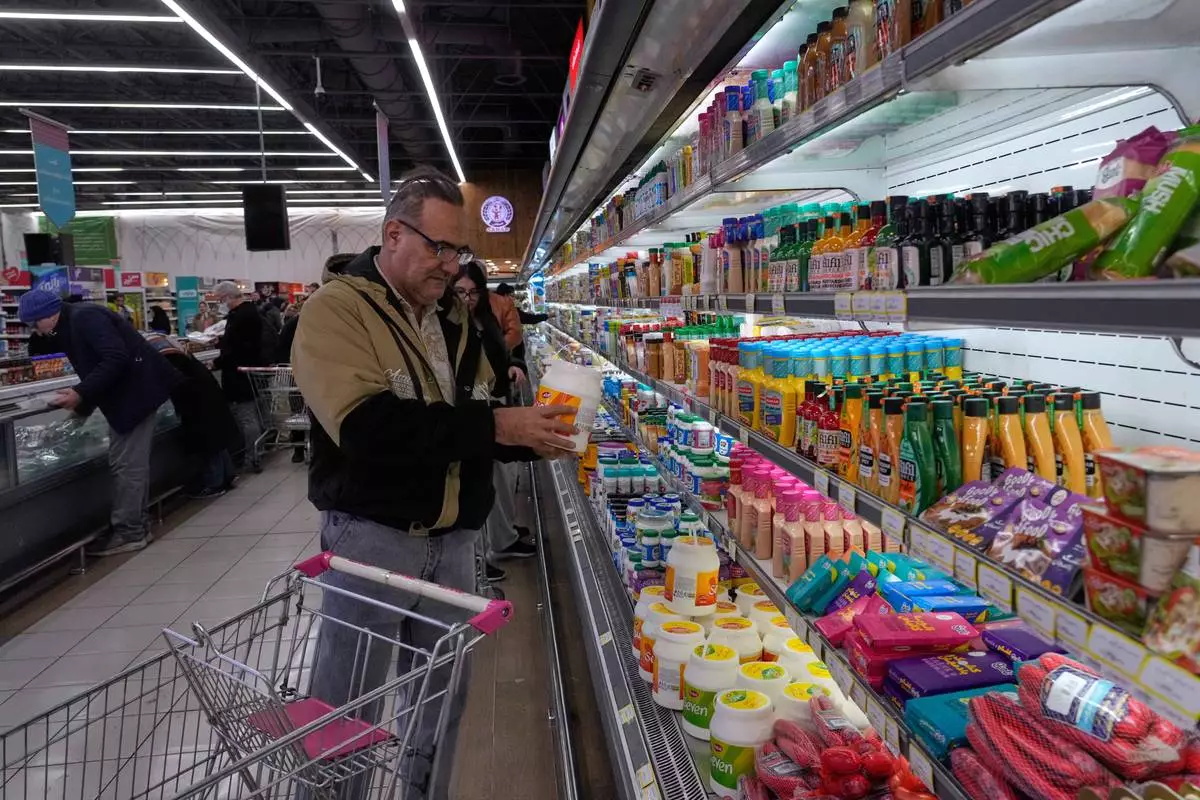
A man checks information on a yogurt's package at a store in Tehran, Iran, Friday, Jan. 16, 2026. (AP Photo/Vahid Salemi)

A man checks information on a yogurt's package at a store in Tehran, Iran, Friday, Jan. 16, 2026. (AP Photo/Vahid Salemi)

Officials have offered no firm timeline for the internet to return, leading to fears by businesses across the country about their future.

One pet shop owner in Tehran, who spoke on the condition of anonymity like others for fear of reprisals, said his business had fallen by 90% since the protests. “Before that, I mainly worked on Instagram and Telegram which I don’t have access to anymore. The government has proposed two domestic alternatives. The point is our customers are not there — they don’t use it.”

The internet outage compounds economic pain already suffered by Iranians. The protests, which appear to have halted under a bloody suppression by authorities, began Dec. 28 over Iran’s rial currency falling to over 1.4 million to $1. Ten years ago, the rial traded at 32,000 to $1. Before the 1979 Islamic Revolution, it traded at 70 to $1.

The currency’s downward spiral pushed up inflation, increasing the cost of food and other daily necessities. The pressure on Iranians’ pockets was compounded by changes to gasoline prices that were also introduced in December, further fueling anger.

Iran’s state-run news agency IRNA quoted a deputy minister of communications and information technology, Ehsan Chitsaz, as saying the cut to the internet cost Iran between $2.8 to $4.3 million each day.

But the true cost for the Iranian economy could be far higher. The internet monitoring organization NetBlocks estimates each day of an internet shutdown in Iran costs the country over $37 million.

The site says it estimates the economic impact of internet outages based on indicators from multiple sources including the World Bank and the International Telecommunication Union, which is the United Nations’ specialized agency for digital technology.

In 2021 alone, a government estimate suggested Iranian businesses made as much as $833 million a year in sales from social media sites, wrote Dara Conduit, a lecturer at the University of Melbourne in Australia, in an article published by the journal Democratization in June. She cited a separate estimate suggesting internet disruptions around the 2022 Mahsa Amini protests cost the Iranian economy $1.6 billion.

The 2022 internet disruptions' "far-reaching and blanket economic consequences risked further heightening tensions in Iran and spurring the mobilization of new anti-regime cohorts onto the streets at a time when the regime was already facing one of the most serious existential threats of its lifetime,” Conduit wrote.

More than 500 people were reportedly killed during that crackdown and over 22,000 detained.

Meanwhile, prosecutors have also begun targeting some businesses in the crackdown.

The judiciary's Mizan news agency reported Tuesday that prosecutors in Tehran filed paperwork to seize the assets of 60 cafes it alleged had a role in the protests. It also announced plans to seek the assets of athletes, cinema figures and others as well. Some cafes in Tehran and Shiraz have been shut down by authorities, other reports say.

The financial damage also has some people openly discussing the internet blackout.

In the comments section of a story on the internet blackout carried by the semiofficial Fars news agency, believed to be close to the country’s paramilitary Revolutionary Guard, one reader wrote: “For heaven’s sake, please do not let this internet cut become a regular thing. We need the net. Our business life is vanishing. Our business is being destroyed.”

Another commentator questioned why the internet remained blocked after days with no reports of street protests.

It’s not just the internet blackout that is hurting businesses. The violent crackdown on the protests, and the wave of a reported 26,000 arrests that followed, also have dampened the mood of consumers.

In Iran's capital, many shops and restaurants are open, but many look empty as customers focus primarily on groceries and little else.

“Those who pass by our shops don’t show any appetite for shopping,” said the owner of an upscale tailor shop in Tehran. “We are just paying our regular expenses, electricity and staff … but in return, we don't have anything.”
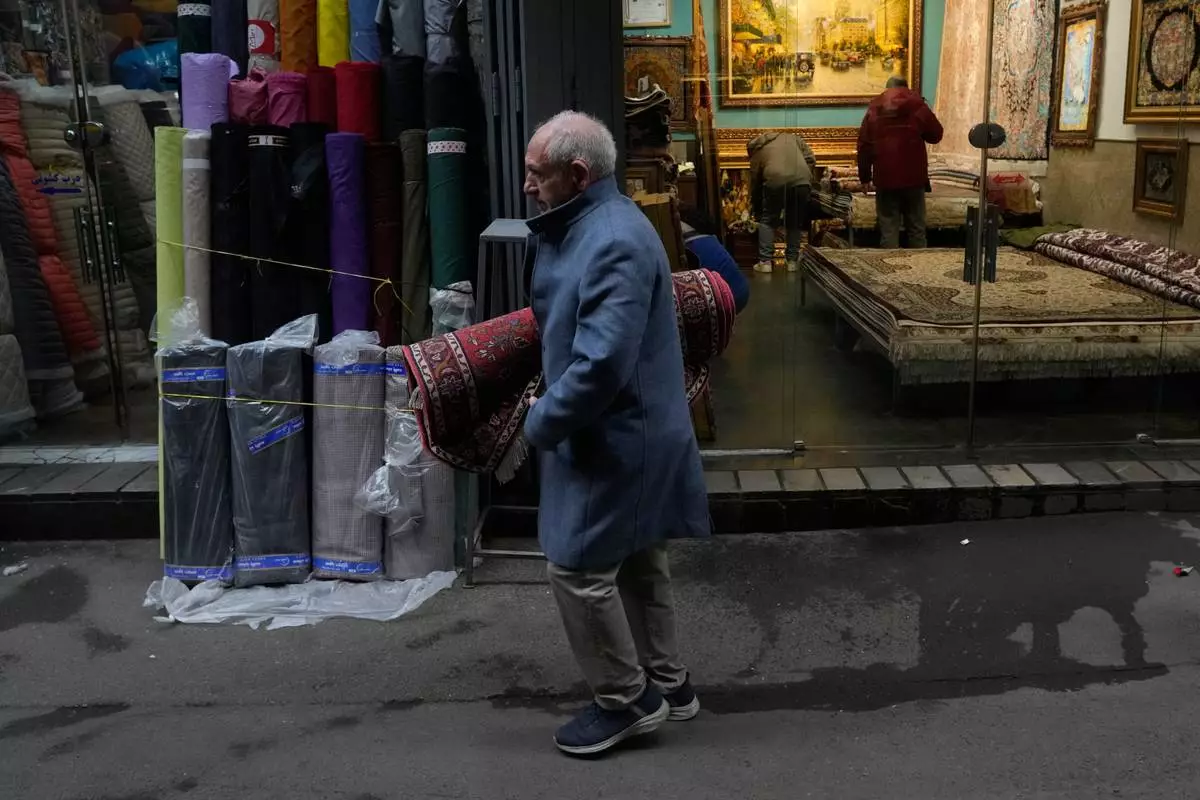
A man carries a carpet at Tehran's historic Grand Bazaar, Tuesday, Jan. 20, 2026, in Iran. (AP Photo/Vahid Salemi)
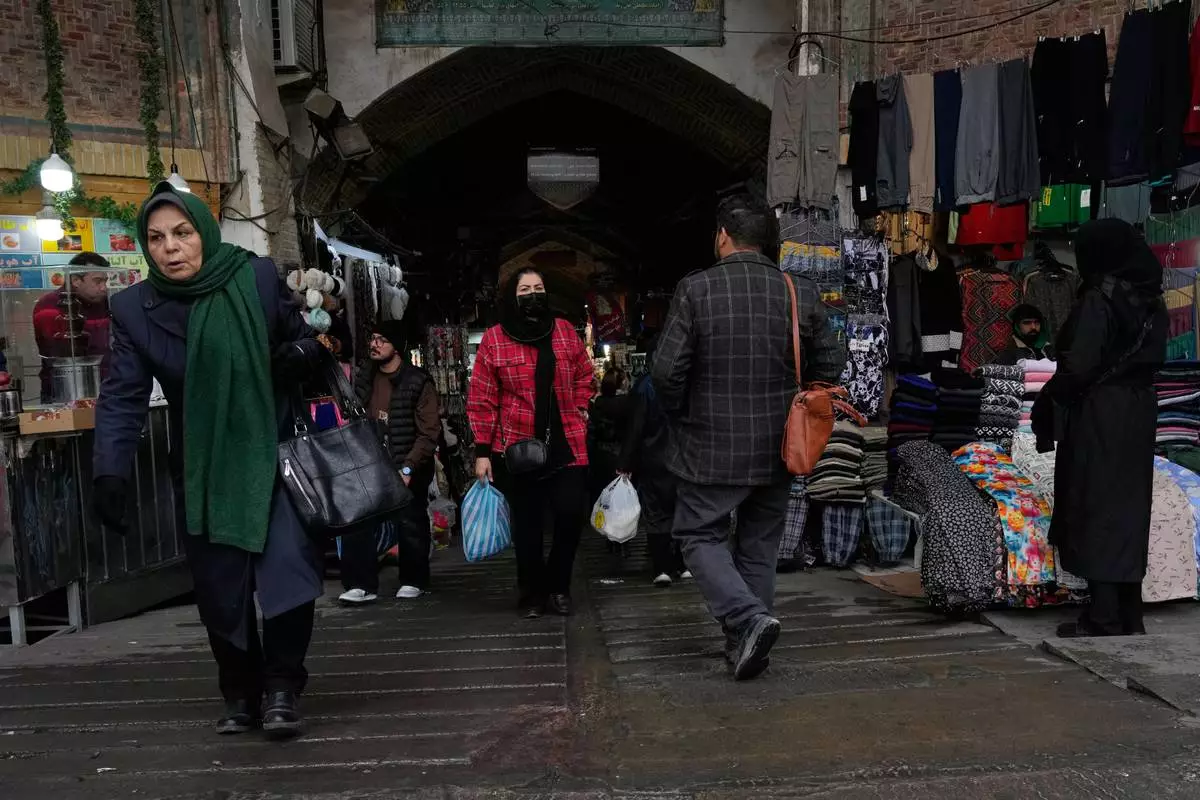
A man carries a carpet at Tehran's historic Grand Bazaar, Tuesday, Jan. 20, 2026, in Iran. (AP Photo/Vahid Salemi)

People walk at Tehran's historic Grand Bazaar, Tuesday, Jan. 20, 2026, in Iran. (AP Photo/Vahid Salemi)
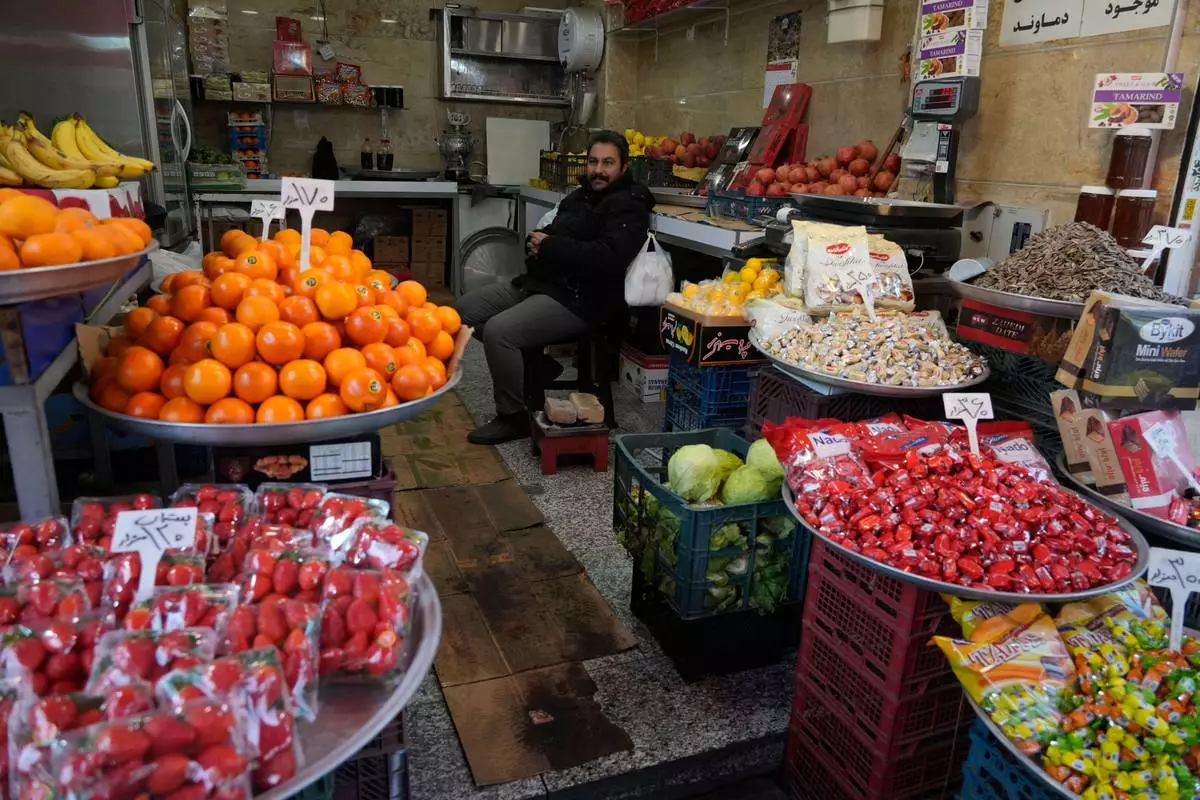
People walk at Tehran's historic Grand Bazaar, Tuesday, Jan. 20, 2026, in Iran. (AP Photo/Vahid Salemi)

A fruit seller waits for customer at Tehran's historic Grand Bazaar, Tuesday, Jan. 20, 2026, in Iran. (AP Photo/Vahid Salemi)
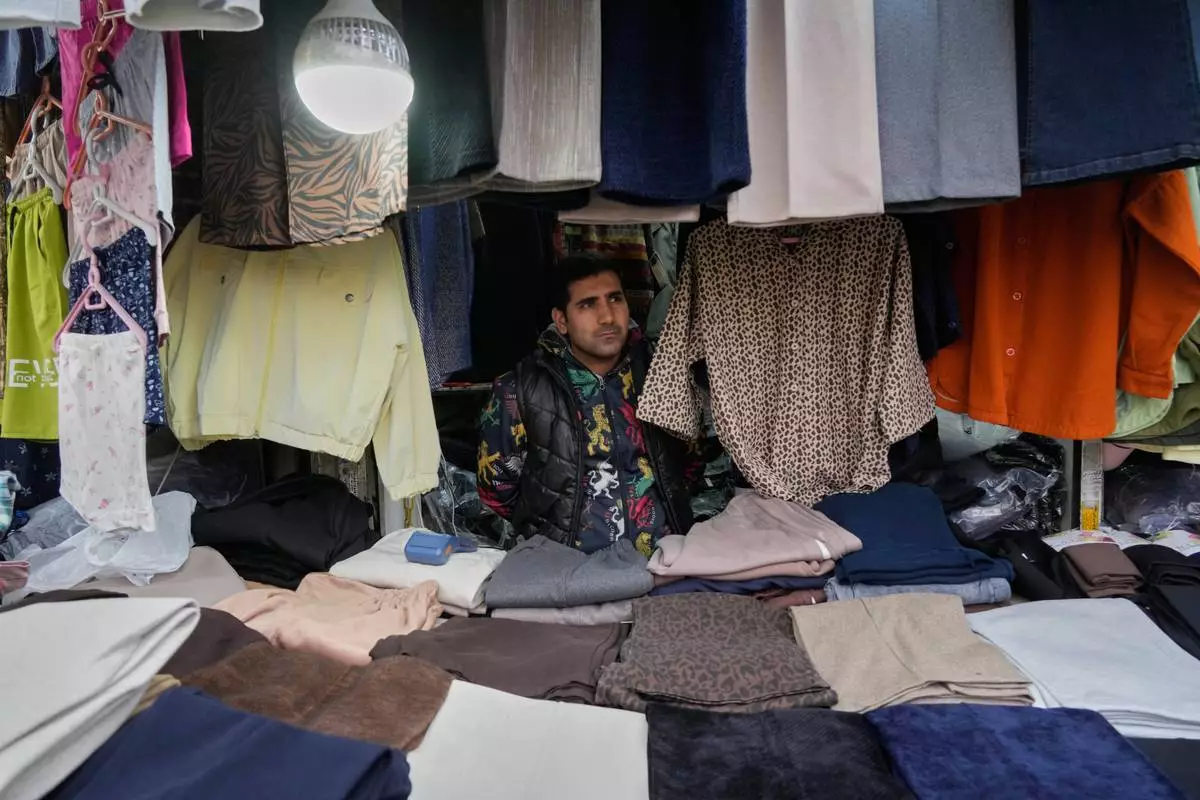
A fruit seller waits for customer at Tehran's historic Grand Bazaar, Tuesday, Jan. 20, 2026, in Iran. (AP Photo/Vahid Salemi)
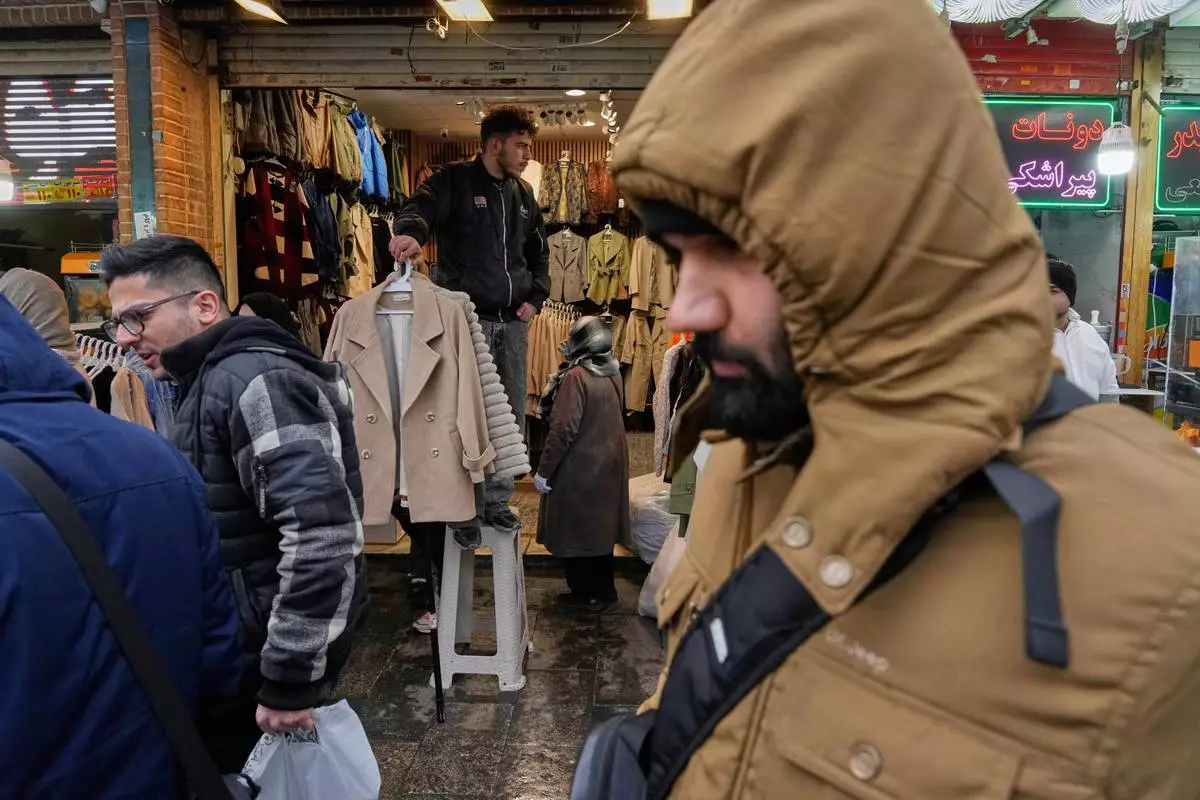
A shopkeeper waits for customer at Tehran's historic Grand Bazaar, Tuesday, Jan. 20, 2026, in Iran. (AP Photo/Vahid Salemi)

A shopkeeper waits for customer at Tehran's historic Grand Bazaar, Tuesday, Jan. 20, 2026, in Iran. (AP Photo/Vahid Salemi)

A shopkeeper holds garments at his store at Tehran's historic Grand Bazaar, Tuesday, Jan. 20, 2026, in Iran. (AP Photo/Vahid Salemi)
A shopkeeper holds garments at his store at Tehran's historic Grand Bazaar, Tuesday, Jan. 20, 2026, in Iran. (AP Photo/Vahid Salemi)

People shop fruits at a store in Tehran, Iran, Friday, Jan. 16, 2026. (AP Photo/Vahid Salemi)
People shop fruits at a store in Tehran, Iran, Friday, Jan. 16, 2026. (AP Photo/Vahid Salemi)

Vehicles drive in downtown Tehran, Iran, Friday, Jan. 16, 2026. (AP Photo/Vahid Salemi)
Vehicles drive in downtown Tehran, Iran, Friday, Jan. 16, 2026. (AP Photo/Vahid Salemi)

A man checks information on a yogurt's package at a store in Tehran, Iran, Friday, Jan. 16, 2026. (AP Photo/Vahid Salemi)


A man checks information on a yogurt's package at a store in Tehran, Iran, Friday, Jan. 16, 2026. (AP Photo/Vahid Salemi)

PARIS (AP) — While Europe is pushing back publicly against U.S. President Donald Trump over Greenland, the language appears softer behind the scenes.

Trump published a text message on Tuesday that he received from French President Emmanuel Macron, confirmed as genuine by Macron's office.

Starting with “My friend,” Macron’s tone was more deferential than the criticism that France and some of its European partner nations are openly voicing against Trump’s push to wrest Greenland from NATO ally Denmark.

Before broaching the Greenland dispute, Macron opted in his message to first talk about other issues where he and Trump seem to be roughly on the same page.

“We are totally in line on Syria. We can do great things on Iran,” the French leader wrote in English.

Then, he added: “I do not understand what you are doing on Greenland,” immediately followed by: “Let us try to build great things.”

That was the only mention that Macron made of the semi-autonomous Danish territory that Trump covets in the two sections of message that Trump published. It wasn't immediately clear from Trump's post when he received the message.

World leaders’ private messages to each other rarely make it verbatim into the public domain — enabling them to project one face publicly and another to each other.

But Trump — as is his wont across multiple domains — is casting traditions and diplomatic niceties to the wind and, in the process, lifting back the curtain on goings-on that usually aren't seen.

Trump also published a flattering message from Mark Rutte, secretary general of NATO, which the alliance also confirmed as authentic.

“I am committed to finding a way forward on Greenland,” Rutte wrote. “Can't wait to see you. Yours, Mark.”

Rutte has declined to speak publicly about Greenland despite growing concern about Trump’s threats to “acquire” the island and what that would mean for the territorial integrity of NATO ally Denmark. Pressed last week about Trump’s designs on Greenland and warnings from Denmark that any U.S. military action might mean the end of NATO, Rutte said: “I can never comment on that. That’s impossible in public.”

Macron likes to say that he can get Trump on the phone any time he wants. He proved it last September by making a show of calling up the president from a street in New York, to tell Trump that police officers were blocking him to let a VIP motorcade pass.

“Guess what? I’m waiting in the street because everything is frozen for you!” Macron said as cameras filmed the scene.

It's a safe bet that Macron must know by now — a year into Trump's second term in office — that there's always a risk that a private message to Trump could be made public.

An official close to Macron said that his message to Trump “shows that the French President, both in public and in private, takes the same views."

The official added that on Greenland, France considers respect for the sovereignty and territorial integrity of states is “non-negotiable." They spoke anonymously in line with the French presidency customary practices.

Still, the difference between Macron’s public and private personas in the message that Trump published was striking.

Most remarkably, the French leader told Trump in his message that he would be willing to invite representatives from both Ukraine and Russia to a meeting later this week in Paris — an idea that Macron has not voiced publicly.

The Russians could be hosted “in the margins,” Macron suggested, hinting at the potential awkwardness of inviting Moscow representatives while France is also backing Ukraine with military and other support against Russian President Vladimir Putin's invasion.

Macron wrote that the meeting could also include “the danish, the syrians” and the G7 nations — which include the United States.

The French president added: “let us have a dinner together in Paris together on thursday before you go back to the us."

He then signed off simply with “Emmanuel.”

Lorne Cook in Brussels and Sylvie Corbet in Paris contributed.

French President Emmanuel Macron delivers a speech as he visits the Istres military air force base, southern France, Thursday, Jan. 15, 2026. (AP Photo/Philippe Magoni, Pool)

French President Emmanuel Macron delivers a speech as he visits the Istres military air force base, southern France, Thursday, Jan. 15, 2026. (AP Photo/Philippe Magoni, Pool)

FILE - President Donald Trump boards Air Force One at Joint Base Andrews, Md., Aug. 15, 2025. (AP Photo/Julia Demaree Nikhinson, File)

FILE - President Donald Trump boards Air Force One at Joint Base Andrews, Md., Aug. 15, 2025. (AP Photo/Julia Demaree Nikhinson, File)

Recommended Articles